
 Sign in
◫ Home & Objects · Barcelona
Why Mid-Century Modern Furniture Matters Now: A Collector's Guide to Living With It Well
A practical, opinionated guide to buying and placing mid-century furniture: what the joinery tells you, which woods age honestly, and how to make a 1956 sideboard feel at home in a modern room without turning your living room into a showroom.
 By Louis Trash·

The Sideboard That Outlived Its Era
A walnut sideboard with tapered legs and a sliding door that still glides on its original nylon track. That is the object I keep coming back to. It is not rare. It works. It holds records, candles, a stack of plates, the mail you have not dealt with yet. It has been doing this since 1958 and it will keep doing it.
Mid-century furniture is everywhere right now. Walk into any good vintage shop and you will find pieces from the 1940s through the early 1970s, mostly mixed labels, sitting around $520. That price buys you something honest: solid teak, oak, or walnut, dovetail drawers, a form that was designed to be used rather than displayed. The question is not whether to buy it. The question is how to live with it without making your home look like a period room in a museum.
How to Place It Without Making a Shrine
Mid-century pieces are low. A typical sofa sits 28 to 30 inches high at the back. A coffee table drops to 15 or 16 inches. That low profile changes the whole atmosphere of a room. It makes a space feel open, horizontal, calm. Use that.

Do not push everything against the wall. A sideboard looks best floating slightly, maybe 12 inches off the wall, with a lamp and a bowl on top. A lounge chair with a bentwood frame wants to sit at an angle, not squared to the sofa. Let the legs show. The architecture of these pieces is in the legs, the frame, the visible joinery. If you cover the legs with a skirt or tuck them behind a heavy rug, you lose the point.
What does it work with? Almost anything that is not trying too hard. A Persian rug from the 1930s. A plaster lamp. A linen sofa in oatmeal. Mid-century furniture does not need other mid-century furniture around it. It needs quiet partners. One good piece in a room full of ordinary things looks better than five mid-century pieces fighting for attention.
Proportions matter more than era. A long, low sideboard under a window can anchor a room that otherwise feels tall and narrow. A pair of slim-framed chairs can open up a small dining area. A round coffee table in a square room softens the corners. Measure your space before you fall in love with a piece. A 72-inch credenza will not fit in a 9-foot alcove, no matter how good the price.
What the Wood and the Joints Tell You
Look at the grain. Teak from Denmark in the 1950s and 1960s has a tight, golden-brown figure that darkens with light. Walnut from American makers in the same period is darker, with a chocolate tone and a straight, quiet grain. Oak from the UK is often lighter, sometimes with a limed finish. If the wood looks orange or plasticky, it has been refinished badly.
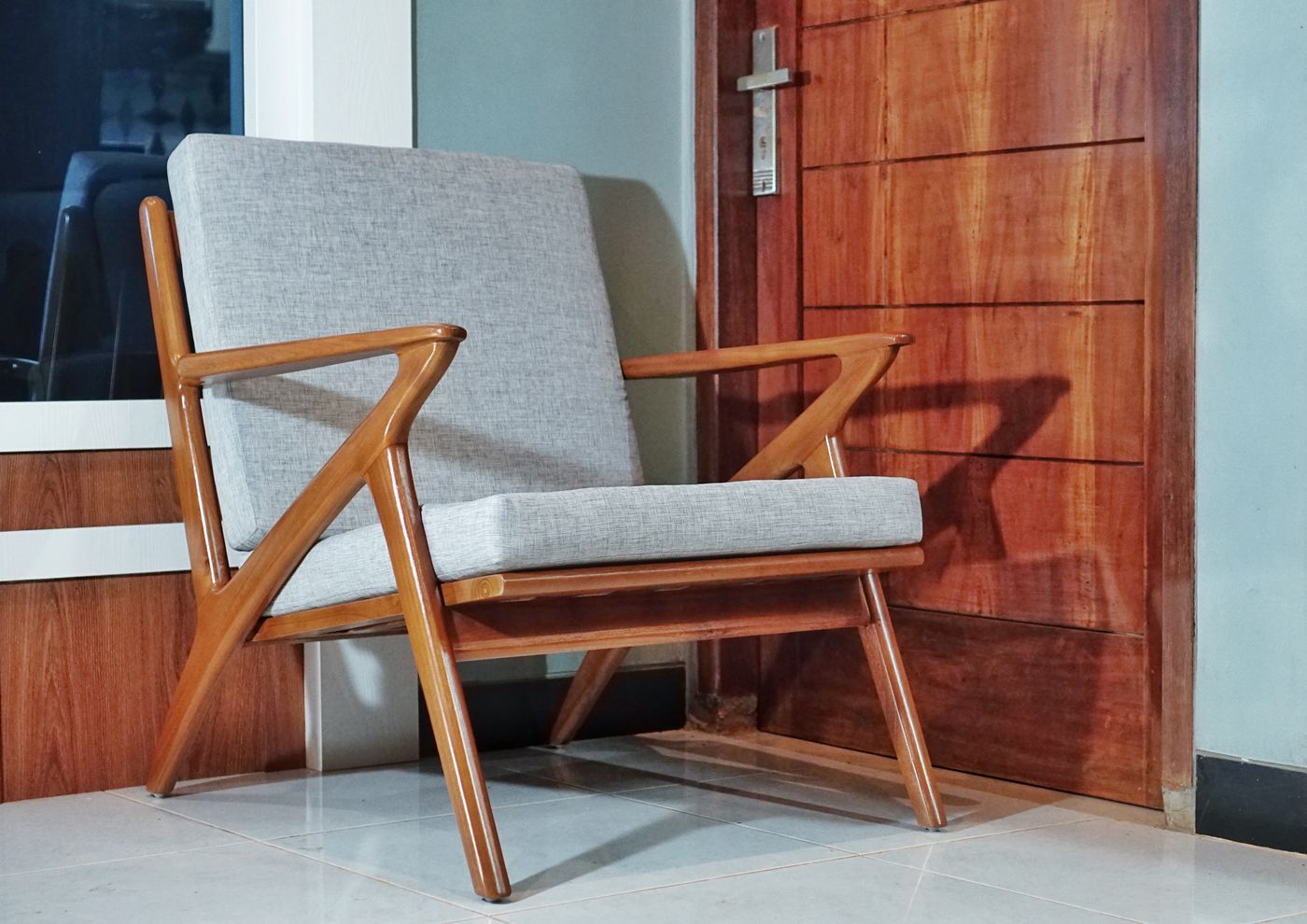
Foto: More Amore · Pexels
Open the drawers. Pull them all the way out. Look at the sides. Dovetails, hand-cut or machine-cut, are a good sign. Staples and particle board are not. A well-made drawer from 1962 will still slide smoothly on wooden runners. If it sticks, the wood has swelled or the runner is worn. That can be fixed, but it tells you the piece has been damp.
Check the legs. Tapered legs should be solid wood, not veneer over particle board. Look at the bottom of the leg. If you see a screw-on metal glide, it is probably original. If you see a plastic cap, it has been replaced. That is fine, but it tells you the piece has been used.
Look at the back. A good piece will have a finished back, even if it was meant to go against a wall. That is a sign of quality. A rough, unpainted back is a sign of a piece made to a price, not a standard.
The People Who Made It, and Why They Stopped
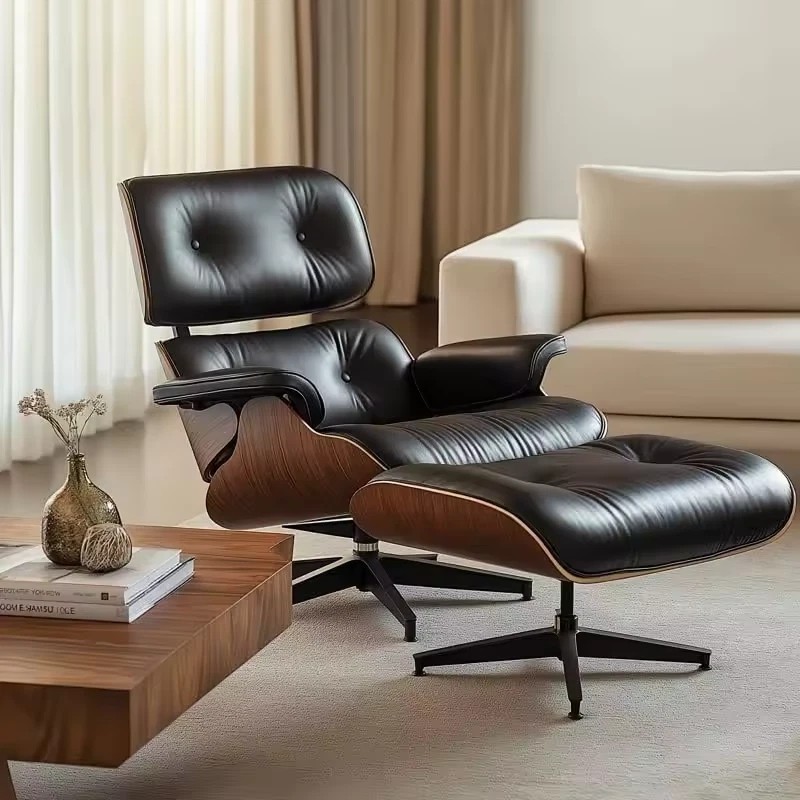
In 1949, Charles and Ray Eames built a chair with a molded fiberglass shell and a wire base. It was cheap to make, comfortable, and it looked like nothing else. By 1956, they had refined it into the lounge chair with rosewood veneer and leather cushions. That chair is still in production, but the early ones have a different weight. The rosewood is darker. The leather is thicker. The aluminum base has a sand-cast texture you can feel.
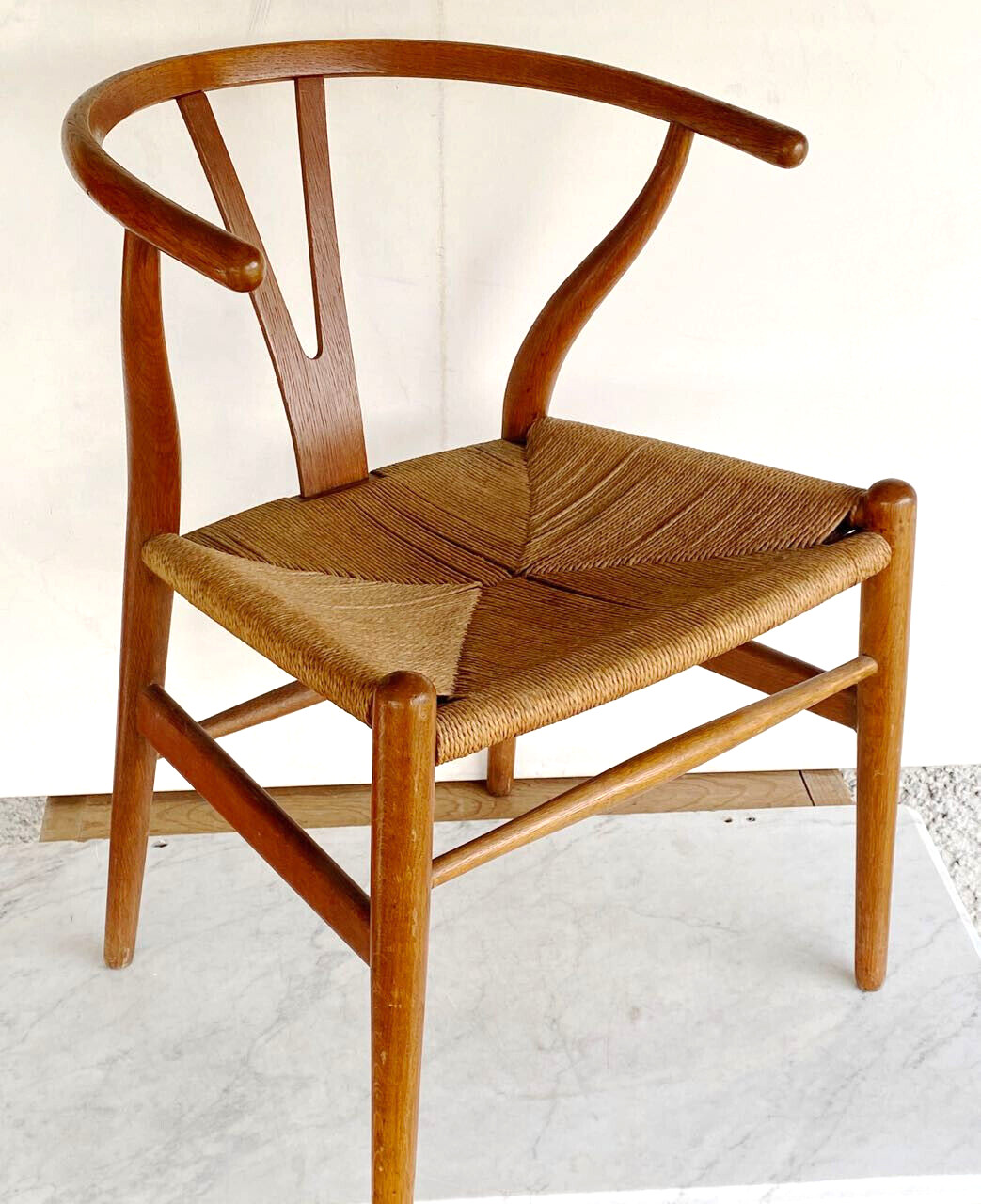
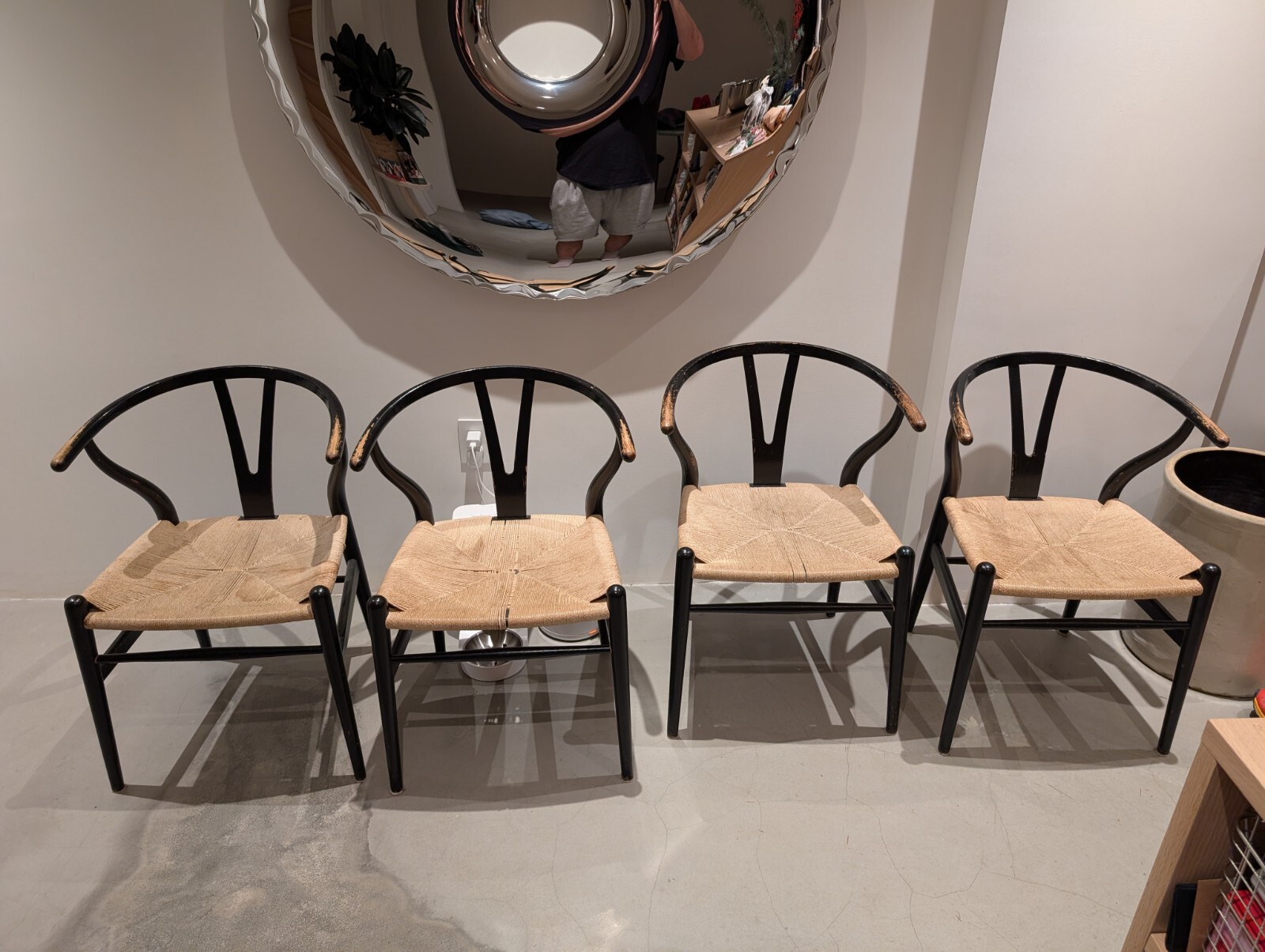
In Denmark, Hans Wegner was making chairs for Carl Hansen & Søn. The Wishbone chair, designed in 1949, has a Y-shaped back and a woven paper cord seat. It takes a craftsman an hour to weave that seat by hand. That is why it costs what it costs. The frame is steam-bent oak. The joints are doweled and glued. It is light enough to pick up with one hand.
In America, Florence Knoll was designing furniture for the office. Her credenzas and sofas from the 1950s and 1960s have a flat, grid-like logic. They are not warm. They are precise. They work in a modern apartment because they do not compete with the architecture.
By the early 1970s, the economics had changed. Labor costs rose. Plastic replaced wood. The oil crisis in 1973 made materials expensive. The furniture that came after was lighter, cheaper, and less interesting. That is why the earlier pieces still matter. They were made in a narrow window when good design and good materials were still affordable.
The One Thing to Check Before You Pay
Sit on it. Sit on the chair, lean on the sideboard, open the drawer. If it creaks, it needs work. If it wobbles, the joints are loose. If it smells musty, it has been in a damp basement. You can fix all of these things, but you should know what you are buying.
Foto: Carlos Bedoy · Pexels
Look at the finish. A good piece will have an oil finish or a thin lacquer that lets the wood breathe. If it is covered in a thick, glossy polyurethane, someone has tried to make it look new. That is a mistake. Mid-century furniture is supposed to look its age. A few scratches, a water ring, a faded patch where a lamp sat for 20 years. These are not flaws. They are the record of a life.
What It Means to Keep It
A 1962 teak sideboard is not a collectible. It is a piece of furniture. You will put your keys on it. You will spill coffee on it. You will move it three times before you find the right wall. That is the point. The best mid-century pieces were designed for ordinary life, not for display. They were made to be used, repaired, and passed on. If you buy one, use it. Let it get scratched. Let it hold your things. That is how it stays alive.
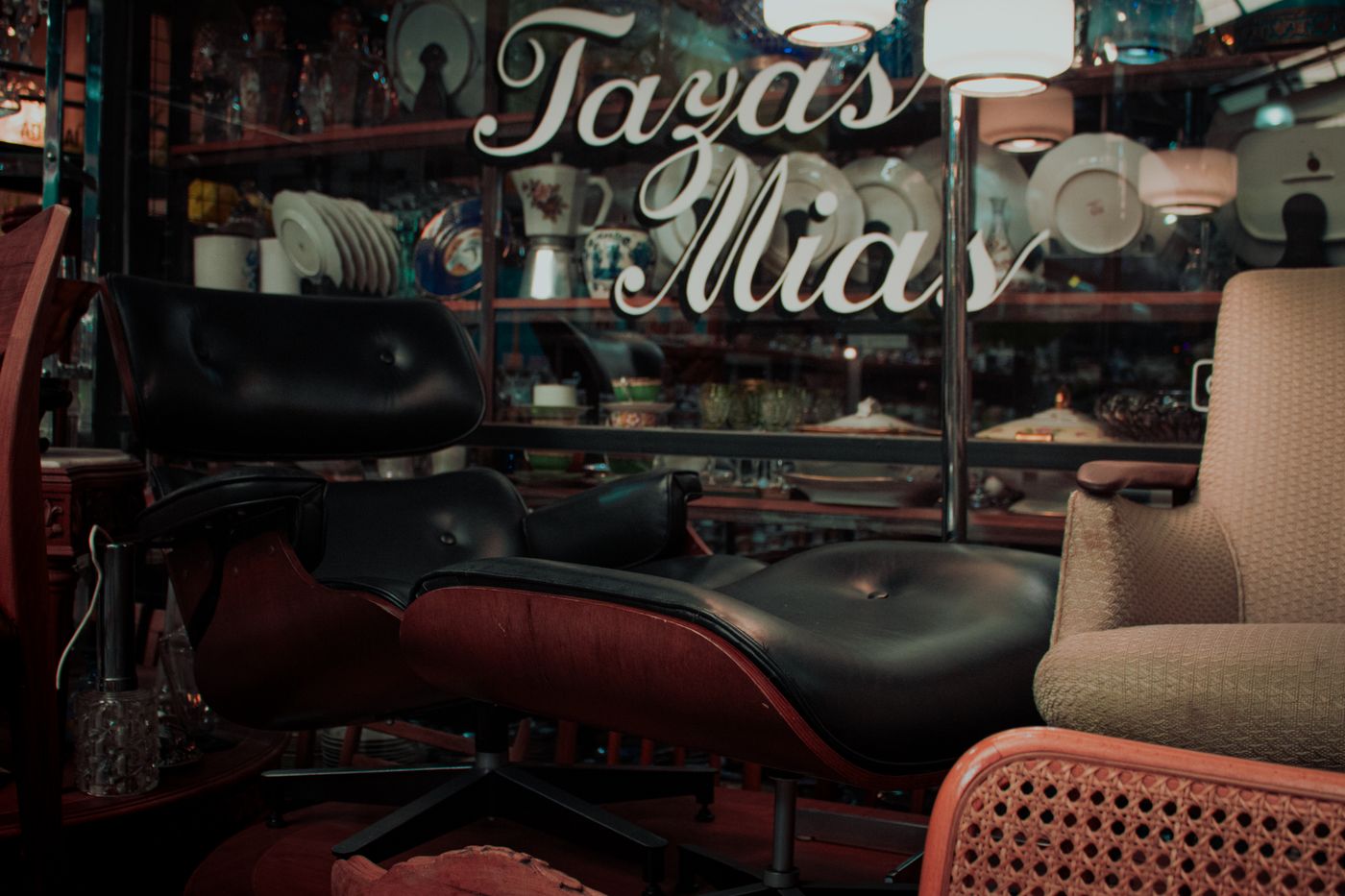
Foto: Mariano Di Luch · Pexels
City
Barcelona
Category
vintage mid century furniture
Published
28 October 2026
Where to find it
Shop the signals
What the market is offering right now on this exact subject.
stoelen
Set Of Four Vintage Hans Wegner CH24 Wishbone Chairs by Carl Hansen
stoelen
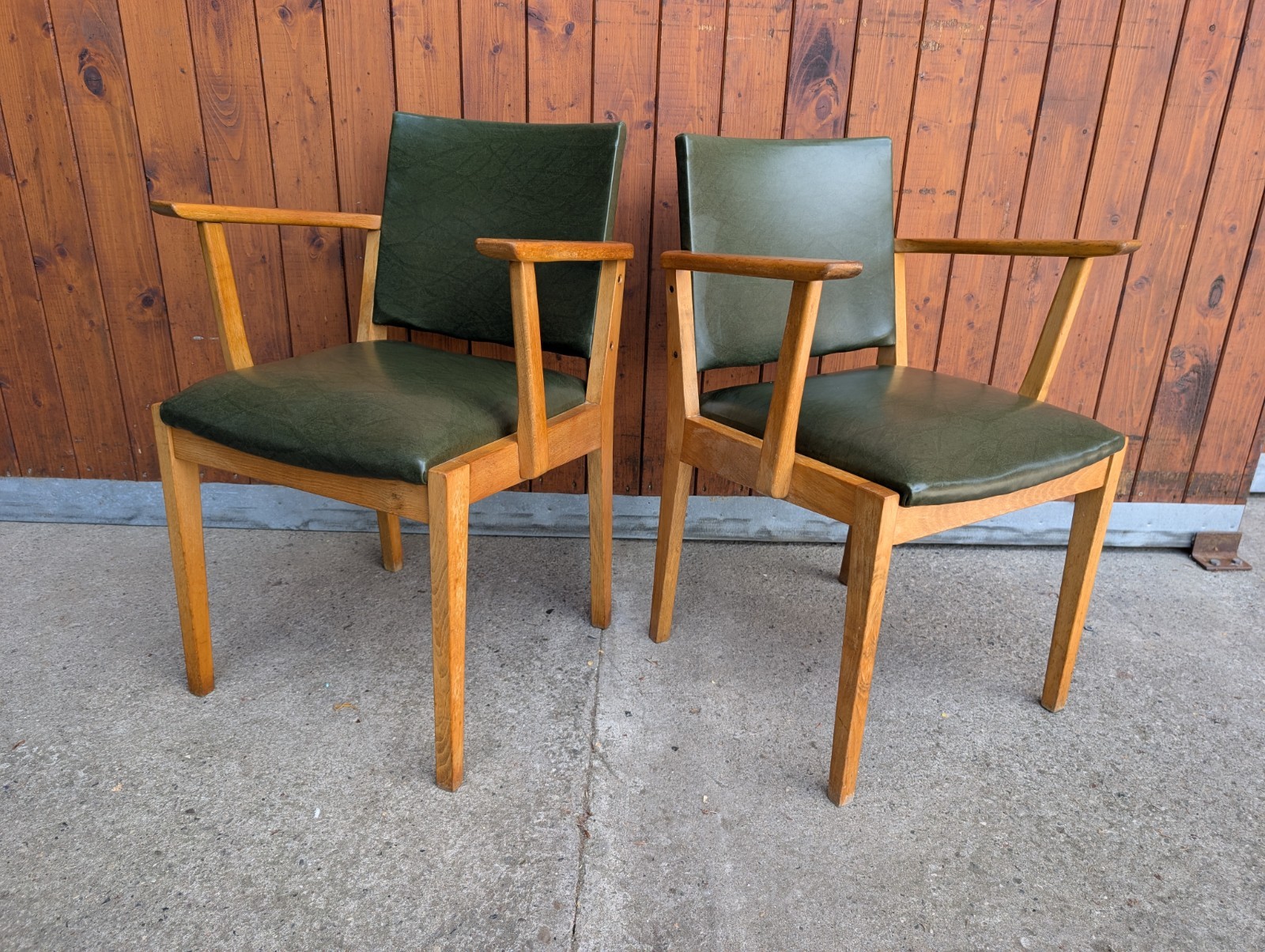
60s Vintage Lounge Chair Danish Armchair Mid Century Modern Original Wood, Green
stoelen
Vintage Pro Tall Eames Lounge Chair With Ottoman Cowhide Leather Armchair Swivel
meubels
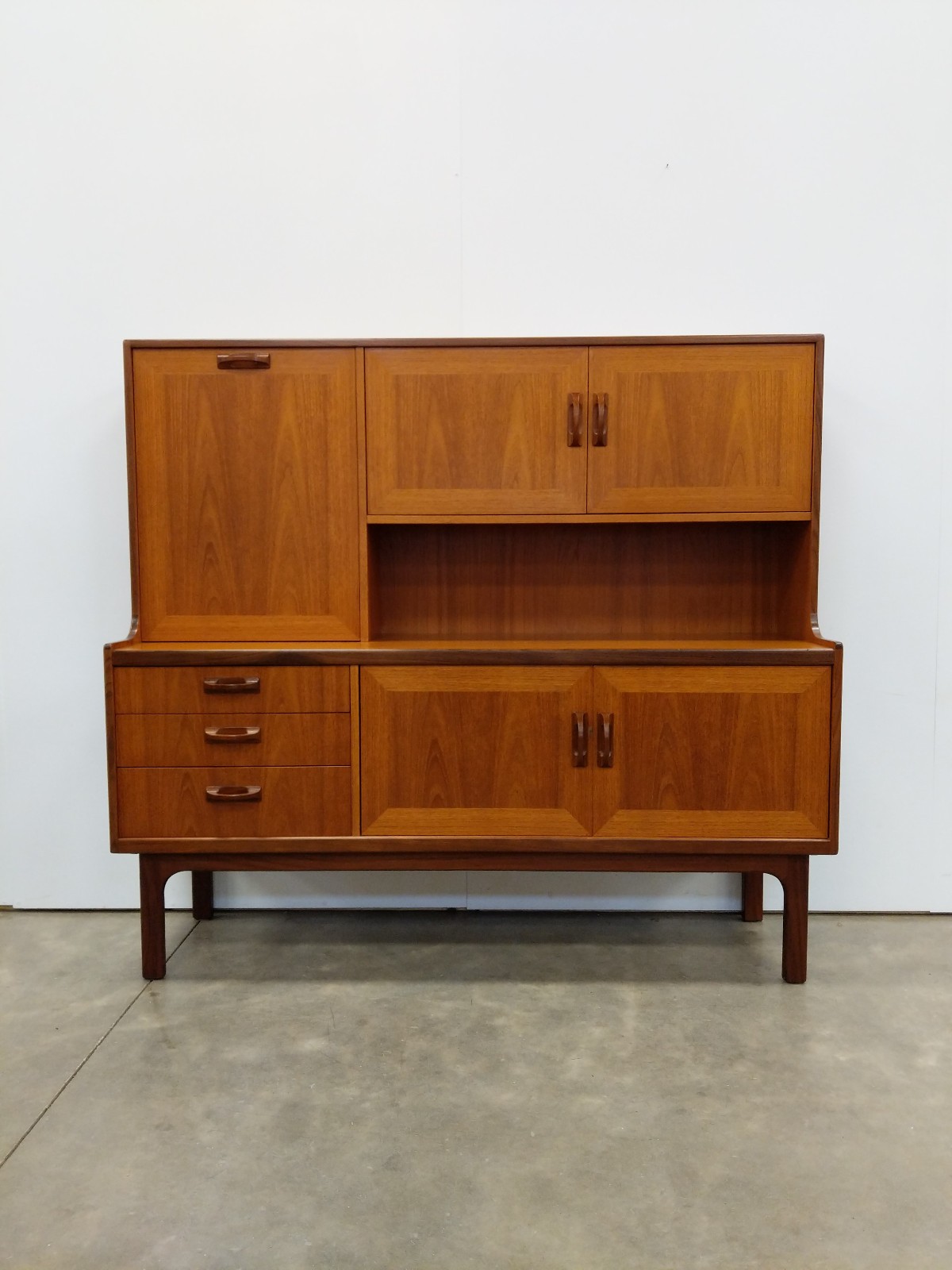
Vintage G Plan Mid Century Modern Teak Sideboard
meubels
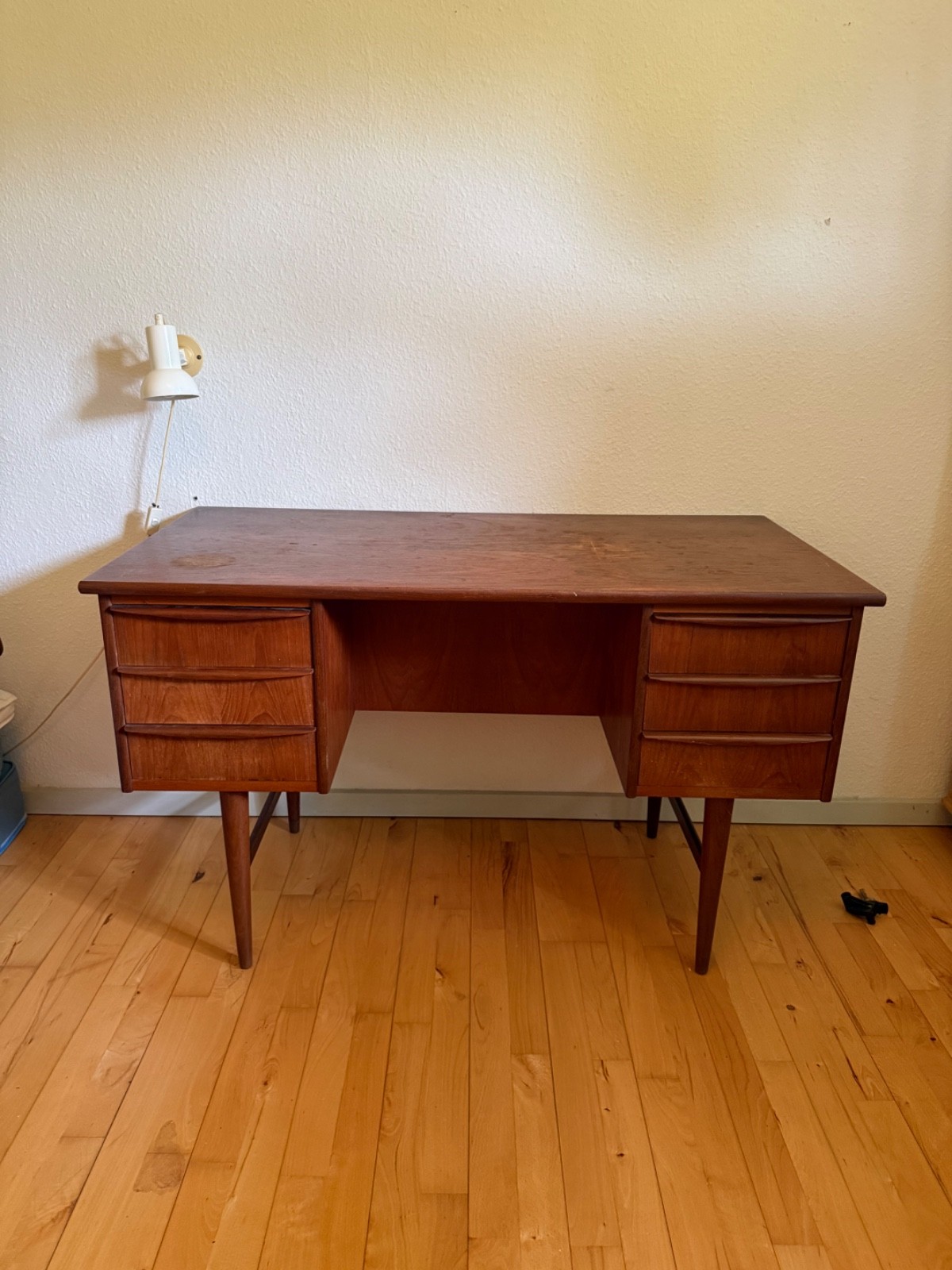
Vintage Danish Teak Desk – Mid-Century Modern Design, 1960s
meubels
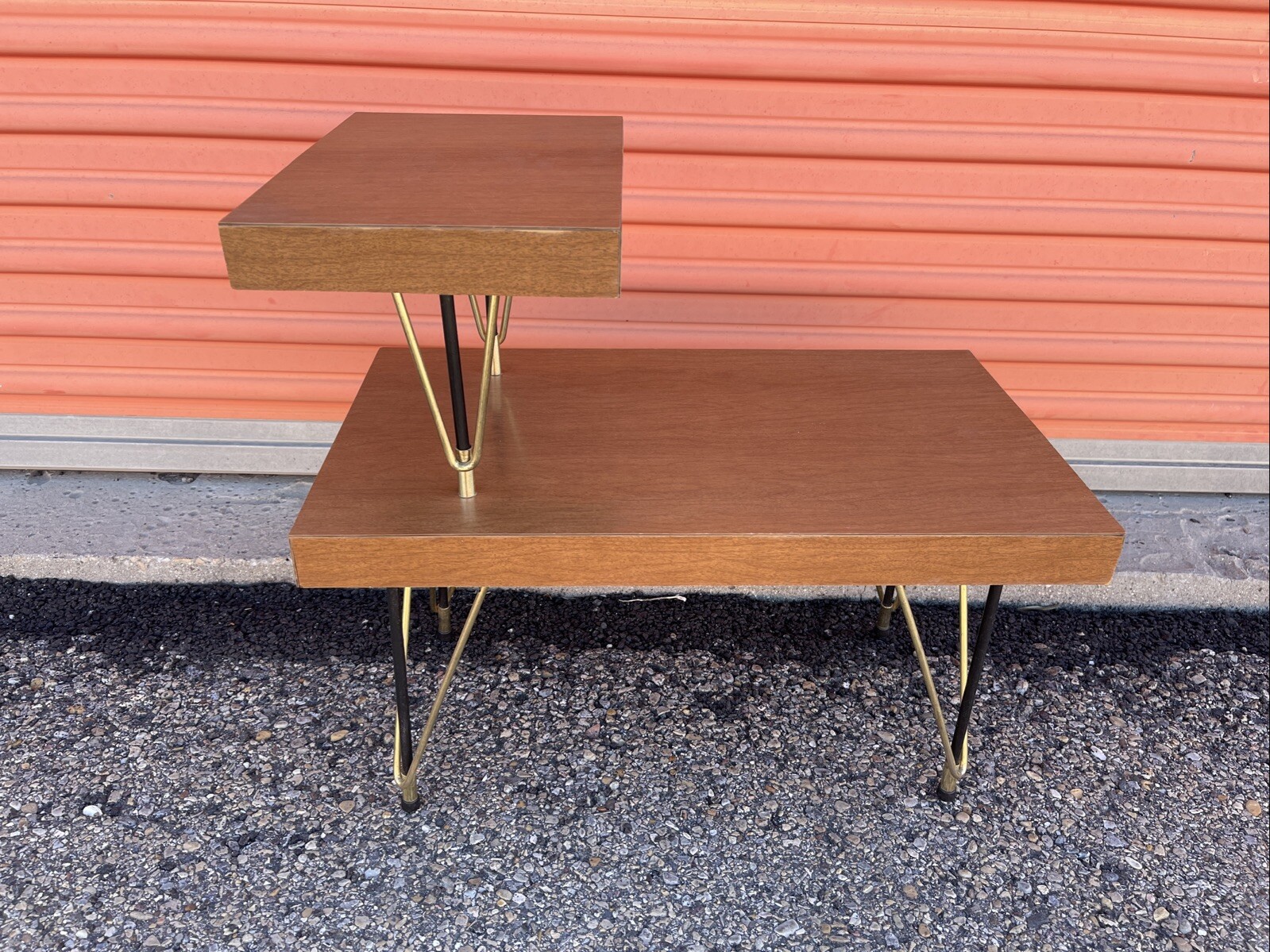
Vintage Two Tiers Mid Century Atomic Coffee Table Hollywood Regency 1960’s
meubels
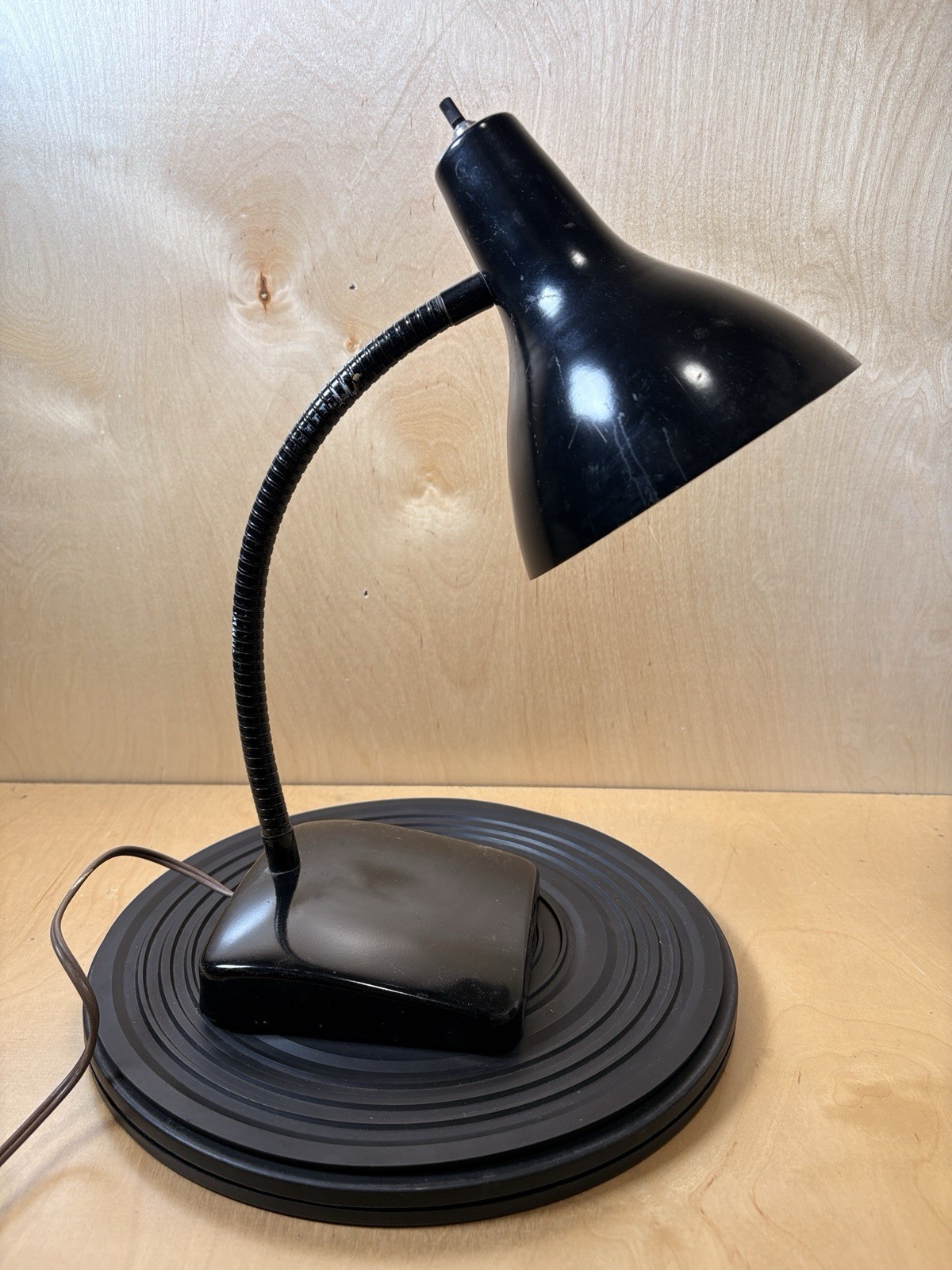
Vintage Black Metal Gooseneck Desk Lamp Mid Century Modern
meubels
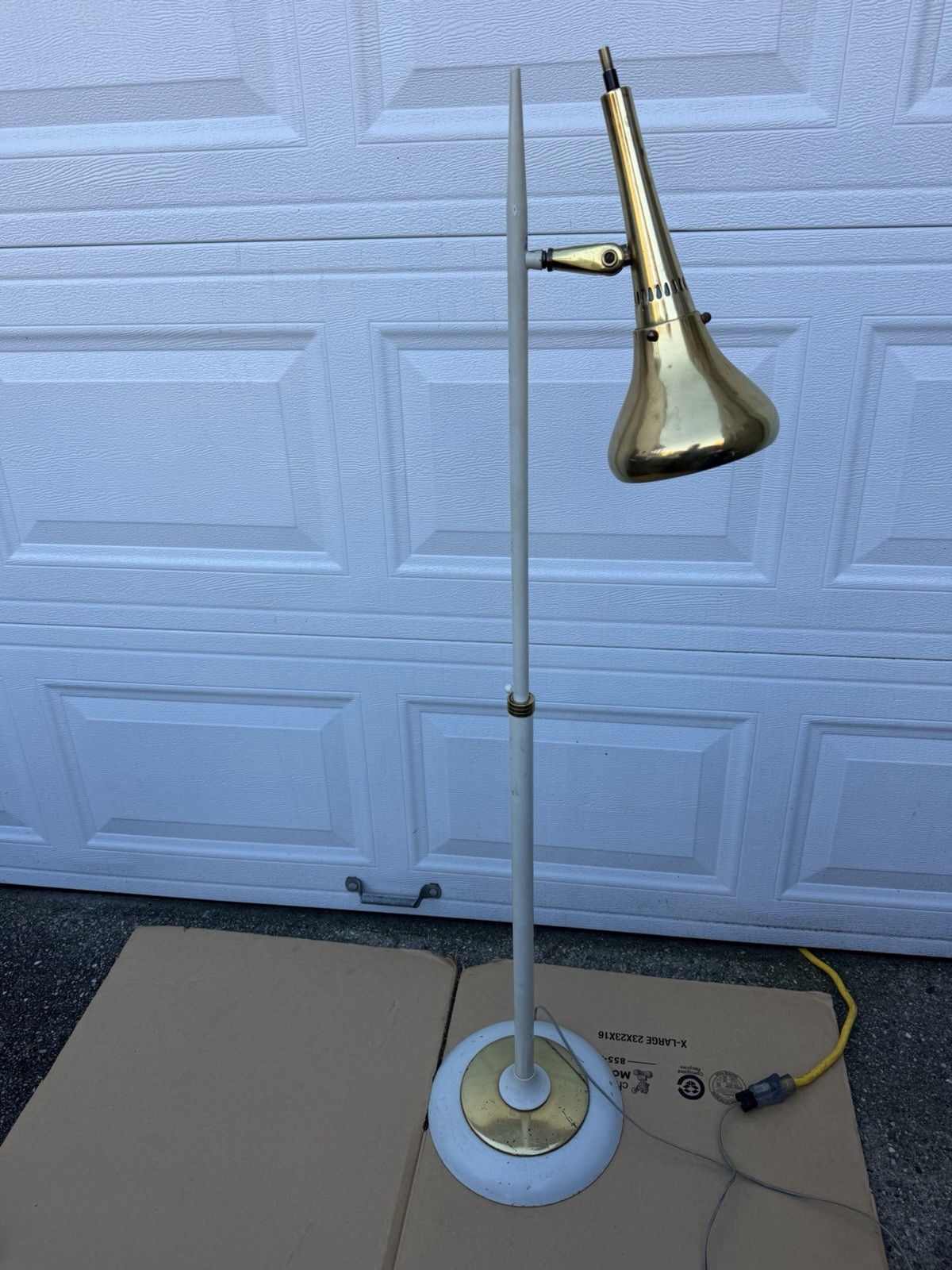
Vintage Mid Century Modern Floor Lamp
The names
Meet the designers
The minds behind this story — each with a piece currently on the market.
Charles & Ray Eames
USA · 1940s
Moulded plywood & the Lounge Chair — the couple who made modern furniture feel human.
Moulded plywood & the Lounge Chair — the couple who made modern furniture feel human.
Top piece
View →
Hans J. Wegner
Denmark · 1940s
The Wishbone & 500 chairs — joinery so pure it needs no ornament.
The Wishbone & 500 chairs — joinery so pure it needs no ornament.
Top piece
View →
Børge Mogensen
Denmark · 1940s
The Spanish chair — honest, functional furniture for everyday life.
The Spanish chair — honest, functional furniture for everyday life.
Top piece
View →
Jean Prouvé
France · 1930s
Structural steel & the Standard chair — an engineer of furniture.
Structural steel & the Standard chair — an engineer of furniture.
Top piece
View →
Continue the edit
Further stories from the same world
Three more walks through the same vintage universe.
The Weight of a Good Chair: Living With Mid-Century Modern Furniture
How to read a piece of mid-century furniture before you buy it, where to put it once you own it, and why the joinery tells you more than the label ever will.
Read the story →Why Mid-Century Modern Furniture Matters Now
The pieces that defined the postwar American home are finding new life in apartments and houses where good design is lived with daily. Here is how to spot a well-made example, where to put it, and why it still works.
Read the story →Why Mid-Century Furniture Matters Now
A walnut sideboard with tapered legs and a decent finish will outlast most of what sits beside it in a room. Here is how to find one, place it, and live with it for the next thirty years.
Read the story →