
 Sign in
◫ Home & Objects · London
Why Mid-Century Modern Furniture Matters Now
The pieces that defined the postwar American home are finding new life in apartments and houses where good design is lived with daily. Here is how to spot a well-made example, where to put it, and why it still works.
 By Louis Trash·

The Case for Living With It
A 1956 Eames lounge chair sits in a corner of my living room, its rosewood veneer catching the afternoon light. I bought it from a dealer in Brooklyn for $3,200, a sum that felt reckless at the time. Six years later, it is the piece I use most. I read in it, nap in it, and occasionally spill coffee on it. That is the point of mid-century modern furniture. It was designed for use, not reverence.
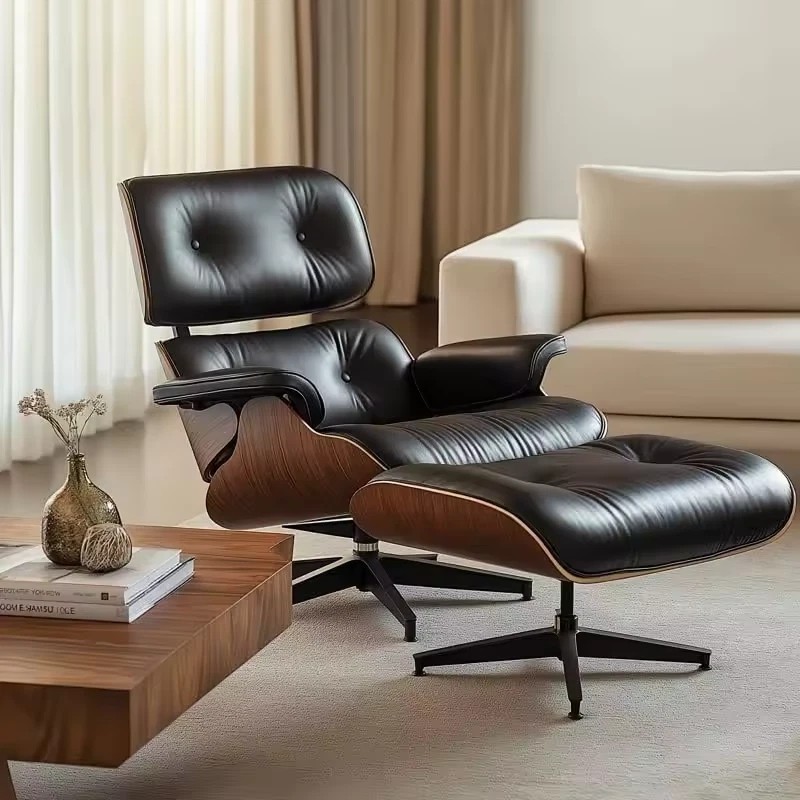
When you bring a piece into your home, think about how it will be used. A Saarinen Tulip table is a dining table first. Its pedestal base means no legs to trip over, so it works in a small breakfast nook. A Noguchi coffee table, with its sculptural glass top and curved wood base, demands a sofa that sits low. Proportions matter. If your sofa is 32 inches high at the back, a coffee table that is 16 inches high will feel right. The pieces were made for human scale. They were not made for grand rooms.
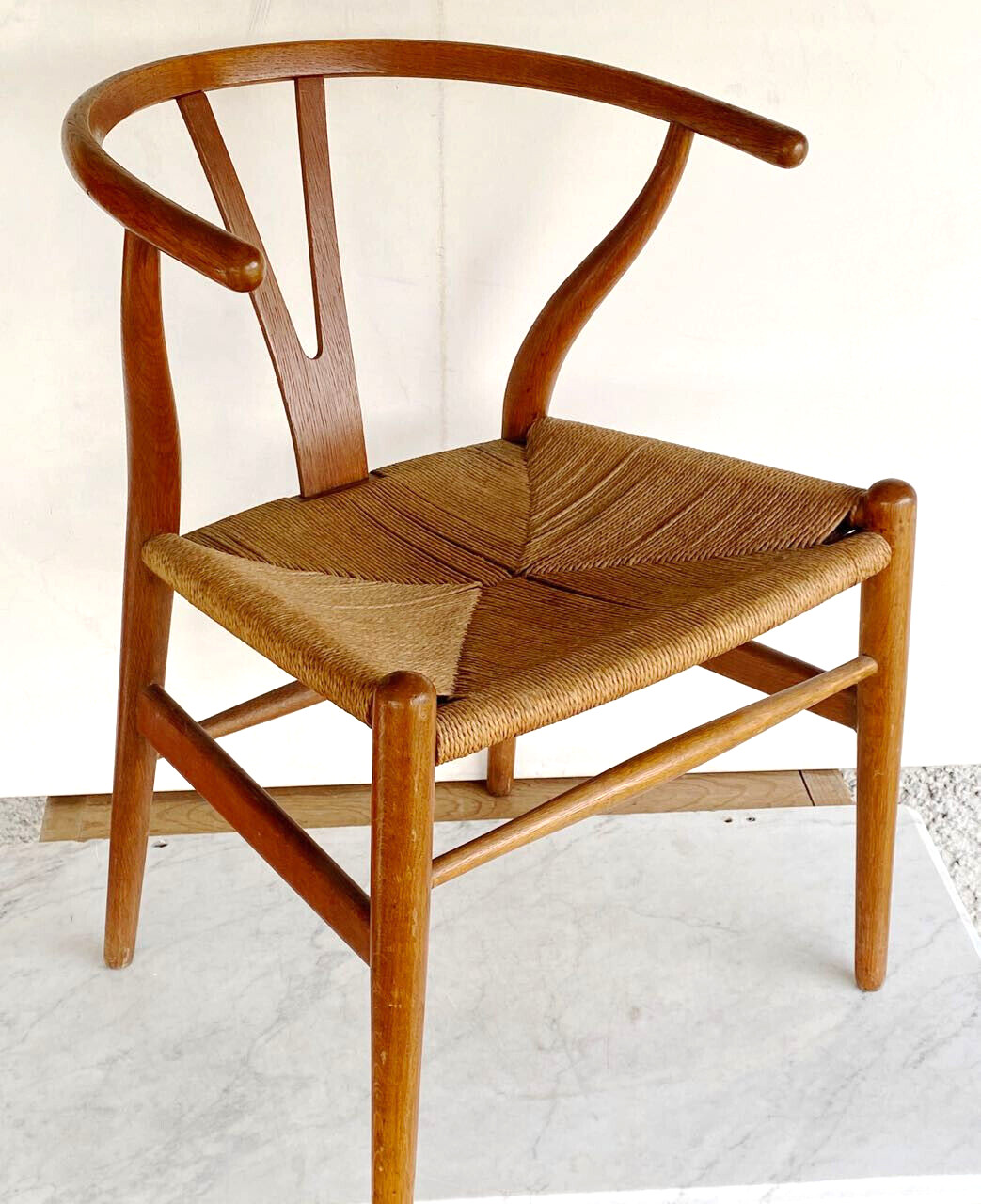
The atmosphere they create is calm. The lines are clean, the materials warm. A room with a Florence Knoll sofa and a pair of Hans Wegner wishbone chairs feels open, not cluttered. That is the opposite of what many people imagine when they hear 'mid-century modern.' They think of set pieces from a design museum. In practice, these pieces are quiet. They let the life around them happen.
What to Look For
Start with the frame. Solid wood should feel heavy. If a chair lifts easily with one hand, it is probably not solid walnut or teak. Look at the joinery. Dovetails on drawers, mortise-and-tenon joints on chairs. Phillips-head screws are a sign of later production or repair. Original finish should be thin, often with a slight sheen. If it looks like plastic, it has been refinished poorly.

Labels matter. Herman Miller pieces from the 1950s often have a foil label or a stamped logo. Knoll sometimes used a paper label under the seat. But labels fall off. Learn the shapes. A George Nelson platform bench has a distinctive slatted top and angled legs. A Harry Bertoia side chair is a wire grid, and you can spot a fake by the weight and the weld quality. Real ones are heavier than they look.
Upholstery is the biggest variable. Original fabric is rare and often fragile. Reupholstery is fine if the frame is sound, but keep the foam density close to original. Too soft, and the piece sags. Too firm, and it feels like a park bench. For leather, look for even color and no deep cracks. A little patina is good. Cracking is not.
Prices vary. A pair of Adrian Pearsall gondola sofas might run $4,000 to $6,000 in good condition. A single Eames shell chair can be $250 to $400. The pieces in circulation now are mostly mixed labels, and a typical price for a solid, usable piece is around $623.11. That is not a steal, but it is fair for something that will last another fifty years.
The History That Made It
The term 'mid-century modern' was coined in 1983 by Cara Greenberg for her book of the same name. The furniture itself came earlier, mostly between 1945 and 1969. After the war, American factories that had made aircraft parts turned to furniture. Charles and Ray Eames used molded plywood and fiberglass, materials developed for military use. Their Lounge Chair and Ottoman, introduced in 1956, was a direct response to the heavy, overstuffed chairs of the previous generation. Charles wanted a chair that had 'the warm, receptive look of a well-used first baseman's mitt.'
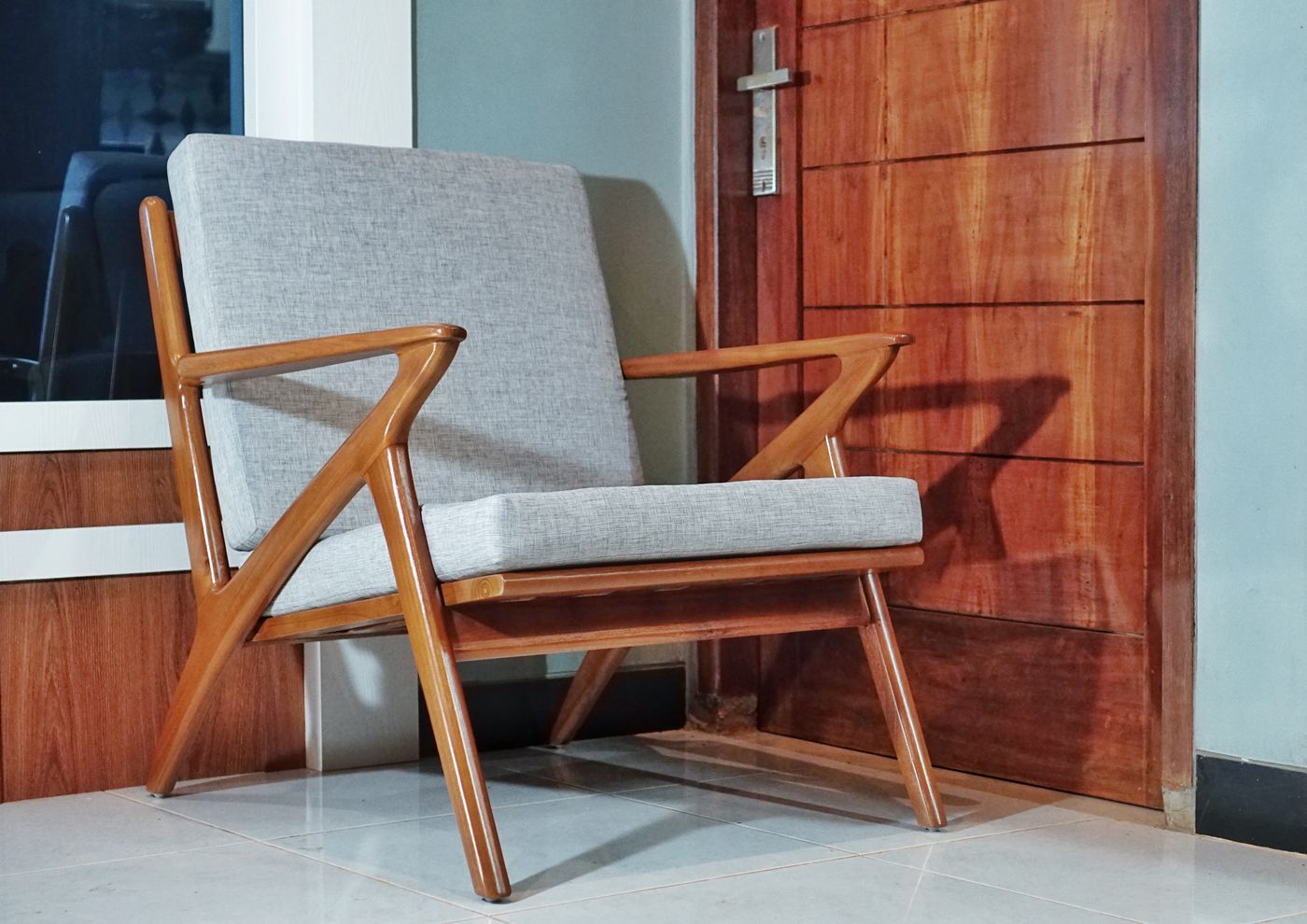
Foto: More Amore · Pexels
In Denmark, Hans Wegner was making chairs that were both sculptural and practical. His Round Chair, from 1949, was used in the first televised Kennedy-Nixon debate in 1960. Americans saw it and wanted one. The Danish government promoted design as an export, and by the early 1960s, Danish furniture was in department stores across the United States.
Florence Knoll, trained as an architect, designed furniture for the office but made it elegant enough for homes. Her Parallel Bar sofa, from 1954, has a chrome frame and a flat, firm seat. It was meant to be sat on, not sunk into. That attitude defined the era. Furniture was part of a modern life. It was not a decoration for it.
Placing and Mixing
You do not need a house full of mid-century pieces. One good piece can anchor a room. A Wegner chair next to a plain white wall looks like art. A Nelson clock above a fireplace adds a point of interest without shouting. The mistake is to treat every piece as a collectible. Spread them out. Let them breathe.
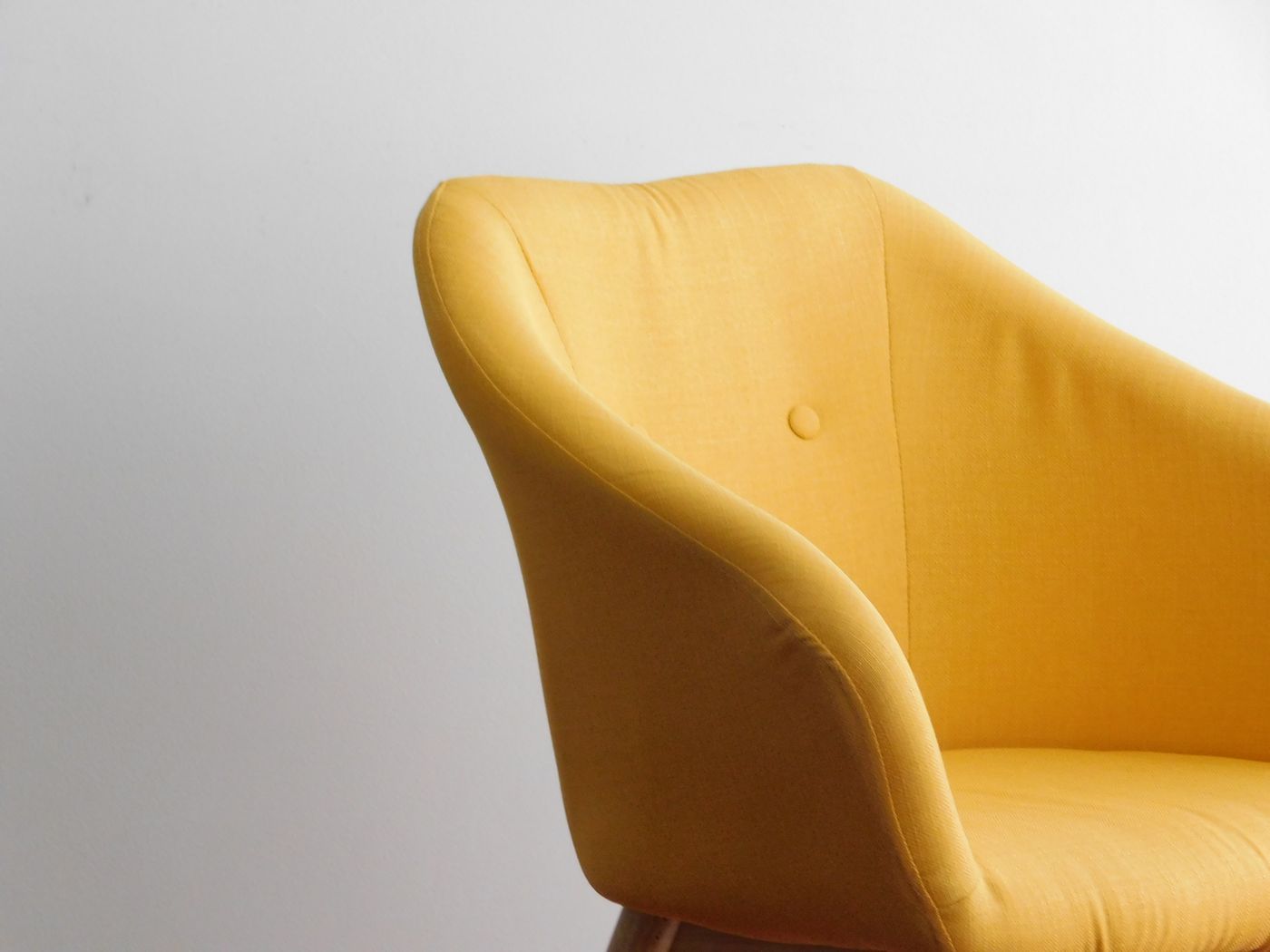
Foto: Carlos Bedoy · Pexels
They mix well with other periods. A Saarinen table looks right with almost any chair, from a Thonet bentwood to a simple wooden stool. A Bertoia chair is at home in a room with a Persian rug and a modern sofa. The key is to keep the palette simple. Walnut, teak, chrome, and wool. Add color with textiles, not with the furniture itself.
Lighting matters. These pieces were designed for rooms with large windows and natural light. If your room is dark, use floor lamps with warm bulbs. Avoid overhead lights that cast hard shadows. The furniture has curves and angles that need soft light to read well.
A Closing Thought
A well-made mid-century piece is not a relic. It is a tool for living. The best ones show wear. A scratch on a coffee table, a faded patch on a sofa cushion. Those marks are not damage. They are proof that the piece has done its job. Buy one, use it, and let it age. That is the only way to honor the design.

Foto: Mariano Di Luch · Pexels
City
London
Category
vintage mid century furniture
Published
30 October 2026
Where to find it
Shop the signals
What the market is offering right now on this exact subject.
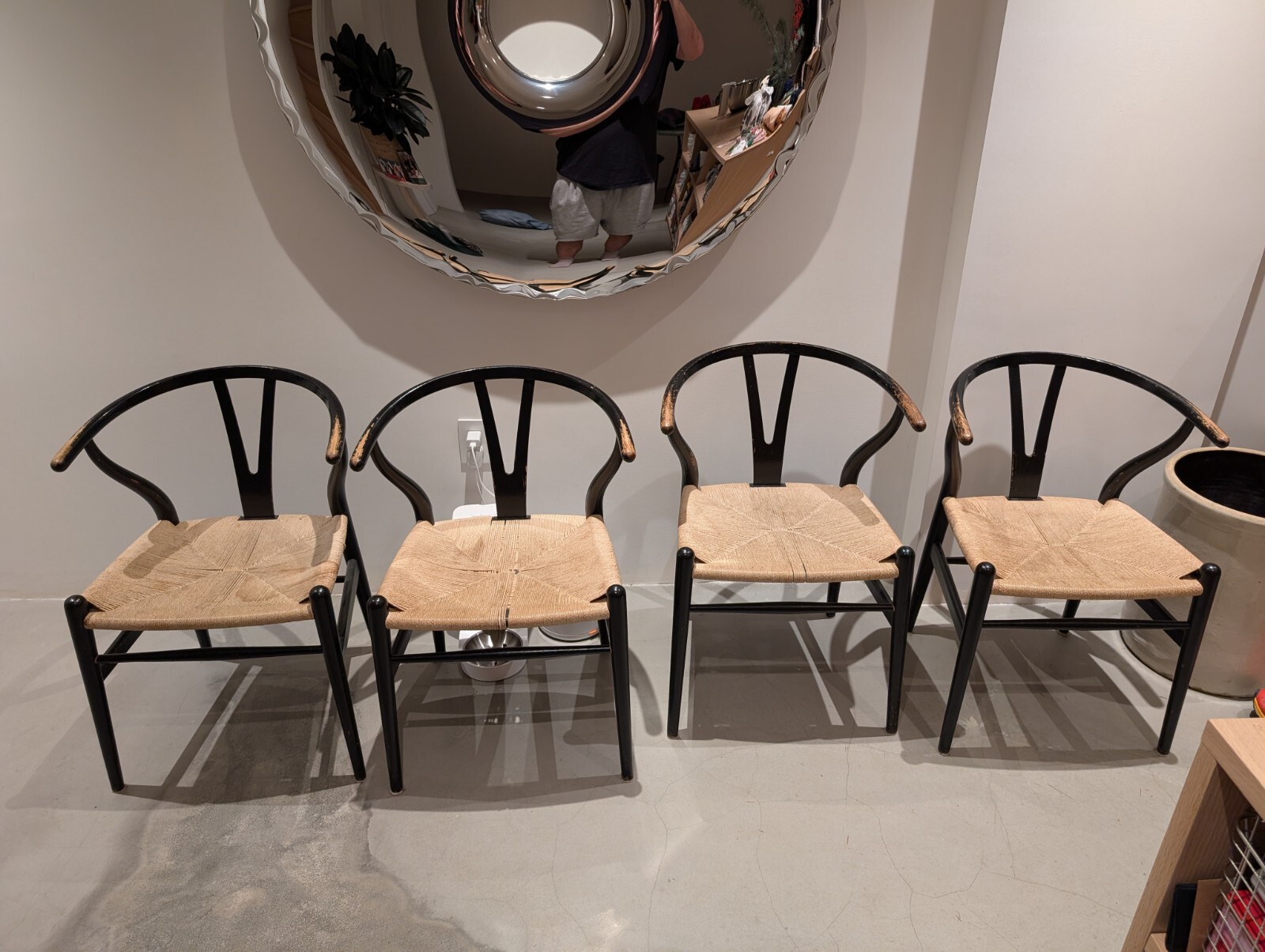
stoelen
Set Of Four Vintage Hans Wegner CH24 Wishbone Chairs by Carl Hansen
stoelen
Vintage Pro Tall Eames Lounge Chair With Ottoman Cowhide Leather Armchair Swivel
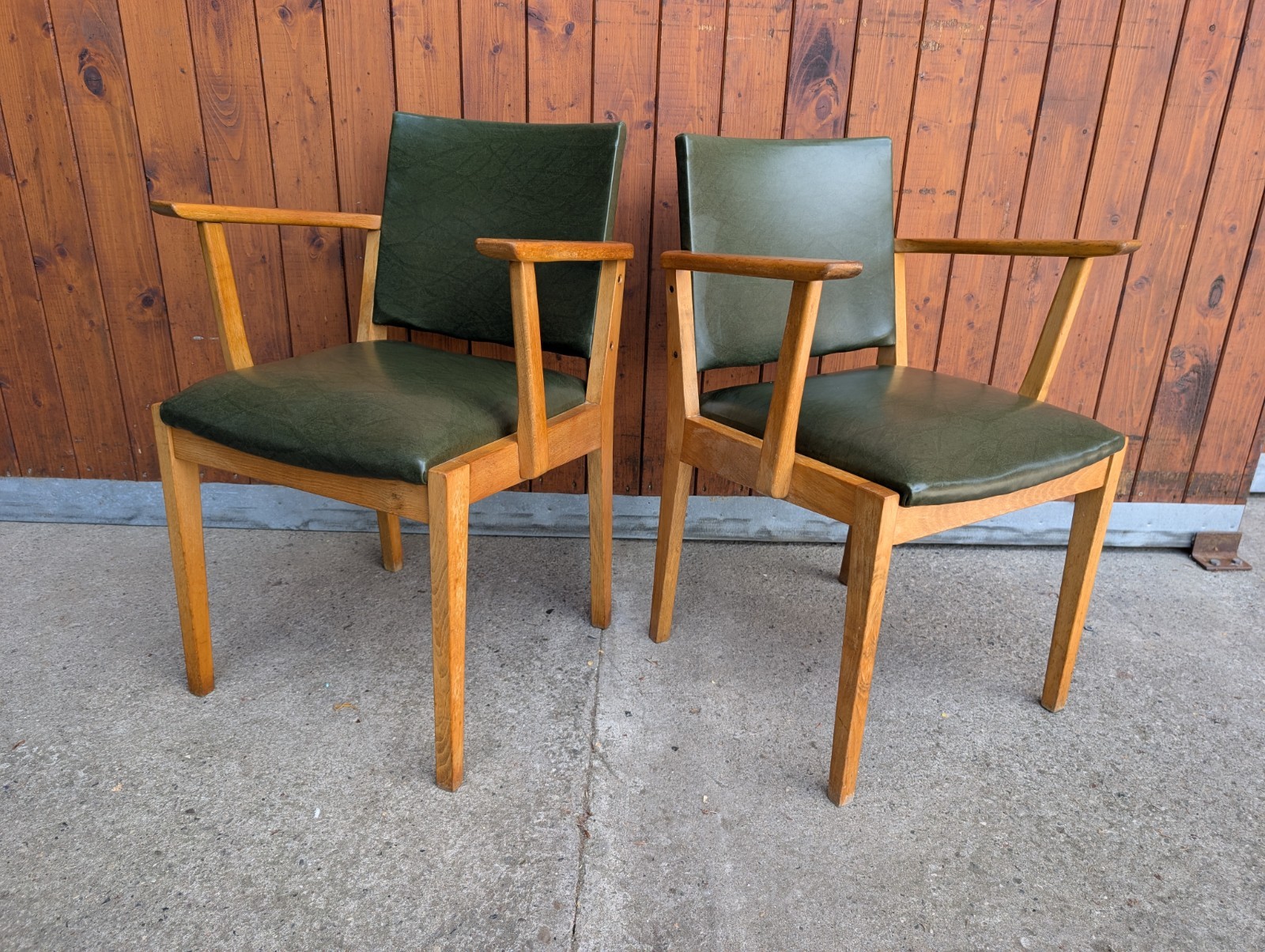
stoelen
60s Vintage Lounge Chair Danish Armchair Mid Century Modern Original Wood, Green
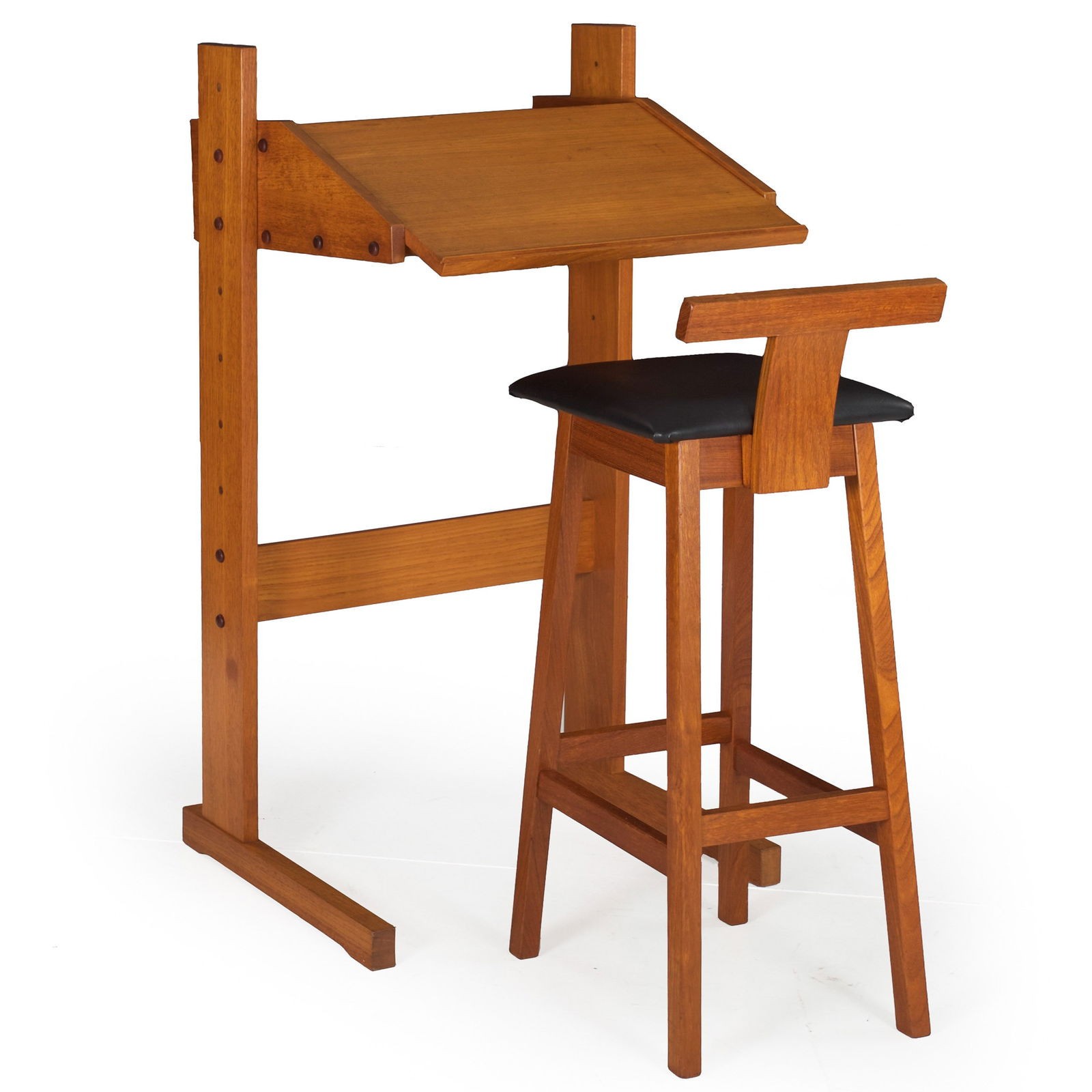
meubels
Danish Modern Teak Adjustable Height Desk with Chair, circa 1960s
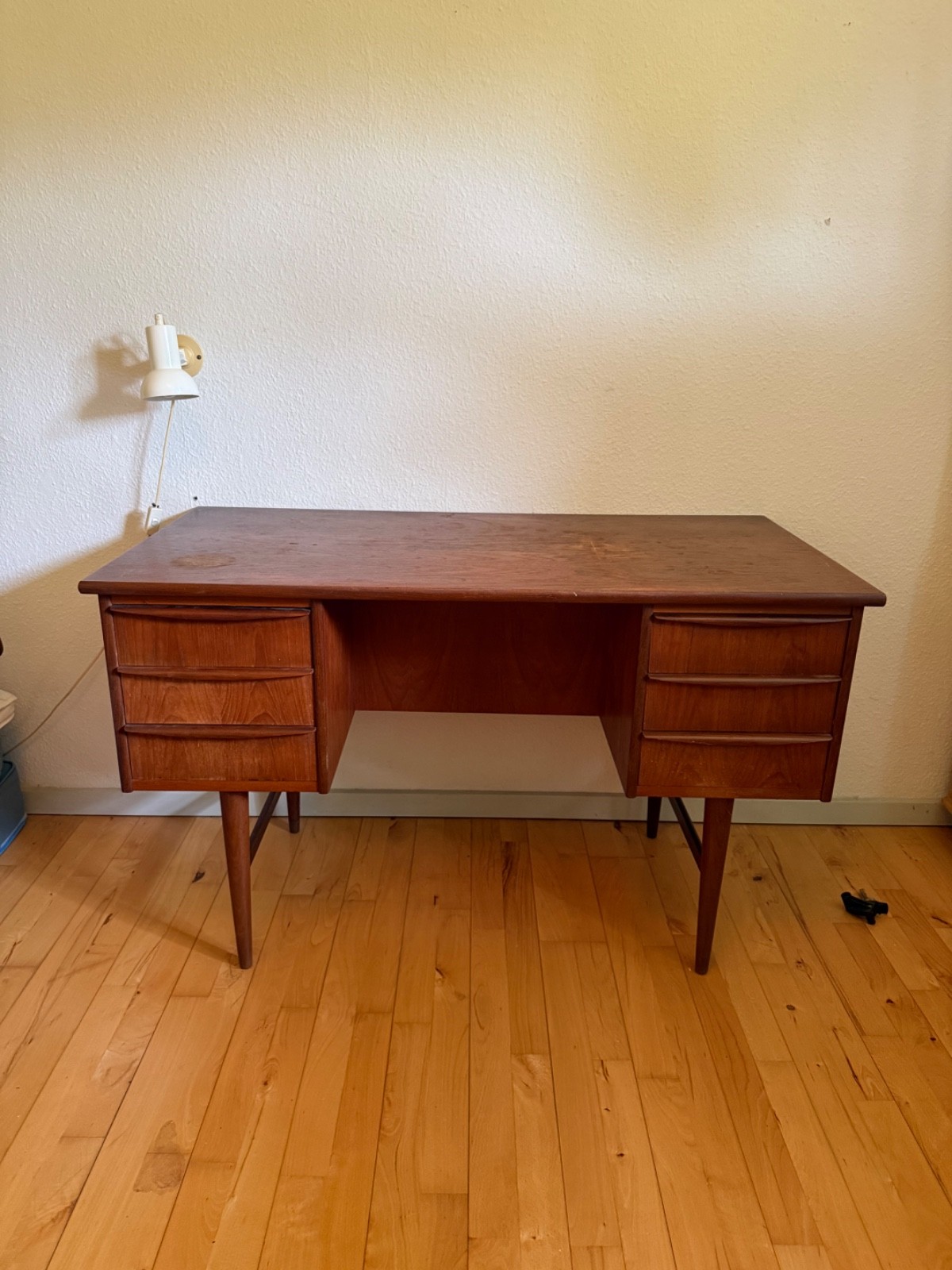
meubels
Vintage Danish Teak Desk – Mid-Century Modern Design, 1960s
meubels
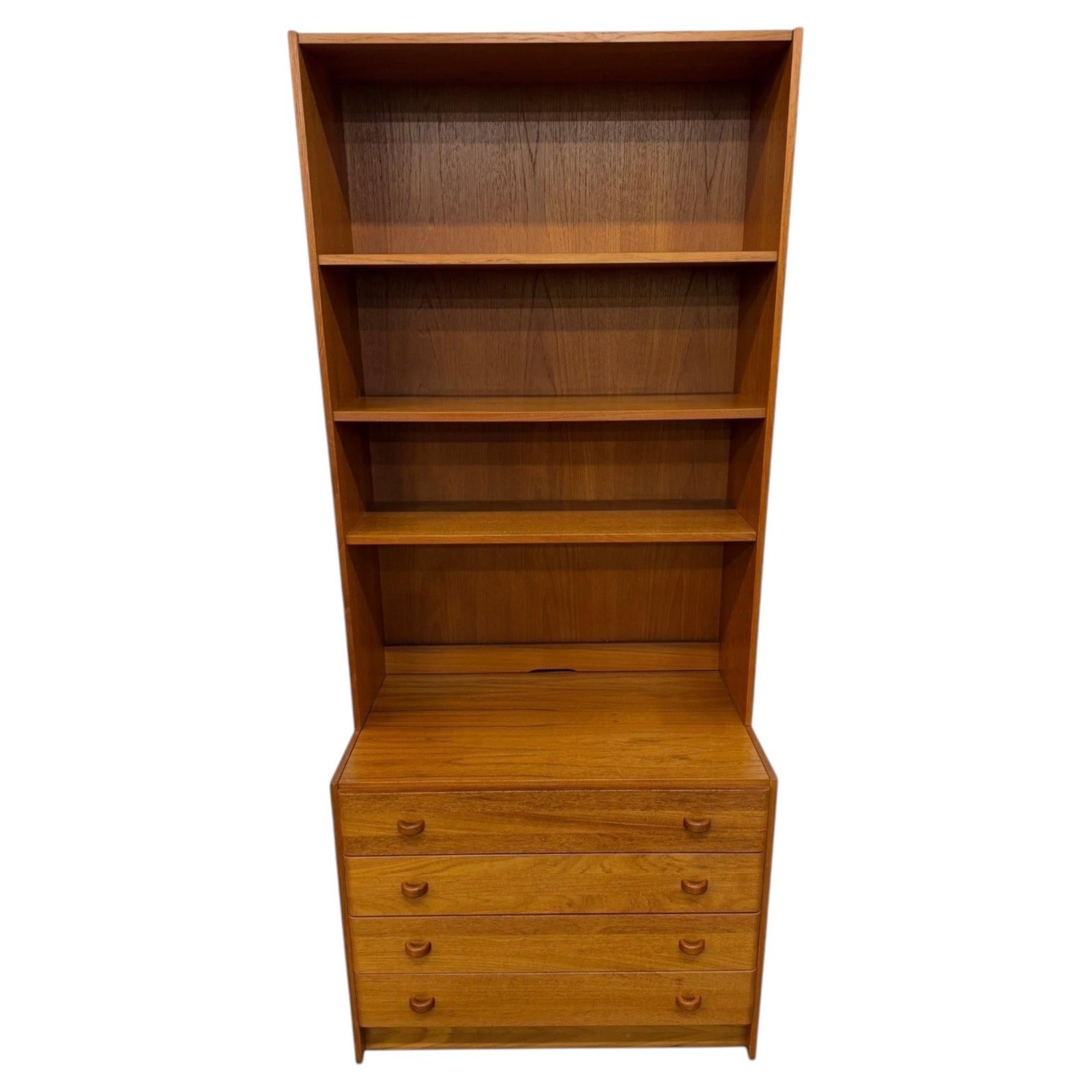
Vintage Danish Modern Domino Møbler 2-Piece Teak Bookcase
meubels
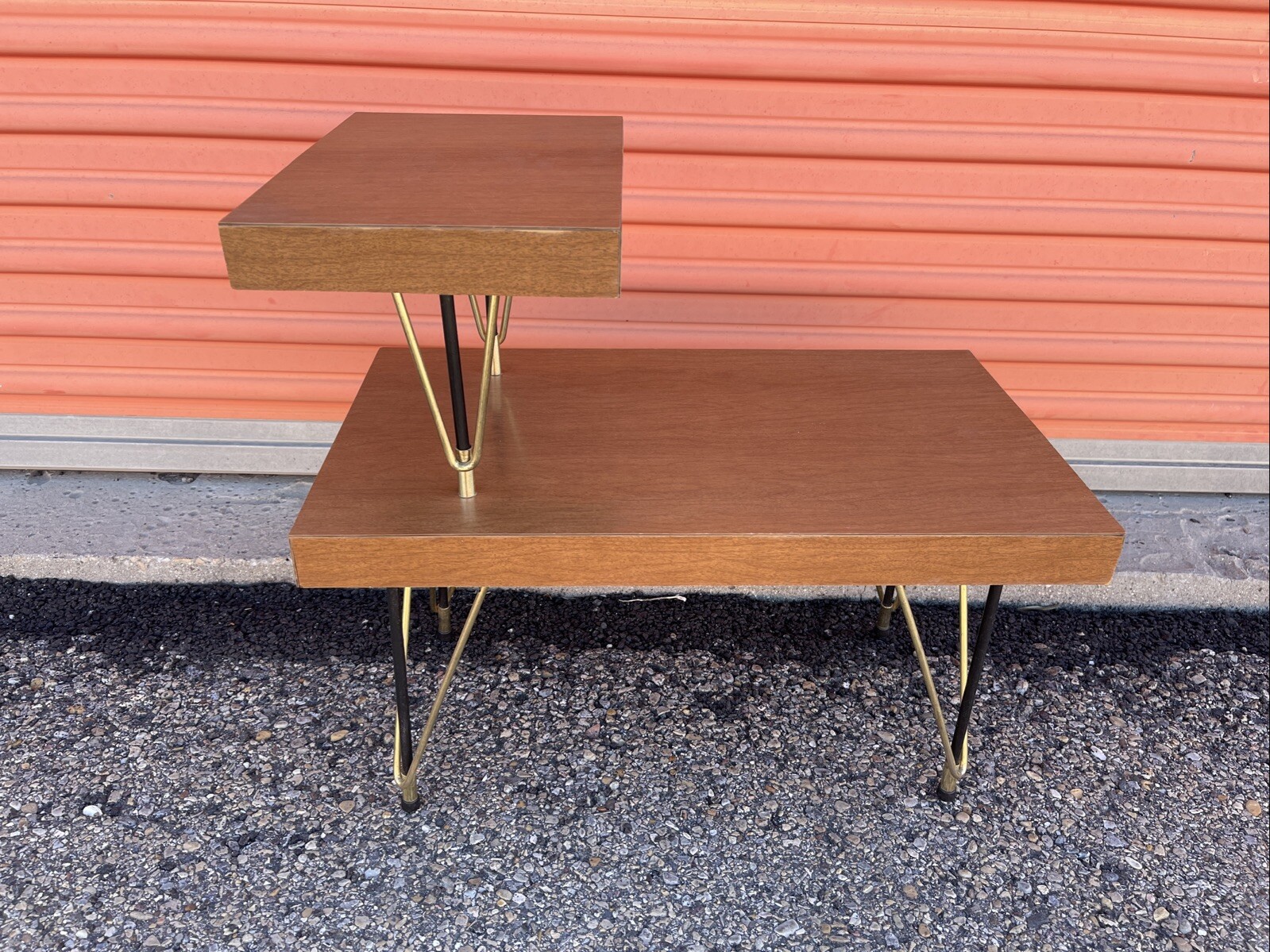
Vintage Two Tiers Mid Century Atomic Coffee Table Hollywood Regency 1960’s
stoelen
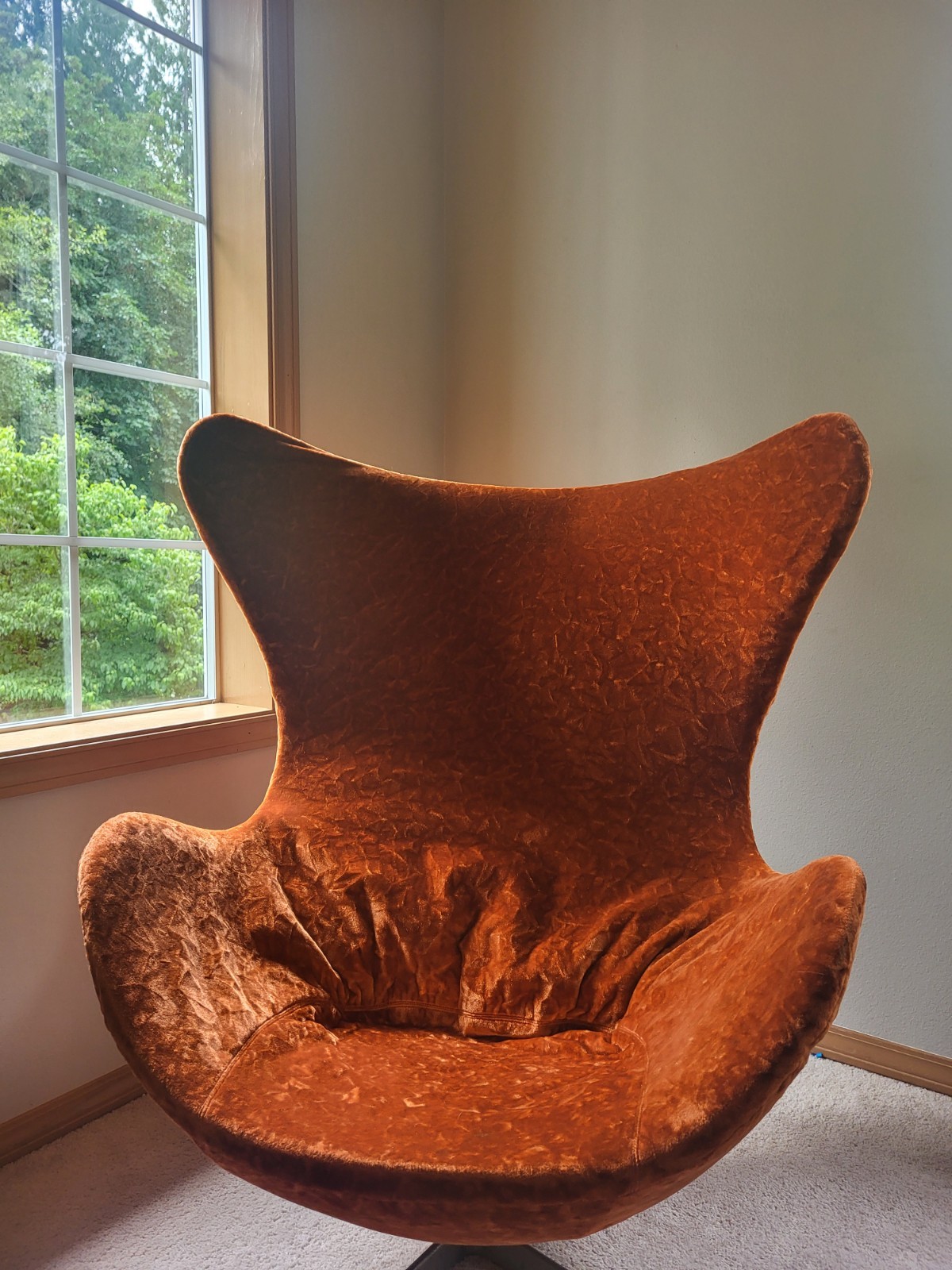
Vintage Fritz Hansen Egg ChairMade in Denmark - 1967
The names
Meet the designers
The minds behind this story — each with a piece currently on the market.
Charles & Ray Eames
USA · 1940s
Moulded plywood & the Lounge Chair — the couple who made modern furniture feel human.
Moulded plywood & the Lounge Chair — the couple who made modern furniture feel human.
Top piece
View →
Hans J. Wegner
Denmark · 1940s
The Wishbone & 500 chairs — joinery so pure it needs no ornament.
The Wishbone & 500 chairs — joinery so pure it needs no ornament.
Top piece
View →
George Nelson
USA · 1940s
The Marshmallow sofa & platform bench — Herman Miller's design director.
The Marshmallow sofa & platform bench — Herman Miller's design director.
Top piece
View →
Børge Mogensen
Denmark · 1940s
The Spanish chair — honest, functional furniture for everyday life.
The Spanish chair — honest, functional furniture for everyday life.
Top piece
View →
Continue the edit
Further stories from the same world
Three more walks through the same vintage universe.
The Weight of a Good Chair: Living With Mid-Century Modern Furniture
How to read a piece of mid-century furniture before you buy it, where to put it once you own it, and why the joinery tells you more than the label ever will.
Read the story →Why Mid-Century Modern Furniture Matters Now: A Collector's Guide to Living With It Well
A practical, opinionated guide to buying and placing mid-century furniture: what the joinery tells you, which woods age honestly, and how to make a 1956 sideboard feel at home in a modern room without turning your living room into a showroom.
Read the story →Why Mid-Century Furniture Matters Now
A walnut sideboard with tapered legs and a decent finish will outlast most of what sits beside it in a room. Here is how to find one, place it, and live with it for the next thirty years.
Read the story →