
 Sign in
◫ Home & Objects · New York
Why Mid-Century Furniture Matters Now
A walnut sideboard with tapered legs and a decent finish will outlast most of what sits beside it in a room. Here is how to find one, place it, and live with it for the next thirty years.
 By Louis Trash·

The piece that earns its place
A Danish teak sideboard from 1962 will do more for a room than anything you can buy new this afternoon. It holds the wall. It gives the eye somewhere to rest. And it asks almost nothing of you beyond a wipe with a damp cloth and the occasional smear of Danish oil.
I bought my first one in 2011 from a dealer in Brighton who was clearing a house in Hove. Forty inches wide, three sliding doors, a single shelf inside. I paid £340 for it. That same sideboard, in that condition, would now sit somewhere near $520.07 in a good shop, and I would still call it cheap. Not because it will appreciate. Because it will work.
The people buying mid-century furniture now are not traders. They want a dining table their children will eat at for a decade, a chair they can sit in for an hour without shifting, a lamp that throws light where they need it. The furniture is furniture. That is the whole point.
What the era actually gave us
Mid-century modern is a loose term, and it covers roughly 1945 to 1969, with a long tail into the early 1970s. The useful part of that period, for a collector, runs from about 1952 to 1966. Before that, materials were still rationed and design was cautious. After that, the good ideas got thin and the proportions got heavy.

The best work came out of a specific set of circumstances. Danish cabinetmakers like Hans Wegner and Børge Mogensen trained under Kaare Klint at the Royal Danish Academy, where they were taught to measure the human body before they drew a single curve. Wegner's Round Chair, designed in 1949, was made for a cabinetmakers' guild exhibition in Copenhagen. It was not a statement. It was a chair that worked, and it happened to be beautiful.
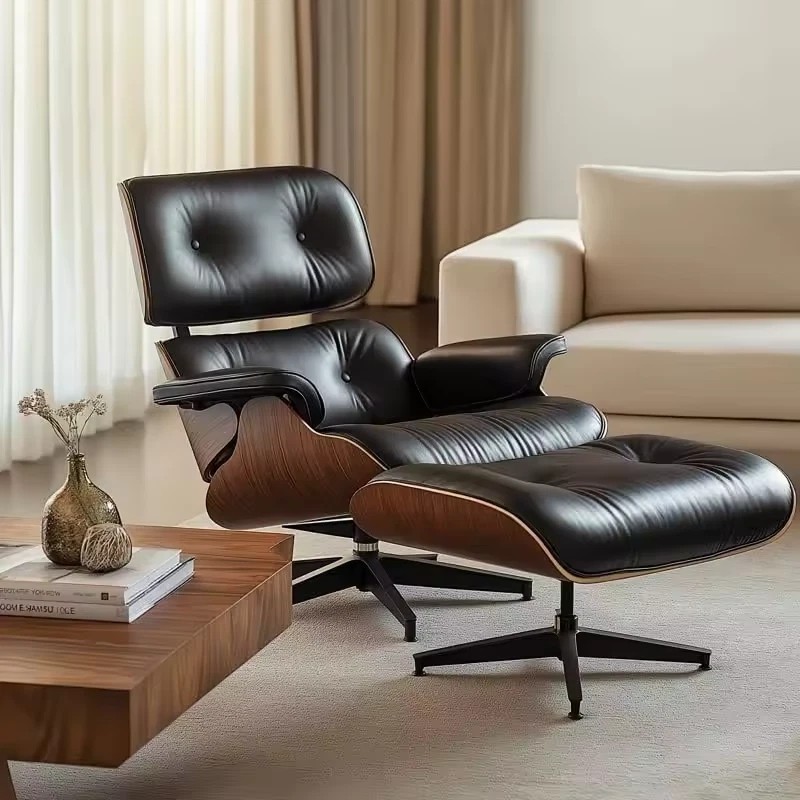
In America, Charles and Ray Eames were doing something different with plywood and fibreglass. Their Lounge Chair and Ottoman, introduced in 1956, was a reaction to the heavy leather club chair. Florence Knoll was designing the furniture that filled the glass office towers going up on Park Avenue. Arne Jacobsen was working in steel and leather for SAS in Copenhagen. These people were solving problems. The look came later.
How to place it without making a museum
The mistake people make is to fill a room with mid-century pieces and then wonder why it feels cold. A room of matching teak is a showroom. A room with one good teak piece and a few things that do not match is a home.
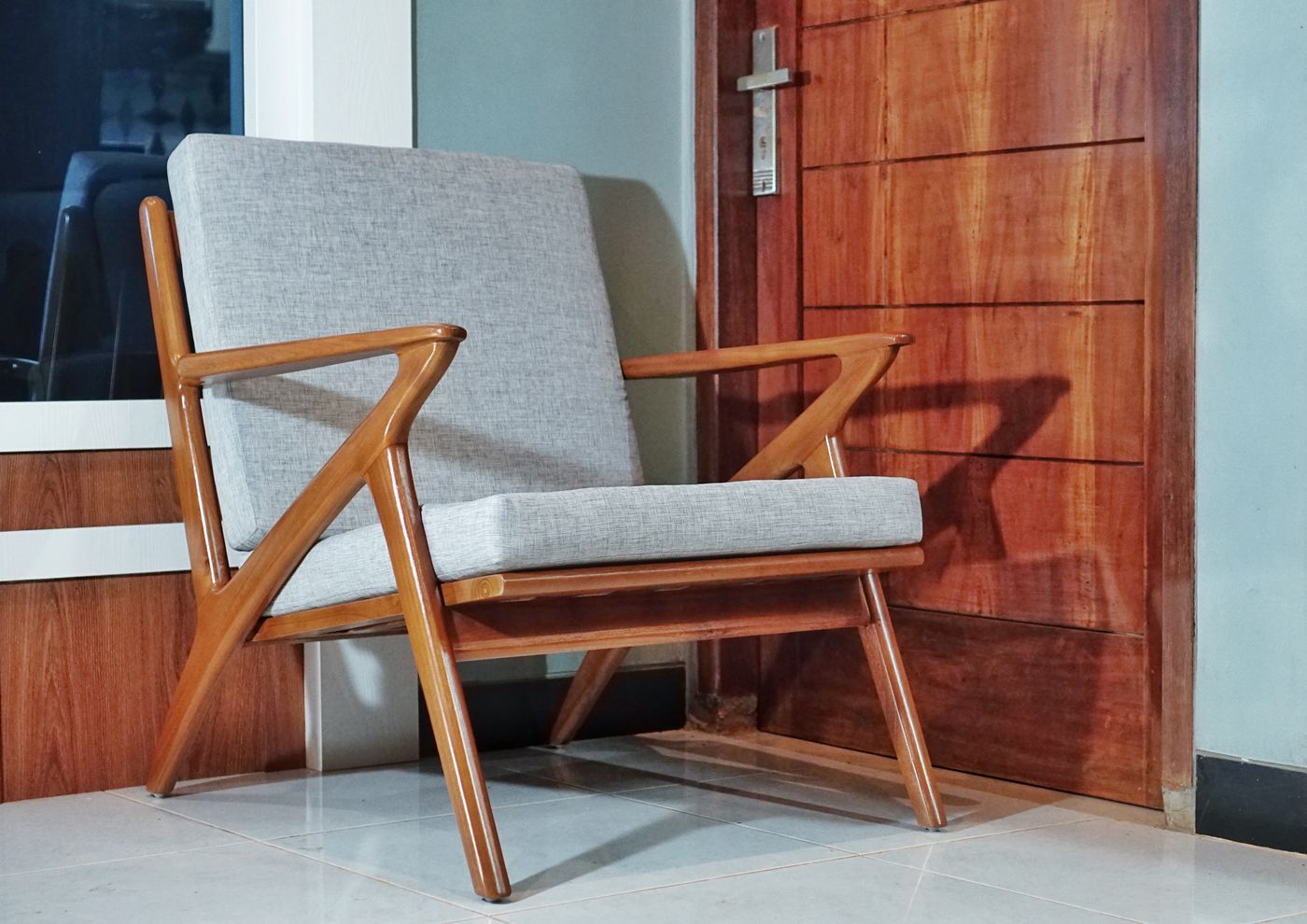
Foto: More Amore · Pexels
Start with the largest piece and give it a wall. A sideboard wants to sit against a plain surface, with about eighteen inches of clear space above it. Hang one thing over it, not three. If you have a dining table, a round one in teak or rosewood will seat four comfortably at 42 inches across, and it will not dominate a small room the way a rectangular table does.
Chairs are where people get it wrong. A pair of Danish dining chairs with a solid teak frame and a woven paper cord seat will take a hundred kilos and last fifty years. Buy two, not six. Use them at the table and pull them into the living room when you have guests. A single lounge chair, placed at an angle to the sofa rather than facing it, will make a room feel larger and more conversational.
Lighting matters more than most people admit. A floor lamp with a tapered shade and a weighted base, the sort made by Fontana Arte or Stilnovo in the early 1960s, will do more for the atmosphere of a room than any amount of paint. Put it behind a chair, not beside it. The light should fall over your shoulder, not into your eyes.
What to check before you hand over the cash
Look at the joinery first. Good mid-century case pieces are held together with dowels and glue, sometimes with a few screws, and the joints should be tight. Run your finger along the inside corner of a drawer. If you can feel a gap or a wobble, walk away. A drawer that sticks in winter and slides in summer is a drawer that was made from wood that was not dry enough.
Foto: Carlos Bedoy · Pexels
Check the finish. Original lacquer on a 1958 piece will have a soft sheen and a few honest marks. If it has been stripped and refinished with polyurethane, it will look plastic and it will not age. Danish oil or a hard wax oil is correct. If a dealer cannot tell you what is on it, they do not know what they are selling.
Look at the underside. Turn the chair over. Look for a maker's stamp or a paper label. Fritz Hansen, Fredericia, France & Søn, G Plan, Ercol, Knoll, Herman Miller. A stamp is not a guarantee of quality, but its absence on a piece that claims to be from a known maker is a problem.
Check the seat height. A dining chair should sit at 18 inches. A lounge chair should sit at 15 or 16. If it is lower, it will be uncomfortable for anyone over forty. If it is higher, it will feel like a waiting room.
The one thing worth paying for
A solid rosewood or teak piece with a good finish and tight joints is worth the money. A veneered piece from the same era can be excellent, but only if the veneer is thick and the substrate is solid. Thin veneer on particle board was a late-1960s shortcut, and it has not aged well.
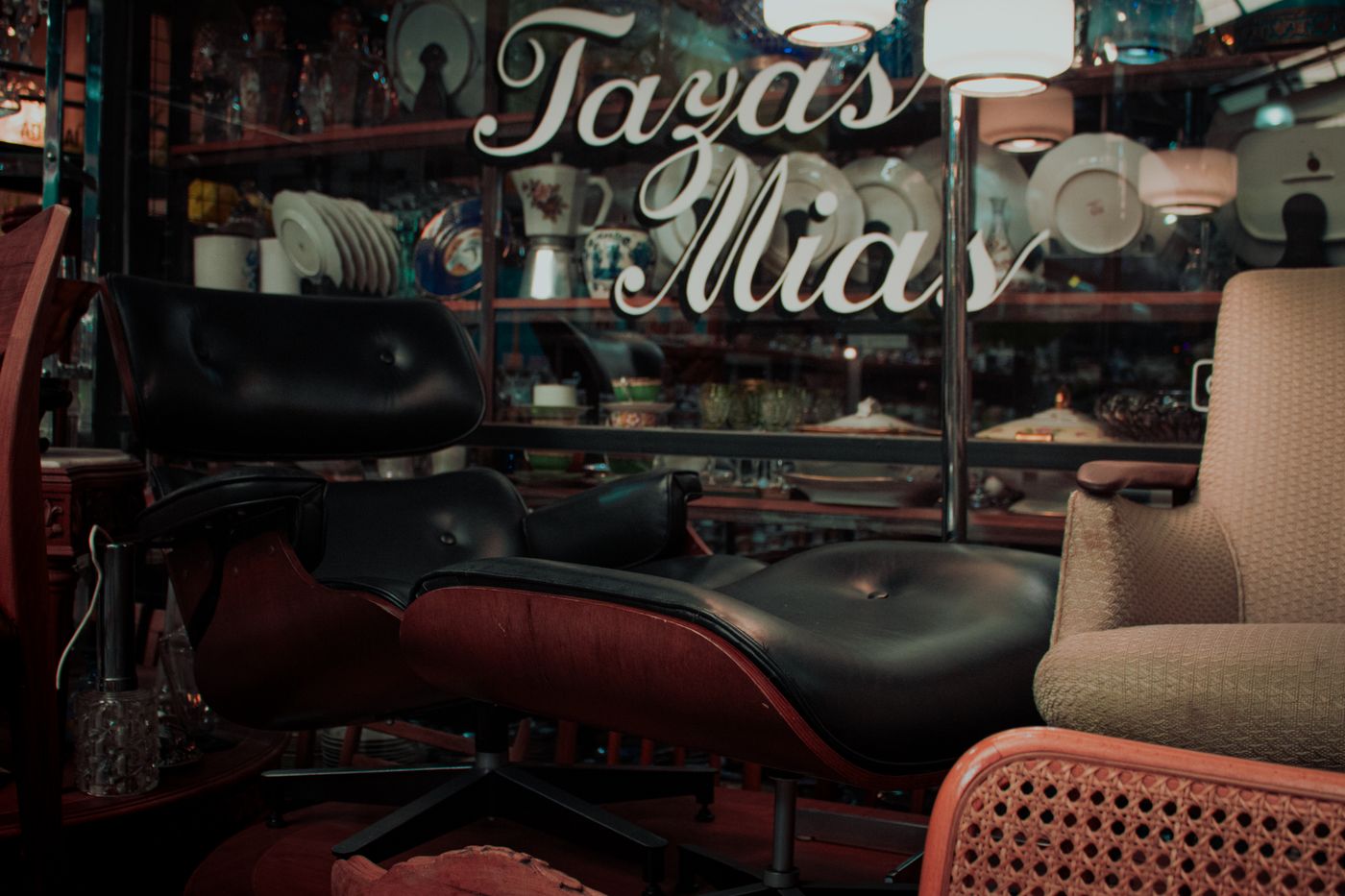
Foto: Mariano Di Luch · Pexels
If you find a piece you love, buy it. The good ones do not come around often. And when you get it home, do not put a plant on it. Put a lamp, a stack of books, and a bowl. Let it be furniture. That is what it was made for, and it will reward you for thirty years.
City
New York
Category
vintage mid century furniture
Published
27 October 2026
Where to find it
Shop the signals
What the market is offering right now on this exact subject.
stoelen
Vintage Pro Tall Eames Lounge Chair With Ottoman Cowhide Leather Armchair Swivel
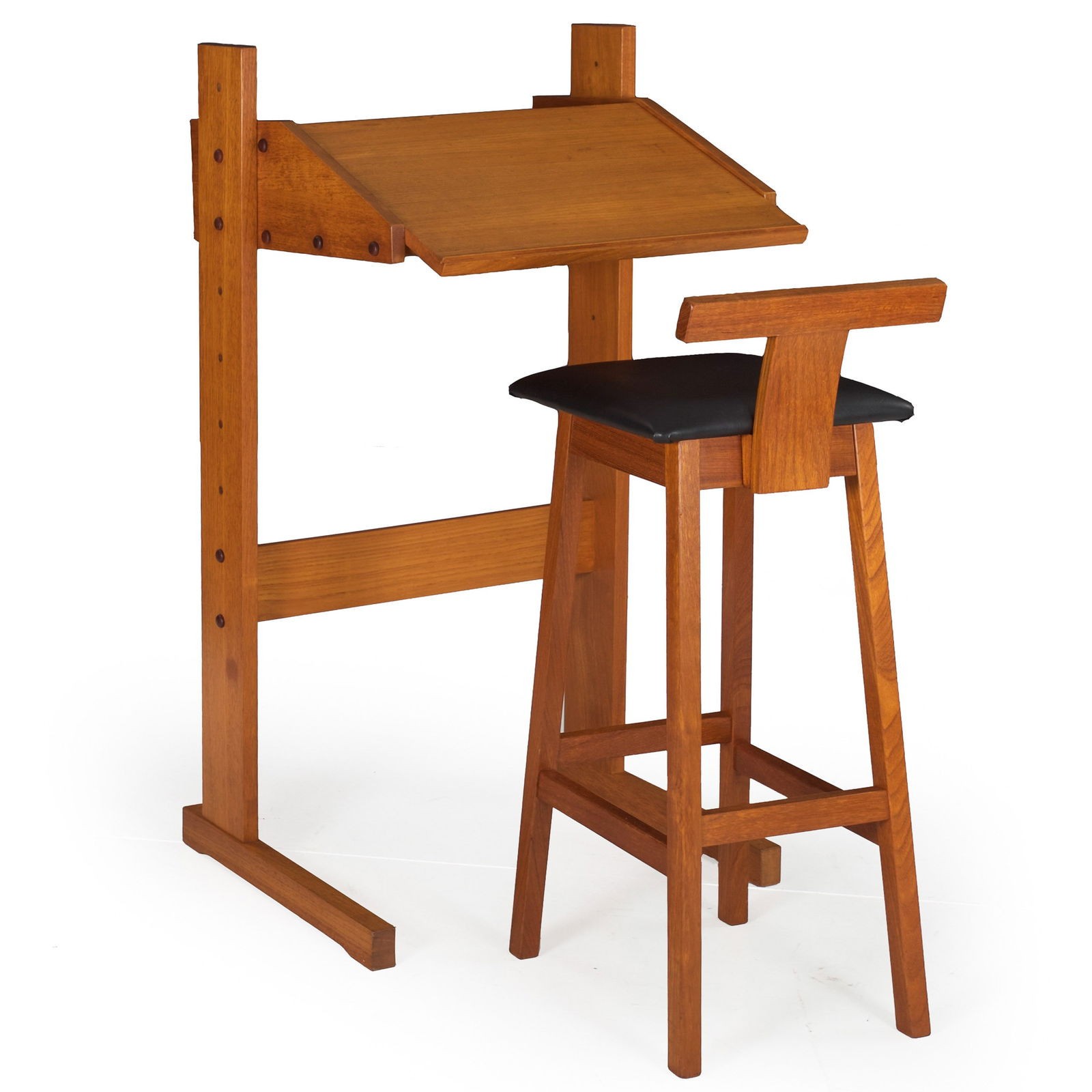
meubels
Danish Modern Teak Adjustable Height Desk with Chair, circa 1960s
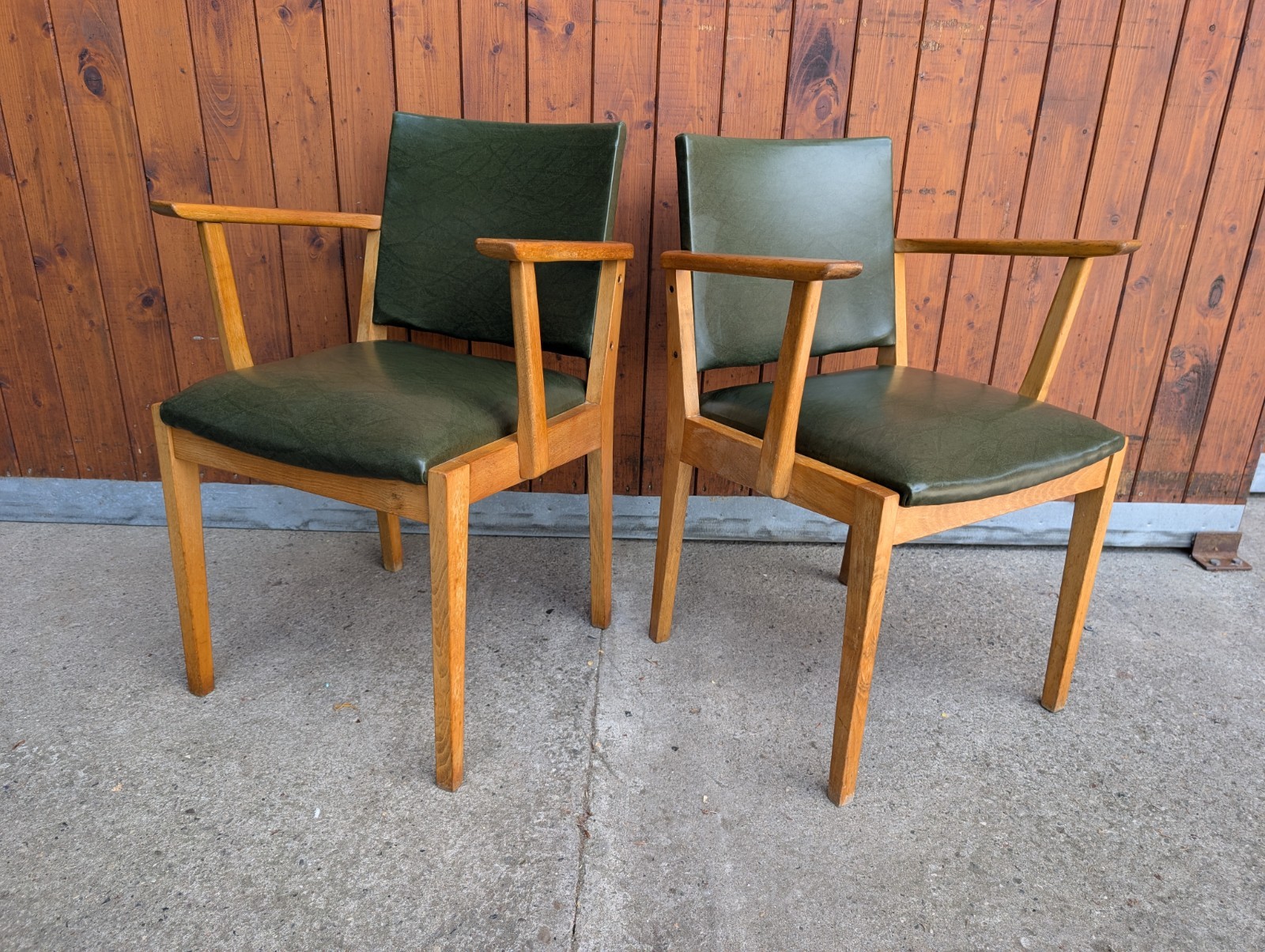
stoelen
60s Vintage Lounge Chair Danish Armchair Mid Century Modern Original Wood, Green
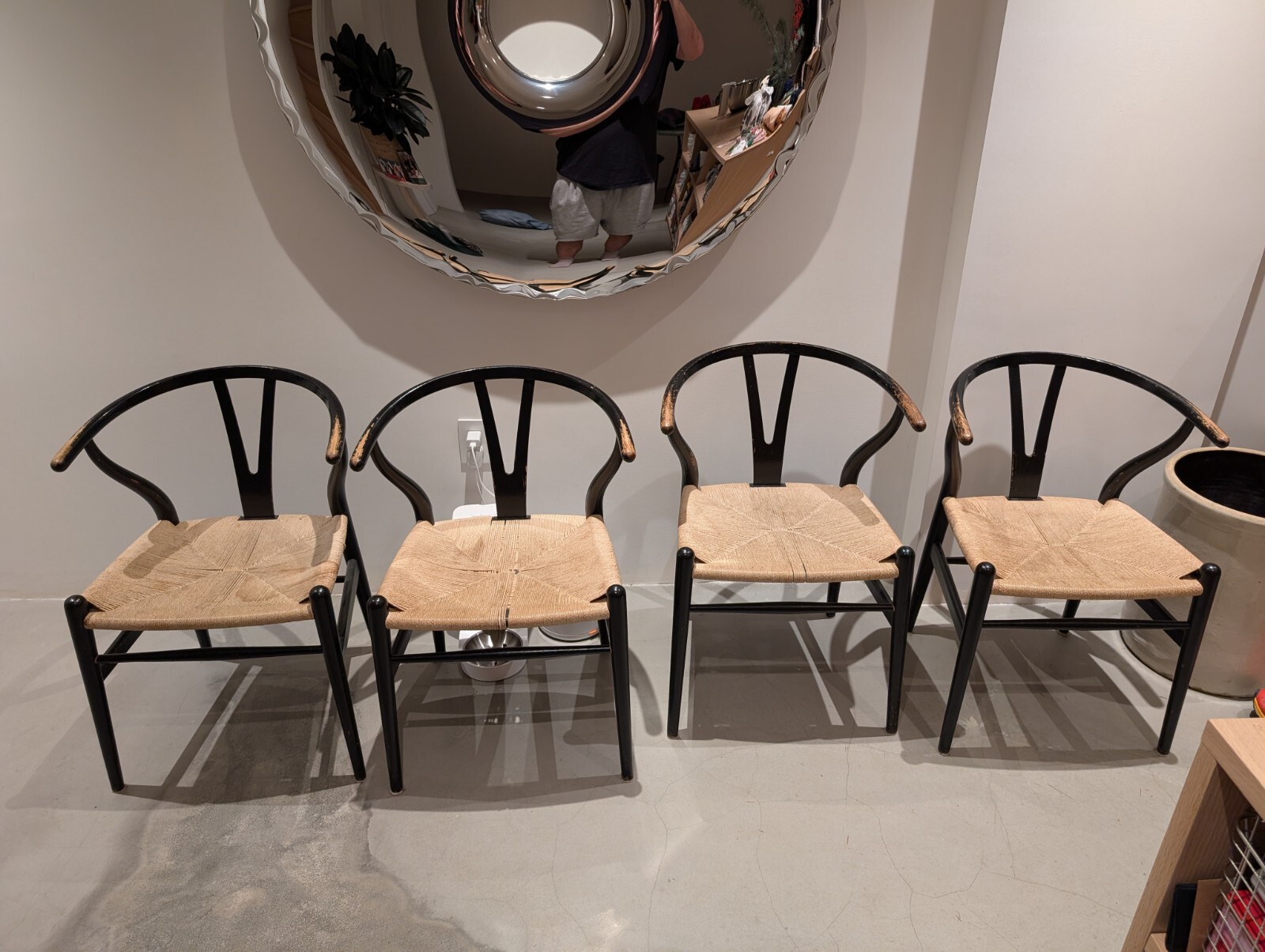
stoelen
Set Of Four Vintage Hans Wegner CH24 Wishbone Chairs by Carl Hansen
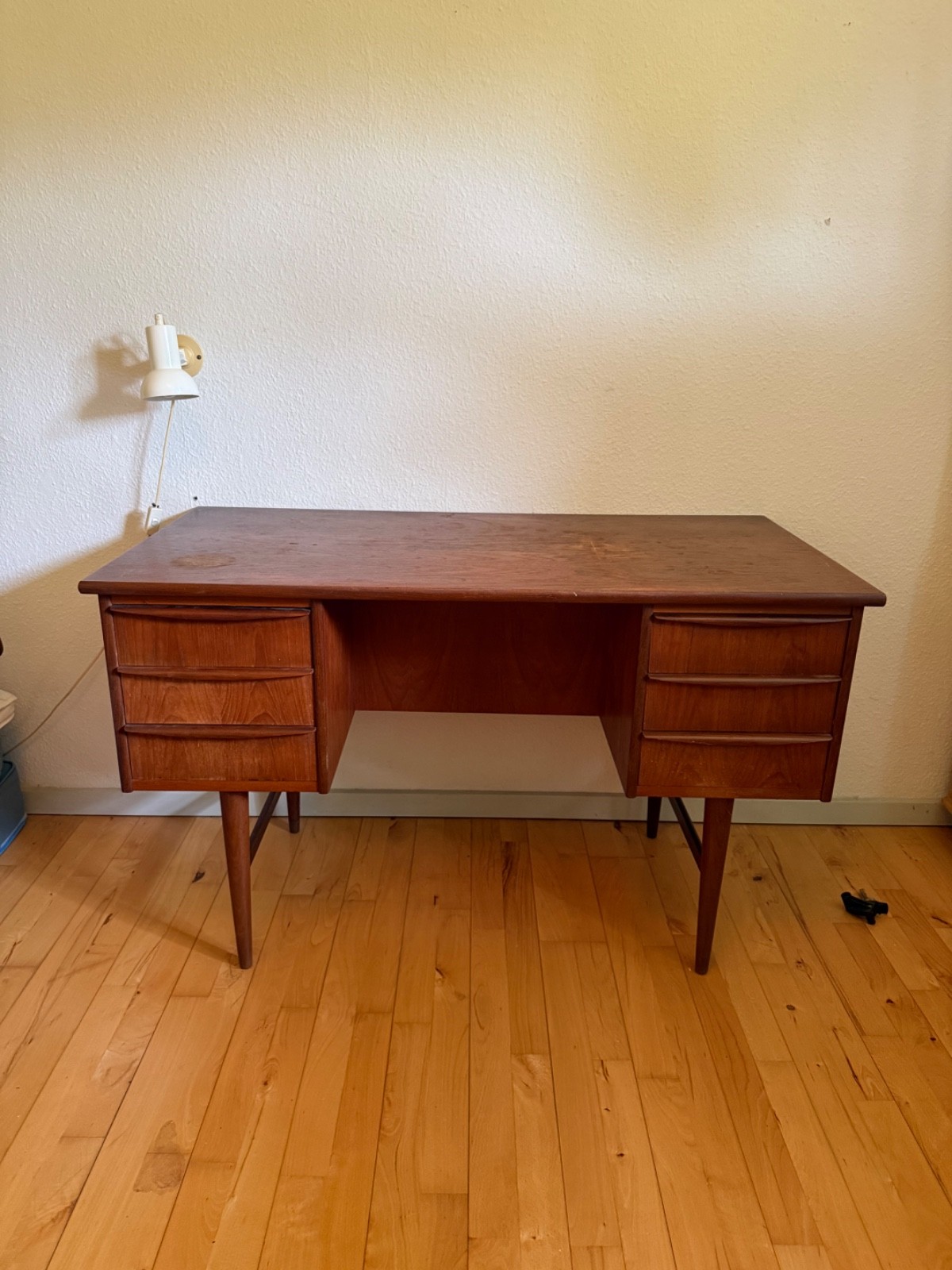
meubels
Vintage Danish Teak Desk – Mid-Century Modern Design, 1960s
meubels
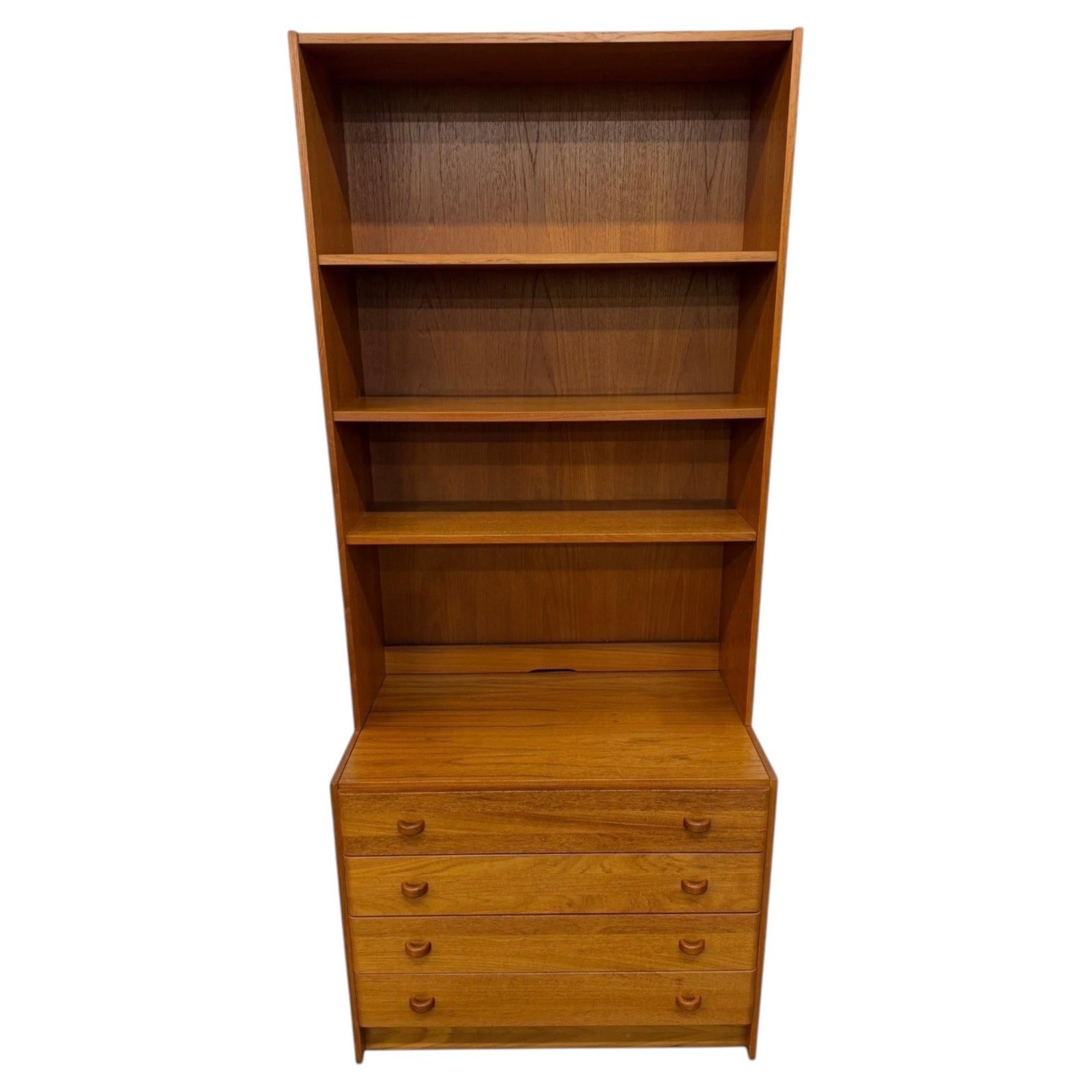
Vintage Danish Modern Domino Møbler 2-Piece Teak Bookcase
meubels
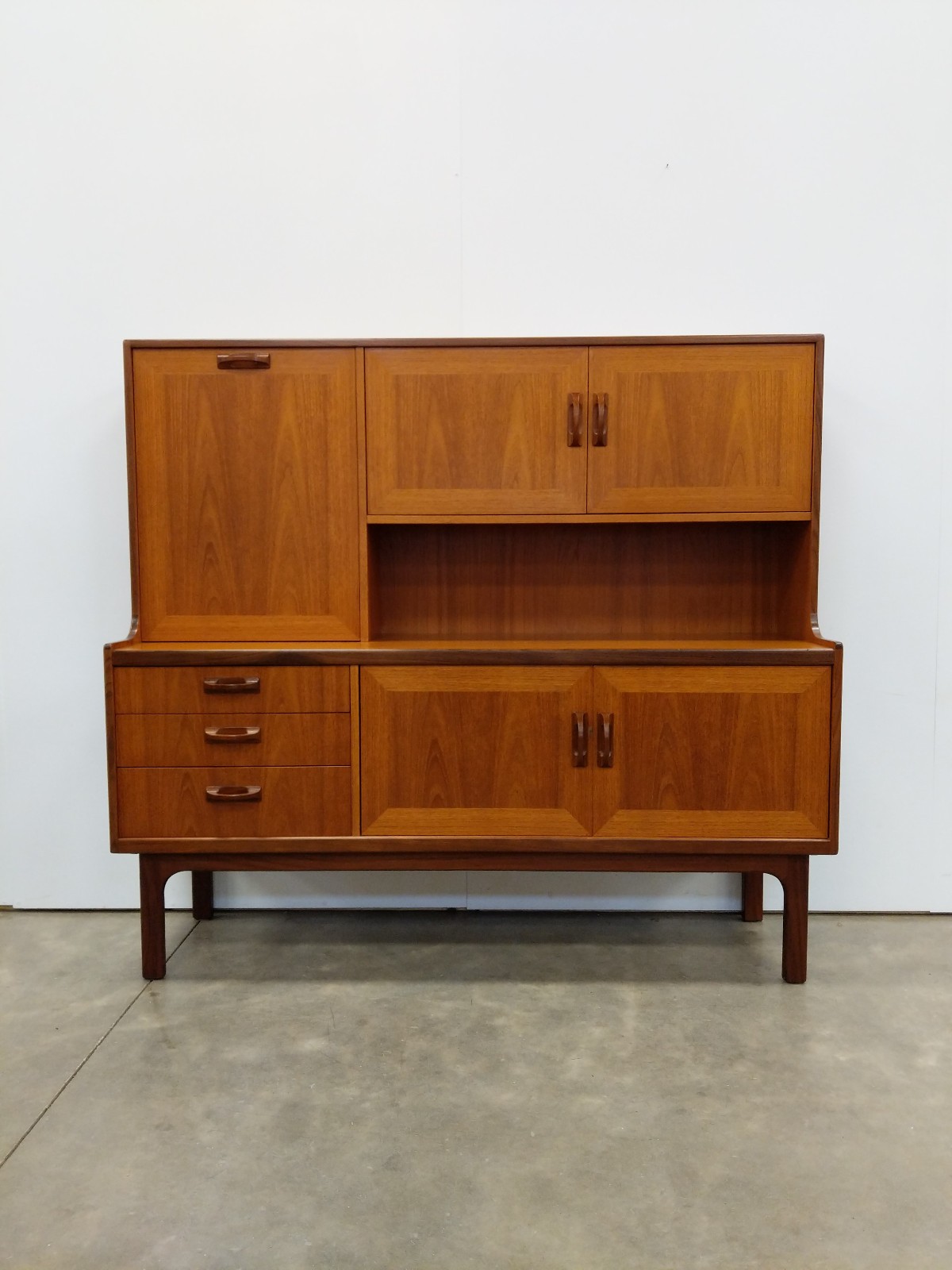
Vintage G Plan Mid Century Modern Teak Sideboard
stoelen
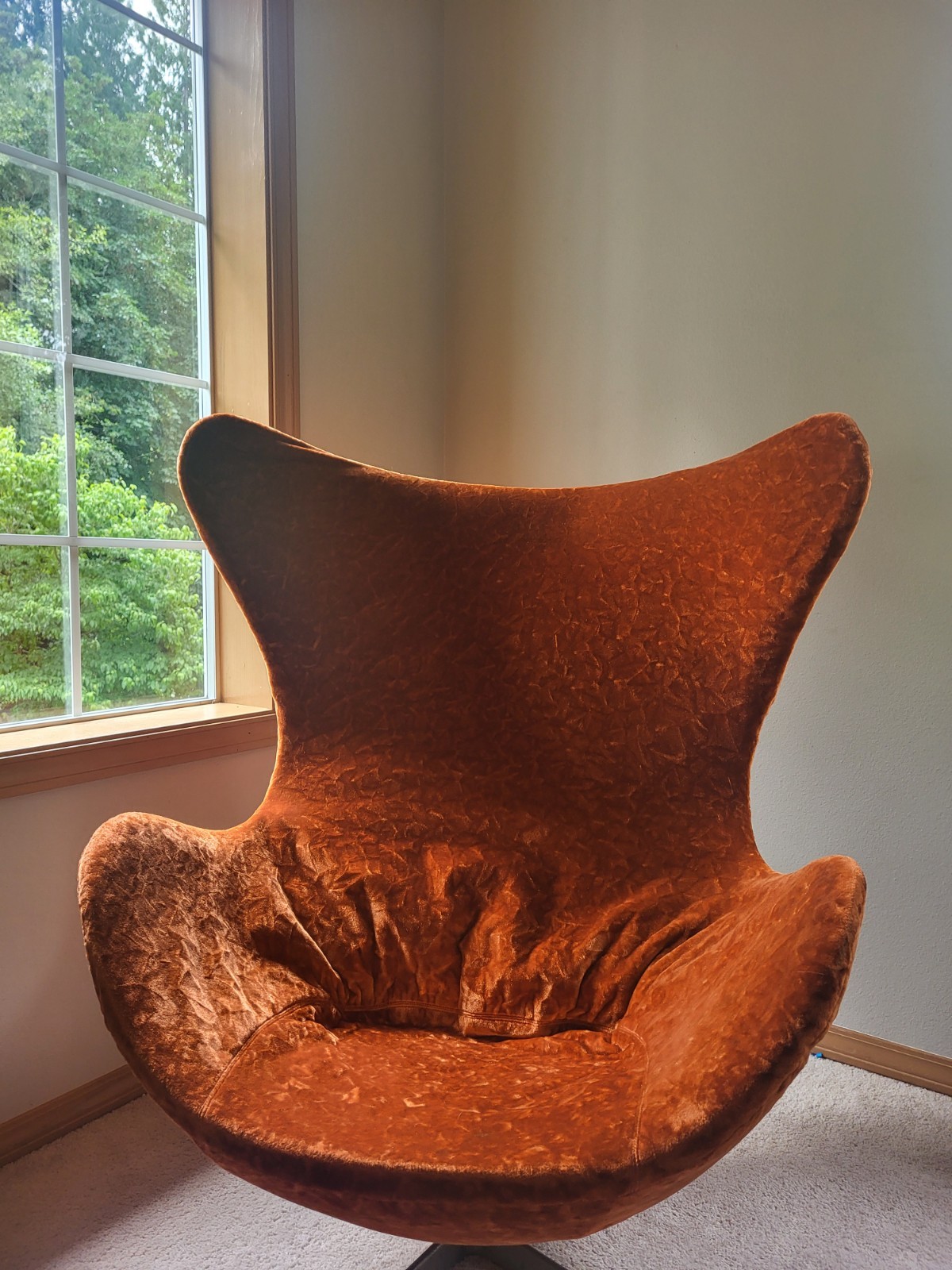
Vintage Fritz Hansen Egg ChairMade in Denmark - 1967
The names
Meet the designers
The minds behind this story — each with a piece currently on the market.
Charles & Ray Eames
USA · 1940s
Moulded plywood & the Lounge Chair — the couple who made modern furniture feel human.
Moulded plywood & the Lounge Chair — the couple who made modern furniture feel human.
Top piece
View →
Børge Mogensen
Denmark · 1940s
The Spanish chair — honest, functional furniture for everyday life.
The Spanish chair — honest, functional furniture for everyday life.
Top piece
View →
Hans J. Wegner
Denmark · 1940s
The Wishbone & 500 chairs — joinery so pure it needs no ornament.
The Wishbone & 500 chairs — joinery so pure it needs no ornament.
Top piece
View →
Arne Jacobsen
Denmark · 1950s
The Egg & the Series 7 — chairs turned into quiet sculpture.
The Egg & the Series 7 — chairs turned into quiet sculpture.
Top piece
View →
Continue the edit
Further stories from the same world
Three more walks through the same vintage universe.
The Weight of a Good Chair: Living With Mid-Century Modern Furniture
How to read a piece of mid-century furniture before you buy it, where to put it once you own it, and why the joinery tells you more than the label ever will.
Read the story →Why Mid-Century Modern Furniture Matters Now
The pieces that defined the postwar American home are finding new life in apartments and houses where good design is lived with daily. Here is how to spot a well-made example, where to put it, and why it still works.
Read the story →Why Mid-Century Modern Furniture Matters Now: A Collector's Guide to Living With It Well
A practical, opinionated guide to buying and placing mid-century furniture: what the joinery tells you, which woods age honestly, and how to make a 1956 sideboard feel at home in a modern room without turning your living room into a showroom.
Read the story →