
 Sign in
✦ Culture · Barcelona
The Quiet Power of Vintage Jewelry
A brooch from 1942, a necklace from 1975, a ring from 1928: the pieces that survive tell stories you can wear. Here is how to find them, style them, and make them yours.
 By Louis Trash·
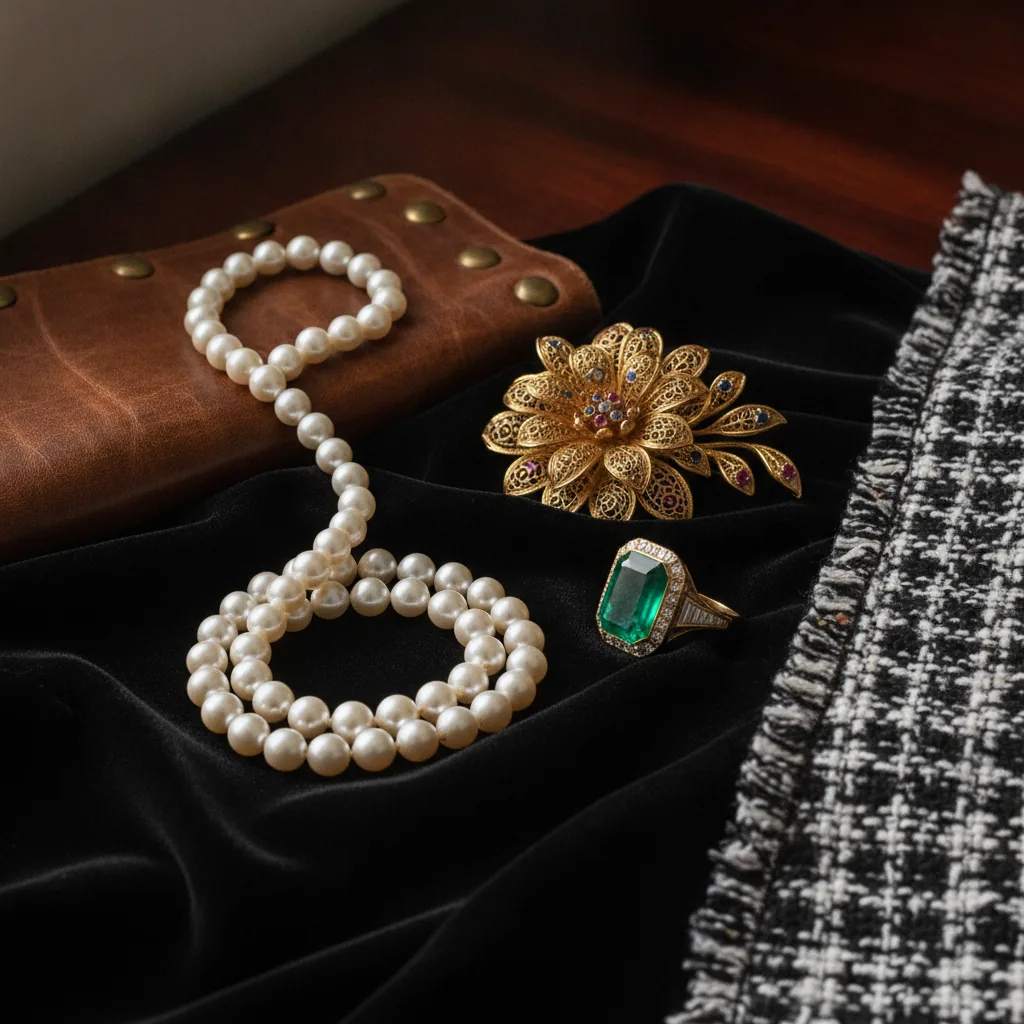
The Brooch That Started It All
In 1942, during the darkest days of the war, Cartier created the Bird in a Cage brooch. A gold bird, its cage door swung open, sapphire and diamond feathers catching the light. It was a symbol of occupied France, a quiet promise of freedom. The piece was made for a woman who needed to remember that beauty persists, not for a runway. That brooch now sits in a private collection, but its spirit lives in every vintage jewel that carries a story.
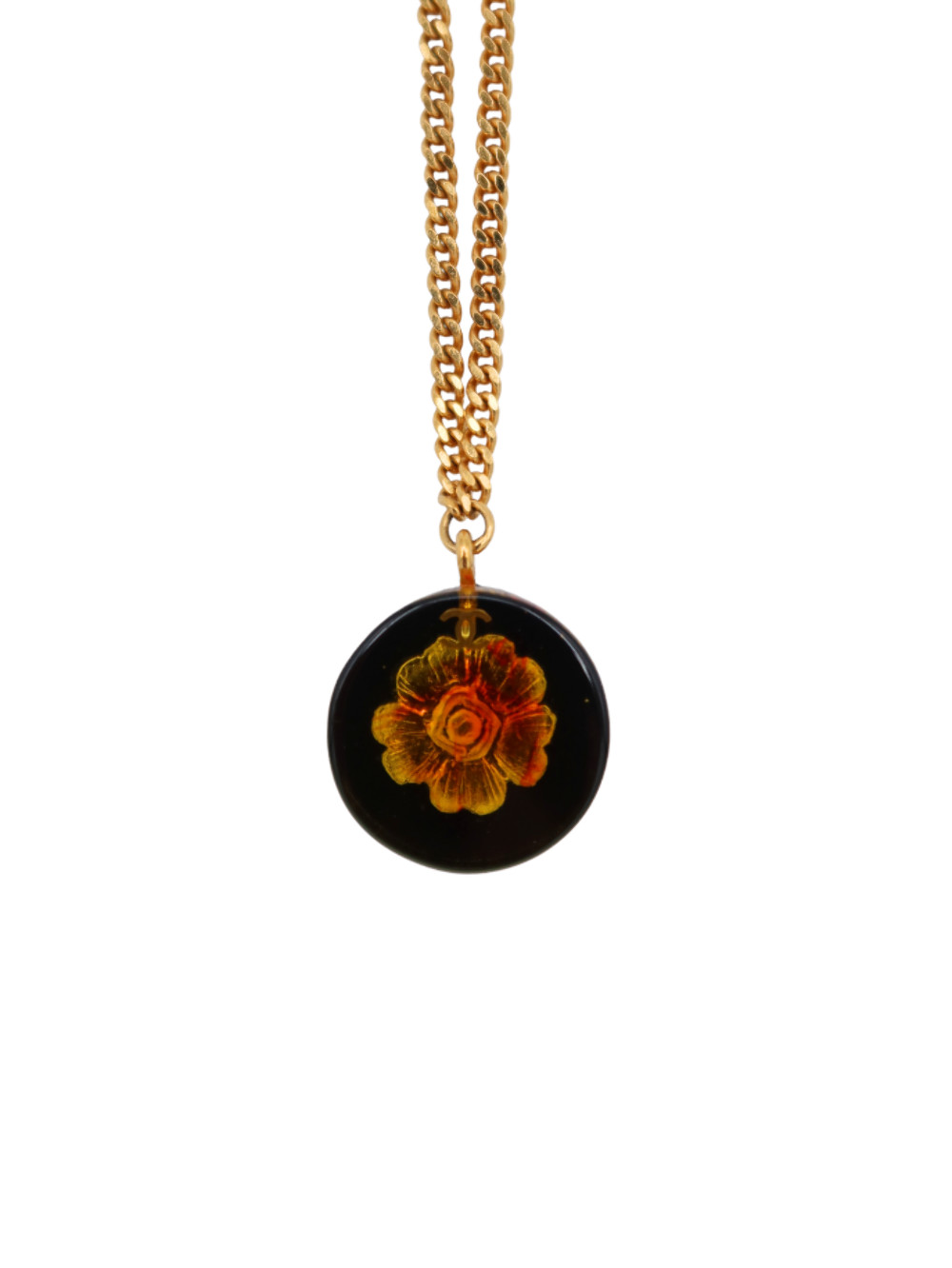
I found my first serious piece at a flea market in Arles. A 1920s Art Deco bar brooch, platinum and onyx, no maker's mark. The dealer wanted the equivalent of a week's groceries. I wore it on a wool coat for a year. Then I wore it on a denim jacket. It worked both times. That is the thing about vintage jewelry: it does not care about your decade. It cares about your nerve.
How to Wear It Without Looking Like a Museum
The mistake most people make is treating vintage jewelry as costume. You do not need a flapper dress to wear a 1920s pendant. You need a white T-shirt and a pair of straight-leg jeans. The contrast does the work.
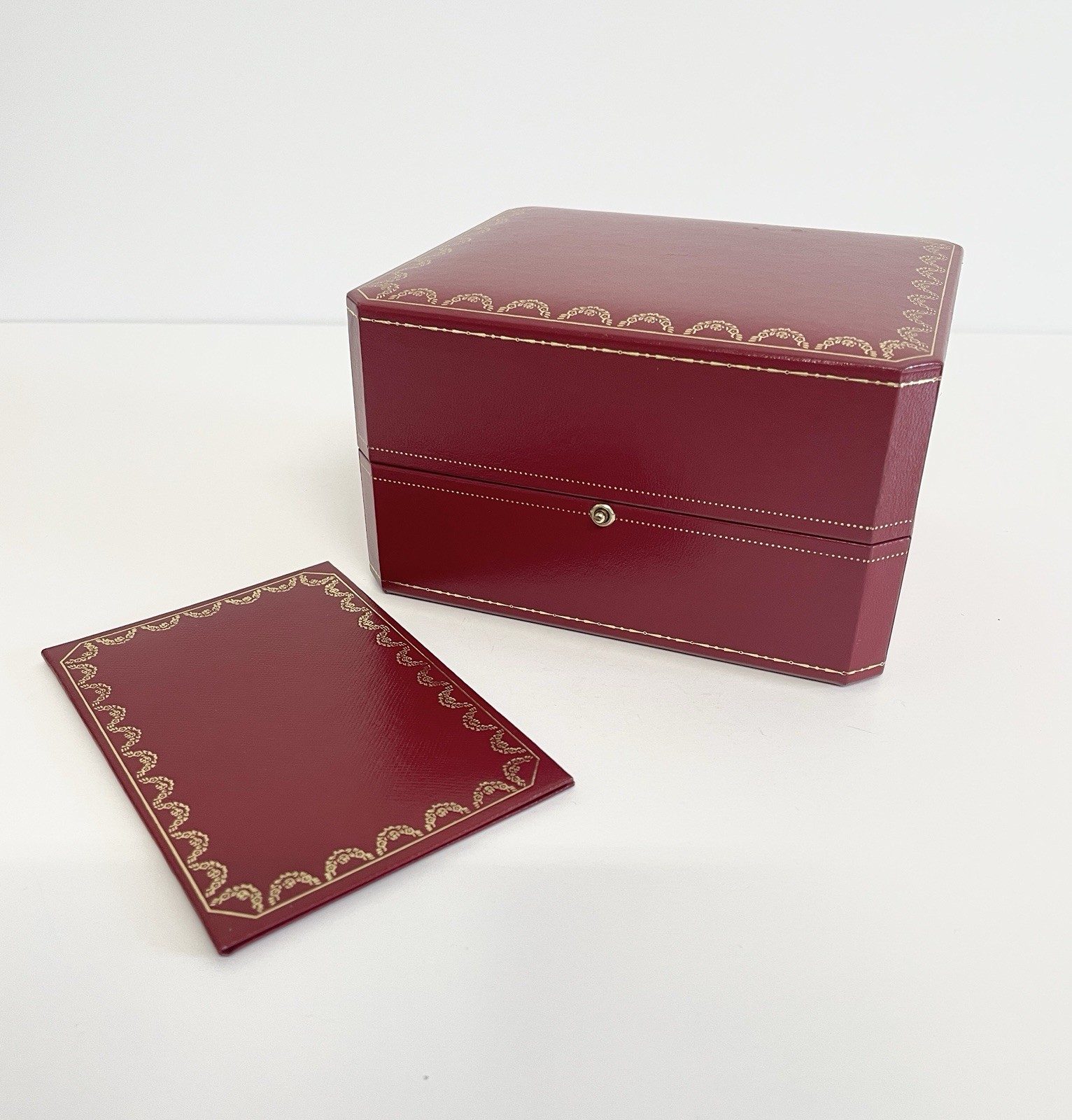
Start with one piece. A single brooch on a lapel, a chunky 1970s chain around the neck, a 1950s rhinestone clip on a beret. Then build the rest of the outfit around it. If the piece is delicate, go for heavier fabrics: tweed, denim, leather. If it is bold, keep the clothes simple. A 1960s enamel flower brooch looks best on a plain black turtleneck. A 1940s aquamarine ring looks best on a bare hand, no other rings.
Proportion matters. A long 1970s pendant necklace elongates a round face. A wide 1940s brooch adds width to a narrow chest. A 1980s oversized earring balances a strong jaw. Try before you buy, but not in the shop mirror. Take it home, put it on with three different outfits, and walk around your living room. If you forget you are wearing it, it is yours.
What to Look For: Era Tells and Quality Tells
Vintage jewelry is a century of things, not one thing. Learn the tells.
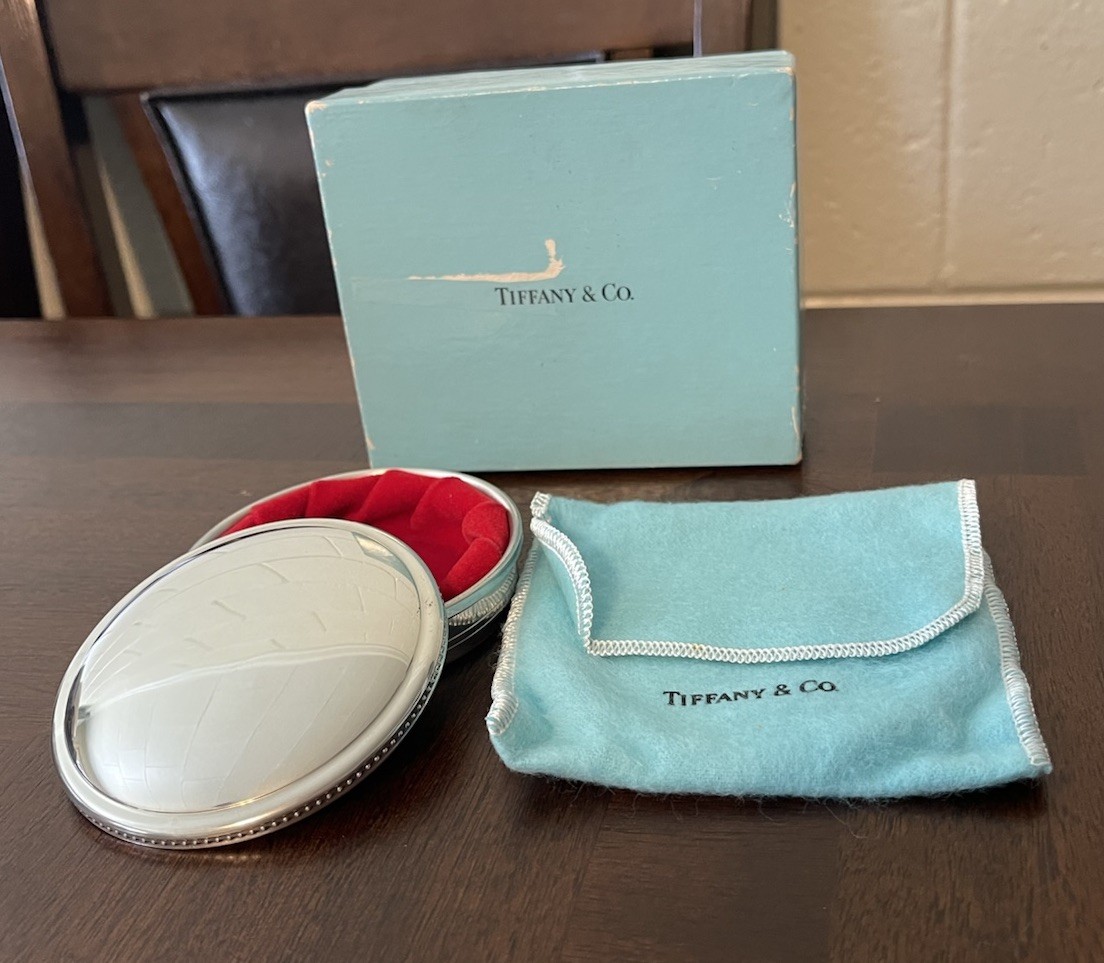
1920s and 1930s: Look for platinum or white gold, filigree, and geometric shapes. Stones are often diamonds, sapphires, or onyx. The clasp on a necklace from this era is usually a simple barrel or fishhook. If it has a spring ring, it is probably later.
1940s: Gold is back, often rose or yellow. Brooches are large and sculptural. Look for retro curves, ribbons, bows. Stones are citrine, aquamarine, ruby. The finish is matte, not shiny. During the war, platinum was reserved for the military, so jewelers used palladium or silver. That is a good sign of authenticity.
1950s: Rhinestones are everywhere, but so is fine jewelry. Look for signed pieces from Trifari, Coro, and Napier. The stones should be prong-set, not glued. The metal should feel substantial. If it is light as a feather, it is probably 1980s.
1960s and 1970s: Yellow gold, bold shapes, and enamel. David Webb and Aldo Cipullo made pieces that looked like they belonged to a modern art museum. Chains are heavy. Clasps are often lobster claw. Stones are turquoise, coral, and malachite. Check for wear on the plating. If it is chipped, walk away.
1980s: Big, shiny, and unapologetic. Chanel and Lacroix made costume jewelry that cost as much as fine jewelry. Look for gripoix glass, faux pearls, and gold-tone metal. The weight should be surprising. If it feels hollow, it is not worth your money.
Always check the back. A good piece has a clean finish, even if it is costume. Look for scratches on the stones. A scratched rhinestone is a dead rhinestone. Check the pin stem on brooches. If it is bent or loose, it will not stay on your coat. And always ask for the story. A dealer who knows the history is a dealer who knows the value.
The Icons Who Made It Stick
When Wallis Simpson wore her Cartier panther bracelet in 1952, she was not trying to start a trend. She was wearing a piece that her husband had commissioned. But the world watched. The panther became a symbol of independent, slightly dangerous glamour. Every vintage panther brooch you see today is a descendant of that bracelet.
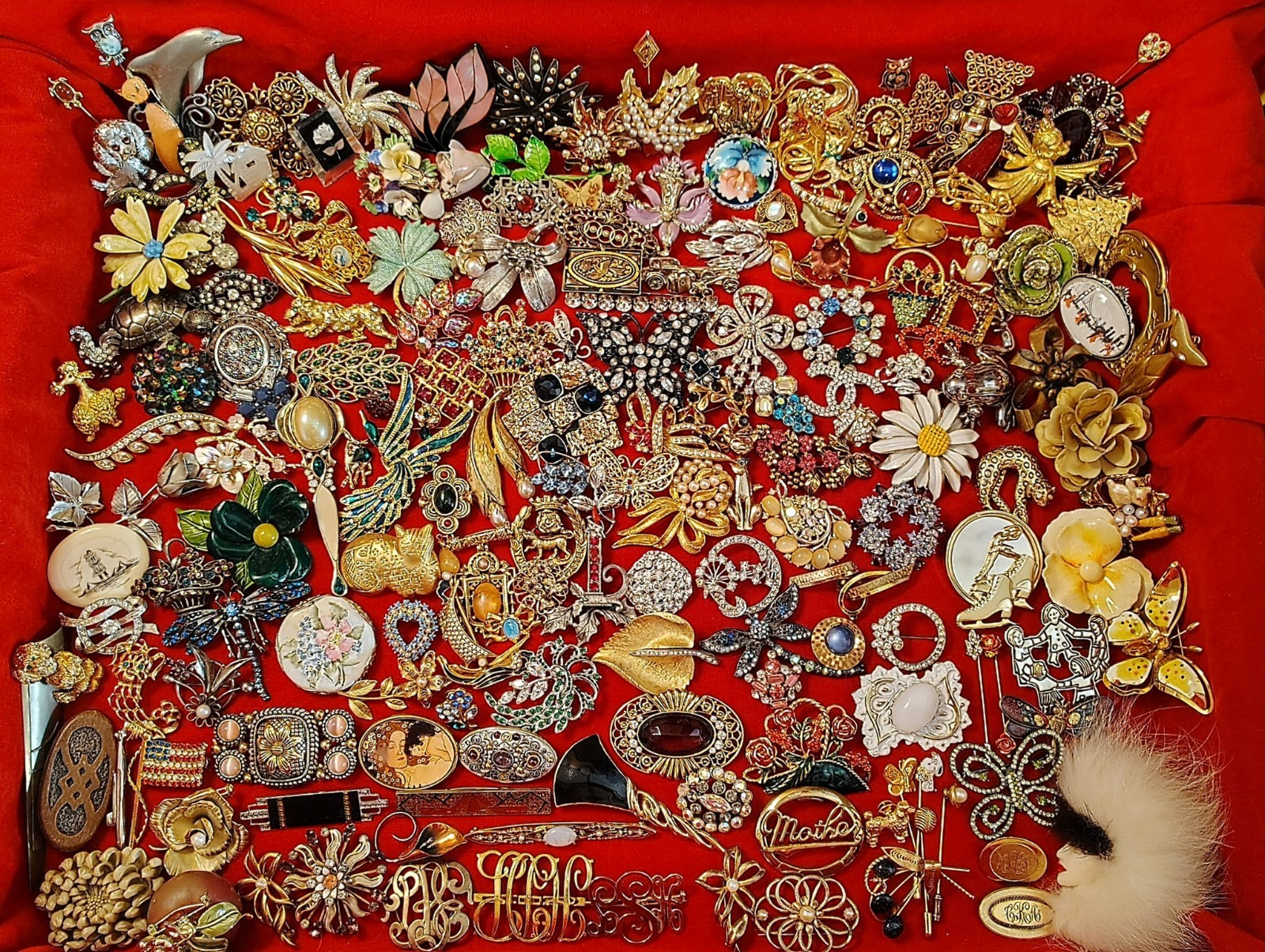
In 1961, Audrey Hepburn wore a long pearl necklace in Breakfast at Tiffany's. It was not a new idea. Coco Chanel had been layering pearls since the 1920s. But Hepburn made it look effortless. She wore it with a black dress and a cigarette holder. The necklace did the rest. That is the lesson: the jewelry is not the outfit. It is the punctuation.
Then there is the 1970s. Elsa Peretti joined Tiffany in 1974 and introduced the bone cuff. It was organic, sculptural, and nothing like the diamonds the store was known for. Women bought it because it felt like armor. It still does. A vintage bone cuff is one of the most wearable pieces you can own. It goes with a suit, a sweater, a wedding dress.
The Only Rule That Matters
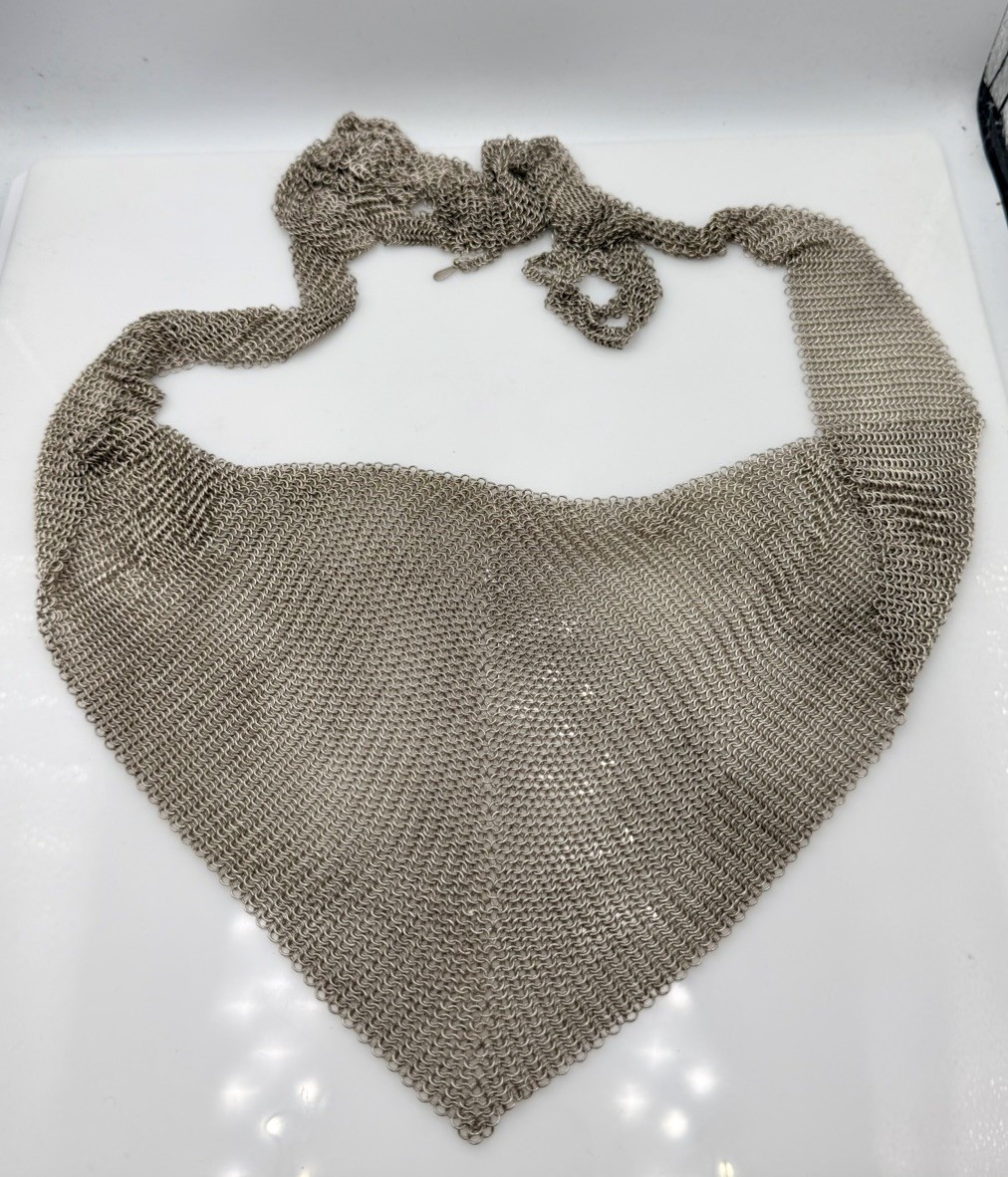
Vintage jewelry is a relationship, not an investment. You buy a piece because it makes you feel like the person you want to be that day. Maybe it is a 1930s paste brooch that cost less than dinner. Maybe it is a 1950s gold charm bracelet that weighs more than your phone. The price is irrelevant. The connection is everything.
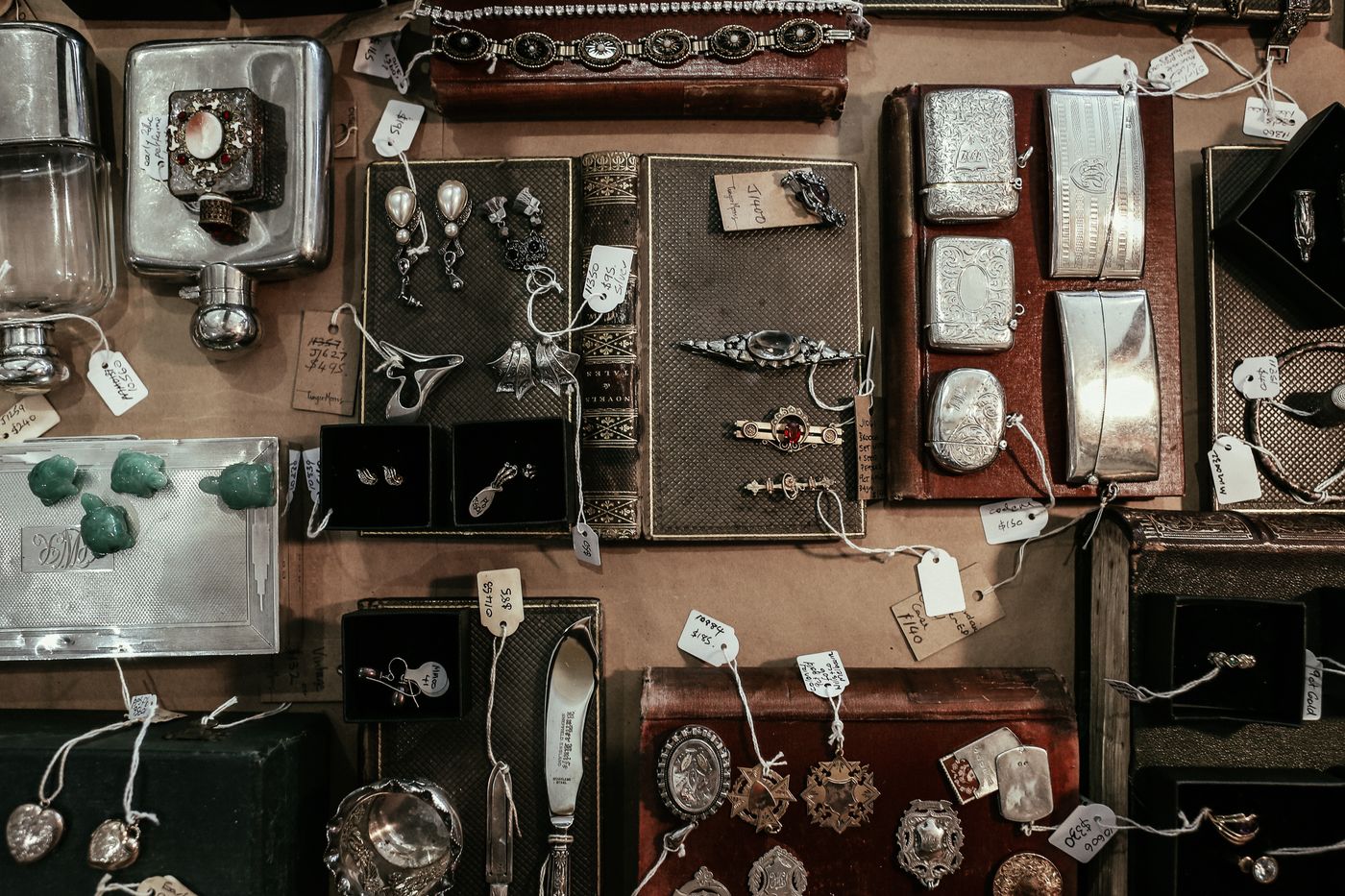
Foto: Rachel Claire · Pexels
I still wear that Art Deco bar brooch from Arles. The onyx has a tiny chip. The platinum is scratched. I do not care. It has been on a dozen coats, three jackets, and one very memorable night in Paris. It will outlast me. That is the point. You are buying a piece of someone else's life and adding your own. Wear it until it knows you.
 ✦ The Edit
One to watch
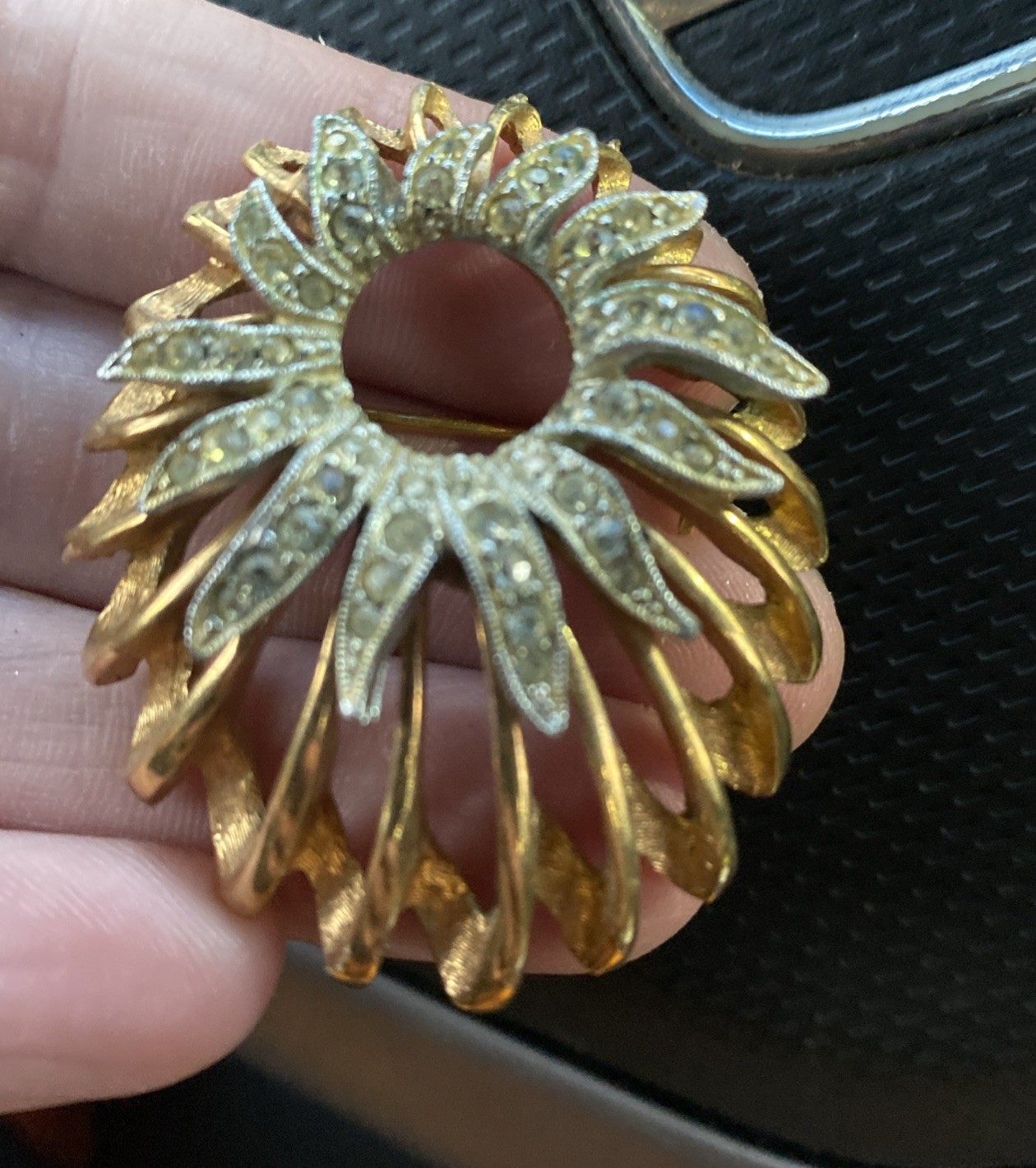
Incredibly Rare Jean Schlumberger Pre-Tiffany's Crystal Floral Costume Brooch
Breakfast at Tiffany's, and everything since. This honestly worn piece in crystal carries exactly the quality that made Tiffany & Co. worth collecting in the first place. This is the kind of thing that only improves the longer you live with it.
On the market now
The names
Meet the designers
The minds behind this story — each with a piece currently on the market.
Chanel
France · 1910s
The little black dress & the 2.55
The little black dress & the 2.55
Top piece
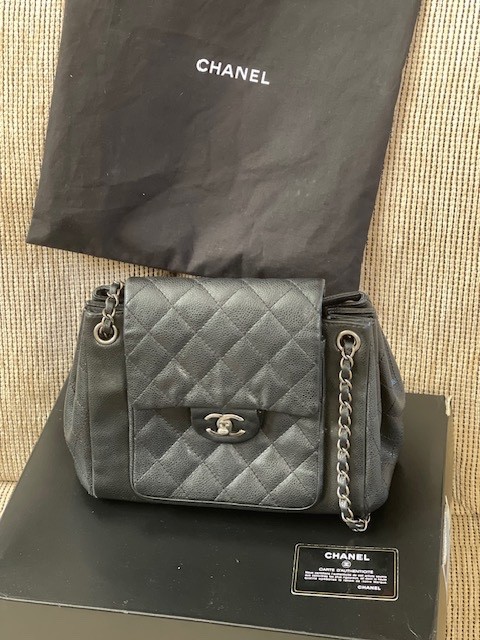
View →
Alpha Industries
USA · 1950s
The MA-1 flight jacket
The MA-1 flight jacket
Top piece
View →
Armani
Italy · 1970s
The power suit & soft tailoring
The power suit & soft tailoring
Top piece
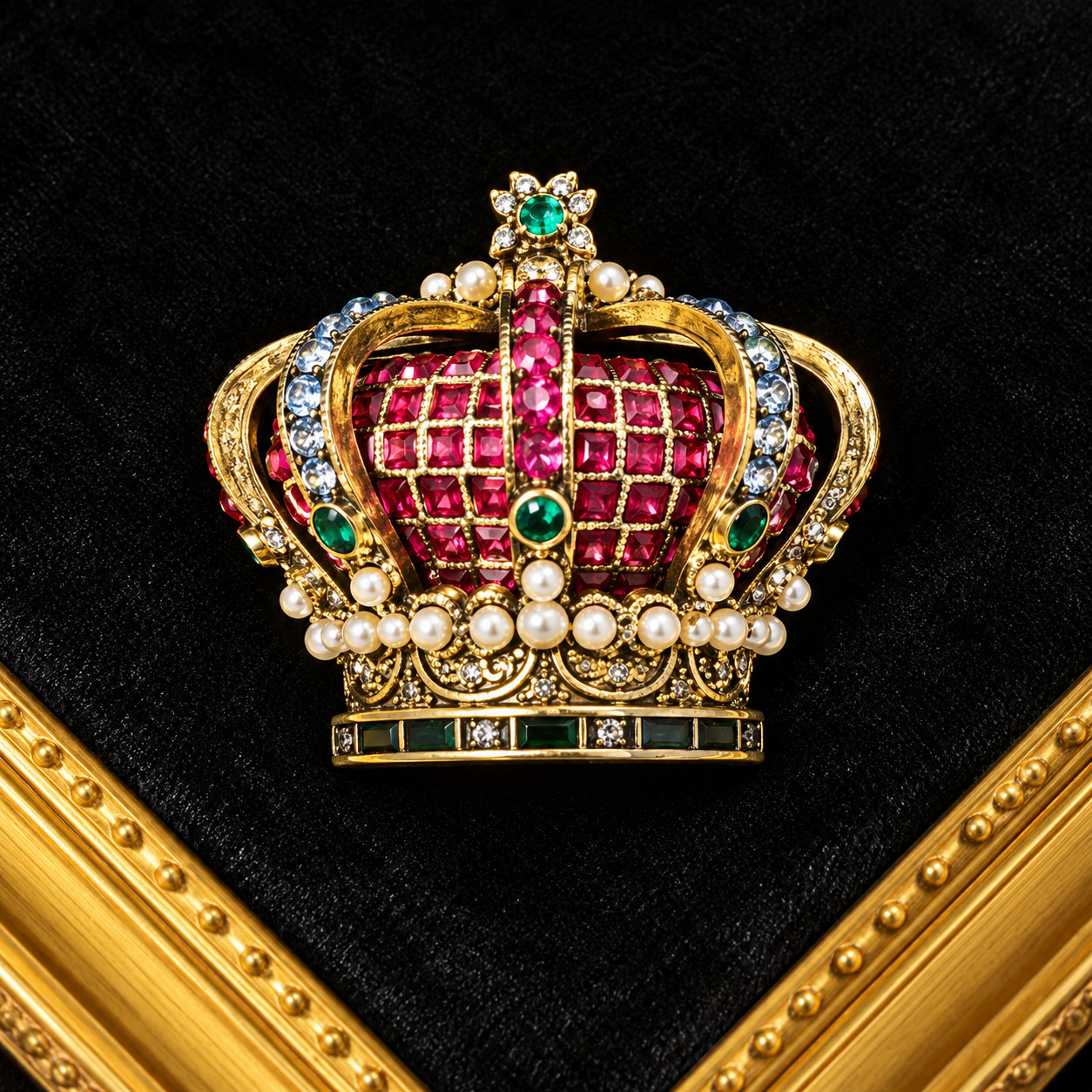
View →
Avirex
USA · 1970s
The vintage bomber
The vintage bomber
Top piece
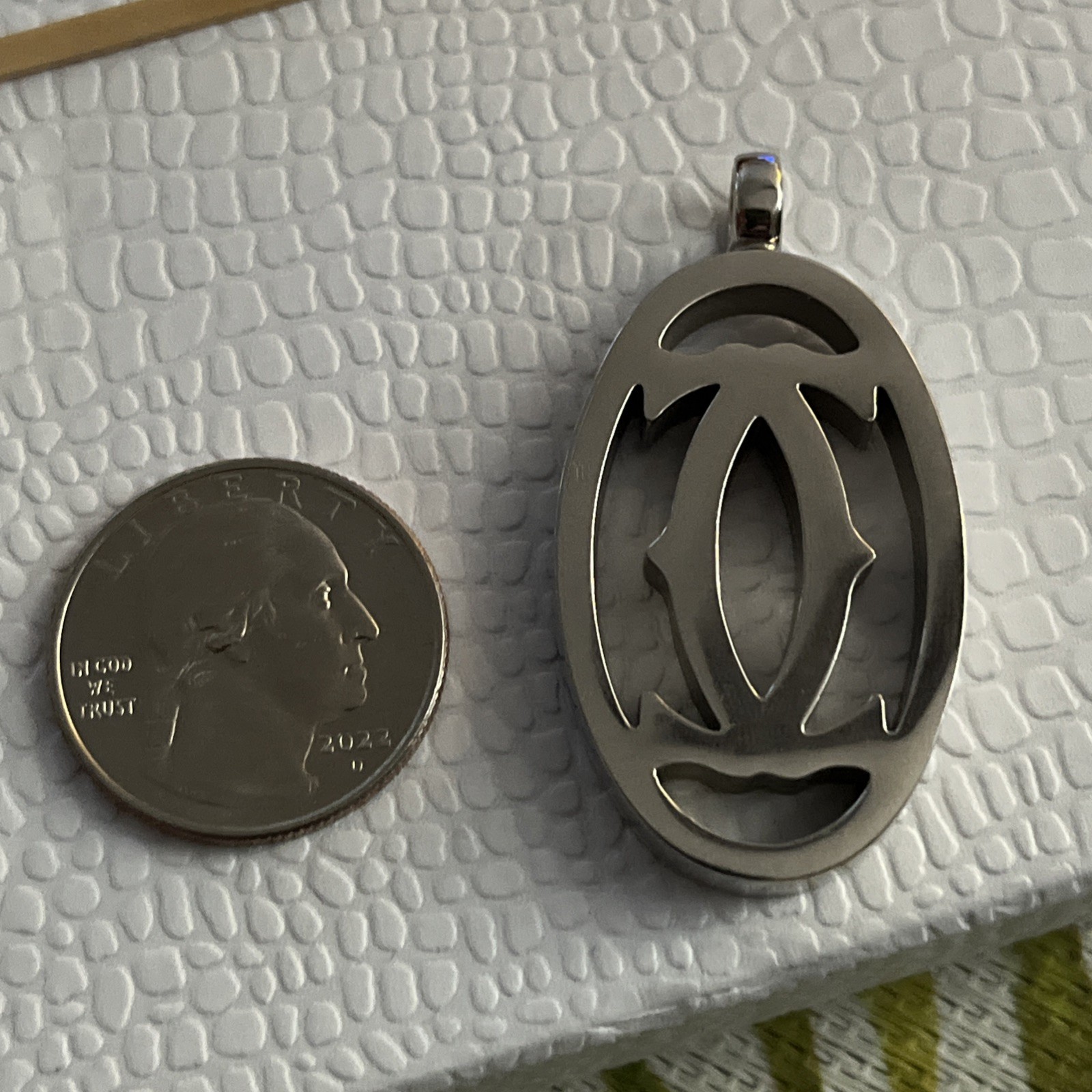
View →
Continue the edit
Further stories from the same world
Three more walks through the same vintage universe.
Vintage Jewelry: The Art of Wearing History
Forget the glass case. The best vintage jewelry is meant to be worn, not admired from afar. Here's how to style it, spot a gem, and know its stories.
Read the story →Why Vintage Jewelry Matters Now: A Wearer's Guide
Forget the market. This is about finding a piece with a past and making it yours, from the right era to the perfect clasp.
Read the story →Why Vintage Jewelry Matters Now
Forget the vault. Vintage jewelry belongs on your body, mixed with denim and tailored wool, where its scratches and history can catch the light. Here is how to wear it well, what to look for, and why a $111.27 brooch can outshine anything new.
Read the story →