
 Sign in
🔥 Fashion · Barcelona
How to Wear Vintage Denim Without Looking Like a Costume
A wearer's guide to the Levi's that have already lived a life: how to style them now, what to check before you buy, and the true stories behind the fades.
 By Louis Trash·
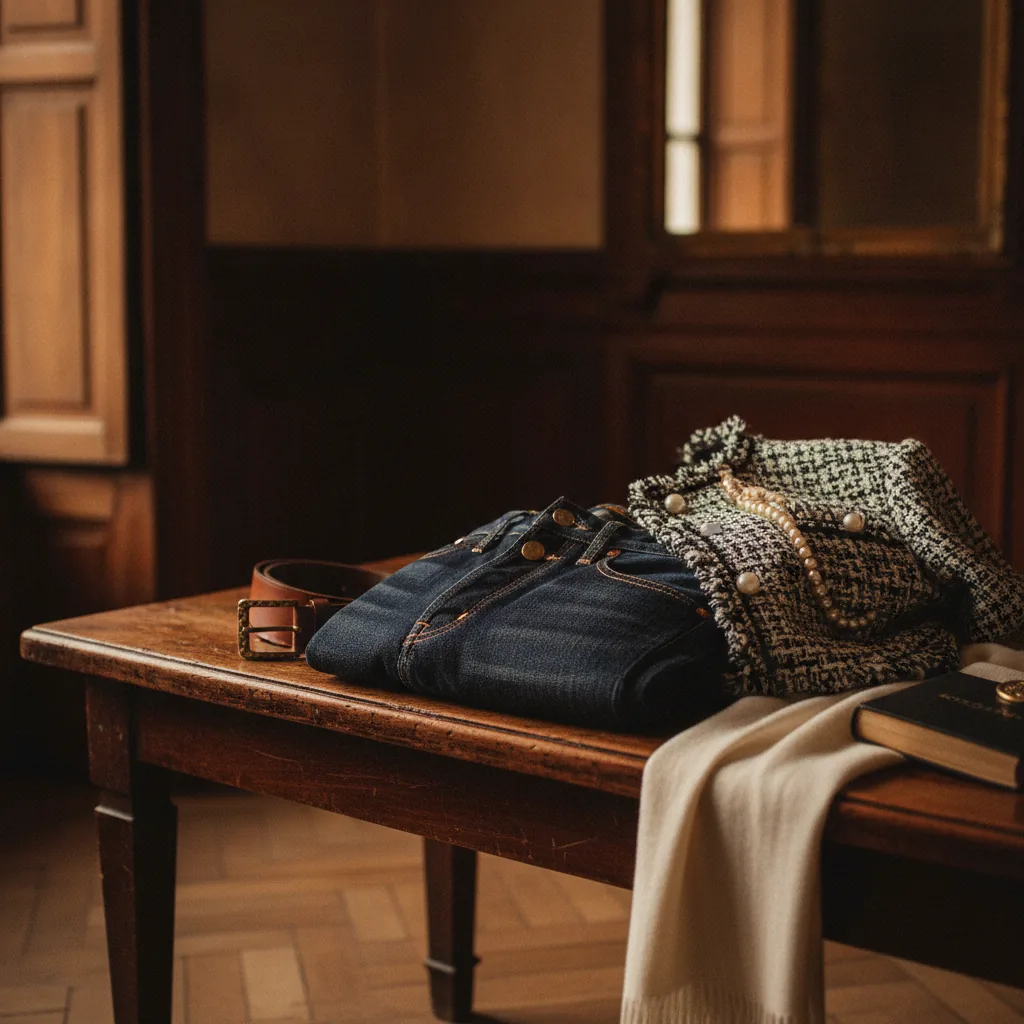
The Fit Is the Story
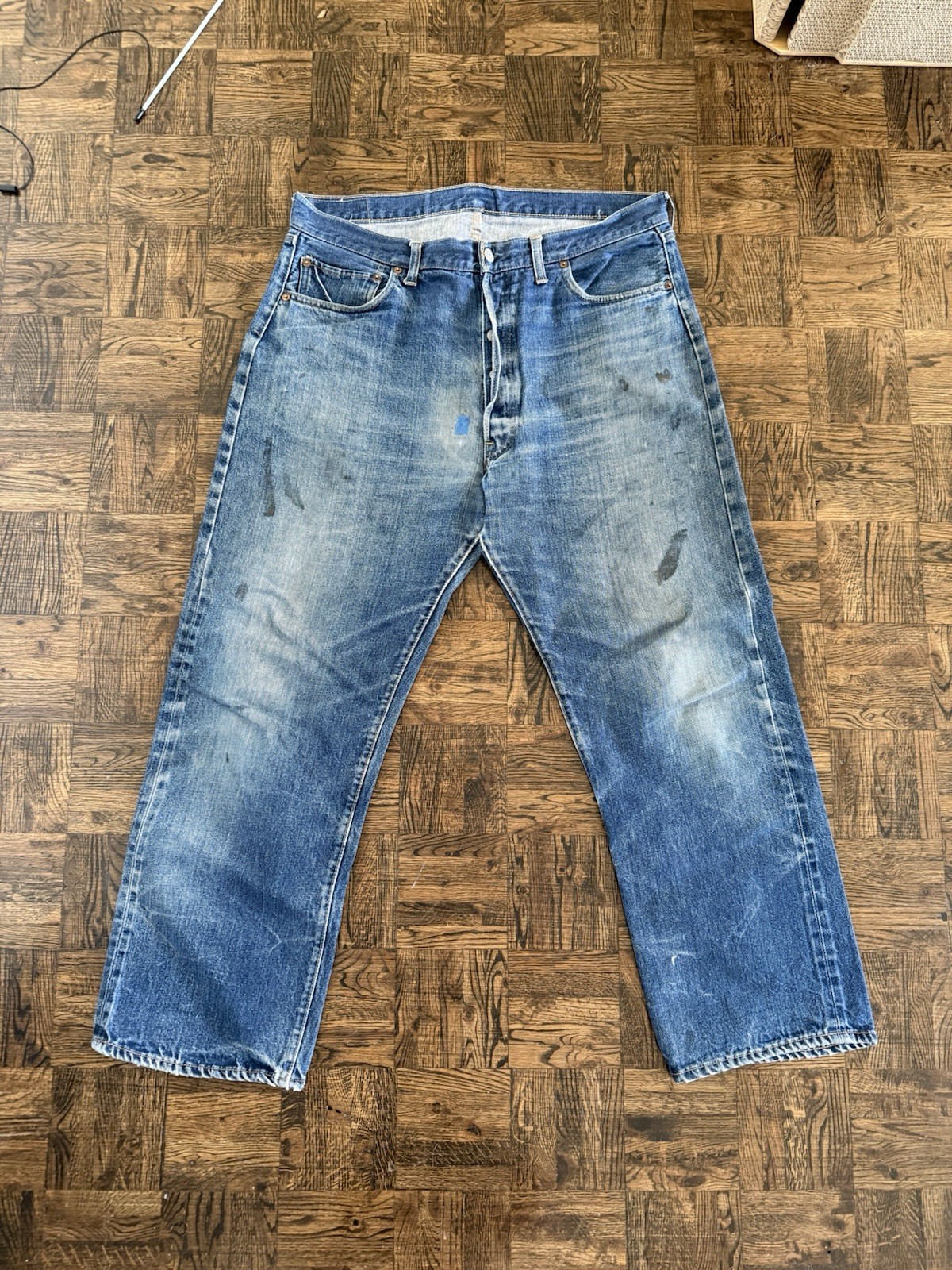
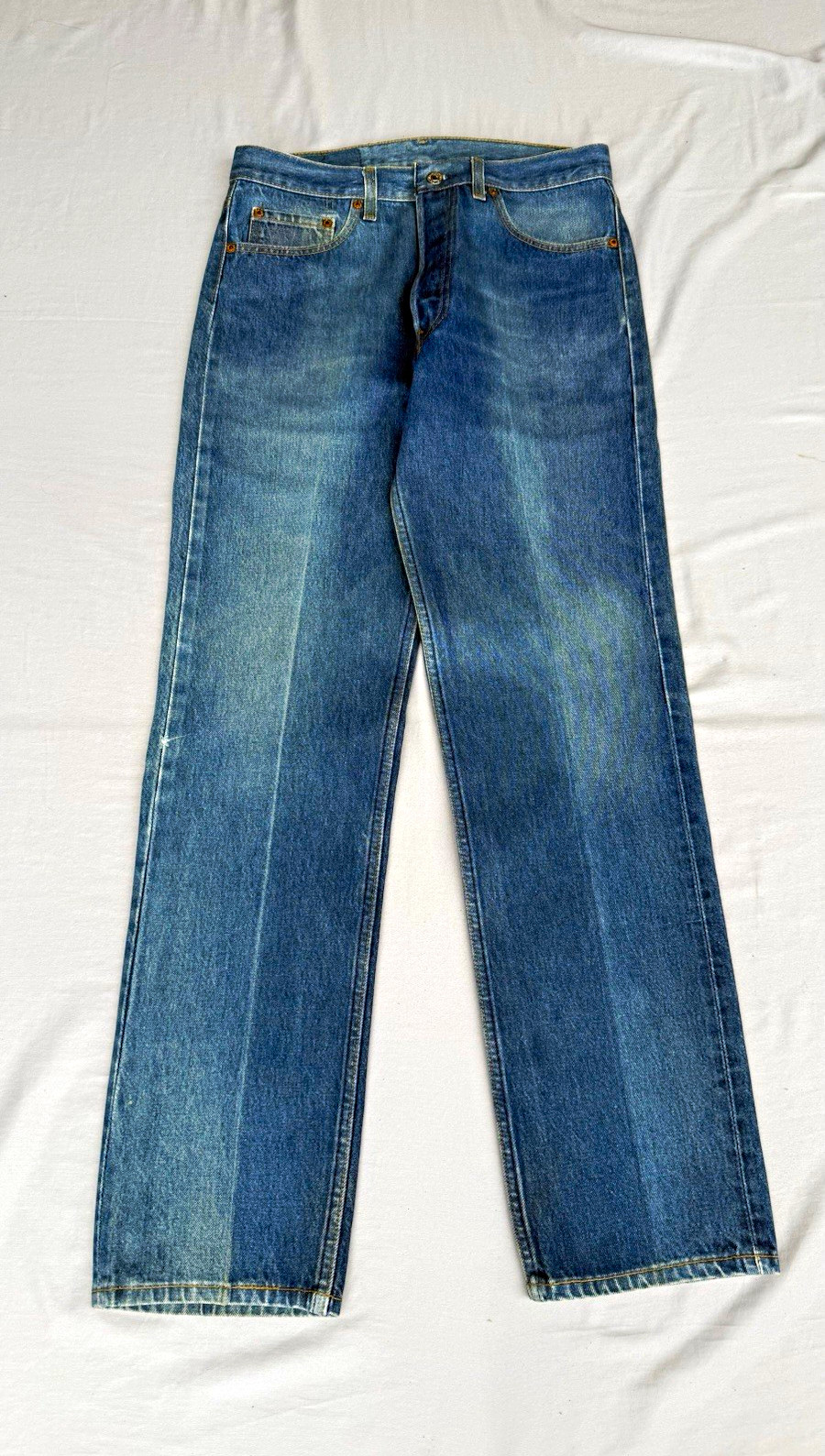
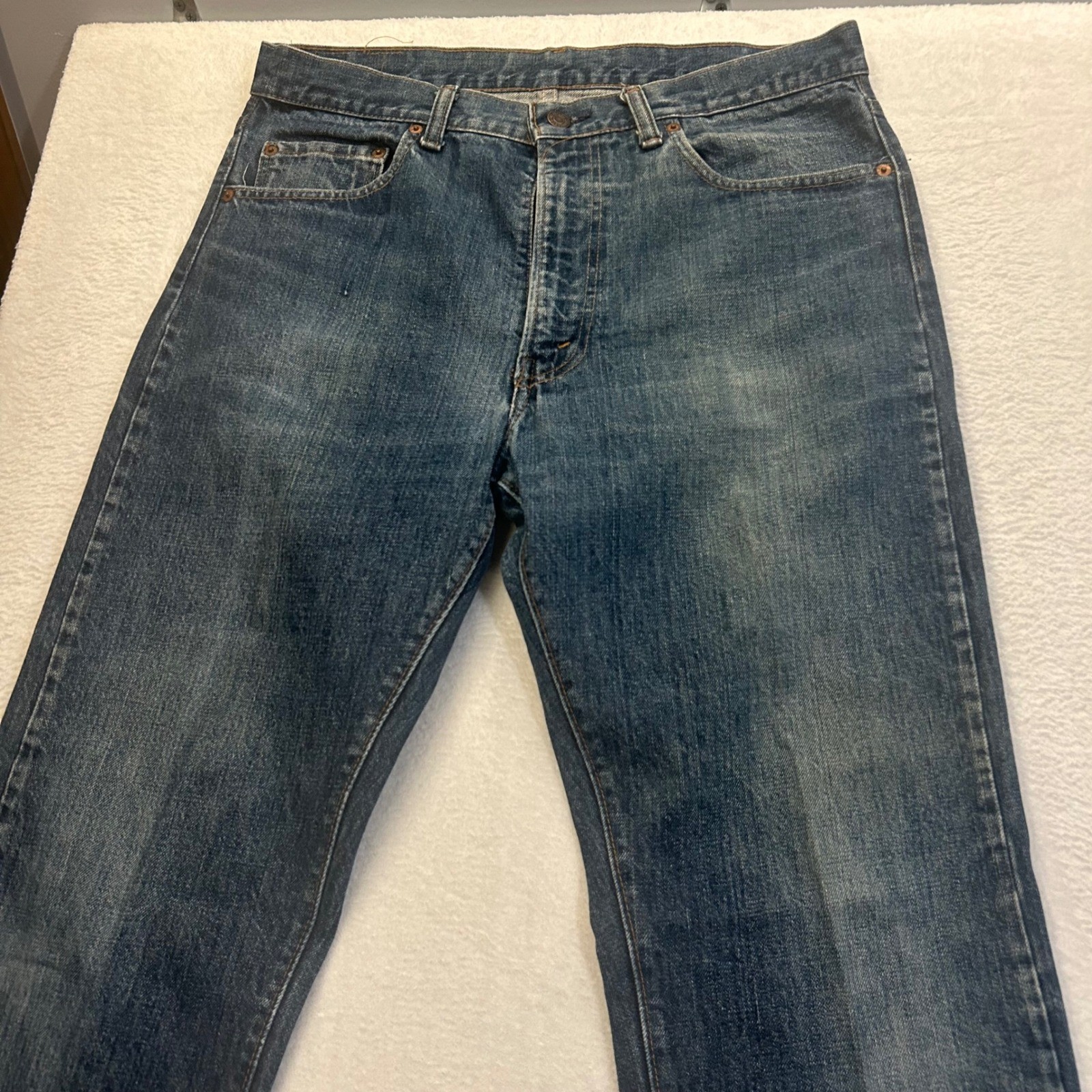
A pair of 1970s Levi's 501s sits on the shelf at a shop in Brooklyn. The waist measures 32 inches. The inseam is 30. The denim is stiff, dark, and has a faint ring around the back pocket where a can of Skoal sat for a decade. The price tag says $80.52. You try them on. They sit low on the hip, the rise short, the leg straight and slightly tapered. You look like you borrowed your uncle's jeans. That is the point. Vintage denim is not supposed to fit like the stretchy stuff you bought at the mall. It is supposed to fit like a memory. The question is how to make that memory work with the rest of your clothes.
Styling the Straight Leg
The straight-leg 501 is the blank canvas. Wear it with a tucked-in white T-shirt and a broken-in leather belt. Add a cropped blazer, maybe a vintage Yves Saint Laurent blazer from the 1980s, and the proportion shifts. The jacket hits at the hip, the jeans sit low, and the line from shoulder to hem is long and lean. For shoes, think about the era. A pair of Adidas Gazelles or a beat-up pair of Doc Martens works. A heeled boot adds height and attitude. Avoid anything too precious. These jeans have been through a lot. They can take a little more.
What to Look For
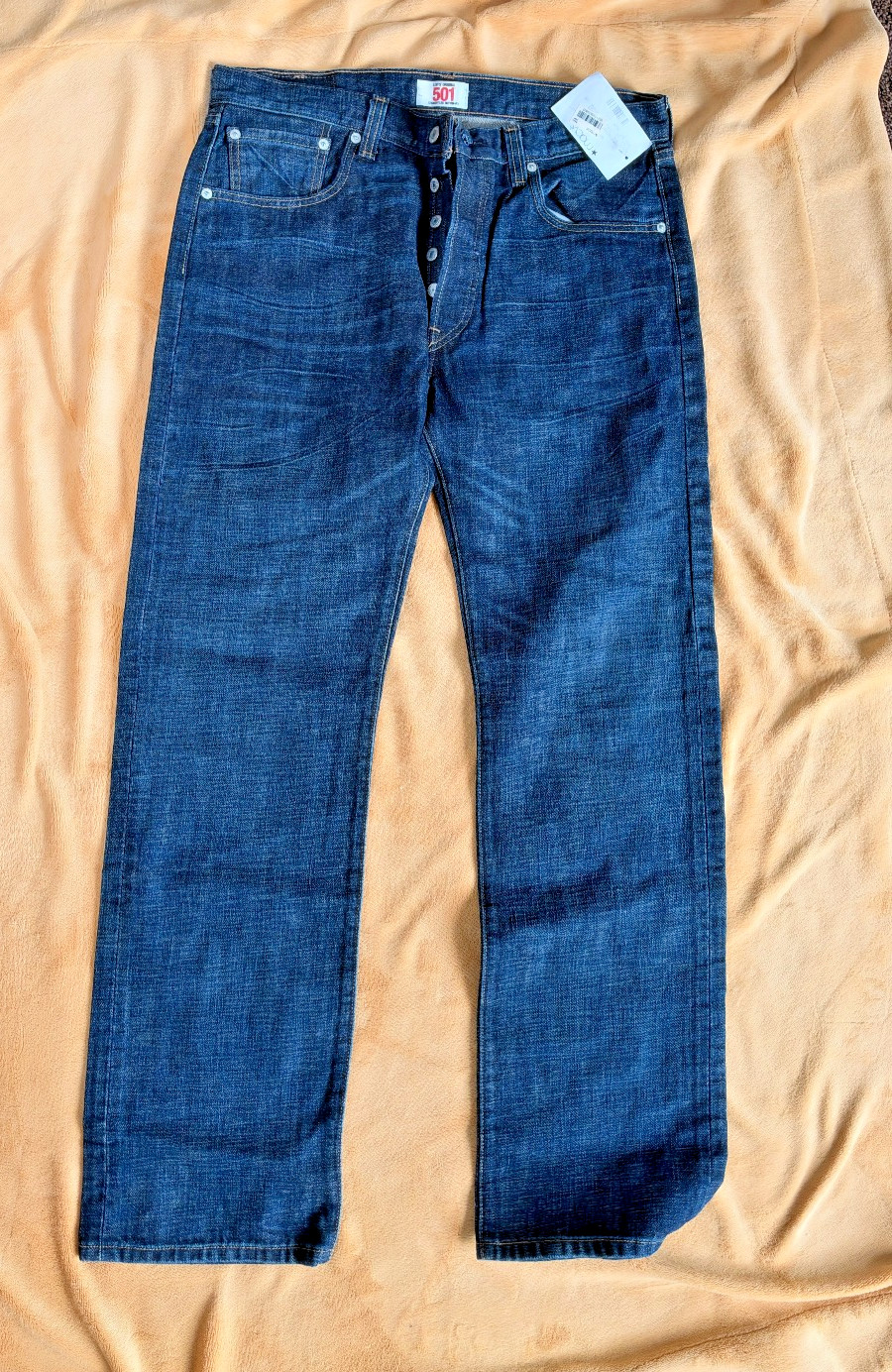
Start with the label. Levi's red tab on the back pocket. If the tab is lowercase 'e', the jeans were made before 1971. If it is uppercase 'E', they are later. The big 'E' came in 1966, but the lowercase 'e' persisted until 1971. That is a quick way to date a pair. Look at the selvedge edge inside the outseam. If it is a clean, tightly woven edge with a colored thread, the denim was woven on a shuttle loom. That means it is older, likely pre-1980s. Check the care label. If it says 'For best results, wash in cold water' and has a care tag, it is from the 1970s or later. Earlier jeans had no care labels. Also, look at the stitching. Chain-stitched hems are a sign of an older pair. Single-stitched hems are later. The denim itself should feel stiff and dry. If it is soft and floppy, it has been washed too many times. That is not always bad, but it changes the character.
The History in the Weave
Levi Strauss and Jacob Davis patented the riveted jean in 1873. The rivets were the innovation. They held the pockets in place. By the 1920s, Levi's were worn by cowboys and miners. In the 1950s, they became a symbol of rebellion. James Dean wore them in Rebel Without a Cause in 1955. Marlon Brando wore them in The Wild One in 1953. The jeans were banned in some schools. That only made them more desirable. In the 1960s, the counterculture adopted them. They were worn with tie-dye and peace signs. By the 1970s, Levi's were everywhere. The 501 was the standard. The 517, with its boot cut, was popular for riding. The 550, a relaxed fit, came in the 1980s. Each era has its own silhouette. The 1970s 501 is a straight leg with a shorter rise. The 1980s 501 is slightly fuller. The 1990s 501 is baggier. Knowing the era helps you date the pair and understand the fit.
Modern Pairings
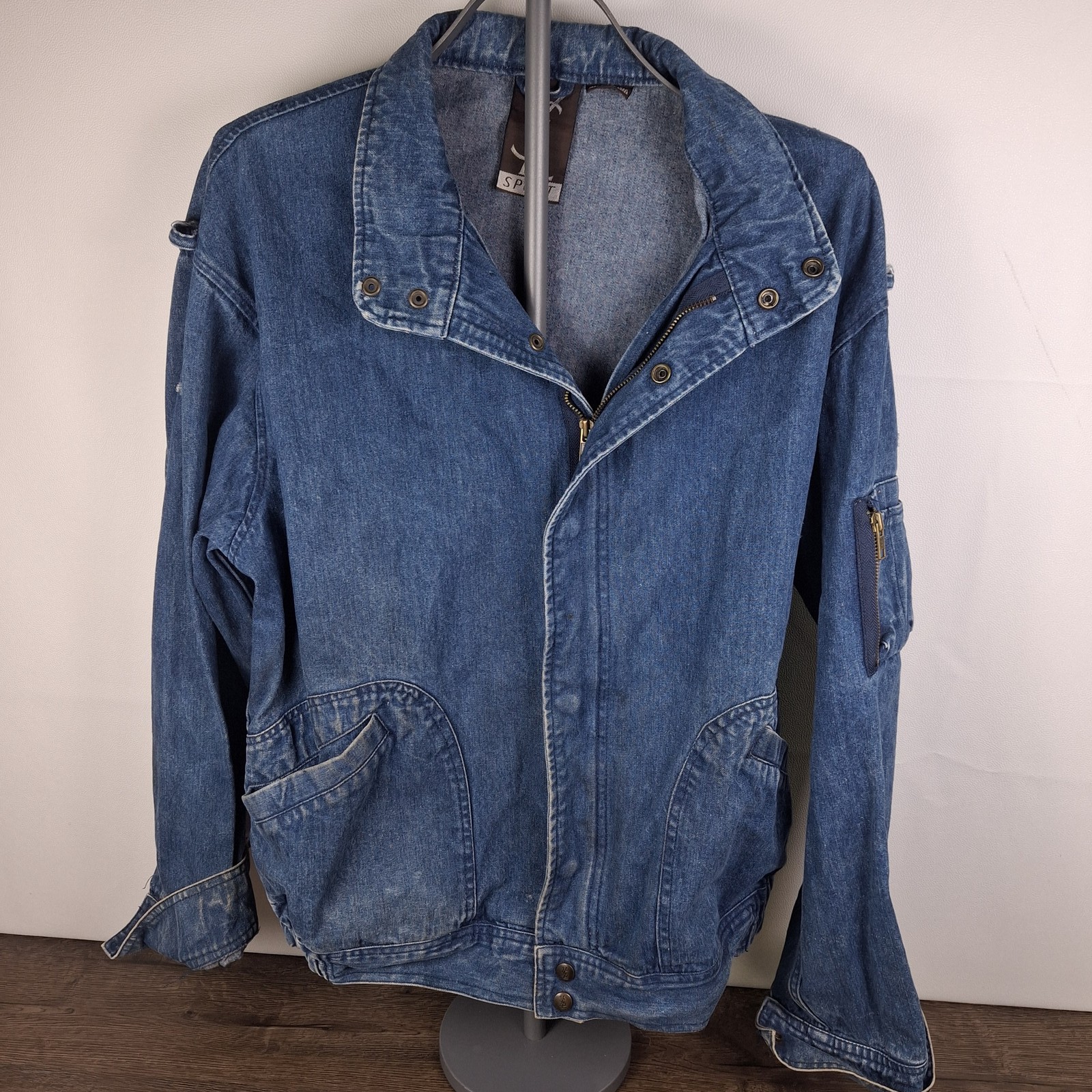
A vintage denim jacket is the other half of the equation. The Type III jacket, introduced in 1962, is the classic. It has a slim fit and pointed collar. Wear it with a pair of chinos and a button-down shirt. Or throw it over a slip dress. The contrast between the rugged denim and the delicate silk is the point. For a more polished look, try a denim shirt tucked into a pleated skirt. Add a pair of loafers. The key is to mix textures. Denim on denim can work if the washes are different. A dark jacket with light jeans is a safe bet. Avoid matching washes unless you are going for a Canadian tuxedo, which is a look, but a specific one.
The Closing Thought
Vintage denim is not an investment. It is a garment. It has been worn by someone else, and it will be worn by you. The fades and the repairs are not flaws. They are the record of a life. When you buy a pair, you are not just buying a piece of clothing. You are buying a piece of history. Wear it. Wash it sparingly. Repair it when it tears. And when you are done, pass it on. That is the only way it stays alive.
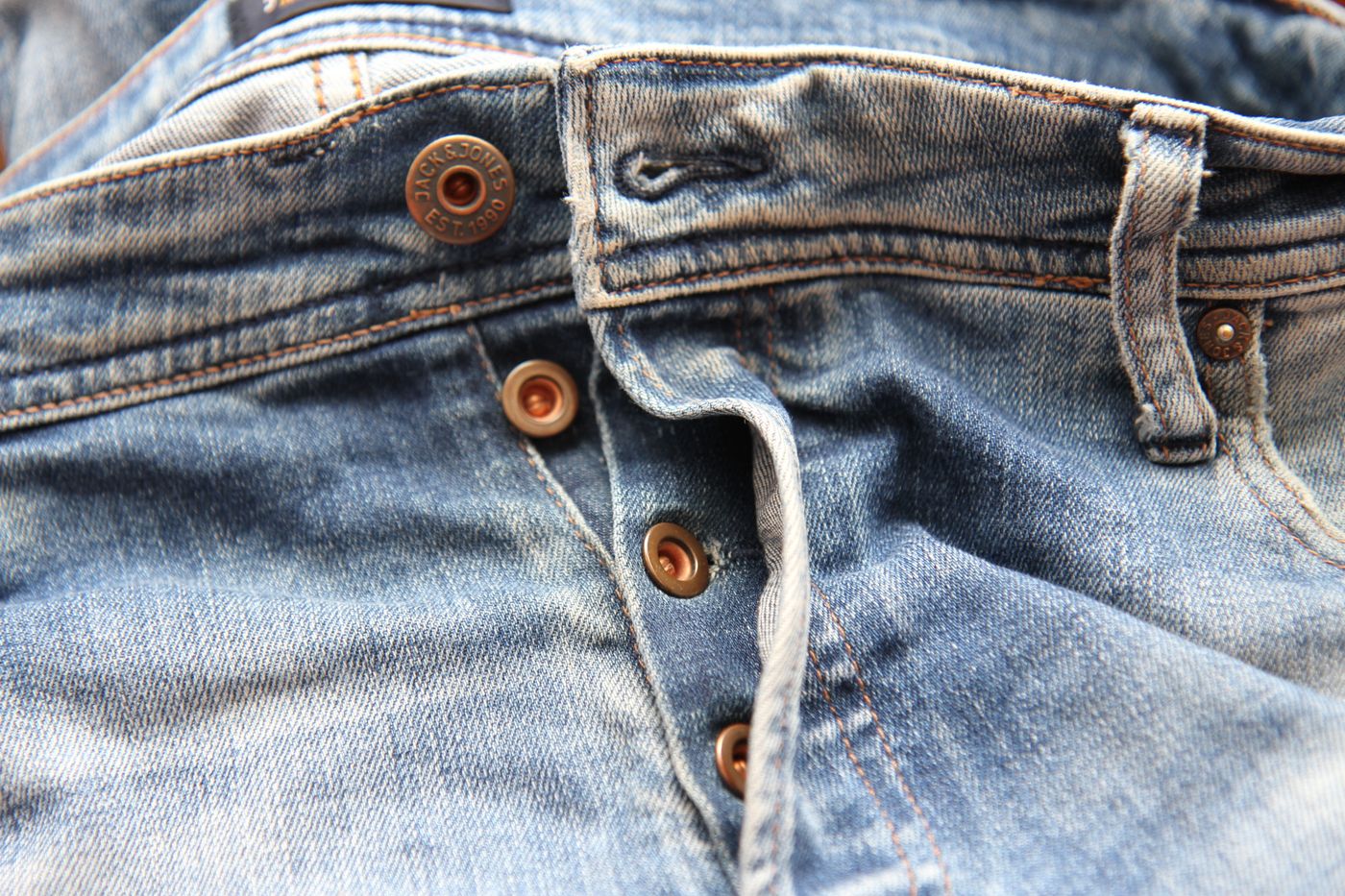
Foto: Dragan Tomić · Pexels
City
Barcelona
Category
vintage denim
Published
27 October 2026
The names
Meet the designers
The minds behind this story — each with a piece currently on the market.
Levi's
USA · 1850s
The 501 & Americana denim
The 501 & Americana denim
Calvin Klein
USA · 1960s
Minimalism & the 90s slip
Minimalism & the 90s slip
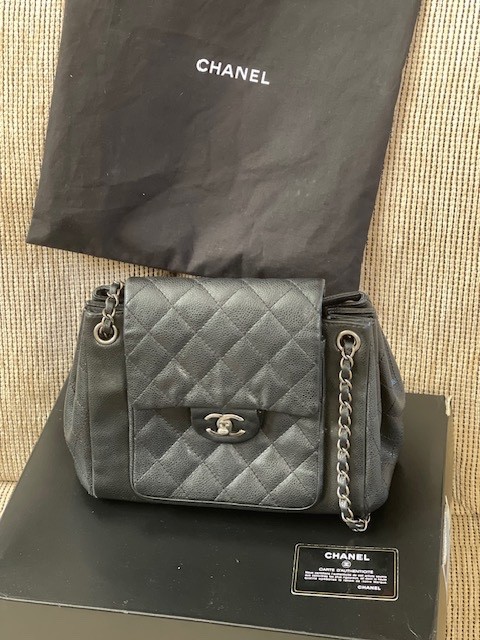
Chanel
France · 1910s
The little black dress & the 2.55
The little black dress & the 2.55
Top piece
View →
Jean Prouvé
France · 1930s
Structural steel & the Standard chair — an engineer of furniture.
Structural steel & the Standard chair — an engineer of furniture.
Top piece
View →
Continue the edit
Further stories from the same world
Three more walks through the same vintage universe.
The Real Deal: How to Wear Vintage Denim Without Looking Like a Costume
A 1972 Levi's 501 is a pair of pants that will outlive your car. It deserves to be worn like it.
Read the story →Why Vintage Denim Matters Now
A guide to wearing old Levi's well: the era tells worth knowing, the proportions that work today, and the blue jeans that got Marlon Brando and Bruce Springsteen in trouble.
Read the story →How to Wear Vintage Denim Without Looking Like You Tried
A field guide to wearing old Levi's well: the cuts worth hunting, the tells that separate a 1972 pair from a 1994 pair, and the outfits that make them look like yours.
Read the story →