

 Sign in
City guide
Vintage in Tokyo, told well
1 travel story, 12 editorial pieces and the district standouts worth your afternoon.
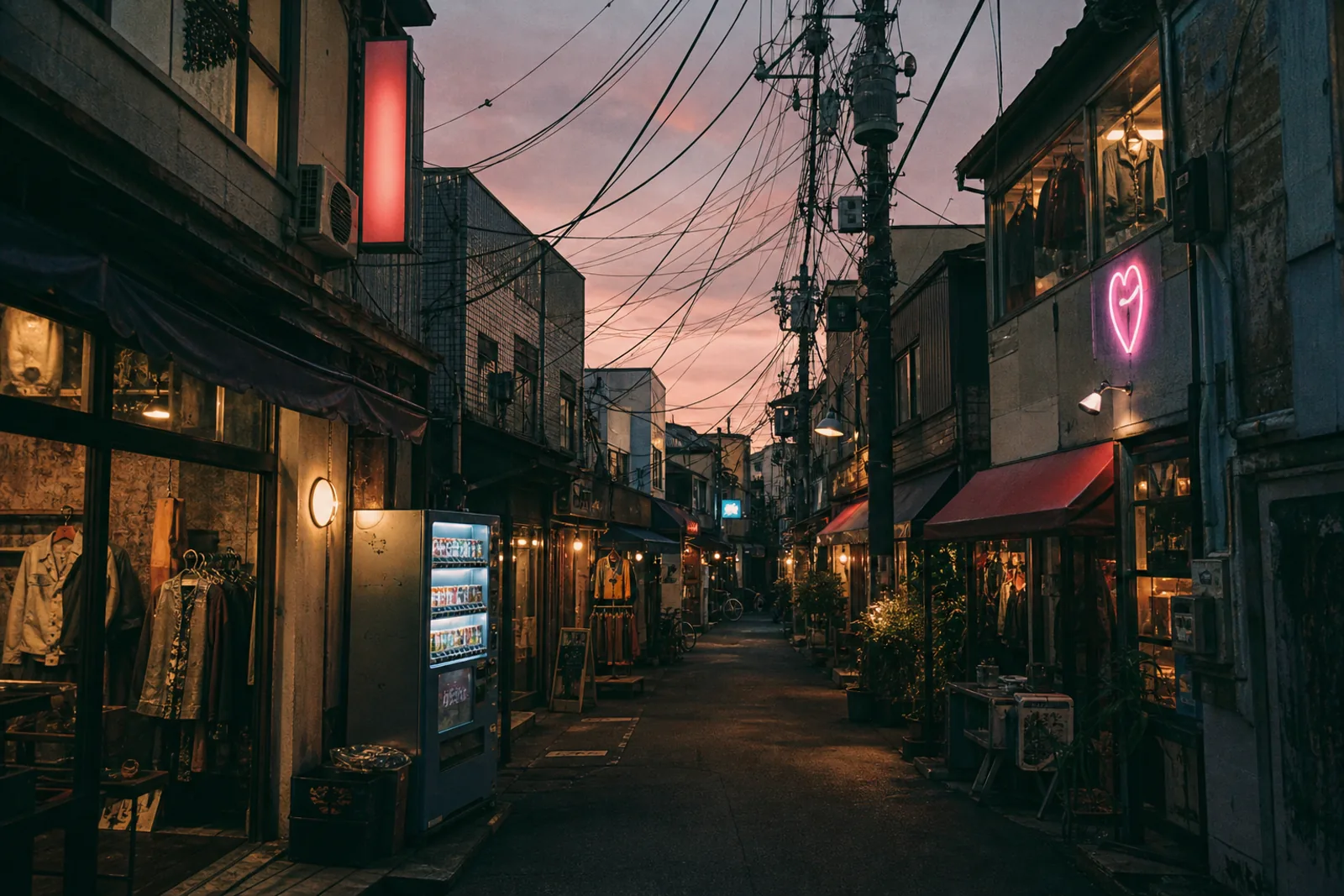
Shop by city
Section 02 · Trending now · Tokyo
Trending Now
The Tokyo vintage conversation right now — designer moves, market shifts and the stories our editors are reading.
01 · Tokyo
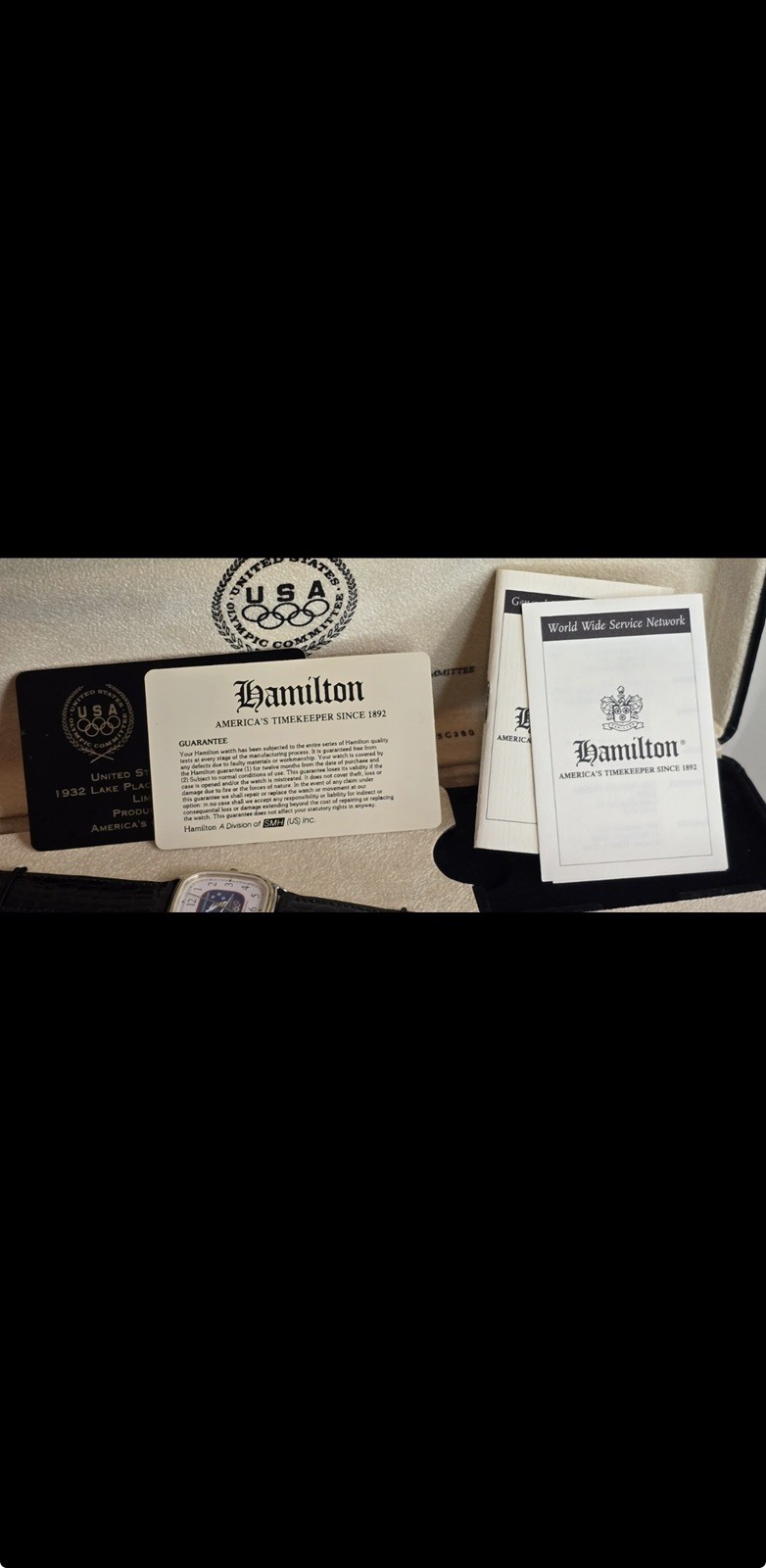
The Quiet Allure of Vintage Watches: Wearing History on Your Wrist
A vintage watch is more than a timepiece. It is a wearable story. Here is how to find one that speaks to you, style it with confidence, and let its history become part of yours.
02 · Tokyo
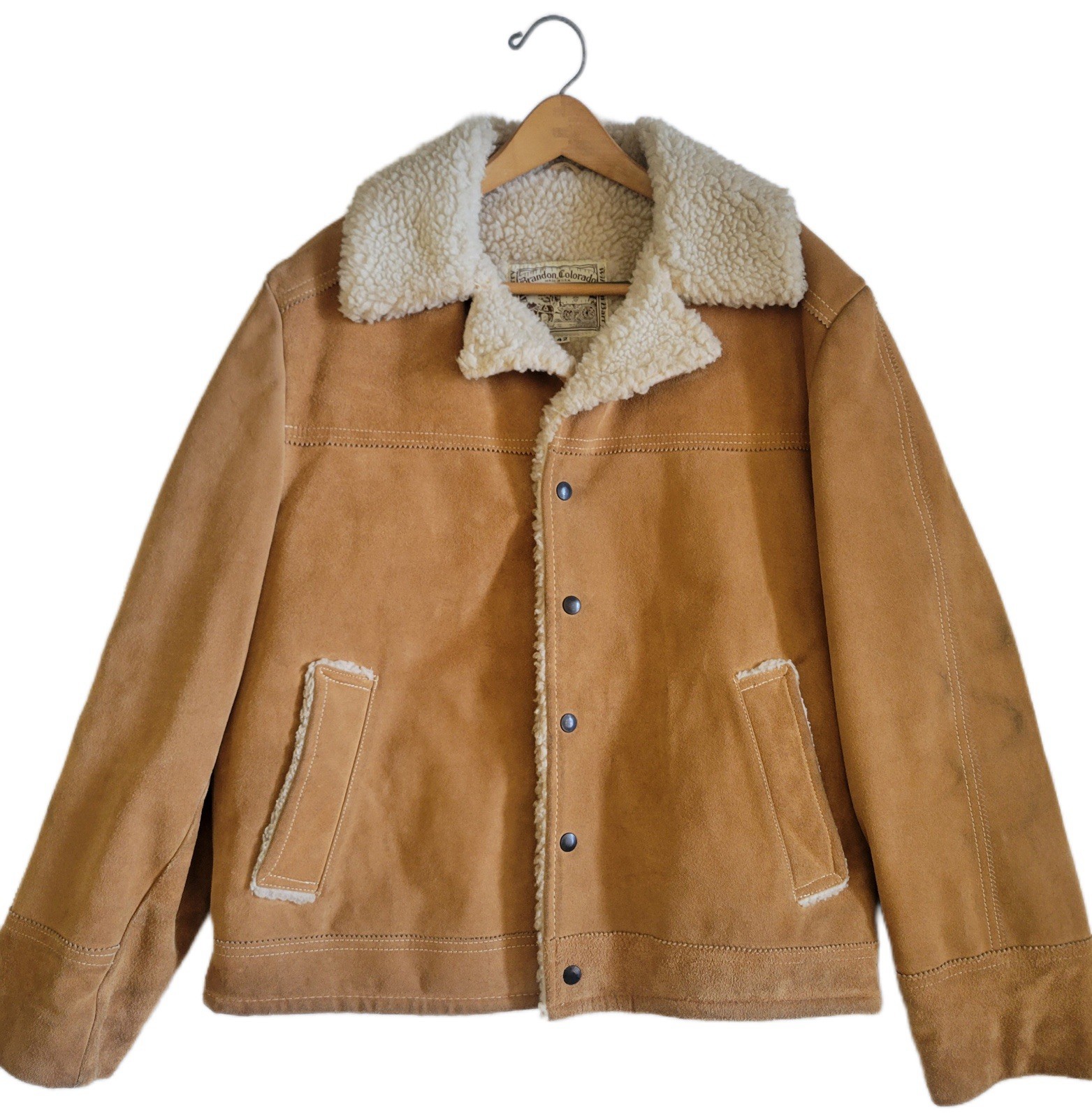
Why Old Wool Beats New in Tokyo
In Tokyo, a vintage coat is not a dusty relic. It is a curated object, often cleaned, pressed, and hung in a well-lit showroom.
03 · Tokyo
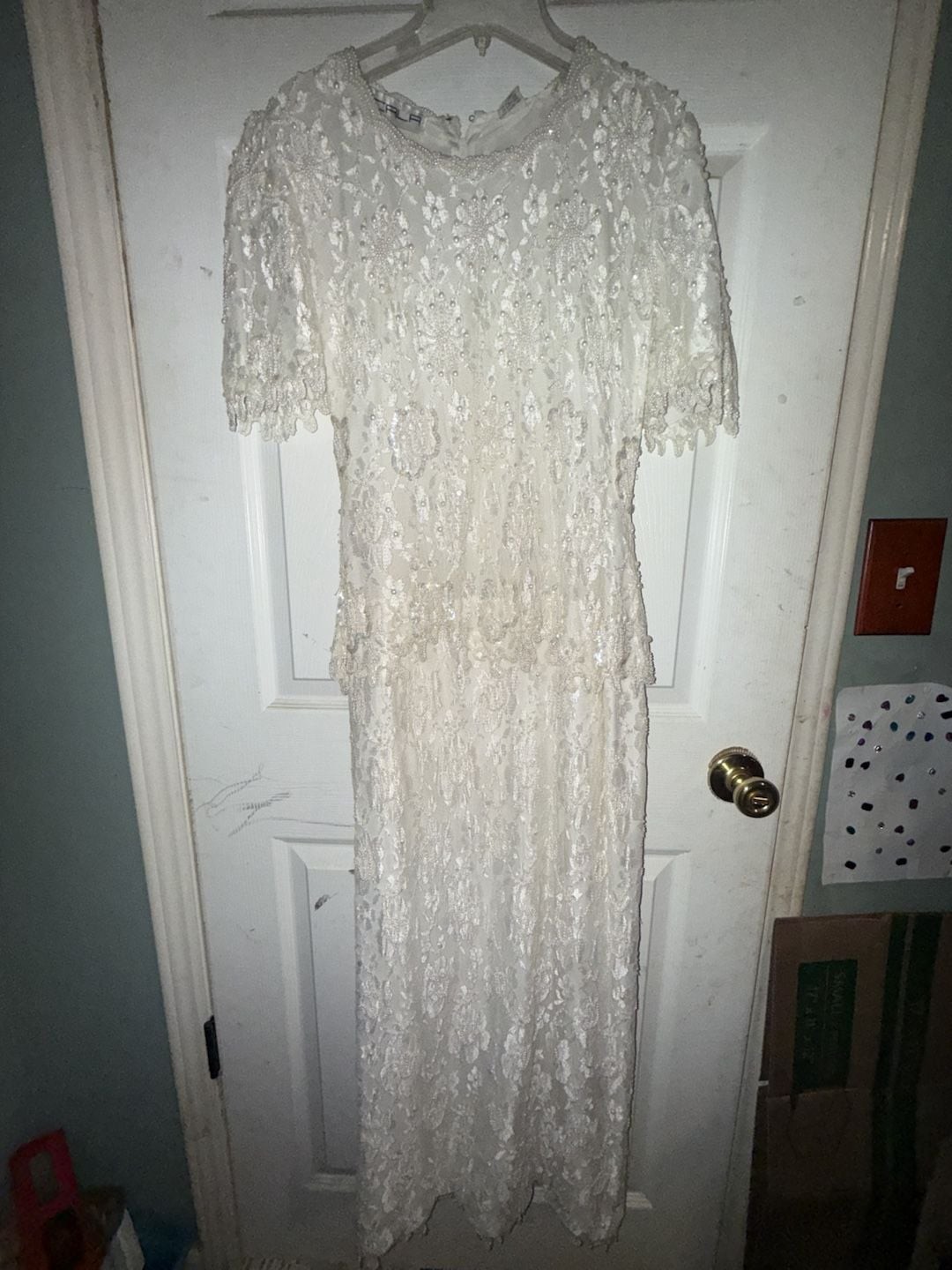
Why Old Cuts Flatter More in Tokyo
I remember the first time I bought a vintage dress in Tokyo. It was a 1960s silk shift, pale blue, with a matching jacket.
04 · Tokyo
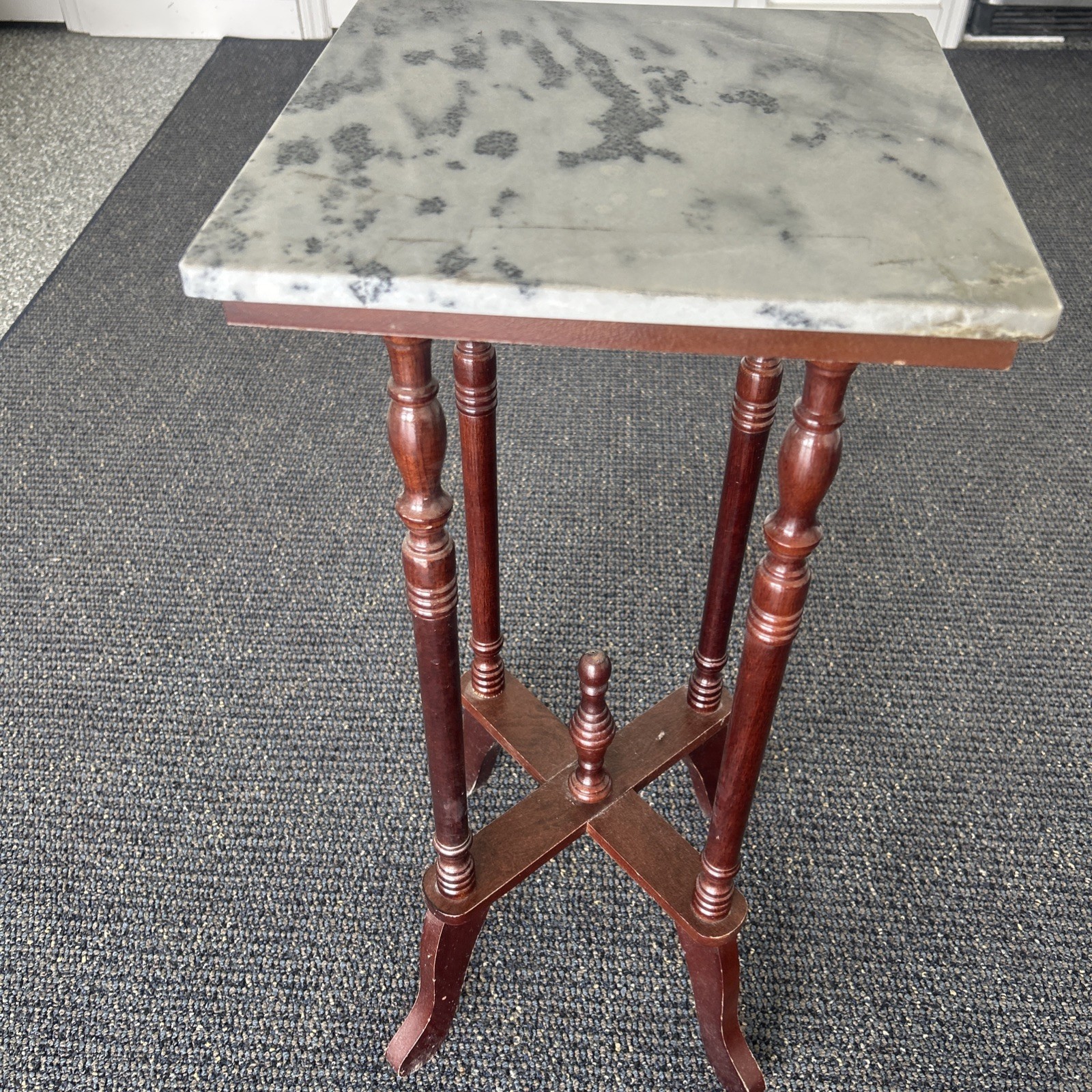
Why Teak Still Wins in Tokyo
One strong vintage piece in a plain room does more than a whole matching set.
05 · Tokyo
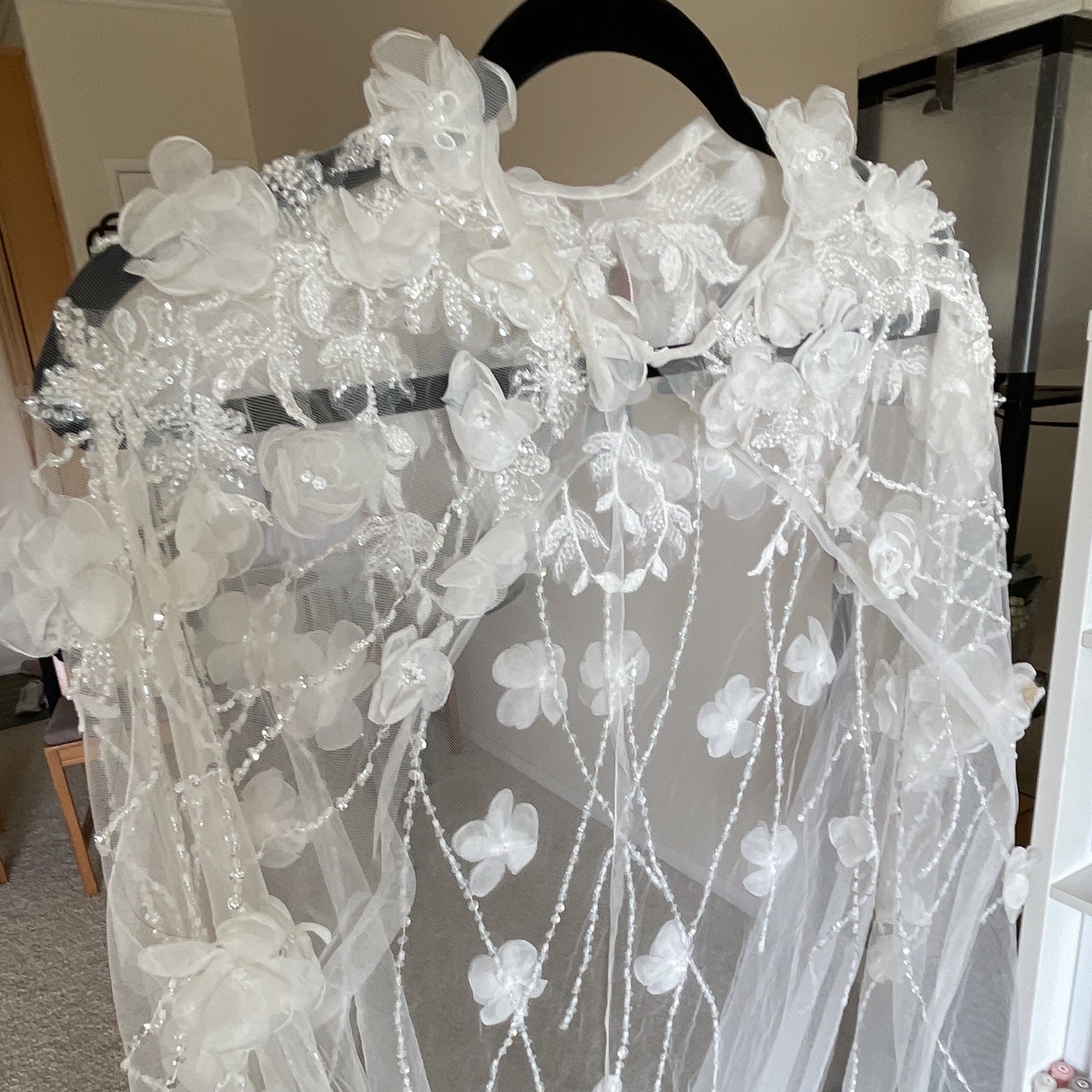
Why Old Lace Wins in Tokyo
In a city where wrapping a gift is an art form, the care extends to pre-loved garments. Each piece is inspected, catalogued, and often restored. The result?
06 · Tokyo
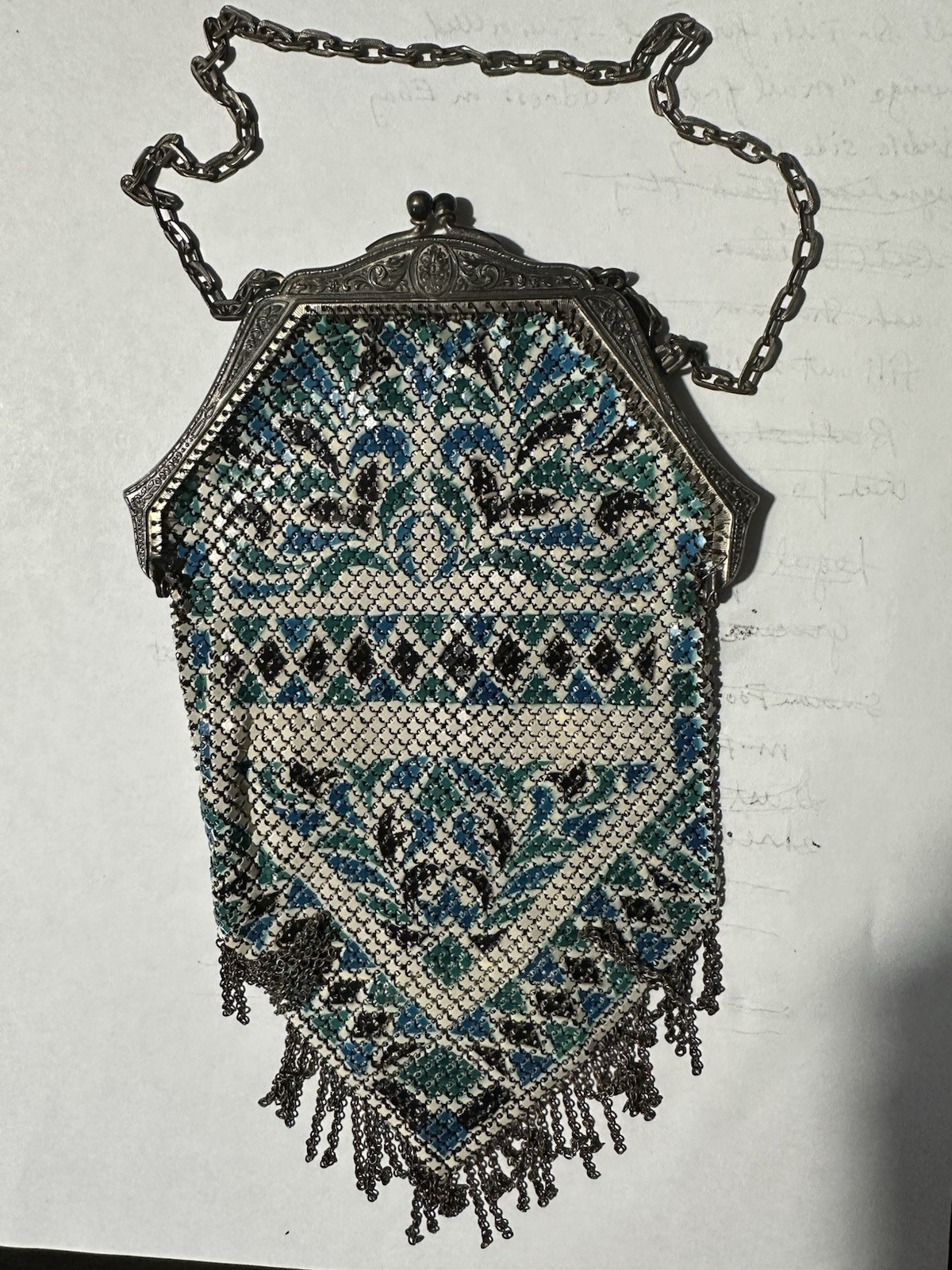
Why Details Matter Most in Tokyo
In a city where a used Hermès scarf arrives in a protective sleeve with a condition report, you learn to trust the system.
07 · Tokyo
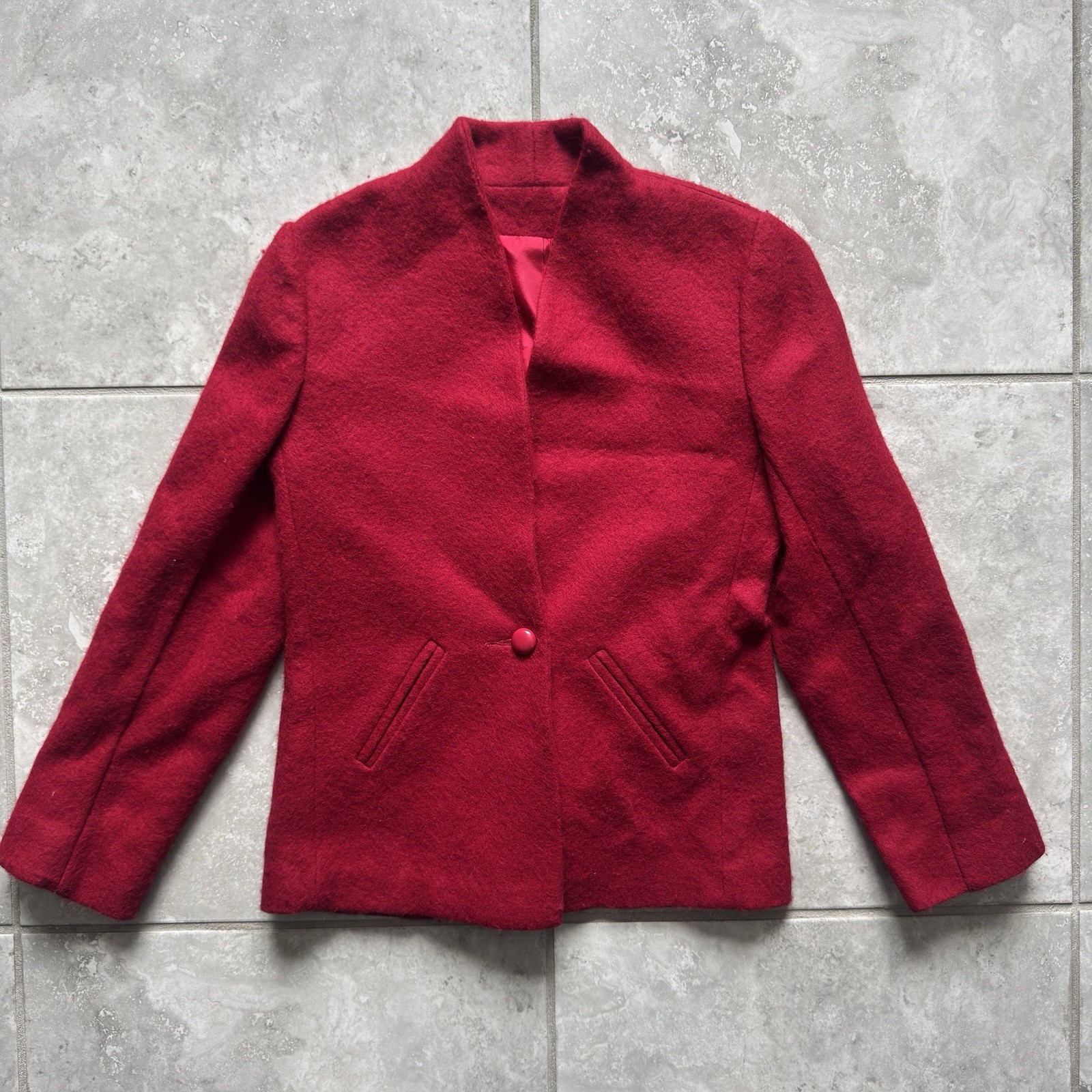
Why the Shoulder Is Everything in Tokyo
In a city where space is precious, every item in a vintage shop has been through rigorous inspection.
08 · Tokyo
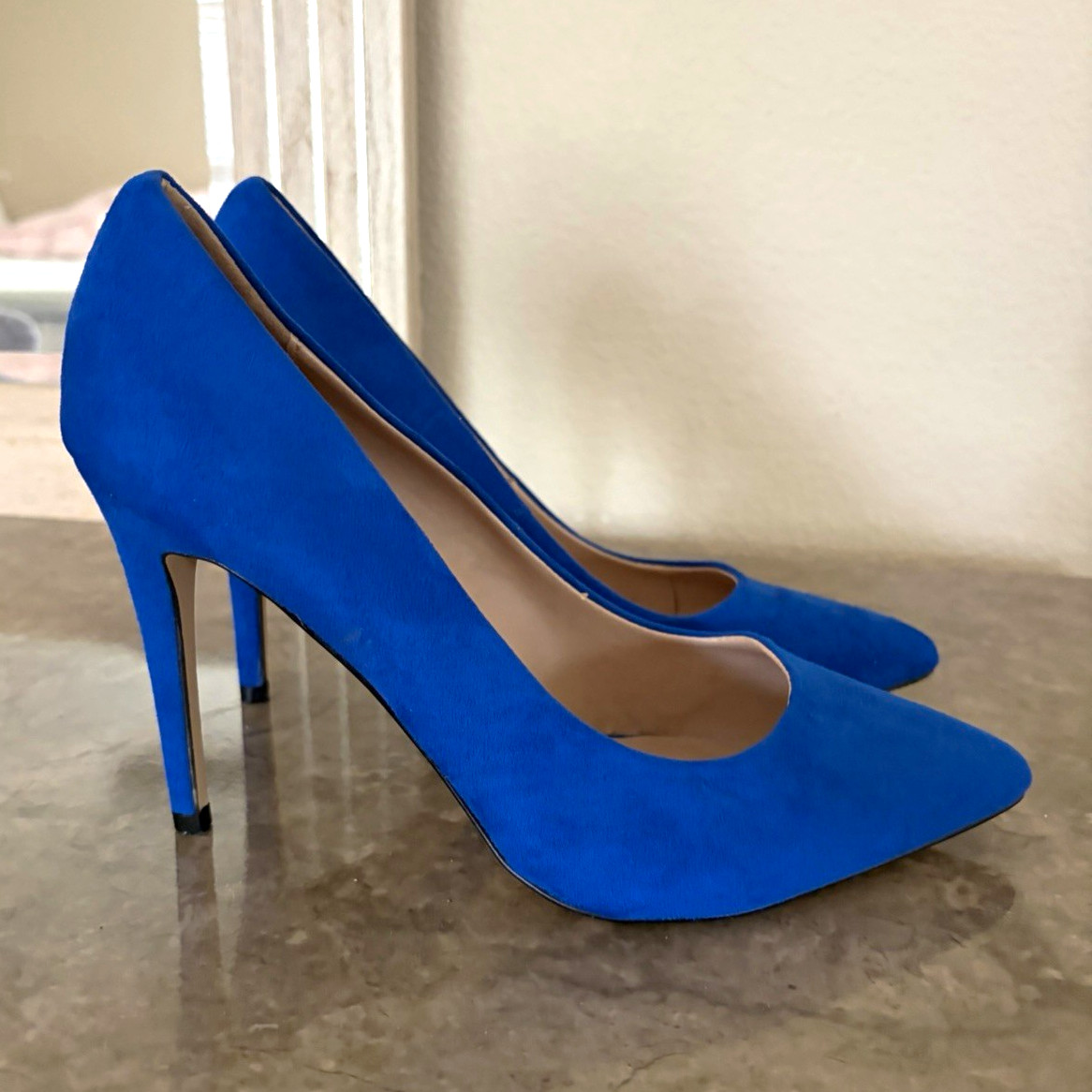
Why Old Heels Walk Better in Tokyo
A 1997 Prada slingback with a 6cm block heel weighs less than a current-season sandal from the same house. The leather is vegetable-tanned, the last is cut for a foot that walks, not poses.
09 · Tokyo
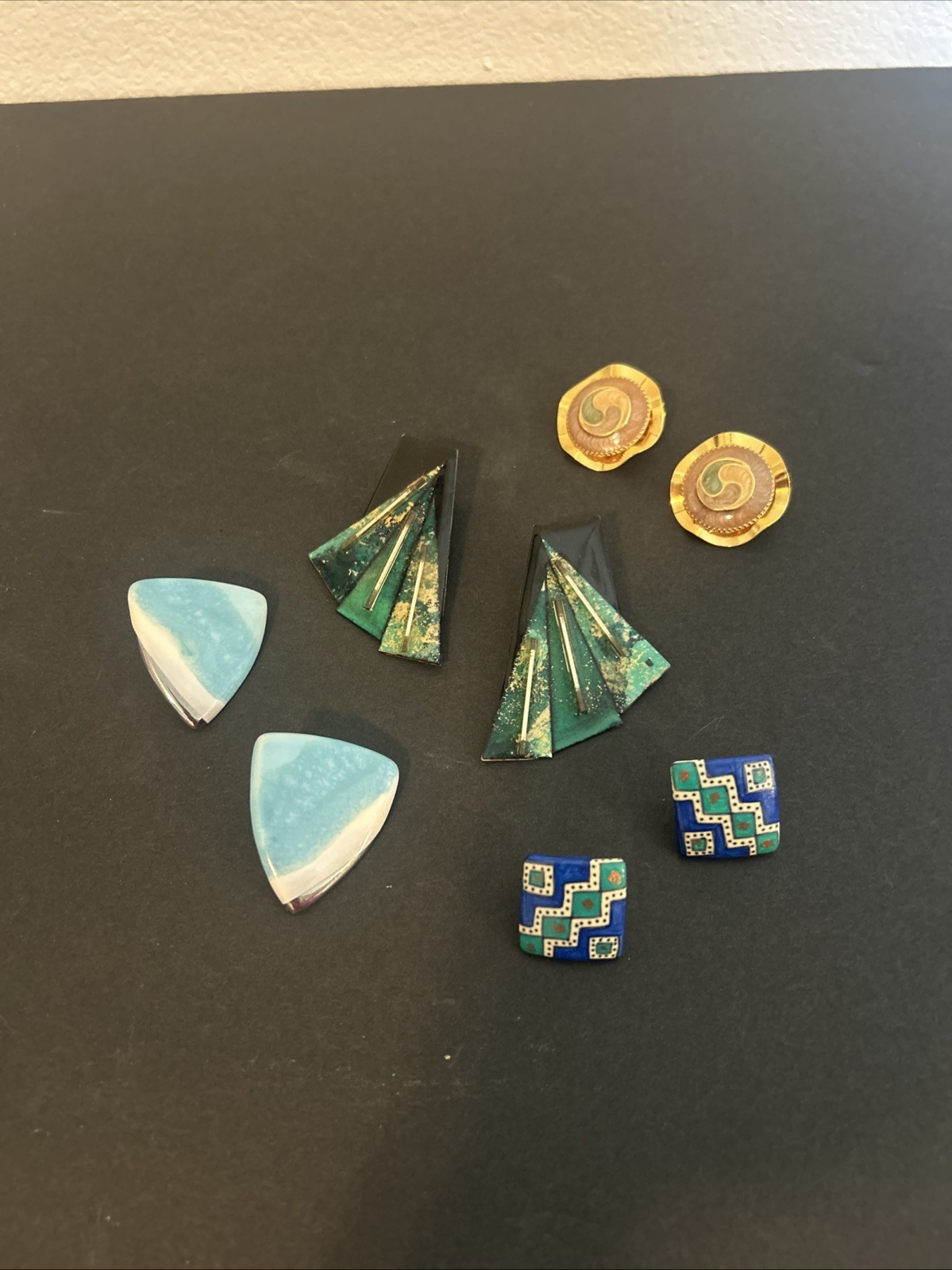
Why Chunky Gold Works in Tokyo
When you buy a vintage ring in a Tokyo resale shop, you get a paper tag with the metal type, the stone, the period, and often the exact maker.
10 · Tokyo
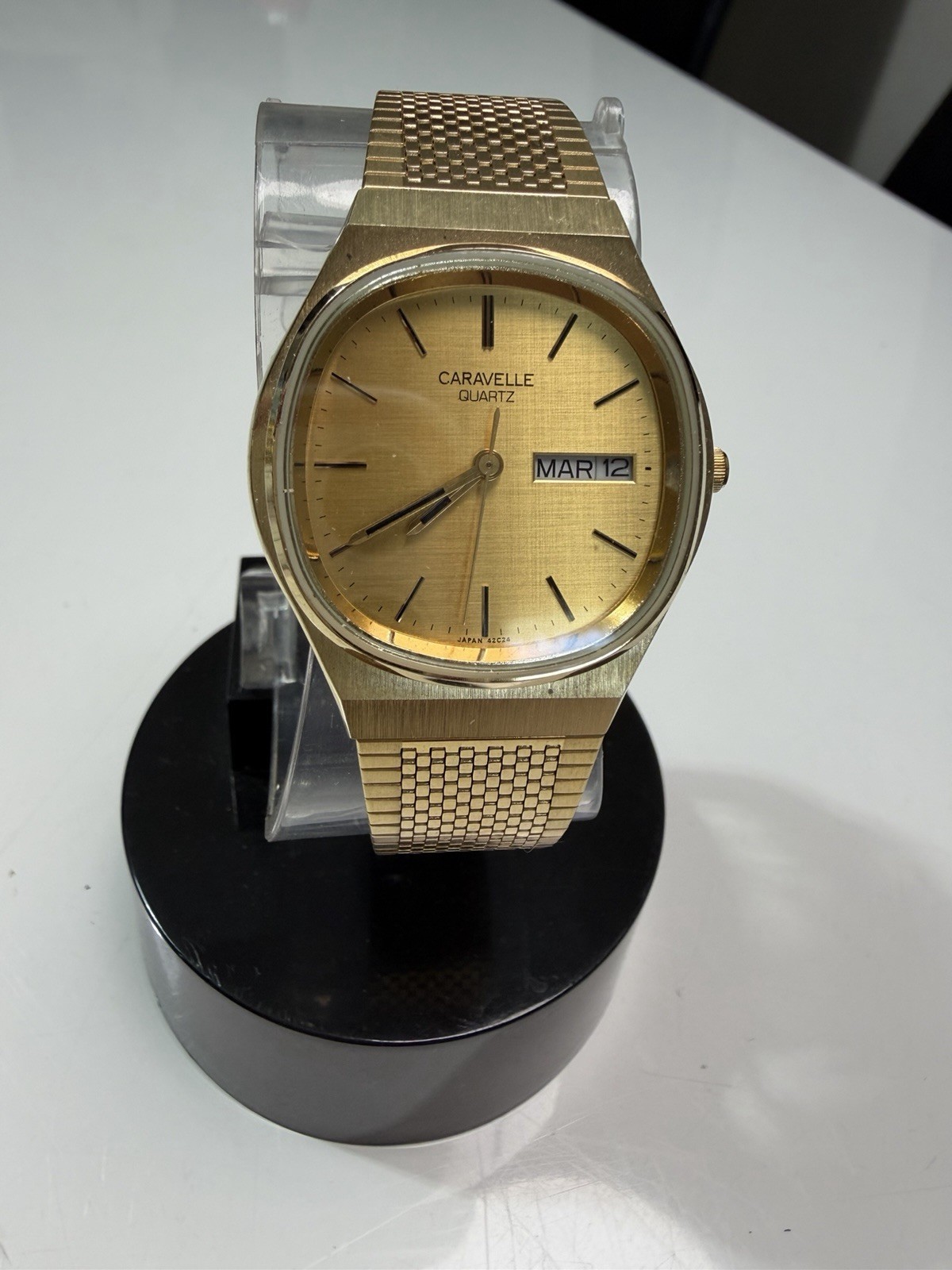
Why a Small Dial Wins in Tokyo
A vintage watch is the one accessory that never shouts. A patinated dial, slightly yellowed lume, a bracelet that has softened to the wrist.
11 · Tokyo
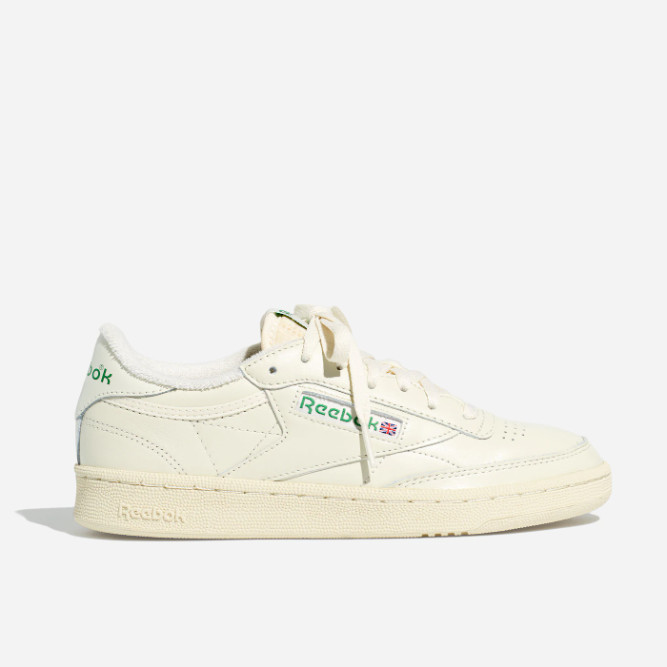
Why Worn-In Beats Deadstock in Tokyo
The 1980s and 1990s gave us sneakers that were built for actual sports, not for lifestyle marketing. The Nike Terminator, the Adidas Gazelle, the New Balance 574.
12 · Tokyo
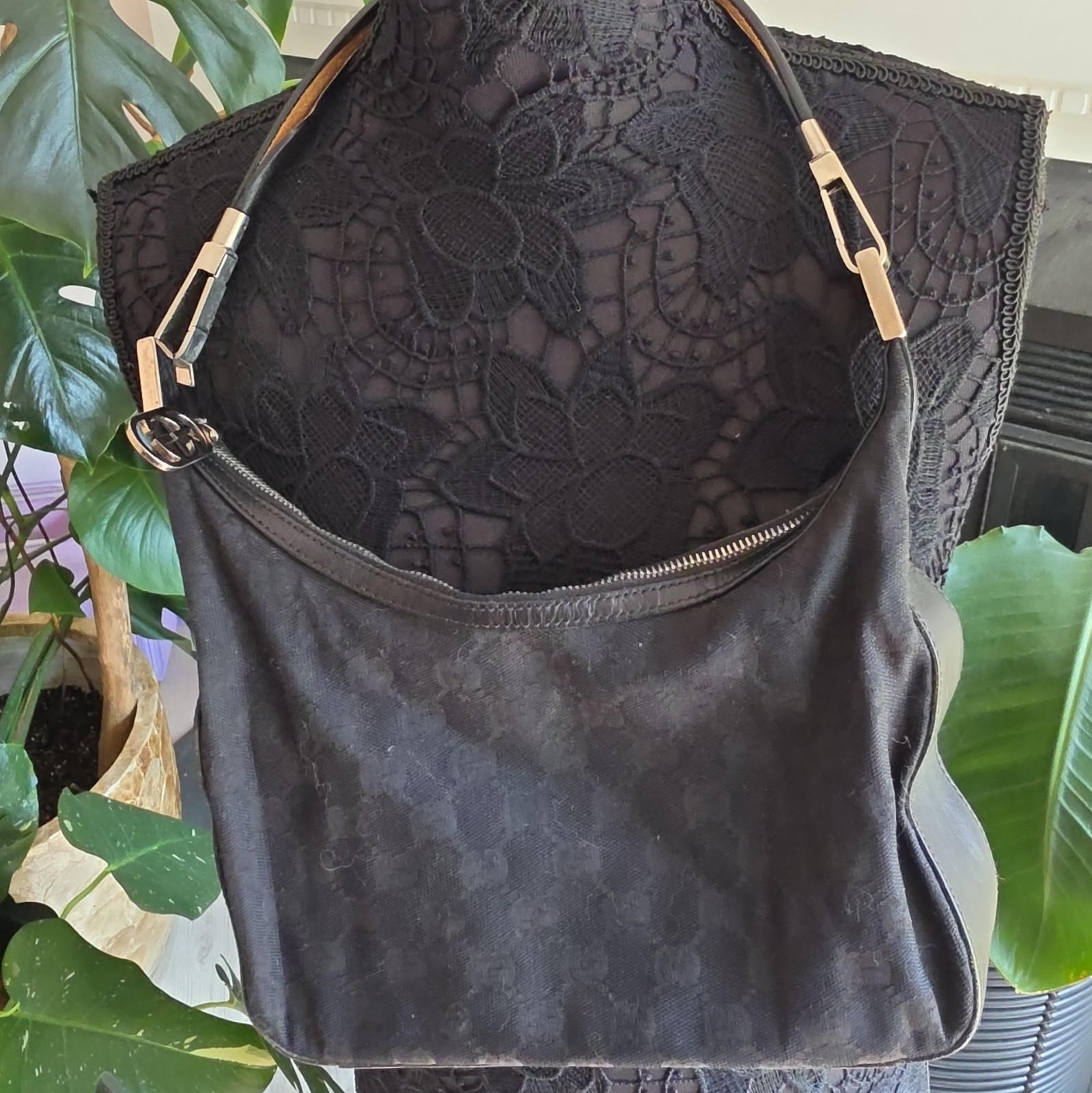
The Small Bag Guide for Tokyo
It is 2025, and the small shoulder bag is everywhere. But the ones in the windows of Ginza department stores are not the ones I want.
Section 03 · The Auction Room · Tokyo
Sourced from the region
The vintage designer pieces the market is chasing right now — live auctions from sellers in Tokyo and nearby, ranked by how contested they are.
 Used
UsedCuriosities
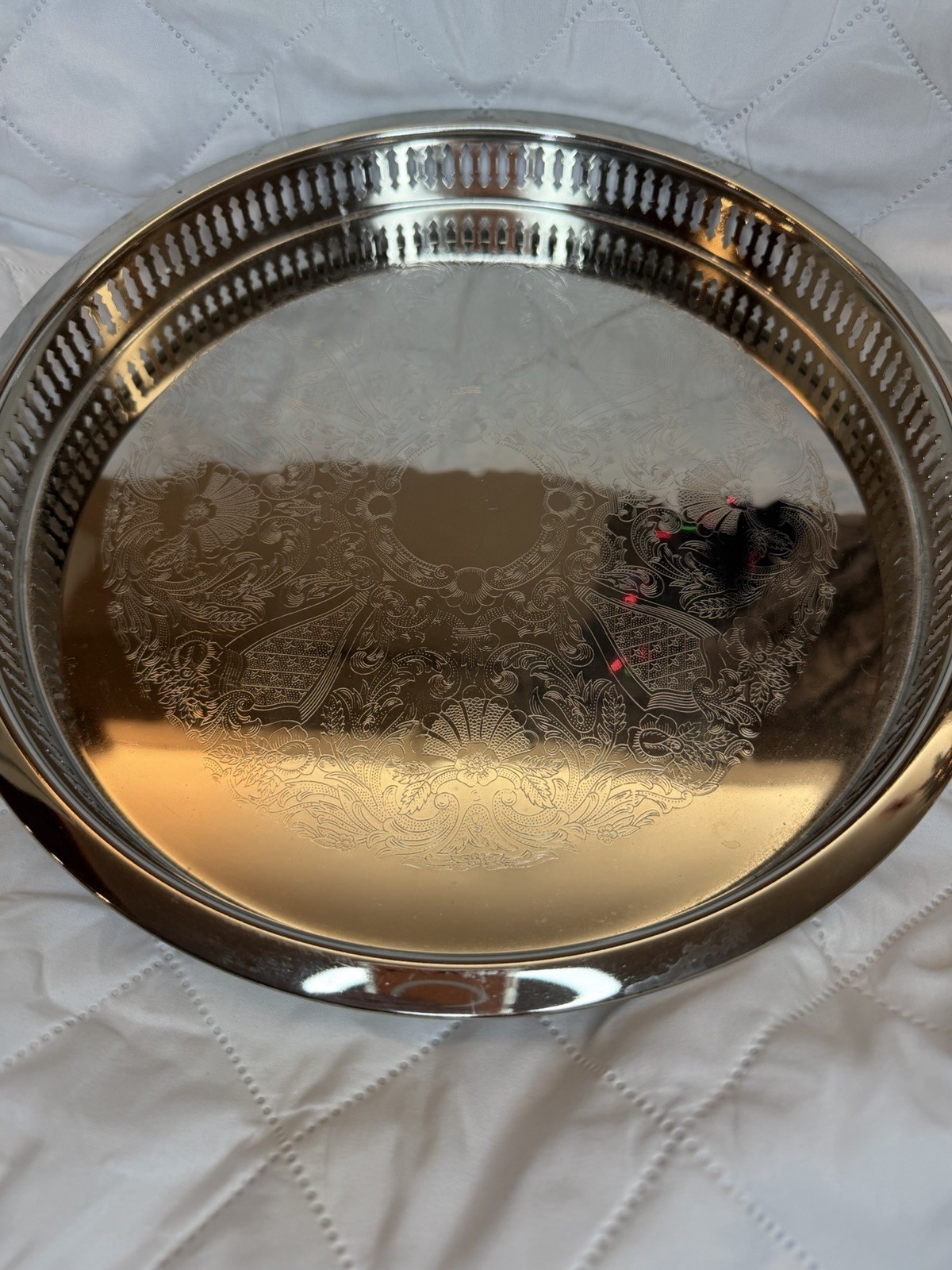
LOT · 59846Vintage - Silver Plated Serving Tray, Used But Nearly New!!
USD 27.99
 Used
UsedCuriosities
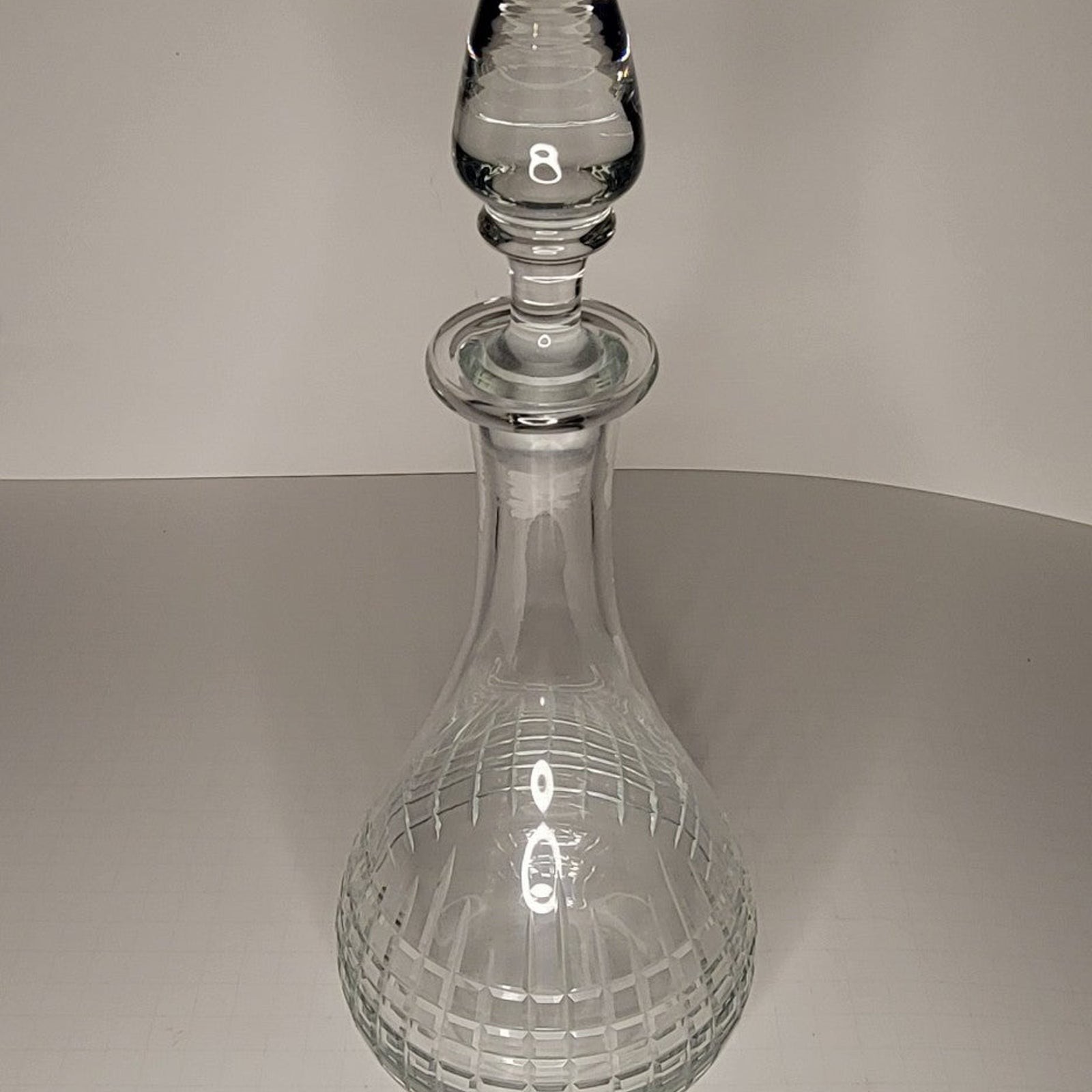
LOT · 17014Vintage Cut Crystal Decanter
USD 43.48
 Used
UsedSilk Scarves
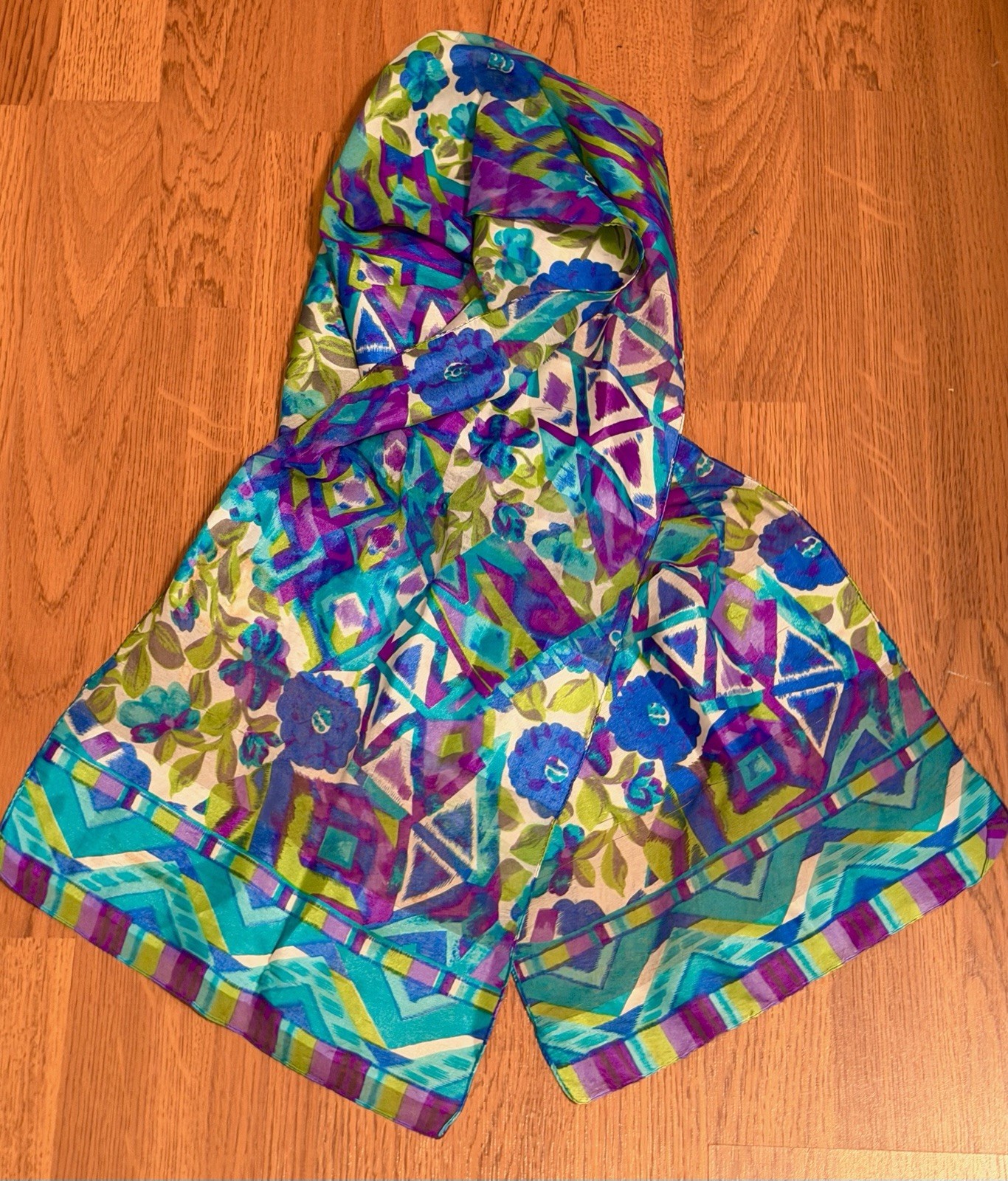
LOT · 80049Vintage 100% Silk Head Neck Scarf Blue Poppie Lime Sheer Purple Floral Flowy~EUC
USD 18.99
 Used
UsedCuriosities
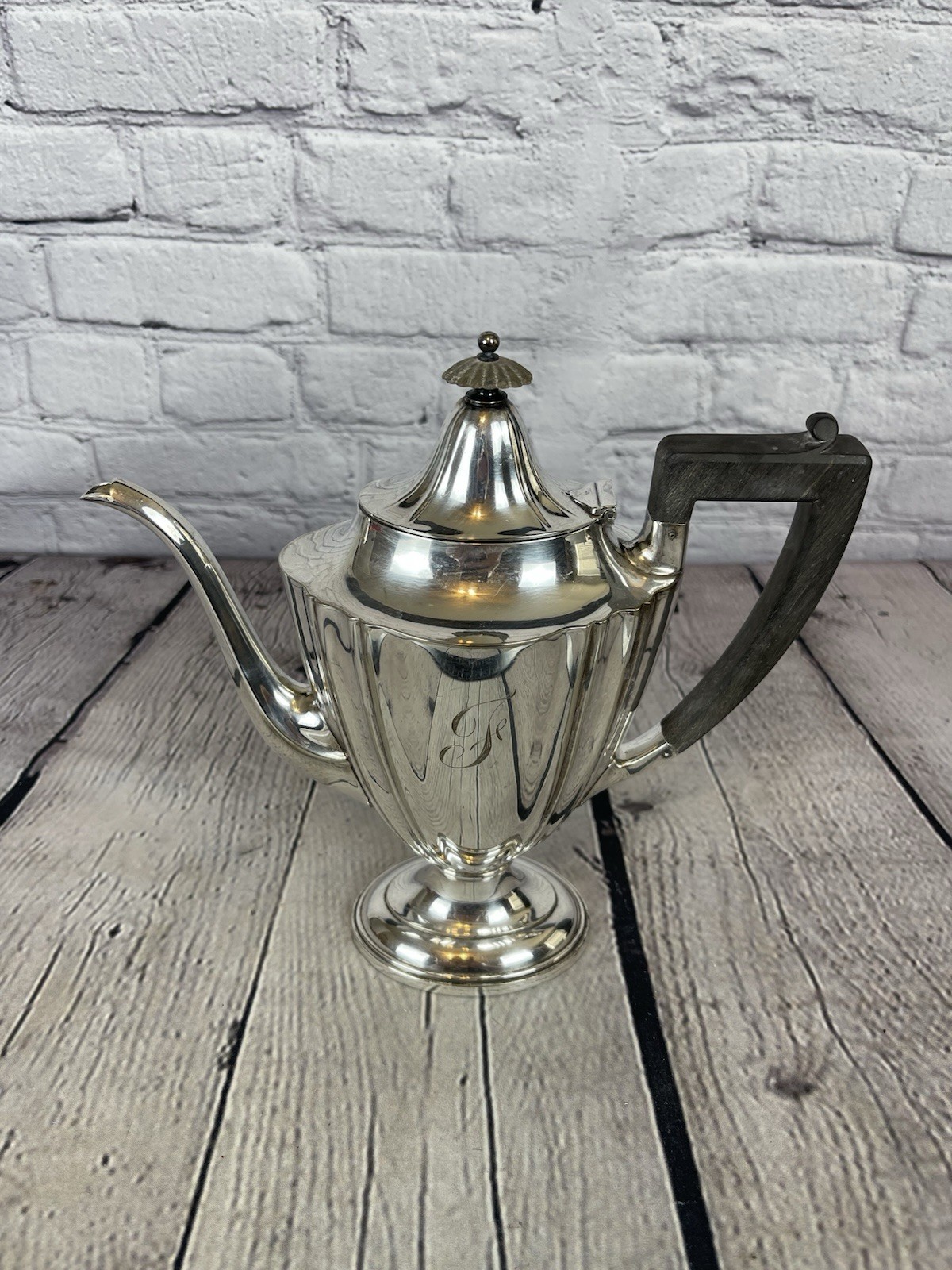
LOT · 67451Vintage Gorham Silverplate Coffee Pot Art Deco 1 5/8 Pint EP 01090
USD 21.99
 Used
UsedDresses
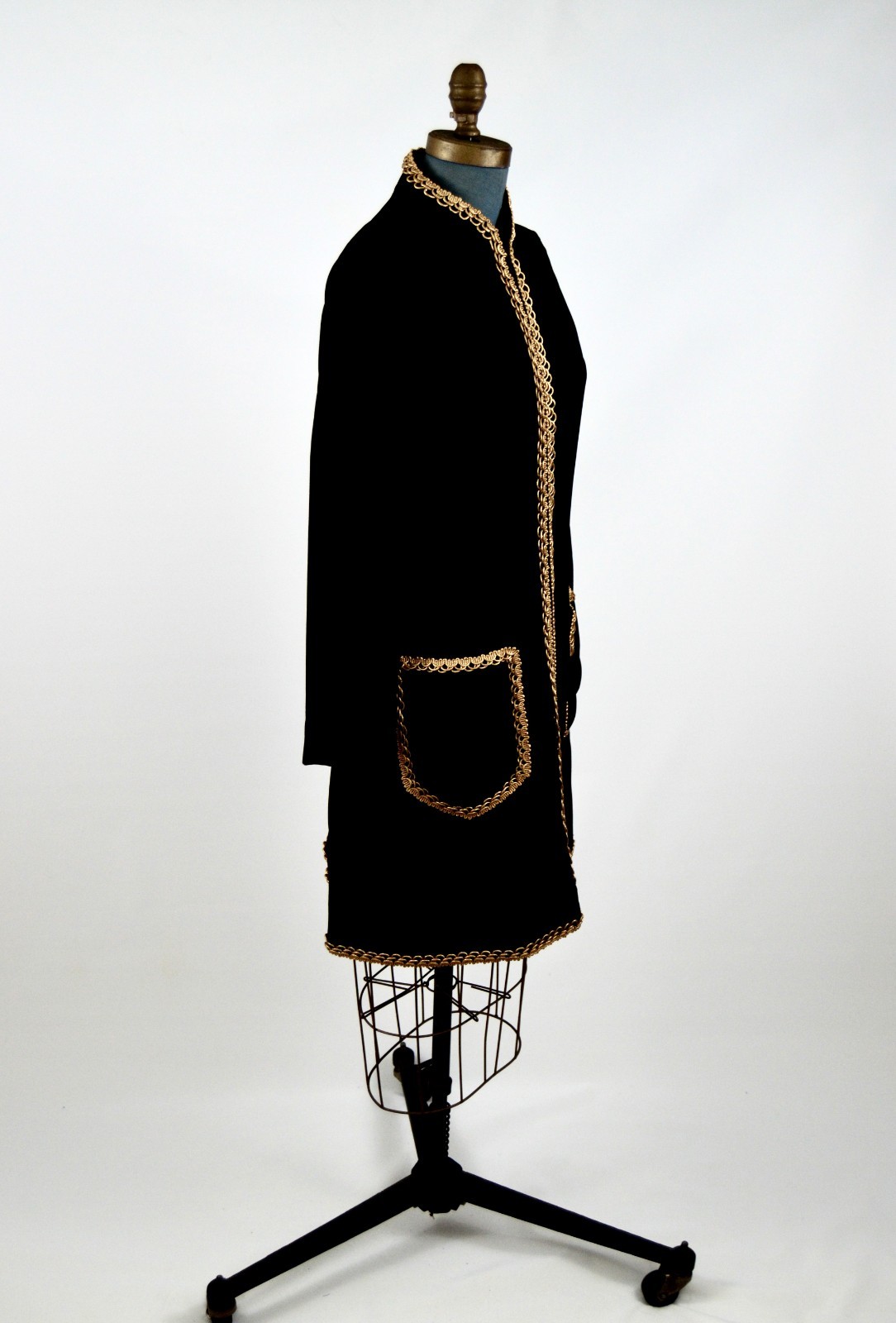
LOT · 95618VTG 1960s Oscar de la Renta Boutique Black Velvet Shift Dress Gold Trim MINT
USD 428.00
 Used
UsedJewellery
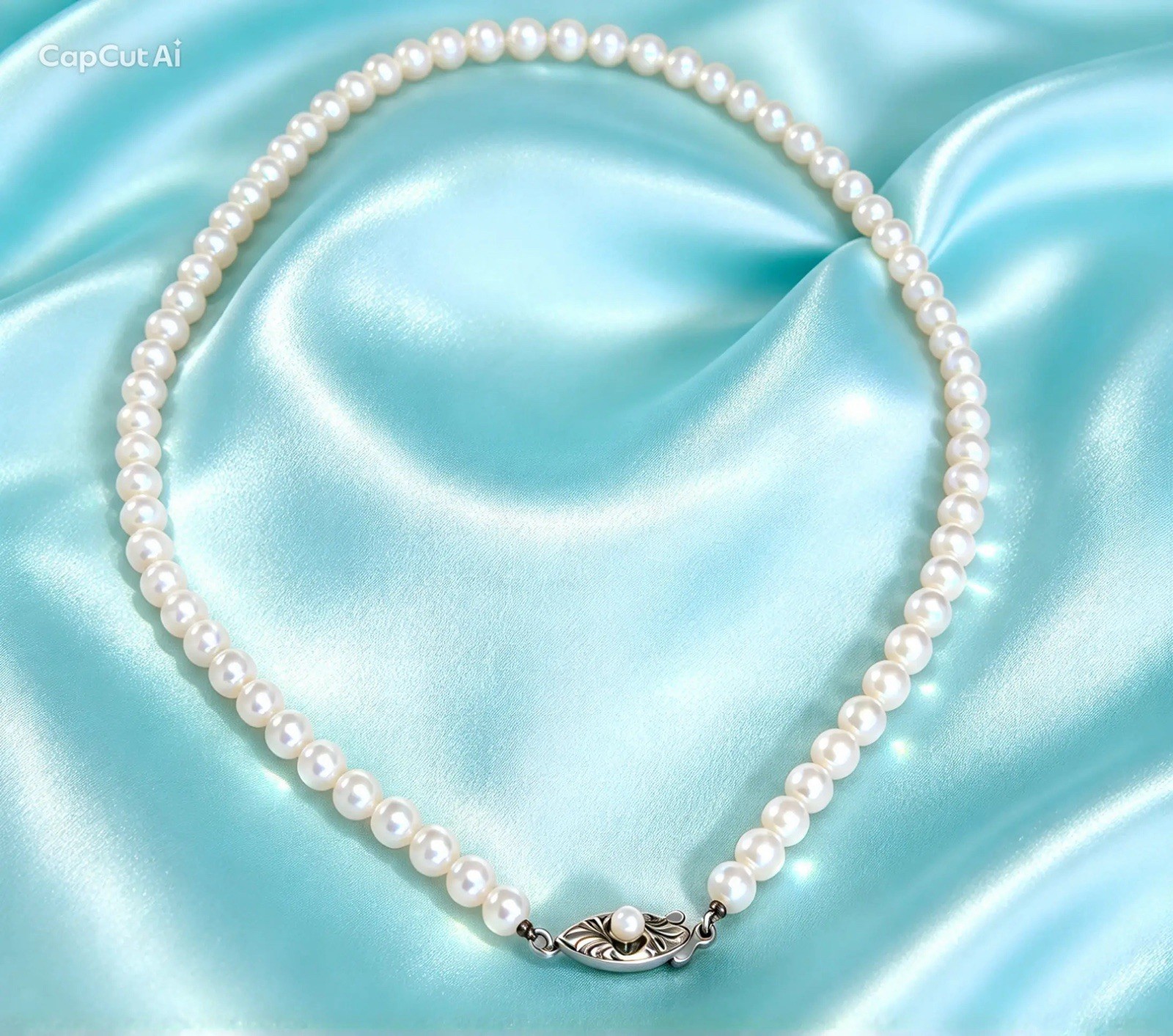
LOT · 81298Mikimoto Akoya Pearl Necklace Strand Graduated Hi Luster VTG Japan Silver 18”
USD 844.32
 Used
UsedDresses
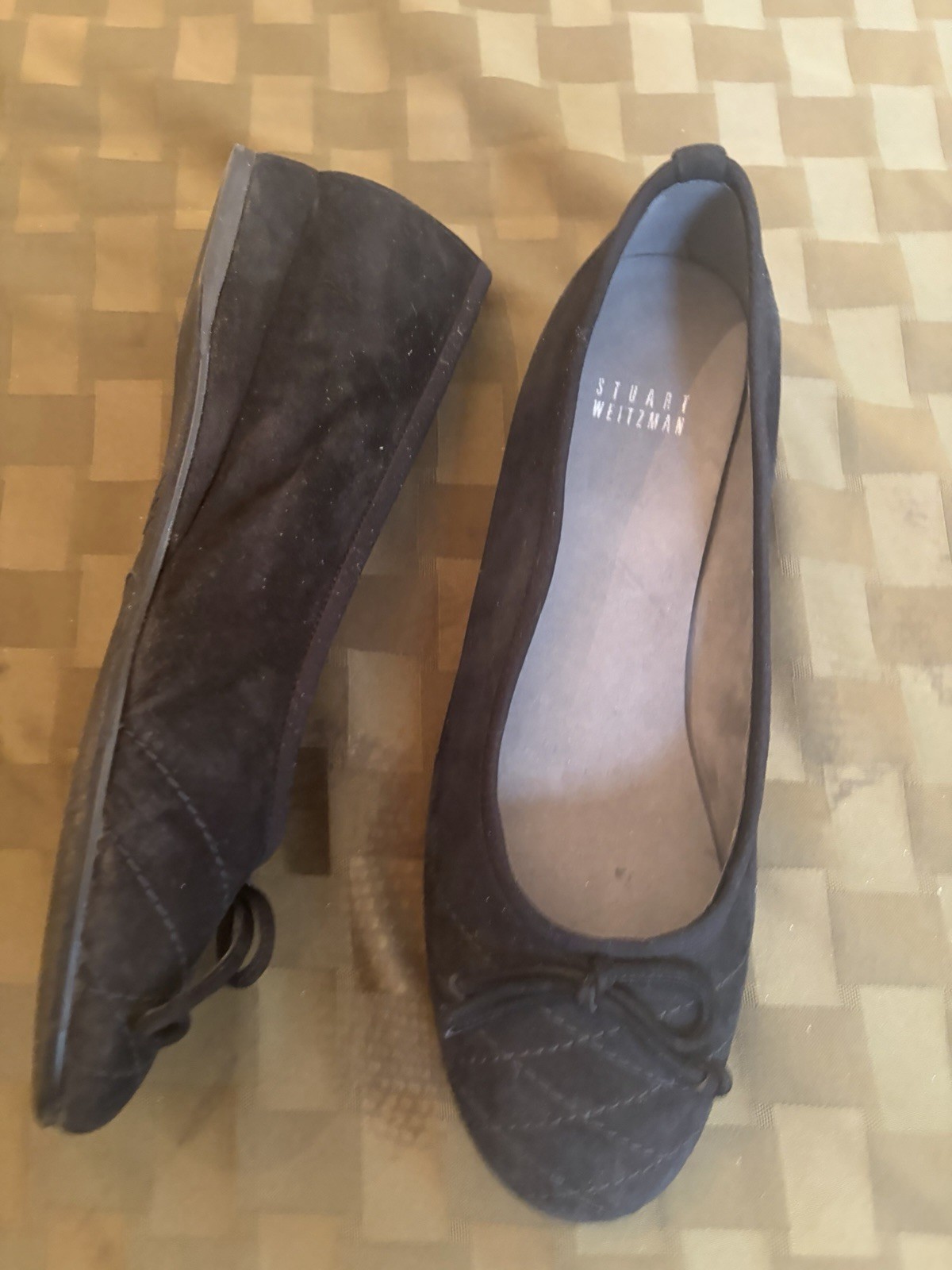
LOT · 31728Authentic Vintage Stuart Weitzman Quilted Bow Ballet Flats Women’s Black
USD 50.00
 Used
UsedBridal
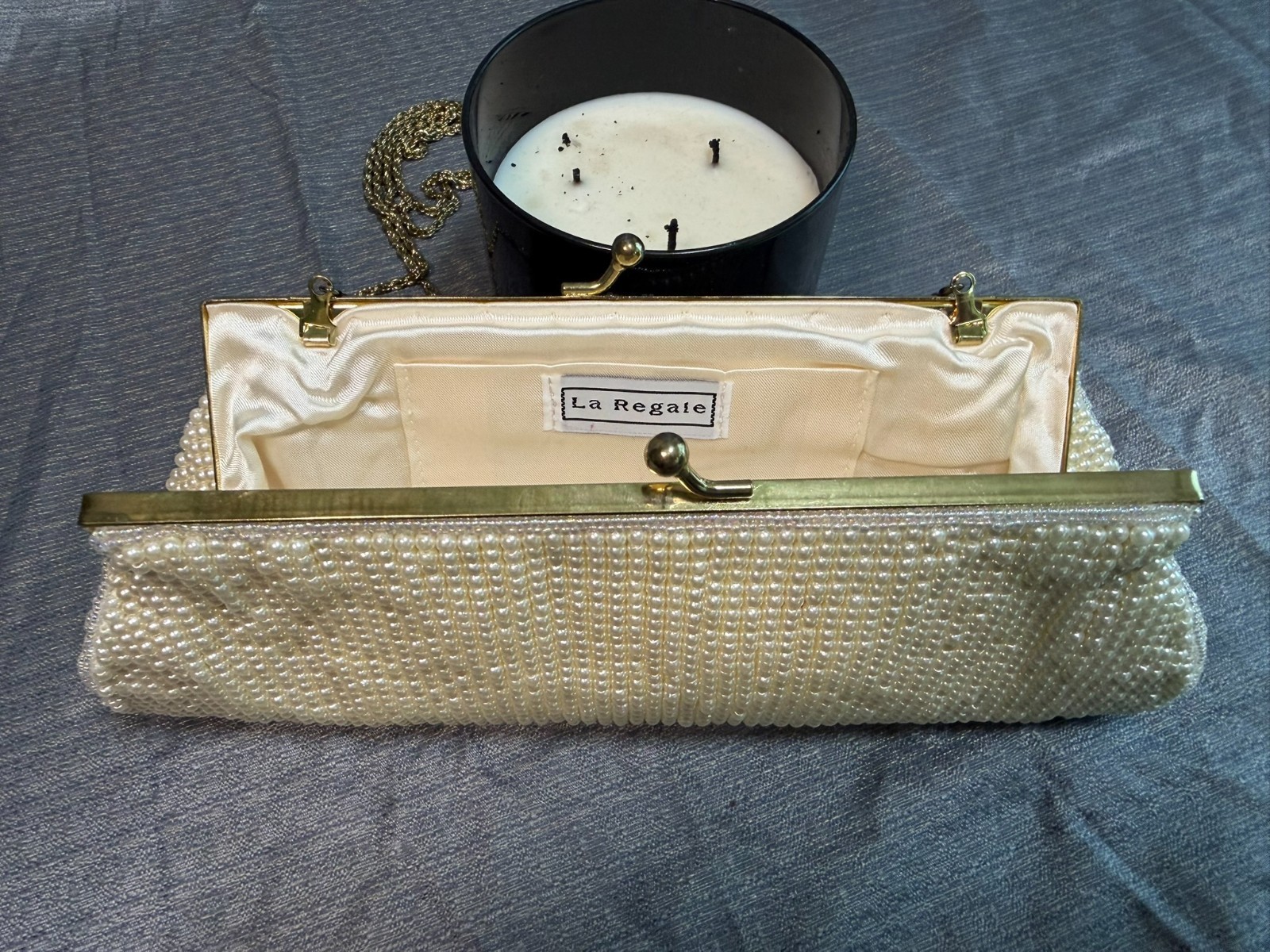
LOT · 89001Vintage La Regale Pearl Handbeaded Evening Clutch Bag Cream Ivory Bridal Prom
USD 49.99
The Journal, from Tokyo
 €NaN
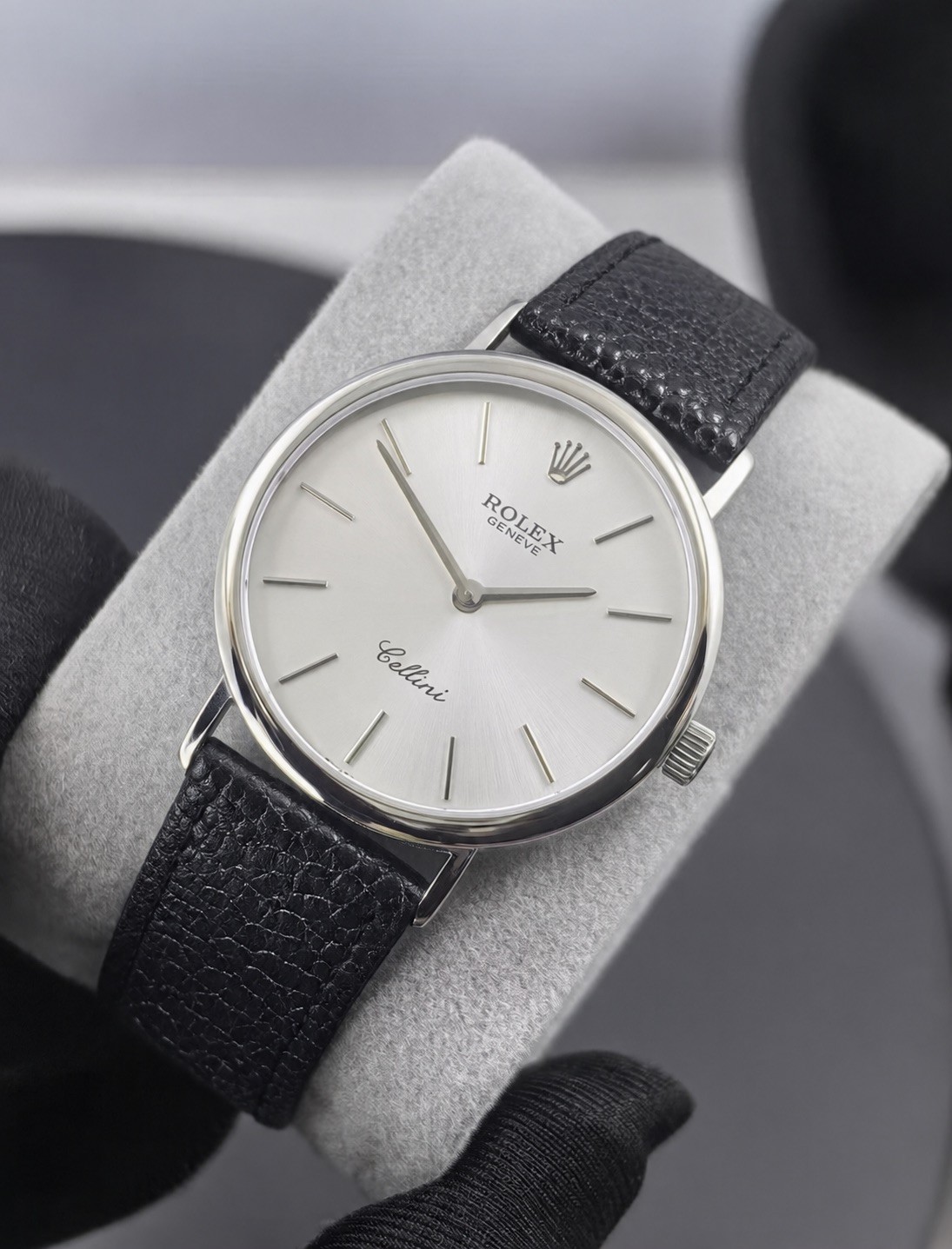
€NaNThe Quiet Allure of Vintage Watches: Wearing History on Your Wrist
A vintage watch is more than a timepiece. It is a wearable story. Here is how to find one that speaks to you, style it with confidence, and let its history become part of yours.
 €NaN
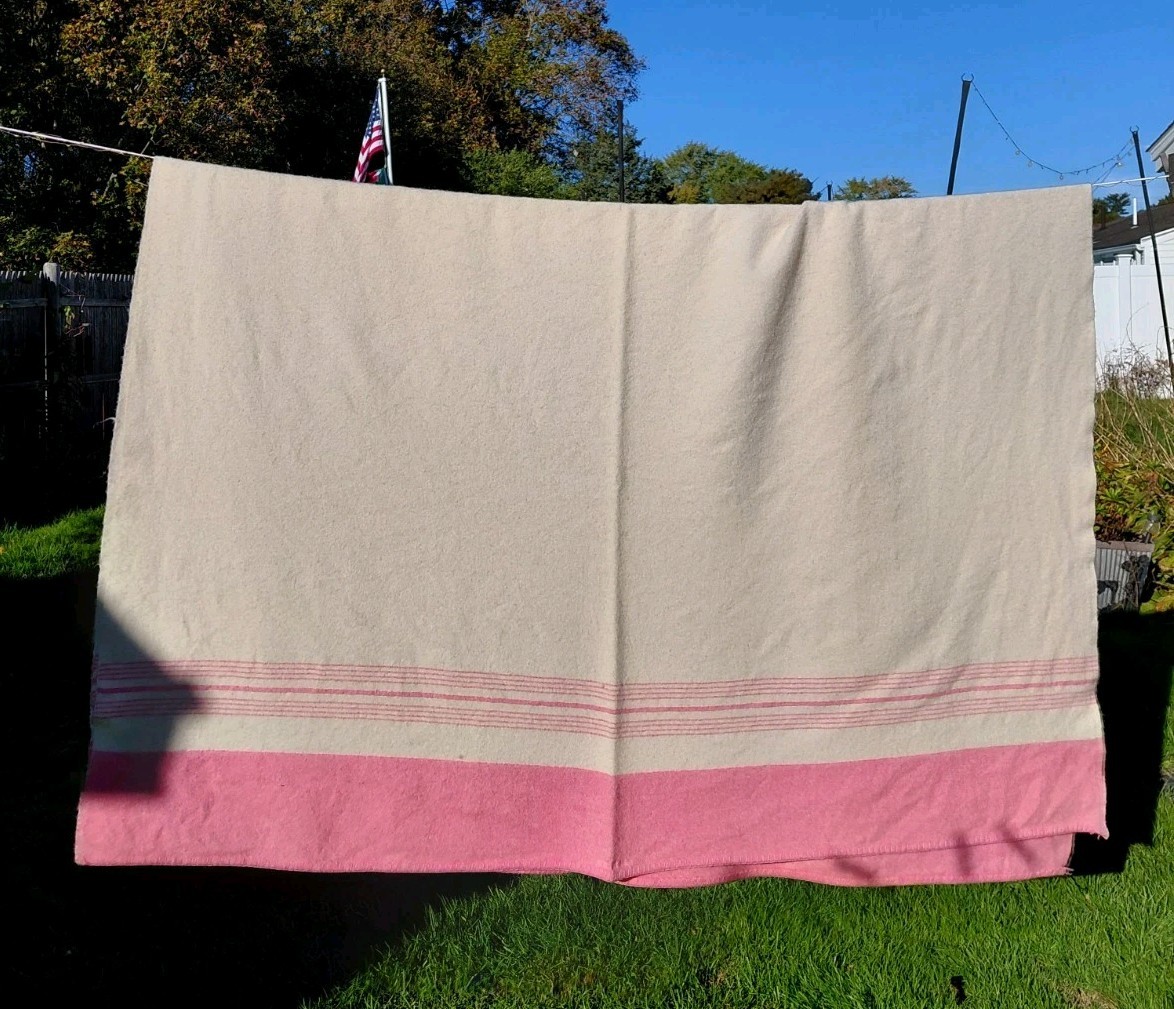
€NaNWhy Old Wool Beats New in Tokyo
In Tokyo, a vintage coat is not a dusty relic. It is a curated object, often cleaned, pressed, and hung in a well-lit showroom.
€NaNWhy Old Cuts Flatter More in Tokyo
I remember the first time I bought a vintage dress in Tokyo. It was a 1960s silk shift, pale blue, with a matching jacket.
 €NaN
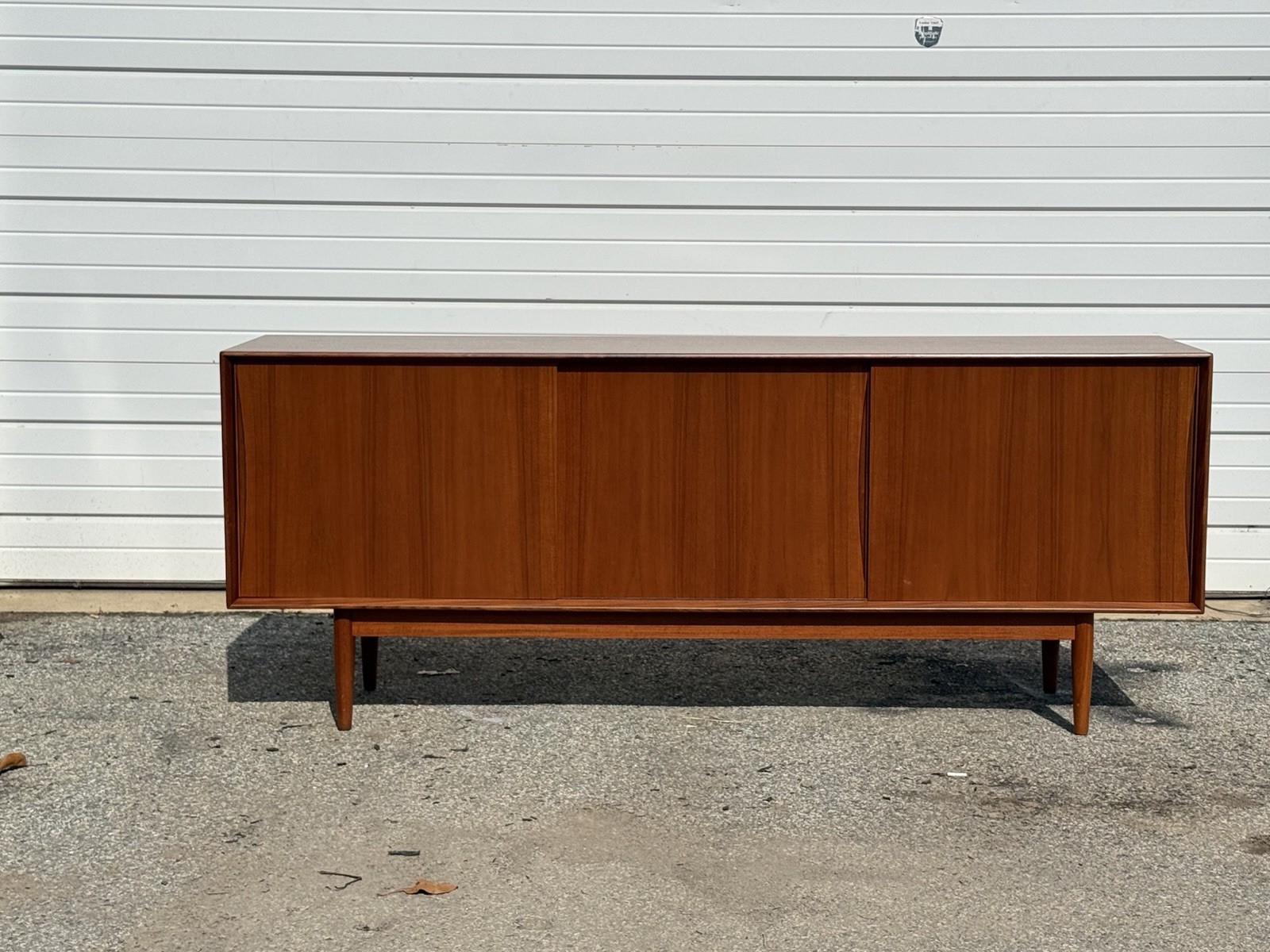
€NaNWhy Teak Still Wins in Tokyo
One strong vintage piece in a plain room does more than a whole matching set.
€NaNWhy Old Lace Wins in Tokyo
In a city where wrapping a gift is an art form, the care extends to pre-loved garments. Each piece is inspected, catalogued, and often restored. The result?
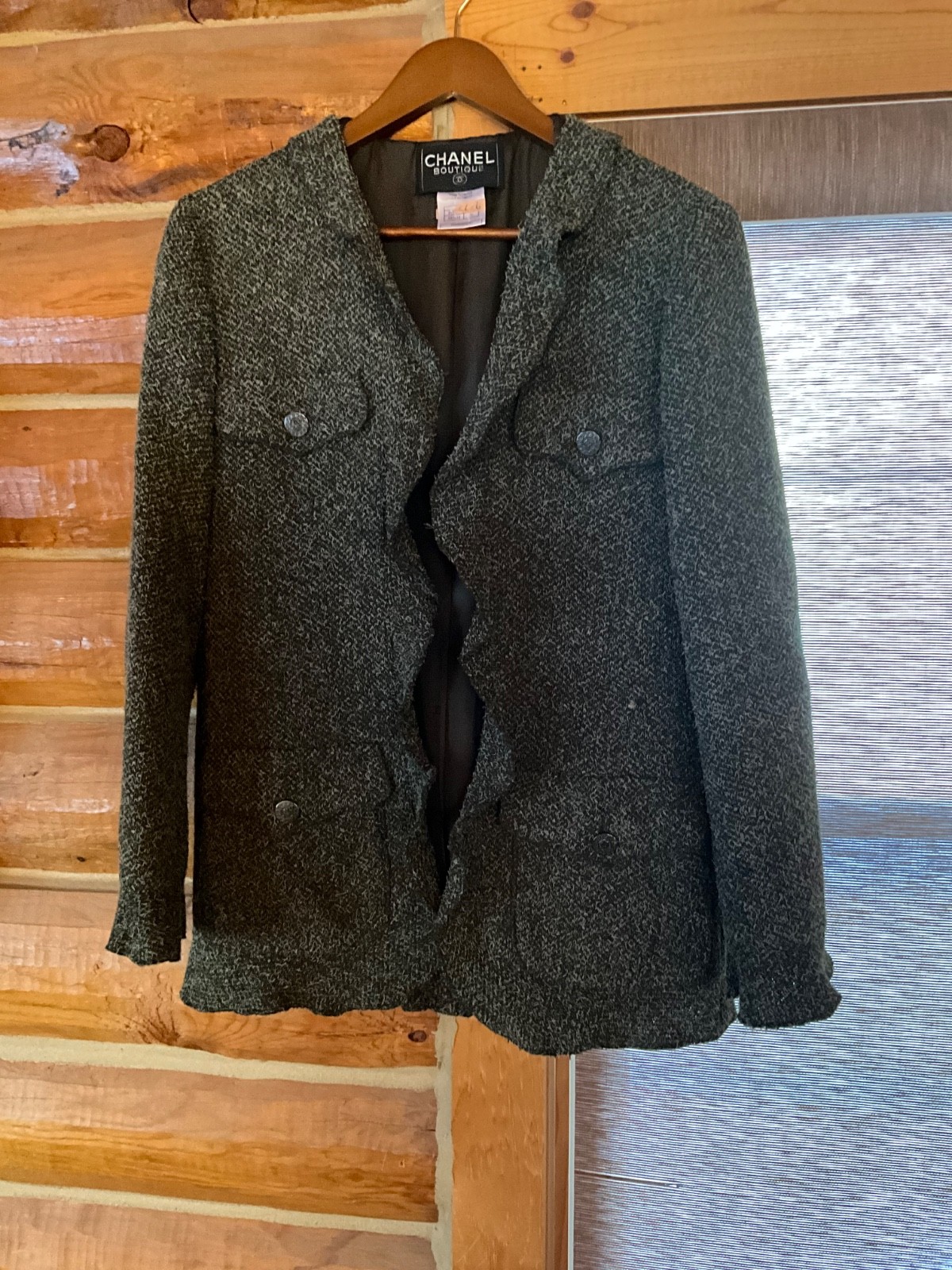
Why Details Matter Most in Tokyo
In a city where a used Hermès scarf arrives in a protective sleeve with a condition report, you learn to trust the system.
 €NaN
€NaNWhy the Shoulder Is Everything in Tokyo
In a city where space is precious, every item in a vintage shop has been through rigorous inspection.
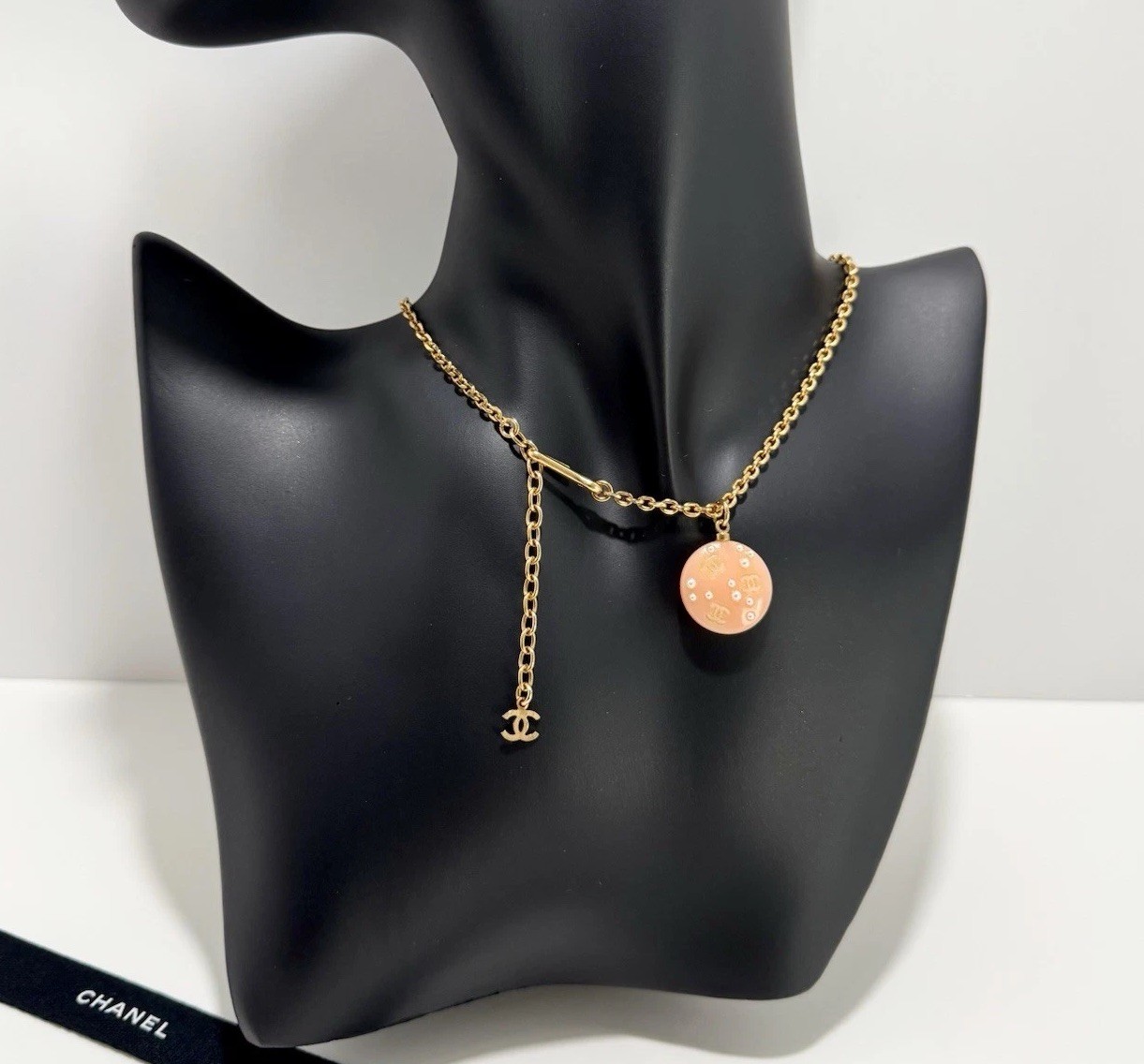
Why Old Heels Walk Better in Tokyo
A 1997 Prada slingback with a 6cm block heel weighs less than a current-season sandal from the same house. The leather is vegetable-tanned, the last is cut for a foot that walks, not poses.
 €NaN
€NaNWhy Chunky Gold Works in Tokyo
When you buy a vintage ring in a Tokyo resale shop, you get a paper tag with the metal type, the stone, the period, and often the exact maker.
 €NaN
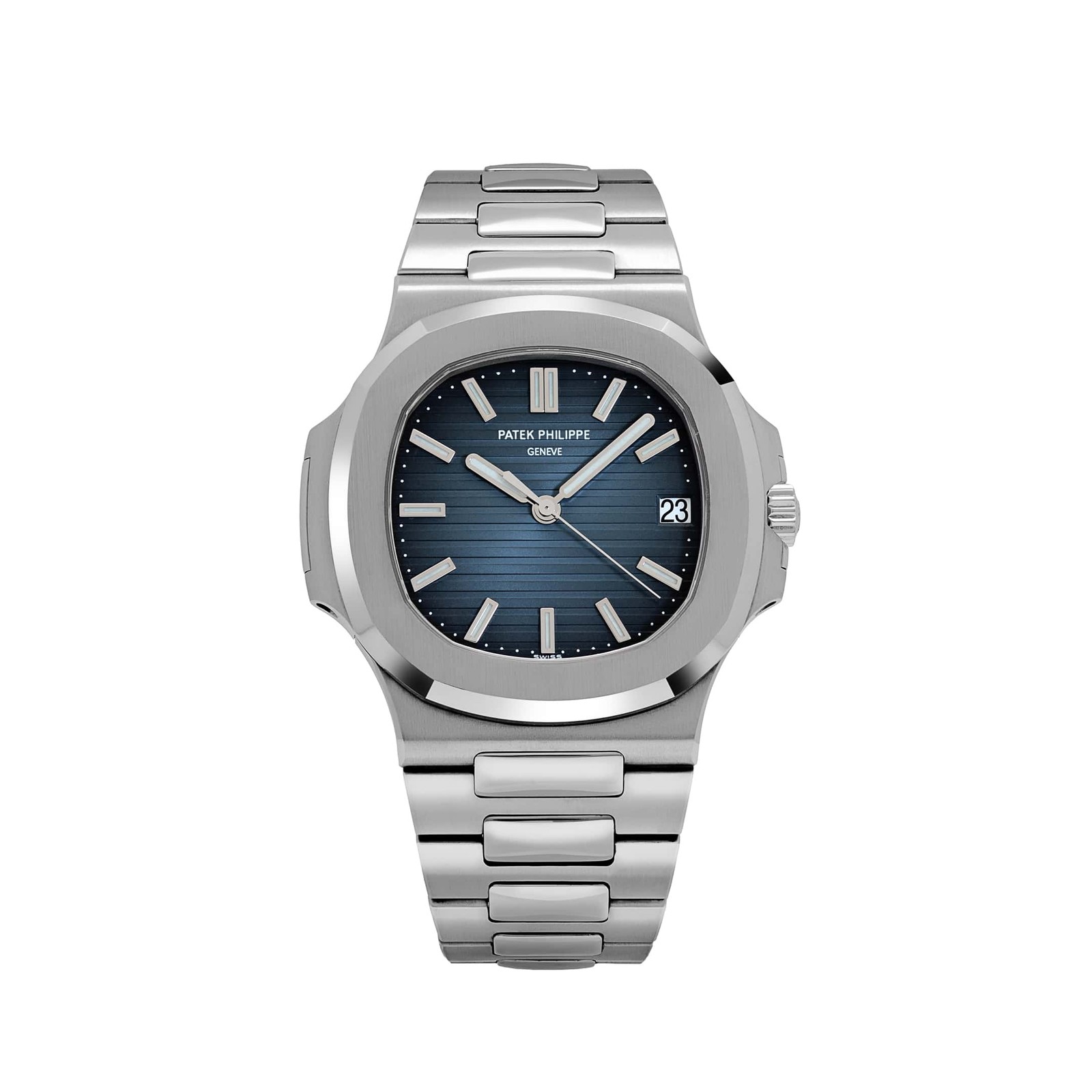
€NaNWhy a Small Dial Wins in Tokyo
A vintage watch is the one accessory that never shouts. A patinated dial, slightly yellowed lume, a bracelet that has softened to the wrist.
Why Worn-In Beats Deadstock in Tokyo
The 1980s and 1990s gave us sneakers that were built for actual sports, not for lifestyle marketing. The Nike Terminator, the Adidas Gazelle, the New Balance 574.
 €NaN
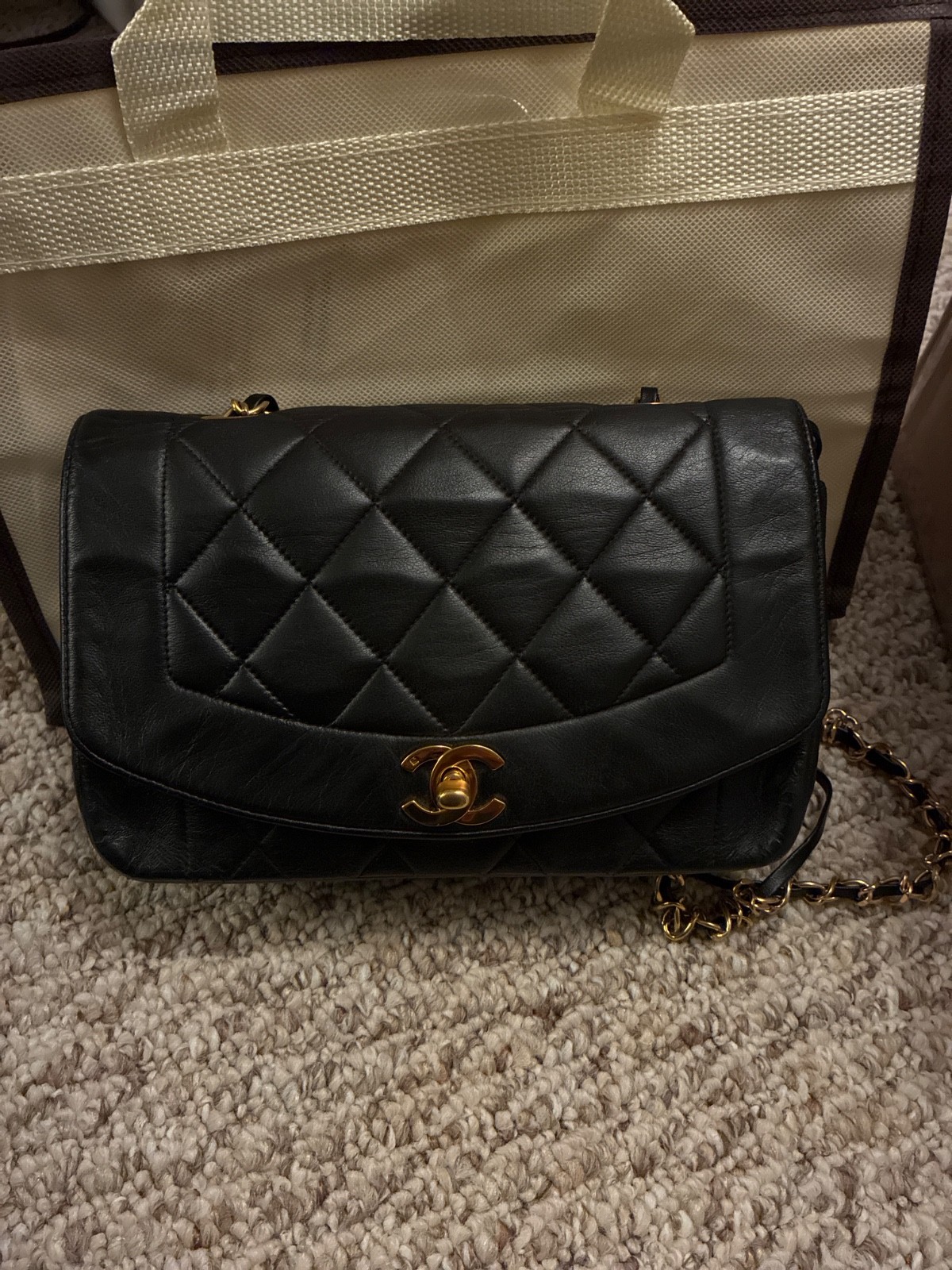
€NaNThe Small Bag Guide for Tokyo
It is 2025, and the small shoulder bag is everywhere. But the ones in the windows of Ginza department stores are not the ones I want.
The Vintage Shops directory
Curated vintage shops in Tokyo
Archive boutiques, second-hand rooms and antique dealers — addresses, opening hours and maps.



Travel stories

Where to stay
A shortlist of Tokyo hotels our editors rate for a vintage-minded stay.


Getting there
Live one-way economy fares to Tokyo — departing 2026-11-10, cheapest first.
Curated itineraries
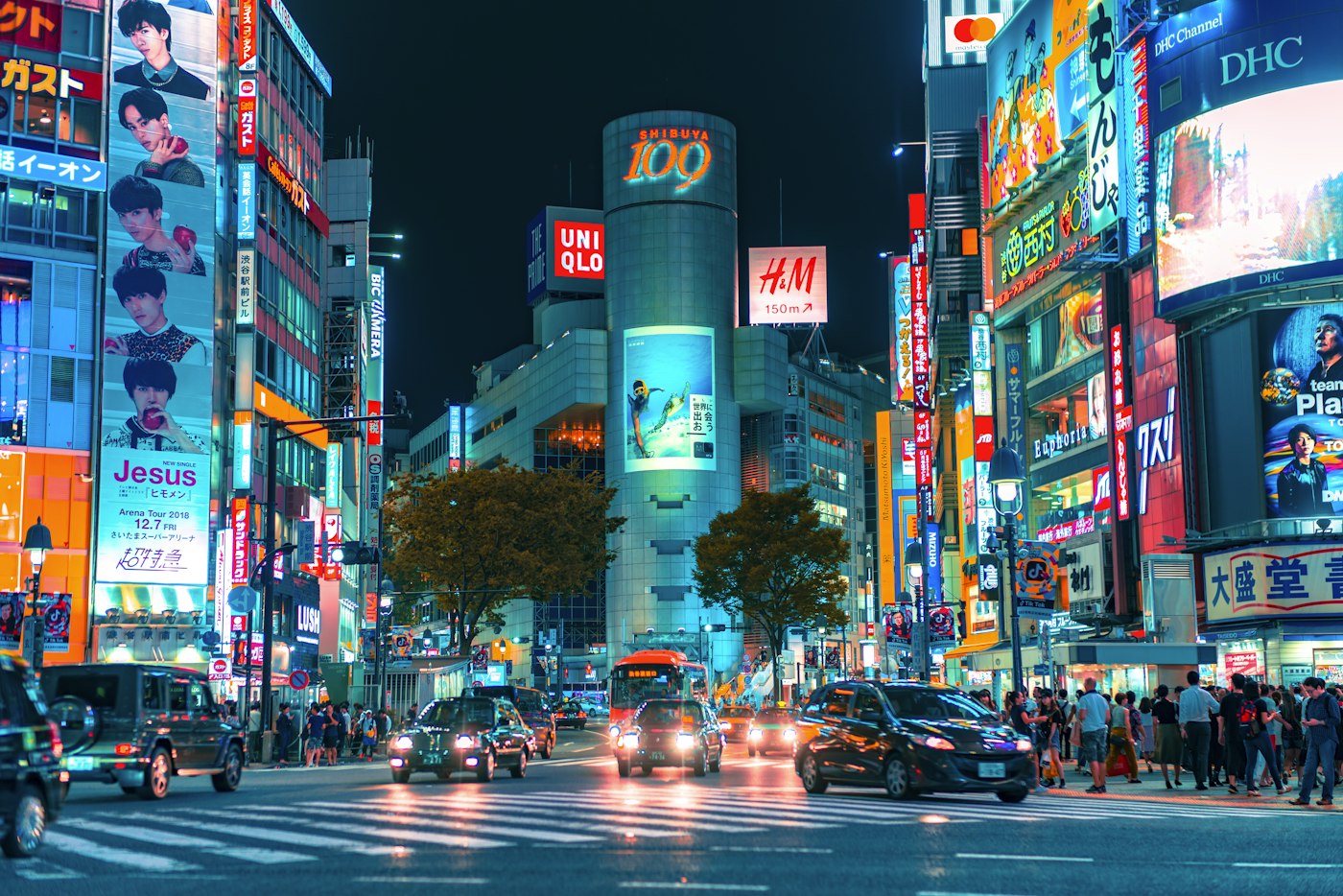
Tokyo Bag Walk
Y2K shoulder bag hunting from Harajuku to Omotesando — nylon Prada, mini Dior and the Japanese archive shops that stock them.
Tokyo Thrift Odyssey: Shimokitazawa to Harajuku
Tokyo's vintage scene is the deepest in the world — 150+ shops in a single neighbourhood (Shimokitazawa), an entire covered shopping street devoted to used clothing (Koenji PAL), and a luxury resale market so sophisticated that Hermès scarves are filed by year and colourway.