
 Sign in
✦ The Icon Story · Barcelona
The Dress That Does the Work: Wearing Vintage Dresses Without Looking Like a Costume
A practical guide to wearing vintage dresses well: the proportions that flatter a 2024 wardrobe, the era tells worth paying for, and the Hollywood history behind the shapes you are drawn to.
 By Louis Trash·
Start With the Shoulder, Not the Hem
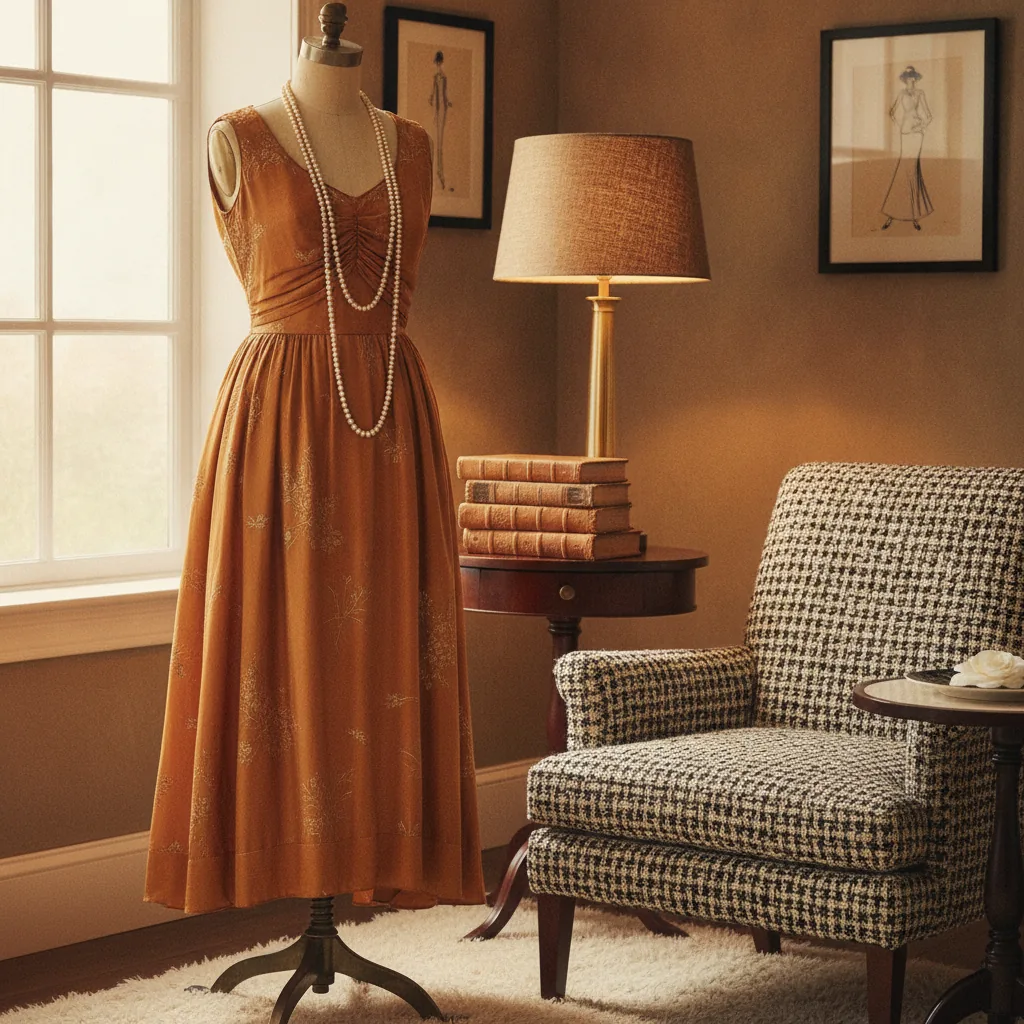
Most people shop vintage dresses by looking down. They check the hem, the length, whether it will need shortening. The shoulder is the tell. A dress from 1947 has a different armhole than one from 1972, and that difference is what makes a piece read as modern or as fancy dress. The shoulder seam should sit at the edge of your shoulder bone, no further. If it drops past it, the dress is too big and will need a tailor. If it pinches, walk away. You cannot add fabric to an armhole without rebuilding the bodice, and that costs more than the dress.
I have a 1950s cotton day dress with a shoulder seam that sits exactly right. It cost me $79.97 from a shop on Lexington Avenue that no longer exists. I wear it with flat leather sandals and a canvas tote and nobody asks if I am going to a theme party. The dress reads as a dress because the fit is honest.
The Three Eras Worth Knowing
Vintage dresses in circulation right now are mostly a mix of labels, and the eras blur together in photographs. Learn three. The late 1940s: nipped waist, longer skirt, often a small collar and a row of self-covered buttons. Christian Dior showed the New Look in February 1947, and the shape filtered down to every department store within two years. Look for cotton poplin, linen, and wool crepe. Avoid anything with a stiff, shiny lining; that is usually a sign of a cheaper copy.
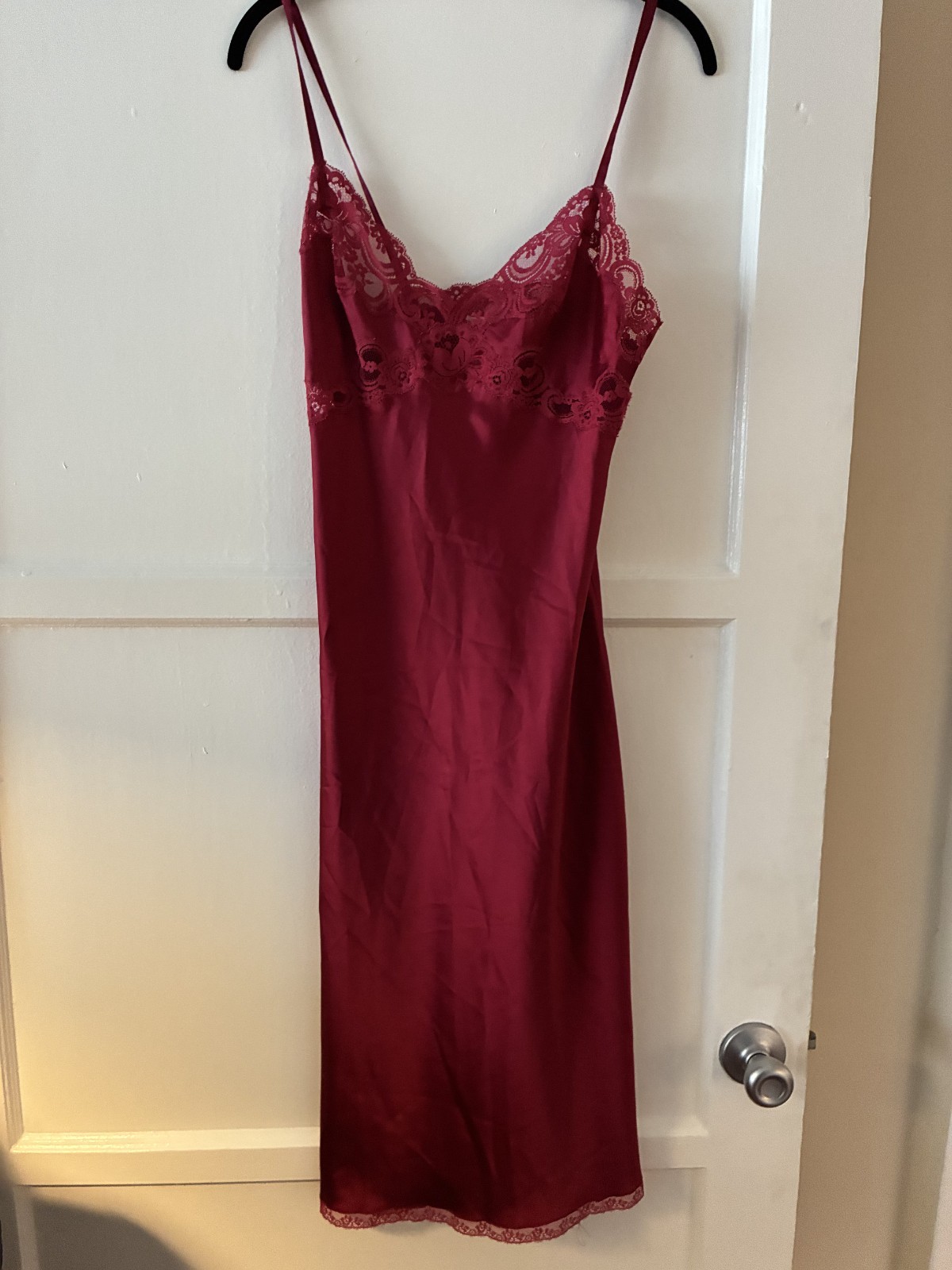
The early 1960s: shift dresses, sleeveless, often with a matching jacket. The silhouette is straight and short, and it works on a 40-year-old body because it skims rather than grips. Look for wool jersey and textured cotton. The label matters less than the fabric weight. A good 1962 shift has a certain heft. It hangs from the shoulder and does not cling.
The 1970s: wrap dresses, prairie prints, and the long, loose shapes that came after 1973. This is the easiest era to wear now because the proportions are forgiving. Look for rayon crepe and cotton voile. Check the seams inside. A well-made 1970s dress has French seams or overlocked edges that have not frayed into a mess.
What to Check Before You Buy
Turn the dress inside out. Look at the seam allowances. A dress made before 1970 usually has wider seam allowances, often an inch, which means it can be let out. That is your friend. Check the underarm shields, if there are any. Yellow staining there is permanent, and no amount of washing will fix it.
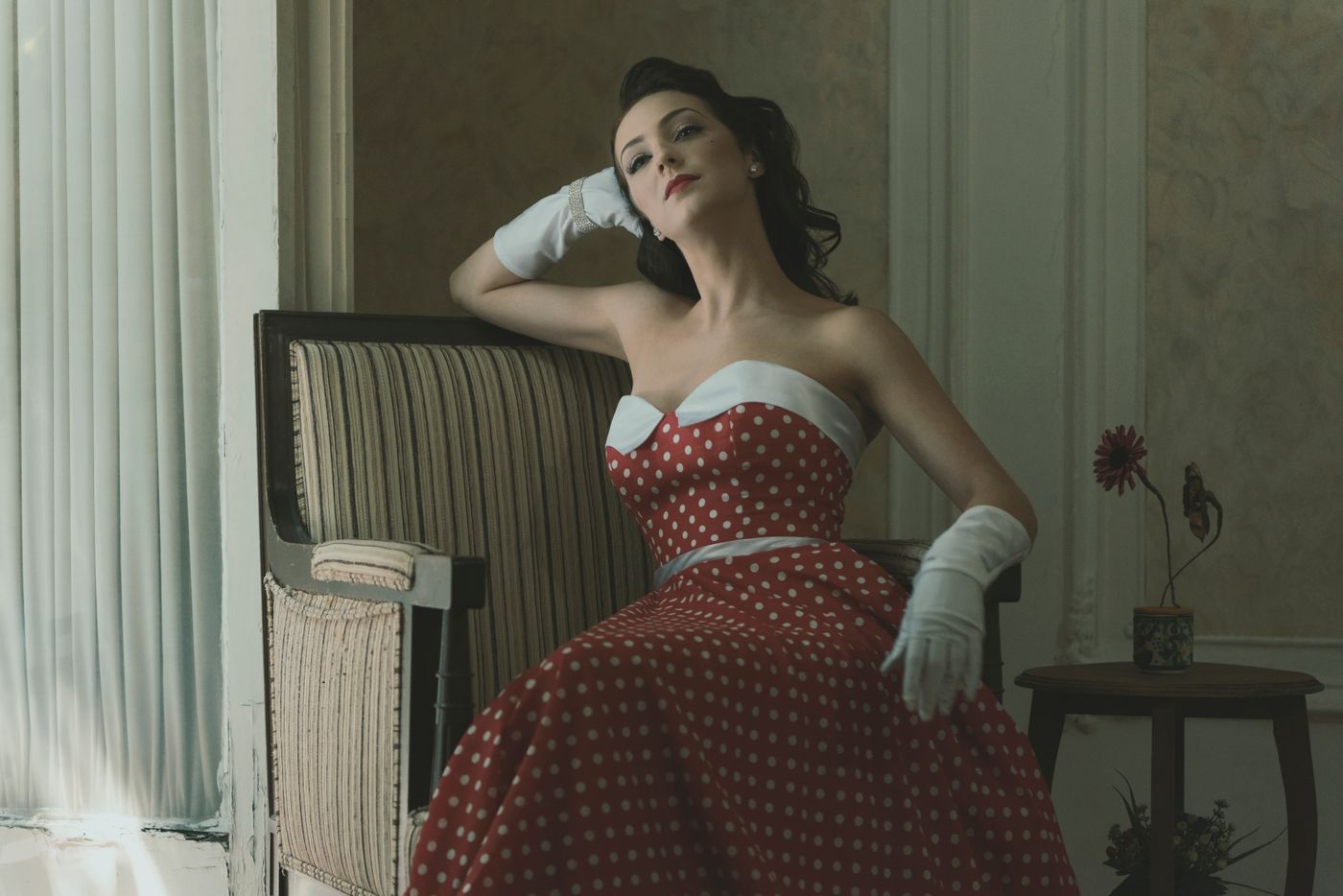
Foto: Odin Reyna · Pexels
Look at the zipper. A metal zipper with a brand name on the pull, such as Talon or Conmar, usually dates a dress before 1970. A plastic zipper suggests later. Neither is a quality marker on its own, but it helps you place the piece.
Feel the fabric against your cheek. If it feels dry or brittle, it will not survive many wears. Cotton and wool age well. Early synthetics, especially acetate, can go stiff and crack. Rayon is wonderful but weak when wet, so wash it by hand and never wring it.
Check the hem. A hand-stitched hem is a good sign. A machine-stitched hem with a visible line of thread on the outside is a sign of a rushed job, and it will show when you move.
How to Wear It Now
The mistake is to style a vintage dress with other vintage. A 1950s dress with vintage pearls and vintage gloves looks like a costume. Wear it with one modern thing. A cotton day dress with a plain white sneaker and a leather jacket. A 1960s shift with a chunky knit cardigan and ankle boots. A 1970s wrap dress with a slim turtleneck underneath and flat boots.
Proportion is everything. If the dress is full in the skirt, keep the top half close to the body. If the dress is loose and straight, add a belt or a cropped jacket. The waist should be where your waist is, not where the dress thinks it should be. A tailor can move a waist seam two inches without ruining the dress, and it costs less than you think.
A Short History of the Dress That Moves
In 1954, Edith Head designed the costumes for Rear Window, and Grace Kelly wore a black and white dress with a full skirt and a fitted bodice. The dress was not the point of the film, but it became the reference for every smart day dress that followed. Women wrote to department stores asking for the look. The stores copied it in cotton and sold it for $12.95. The shape survived because it works.

Foto: Eduard Perez · Pexels
By 1972, Diane von Furstenberg had made the wrap dress a uniform for working women. It was jersey, it tied at the waist, and it did not need ironing. She sold a million of them within two years. The wrap dress is still the most useful vintage dress you can own, because it adjusts to your body and it looks deliberate even when you have not thought about it.
The Point of Wearing It
A vintage dress is not a museum piece. It is a garment that has already survived one life and is asking for another. The best ones have a little wear at the cuff, a slightly faded seam, a hem that has been taken up by hand. That is not damage. That is evidence. Wear the dress to the grocery store. Wear it to a lunch. Wear it until the cotton softens and the seams learn your shape. The dress will tell you when it is ready to be worn properly. Listen to it.

 ✦ The Edit
One to watch
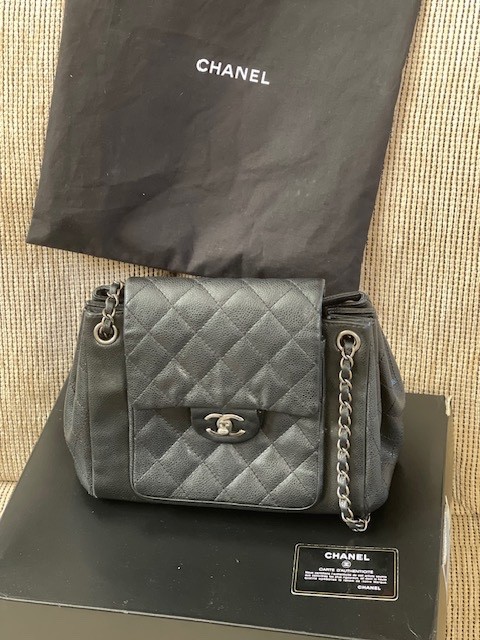
Vintage Chanel Black Quilted Leather Accordion Flap Shoulder Bag Purse w/ Box
The woman who changed how women dress. This honestly worn bag in leather and black carries exactly the quality that made Chanel worth collecting in the first place. This is the kind of thing that only improves the longer you live with it.
On the market now
The names
The names in this story
The minds behind this story — each with a piece currently on the market.
Chanel
France · 1910s
The little black dress & the 2.55
The little black dress & the 2.55
Top piece
View →
Dior
France · 1940s
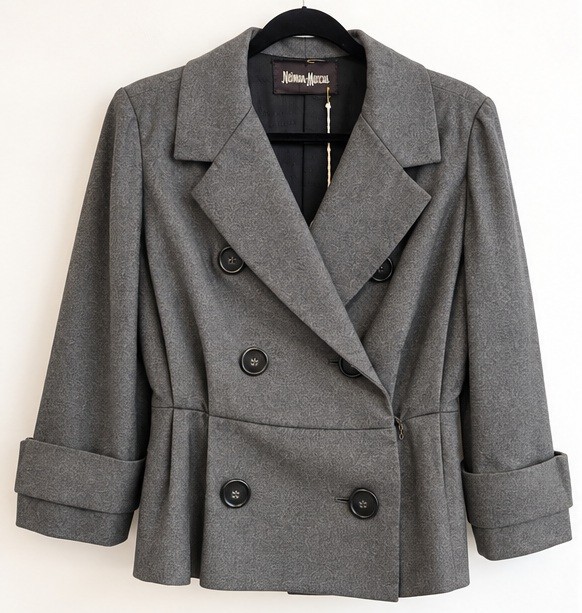
The New Look & the Lady Dior
The New Look & the Lady Dior
Top piece
View →
Adidas
Germany · 1940s
The three stripes & the Samba
The three stripes & the Samba
Ann Demeulemeester
Belgium · 1980s
Romantic goth, asymmetric leather
Romantic goth, asymmetric leather
Continue the edit
Further stories from the same world
Three more walks through the same vintage universe.
The Dress That Does the Work: Wearing Vintage Dresses Now
A working guide to the vintage dress: how to wear one without looking costumed, what the seams and labels tell you, and the real history behind the shapes turning up in circulation.
Read the story →The Dress That Was Made for Walking Away
A working guide to vintage dresses: how to wear them without looking costumed, what the seams and labels tell you, and the real history behind the shapes still hanging on the rail.
Read the story →The Vintage Dress That Wears You Back
A good vintage dress is a piece of clothing that has already lived a life, and it expects you to live yours in it. Here is how to find one, wear it, and make it yours.
Read the story →