
 Sign in
✦ Culture · Barcelona
The Vintage Band Tee: Wear the Noise, Not the Nostalgia
A tour tee from 1979 is not a costume. It is a piece of cloth with a past, and it deserves a place in your wardrobe that respects both its history and your own.
 By Louis Trash·

The Tee That Refuses to Be a Relic
A 1979 tour tee for The Clash, printed on a thin, single-stitch cotton blank, is not a museum piece. It is a shirt. The best ones have been washed a thousand times, the print cracked like a dried riverbed, the collar soft as a worn dollar bill. That is the point. You wear it because it has lived, and because you are not done living either. The current appetite for these shirts, with good examples often priced around $158, is not about investment. It is about wearing a piece of cultural history that still fits your shoulders and your life.
Styling: The Art of the Unfussy Pairing
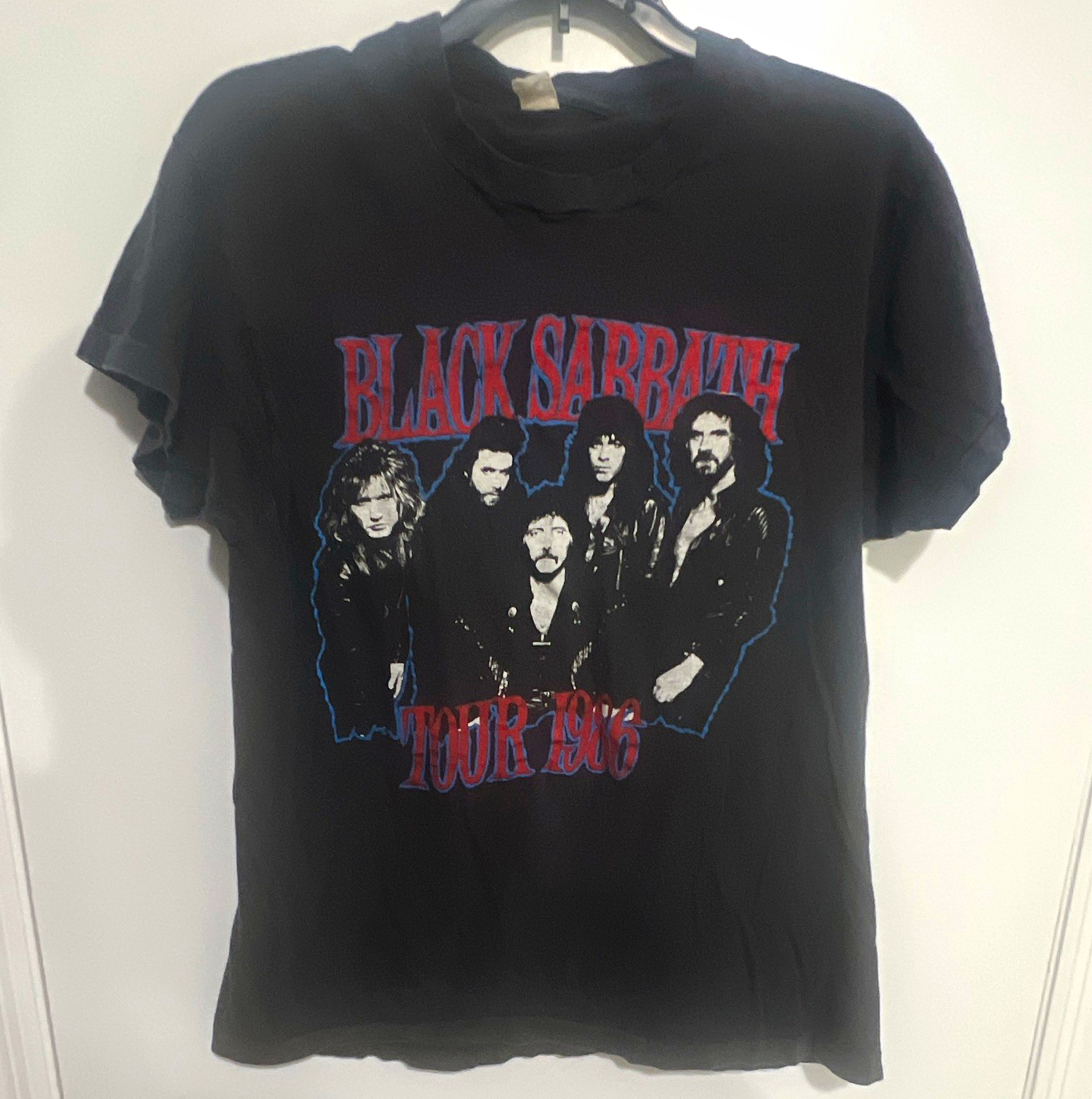
Start with proportion. A vintage band tee is almost always cut shorter and boxier than a modern one. If it hits at your hip bone, let it. Tuck it loosely into high-waisted jeans, a midi skirt, or tailored trousers. A half-tuck works if the shirt is long enough to pool slightly. The goal is to avoid looking like you are wearing a costume. Pair a faded black tee from a 1982 Iron Maiden tour with a sharp, navy blazer and straight-leg dark denim. The contrast between the screen-printed graphic and the clean lines of the jacket is the whole point. For something softer, try a white tee from a 1977 Fleetwood Mac tour under a slip dress. The cotton will be thin, almost sheer, which adds texture without bulk. Avoid wearing it with other distressed pieces. One worn element is enough. Let the tee be the story.
What to Look For: Era Tells and Quality Clues
The golden era for band tees runs from the late 1960s to the early 1990s. Before 1975, most tour shirts were printed on blanks from companies like Hanes or Fruit of the Loom, with single-stitch hems and a 50/50 cotton-poly blend that feels slightly rough. After 1980, you see more 100% cotton and double-stitching, which makes the shirt more durable but less soft. Check the tag. A single-stitch sleeve hem and a narrow, tubular body indicate a 1970s piece. A double-stitch hem and a wider, boxier cut point to the 1980s or 90s. Look for screen-printed graphics, not iron-on transfers. Screen printing cracks over time, but it does not peel. Iron-ons flake and feel plastic. The best shirts have a print that is slightly faded but still legible. Avoid anything with a synthetic sheen or a stiff hand. Run your fingers over the graphic. It should feel like part of the fabric, not a layer on top.

A History Told in Cotton
The band tee as we know it began with a few key moments. In 1967, The Grateful Dead hired artist Rick Griffin to design a poster for a show at the Avalon Ballroom in San Francisco. That poster was soon printed on a t-shirt, and a new canvas was born. By 1973, Led Zeppelin's US tour featured a now-iconic shirt with the winged figure from the Houses of the Holy album cover. It was printed on a thin, white cotton blank, and it sold for $5 at the merch table. In 1976, The Ramones played CBGB in a plain white tee with their name scrawled in marker. That shirt, later screen-printed, became a uniform for punk. The 1980s brought bigger budgets and bigger graphics: a 1984 Madonna Like a Virgin tour tee, a 1987 Guns N' Roses Appetite for Destruction shirt with the cross and skulls. Each one was a badge. You wore it to say you were there, or you wished you were. The shirts that survive are the ones that were worn hard and washed often. They are not precious. They are proof.
The Modern Wardrobe Fit
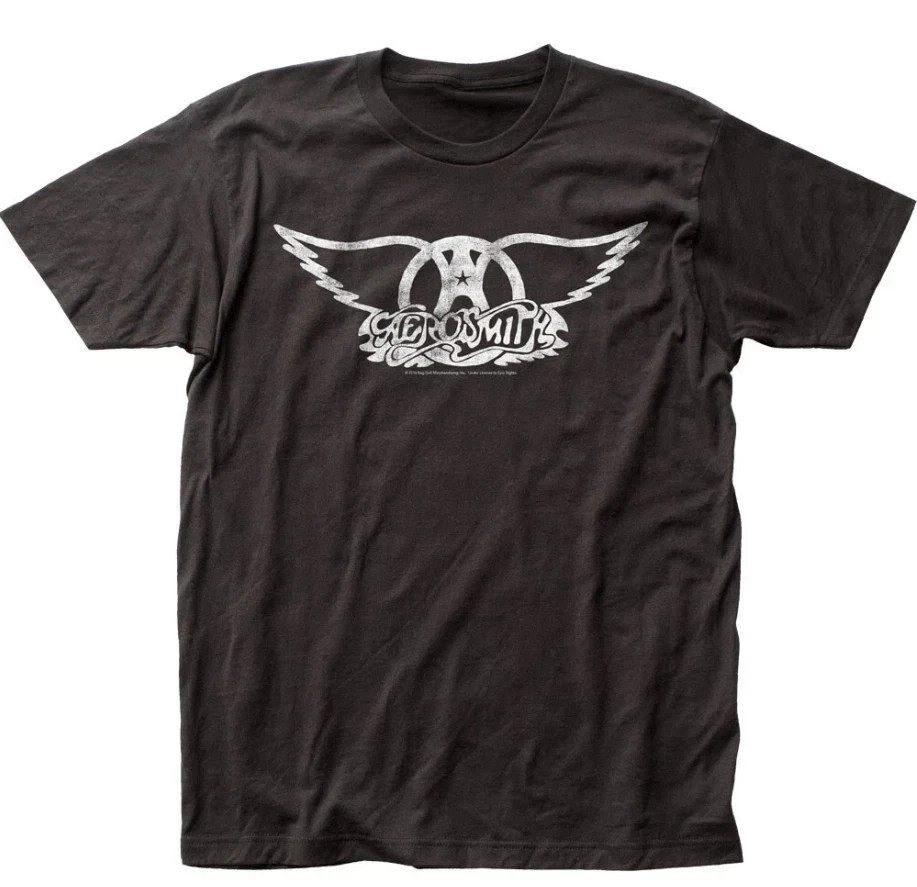
A vintage band tee works because it is the opposite of fast fashion. It has a history, a specific weight, a particular fade. Wear it with a tailored wool coat in winter, layered over a long-sleeve thermal. In summer, wear it alone with linen shorts and leather sandals. The key is to treat it like any other well-loved cotton shirt. Do not baby it. Wash it cold, inside out, and hang it to dry. If the print cracks further, that is fine. The shirt is not getting worse. It is getting more itself.
The Closing Thought
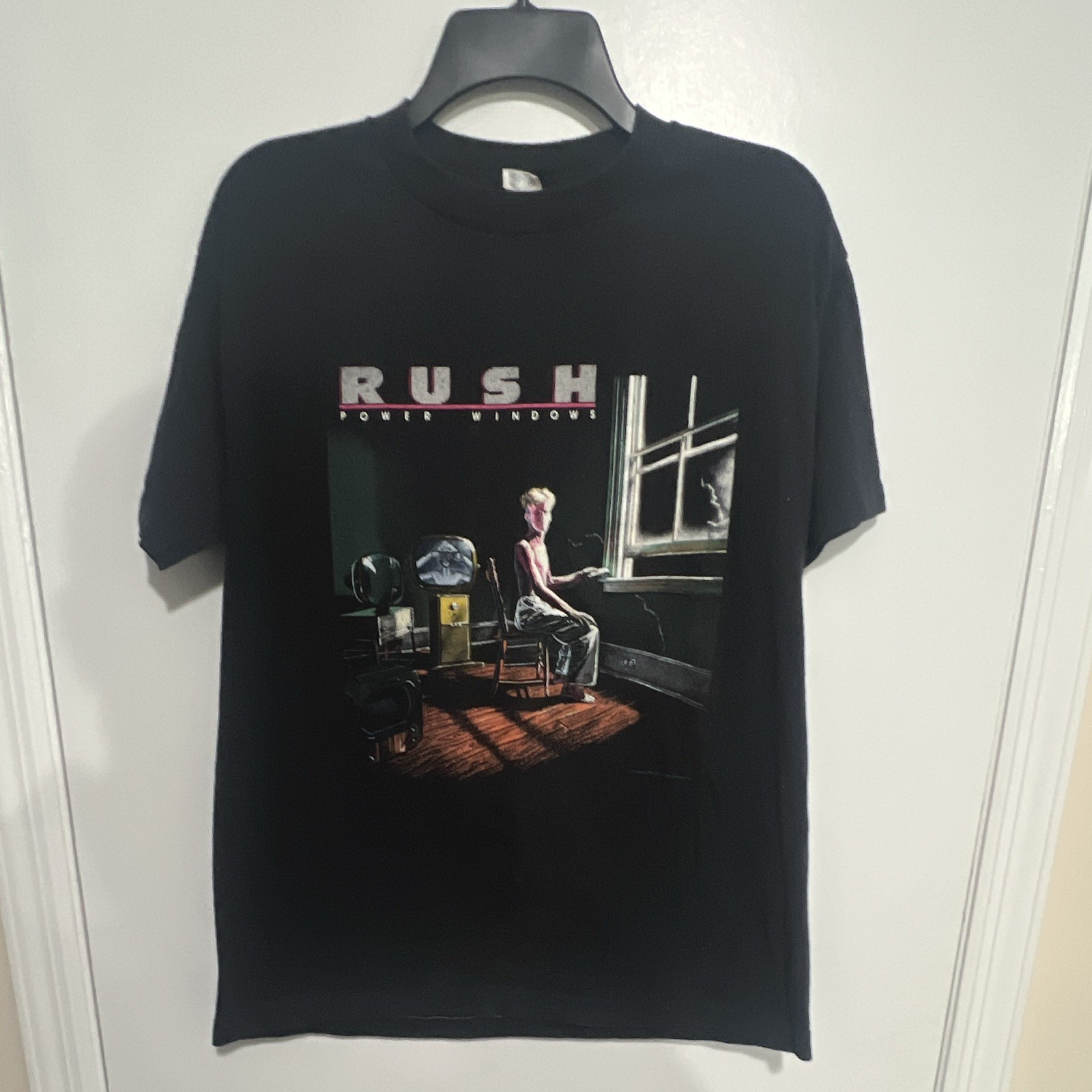
A band tee is a record of a night, a year, a feeling. When you wear one, you are not just wearing a graphic. You are wearing a piece of someone's youth, and you are adding your own. That is a rare thing in a wardrobe. Buy one that fits, wear it until it is threadbare, and then wear it a little more.
Foto: Atlantic Ambience · Pexels
The names
The designers behind the look
The minds behind this story — each with a piece currently on the market.
Chanel
France · 1910s
The little black dress & the 2.55
The little black dress & the 2.55
Top piece
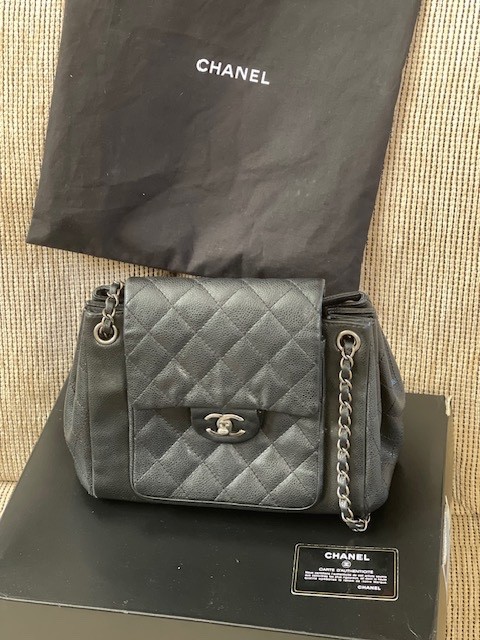
View →
Calvin Klein
USA · 1960s
Minimalism & the 90s slip
Minimalism & the 90s slip
Dior
France · 1940s
The New Look & the Lady Dior
The New Look & the Lady Dior
Top piece
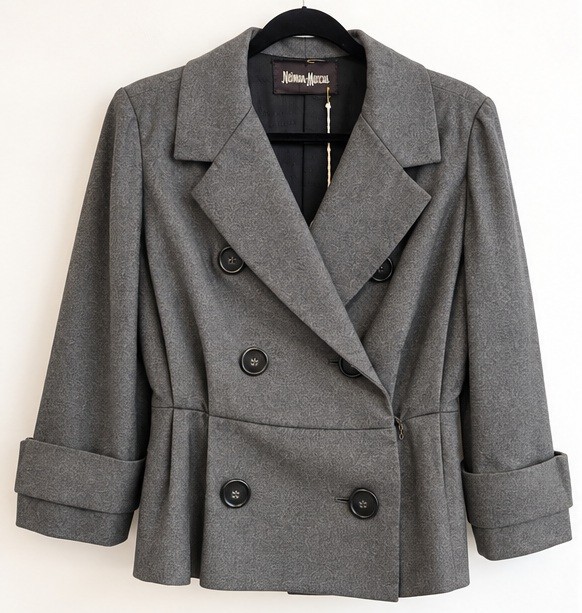
View →
Gucci
Italy · 1920s
The bamboo handle & the double-G
The bamboo handle & the double-G
Top piece
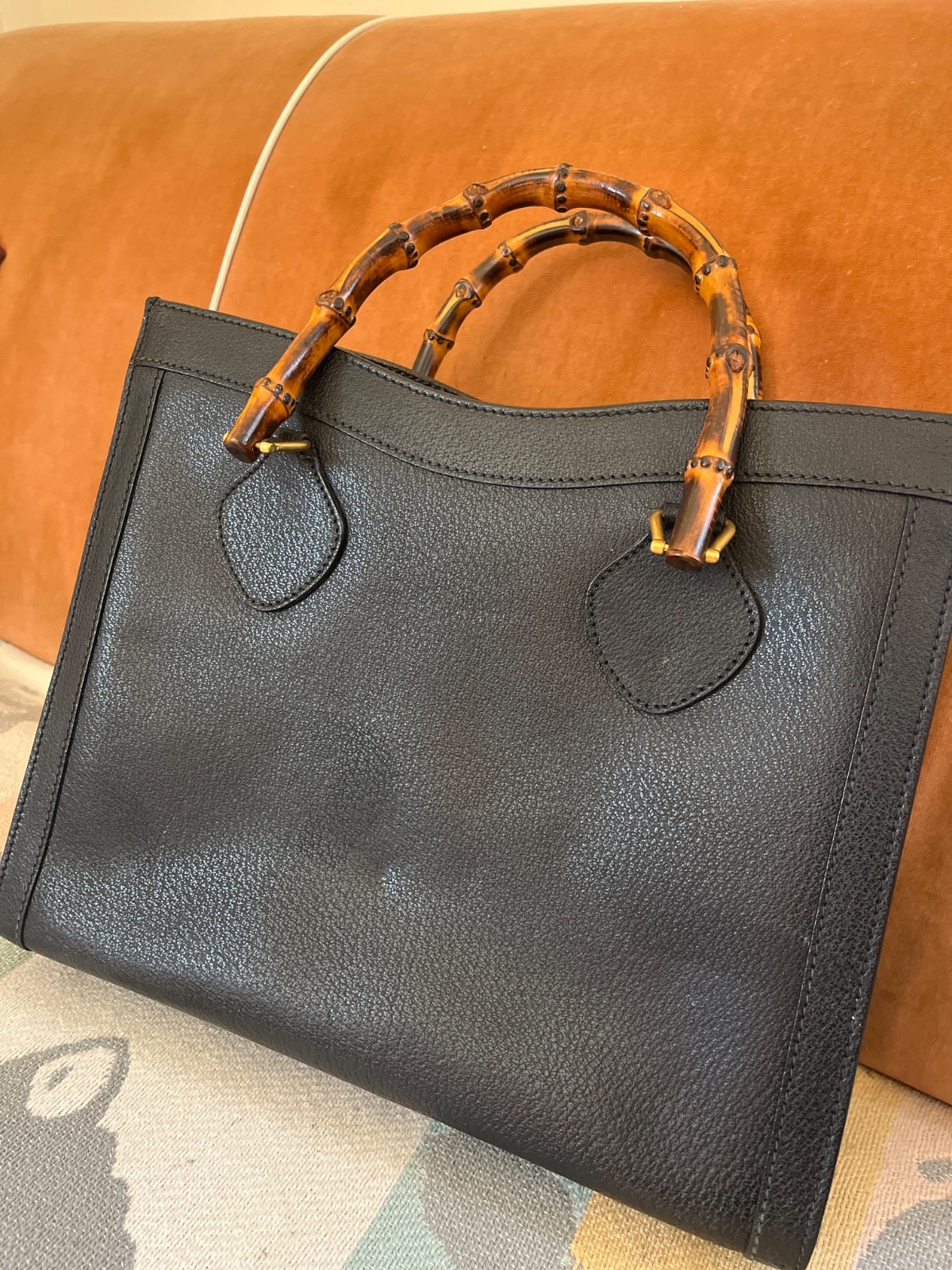
View →
Continue the edit
Further stories from the same world
Three more walks through the same vintage universe.
The Band Tee, Worn Well: A Field Guide to the Real Thing
A guide to wearing vintage band t-shirts with intent: how to style a 1978 tour shirt without looking like a costume, the era tells and print details worth checking, and the stories behind the shirts that outlived the tours.
Read the story →The Band Tee, Worn Well: A Field Guide
A 1979 Pink Floyd shirt with cracked lettering is not a collectible to be sealed in plastic. It is a piece of cotton with a history, and it belongs on your back. Here is how to wear it without looking like you are in costume, and what to check before you buy.
Read the story →The Vintage Band Tee: A License to Wear Your Taste Loud
A vintage band T-shirt is the rare piece that lets you wear your musical education on your chest. Here is how to find one that is actually old, style it without looking like you are in costume, and know the stories behind the shirts that mattered.
Read the story →