
 Sign in
✦ Culture · London
Why Vintage Jewelry Matters Now: How to Wear the Real Thing Without Looking Like a Display Case
A working guide to wearing vintage jewelry well: what the good pieces are made of, how to spot a repolished fake, and the specific outfits that make an old brooch look intentional rather than borrowed from your aunt.
 By Louis Trash·
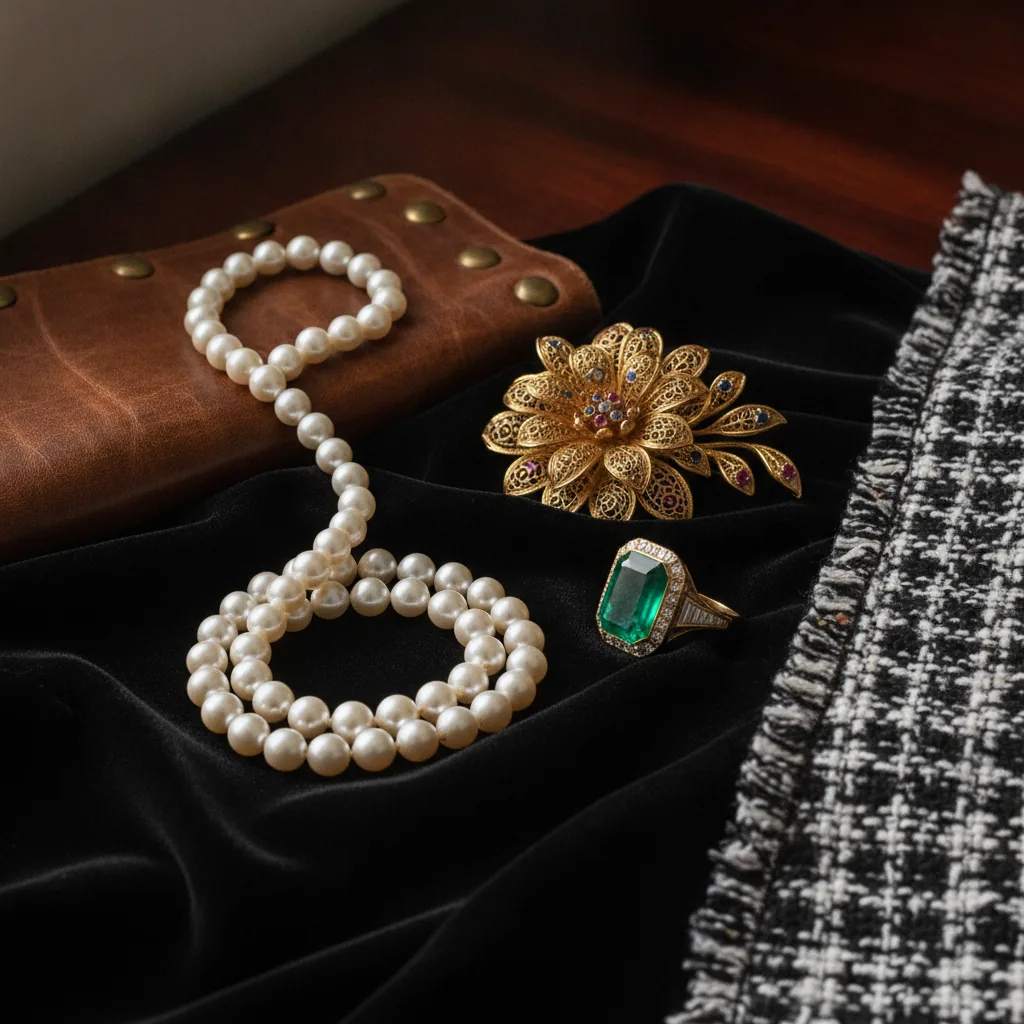
Start With One Piece That Has Weight
A single brooch on the lapel of a wool coat. A gold-filled chain with a 1970s pendant sitting flat against a black turtleneck. That is the whole formula. Vintage jewelry works when you treat it as the one loud thing in an otherwise quiet outfit.
The mistake is layering five pieces at once. You end up looking like a dealer's table. Choose one object with real presence and let everything else recede. A heavy charm bracelet reads as a statement on its own. Stack it with a watch and two cuffs and the eye has nowhere to land.
Proportion is the other lever. A delicate 1940s floral brooch gets swallowed by a chunky Aran knit. Put it on a silk scarf, a fine-gauge cardigan, or the collar of a crisp shirt. A large 1960s enamel flower needs space. Wear it alone on a plain dress or the shoulder of a blazer, nothing else competing within six inches.
What the Good Pieces Are Actually Made Of
Solid gold from before 1980 is usually marked. Look for 9ct, 14k, 18k, or the older British hallmarks: a maker's mark, an assay office symbol, a date letter. If the mark is worn to nothing, assume gold-filled or plated unless the price says otherwise.
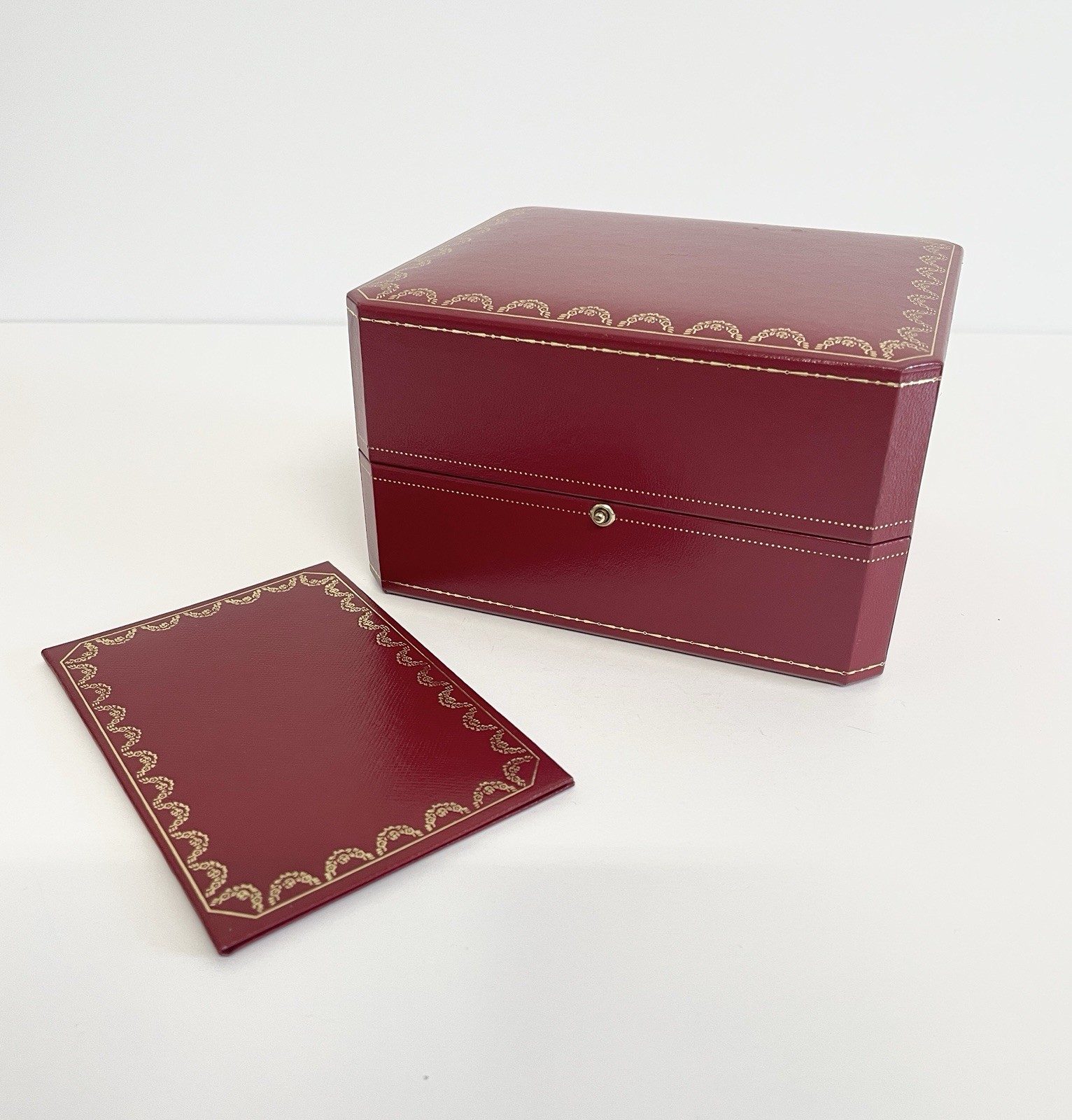
Gold-filled is the underrated category. From the 1930s to the 1950s, American firms like Balfour and Whiting & Davis used a thick mechanical bond of gold over brass, often 10k or 12k, and it survives decades of wear far better than electroplate. Run a magnet over it. Gold-filled and sterling stay put. Base-metal plate often pulls slightly.
Sterling silver should carry the word STERLING or the number 925. Mexican silver from the 1940s and 1950s, made by Taxco workshops like those of William Spratling, is frequently stamped with an eagle mark and a maker's number. Those pieces are heavy, hand-finished, and priced well under what the silver content alone suggests.
Rhinestones are not a dirty word. Swarovski crystals set in Austria from the 1950s, and the hand-set rhinestones used by Kramer and Weiss in New York, catch light in a way modern glue-set stones cannot. Check that the stones are prong-set and that the metal underneath is clean, not corroded. A dull grey backing means moisture has been at it.
The Era Tells Worth Knowing
Art Deco pieces from the 1920s and 1930s are geometric and often platinum or white gold, with diamonds and onyx or rock crystal. Look for fine milgrain edging and a flexible, well-articulated setting. If the stones rattle or the hinges feel loose, walk away.
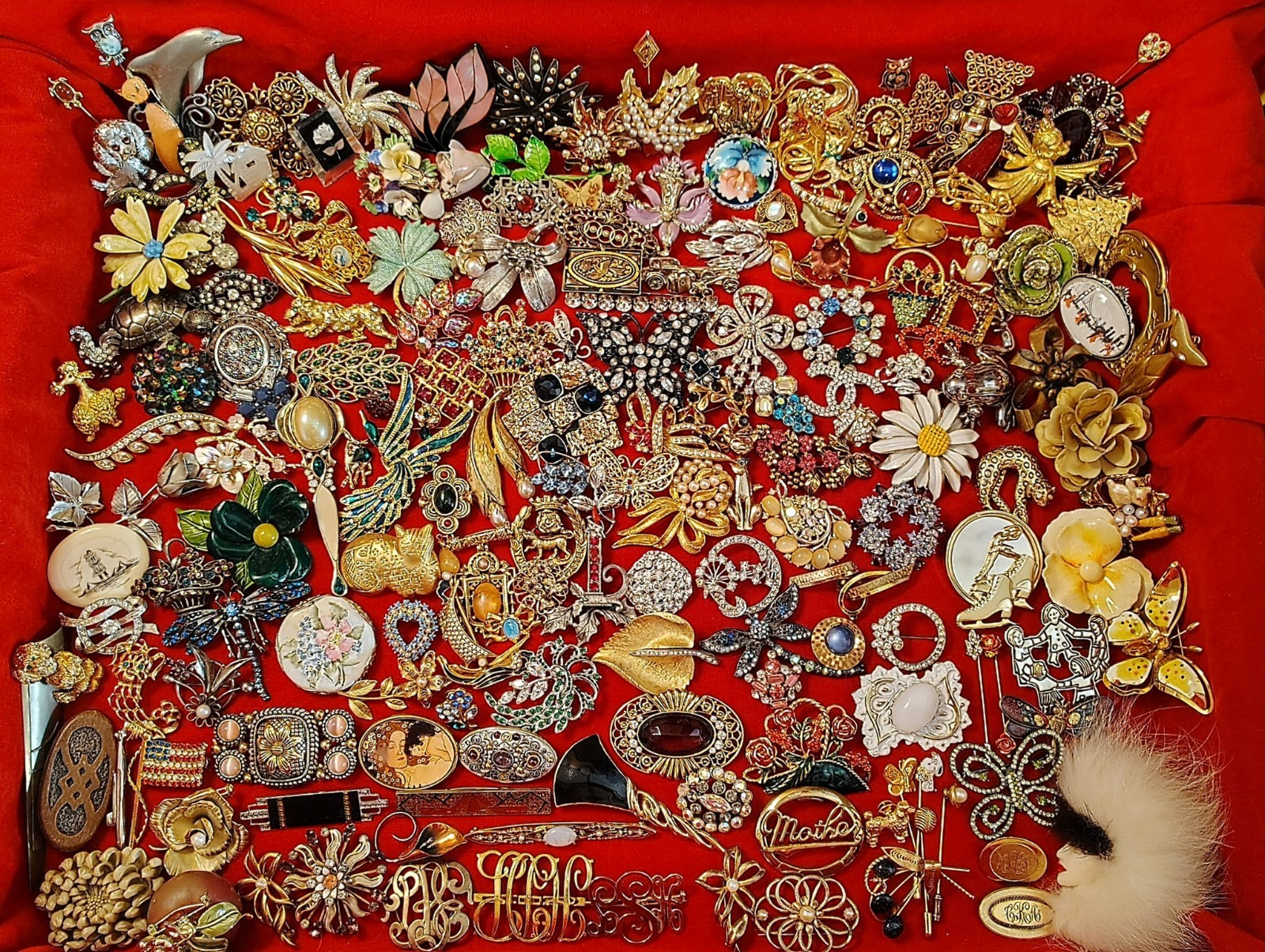
1940s jewelry is gold, often rose or green gold, with bold scrollwork and patriotic motifs. Retro pieces from this period use large volumes of metal because platinum was restricted during the war. That is why a 1943 brooch can weigh more than a 1965 one and cost less.
1950s costume is where the fun is. Eisenberg Ice, Coro, Trifari, and Miriam Haskell made costume pieces with real design ambition. Trifari's 1950s fruit and flower pins, designed under Alfred Philippe, are still collected because the enamel is thick and the stones are set by hand. Look for a smooth, even enamel surface with no chips at the edges.
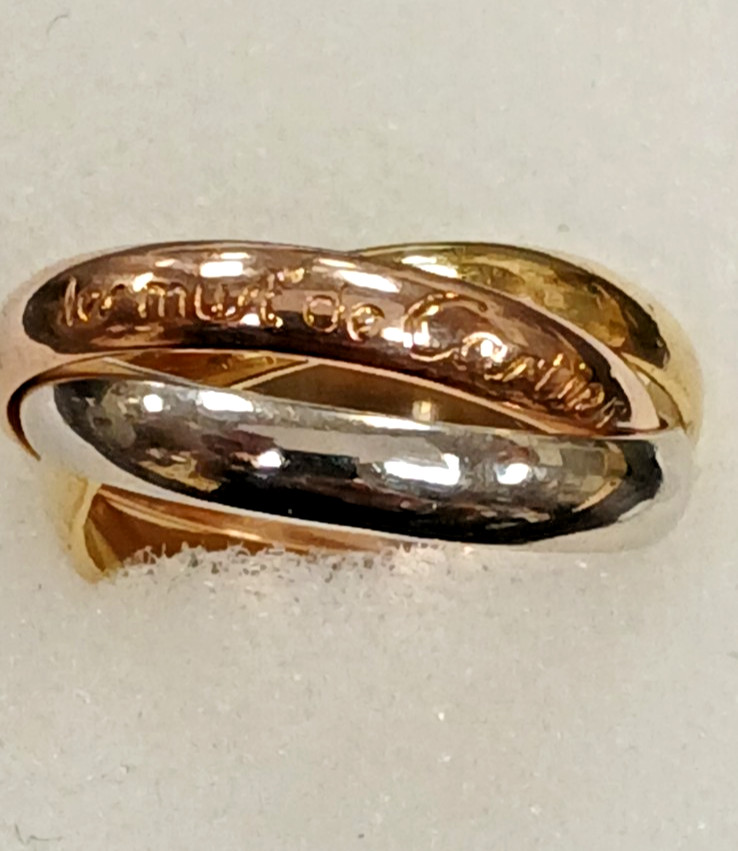
The 1970s brought yellow gold back in force, along with the long chain, the initial pendant, and the chunky hoop. Cartier's Trinity ring, designed in 1924, became a 1970s staple again. The three-band gold version is the one to know. If you find one with the correct proportions and no resizing marks, it holds its shape on the hand.
How to Wear It With Modern Clothes
A 1940s gold brooch on the strap of a plain leather shoulder bag. A 1950s rhinestone earring with a white T-shirt and tailored trousers. The tension between old and new is the point.
For daytime, keep the metal tone consistent. If your buttons are gold, wear gold. Mixing silver and gold is fine in a single modern piece, but across an outfit it can look accidental. A silver 1970s chain with gold buttons reads as a mistake, not a choice.
For evening, go bigger. A 1960s rhinestone necklace over a plain black silk dress needs no other jewelry. Remove the earrings. Let the neckline do the work.
Sizing matters more than people admit. Vintage bracelets are often 6.5 inches, which will not fit every wrist. Measure before you commit. Rings can be resized, but a heavy 1940s cocktail ring with a carved shank may not survive the torch, so buy the size you need.
What to Check Before You Pay
Open and close every clasp. A worn box clasp on a 1950s bracelet will fail within a month. Test the safety chain. Look at the pin stem on a brooch. If it is bent or the hinge is loose, the piece has been dropped.
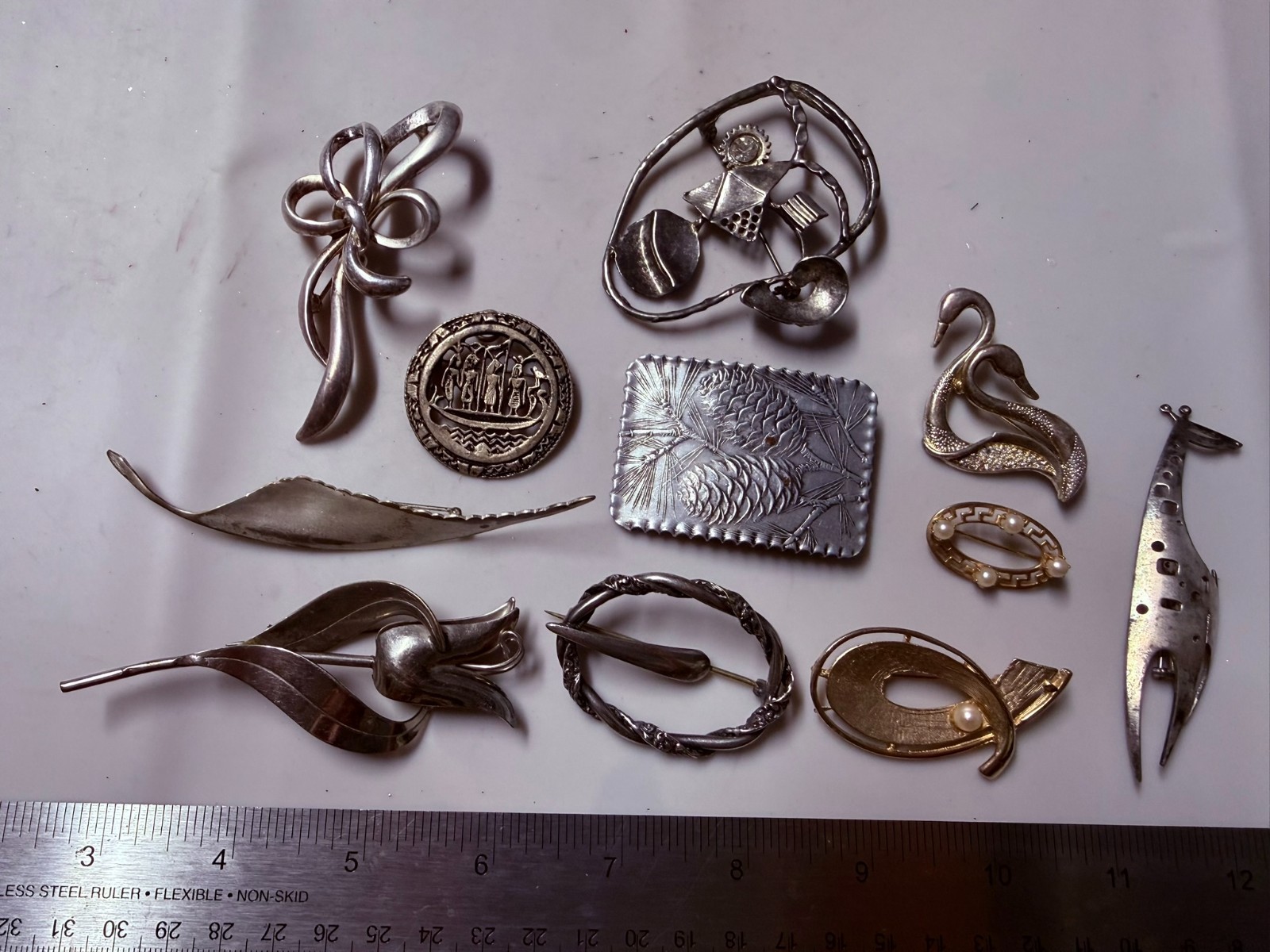
Check the stones under a lamp, not daylight. Turn the piece and look for a stone that is darker or flatter than its neighbours. That is a replacement.
Ask about repairs. A soldered joint on the back of a brooch is not automatically bad, but it tells you the piece has been mended. Price accordingly.
At around $102, you are in the range of a good gold-filled 1940s brooch, a signed 1950s Trifari pin, or a simple sterling chain from Mexico. That is enough to buy one piece you will actually wear, not a drawer of maybes.
Wear It Like You Mean It
A vintage brooch on a plain coat is not a costume. It is a decision. The women who wore these pieces in 1948 did not think of them as old. They wore them because they were the best thing they owned. Do the same. Pick one, wear it often, and let it get a little scratched. The wear is the proof it was loved, and it will look better on you than it ever did in a case.
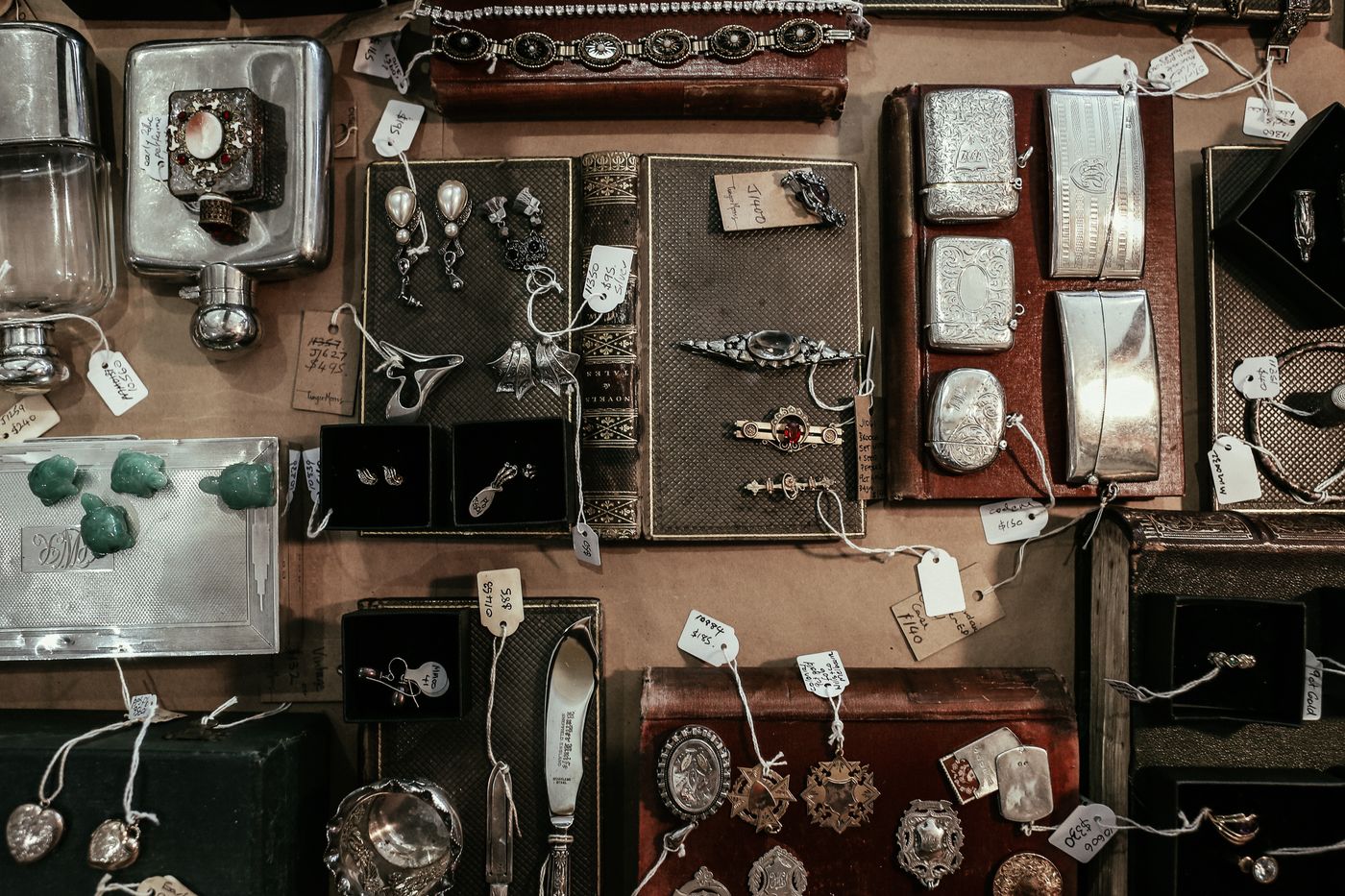
Foto: Rachel Claire · Pexels
City
London
Category
vintage jewelry
Published
26 October 2026
Where to find it
Shop the signals
What the market is offering right now on this exact subject.
sieraden
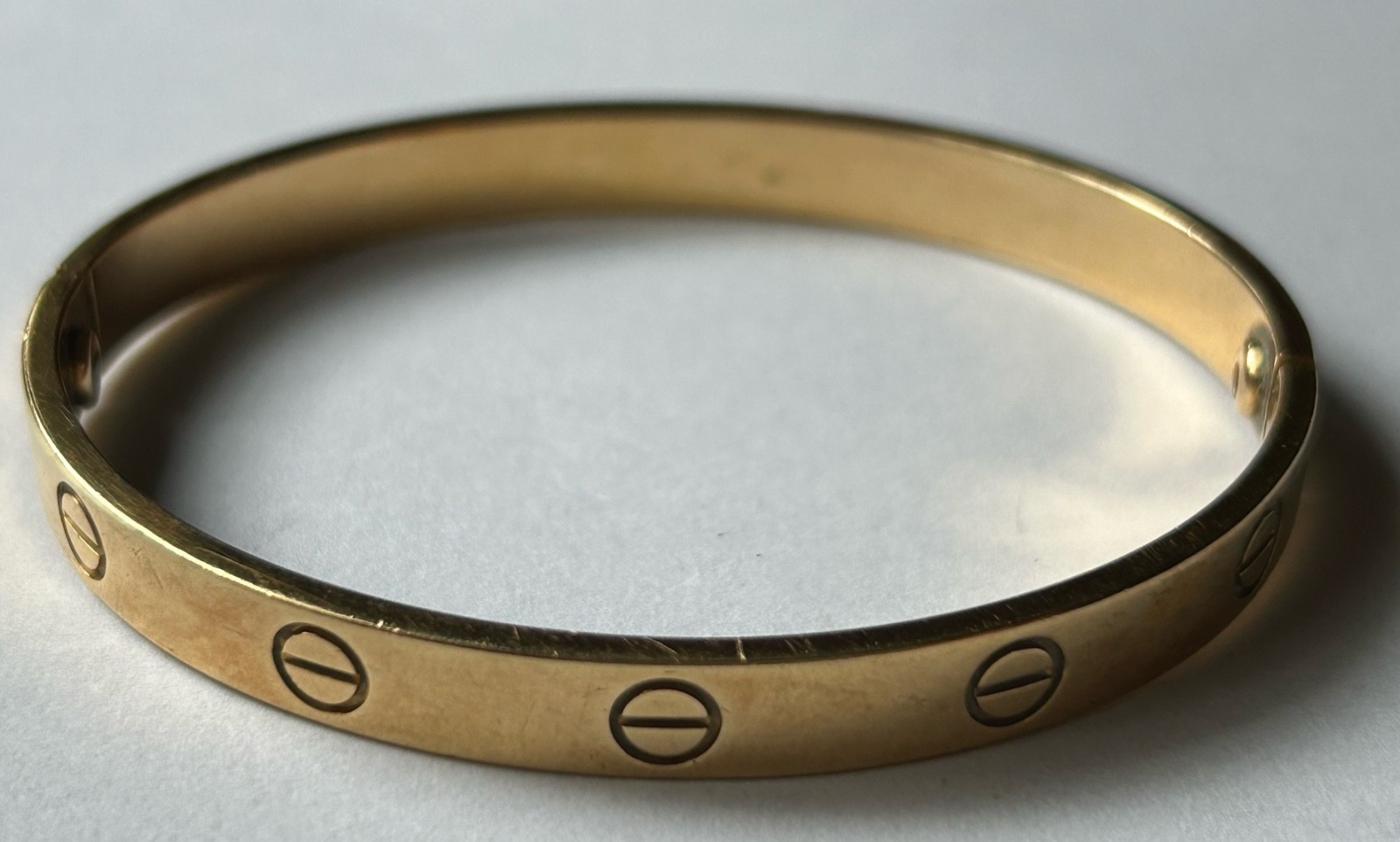
Cartier Love Bracelet 18K Yellow Gold Vintage Old Screw System Size 17 Box Paper
sieraden
Vintage Cartier Trinity Ring 18K Tri-Color Gold 3.4mm MM Classic Size 54 8.5g
sieraden
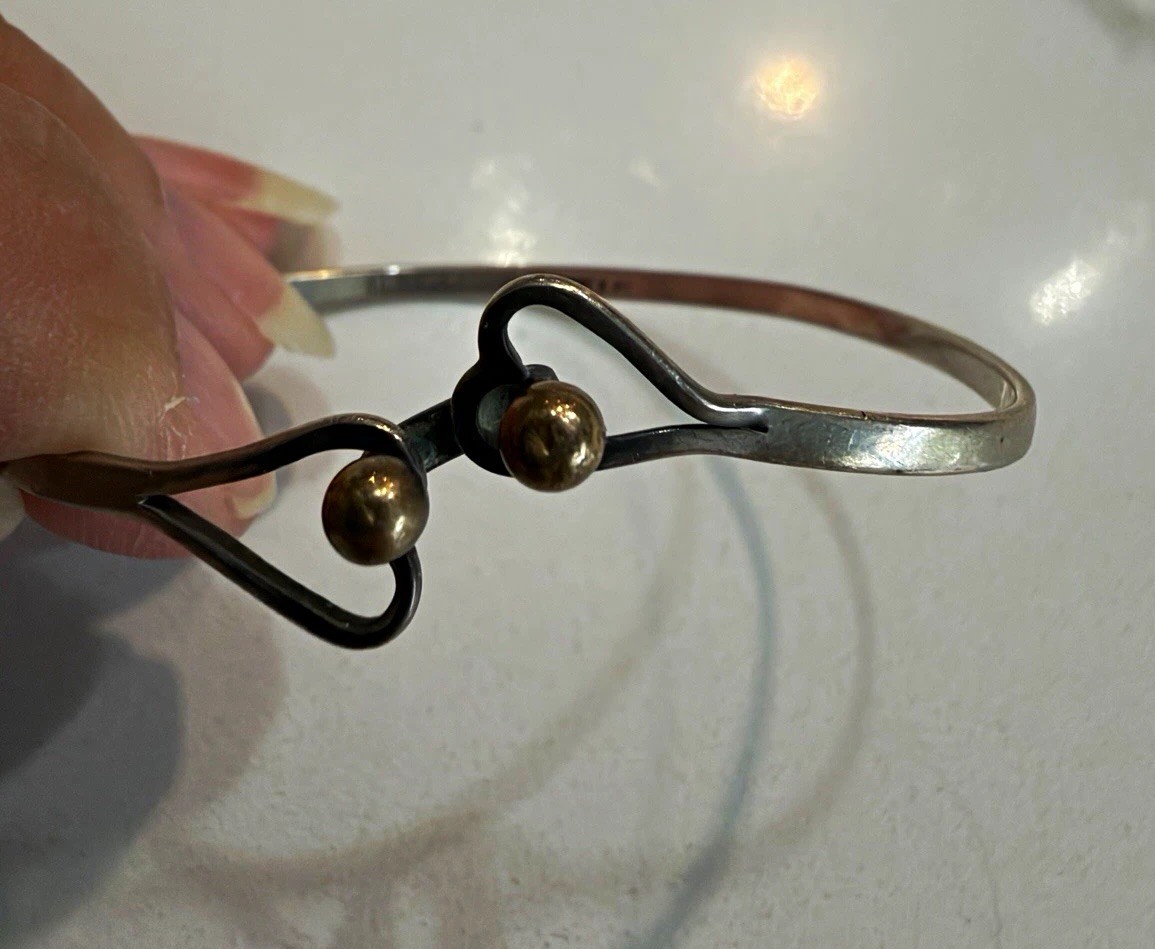
Vintage Tiffany & Co Sterling Silver 14K Gold Hook Eye Bracelet 6.5”
sieraden
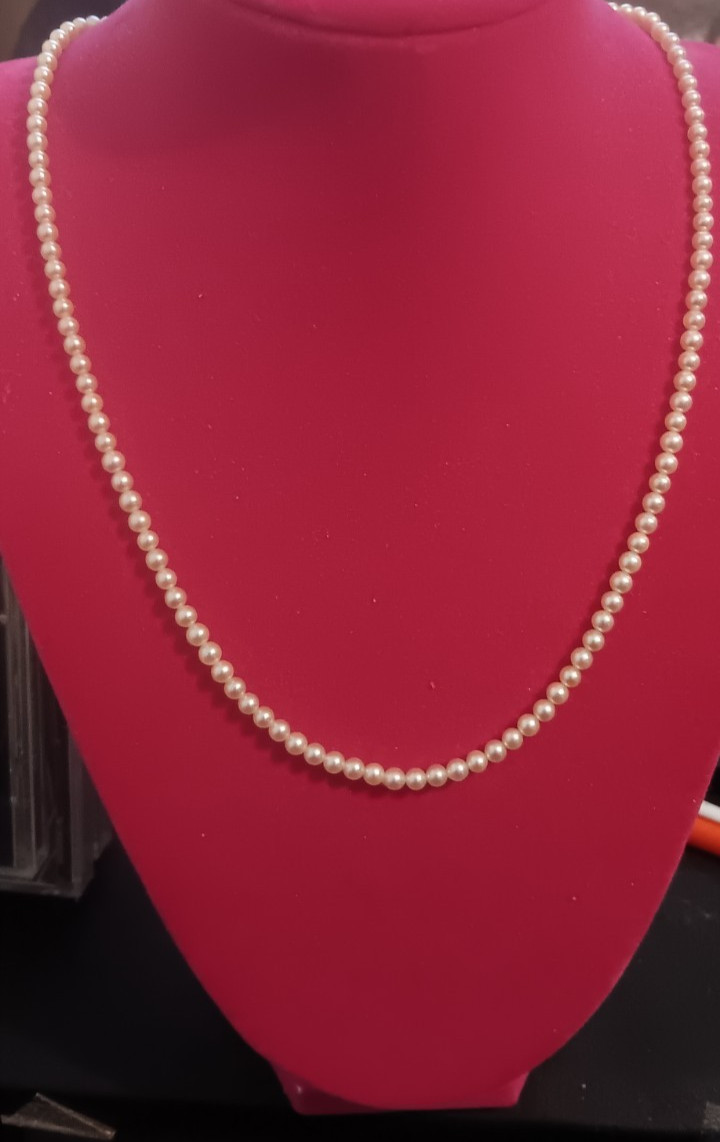
Vintage 14 k Gold Clasp Cultured Pearl Strand Necklace 18 inch Small Hand Knott
sieraden
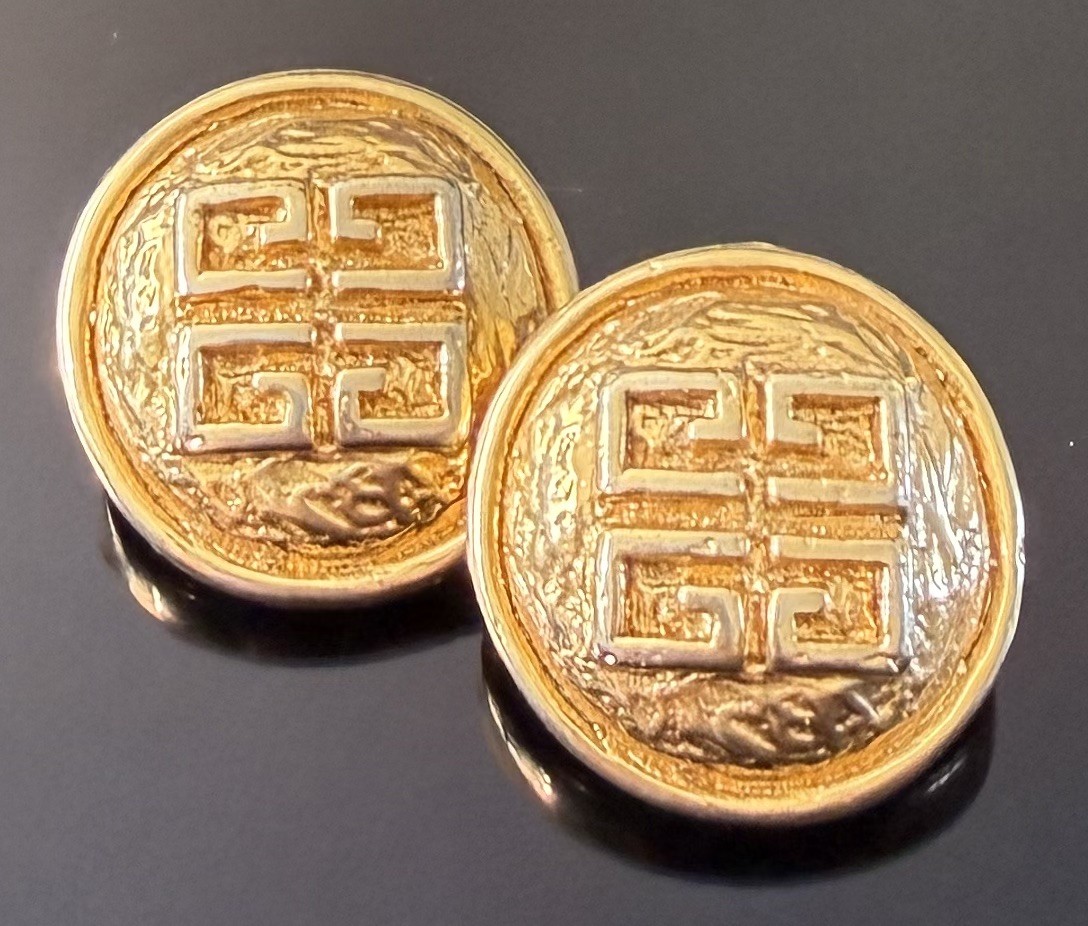
Vintage Signed Givenchy Logo Clip On Earrings Gold 4G Rare Runway Parfums
sieraden
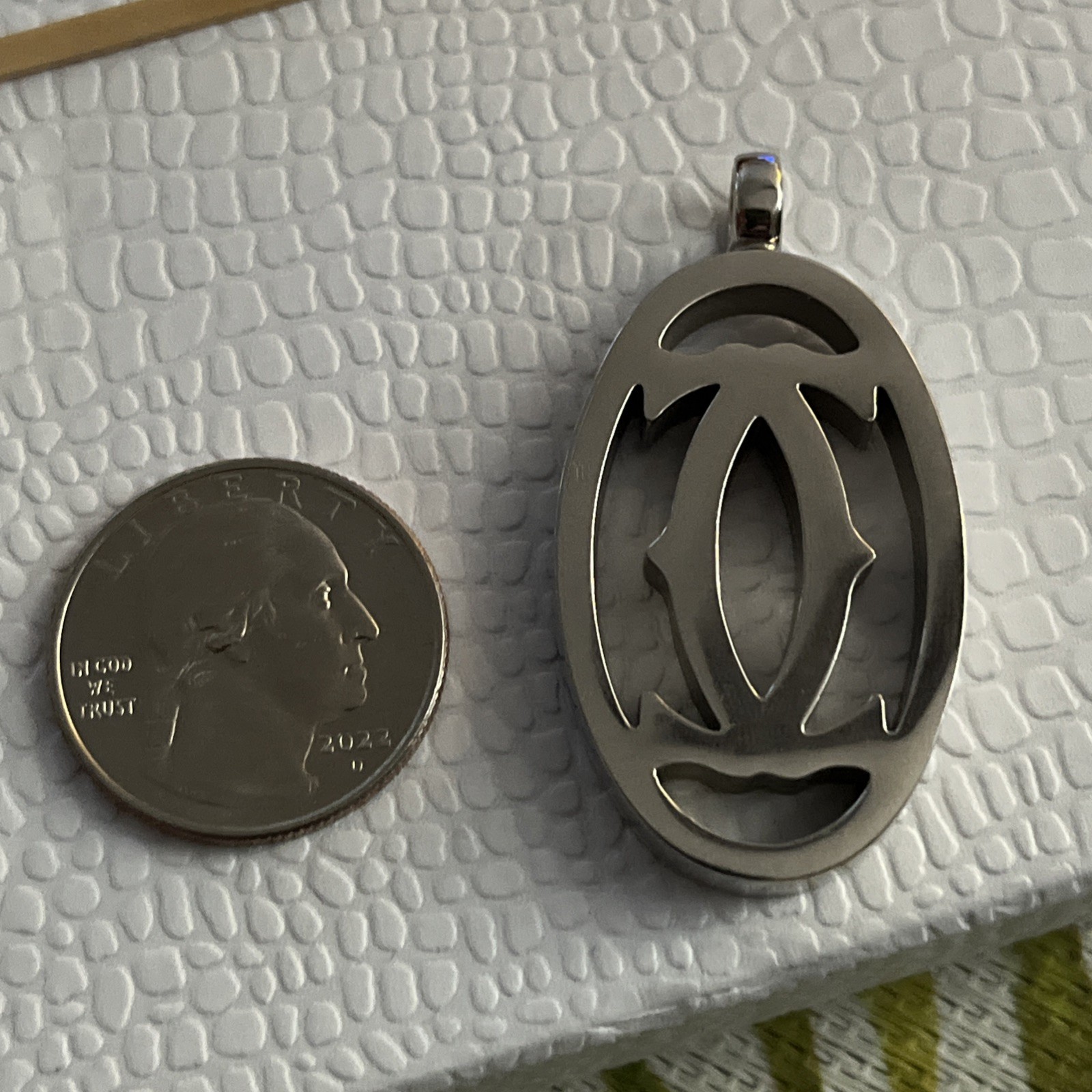
Cartier Vintage Rhodium-Plated Pendant Necklace Charm Oval 100% Authentic +chain
sieraden
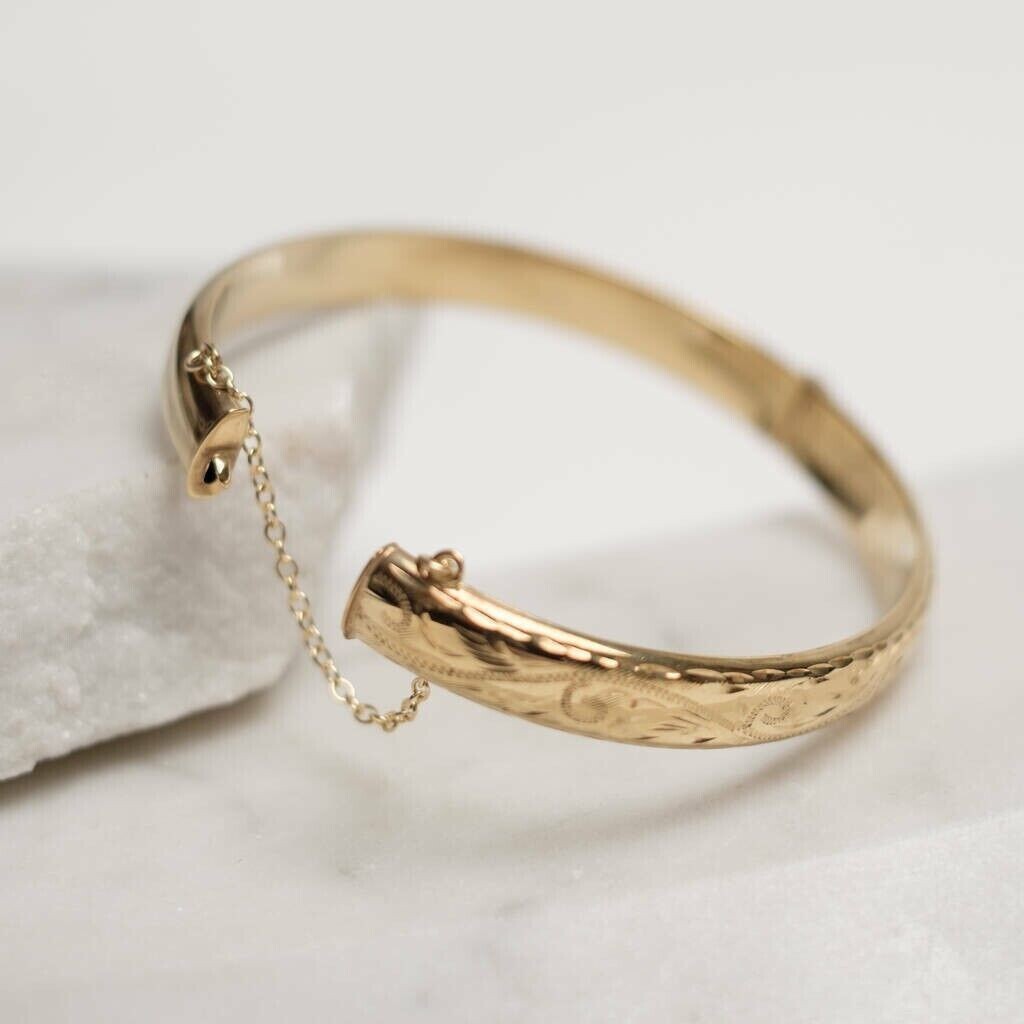
Valentine's Gif Vintage Estate New Style 14k Yellow Gold FN 7.5" Bangle Bracelet
sieraden
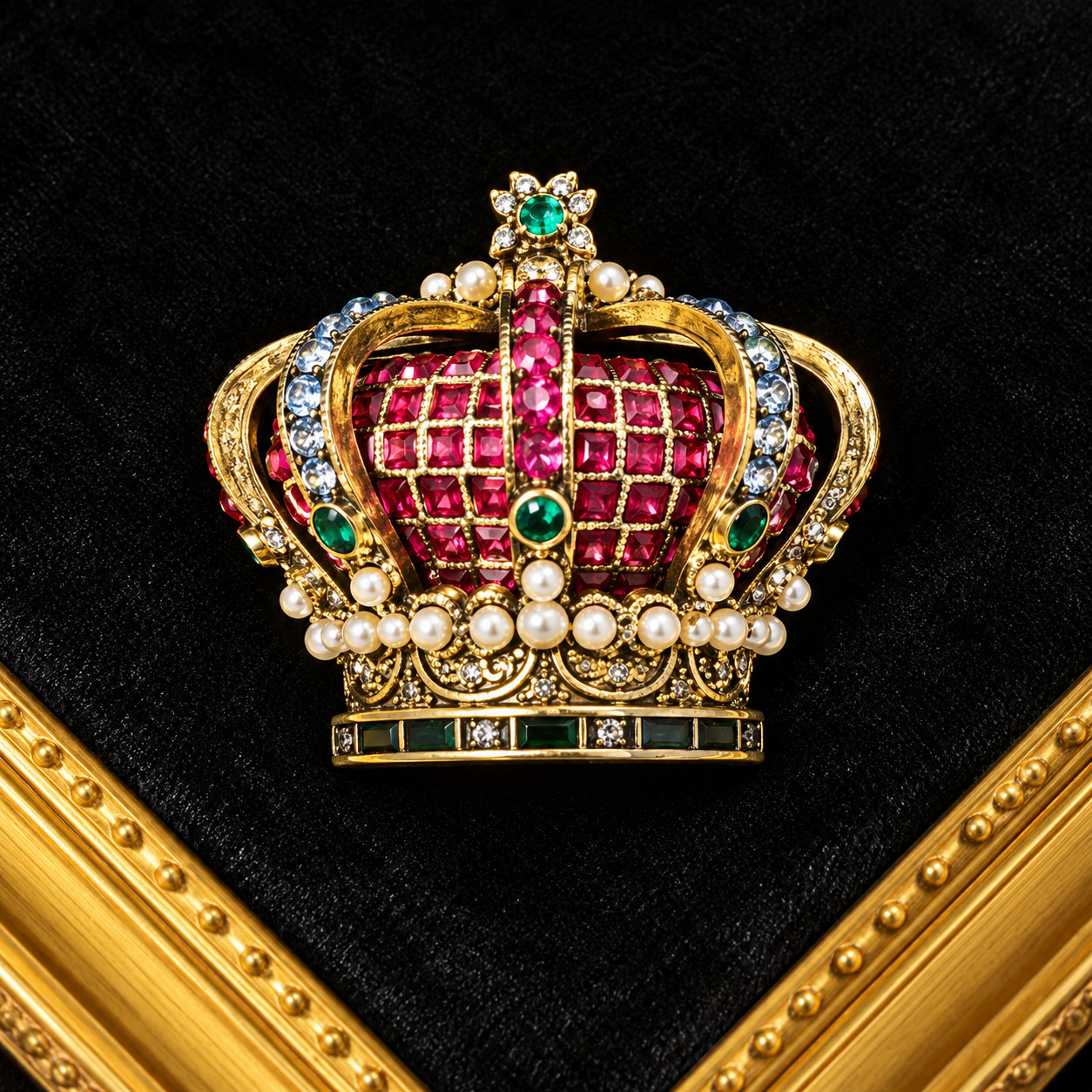
Vintage Crystal Crown Brooch Pin Colorful Rhinestone Royal Jewelry Elegant Gift
The names
Meet the designers
The minds behind this story — each with a piece currently on the market.
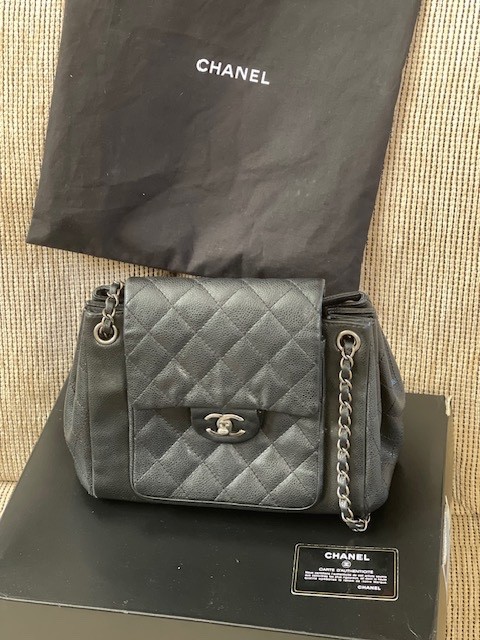
Chanel
France · 1910s
The little black dress & the 2.55
The little black dress & the 2.55
Top piece
View →
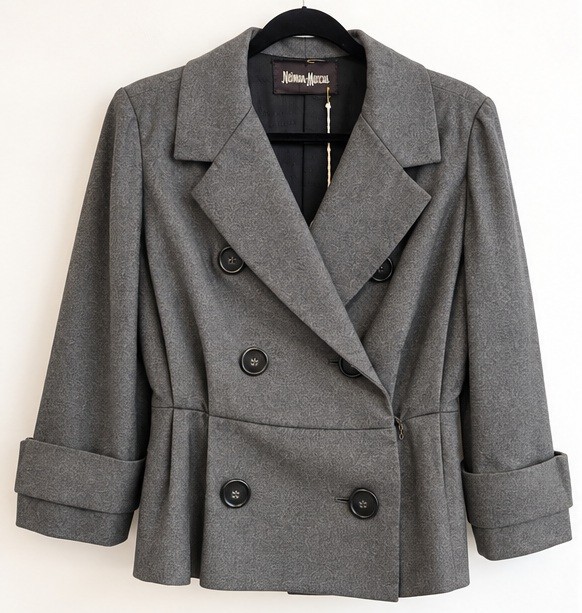
Dior
France · 1940s
The New Look & the Lady Dior
The New Look & the Lady Dior
Top piece
View →
Adidas
Germany · 1940s
The three stripes & the Samba
The three stripes & the Samba
Top piece
View →
Ann Demeulemeester
Belgium · 1980s
Romantic goth, asymmetric leather
Romantic goth, asymmetric leather
Top piece
View →
Continue the edit
Further stories from the same world
Three more walks through the same vintage universe.
Vintage Jewelry: The Art of Wearing History
Forget the glass case. The best vintage jewelry is meant to be worn, not admired from afar. Here's how to style it, spot a gem, and know its stories.
Read the story →Why Vintage Jewelry Matters Now: A Wearer's Guide
Forget the market. This is about finding a piece with a past and making it yours, from the right era to the perfect clasp.
Read the story →Why Vintage Jewelry Matters Now
Forget the vault. Vintage jewelry belongs on your body, mixed with denim and tailored wool, where its scratches and history can catch the light. Here is how to wear it well, what to look for, and why a $111.27 brooch can outshine anything new.
Read the story →