
 Sign in
◫ Home & Objects · New York
The Long Middle: Living Well With Mid-Century Furniture
A walnut sideboard is not a trophy. It holds your plates, takes a scratch from a child's toy car, and looks better in ten years than it does today. Here is how to find one worth keeping and where to put it once you get it home.
 By Louis Trash·

Start With the Room, Not the Piece
A low walnut sideboard, 72 inches wide, 30 inches tall, placed against a long wall in a dining room. That is the whole idea. Mid-century furniture works best when it sits low and lets the wall above it breathe. Hang one large print or nothing at all. The piece will hold the room.

Proportion is the thing people get wrong. A credenza from 1958 was designed for a house with eight-foot ceilings and a picture window. Put it in a room with a low ceiling and heavy crown molding and it will look like a boat in a bathtub. Measure your wall. A sideboard should take up about two-thirds of the wall it sits against, no more. Leave the rest empty.
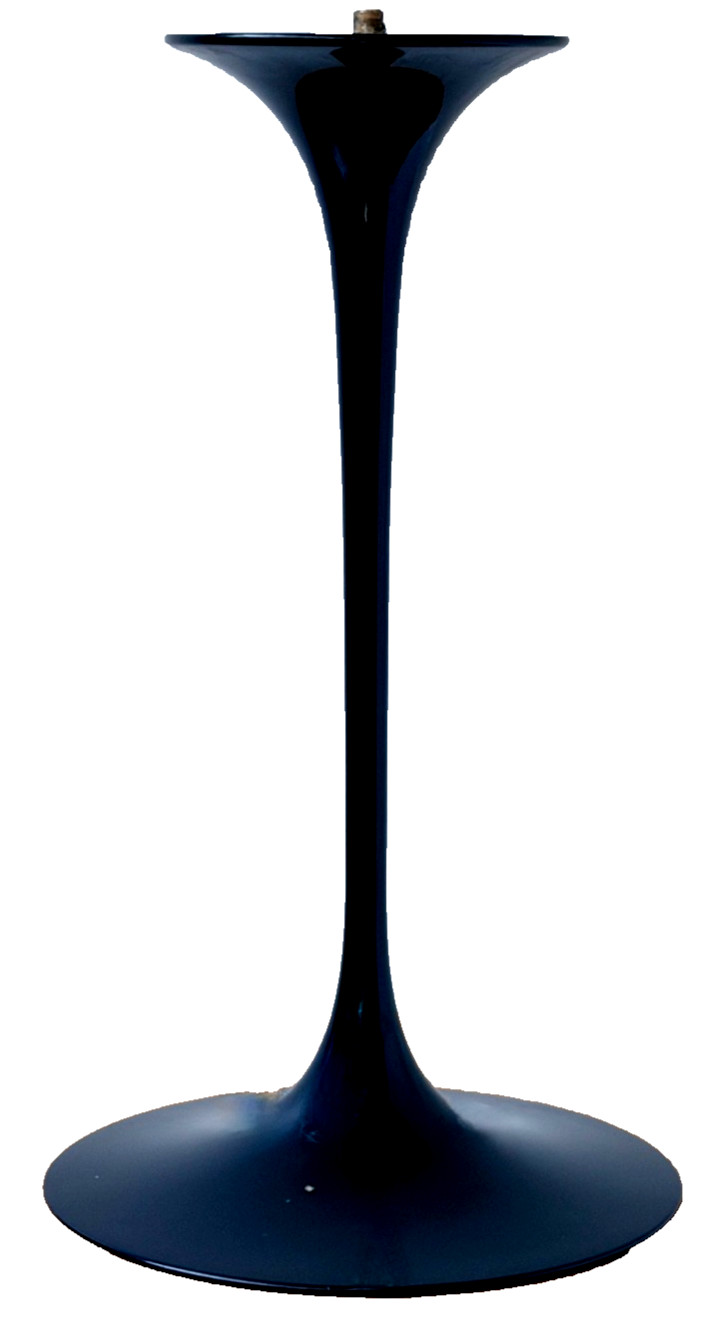
What pairs well: a plain wool rug, one lamp with a wide shade, a single ceramic bowl. The furniture is doing enough. A Florence Knoll sofa from 1954, low and squared off, will sit beside a George Nelson bench without argument. Add a Saarinen Tulip table and you have a room that reads as one gesture. Add a glass coffee table and a chrome floor lamp and you have a showroom. There is a difference.
The Atmosphere It Makes
Mid-century furniture creates a particular kind of quiet. Not minimal. Not cold. It is the quiet of a room where everything has been thought about once and then left alone. The wood is warm. The lines are straight. The hardware is small and deliberate.
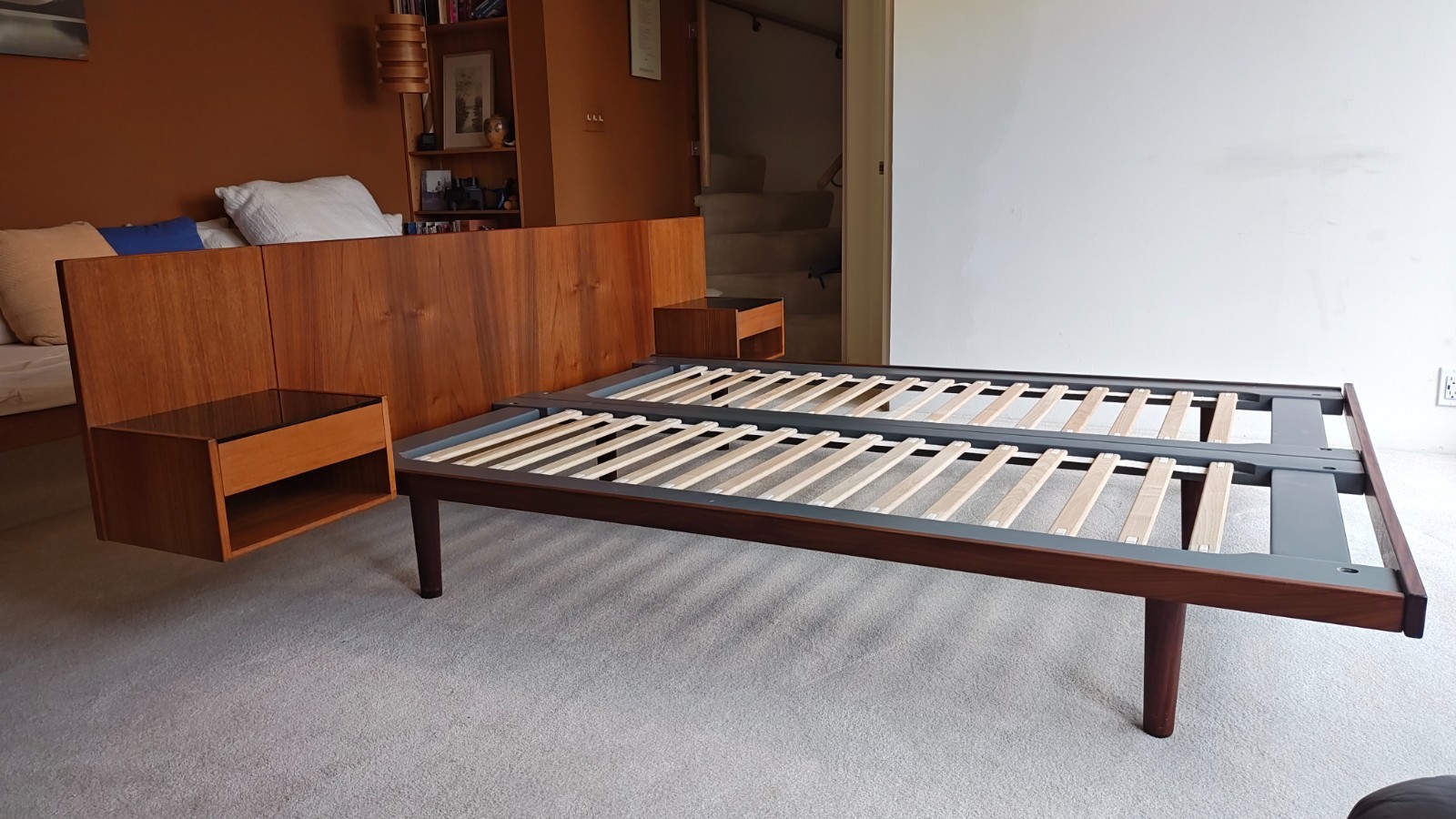
This is furniture that was built for a new kind of house. After 1945, the American ranch house and the Scandinavian folkhem both asked for pieces that could float in an open plan. A wall unit by Poul Cadovius, the Danish system from 1948, was designed to hang on a rail so the floor stayed clear. That is not decoration. That is a response to how people were actually living.
Place a piece like that and the room becomes calmer. A teak dining table with tapered legs and a single drop leaf will make a small apartment feel larger because the eye travels under it. A heavy oak table from 1890 will make the same room feel crowded. The difference is the gap between the floor and the apron. Mid-century designers understood that gap.
What to Look For When You Buy
The era tells are in the joinery. Look at the back of a drawer. A well-made piece from 1955 will have dovetails cut by machine but finished by hand, tight and even. A later piece from 1975 will have stapled joints and a particle board core. Run your finger along the inside of a drawer side. If it is smooth and solid, keep looking.
Materials: walnut, teak, rosewood, and oak. Teak was the standard for Danish exports from the early 1950s because it resisted humidity on the boat. Walnut was the American choice, warmer and darker. Rosewood, mostly Brazilian, was used by makers like Jorge Zalszupin in São Paulo in the 1960s, and it is heavier and more figured. If you see a piece labeled rosewood and it is light, it is not rosewood.
Finishes: an oil finish will feel dry and open. A lacquer finish will feel slick and slightly plastic. Both are correct for their period. A refinished piece is not a problem if the work is good. A piece with a thick polyurethane coat is a problem. It will look like a piano.
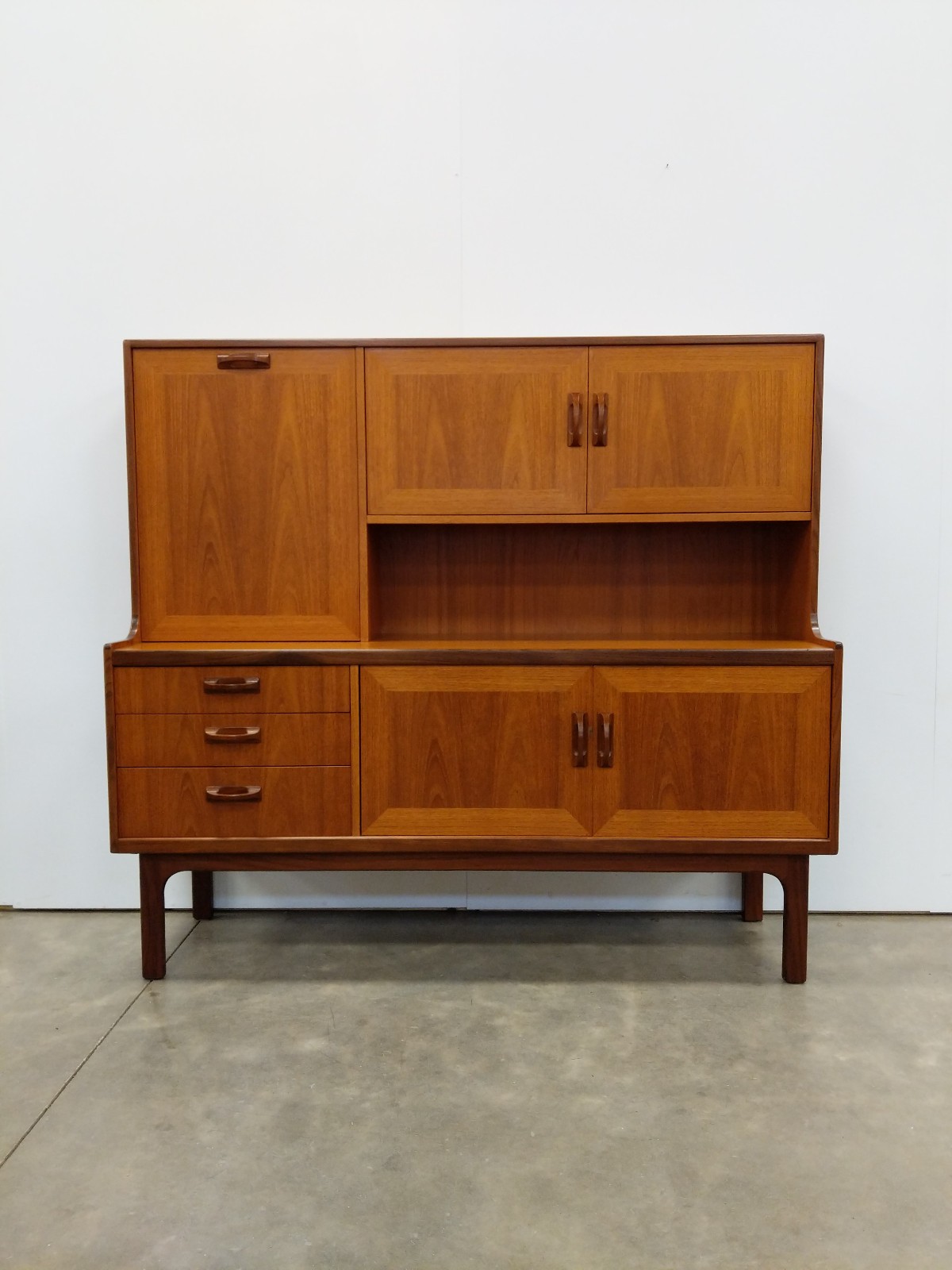
Makers worth knowing: Herman Miller, Knoll, Dux, Fritz Hansen, G Plan, Arne Vodder, Børge Mogensen, Jens Risom. A Jens Risom side table from 1949 will have a solid maple top and a webbed frame. A G Plan sideboard from 1962 will have a teak veneer over a solid frame and a small brass handle. Check the label. If there is no label, check the joinery.
One price note: a good walnut credenza from a reputable dealer will run you around $542.89. That is not a bargain. That is the cost of a piece that will outlast you.
The History That Made It
The story starts in 1933, when a Danish cabinetmaker named Kaare Klint taught his students at the Royal Danish Academy to measure the human body before drawing a chair. That is not a metaphor. He had them measure the length of a forearm and the height of a seated knee. His students, including Børge Mogensen and Hans Wegner, took those numbers and made furniture that fit.
In 1949, Wegner designed the Round Chair, the one with the curved back and the woven seat. It was used in the first televised American presidential debate in 1960, when Kennedy and Nixon sat in it. That chair is still made. The joinery is still the same.
In America, Charles and Ray Eames were doing something different. They were not measuring the body. They were molding plywood around it. Their LCW chair from 1946 was the result of years of trial and error with a bicycle pump and a homemade mold. The first versions failed. The glue did not hold. They kept going. By 1950, they had a chair that could be made in a factory and still feel like it was shaped for one person.
By the late 1950s, the style had spread to Britain. G Plan, a subsidiary of E. Gomme, started making teak sideboards and dining sets for the new towns and the new estates. They were not expensive. They were well made. A G Plan sideboard from 1962 is still a good piece of furniture. It does not need to be rare to be worth owning.
The Closing Thought
A mid-century piece is not a collectible. It is a tool. It will hold your plates and your books and your grandmother's silver. It will take a scratch. It will show the ring from a wet glass. That is not damage. That is the record of a life lived in a room. Buy the piece that fits your wall and your height and your hand. Then use it. The value is in the use.
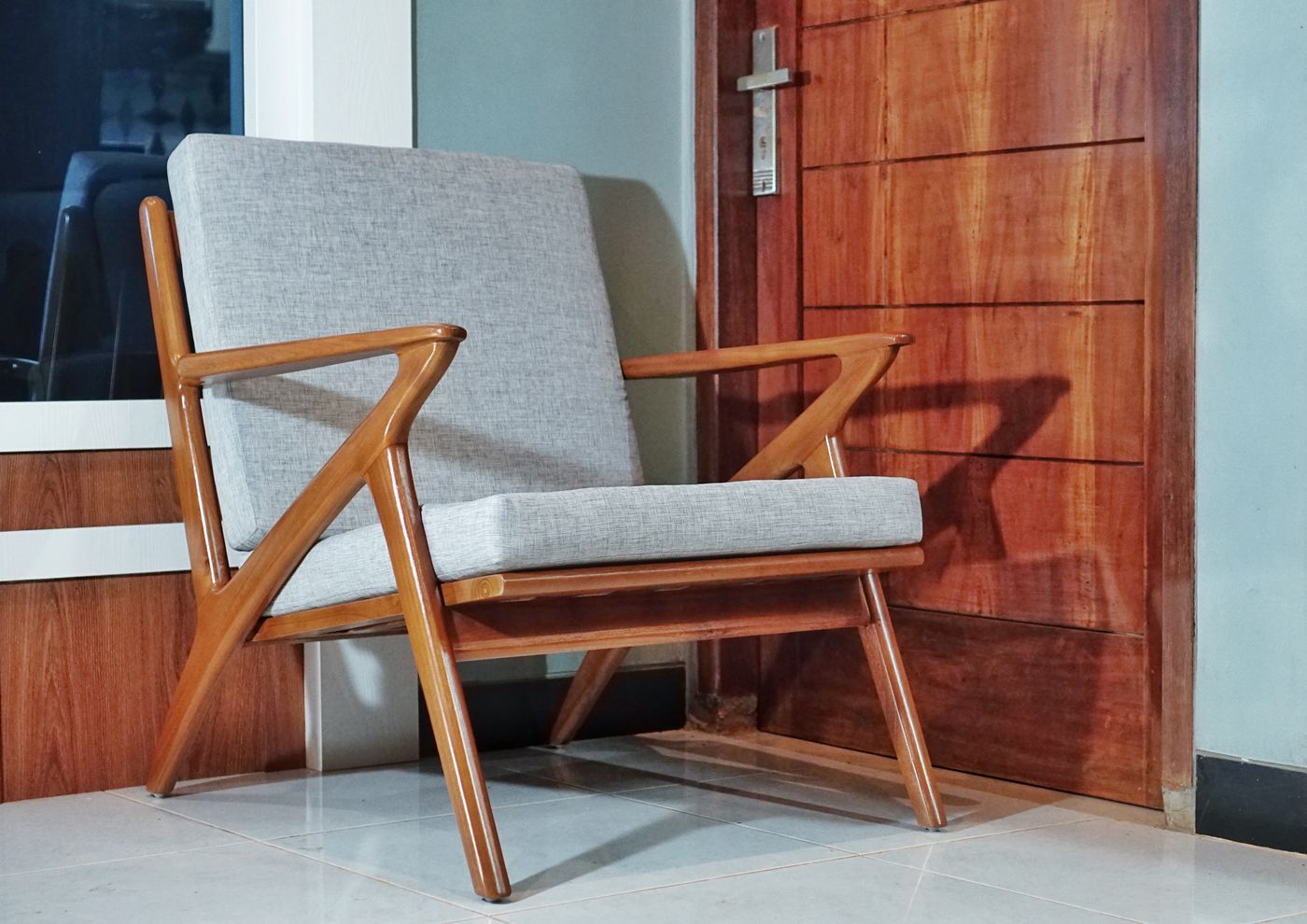
Foto: More Amore · Pexels
 ◫ The Edit
One to watch
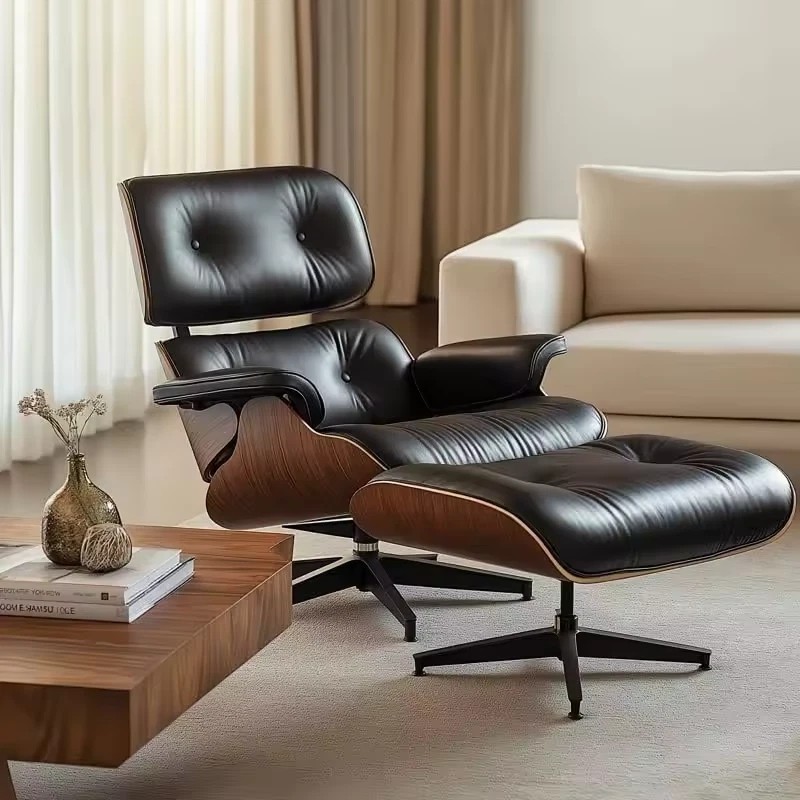
Vintage Pro Tall Eames Lounge Chair With Ottoman Cowhide Leather Armchair Swivel
Design for everyone, made like it was for one. This honestly worn chair in leather carries exactly the quality that made Eames worth collecting in the first place. Some things you wear until they wear you out; this one wears you in.
On the market now
The names
Meet the designers
The minds behind this story — each with a piece currently on the market.
Børge Mogensen
Denmark · 1940s
The Spanish chair — honest, functional furniture for everyday life.
The Spanish chair — honest, functional furniture for everyday life.
Top piece
View →
Charles & Ray Eames
USA · 1940s
Moulded plywood & the Lounge Chair — the couple who made modern furniture feel human.
Moulded plywood & the Lounge Chair — the couple who made modern furniture feel human.
Top piece
View →
George Nelson
USA · 1940s
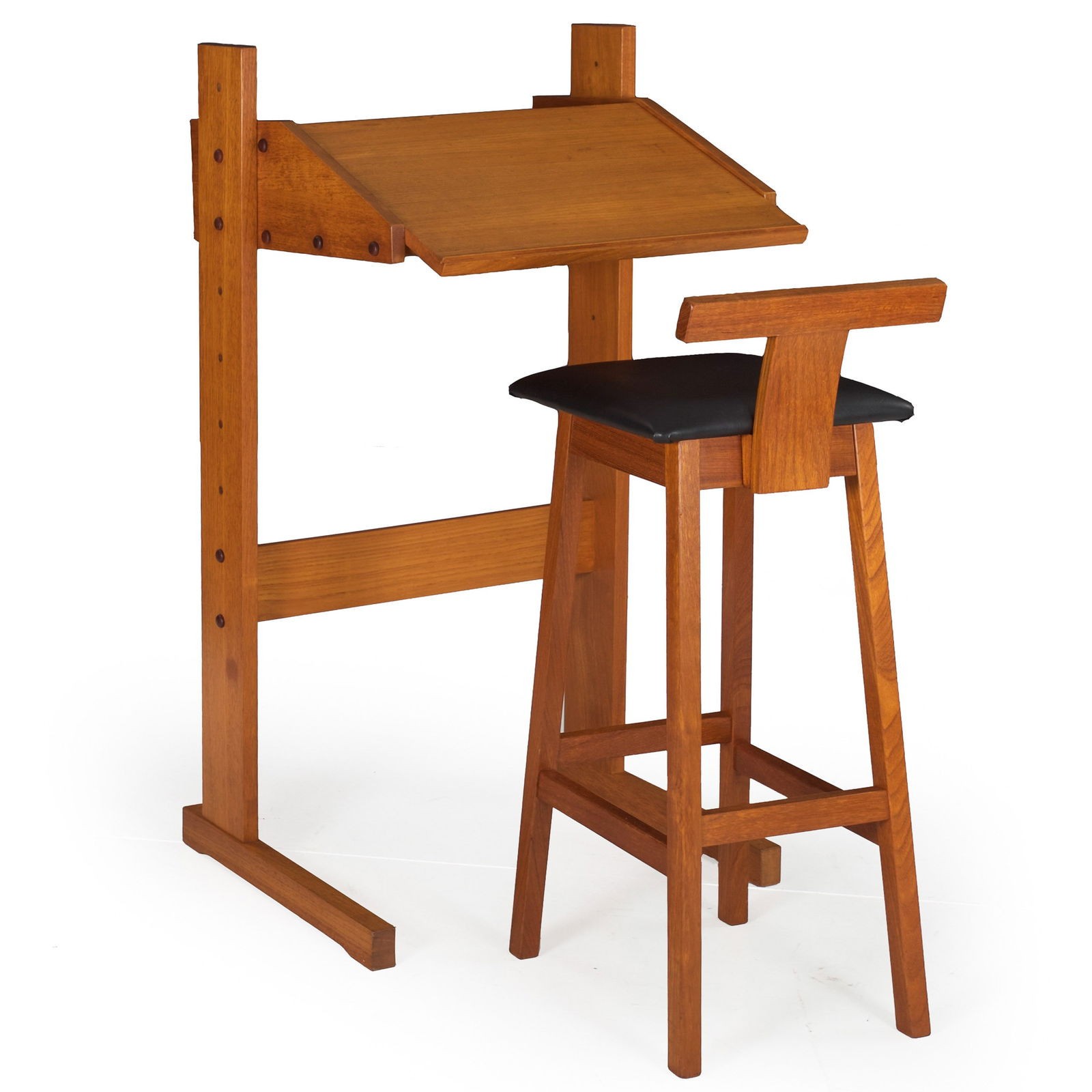
The Marshmallow sofa & platform bench — Herman Miller's design director.
The Marshmallow sofa & platform bench — Herman Miller's design director.
Top piece
View →
Hans J. Wegner
Denmark · 1940s
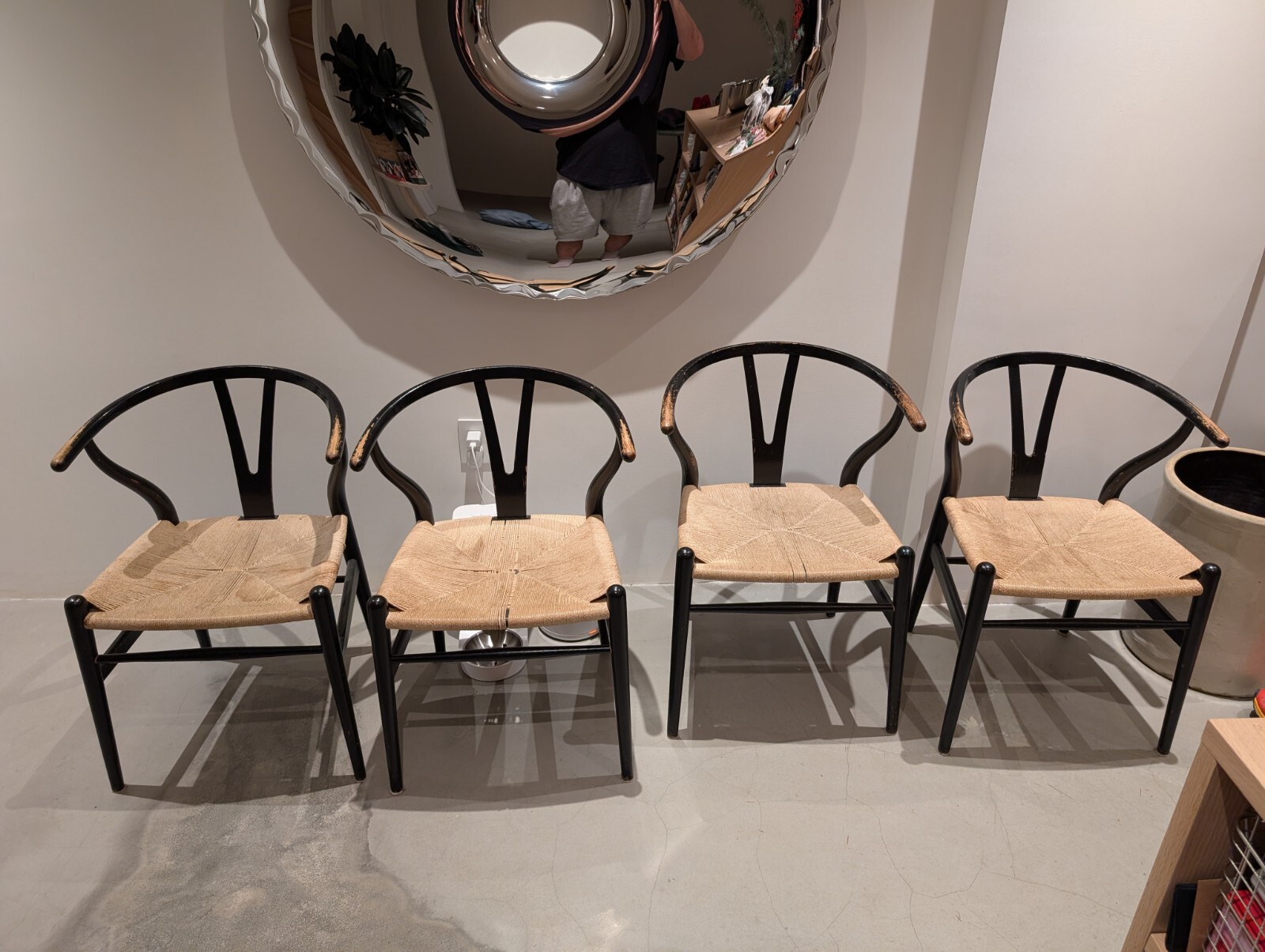
The Wishbone & 500 chairs — joinery so pure it needs no ornament.
The Wishbone & 500 chairs — joinery so pure it needs no ornament.
Top piece
View →
Continue the edit
Further stories from the same world
Three more walks through the same vintage universe.
The Weight of a Good Chair: Living With Mid-Century Modern Furniture
How to read a piece of mid-century furniture before you buy it, where to put it once you own it, and why the joinery tells you more than the label ever will.
Read the story →Why Mid-Century Modern Furniture Matters Now
The pieces that defined the postwar American home are finding new life in apartments and houses where good design is lived with daily. Here is how to spot a well-made example, where to put it, and why it still works.
Read the story →Why Mid-Century Modern Furniture Matters Now: A Collector's Guide to Living With It Well
A practical, opinionated guide to buying and placing mid-century furniture: what the joinery tells you, which woods age honestly, and how to make a 1956 sideboard feel at home in a modern room without turning your living room into a showroom.
Read the story →