
 Sign in
✦ Culture · New York
Vintage Jewelry: The Art of Wearing History
Forget the glass case. The best vintage jewelry is meant to be worn, not admired from afar. Here's how to style it, spot a gem, and know its stories.
 By Louis Trash·
The Earring That Started It All
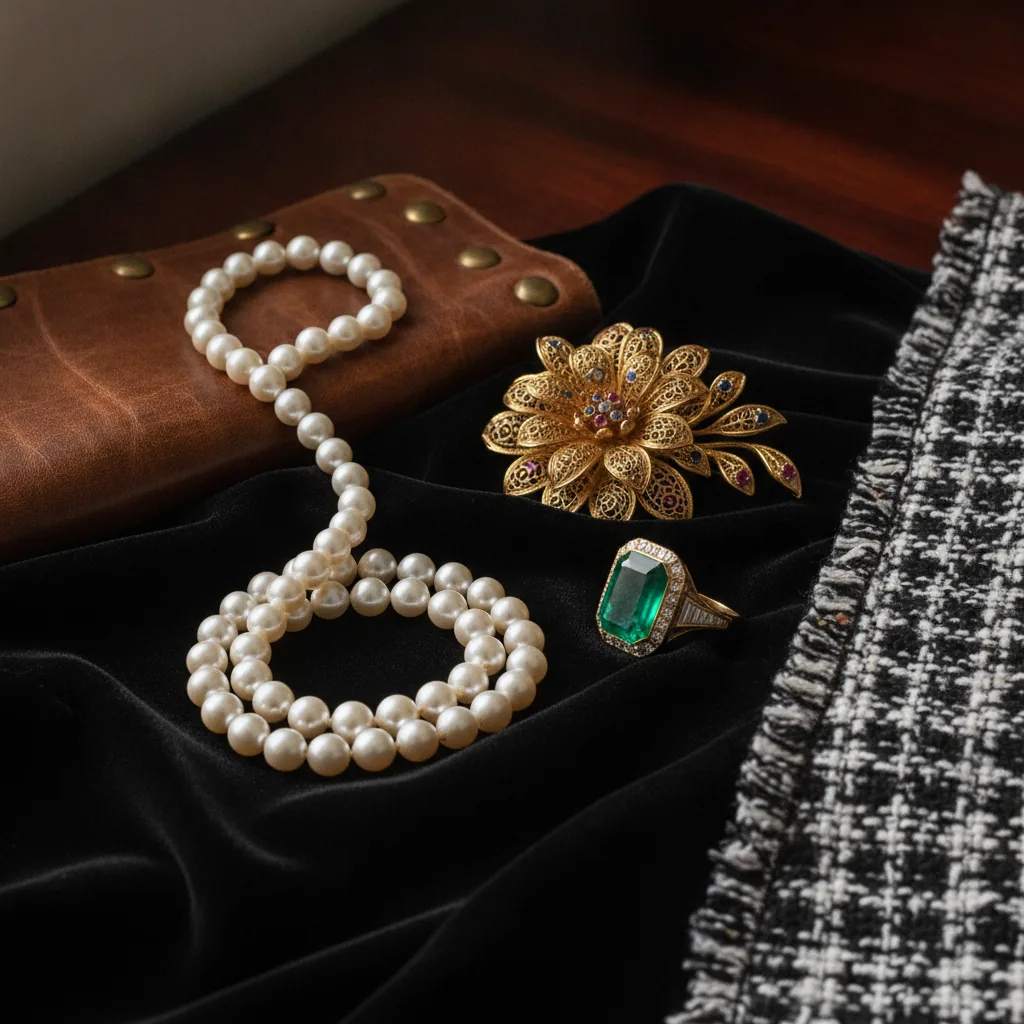
I bought my first piece of vintage jewelry at a flea market in Paris in 1998. It was a pair of 1960s clip-on earrings, gold-tone metal with faux pearls, and they cost me 50 francs. I wore them that night to a dinner party and a woman asked if they were Chanel. They weren't. That moment taught me something: vintage jewelry has a presence that modern pieces rarely match. It has nothing to do with the price tag. It has to do with the story, the craft, and the way a piece from another era can make a plain white shirt feel like a statement.
Right now, vintage jewelry is having a moment. Not because it's trendy. Because it's personal. In a world of mass-produced accessories, wearing a 1940s brooch or a 1970s cuff feels like a quiet rebellion. And with pieces circulating around $114, it's an accessible way to add character to your wardrobe. But how do you wear it without looking like you're in costume? How do you spot a good piece? And what are the stories behind the styles we love? Let's dig in.
Styling: The Modern Mix
The key to wearing vintage jewelry well is to treat it as you would any other accessory: with intention. Don't save it for special occasions. Wear a rhinestone brooch on a denim jacket. Pair a chunky 1980s chain necklace with a silk slip dress. The contrast between old and new is what makes it feel fresh.
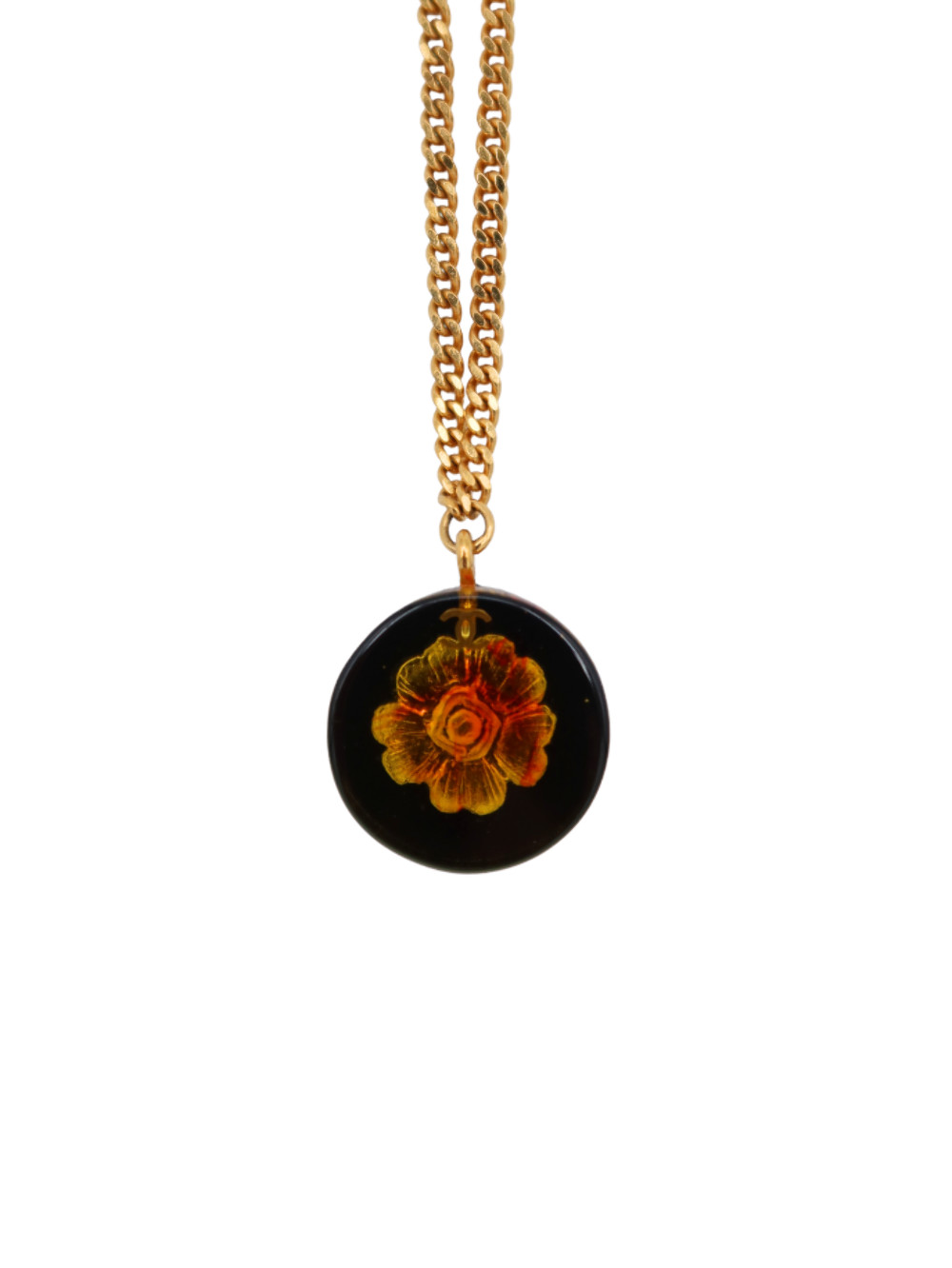
Proportion matters. A large statement piece works best with a simple outfit. Think of a 1960s enamel flower brooch pinned to the lapel of a tailored blazer. Or a pair of oversized 1980s earrings with a plain turtleneck. If you're wearing multiple pieces, keep them in the same metal tone to avoid visual clutter. Mixing gold and silver can work, but it's tricky. For beginners, stick to one.
Consider the neckline. A choker looks best with a scoop or V-neck. A long pendant necklace elongates a round neck. A brooch can be placed at the center of a collar, on a pocket, or even on a hat. Don't be afraid to experiment. The beauty of vintage is that it's already been worn and loved. You can't ruin it.
What to Look For: Era Tells and Quality Clues
When you're buying vintage jewelry, the first thing to check is the clasp and the back. A well-made piece will have a solid clasp that snaps securely. Look for signs of repair or glue, which can indicate damage. The metal should feel substantial, not flimsy. If it's gold-tone, check for wear on the edges where the base metal shows through. Some wear is normal. Excessive peeling means it wasn't high quality to begin with.
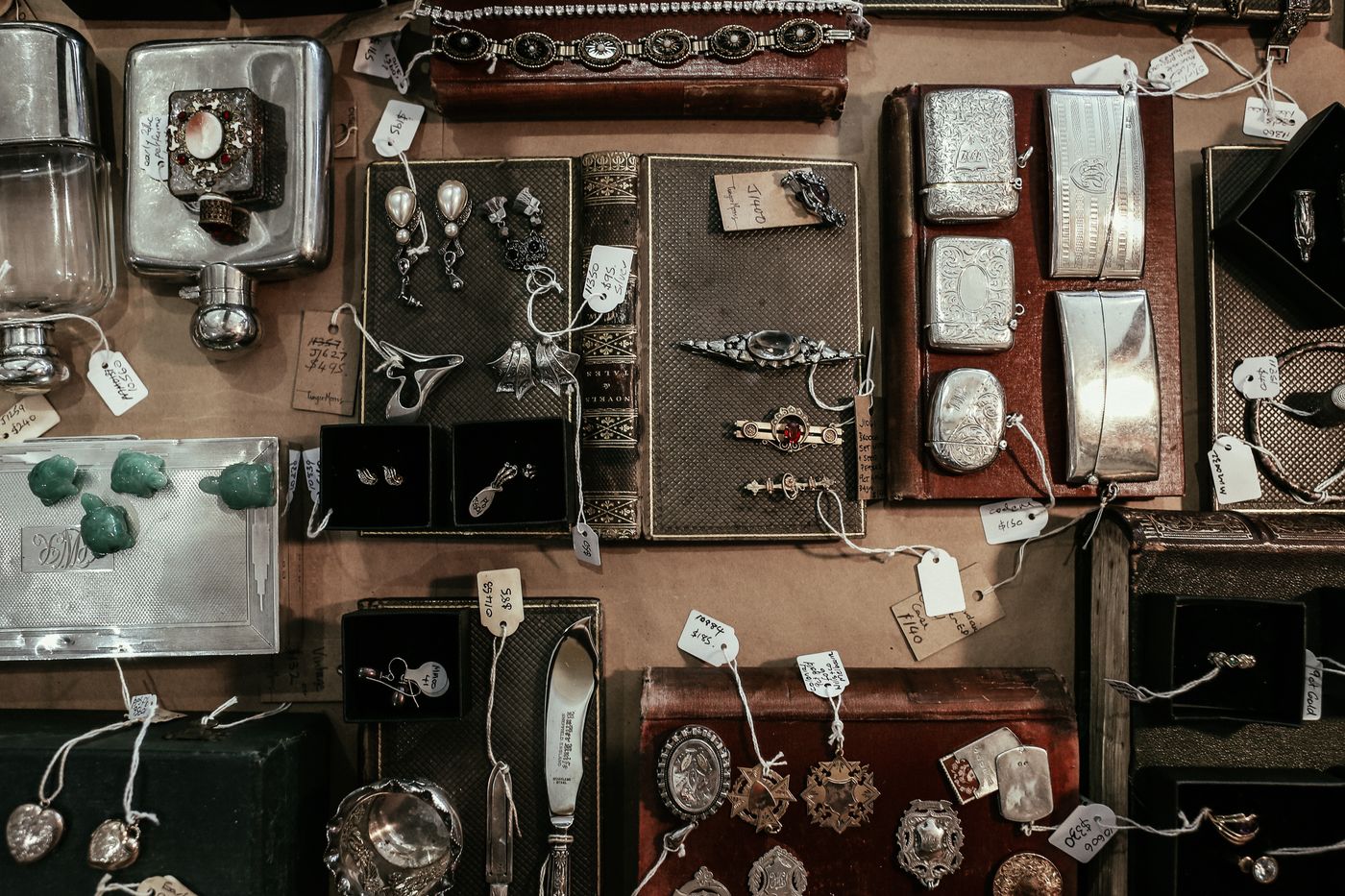
Foto: Rachel Claire · Pexels
Era tells are your friend. Victorian jewelry often features jet, cameos, and intricate filigree. Art Deco pieces from the 1920s are geometric, with bold colors and enamel. 1940s jewelry is often bold and patriotic, using sterling silver and rhinestones. The 1950s brought costume jewelry to the forefront, with brands like Trifari and Coro. The 1960s and 70s saw a boom in plastic and resin, with designers like Kenneth Jay Lane. The 1980s were all about gold, pearls, and oversized everything.
Look for signatures. A signed piece from a known maker like Miriam Haskell, Weiss, or Schreiner will hold its value and is often better made. But unsigned pieces can be just as beautiful. Check the condition of stones. Rhinestones should be secure and sparkling. Pearls should have a luster, not a dull finish. If you're buying online, ask for close-up photos of the back and any damage.
The Stories Behind the Sparkle
Vintage jewelry is a history lesson you can wear. Take the 1920s. Coco Chanel popularized costume jewelry by mixing faux pearls with real gems. She believed jewelry should be worn for decoration, not just as a status symbol. Her 1924 collection included long strands of faux pearls that could be worn multiple ways. That spirit of playful elegance still feels modern.
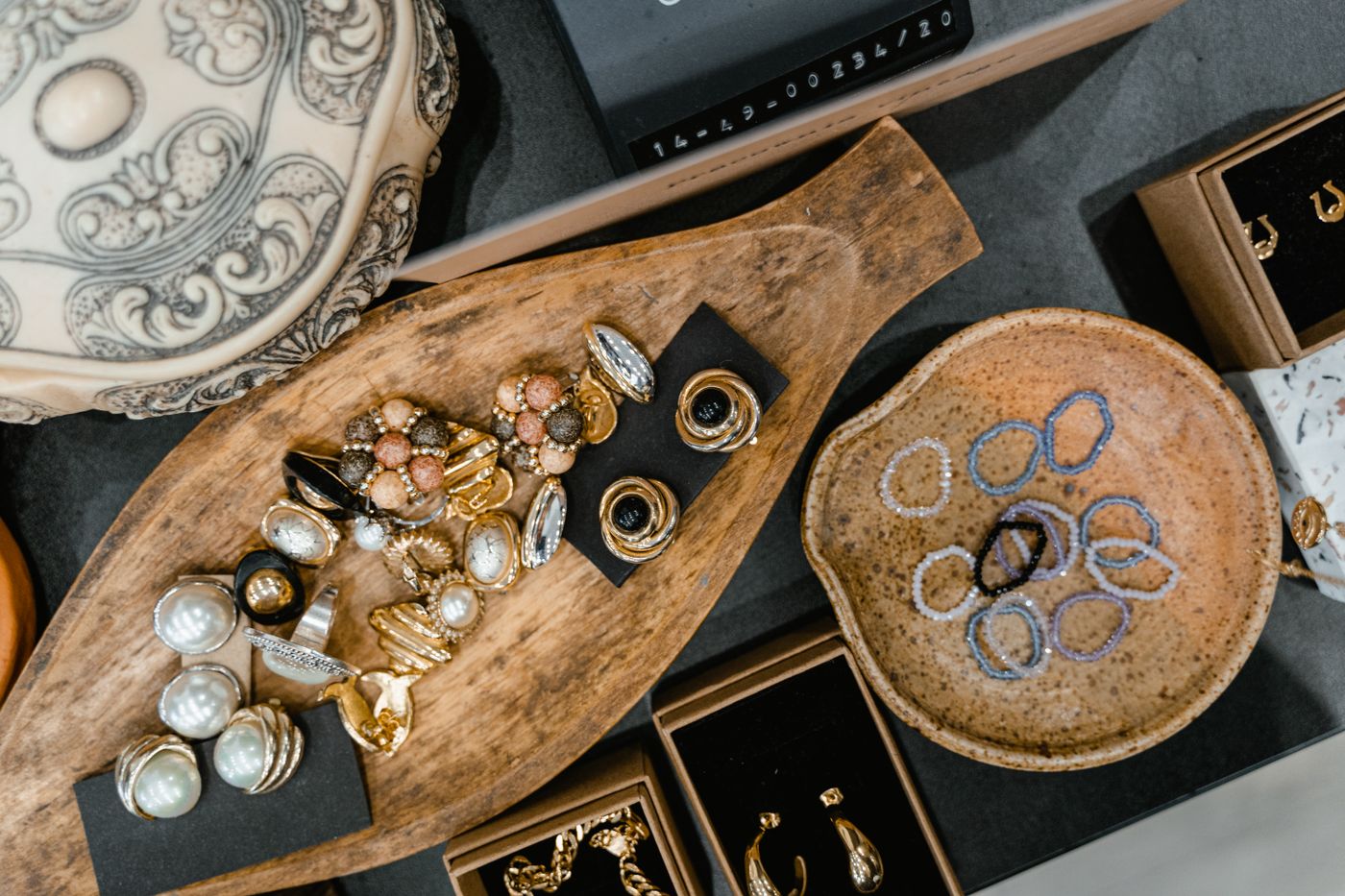
Foto: MART PRODUCTION · Pexels
In the 1940s, during World War II, metals were rationed. Jewelry makers turned to sterling silver and rhinestones. The U.S. government even commissioned designs to boost morale. Brooches shaped like airplanes and flags were common. After the war, Christian Dior's New Look in 1947 brought back opulence. Jewelry became larger and more glamorous. The 1950s saw the rise of the parure, a matching set of necklace, earrings, and brooch. Women wore them to bridge parties and church.
The 1960s brought a youthquake. Jewelry became fun and experimental. Plastic, resin, and bold colors were everywhere. In 1967, Paco Rabanne debuted his metal and plastic jewelry, which looked like something from a sci-fi film. The 1970s were about individuality. Long chain necklaces, chokers, and hoop earrings were staples. The 1980s were unapologetically flashy. Princess Diana's sapphire engagement ring, now worn by Kate Middleton, is a classic example of the era's love for bold stones. But you don't need a royal budget. A pair of 1980s rhinestone earrings can give you the same vibe.
The Brooch: A Case Study
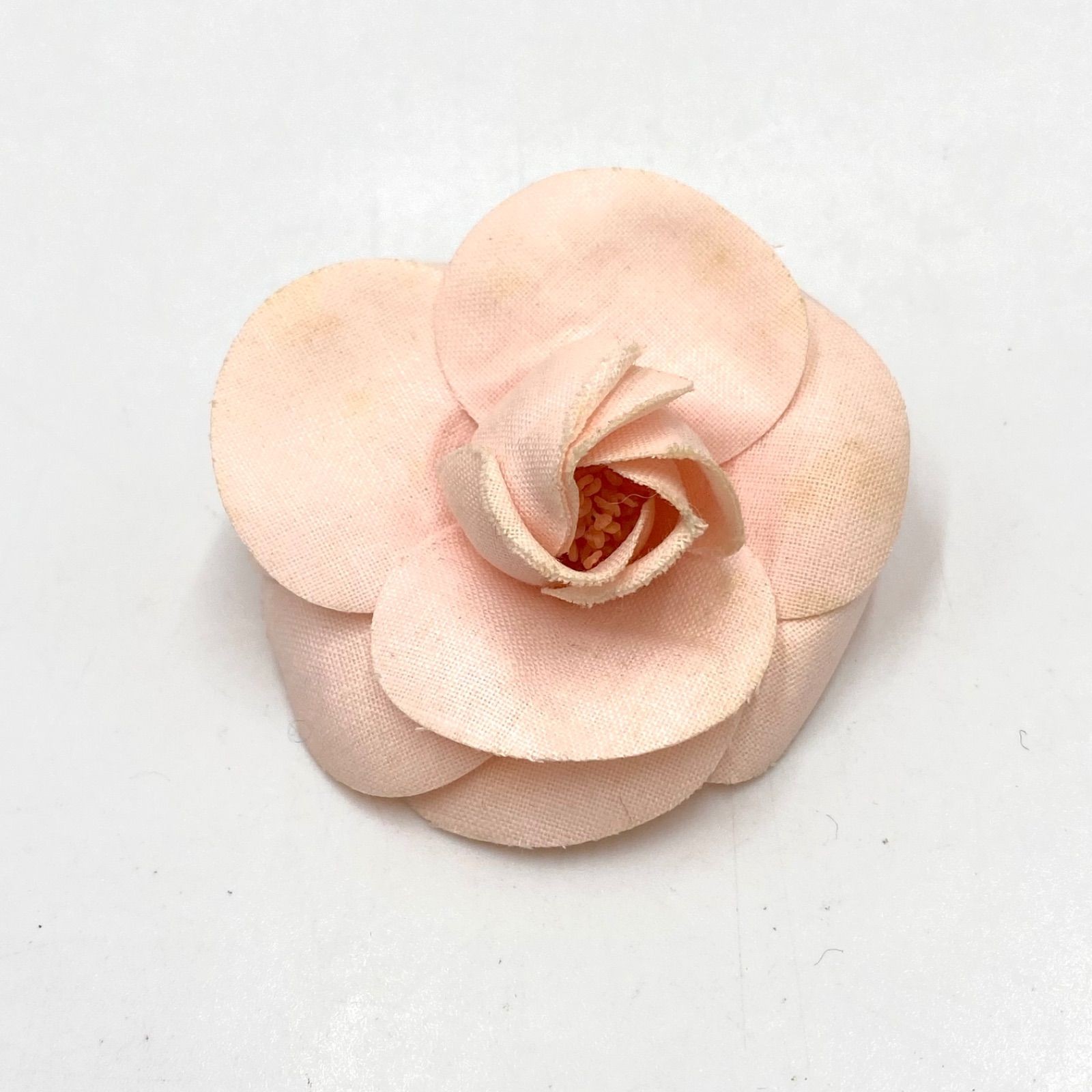
The brooch is perhaps the most misunderstood piece of vintage jewelry. It's often seen as dowdy or old-fashioned. But worn right, it's a secret weapon. In the 1940s, brooches were worn on lapels, hats, and even shoes. They were a way to add personality to utilitarian clothing. Today, you can pin one to a plain cashmere sweater, a denim jacket, or a silk scarf. Try a cluster of small brooches on a collar, or a single large one at the waist of a dress.
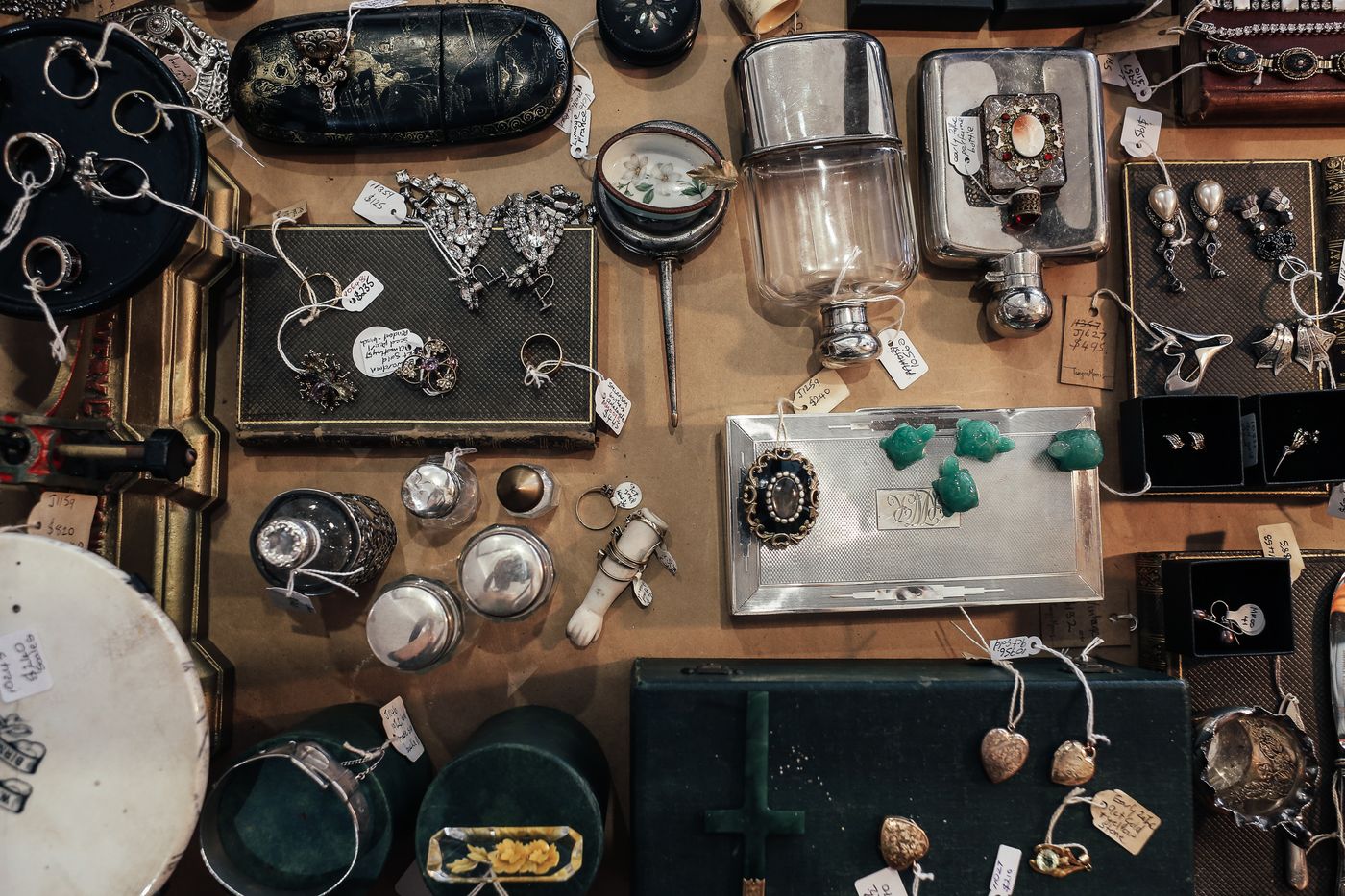
Foto: Rachel Claire · Pexels
One of my favorite pieces is a 1940s sterling silver brooch shaped like a bouquet of flowers. I found it at a flea market in London for £20. It has a few scratches, but that's part of its charm. I wear it on a black blazer, and it always gets compliments. The key is to wear it with confidence. If you feel good, it looks good.
Closing Thoughts: Wear It, Don't Worship It
Vintage jewelry is not meant to be kept in a safe. It's meant to be worn, to be part of your life. The scratches and the wear are proof that it has a history. When you put on a piece from another era, you're adding your own chapter to its story. So don't be afraid to mix eras. Wear a Victorian brooch with a 1980s jacket. Pair Art Deco earrings with a modern T-shirt. The best style is the one that feels like you. And if someone asks where you got it, tell them the truth: it's vintage, and it's yours.

 ✦ The Edit
One to watch
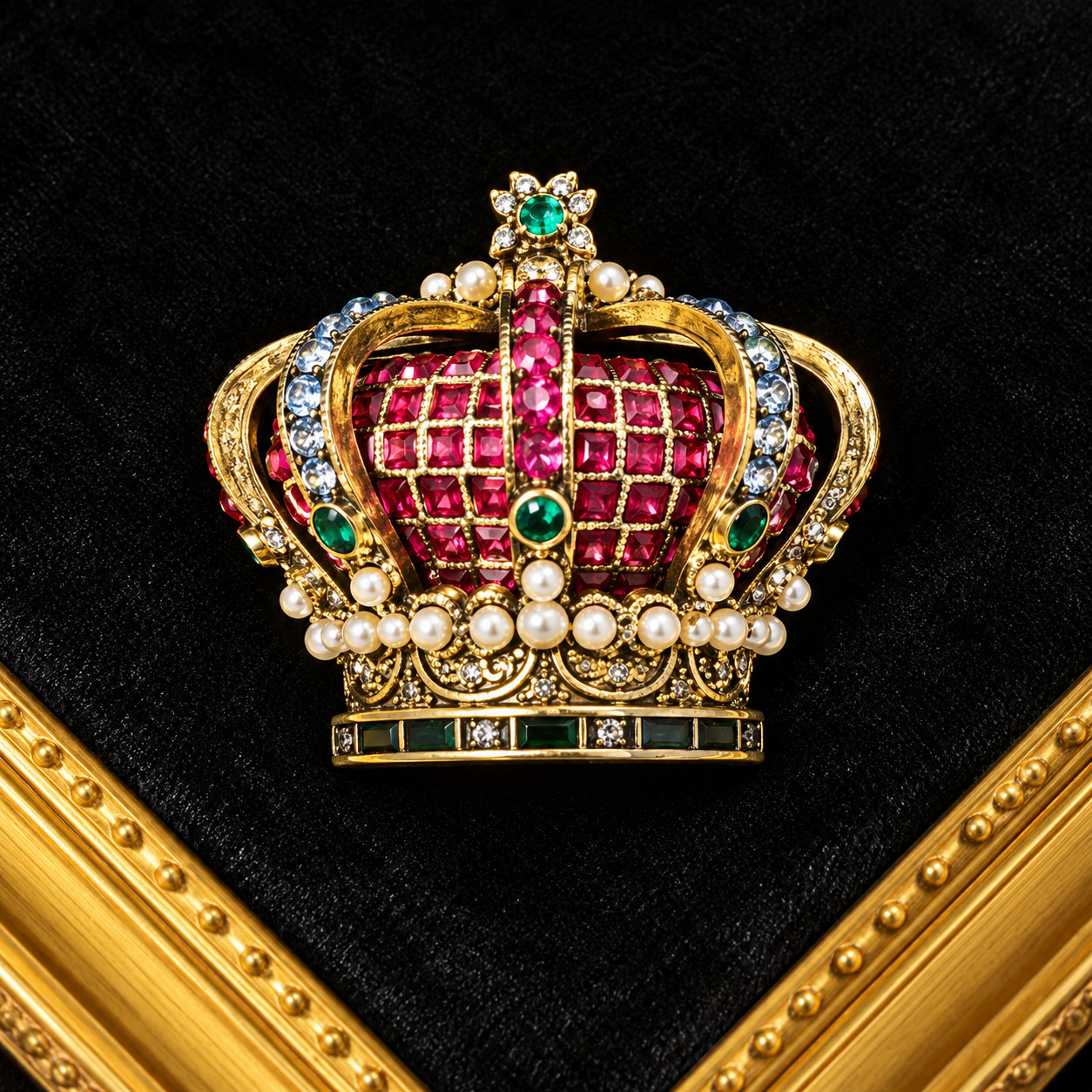
Vintage Crystal Crown Brooch Pin Colorful Rhinestone Royal Jewelry Elegant Gift
A piece like this is the fastest way to add a little history to anything you own. This honestly worn piece in crystal is the kind of piece that tells a story before you have said a word. Some things you wear until they wear you out; this one wears you in.
On the market now
The names
Meet the designers
The minds behind this story — each with a piece currently on the market.
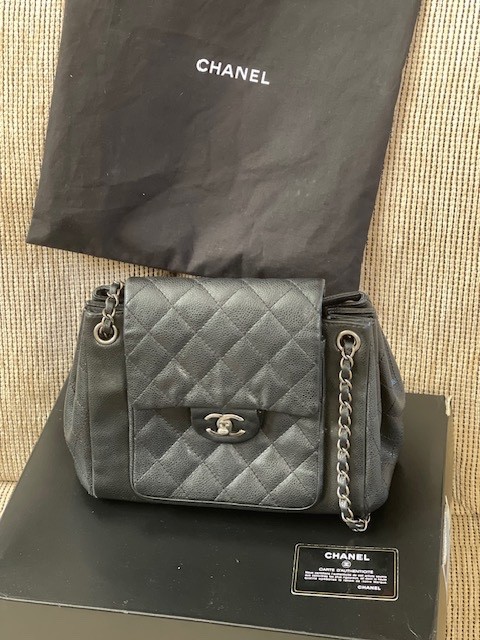
Chanel
France · 1910s
The little black dress & the 2.55
The little black dress & the 2.55
Top piece
View →
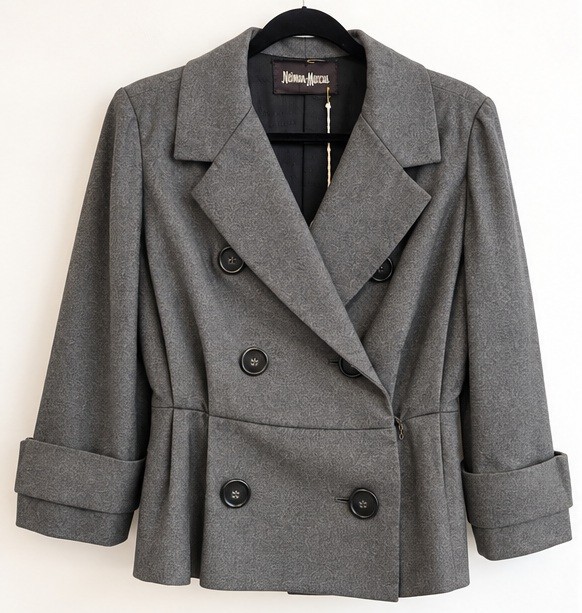
Dior
France · 1940s
The New Look & the Lady Dior
The New Look & the Lady Dior
Top piece
View →
Levi's
USA · 1850s
The 501 & Americana denim
The 501 & Americana denim
Top piece
View →
Yohji Yamamoto
Japan · 1970s
Black, drape & poetic deconstruction
Black, drape & poetic deconstruction
Top piece
View →
Continue the edit
Further stories from the same world
Three more walks through the same vintage universe.
Why Vintage Jewelry Matters Now: A Wearer's Guide
Forget the market. This is about finding a piece with a past and making it yours, from the right era to the perfect clasp.
Read the story →Why Vintage Jewelry Matters Now
Forget the vault. Vintage jewelry belongs on your body, mixed with denim and tailored wool, where its scratches and history can catch the light. Here is how to wear it well, what to look for, and why a $111.27 brooch can outshine anything new.
Read the story →Why Vintage Jewelry Matters Now: Wear the Past, Style It Forward
Forget the market. Here's how to find, wear, and love vintage jewelry that fits your life and your wardrobe, from Art Deco diamonds to bold 1980s gilt.
Read the story →