
 Sign in
🔥 Fashion · New York
How to Wear Vintage Denim Without Looking Like You Tried
A field guide to wearing old Levi's well: the cuts worth hunting, the tells that separate a 1972 pair from a 1994 pair, and the outfits that make them look like yours.
 By Louis Trash·

Start With the Waist, Not the Wash
A pair of 1972 Levi's 505s is a pair of trousers with a waistband that sits higher than anything on a rack today. Get that waistband right and everything above it falls into place. Most people buy vintage denim wrong because they shop the fade first. Fade is the last thing. Fit is the first.
Here is what I tell friends. Measure your natural waist, the narrowest part above the navel, then look for a tagged waist within an inch of that number. Old Levi's run small by modern sizing, sometimes two inches. A 32 tag from 1975 fits closer to a 30 today. If you are between sizes, take the larger one and have a tailor take in the back seam. Denim from this era was cut for bodies that sat and stood differently than ours do, so a small alteration is normal. It is not a failure.
The Three Cuts Worth Owning
The 501 is the default, and the straight-leg 501 from 1966 to 1981 is the sweet spot. After 1981 the denim got lighter and the rise crept down. The 505, introduced in 1967, has a zipper fly instead of buttons and a slightly slimmer leg, which reads cleaner under a blazer. The 517 bootcut, from 1969, is the one people forget. It flares just enough to cover a boot shaft or a stacked loafer and it makes a long torso look longer.
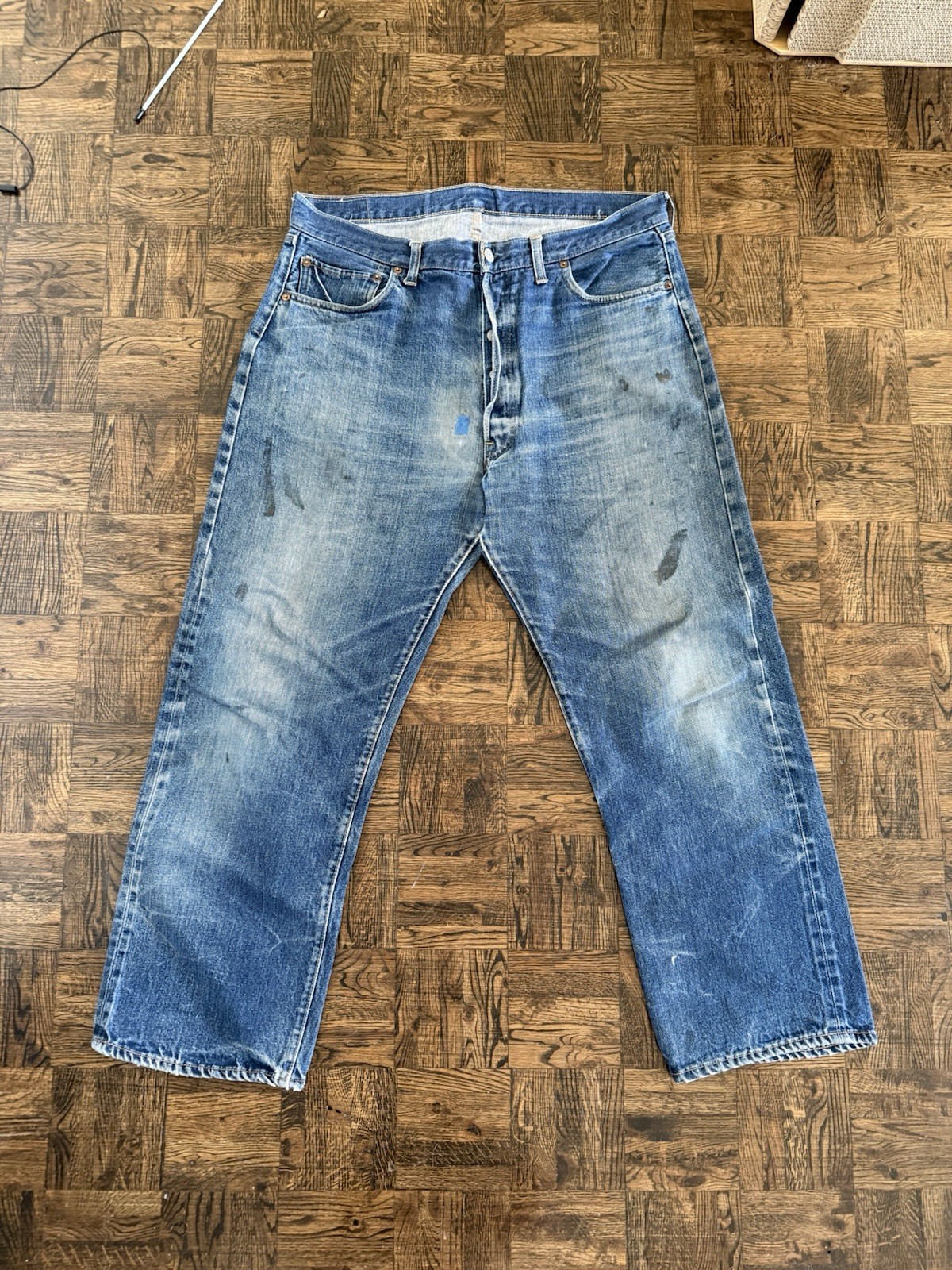
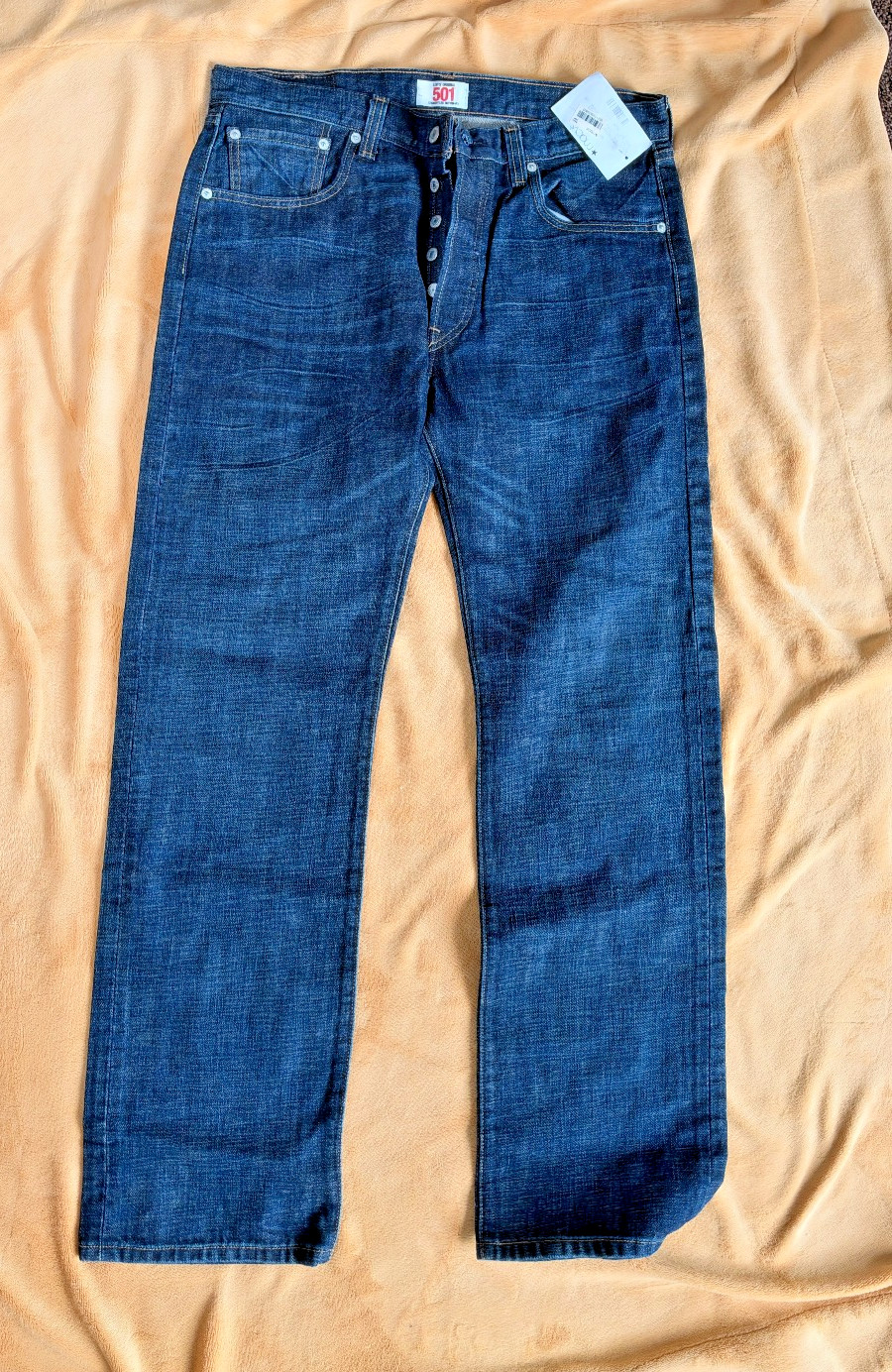
Skip the 550s from the late 1980s unless you are deliberately going for that look. The relaxed fit was cut for a different silhouette and it can swallow a smaller frame.
What to Look For in the Hand
Open the fly and look at the selvedge edge on the outseam. Red line selvedge on a pair made before 1983 means the denim came off a shuttle loom, which gives you a tighter, heavier cloth that fades with structure instead of going fuzzy. Feel the weight. A good pair from the 1970s weighs around 12 to 14 ounces per square yard. If it feels like bedsheet, it is 1980s or later.
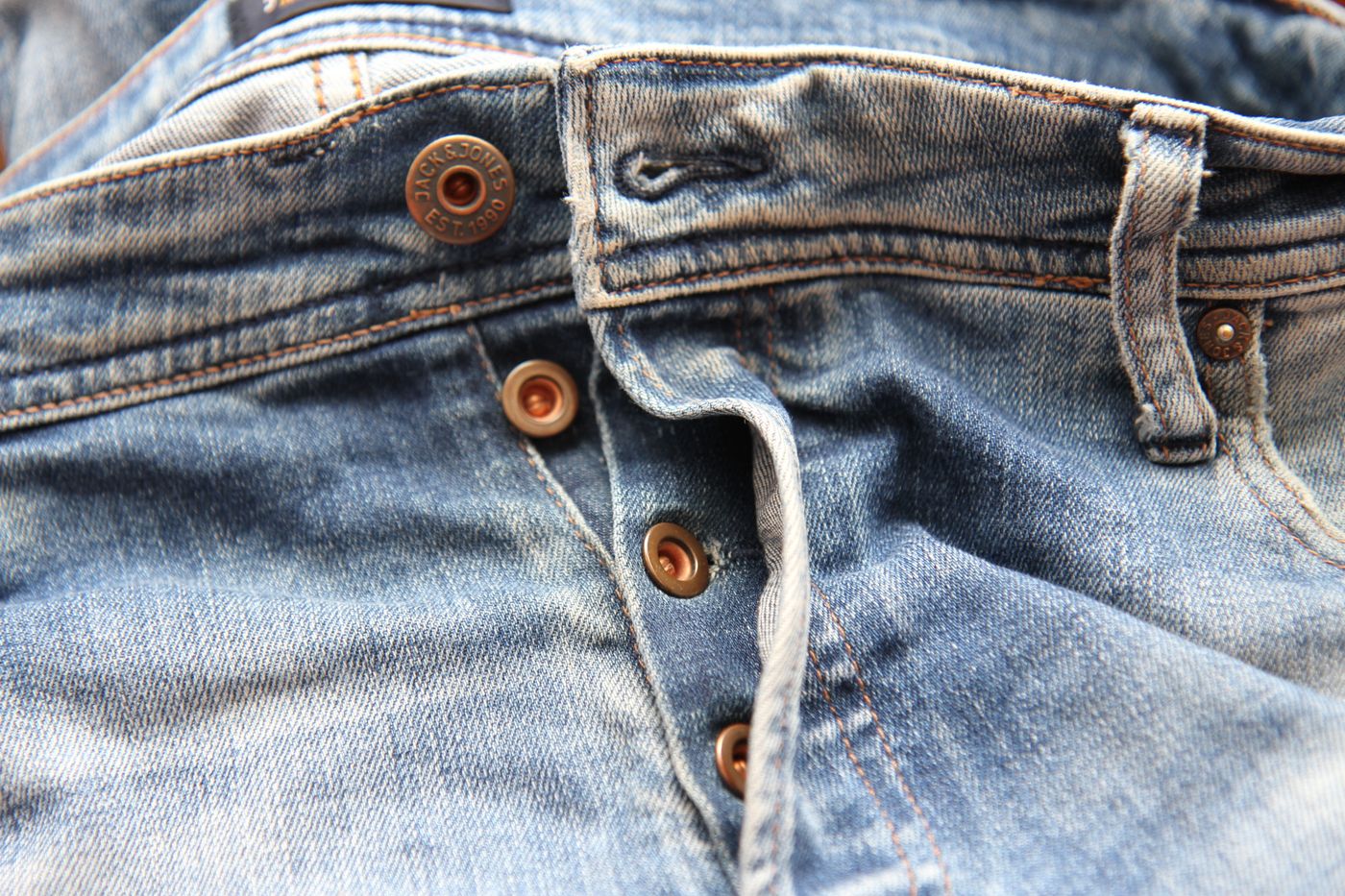
Foto: Dragan Tomić · Pexels
Check the back patch. Leather patches with a faded, almost orange tint and the words "Levi Strauss & Co." in a serif face are earlier than the paper patches that started appearing in the mid-1970s. The red tab on the back pocket tells you a lot. A lowercase "e" on the tab means pre-1971. An uppercase "E" means after. This is the single fastest way to date a pair in a shop.
Look at the stitching. Chain-stitched hems on a pair that has been worn hard will show a roping effect, a wavy edge where the thread has shrunk differently than the denim. That is a good sign. It means the hem is original. A straight, flat hem usually means someone cut the legs and resewed them on a modern machine.
Check the rivets. Copper rivets on the front pockets, stamped with "L.S. & Co." and a small "S.F." are correct for the 1960s and 1970s. If the rivets are plain and unbranded, the pair is likely a later run or a reproduction. Reproductions are fine to wear. They are just not what you are paying for when you pay for old.
At around seventy dollars for a solid pair, you are buying the cloth and the cut. You are not buying an investment. Wear them.
How to Wear Them Now
The biggest mistake is treating vintage denim as the whole outfit. It is the anchor.

Foto: Cherry’s POV · Pexels
A high-rise 501 with a tucked-in white oxford and a cropped navy blazer works because the blazer ends at the hip and the jean rises to meet it. Add a slim loafer, no socks in summer, a ribbed sock in winter. The proportions are simple: wide on the bottom, narrow on top, waist defined.
A 505 with a fine-gauge cashmere crewneck and a leather belt, worn with a chunky derby or a Chelsea boot, is the version I wear to dinner. The zipper fly makes it feel less workwear, more trouser.
A 517 with a silk shirt, half-tucked, and a kitten heel is a good evening shape. The flare balances the volume of the shirt. Do not add a belt if the shirt is printed.
In colder months, layer a turtleneck under a wool overcoat and let the hem of the jean break once over a boot. The denim should look like it has been in your life for years, not like it arrived yesterday.
The History That Made the Look
Levi Strauss and Jacob Davis patented the riveted pocket in 1873. That is the origin of the garment you are wearing. The 501 did not become a civilian staple until the 1930s, when Western films put cowboys in them on screen and tourists started asking for the jeans they saw in the movies. By the 1950s, James Dean wore them in Rebel Without a Cause, and Marlon Brando wore them in The Wild One. Those two films did more for denim than any advertising campaign.
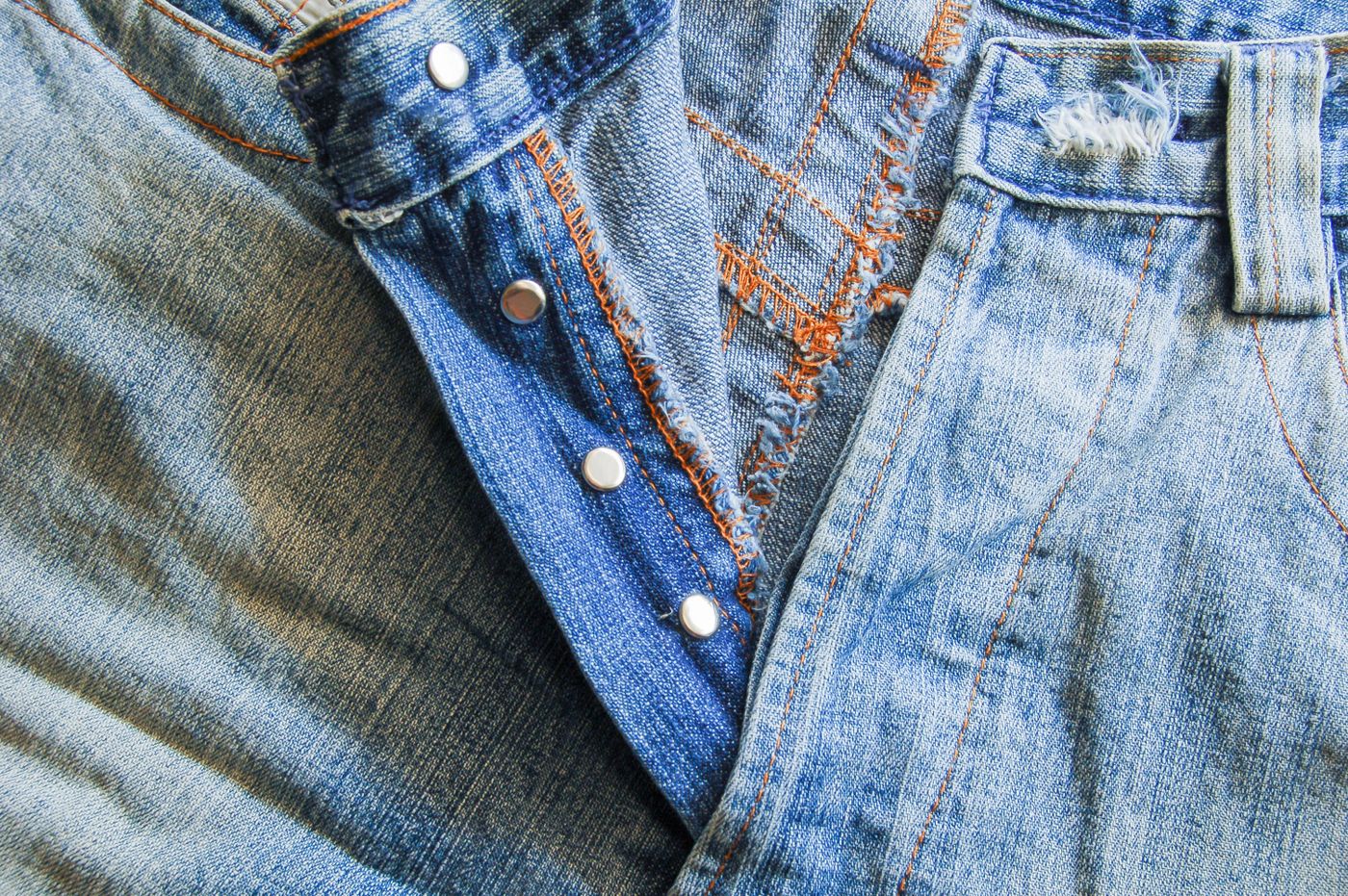
Foto: Srattha Nualsate · Pexels
In 1967, Levi's introduced the 505, and in 1969 the 517. In the 1970s denim stopped being workwear and became a wardrobe. The 1980s brought stonewashing and the 1990s brought the baggy silhouette, and both of those things moved the garment away from the straight, heavy cloth that made it good in the first place. That is why the 1966 to 1981 window is the one to hunt. It is the last stretch before the fabric got thinner and the cut got wider.
A Closing Thought on Wearing Old Cloth
The thing about a pair of 1972 Levi's is that someone else already broke them in. The knees have a shape. The pockets have a crease where a wallet sat. You are not the first person to wear them and that is the point. A new pair of jeans asks you to make it yours. An old pair asks you to fit into a life that was already lived in them. Get the waist right, keep the outfit quiet, and let the cloth do the talking.

City
New York
Category
vintage denim
Published
24 October 2026
The names
Meet the designers
The minds behind this story — each with a piece currently on the market.
Levi's
USA · 1850s
The 501 & Americana denim
The 501 & Americana denim
Børge Mogensen
Denmark · 1940s
The Spanish chair — honest, functional furniture for everyday life.
The Spanish chair — honest, functional furniture for everyday life.
Dior
France · 1940s
The New Look & the Lady Dior
The New Look & the Lady Dior
Top piece
View →
Jean Prouvé
France · 1930s
Structural steel & the Standard chair — an engineer of furniture.
Structural steel & the Standard chair — an engineer of furniture.
Top piece
View →
Continue the edit
Further stories from the same world
Three more walks through the same vintage universe.
How to Wear Vintage Denim Without Looking Like a Costume
A wearer's guide to the Levi's that have already lived a life: how to style them now, what to check before you buy, and the true stories behind the fades.
Read the story →The Real Deal: How to Wear Vintage Denim Without Looking Like a Costume
A 1972 Levi's 501 is a pair of pants that will outlive your car. It deserves to be worn like it.
Read the story →Why Vintage Denim Matters Now
A guide to wearing old Levi's well: the era tells worth knowing, the proportions that work today, and the blue jeans that got Marlon Brando and Bruce Springsteen in trouble.
Read the story →