
 Sign in
🔥 Fashion · New York
The Real Deal: How to Wear Vintage Denim Without Looking Like a Costume
A 1972 Levi's 501 is a pair of pants that will outlive your car. It deserves to be worn like it.
 By Louis Trash·

The 501 Is Not a Museum Piece
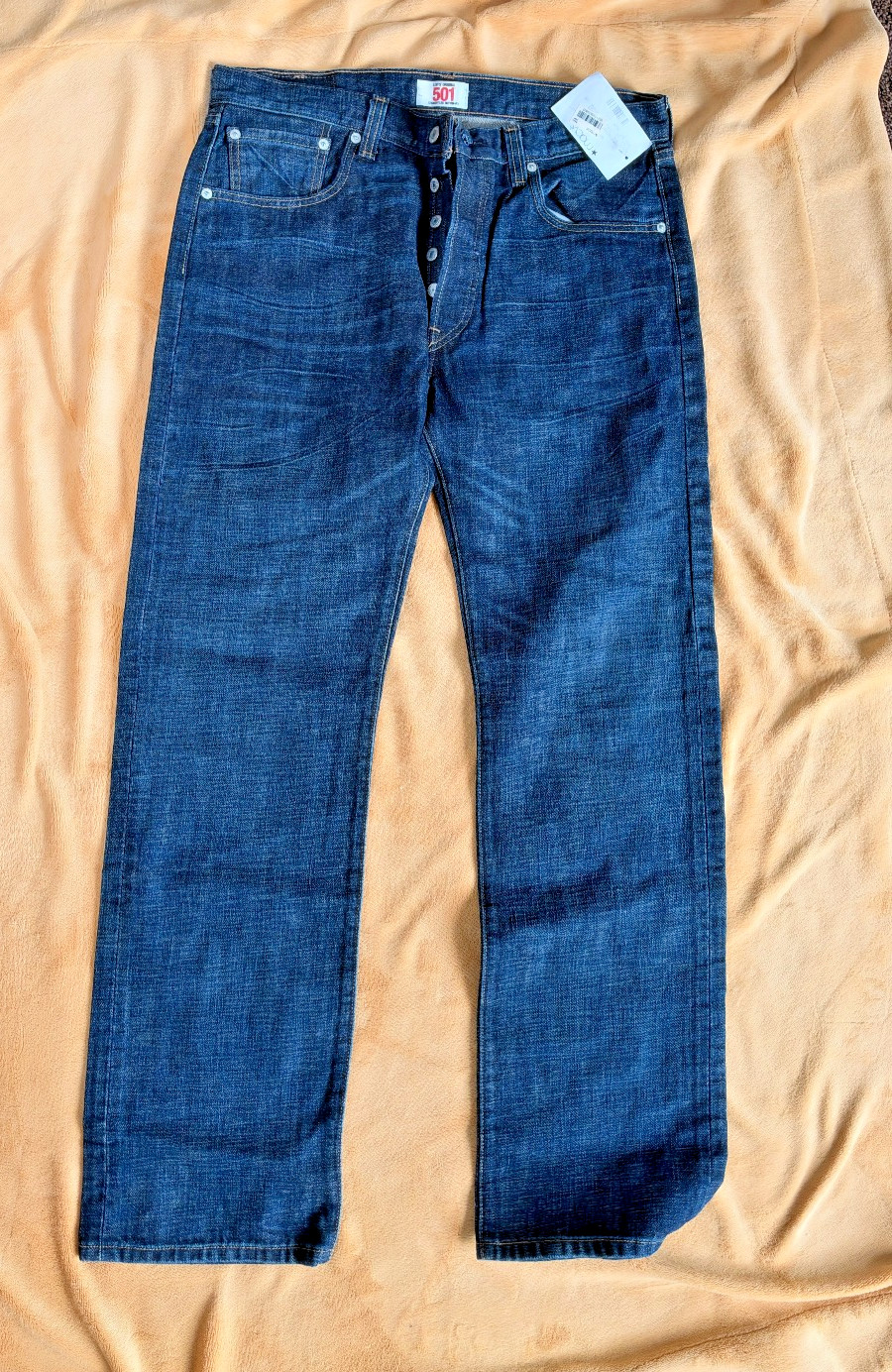
A 1972 Levi's 501 with a red tab and a big E is a pair of pants. That is the first thing to remember. It was made to be worn by a farmer, a biker, a painter, a kid. The fact that it now costs around $50 at a good vintage shop does not change its job. It is denim. It wants to be sat in, walked in, spilled on. The worst thing you can do is treat it like a collectible. I have seen too many people buy a perfect pair of 1970s 501s and then hang them in a closet because they are afraid of ruining them. You ruin them by not wearing them. The cotton gets dry. The seams get brittle. The indigo fades in the folds. Wear them. Wash them when they smell. That is the whole point.
How to Style It Without Looking Like You Tried
The 501 is a straight-leg, mid-rise, button-fly jean. That silhouette is forgiving. It does not need much. A white oxford shirt, tucked in, with a leather belt and loafers. A cashmere crewneck in oatmeal or navy, half-tucked, with a pair of Blundstones. A vintage band tee, cropped at the waist, with a denim jacket that is two shades lighter or darker. The rule is contrast. If the jeans are dark and stiff, go soft on top. If they are faded and soft, go structured. A 1970s 501 with a paper-thin wash looks great with a crisp poplin shirt and a tailored blazer. A 1980s pair with a heavier, darker denim looks better with a chambray work shirt and a knit tie. Proportions matter more than anything. The rise is usually 10 to 11 inches. That means your shirt should not hang below the hip bone unless you want to look like a 1990s skateboarder. Tuck it or crop it. And do not be afraid of the boot cut. A 1970s 517 with a slight flare over a pair of cowboy boots is one of the most flattering things a person can wear. It elongates the leg. It balances a wider shoulder. It works.
What to Look For When Buying
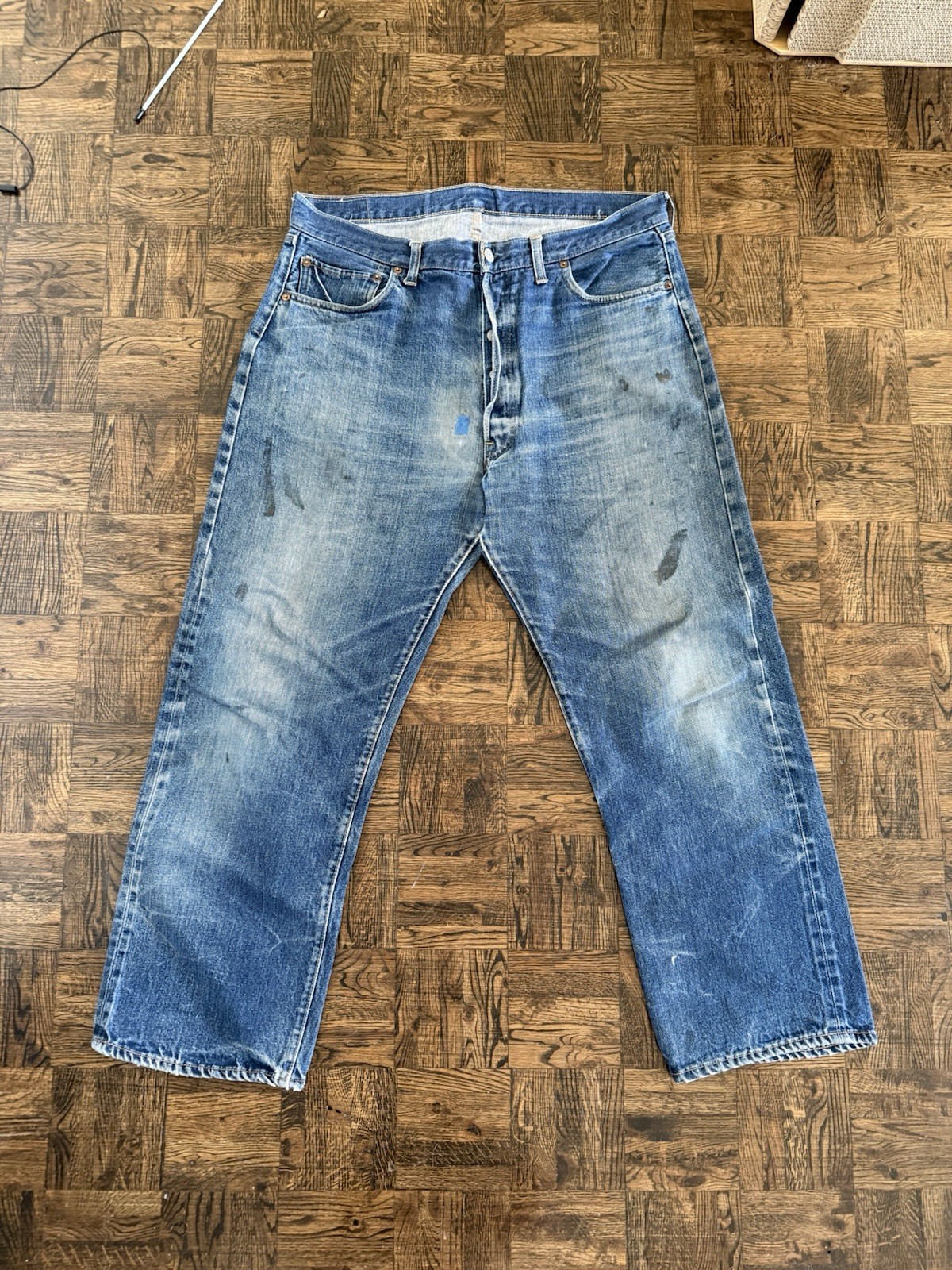
Era tells are in the details. A big E red tab means pre-1971. A small e means 1971 or later. A paper patch with a care tag inside the waistband means 1970s. A leather patch with a care tag means 1980s. The back pocket stitching is a good clue. Single-stitch arcuates on the back pocket mean pre-1970s. Double-stitch means later. The selvedge line on the outseam is a sign of quality. Red line selvedge is common. Green line is rarer. The denim itself should feel stiff but not brittle. If it cracks when you fold it, walk away. Check the crotch. That is where vintage denim fails first. Look for thin spots, blown seams, or a patch job that is already failing. A good pair will have some wear at the hem and the back pocket, but the structural seams should be intact. The button fly should have all its buttons. The rivets should be copper and not corroded. The zipper, if it has one, should be a Talon or a YKK. A 1970s 501 with a Talon zipper is a good find. A 1980s pair with a YKK is fine, but less desirable. Size is tricky. Vintage denim shrinks. A 32 waist from 1972 might measure 30 now. Always measure the waist flat and double it. Measure the inseam from the crotch seam to the hem. Do not trust the tag.
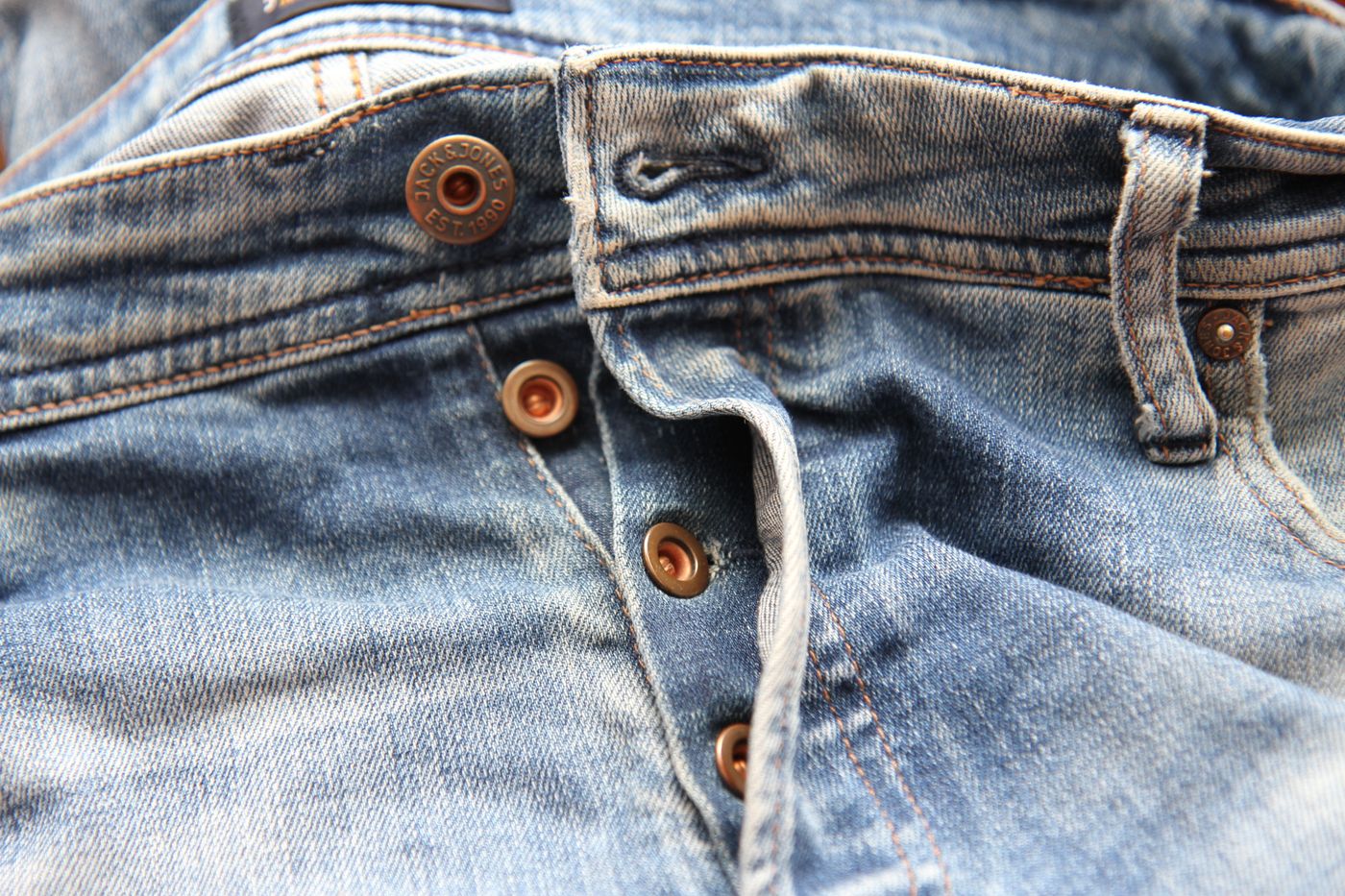
Foto: Dragan Tomić · Pexels
The History That Made the Look
Levi Strauss and Jacob Davis patented the riveted denim waist overall in 1873. That is the origin. The 501 was the first model number, introduced in 1890. The big E red tab came in 1936. The paper patch came in 1954. The 501 became a counterculture symbol in the 1950s when Marlon Brando wore a pair in The Wild One in 1953. James Dean wore 501s in Rebel Without a Cause in 1955. That is when the jean became a symbol of rebellion. In the 1960s, the 501 became a protest uniform. In the 1970s, it became a fashion item. The 1972 501 is the sweet spot. It has the big E tab, the paper patch, and the single-stitch arcuates. It is the last of the classic details before production changed. In 1983, Levi's introduced the 501 with a smaller e and a leather patch. That is when the quality started to slip. The 1990s brought the 501 to a new generation. Kurt Cobain wore them. So did Kate Moss. The 501 has never gone away. It has just been reinterpreted.

Foto: Cherry’s POV · Pexels
The One Thing to Avoid
Do not buy a pair that has been heavily distressed by a machine. Real vintage denim has wear that comes from a body. The whiskers at the crotch, the honeycombs behind the knee, the fade on the thigh. That is the point. A pair that has been sanded and ripped in a factory looks like a costume. A pair that has been worn by one person for twenty years looks like a life. You want the latter. You can find them at flea markets, estate sales, and good vintage shops. You will pay around $50 for a decent pair. That is a fair price for something that will last another twenty years. The best pair I ever owned was a 1972 501 with a blown-out knee that I patched with a piece of Japanese selvedge. I wore them until the denim was as soft as a sheet. Then I wore them some more.
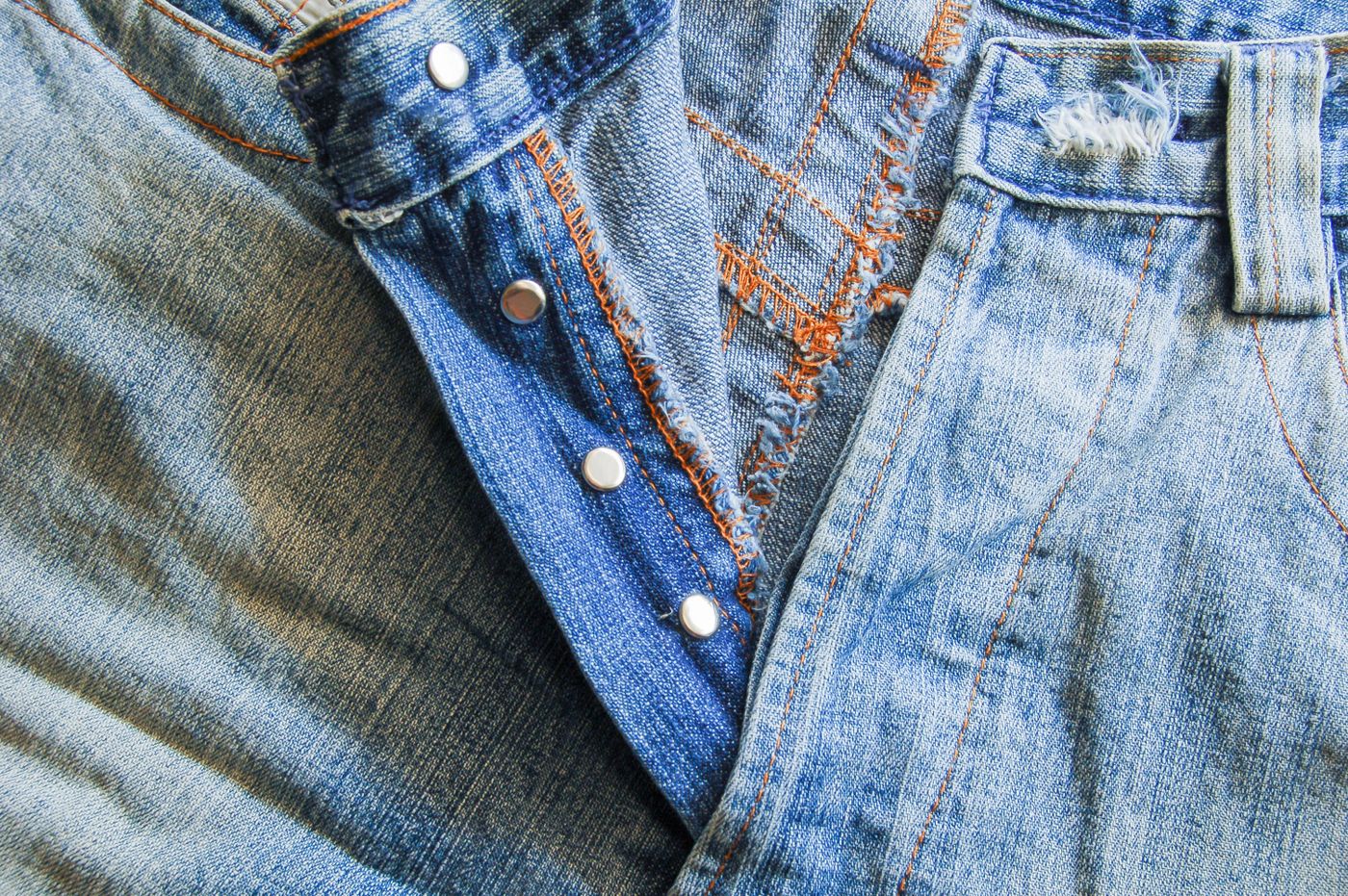
Foto: Srattha Nualsate · Pexels
Wear Them Like You Mean It
Vintage denim is about utility. A 1972 501 is a better pair of pants than almost anything you can buy new. The denim is heavier. The stitching is stronger. The fit is more flattering. The only thing it asks is that you wear it. Do not save it for a special occasion. Wear it to the grocery store. Wear it to a dinner party. Wear it to work if you can. The more you wear it, the better it looks. The more you wash it, the softer it gets. The more you repair it, the more it becomes yours. That is the whole point of vintage. It is a wardrobe. And a pair of 501s is the best place to start.

City
New York
Category
vintage denim
Published
27 October 2026
The names
Meet the designers
The minds behind this story — each with a piece currently on the market.
Levi's
USA · 1850s
The 501 & Americana denim
The 501 & Americana denim
Jean Prouvé
France · 1930s
Structural steel & the Standard chair — an engineer of furniture.
Structural steel & the Standard chair — an engineer of furniture.
Top piece
View →
Børge Mogensen
Denmark · 1940s
The Spanish chair — honest, functional furniture for everyday life.
The Spanish chair — honest, functional furniture for everyday life.
Dior
France · 1940s
The New Look & the Lady Dior
The New Look & the Lady Dior
Top piece
View →
Continue the edit
Further stories from the same world
Three more walks through the same vintage universe.
How to Wear Vintage Denim Without Looking Like a Costume
A wearer's guide to the Levi's that have already lived a life: how to style them now, what to check before you buy, and the true stories behind the fades.
Read the story →Why Vintage Denim Matters Now
A guide to wearing old Levi's well: the era tells worth knowing, the proportions that work today, and the blue jeans that got Marlon Brando and Bruce Springsteen in trouble.
Read the story →How to Wear Vintage Denim Without Looking Like You Tried
A field guide to wearing old Levi's well: the cuts worth hunting, the tells that separate a 1972 pair from a 1994 pair, and the outfits that make them look like yours.
Read the story →