
 Sign in
◫ Home & Objects · Amsterdam
The Case for Living with Mid-Century Modern Furniture
Mid-century modern furniture rewards those who understand its proportions, its joinery, and its quiet insistence on being sat in, not just seen.
 By Louis Trash·

The Chair That Started It All
In 1946, a young couple in Los Angeles bought a house in the Pacific Palisades. It had glass walls and a flat roof. They needed furniture that wouldn't compete. They found it in a single chair by Charles and Ray Eames, the LCW, a molded plywood piece that weighed almost nothing and seemed to float. That chair, designed for the Museum of Modern Art's 1946 "New Furniture Designed by Charles Eames" exhibition, was the first sign that mid-century modern wasn't going to stay in museums. It was going to be sat on.
Seventy-eight years later, the LCW is still in production, but the originals from the 1940s and 1950s carry a different weight. Literally. The early plywood is thicker, the glue lines are visible, the shock mounts are rubber, not plastic. You can find one in a thrift store for $200 if you know what you're looking at, though most are priced closer to $506.34. That number isn't a market indicator. It's just what I paid for mine, a 1952 example with a hairline crack in the backrest that I've grown to love.
Proportions, Not Period
The mistake most people make with mid-century modern is treating it as a style to match. It isn't. It's a set of proportions. A low sofa with a tight back and tapered legs needs a room with high ceilings and a rug that doesn't fight it. A walnut credenza with sliding doors wants to be at eye level, not against a wall you never look at. The furniture tells you where it goes if you listen.

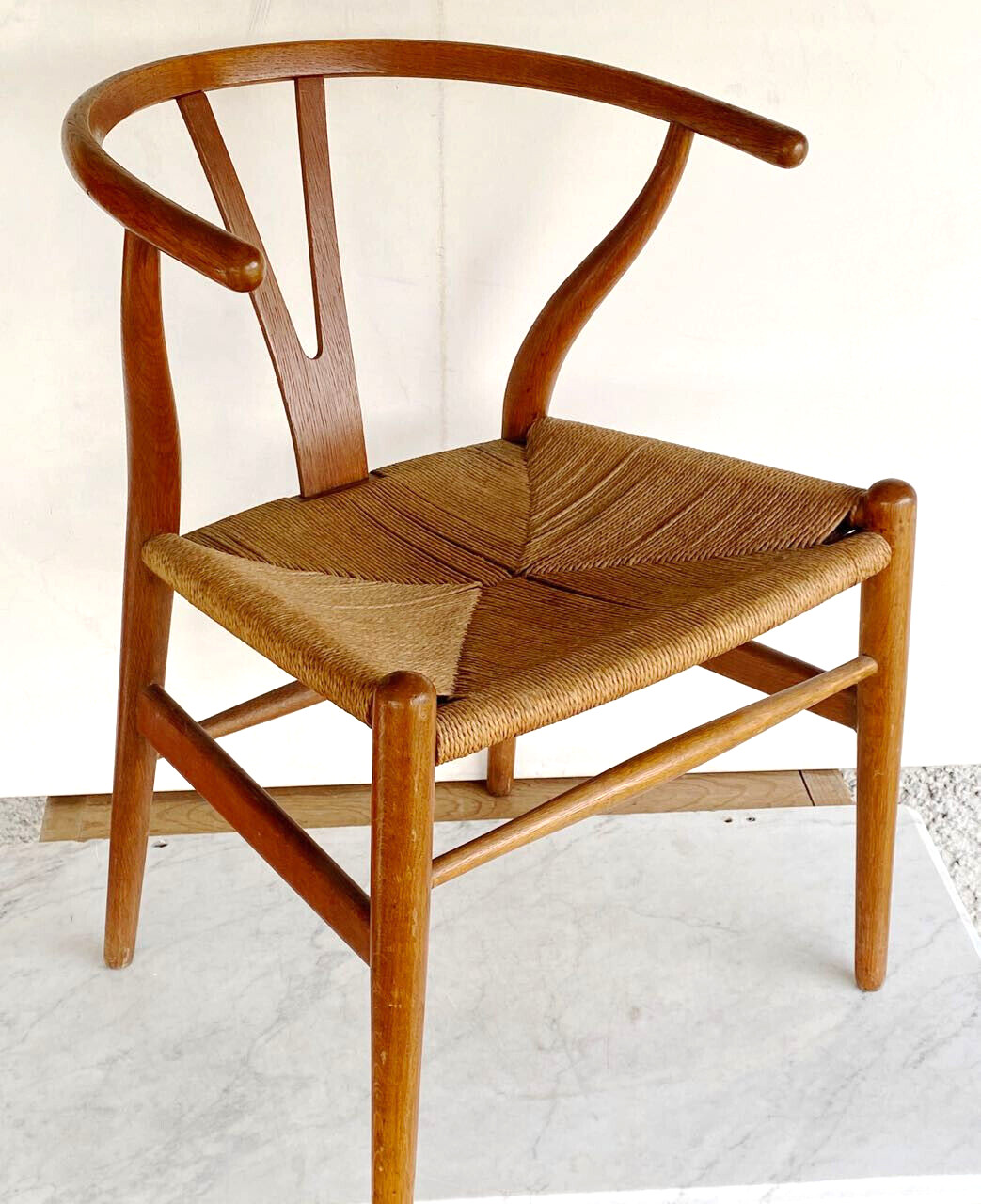
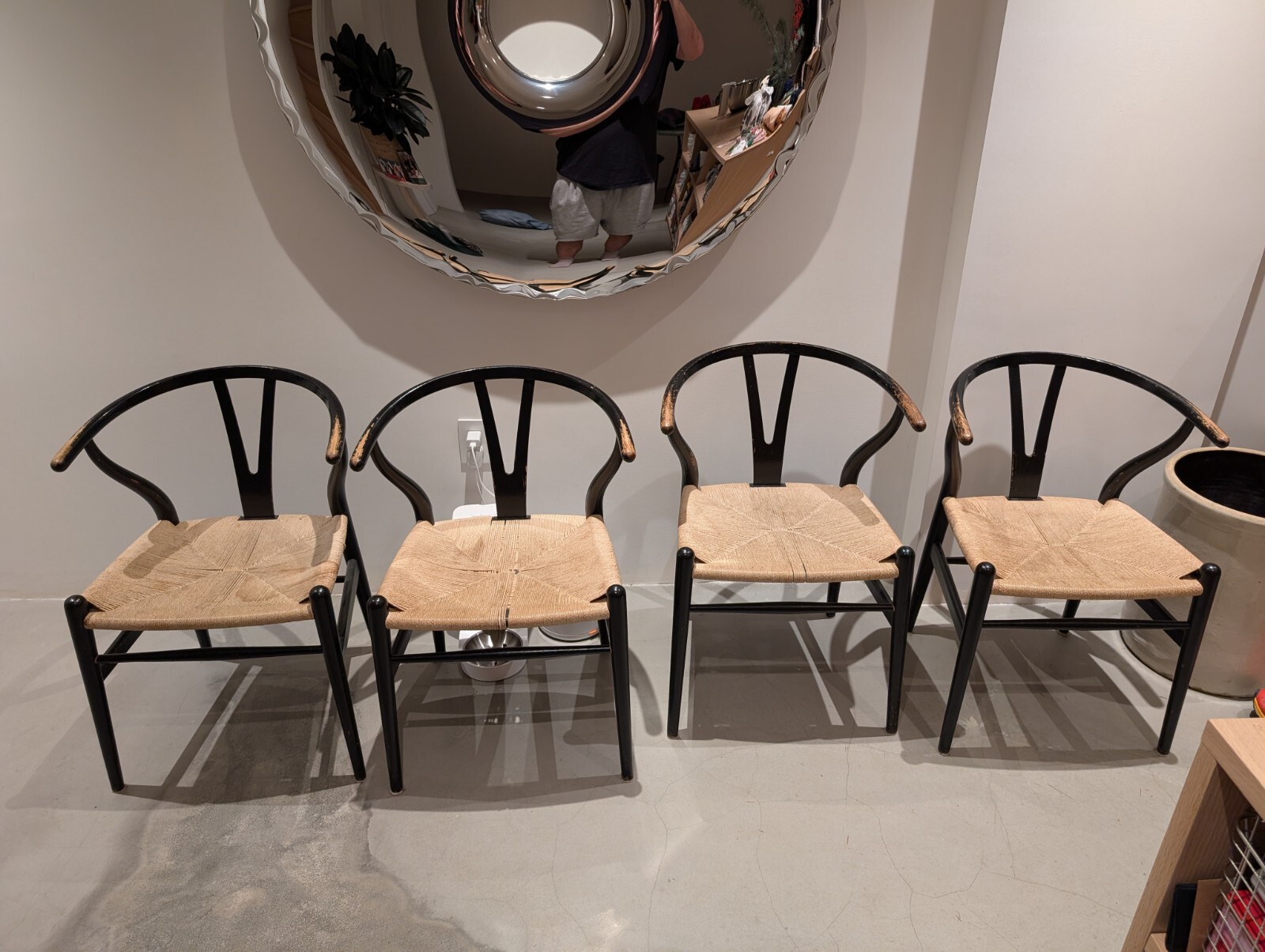
I live in a 1920s apartment with crown molding and a fireplace. The mid-century pieces don't clash; they calm the room down. A 1956 Hans Wegner CH24 Wishbone chair, the one with the Y-shaped back, sits next to a Victorian side table. The chair's lightness makes the table look less heavy. That's the point. Mid-century modern is a corrective to rooms that take themselves too seriously.
What to Look For
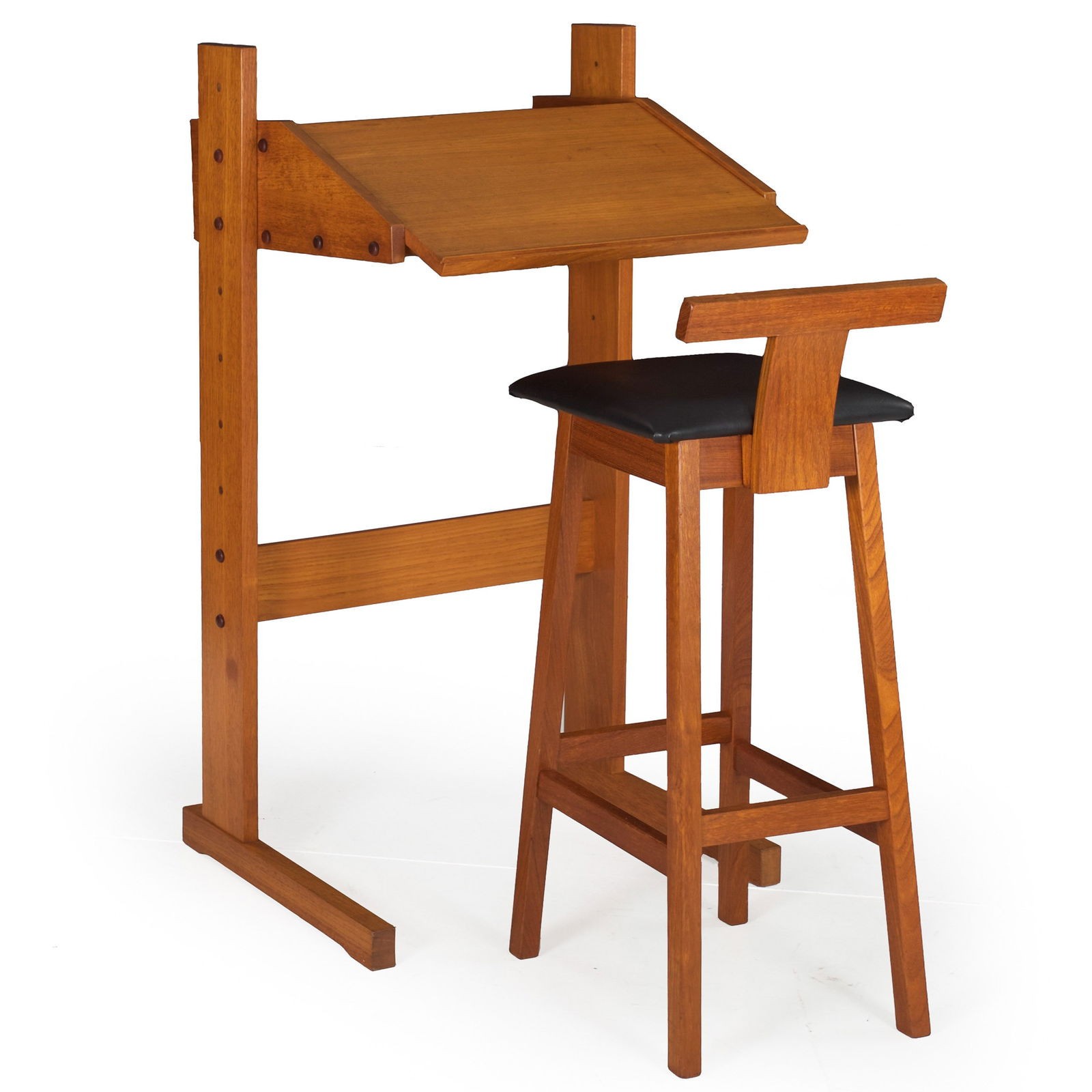
Start with the wood. Walnut, teak, and rosewood were the standard. If it's oak, it's probably later or cheaper. Look at the grain. Book-matched veneers, where two panels mirror each other, are a sign of care. Run your hand along the edge. A good piece will have a solid wood band, not veneer that chips.
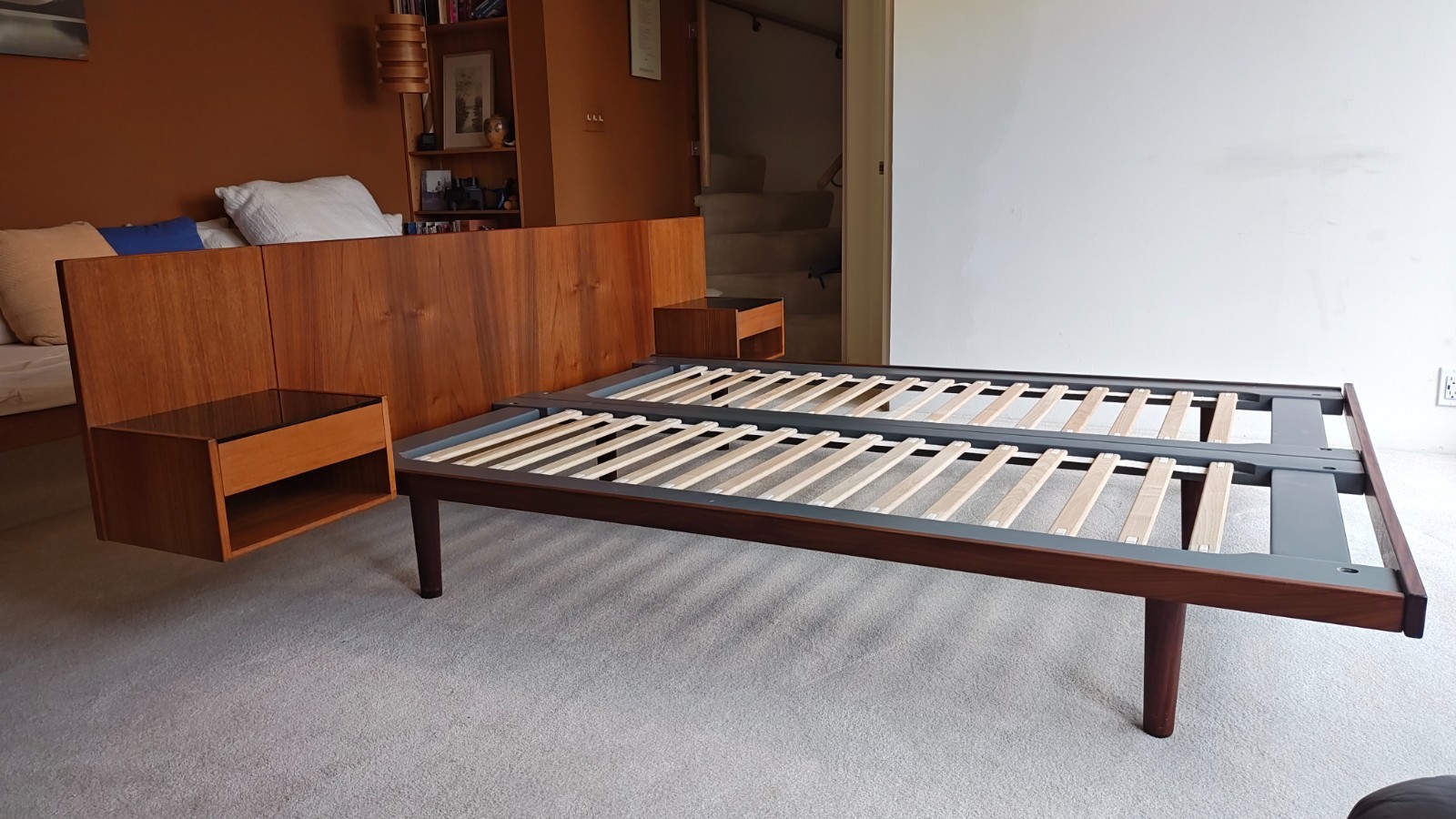
Check the joinery. Dovetails on drawers, not staples. Screws, not nails. The Danish makers, like Finn Juhl and Hans Wegner, used mortise-and-tenon joints that are still tight after seventy years. American companies like Herman Miller and Knoll were more industrial, but they used high-quality plywood and steel.
Finishes matter. Original lacquer or oil will have a patina. If it's been refinished with polyurethane, walk away. You want the wood to breathe. And check the labels. A Herman Miller tag from the 1950s is a small circle with a silver foil. A Knoll tag is a rectangle with a serial number. Those labels add value, but more importantly, they tell you the piece was made when the design was still new.
The Danish Line
In 1949, a Danish cabinetmaker named Finn Juhl designed a chair for the Cabinetmakers' Guild Exhibition in Copenhagen. It had a floating seat and a back that looked like a shield. The Danes called it the Chieftain. It was the first Danish chair to be mass-produced, and it changed how the world saw Scandinavian design. Juhl didn't care about comfort. He cared about line. You sit in a Chieftain and you feel like you're in a sculpture. That's the trade-off.
Hans Wegner was the opposite. He wanted comfort. His Round Chair, from 1949, was called "the world's most beautiful chair" by Interiors magazine. It has a curved back and a woven seat. You can sit in it for hours. Wegner made over 500 chairs. Most of them are still in production. The originals, from the 1950s, have a different feel. The wood is drier, the cane is tighter. You can find one at auction for a few thousand dollars. It's worth it.
Living with It
Don't put a Noguchi coffee table in the middle of a room and call it done. The table, designed in 1944, has a glass top and a sculptural base. It needs space around it. Put it in a corner with a lamp and a stack of books. Let it be a destination, not a centerpiece.
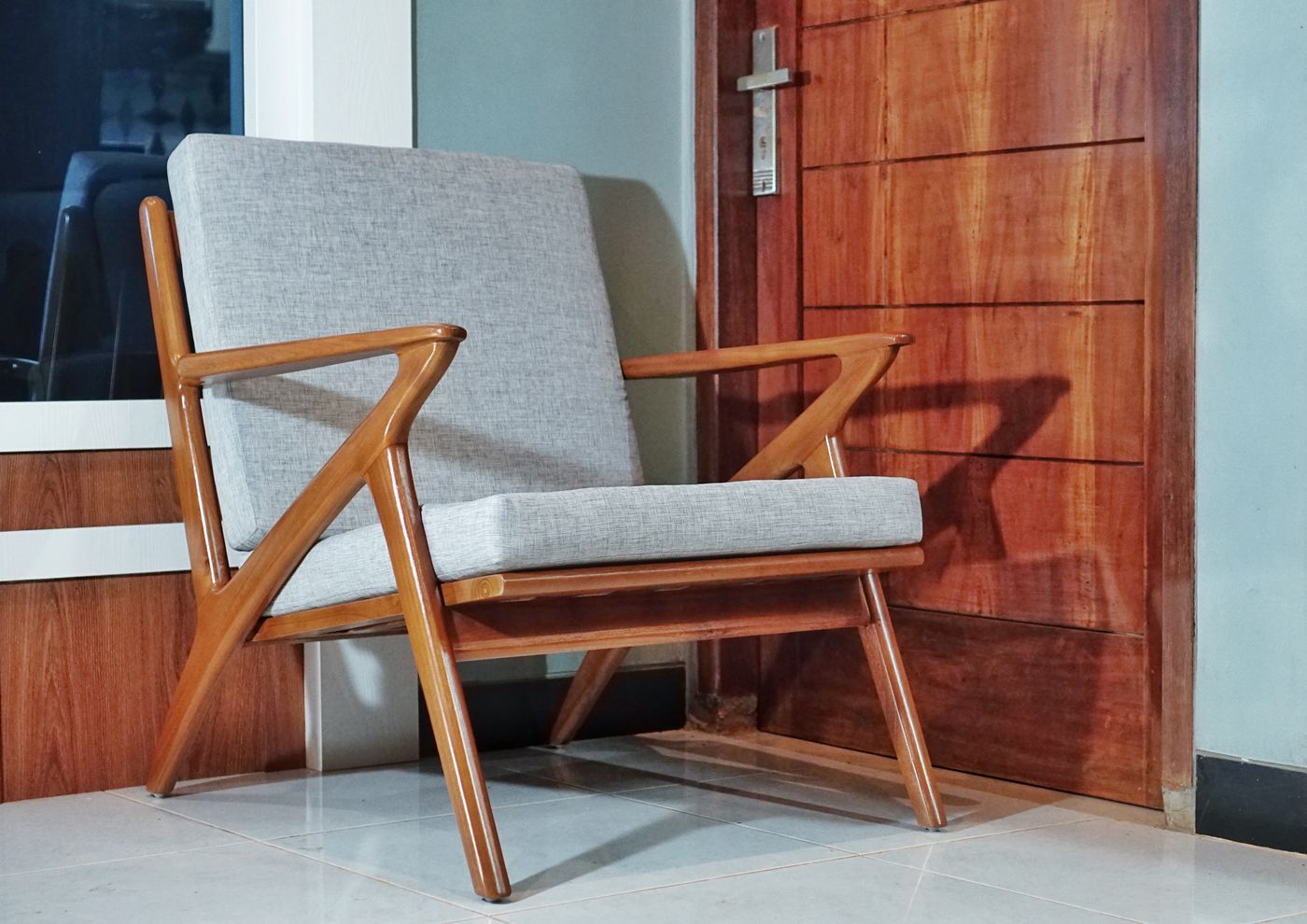
Foto: More Amore · Pexels
Lighting matters. Mid-century modern furniture looks best in natural light. If you have to use artificial, go warm. A 2700K bulb will make walnut glow. A 4000K bulb will make it look gray. I learned that the hard way.
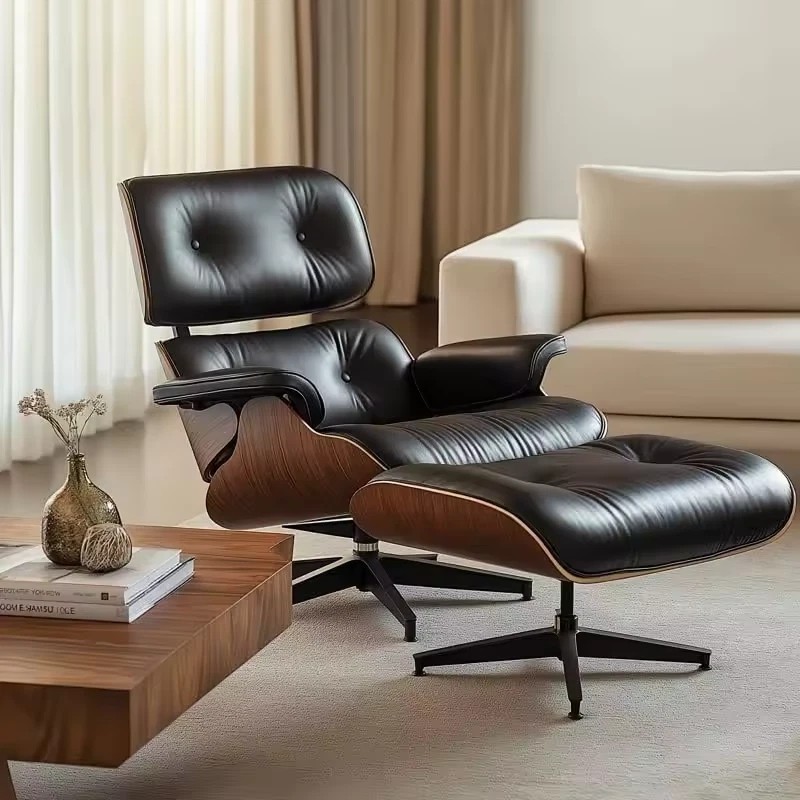
And sit in the chairs. All of them. The Eames Lounge Chair, from 1956, is famous for a reason. It's comfortable. But the early ones, with the down-filled cushions, are softer than the later foam versions. If you find one with the original leather, buy it. You won't regret it.
A Closing Thought
Mid-century modern isn't a trend. It's a way of solving a problem: how to make furniture that doesn't shout. The pieces in circulation now, the ones priced around $506.34, are mostly mixed labels. That's fine. A good chair is a good chair. Put it where you'll use it. Sit in it. Let it get scratched. That's what it was made for.
Foto: Carlos Bedoy · Pexels
 ◫ The Edit
One to watch
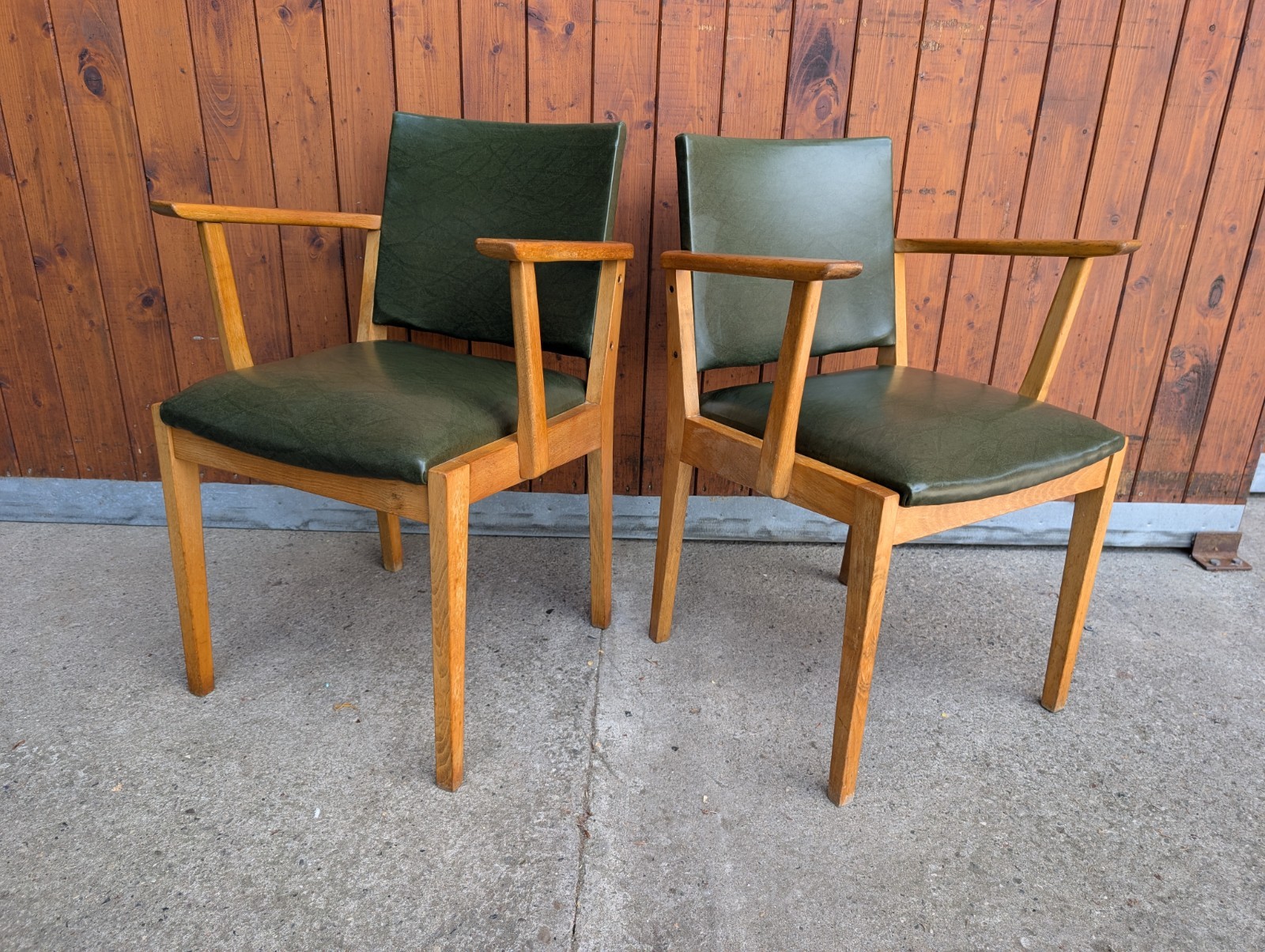
60s Vintage Lounge Chair Danish Armchair Mid Century Modern Original Wood, Green
Old furniture was built before flat-pack, with joinery and solid wood you can still smell. This honestly worn chair in green from the 1960s is the kind of piece that tells a story before you have said a word. This is the kind of thing that only improves the longer you live with it.
On the market now
The names
Meet the designers
The minds behind this story — each with a piece currently on the market.
Charles & Ray Eames
USA · 1940s
Moulded plywood & the Lounge Chair — the couple who made modern furniture feel human.
Moulded plywood & the Lounge Chair — the couple who made modern furniture feel human.
Top piece
View →
Hans J. Wegner
Denmark · 1940s
The Wishbone & 500 chairs — joinery so pure it needs no ornament.
The Wishbone & 500 chairs — joinery so pure it needs no ornament.
Top piece
View →
Børge Mogensen
Denmark · 1940s
The Spanish chair — honest, functional furniture for everyday life.
The Spanish chair — honest, functional furniture for everyday life.
Top piece
View →
George Nelson
USA · 1940s
The Marshmallow sofa & platform bench — Herman Miller's design director.
The Marshmallow sofa & platform bench — Herman Miller's design director.
Top piece
View →
Continue the edit
Further stories from the same world
Three more walks through the same vintage universe.
The Weight of a Good Chair: Living With Mid-Century Modern Furniture
How to read a piece of mid-century furniture before you buy it, where to put it once you own it, and why the joinery tells you more than the label ever will.
Read the story →Why Mid-Century Modern Furniture Matters Now
The pieces that defined the postwar American home are finding new life in apartments and houses where good design is lived with daily. Here is how to spot a well-made example, where to put it, and why it still works.
Read the story →Why Mid-Century Modern Furniture Matters Now: A Collector's Guide to Living With It Well
A practical, opinionated guide to buying and placing mid-century furniture: what the joinery tells you, which woods age honestly, and how to make a 1956 sideboard feel at home in a modern room without turning your living room into a showroom.
Read the story →