
 Sign in
✦ Culture · Amsterdam
The Quiet Authority of a Vintage Omega
A vintage Omega on a leather strap tells time and a story. Here is how to wear one today, what to check before you buy, and why the 1960s Seamaster still holds its own.
 By Louis Trash·
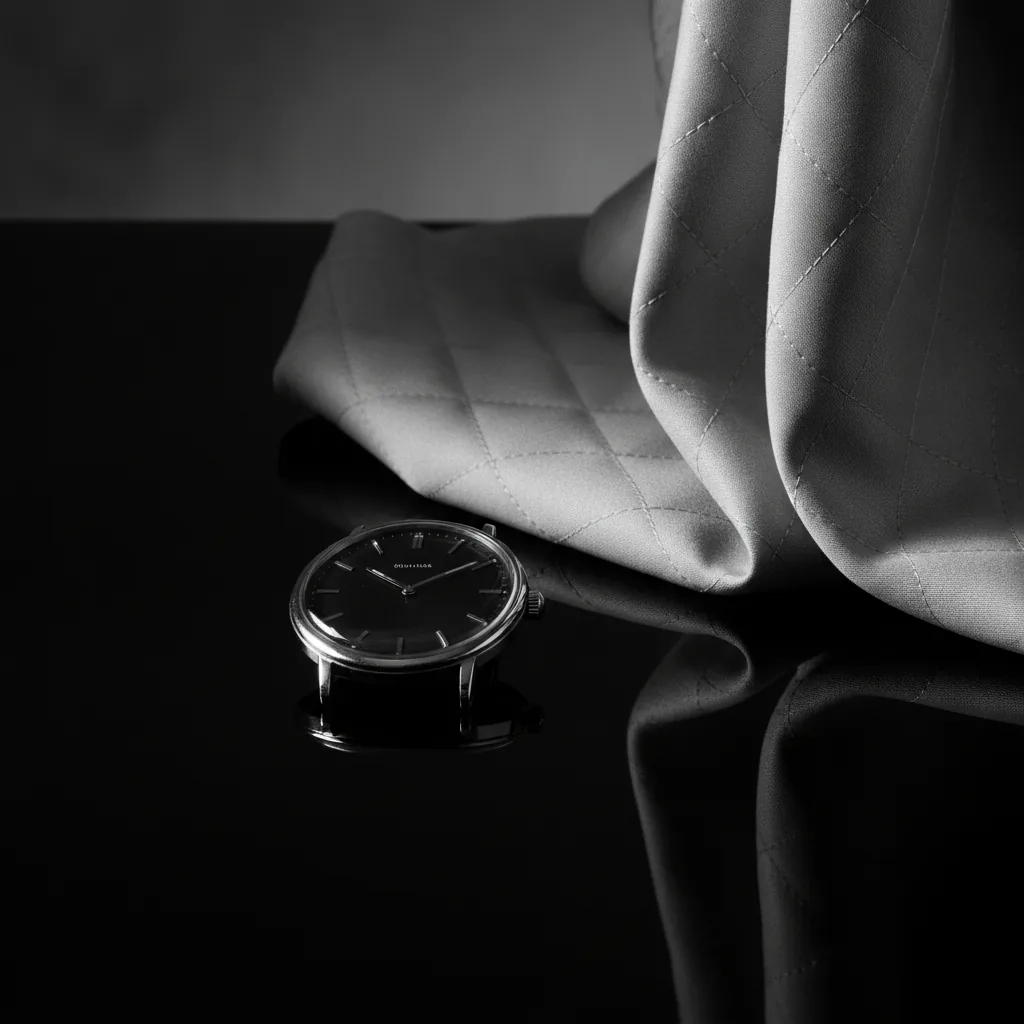
The Appeal of a Worn-In Omega
A vintage Omega on a leather strap is the most versatile thing in my wardrobe. It works with a t-shirt and jeans, a corduroy suit, even a tuxedo if the strap is black alligator. The case sizes from the 1950s and 1960s, mostly 34 to 36mm, sit flat on the wrist and slip under a cuff. That modesty is the point. You are not announcing a price tag. You are wearing a piece of mechanical history that happens to look better with age.
The prices are still reasonable. A decent Seamaster from 1962 might set you back around $379.71, which is less than a new quartz watch from a fashion brand. That number matters because it keeps the focus on wearing, not investing. You can wear it to the pub without checking your insurance policy.
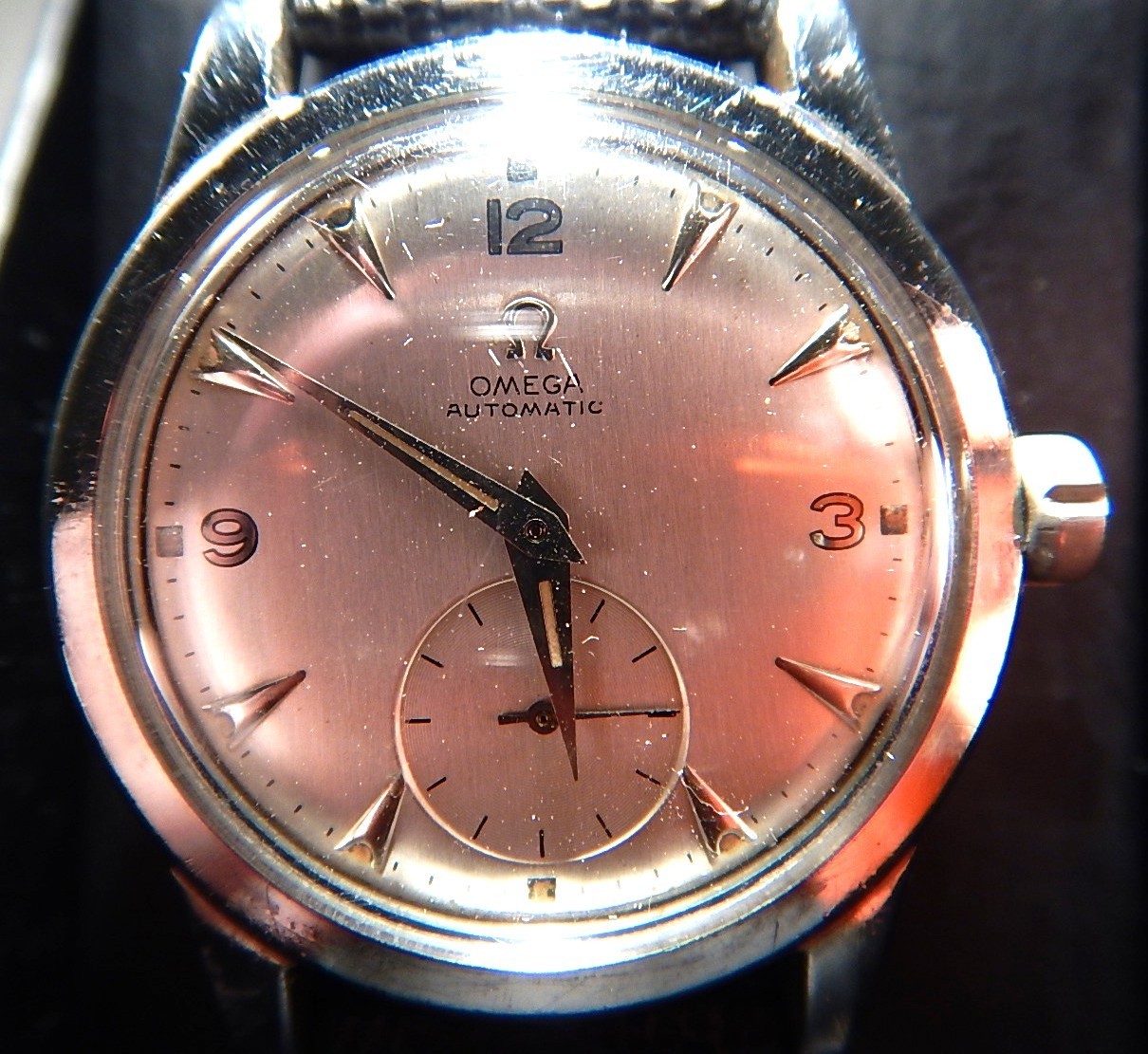
Styling: Proportions and Pairings
A vintage Omega is small by modern standards. That is its advantage. Wear it with a knit polo and pleated trousers, and the proportions feel deliberate. The watch becomes a quiet detail rather than a statement. I like a 34mm Omega on a 6.5-inch wrist with a tapered oxford shirt and a wool tie. The watch sits just at the edge of the cuff, visible when you reach for a glass.
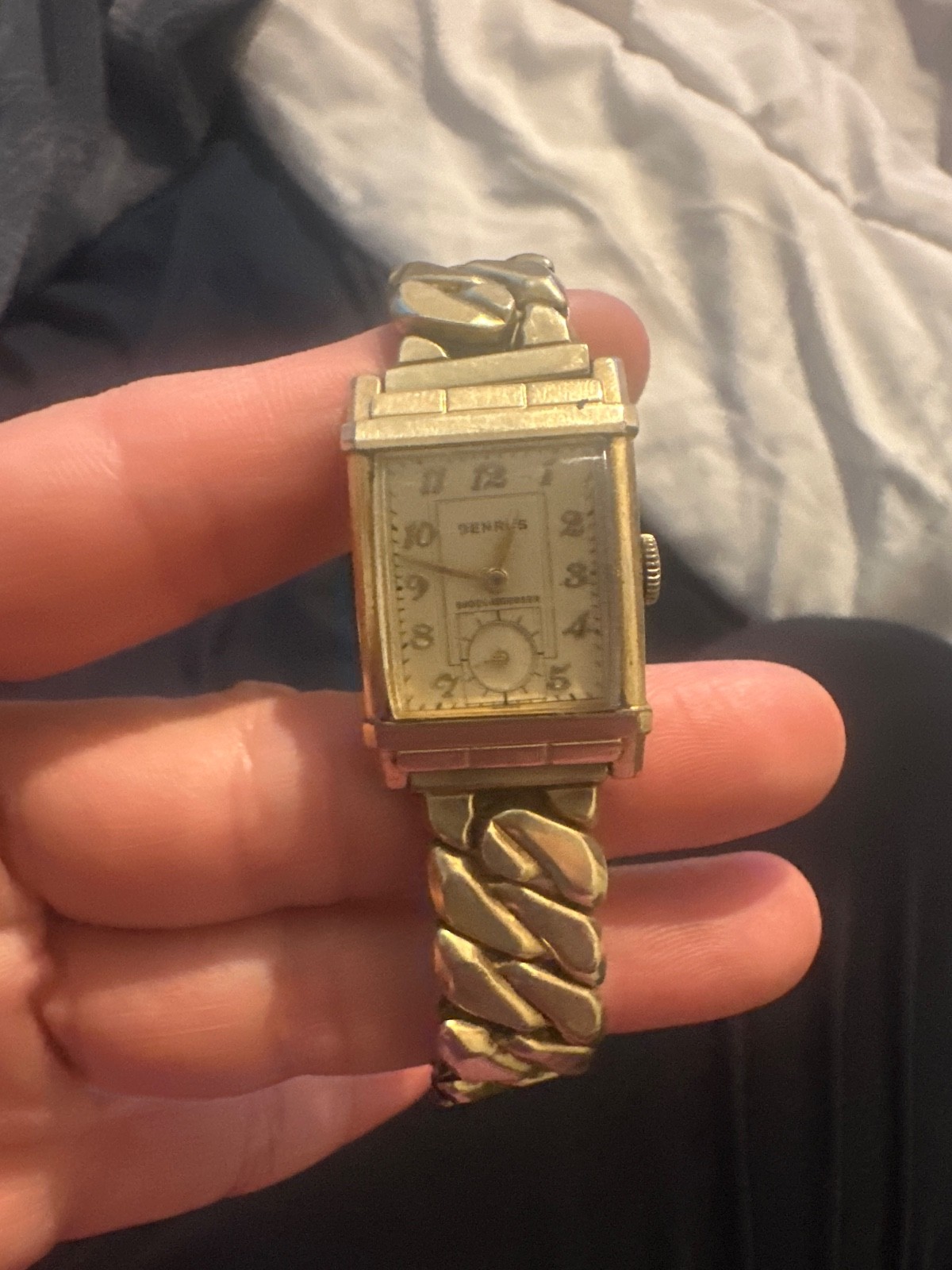
For casual wear, swap the leather strap for a perlon or a grey NATO. A 1960s Omega with a faded dial on a green NATO looks like something a French sailor might have worn. It works with a chore jacket, a striped breton, and straight-leg jeans. Avoid oversized watches next to it. The contrast in scale makes the vintage piece look delicate, which is fine, but you want it to look intentional, not an afterthought.
A gold-filled Omega from the 1950s pairs well with tweed. The warmth of the gold complements brown and green. I wore a 1954 bumper automatic with a brown tweed jacket and a rust-colored knit tie to a dinner last month. Nobody asked about the watch. That is the highest compliment.
What to Look For: Era Tells and Quality Tells
Omega made a lot of watches. The good ones have a few things in common. Look for a signed crown. The Omega symbol on the crown should match the case material. Look for a crisp case with sharp lugs. Polishing rounds the edges, so a sharp case is a sign of care.
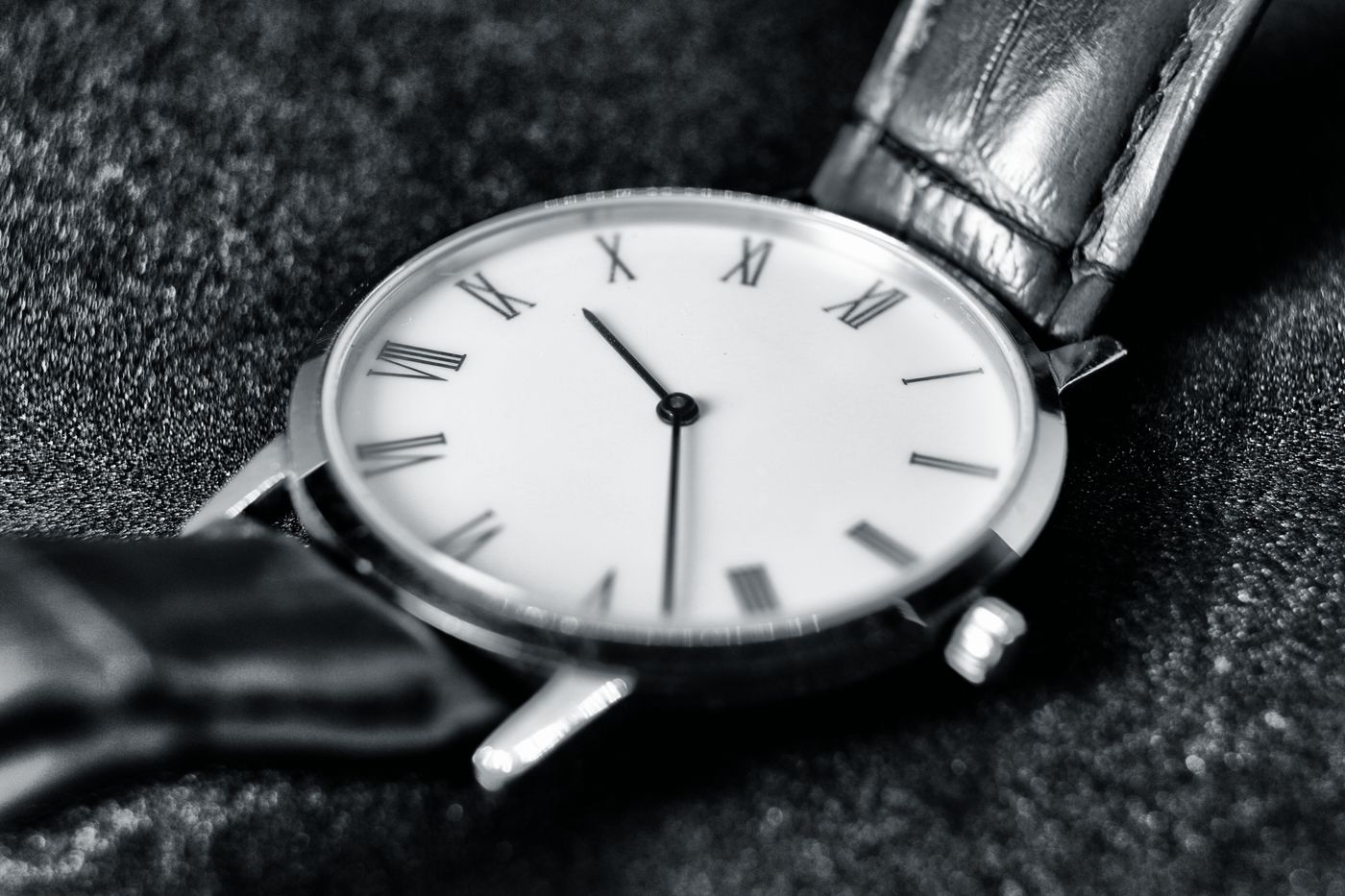
Foto: Mat Brown · Pexels
Dial condition matters more than case condition. A clean dial with even patina is worth more than a polished case. Patina should be warm and uniform, not blotchy. Water damage shows as grey or black spots. Avoid those.
Movement matters. The bumper automatics from the early 1950s are charming but less robust than the later rotor automatics. The 500 series movements from the late 1950s and 1960s are workhorses. The 551 and 552 are common and easy to service. A watchmaker will thank you for bringing in a 552.
Era tells are in the details. 1950s Omegas often have applied logos and dauphine hands. 1960s pieces have baton hands and painted logos. 1970s pieces get thicker cases and integrated bracelets. I prefer the 1960s for the balance of size and legibility.
Check the caseback. A correct caseback has the reference number and a seamonster or hippocampus engraving. A plain caseback suggests a replacement. That is not a dealbreaker, but it should be reflected in the price.
A Short History: From Moon to Seamaster
Omega's reputation was built on precision. In 1965, NASA tested several chronographs and chose the Omega Speedmaster for its durability and legibility. That decision made the Speedmaster the first watch on the moon in 1969. But the Speedmaster is a chronograph, and most vintage Omegas on the secondary market are Seamasters and Geneves.
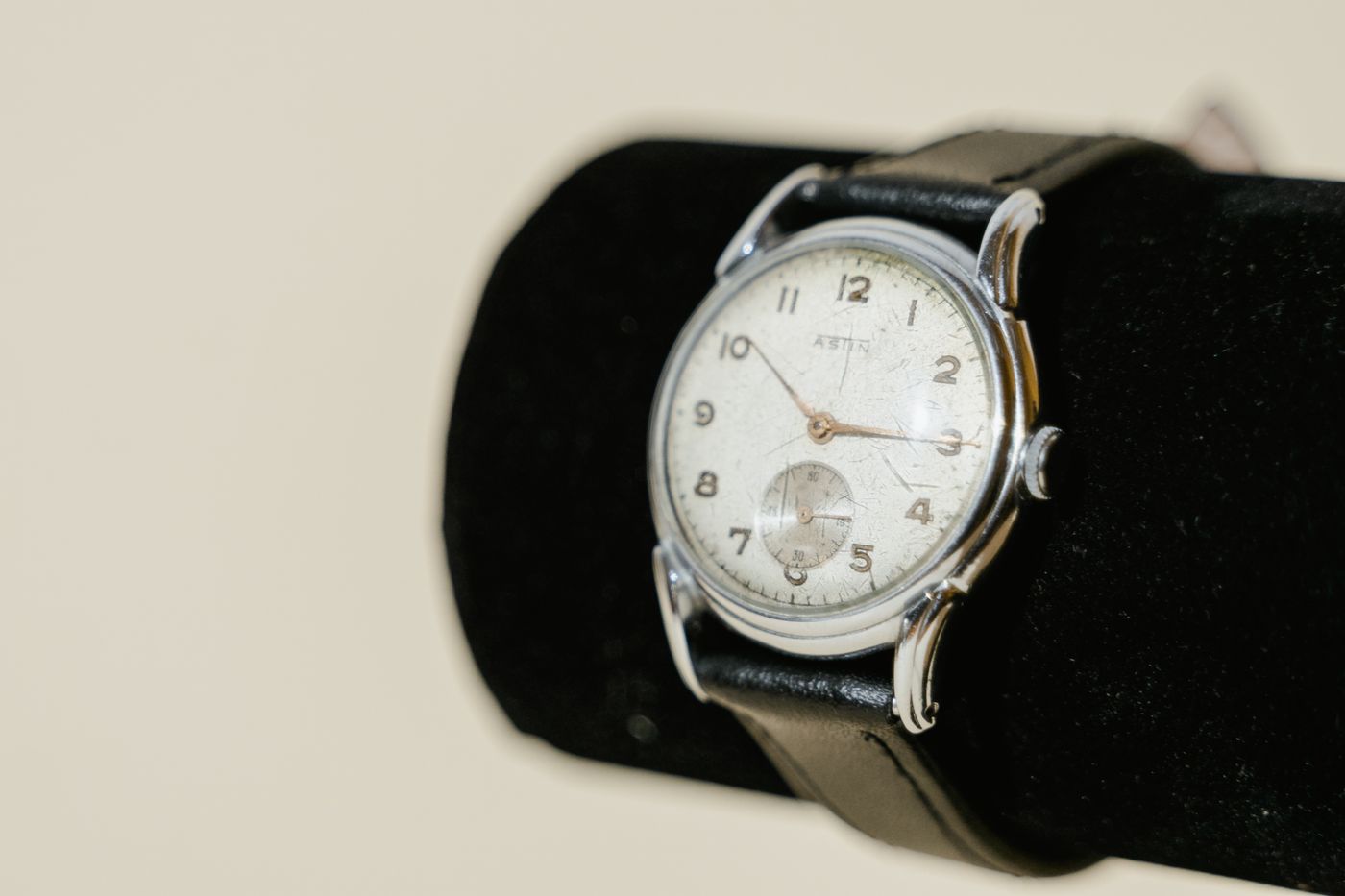
Foto: Tima Miroshnichenko · Pexels
The Seamaster line started in 1948 as a dress-diver hybrid. By the 1960s, it was a slim, water-resistant watch for the man who wanted one watch for everything. The Seamaster 300 from 1957 is a different beast, a proper dive watch. But the everyday Seamaster, the one you find on a leather strap, is a gentleman's watch.
Geneve was Omega's entry-level line in the 1960s and 1970s. It used the same movements but simpler cases. A Geneve from 1968 is a great value. The dials are often sunburst or linen, and the cases are thin.
Omega also made watches for the British military. The WWW models from 1945 are highly collectible. The '53 and '56 models are more common. They have fixed spring bars and a sterile dial. Those are not for everyone, but they are honest watches.
How to Wear It Today
A vintage Omega is not a fragile object. It was made to be worn. Service it every five years. Keep it away from water unless it has been pressure-tested. Wear it with a suit, with a sweater, with a denim jacket. The watch will pick up scratches, and that is fine. Scratches are a record of your time with it.
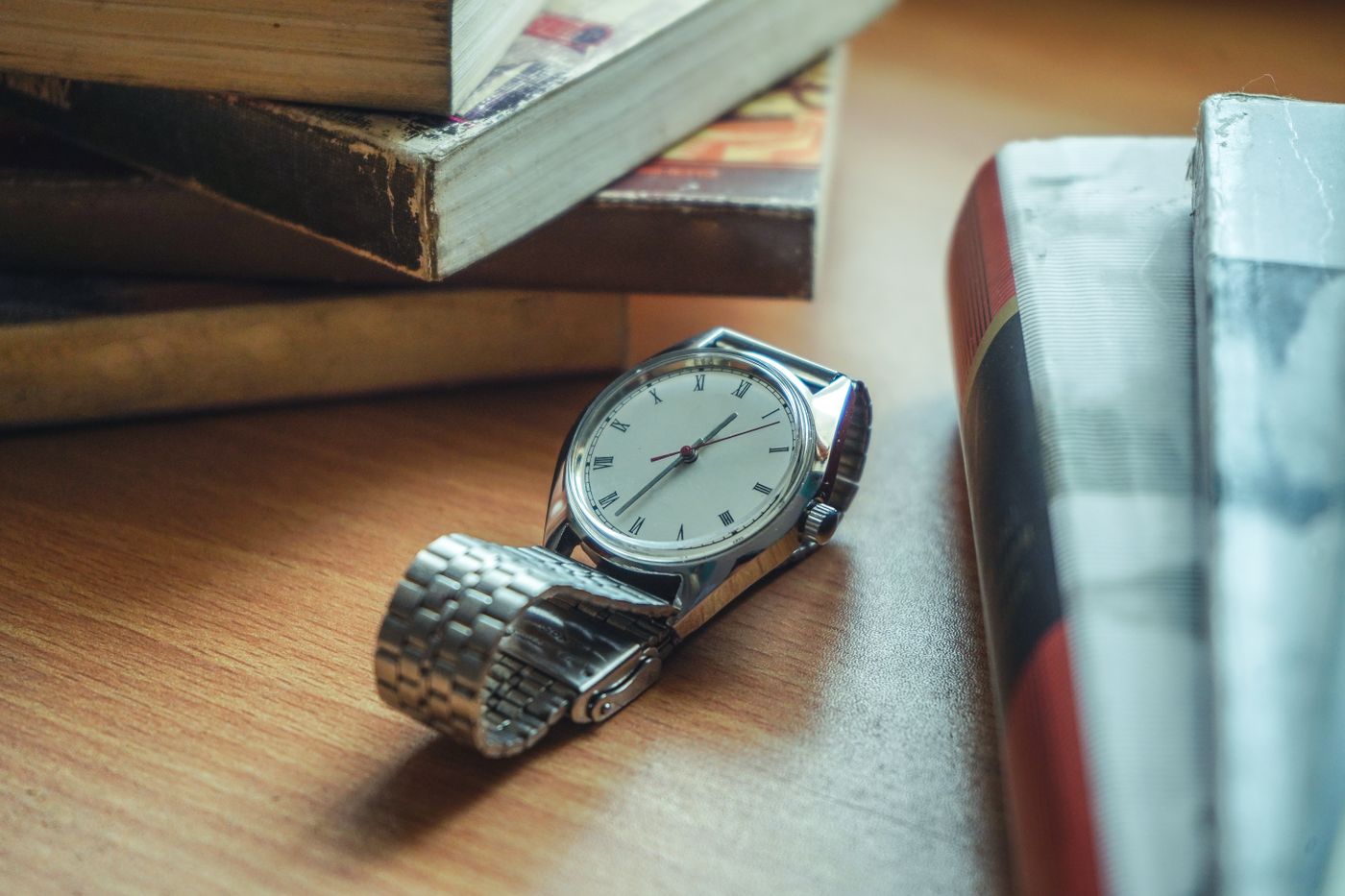
Foto: Yogendra Singh · Pexels
I have a 1962 Seamaster that I wear on a grey suede strap. The crystal has a few marks. The dial has a light cream patina. I wear it with a navy blazer and grey flannels, and I wear it with a black t-shirt and jeans. It never looks wrong.
The best vintage Omega is the one you do not have to think about. You put it on, and it disappears. That is the quiet authority of a well-made watch. It does not shout. It does not need to.
A Closing Thought
A vintage Omega is a reminder that good design does not expire. The 34mm case that seemed small in 1965 is still small, but it is also perfectly proportioned for a modern wrist. The movement is mechanical, so it needs winding or a shake to start. That small ritual, the daily winding or the initial shake, connects you to the watch in a way a battery never will. Wear it until the strap wears out. Then buy another strap.

 ✦ The Edit
One to watch
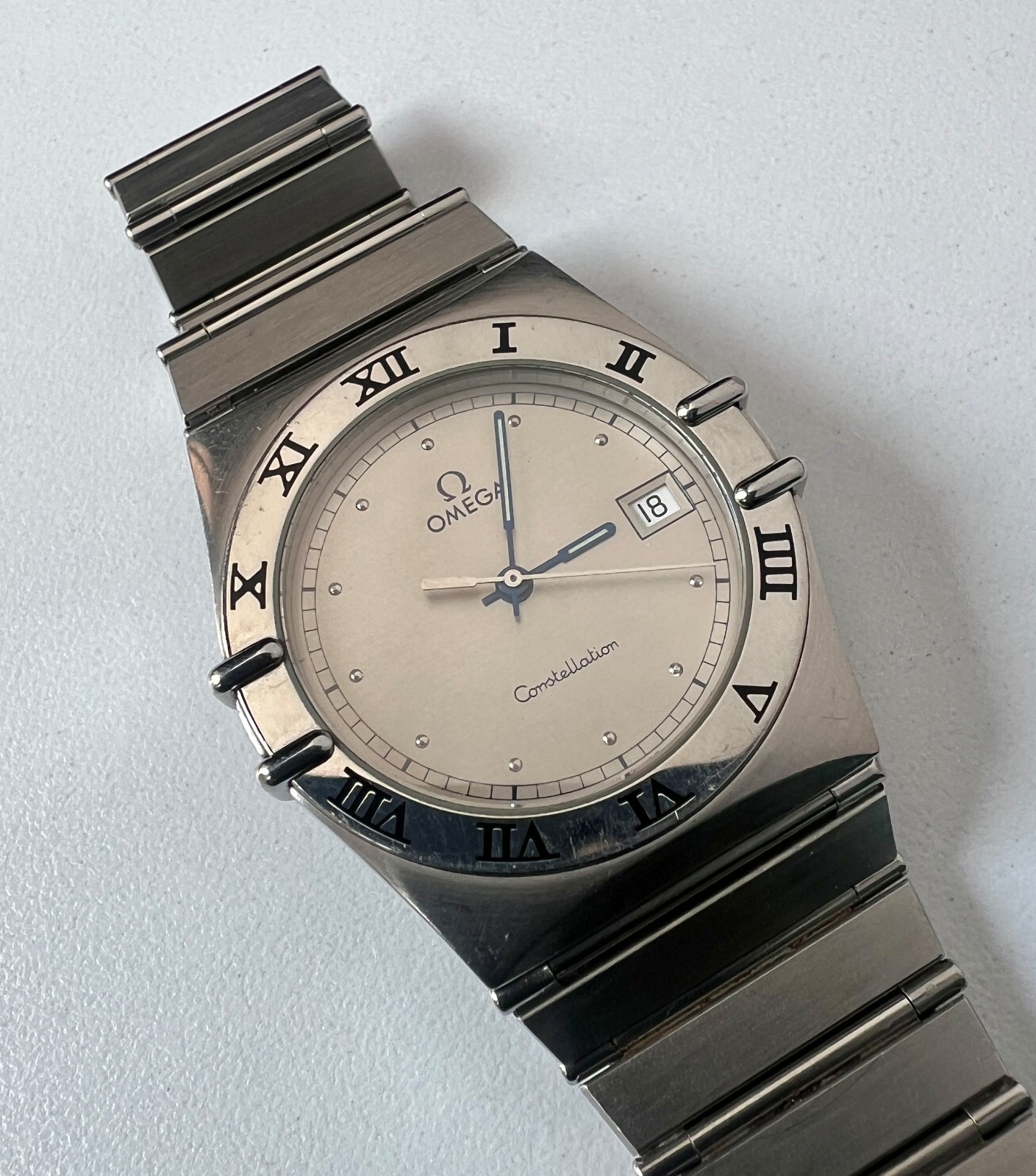
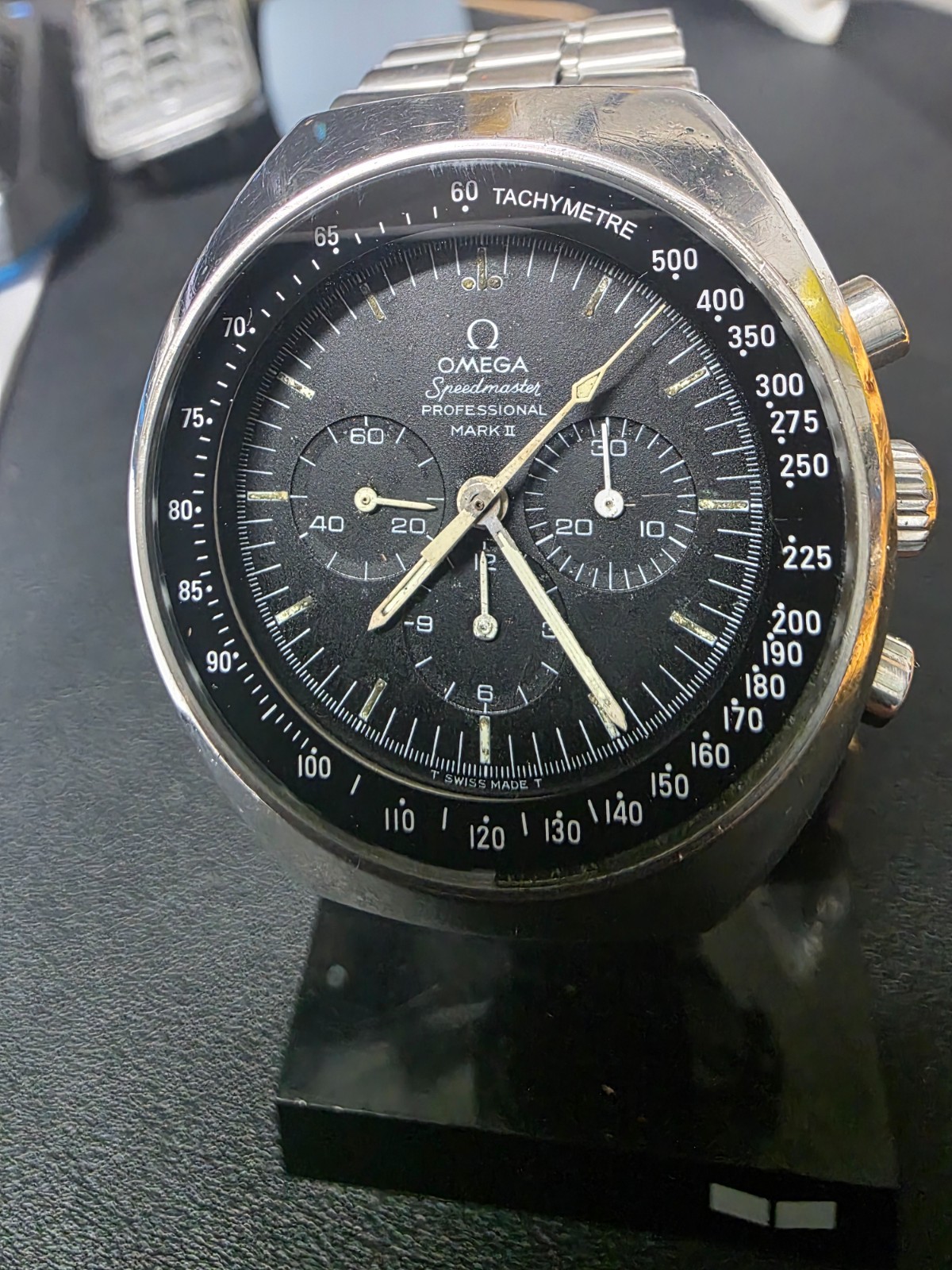
OMEGA Constellation Manhattan Watch Vintage Mens Gray Dial 396.1070 Quartz
The watch that went to the moon. This honestly worn watch carries exactly the quality that made Omega worth collecting in the first place. This is the kind of thing that only improves the longer you live with it.
On the market now
The names
Meet the designers
The minds behind this story — each with a piece currently on the market.
Omega
CH · 1840s
The Speedmaster & the Moonwatch
The Speedmaster & the Moonwatch
Top piece
View →
Chanel
France · 1910s
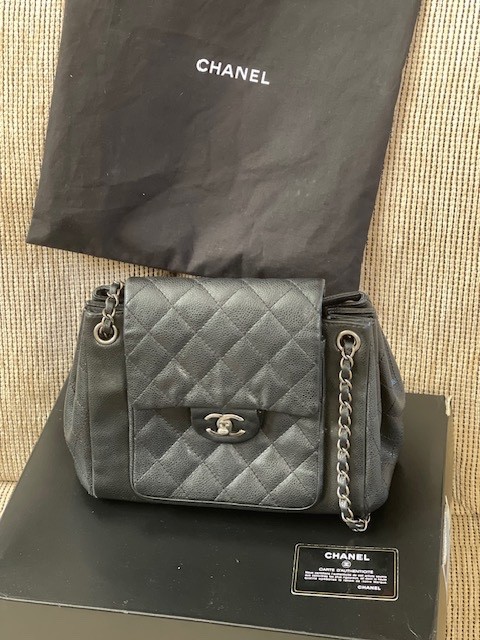
The little black dress & the 2.55
The little black dress & the 2.55
Top piece
View →
Tag Heuer
CH · 1860s
The chronograph & racing heritage
The chronograph & racing heritage
Top piece
View →
Alpha Industries
USA · 1950s
The MA-1 flight jacket
The MA-1 flight jacket
Top piece
View →
Continue the edit
Further stories from the same world
Three more walks through the same vintage universe.
The Wrist, Reconsidered: Wearing a Vintage Watch Like You Mean It
A 1972 Omega on a worn leather strap will do more for a plain white shirt than any new acquisition. Notes on wearing vintage watches with intent, from a collector who wears his.
Read the story →The Wrist, Reconsidered: Wearing Vintage Watches Without the Vitrine
A Gucci from 1975 and an Omega from 1968 cost less than a decent pair of boots. Here is how to wear them like you mean it, what to check on the caseback, and why the small watch is winning again.
Read the story →Why Vintage Watches Matter Now
A 1968 Rolex GMT-Master on a faded bezel and a nylon strap is a tool that tells time and looks good doing it. Here is how to wear one without looking like you are trying too hard.
Read the story →