
 Sign in
✦ Culture · Amsterdam
The Vintage Dress That Wears You Back
A good vintage dress is a piece of clothing that has already lived a life, and it expects you to live yours in it. Here is how to find one, wear it, and make it yours.
 By Louis Trash·
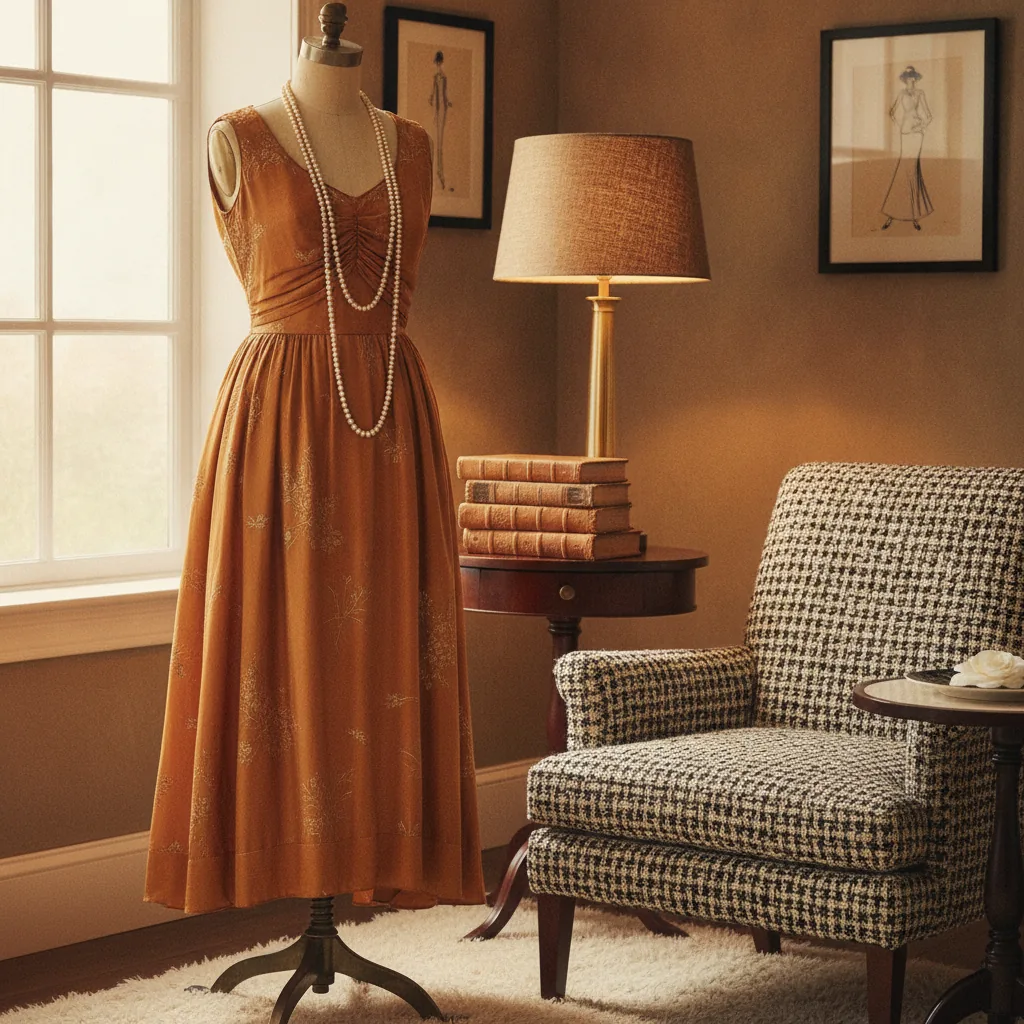
The Dress That Already Knows How to Move
A vintage dress has a body memory. It has been to dinners, to offices, to weddings, to the kind of parties that end with someone crying in the back of a cab. You can feel it in the way the fabric falls. A 1950s cotton day dress has a crispness that new cotton lacks, because the fibers have been washed and worn and softened into something closer to skin. A 1970s jersey wrap dress moves with you because it was cut for movement, not for a hanger. When you put one on, you are not the first person to wear it. That is the point.
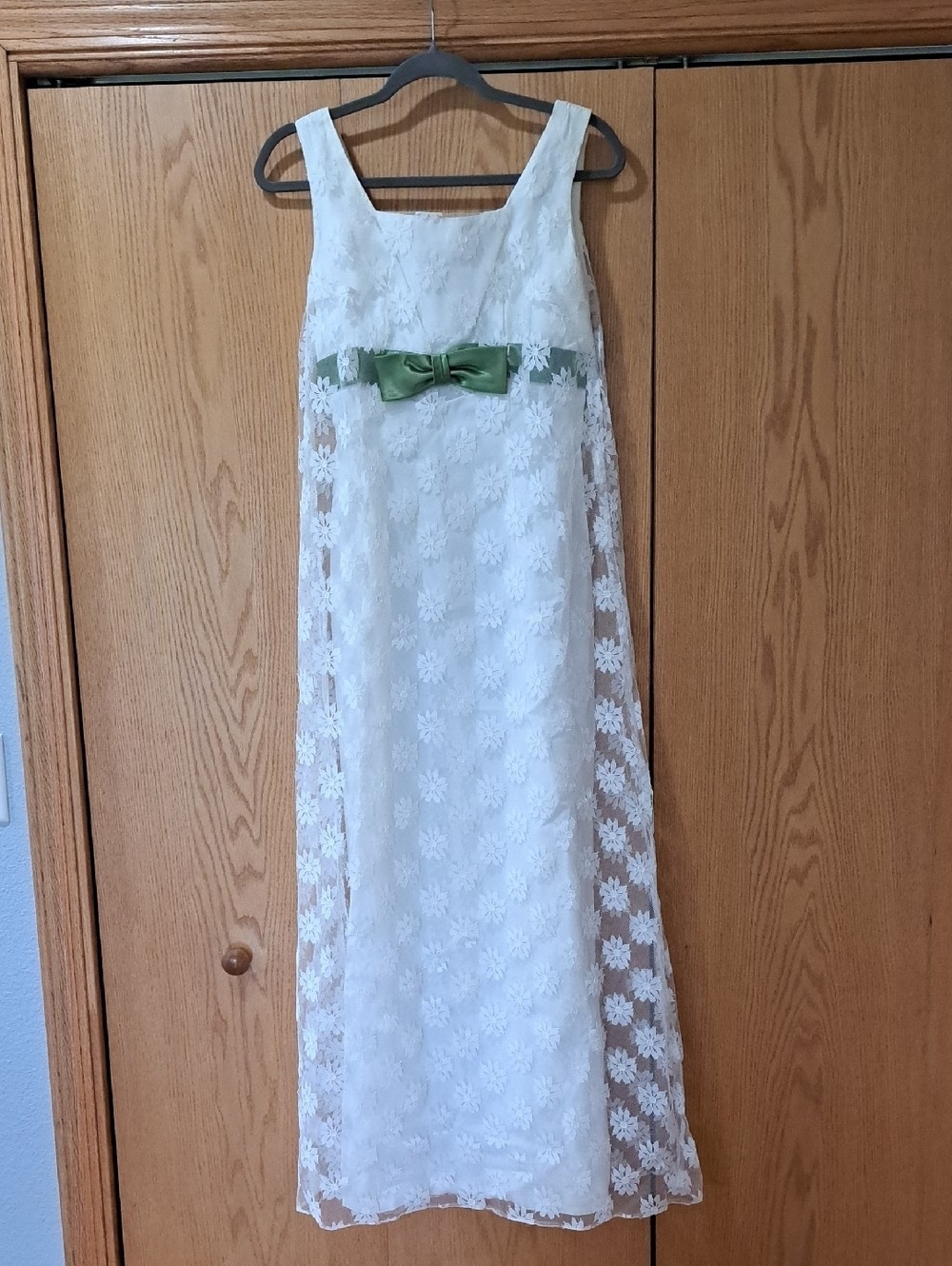
The pieces in circulation right now are mostly mixed labels, often priced around $80. That is a good number. It means you can afford to be picky. It means you can walk away from a dress that almost fits. The best vintage dresses are the ones that make you stand up straighter without thinking about it. You do not have to talk yourself into them.
How to Wear It Without Looking Like You Tried
The mistake people make with vintage dresses is treating them like a theme. You do not need a petticoat and a pair of gloves. You need a modern wardrobe that can take the weight of an older piece.
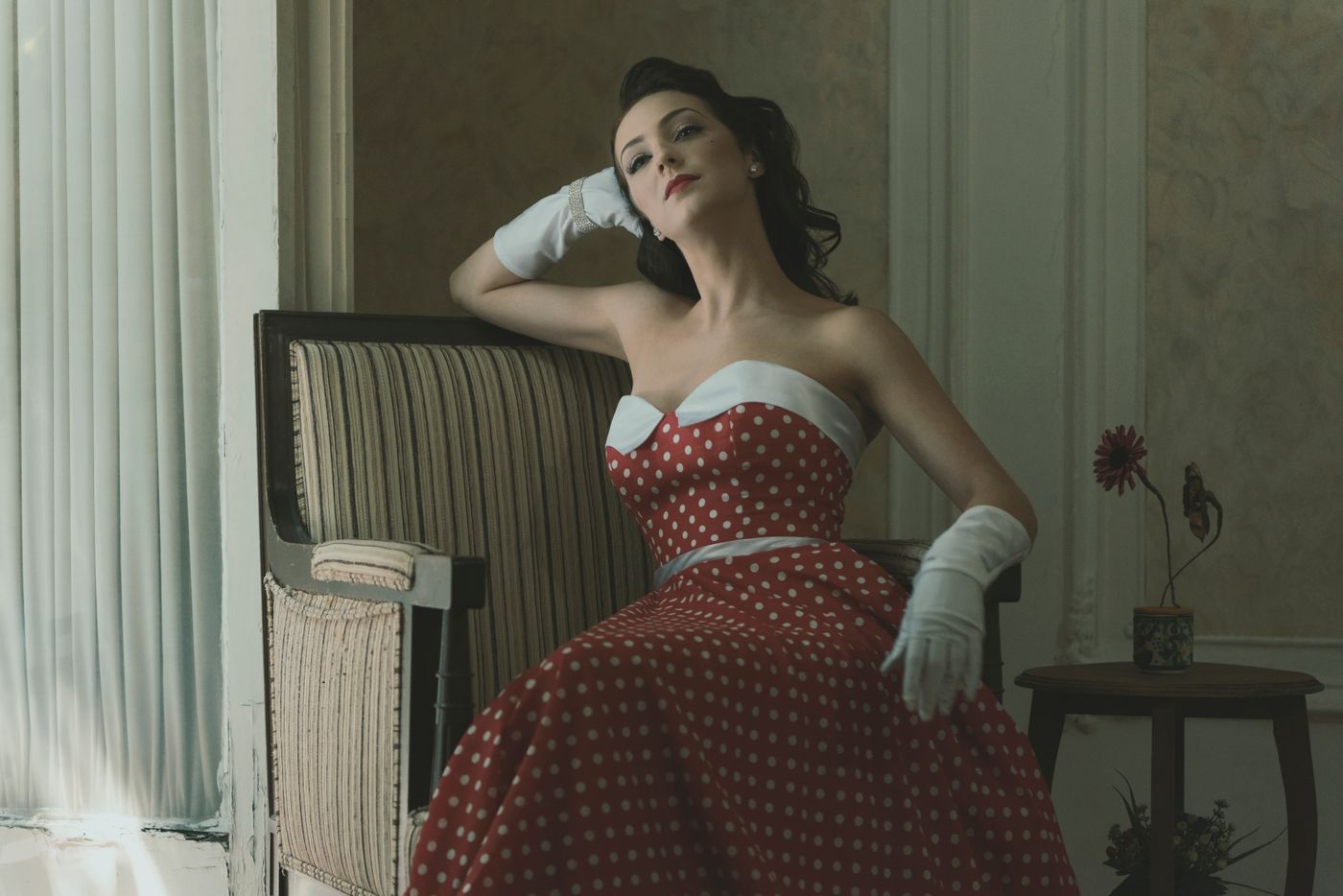
Foto: Odin Reyna · Pexels
A 1940s rayon print dress, for example, works best with a plain leather belt and flat sandals. The dress is already busy. Let it be busy. A 1960s shift dress in a solid color, on the other hand, can take a chunky knit cardigan and a pair of ankle boots. The shift is simple. The cardigan adds texture. The boots add weight.
Proportion is everything. If the dress has a full skirt, keep the top half close to the body. If the dress is straight and narrow, add volume on top with a boxy jacket or a loose sweater. A 1970s wrap dress looks best with nothing else. It is a complete thought. A 1950s shirtwaist dress, though, benefits from a thin cardigan and a pair of ballet flats. The shirtwaist was designed for practicality. It can handle a little help.
Do not be afraid to alter. A hem that hits mid-calf can be shortened. A waist that is too big can be taken in. A vintage dress is a piece of clothing, not a museum piece. You are allowed to make it fit.
What to Look For When You Buy
Start with the fabric. Cotton, linen, wool, silk. These are the materials that age well. Polyester from the 1970s can be fun, but it can also pill and hold odors. If you are buying a dress you want to wear for years, stick to natural fibers. A 1950s cotton dress with a small print is a workhorse. A 1960s wool shift is a winter staple. A 1970s silk wrap is a summer evening.

Foto: Eduard Perez · Pexels
Look at the seams. A well-made dress has seams that are finished, not raw. It has a hem that is deep enough to let out. It has a zipper that runs smoothly. If the zipper is metal and the teeth are still sharp, that is a good sign. If the zipper is plastic and the pull is flimsy, that is a sign of a cheaper garment.
Check the label. You do not need a designer name to get a good dress, but you do need to know what you are looking at. A union label from the 1950s or 1960s tells you the garment was made in a factory with some standards. A label that says
The names
The designers behind the look
The minds behind this story — each with a piece currently on the market.
Børge Mogensen
Denmark · 1940s
The Spanish chair — honest, functional furniture for everyday life.
The Spanish chair — honest, functional furniture for everyday life.
Chanel
France · 1910s
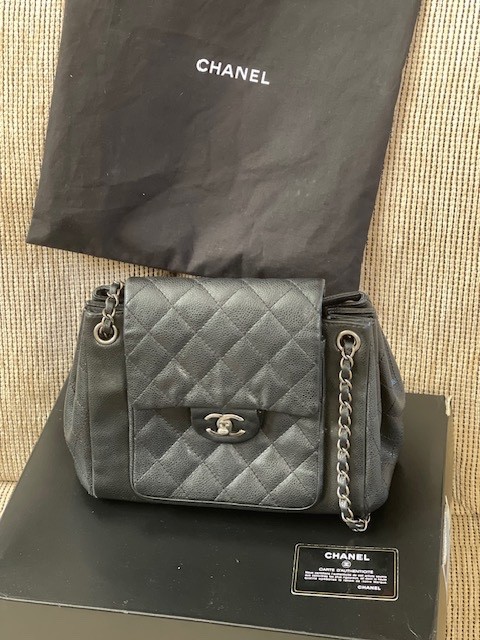
The little black dress & the 2.55
The little black dress & the 2.55
Top piece
View →
Dior
France · 1940s
The New Look & the Lady Dior
The New Look & the Lady Dior
Top piece
View →
Ann Demeulemeester
Belgium · 1980s
Romantic goth, asymmetric leather
Romantic goth, asymmetric leather
Continue the edit
Further stories from the same world
Three more walks through the same vintage universe.
The Dress That Does the Work: Wearing Vintage Dresses Without Looking Like a Costume
A practical guide to wearing vintage dresses well: the proportions that flatter a 2024 wardrobe, the era tells worth paying for, and the Hollywood history behind the shapes you are drawn to.
Read the story →The Dress That Does the Work: Wearing Vintage Dresses Now
A working guide to the vintage dress: how to wear one without looking costumed, what the seams and labels tell you, and the real history behind the shapes turning up in circulation.
Read the story →The Dress That Was Made for Walking Away
A working guide to vintage dresses: how to wear them without looking costumed, what the seams and labels tell you, and the real history behind the shapes still hanging on the rail.
Read the story →