
 Sign in
🔥 Fashion · Tokyo
How to Wear a Vintage Designer Bag Without Looking Like a Museum Piece
A Gucci hobo from 1996, a Prada nylon backpack from 1985, a Louis Vuitton Speedy that has softened into a puddle. These are bags with memory. Here is how to give them a second life in a modern wardrobe, and what to inspect before you buy.
 By Louis Trash·
The Bag That Already Has a Life
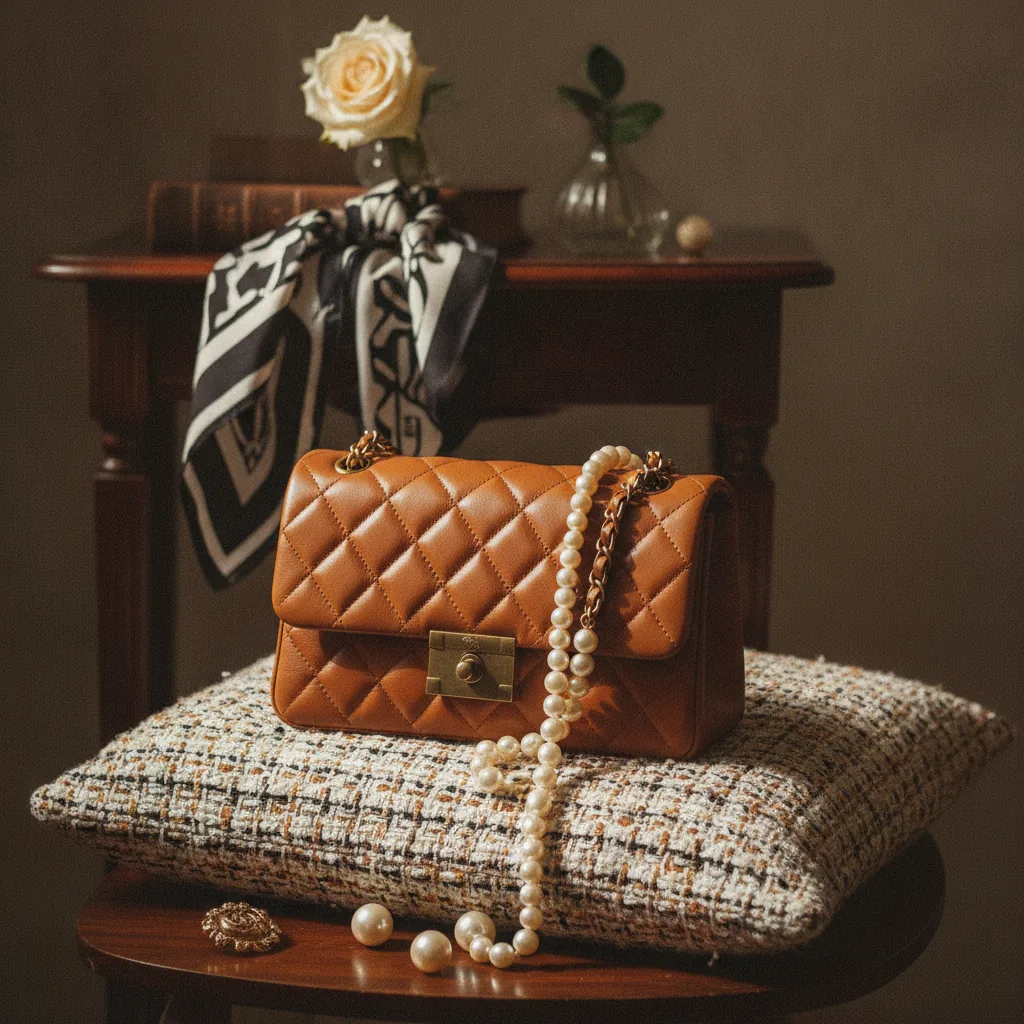
A friend bought a Gucci Jackie from a dealer in Tokyo last spring. It arrived with a faint scent of someone else's perfume and a small scuff on the leather trim that she has decided not to fix. She wears it with a navy wool blazer, straight-leg jeans, and loafers. The bag looks like it has been with her for a decade. That is the point.
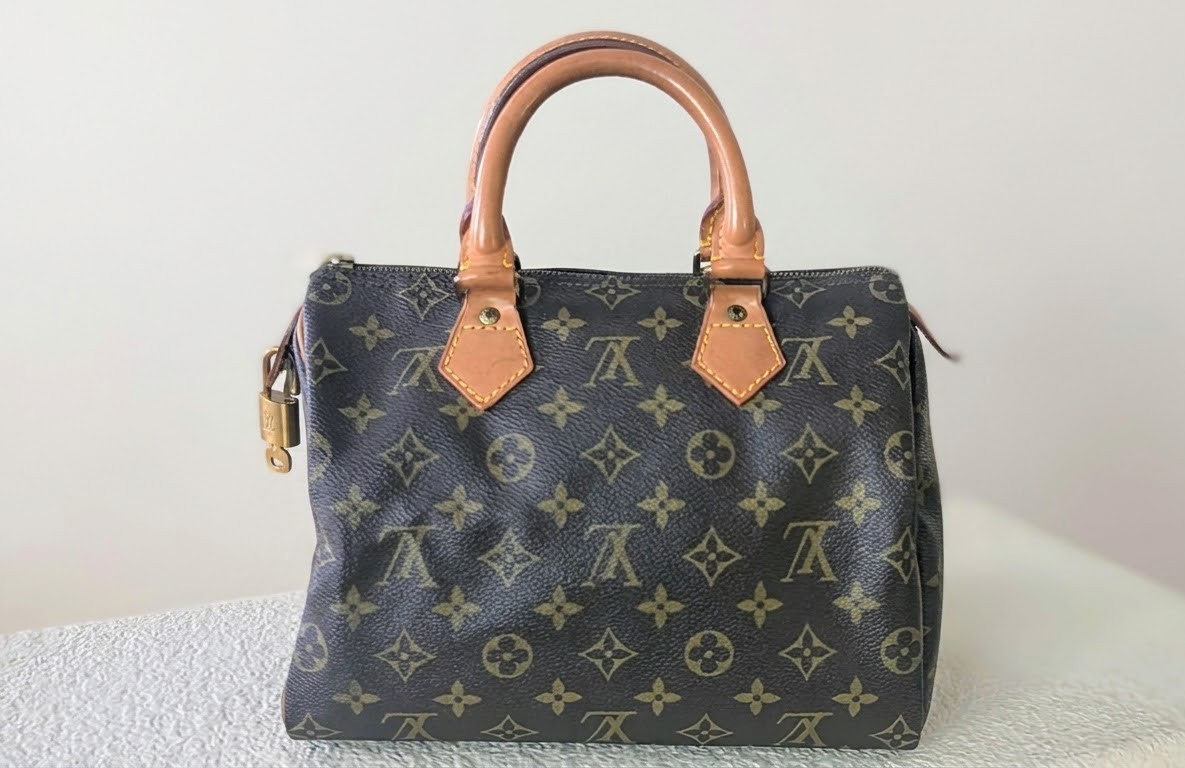

Designer vintage bags are tools that happen to be beautiful. They are not precious objects. The best ones have already been broken in by someone else. They have softened at the handles, developed a patina on the hardware, and lost the stiff, self-conscious quality of a new purchase. When you carry one, you are making a statement about your taste. Not your budget.
The pieces in circulation right now are mostly Gucci, Prada, Louis Vuitton, and Bvlgari. Prices hover around $253 for a good example, which is less than a new mid-range bag from a department store. That number matters because it means you can afford to be picky. You can wait for the right one. You can walk away from a bag with a broken zipper or a cracked strap.
Styling: Let the Bag Do One Thing
A vintage bag works best when it is the only vintage thing you are wearing. Pair a 1990s Prada nylon backpack with a crisp white shirt, tailored trousers, and clean sneakers. The bag adds texture and a hint of nostalgia. The rest of the outfit keeps it from looking like a costume.
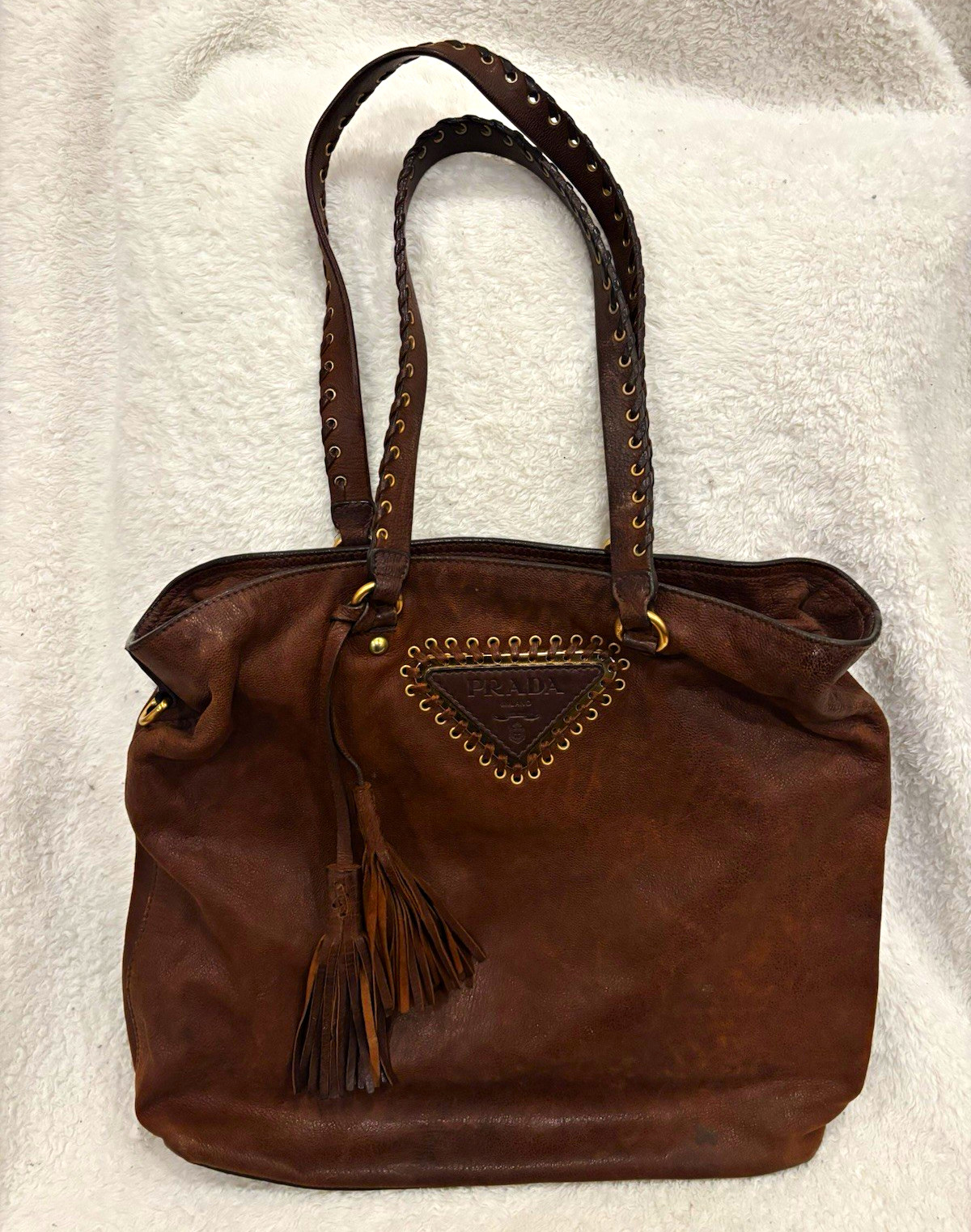
Proportion is everything. A small, structured bag like a Bvlgari serpentine mini looks best with volume: a wide-leg pant, an oversized coat, a chunky knit. A large, slouchy Gucci hobo needs a leaner silhouette: a fitted jacket, a slim trouser, a simple dress. The bag should feel like it belongs to the outfit. It should not look like it is fighting for attention.
Color is your friend. A black bag is safe, but a deep burgundy or a forest green adds warmth to a neutral wardrobe. If you wear a lot of navy, look for a bag with gold hardware. If you wear a lot of black, look for silver. The metal should echo something else you are wearing: a watch, a buckle, a pair of earrings.
What to avoid: do not wear a vintage bag with a vintage outfit. A 1970s Gucci bag with a 1970s peasant blouse and a 1970s denim skirt reads as a theme party. Wear the bag with something modern. Let the contrast do the work.
What to Look For: Era Tells and Quality Tells
The era matters because it tells you what the bag was made for. A 1980s Prada backpack was designed for travel. It has sturdy zippers, reinforced stitching, and a nylon that can take a beating. A 1990s Gucci hobo was designed for the office. It has a clean silhouette, a leather trim, and a magnetic closure. A 2000s Louis Vuitton Speedy was designed for everyday. It has a rolled handle, a canvas body, and brass hardware that tarnishes with age.
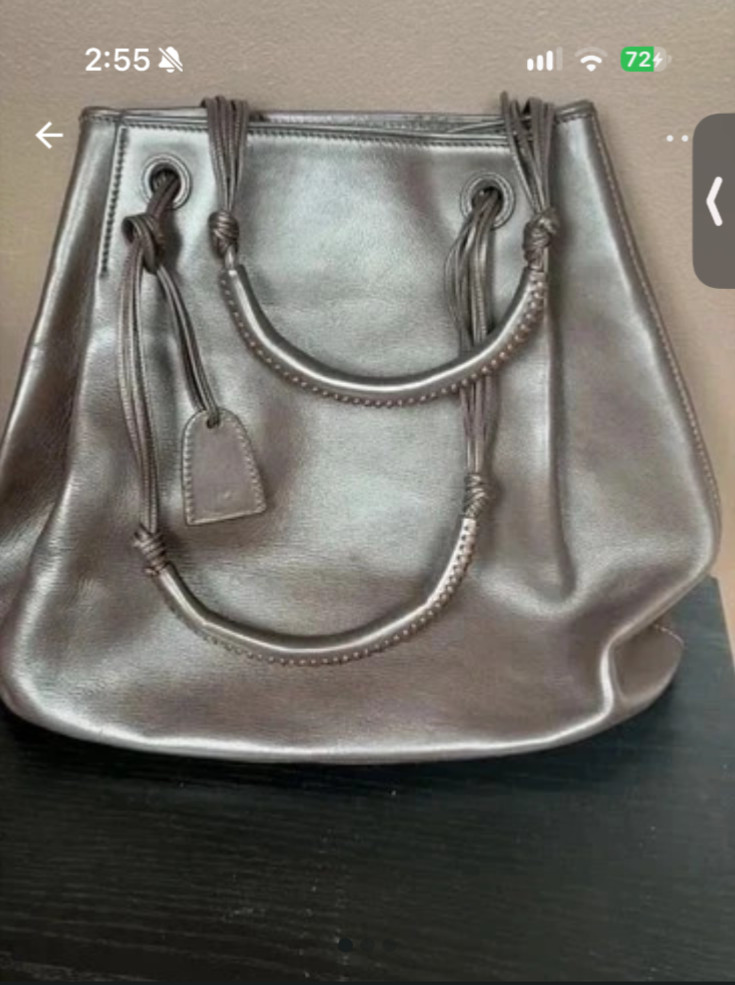
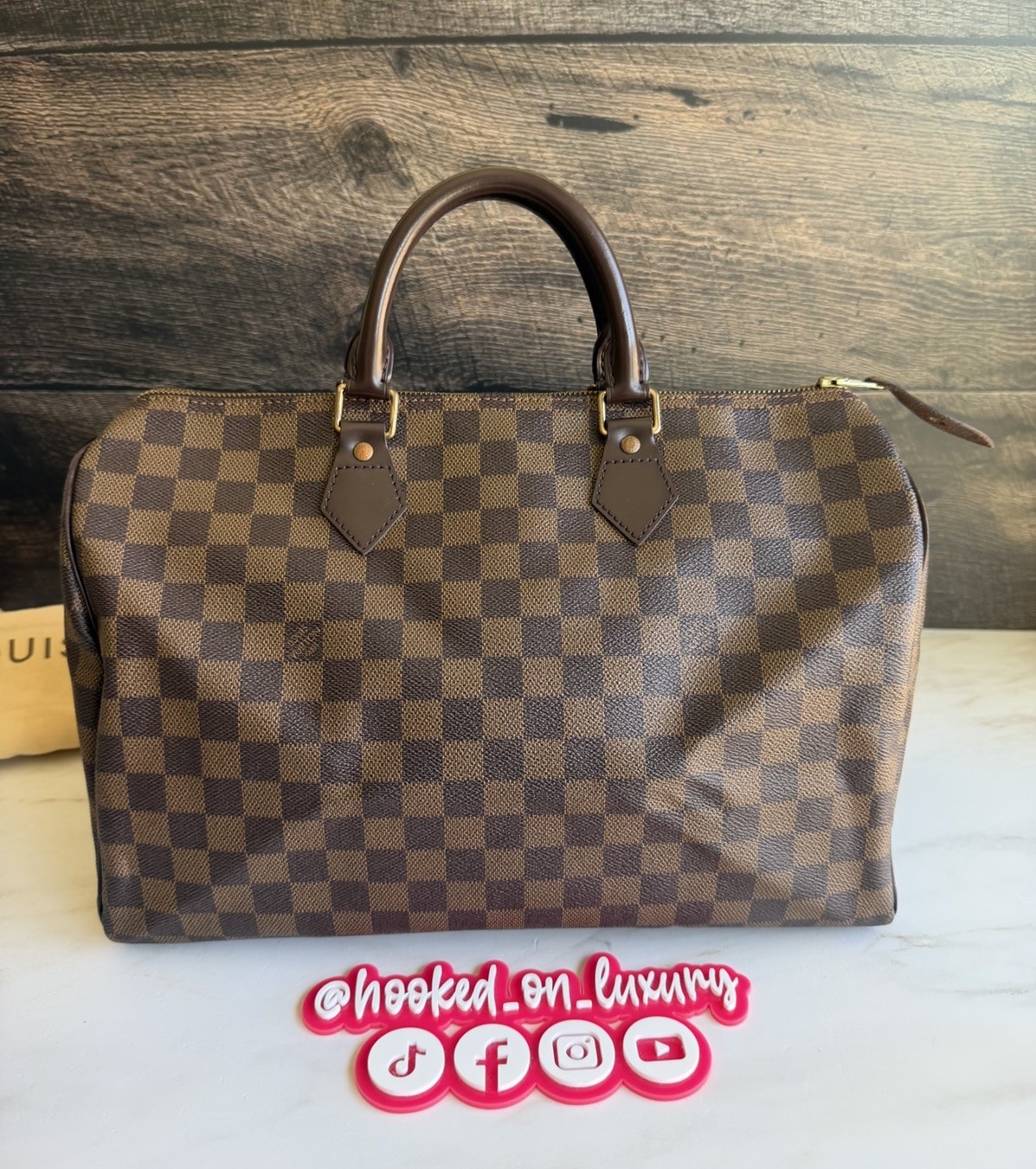
When you inspect a bag, start with the hardware. Original hardware has weight. It feels solid in your hand. Replacement hardware is often lighter and shinier. Look at the zipper. A vintage zipper will have a maker's mark: YKK, Lampo, or Riri. If the zipper is blank, it may be a replacement.
Check the stitching. Even, tight stitches are a sign of quality. Loose or uneven stitches are a sign of a repair. Look at the lining. Original linings are often leather or a heavy cotton canvas. Replacement linings are often synthetic and thin.
Smell the bag. Leather should smell like leather. If it smells like chemicals or perfume, it may have been treated to hide damage. A little patina is fine. A lot of cracking is not.
The History in Your Hands
The Gucci Jackie was named after Jackie Kennedy, who carried a version of the bag in the 1960s. The bag was reissued in 1999 and again in 2020, but the vintage ones from the 1960s and 1970s are the ones with the original shape: a rounded top, a single strap, and a piston closure. Jackie was photographed with hers in 1972, and the bag became a symbol of quiet luxury long before the phrase existed.
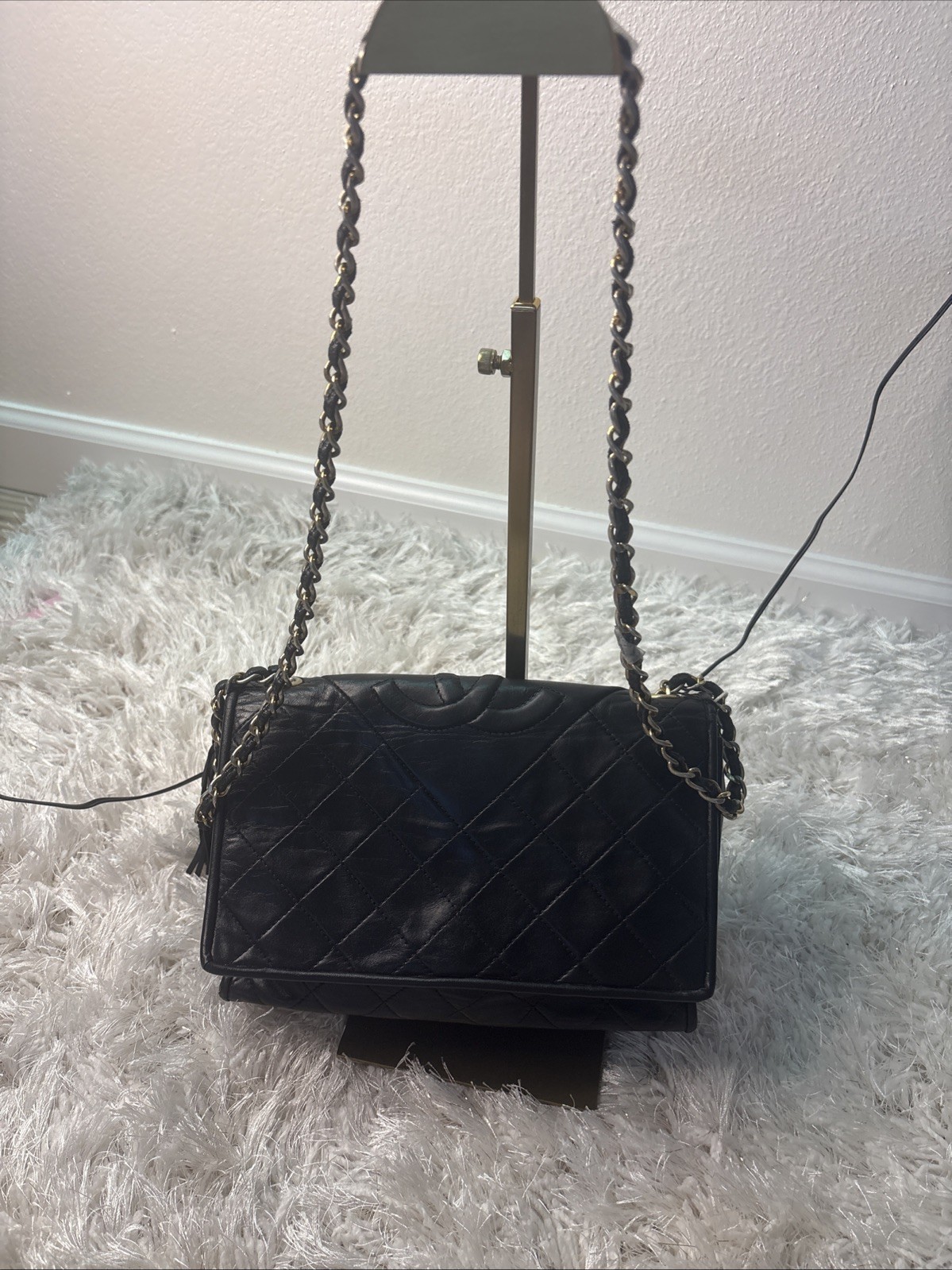
The Prada nylon backpack was introduced in 1985. It was made from a nylon that Prada had used for military tents. The bag was an instant hit with architects, editors, and anyone who needed to carry a laptop and a change of clothes. It was practical and elegant at the same time. In 1997, Prada released a mini version that became a staple of 1990s minimalism.
The Louis Vuitton Speedy was introduced in 1930. It was originally called the Express, but it was renamed the Speedy after the fast train. Audrey Hepburn asked for a smaller version in 1965, and the Speedy 25 was born. The bag has been in production ever since. A vintage Speedy from the 1980s or 1990s has a thicker canvas and a warmer patina than a new one.
The Bvlgari serpentine bag was introduced in the 1960s. It was inspired by the snake motif that Bvlgari had used in its jewelry since the 1940s. The bag is known for its distinctive head closure and its coiled strap. It was popular with Italian actresses and socialites in the 1970s. A vintage serpentine is rare, but it is worth looking for.
The Closing Thought
A vintage bag is a companion. It is not an investment. It will pick up scuffs and scratches. The leather will darken. The hardware will tarnish. That is the point. You are not buying a bag to keep it pristine. You are buying a bag to use it. The best ones are the ones that look like they have been somewhere. So take it to dinner. Take it on a plane. Let it get rained on. The bag will thank you.
City
Tokyo
Category
vintage designer bag
Published
27 October 2026
Where to find it
Shop the signals
What the market is offering right now on this exact subject.
designer-bags
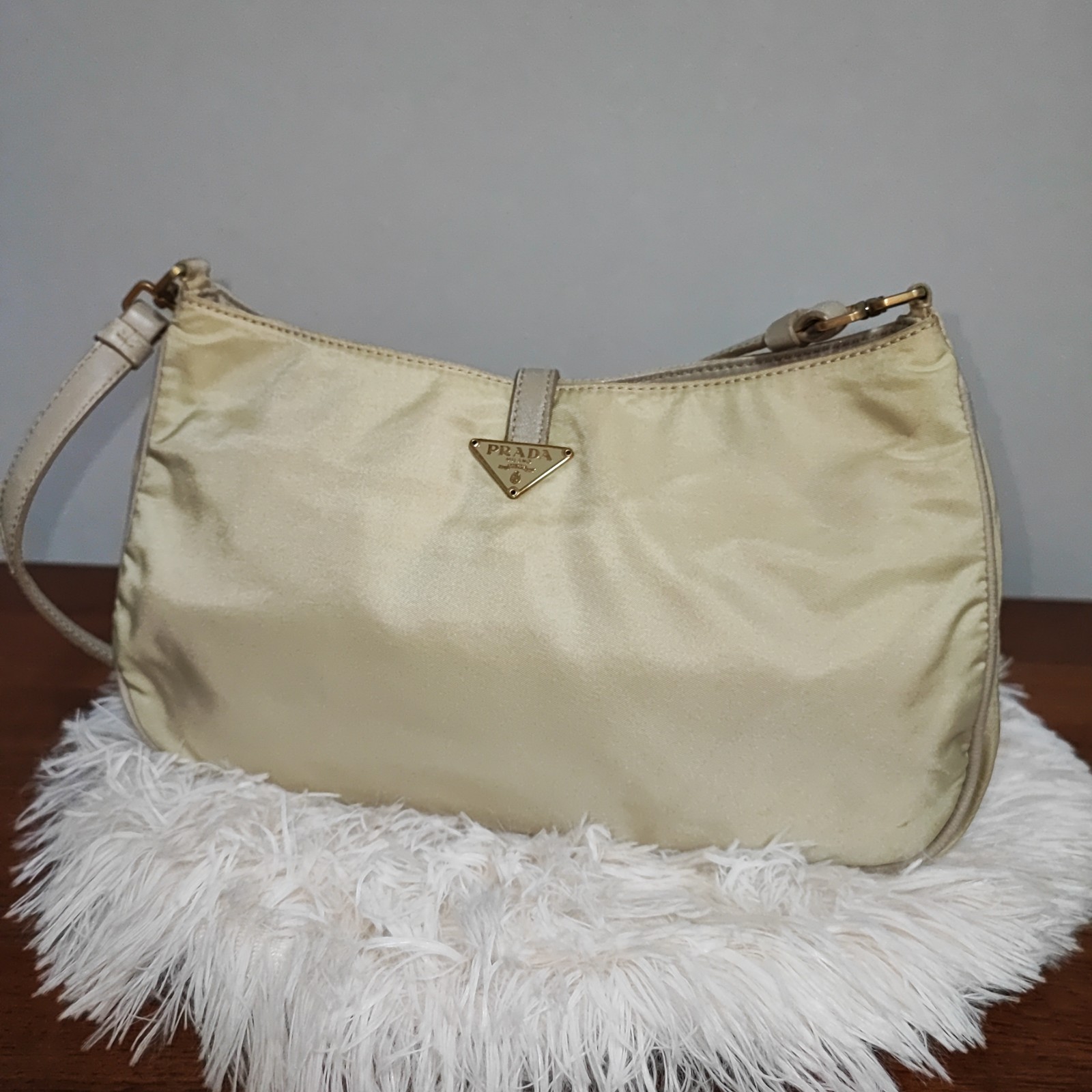
Vintage Prada Tessuto Nylon Shoulder Bag Beige Triangle Logo Gold Hardware
designer-bags
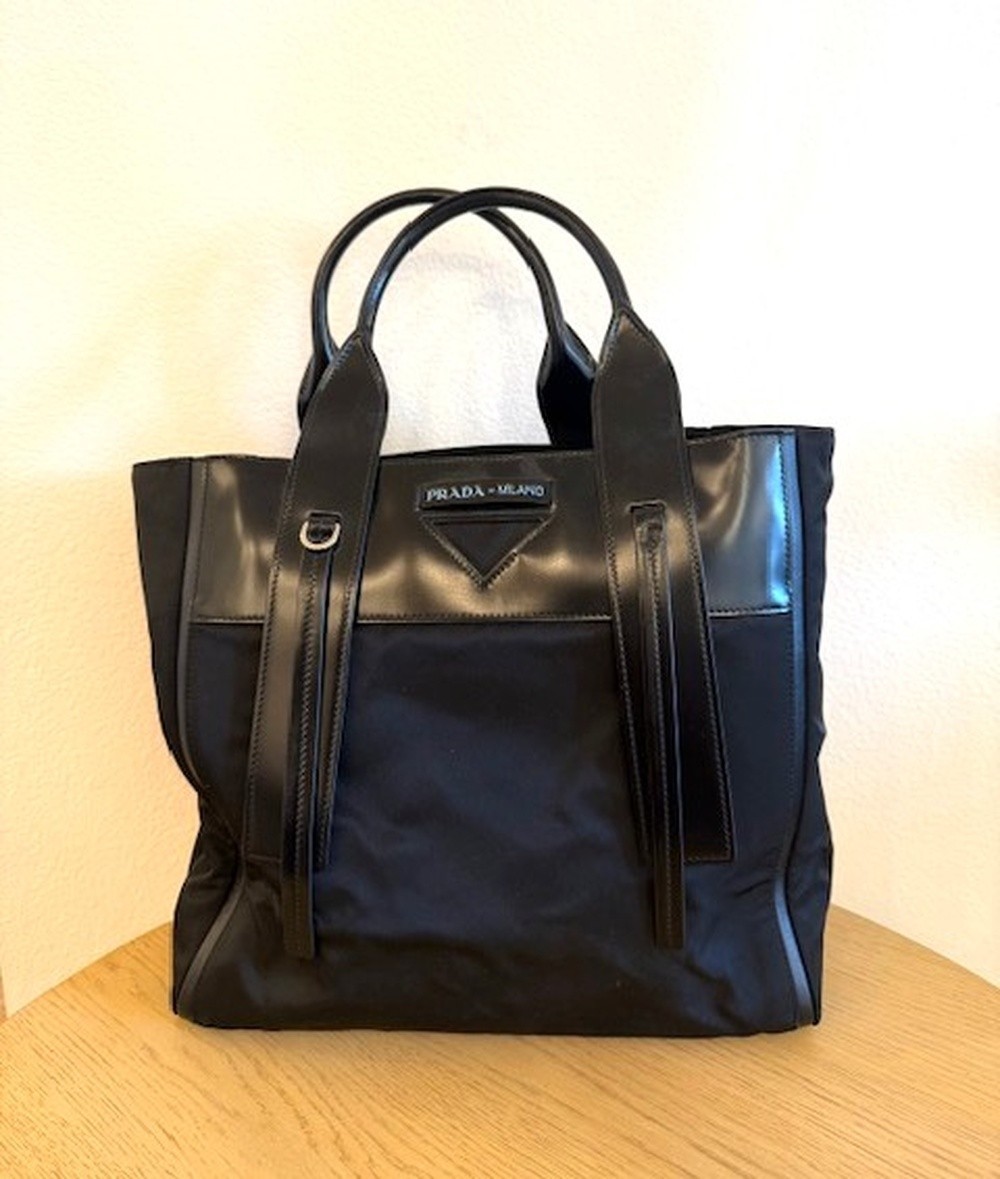
Vintage Prada Black Nylon & Leather Tote Bag
designer-bags
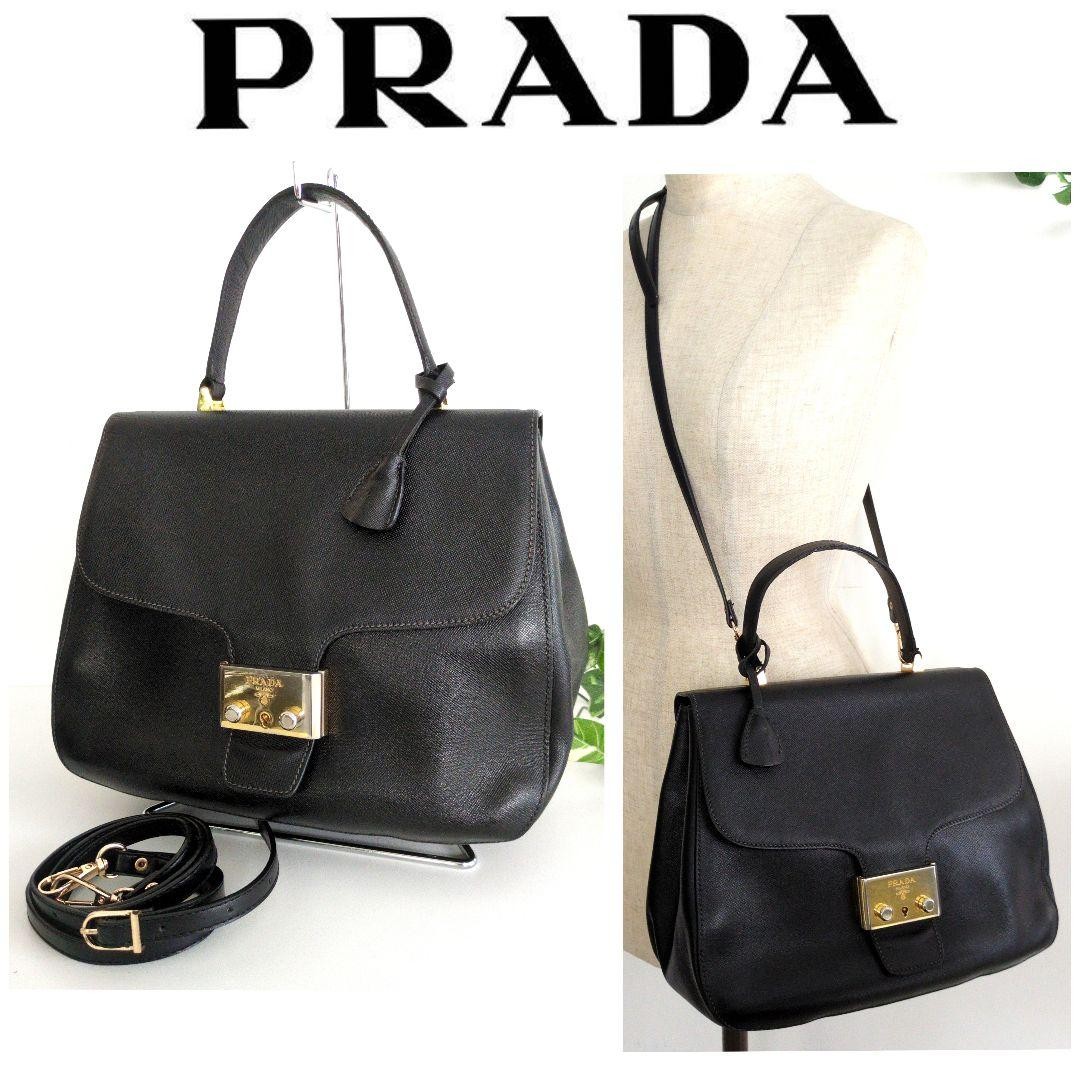
PRADA Kadena Saffiano Leather 2Way Bag Black Vintage Unisex Crossbody Handbag
designer-bags
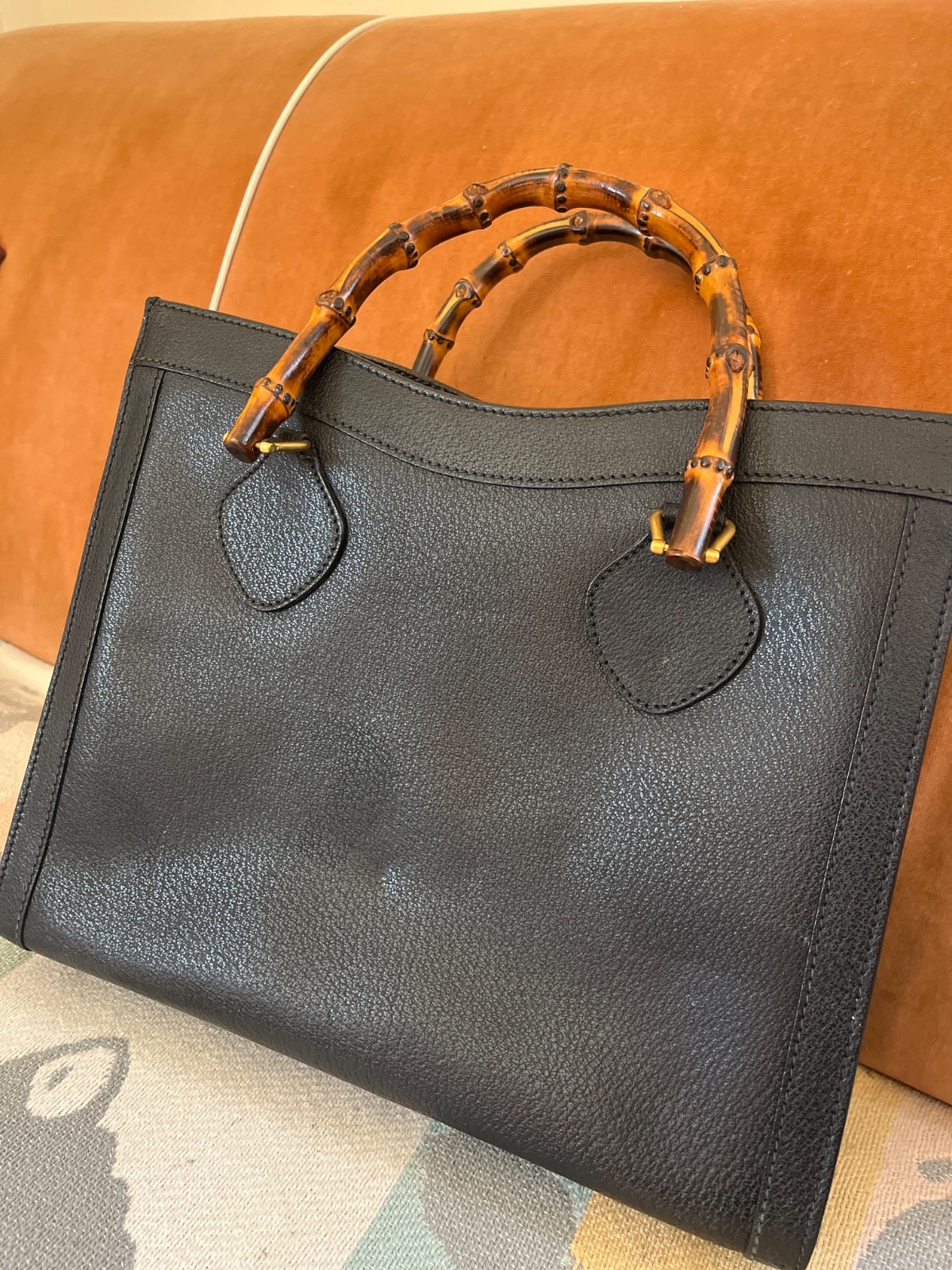
GUCCI Tote bag Diana Leather Bamboo Black Vintage Authentic From Japan
designer-bags
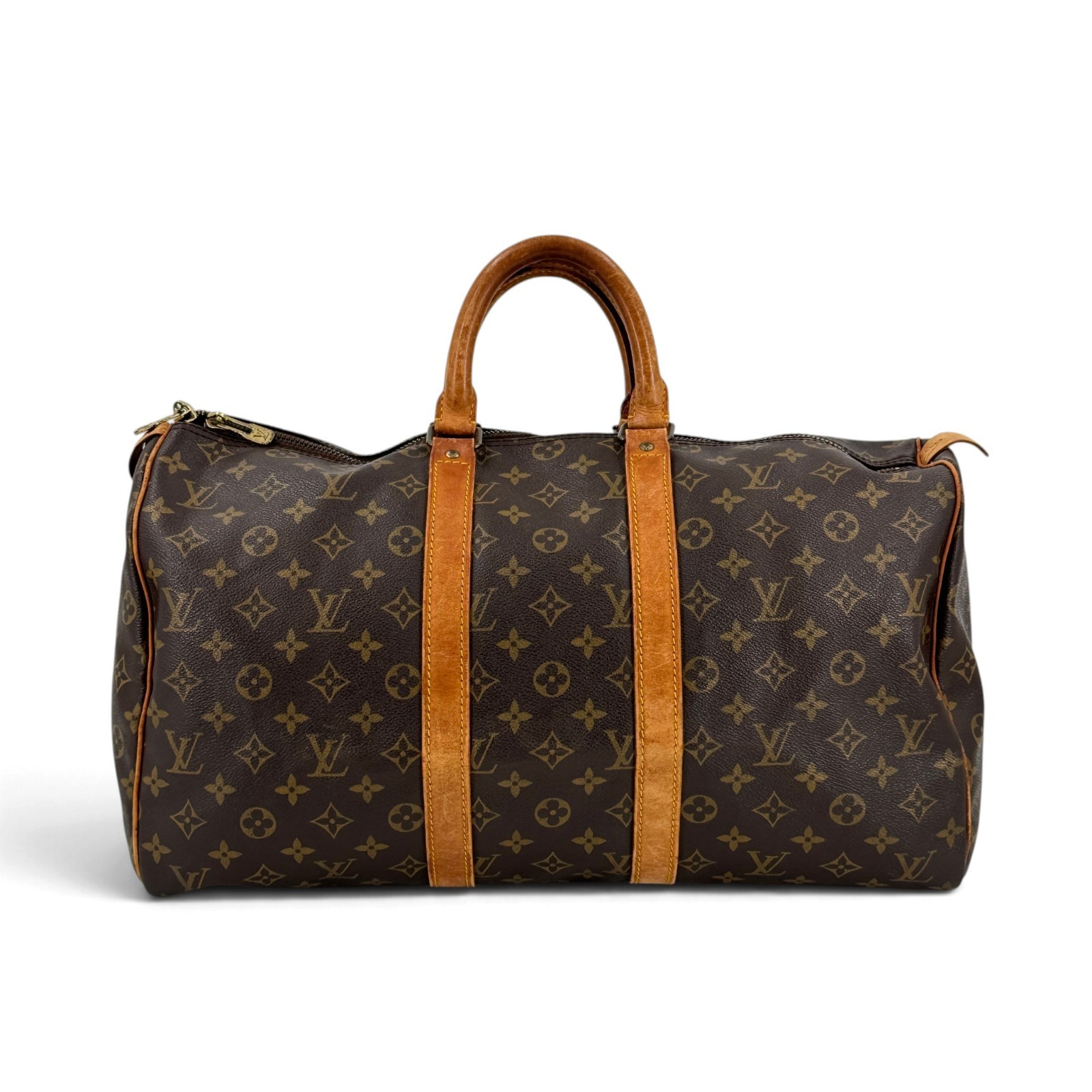
LOUIS VUITTON Keepall 45 Monogram Canvas Brown Vintage Travel Duffle Bag M41428
designer-bags
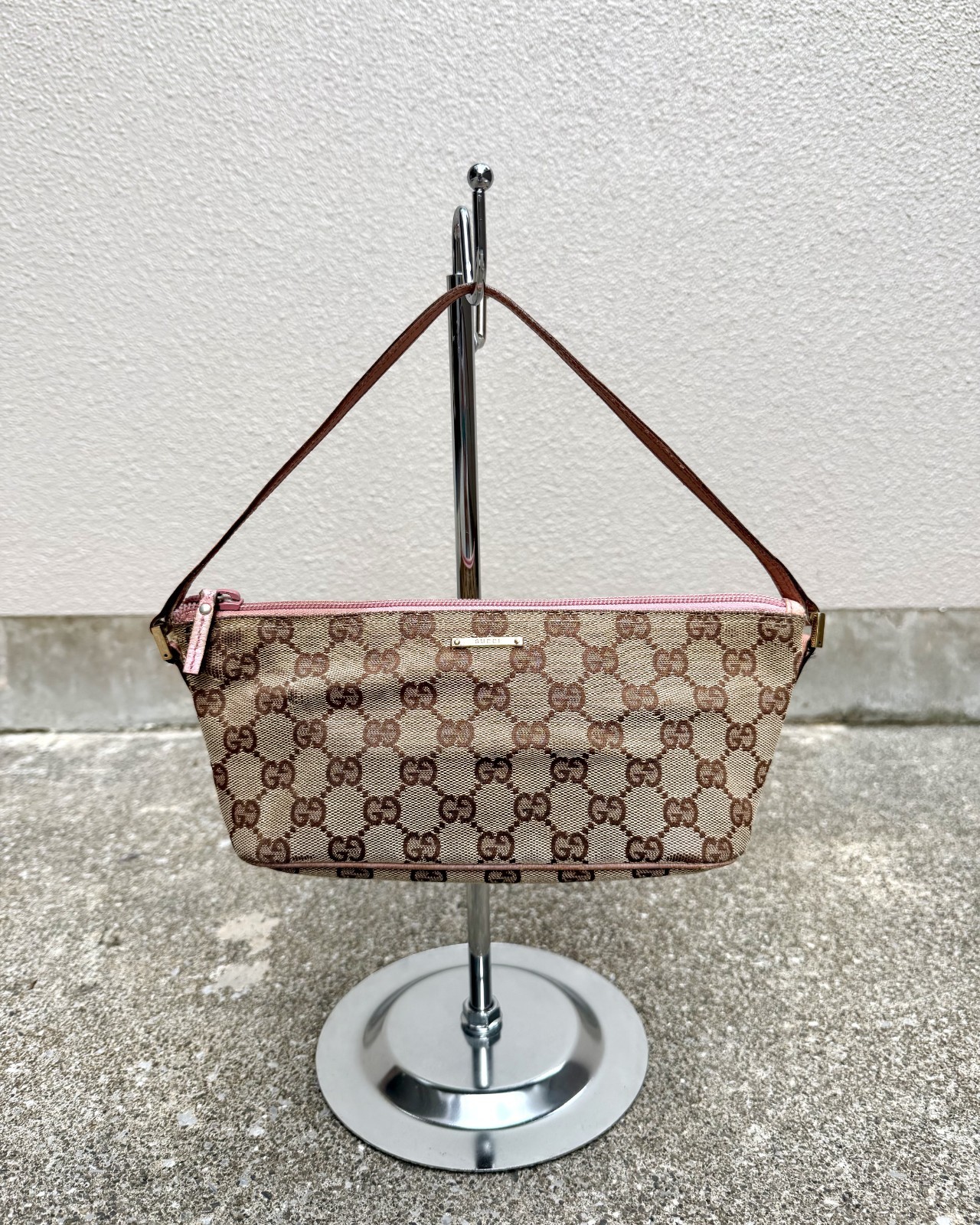
Gucci Vintage GG Monogram Pink Trim Boat Pochette Shoulder Bag
designer-bags
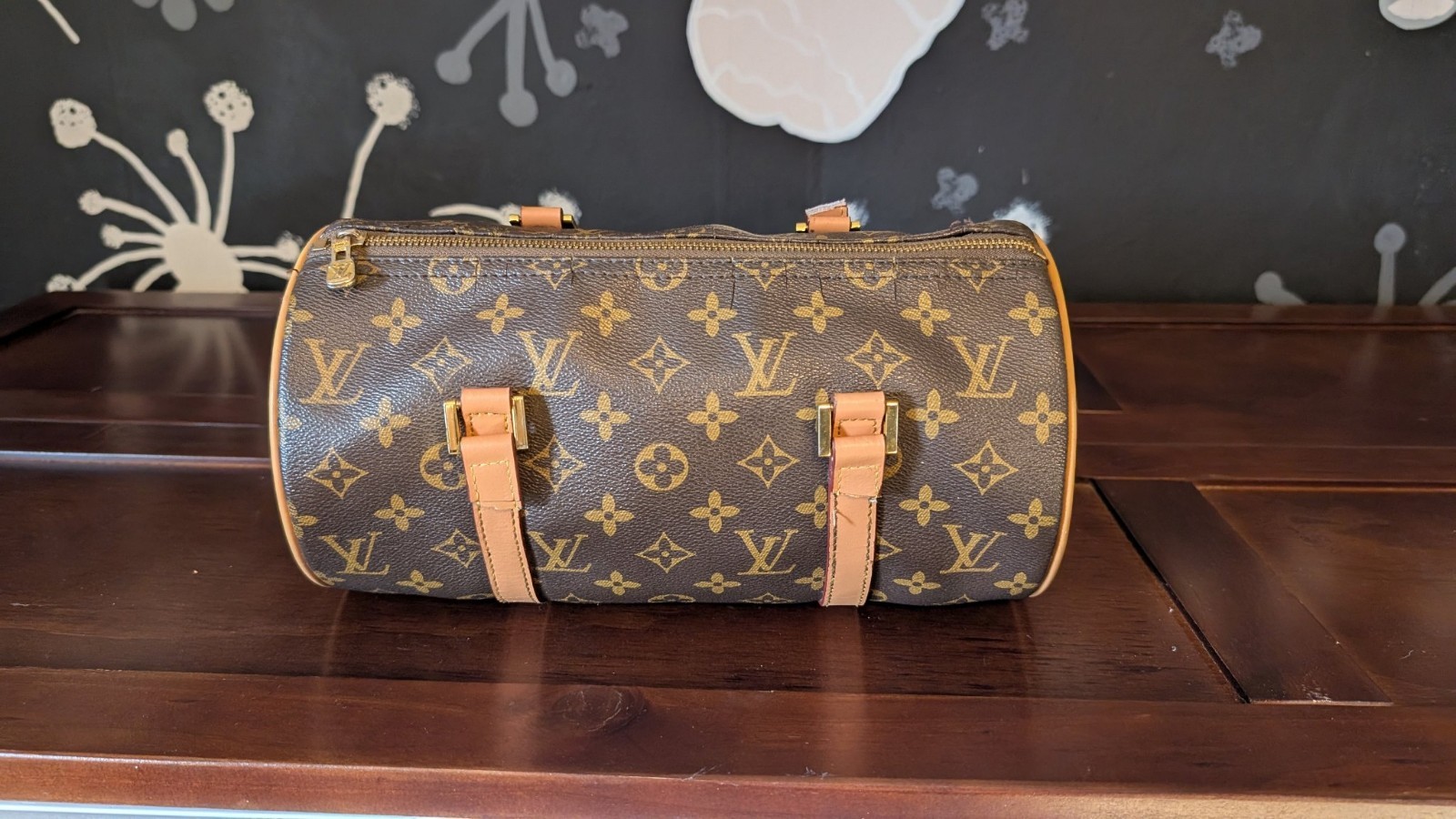
Authentic Vintage Louis Vuitton Monogram Barrel Bag Needs New Straps As Is
designer-bags
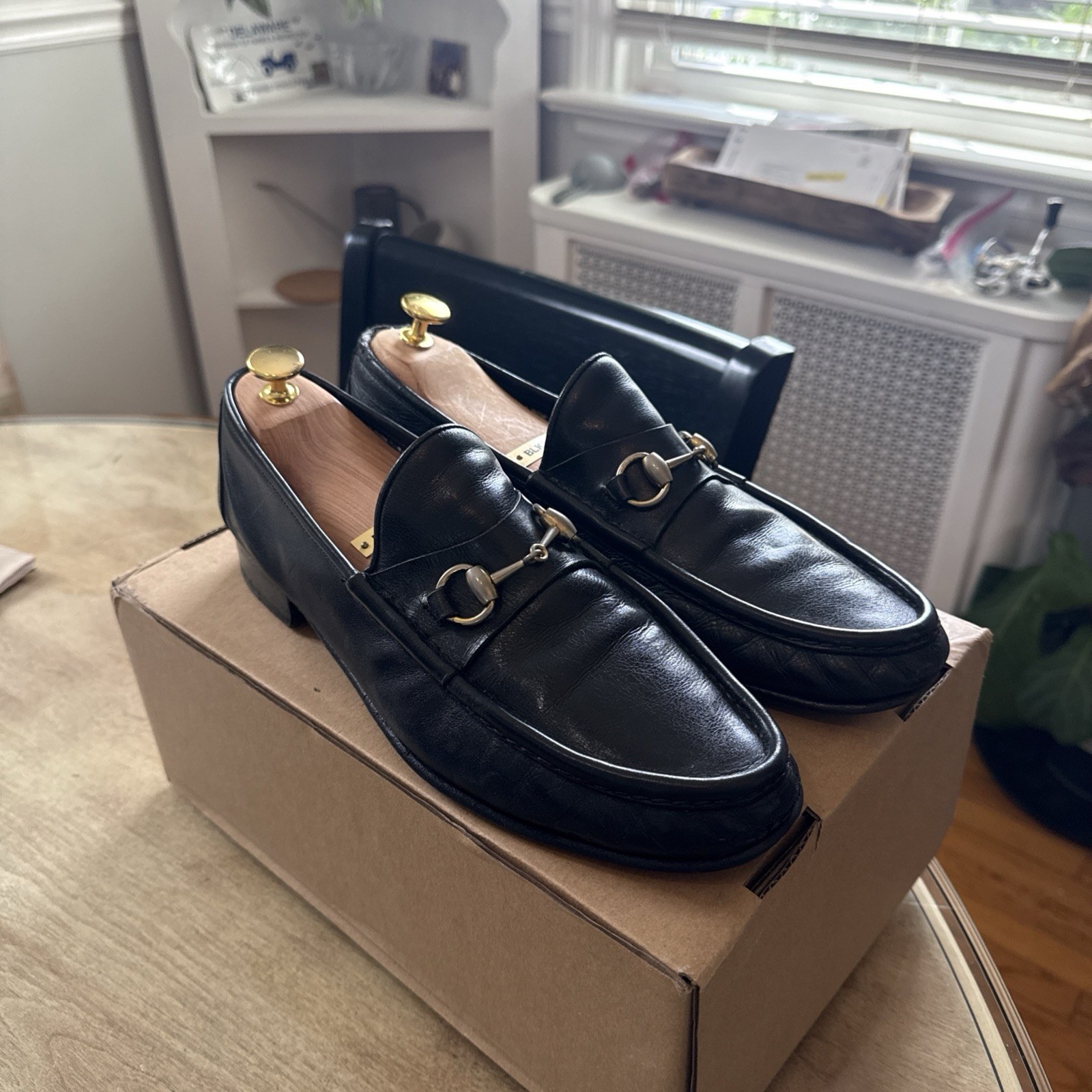
ICONIC GUCCI Vintage Black Horsebit Loafers Size 43 (US 10) Made In Italy
The names
Meet the designers
The minds behind this story — each with a piece currently on the market.
Gucci
Italy · 1920s
The bamboo handle & the double-G
The bamboo handle & the double-G
Top piece
View →
Chanel
France · 1910s
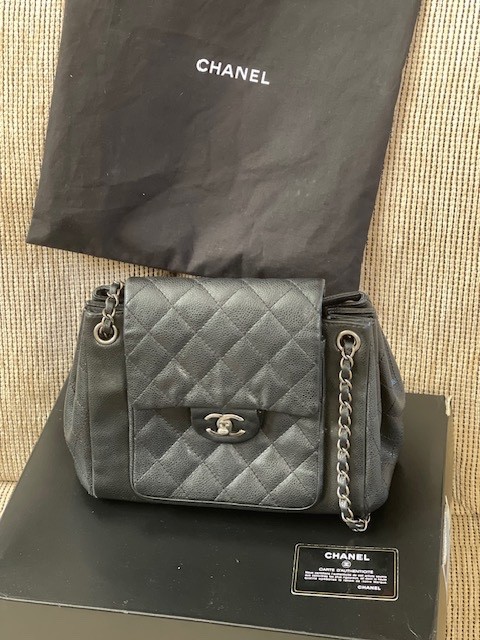
The little black dress & the 2.55
The little black dress & the 2.55
Top piece
View →
Prada
Italy · 1910s
Nylon & intellectual minimalism
Nylon & intellectual minimalism
Top piece
View →
Børge Mogensen
Denmark · 1940s
The Spanish chair — honest, functional furniture for everyday life.
The Spanish chair — honest, functional furniture for everyday life.
Top piece
View →
Continue the edit
Further stories from the same world
Three more walks through the same vintage universe.
The Bag You Actually Carry: Gucci, Dior, Fendi and the Art of the Vintage Shoulder
A working guide to the vintage designer bags worth wearing, from the Gucci Jackie's flat-shouldered slouch to the Dior saddle's awkward charm, with the era tells, hardware details and outfit logic that separate a bag you reach for from one that sits in the cupboard.
Read the story →Why Designer Vintage Bags Matter Now: How to Wear, Choose, and Keep One
A worn-in Gucci bit loafer bag or a 1990s Chanel lambskin flap has a story you can carry to dinner. Here is how to style the piece, what era details to check, and why the scratches are part of the point.
Read the story →How to Wear a Vintage Designer Bag Without Looking Like a Tourist
A Gucci or Celine bag from the 1970s or 1990s can be the most modern thing in your wardrobe. Here is how to wear it, what to look for, and why these pieces still matter.
Read the story →