
 Sign in
◫ Home & Objects · Tokyo
The Quiet Command of Art Deco Furniture
Art Deco furniture doesn't shout. It stands with a cool, geometric confidence, asking only for space and a little respect. Here's how to bring it home.
 By Louis Trash·

The Geometry of Glamour
A macassar ebony sideboard, its surface a mirror of dark, swirling grain, stands on a chrome plinth. The lines are sharp. The proportions are deliberate. This is furniture that knows its own worth. Art Deco emerged in the 1920s as a reaction to the organic flourishes of Art Nouveau. It took its cues from cubism, from the machine age, from the bold forms of African and Egyptian art. The 1925 Exposition Internationale des Arts Décoratifs et Industriels Modernes in Paris gave the style its name and its platform. Designers like Jacques-Émile Ruhlmann, Émile-Jacques Ruhlmann, and Jules Leleu created pieces for the wealthy few. Their work was about luxury, and also about a new kind of order: clean, geometric, unapologetically modern.
Living with the Lines
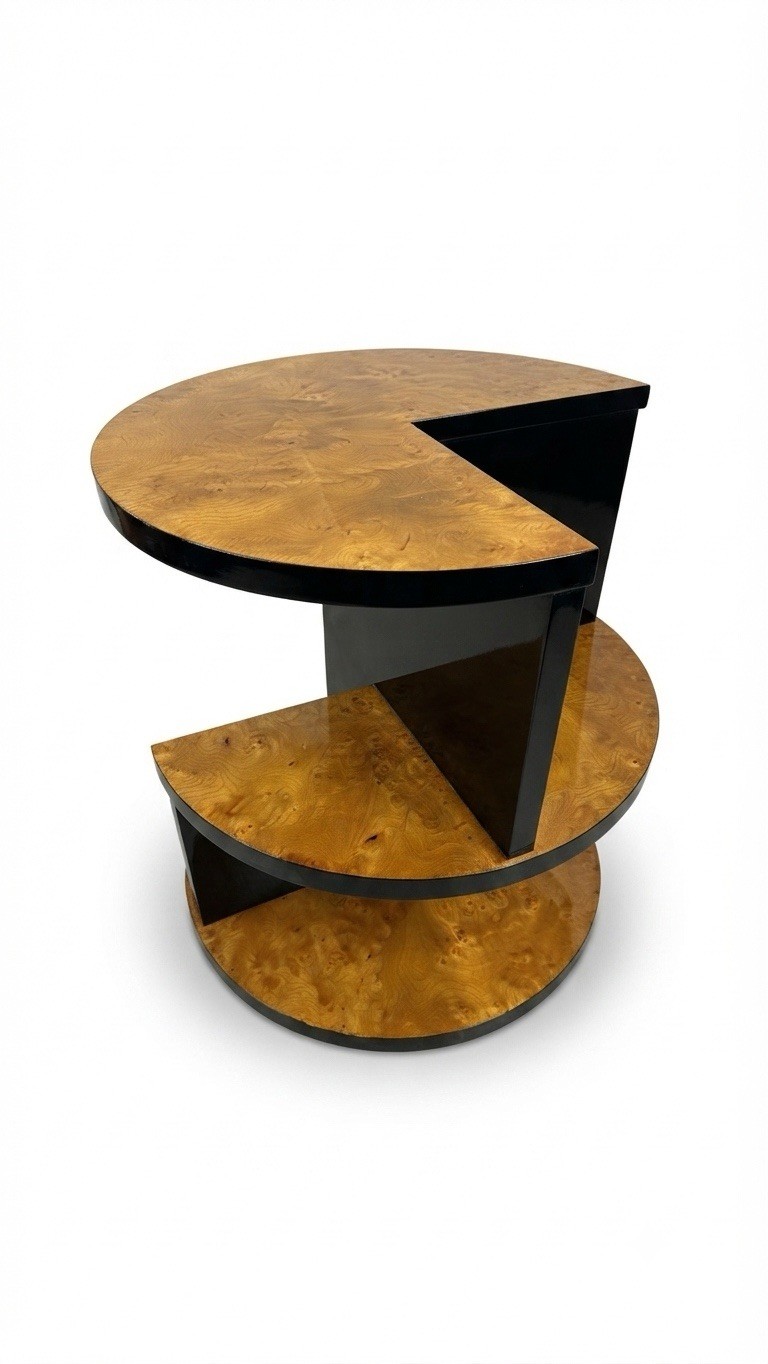
Art Deco furniture is not shy. It demands space. A lacquered console with a stepped profile needs a wall that isn't cluttered. Give it room to breathe. In a living room, pair a low, rectangular coffee table with a streamlined sofa. Avoid fussy patterns. Let the furniture be the statement. The atmosphere it creates is one of cool elegance, a little theatrical. It works in a modern apartment with white walls and herringbone floors. It also fits a traditional room if you keep the palette restrained. Think of it as sculpture that happens to hold your drinks. Proportion is key. A tall, narrow cabinet can make a ceiling feel higher. A wide, low sideboard can ground a room. Don't push everything against the walls. Float a piece if the room allows. The back of a well-made Art Deco cabinet is often as finished as the front.
What to Look For
When you're buying, start with the wood. Macassar ebony, amboyna burl, rosewood, and mahogany veneers are common. Check for lifting or cracks. Veneer can be repaired, but it's costly. Look at the joinery. Dovetails should be tight and even. Drawers should slide smoothly. Chrome and nickel hardware should be heavy, not flimsy. Plating can wear, revealing brass underneath. That's not a dealbreaker, but it affects price. Glass tops are often original; if missing, have one cut. Upholstery is rarely original. Assume it needs replacing. Frames should be solid. Sit on a chair, rock it gently. Listen for creaks. Makers to know: Ruhlmann, Leleu, Sue et Mare, Dominique, and in America, Donald Deskey and Paul Frankl. Frankl's skyscraper furniture is a distinct American strain. Prices vary. A good sideboard might set you back around $413, but rare signed pieces go much higher. Buy the best you can afford. Condition matters more than maker for daily use.
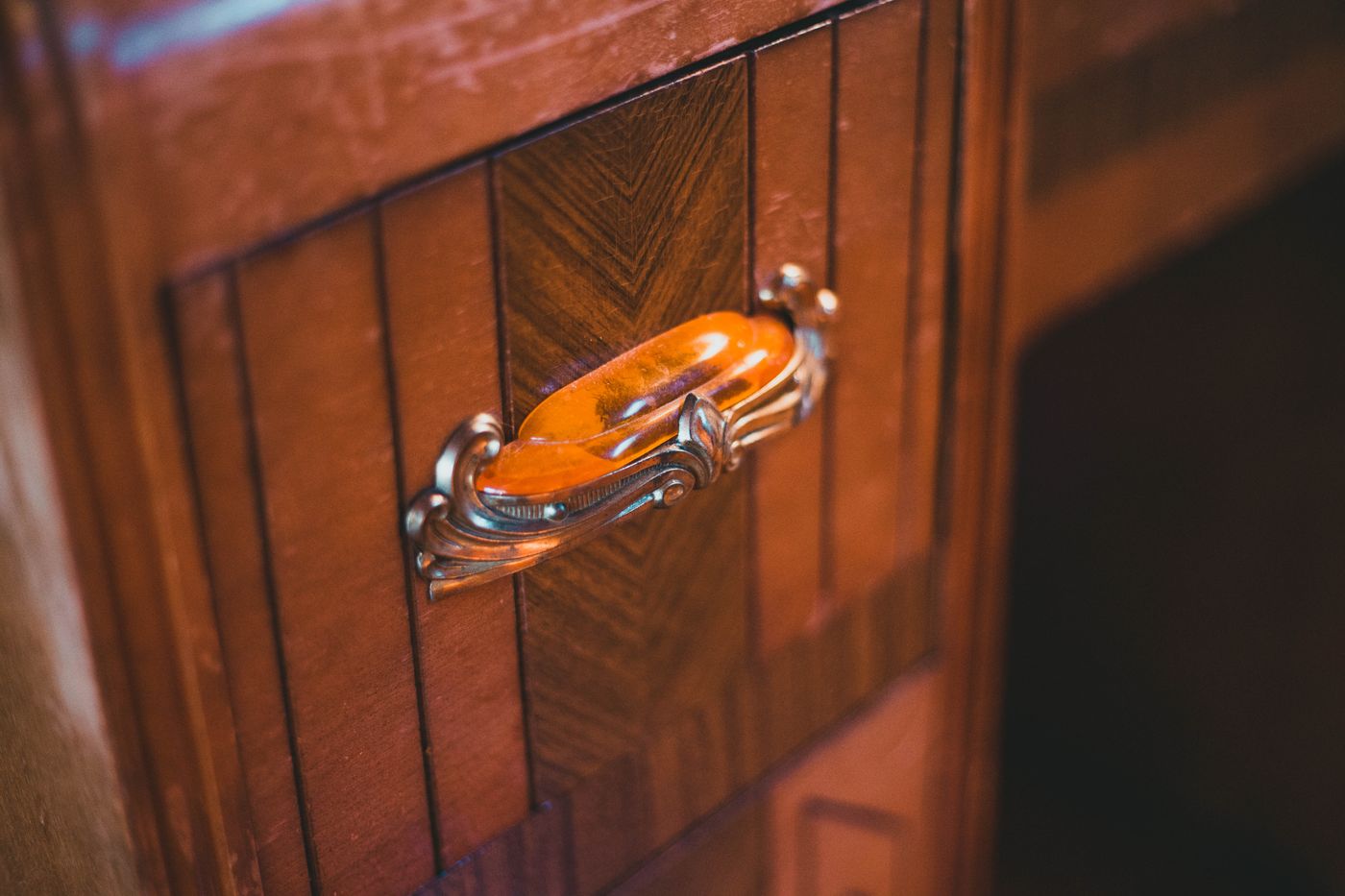
Foto: Erik Mclean · Pexels
A Tale of Two Expositions
The 1925 Paris exposition was a turning point. It showed the style to the world. But Art Deco didn't stop there. In 1930, the Chrysler Building opened in New York, its spire a masterpiece of the style. The 1933 Chicago World's Fair, with its 'Century of Progress' theme, pushed the look further. Streamline Moderne, a later offshoot, gave us the rounded corners and horizontal lines we associate with 1930s ocean liners and trains. After World War II, the style fell out of favor. Too decorative, too associated with the pre-war elite. It was rediscovered in the 1970s. The 1972 exhibition 'The World of Art Deco' at the Minneapolis Institute of Arts helped spark new interest. Collectors began to seek out pieces that had been ignored for decades.
The Atmosphere It Creates
Art Deco furniture brings a sense of occasion. It's not for a casual, thrown-together room. It asks for a certain discipline. A single piece can anchor a space. A pair of club chairs, their frames clad in chrome, their upholstery in a muted velvet, can transform a corner. The style is often associated with glamour, but it can also feel surprisingly serene. The repetition of geometric motifs, the sheen of polished wood, the cool touch of metal: these are sensual pleasures. They reward attention. In a bedroom, a lacquered dresser with a mirrored top adds a touch of 1930s Hollywood. In a hallway, a slim console with a marble top is practical and beautiful. The key is not to overdo it. One or two pieces are enough. Let them speak.
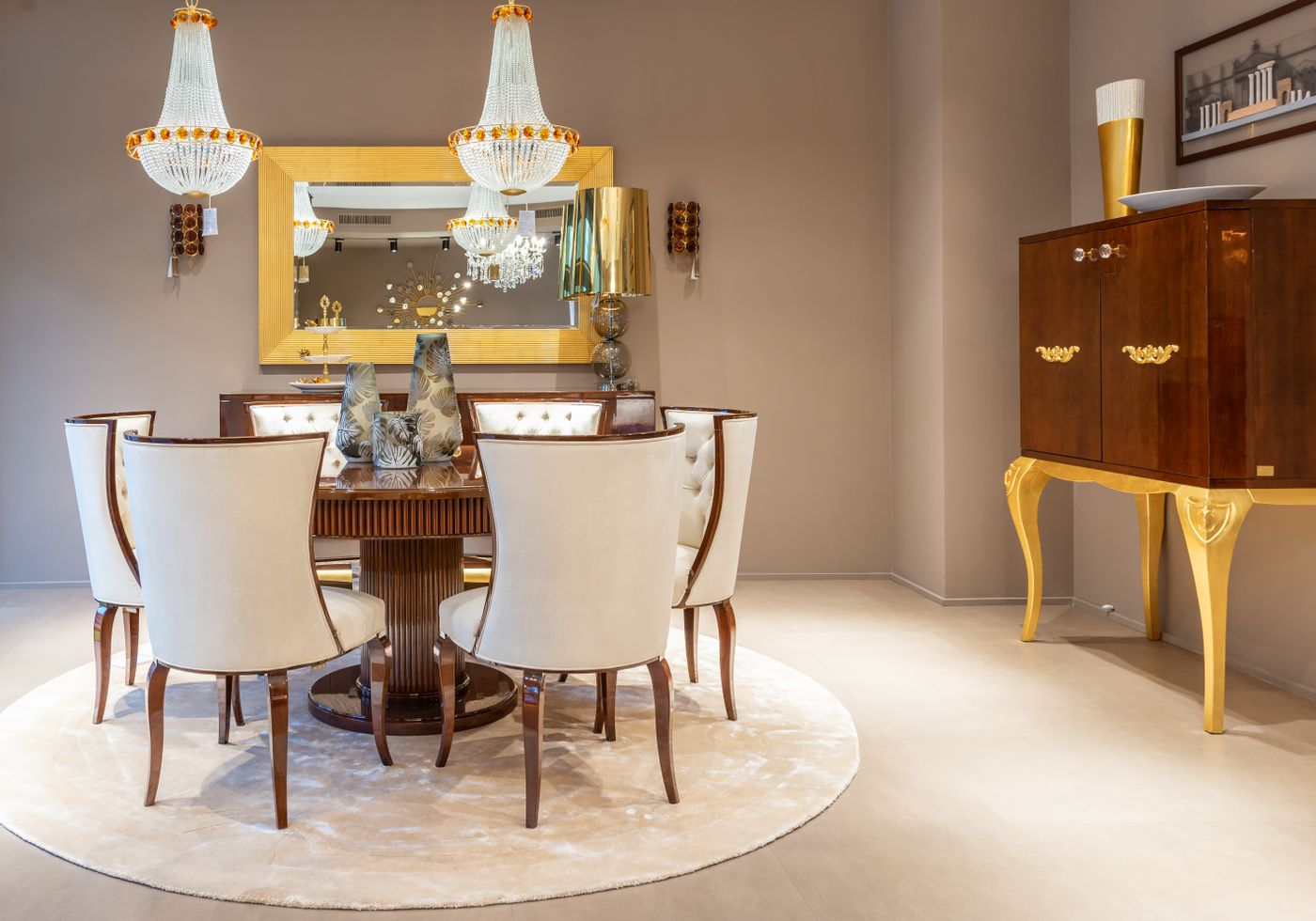
Foto: Max Vakhtbovych · Pexels
A Closing Thought
Art Deco furniture is a commitment. It doesn't blend into the background. It asks you to live with intention, to keep surfaces clear, to appreciate the weight of a drawer pull. In return, it gives you a daily reminder that beauty and utility can coexist. That a chair can be a throne. That a cabinet can be a monument. The pieces are out there, in auction houses, in estate sales, in the back of a dusty shop. They wait for someone who understands that geometry is not cold. It's just honest. And honesty, in a room, is a rare and valuable thing.
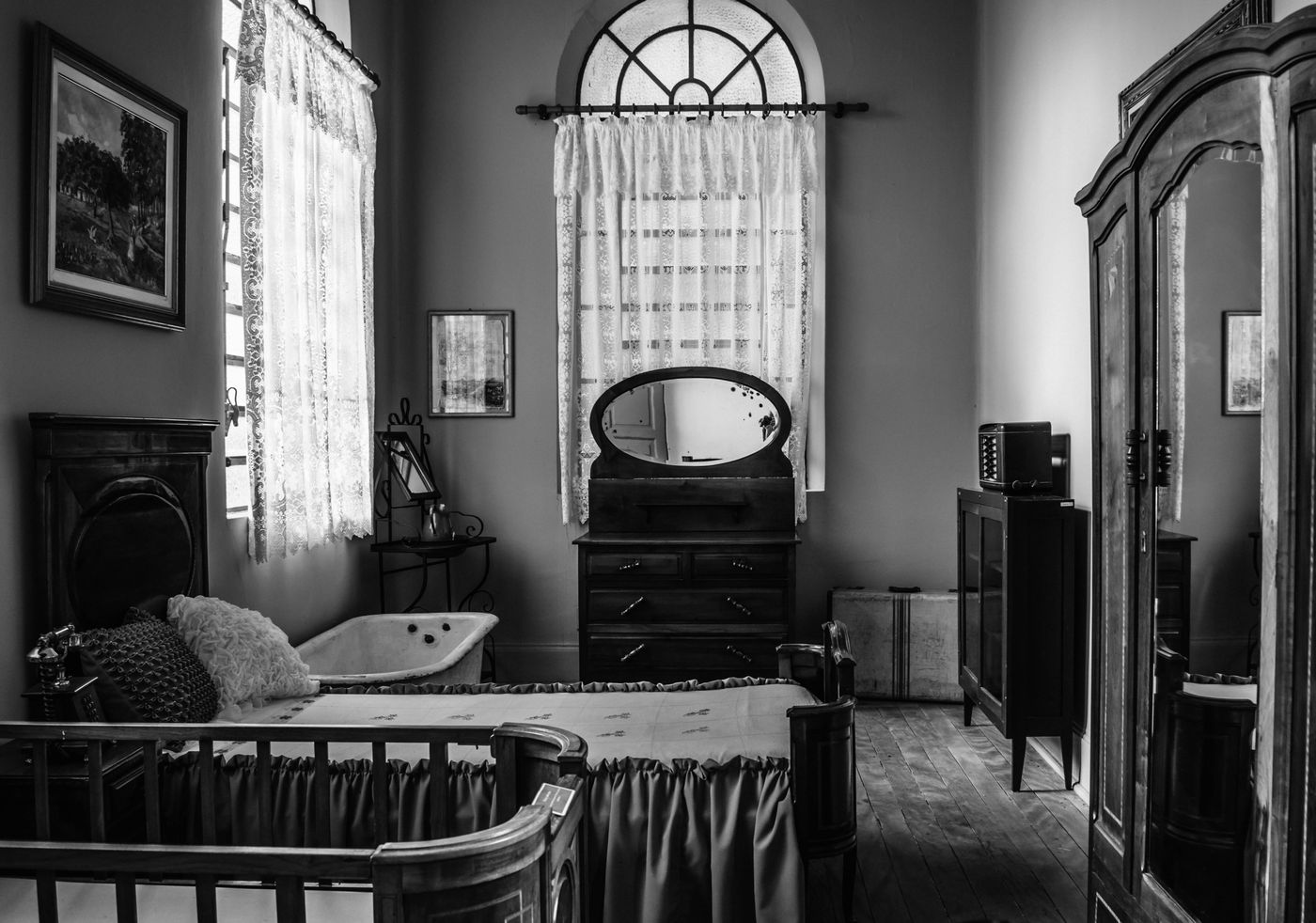
Foto: Juliana Polizel · Pexels
 ◫ The Edit
One to watch
1938 Antique WORLD Map Vintage 1940s Map of the WORLD Gallery Wall Decor 3269
A find like this is the fastest way to add a little history to anything you own. This honestly worn find from the 1940s is the kind of piece that tells a story before you have said a word. Some things you wear until they wear you out; this one wears you in.
On the market now
The names
Meet the designers
The minds behind this story — each with a piece currently on the market.
Arne Jacobsen
Denmark · 1950s
The Egg & the Series 7 — chairs turned into quiet sculpture.
The Egg & the Series 7 — chairs turned into quiet sculpture.
Top piece
View →
Børge Mogensen
Denmark · 1940s
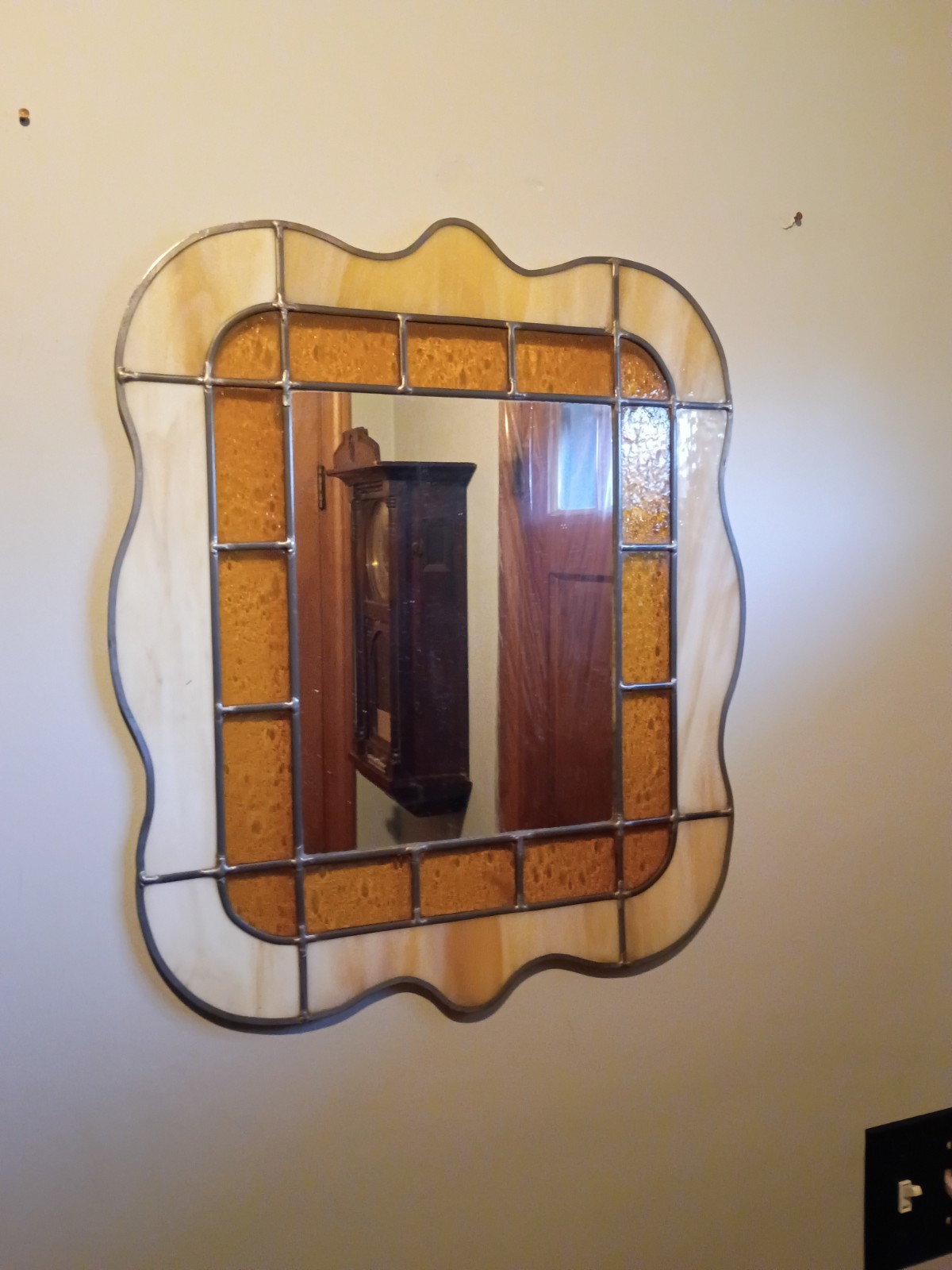
The Spanish chair — honest, functional furniture for everyday life.
The Spanish chair — honest, functional furniture for everyday life.
Top piece
View →
Charles & Ray Eames
USA · 1940s
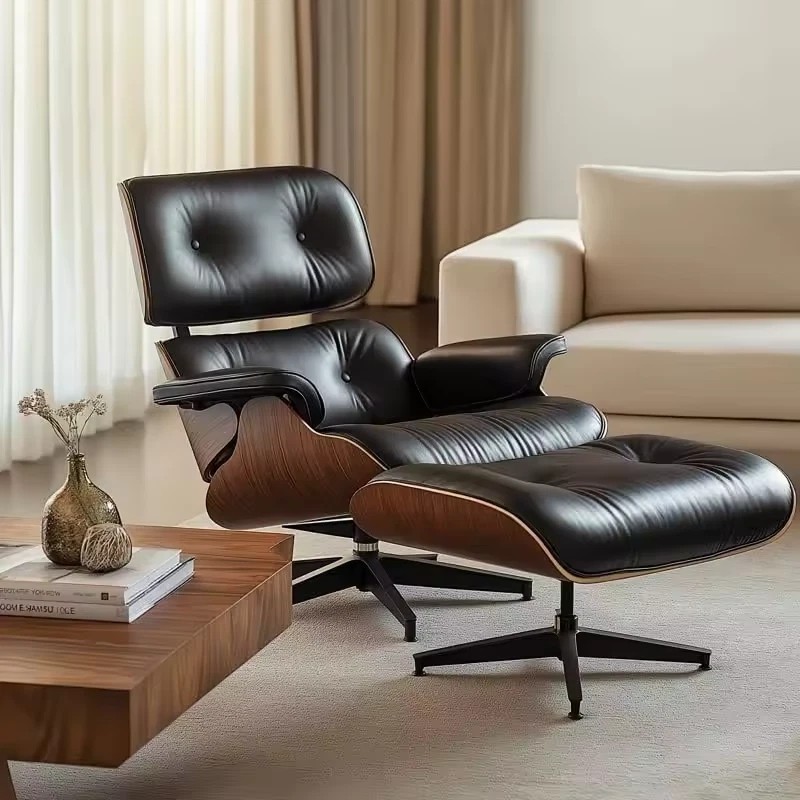
Moulded plywood & the Lounge Chair — the couple who made modern furniture feel human.
Moulded plywood & the Lounge Chair — the couple who made modern furniture feel human.
Top piece
View →
George Nelson
USA · 1940s
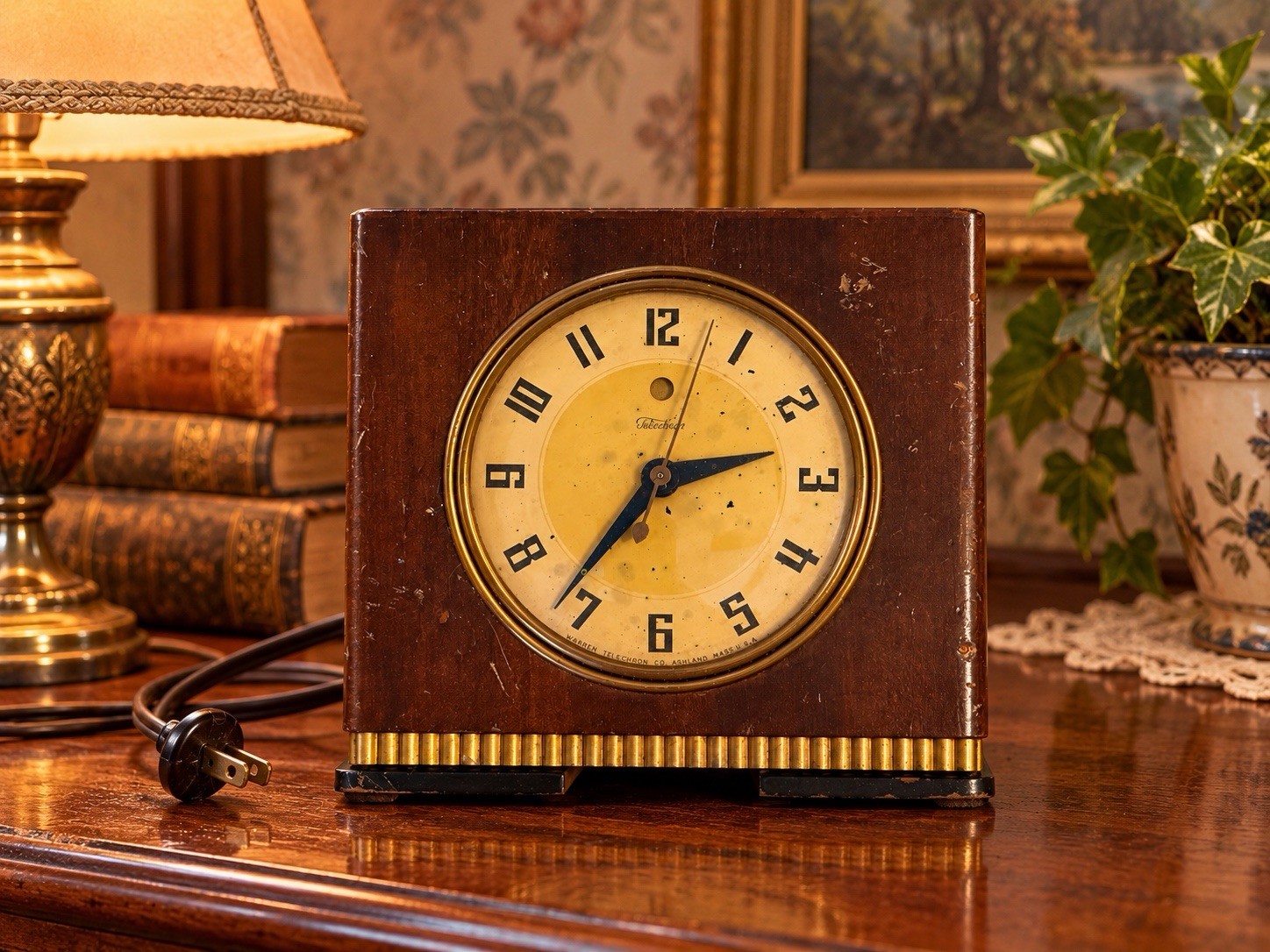
The Marshmallow sofa & platform bench — Herman Miller's design director.
The Marshmallow sofa & platform bench — Herman Miller's design director.
Top piece
View →
Continue the edit
Further stories from the same world
Three more walks through the same vintage universe.
The Case for Living With Art Deco Furniture
A collector's guide to placing, spotting and keeping Art Deco furniture: the joinery, the lacquer, the proportions, and the rooms it still transforms.
Read the story →The Quiet Drama of Art Deco Furniture
A collector's guide to living with Art Deco furniture: how to place it, what to look for, and why its geometry still shapes a room.
Read the story →
The Band Tee, Worn Well: A Field Guide
A 1979 Pink Floyd shirt with cracked lettering is not a collectible to be sealed in plastic. It is a piece of cotton with a history, and it belongs on your back. Here is how to wear it without looking like you are in costume, and what to check before you buy.
Read the story →