
 Sign in
✦ Culture · Tokyo
Why Vintage Jewelry Matters Now: A Wearer's Guide
Forget the market. This is about finding a piece with a past and making it yours, from the right era to the perfect clasp.
 By Louis Trash·
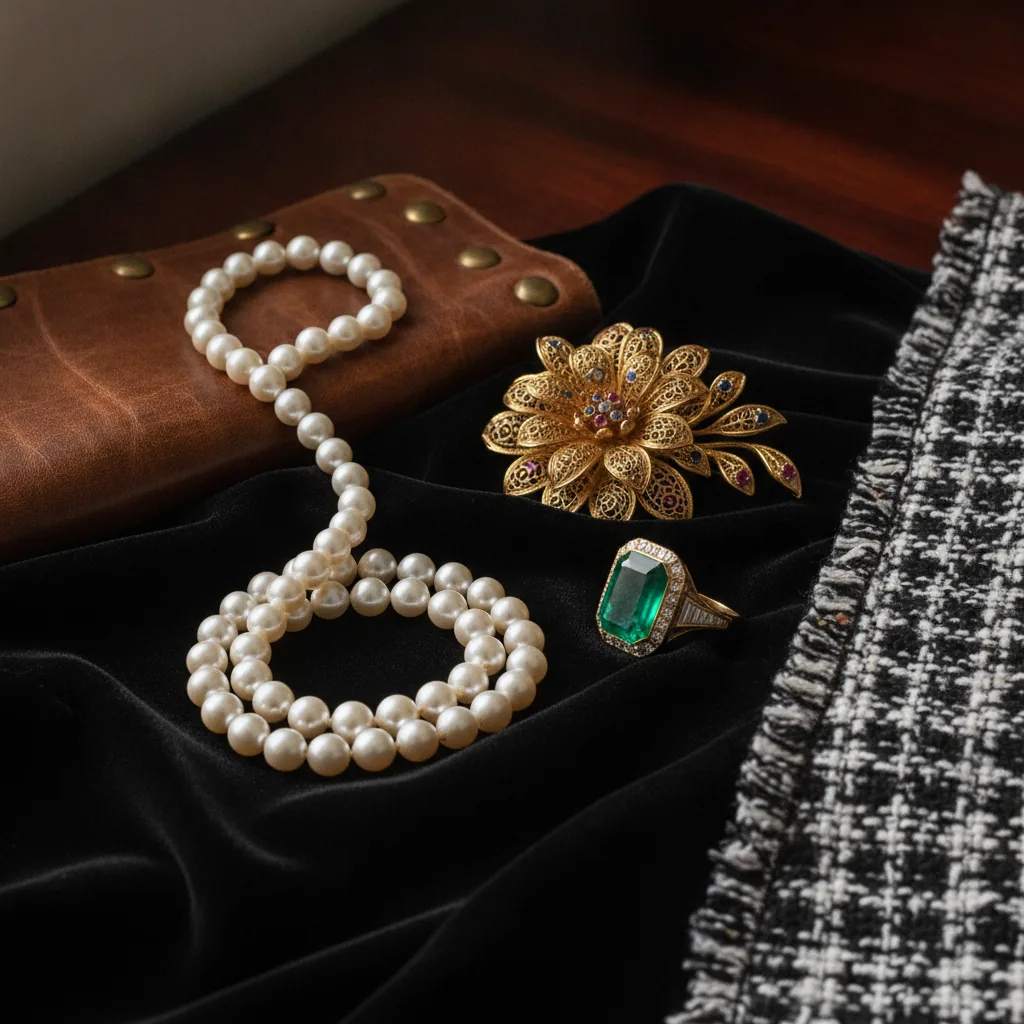
The Allure of the Worn
A 1968 Trifari brooch pinned to a denim jacket. A 1940s sterling silver charm bracelet jangling against a silk cuff. Vintage jewelry is a wardrobe workhorse. The pieces in circulation now are mostly mixed labels, typically priced around $114.03, and they offer something new jewelry rarely does: a story you can wear. I have a 1970s Monet collar necklace that I bought for $85 at a flea market in Paris. It has a heft that makes modern costume jewelry feel like tinfoil. That is the point. You are buying a survivor.
Styling the Past for Today
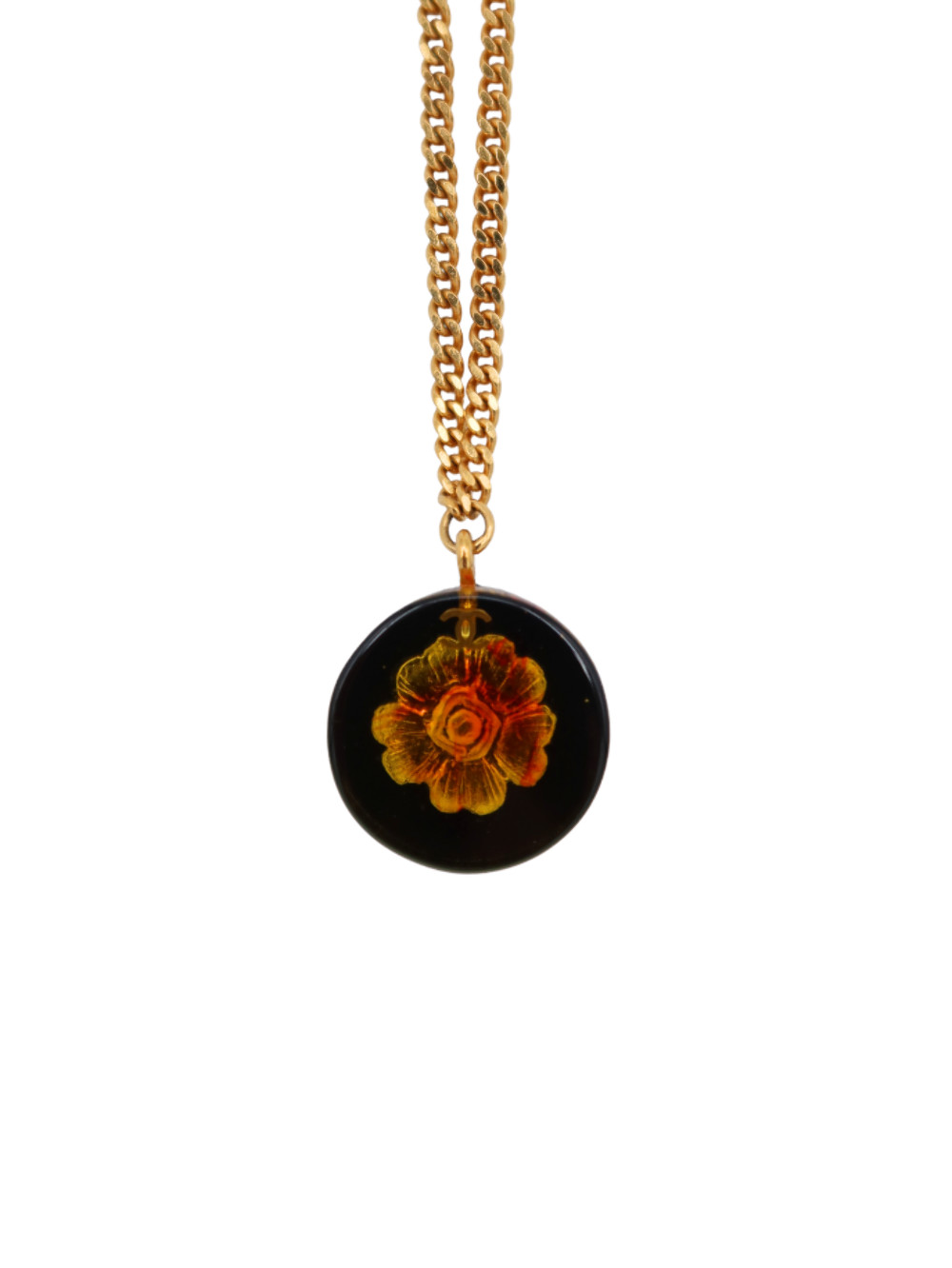
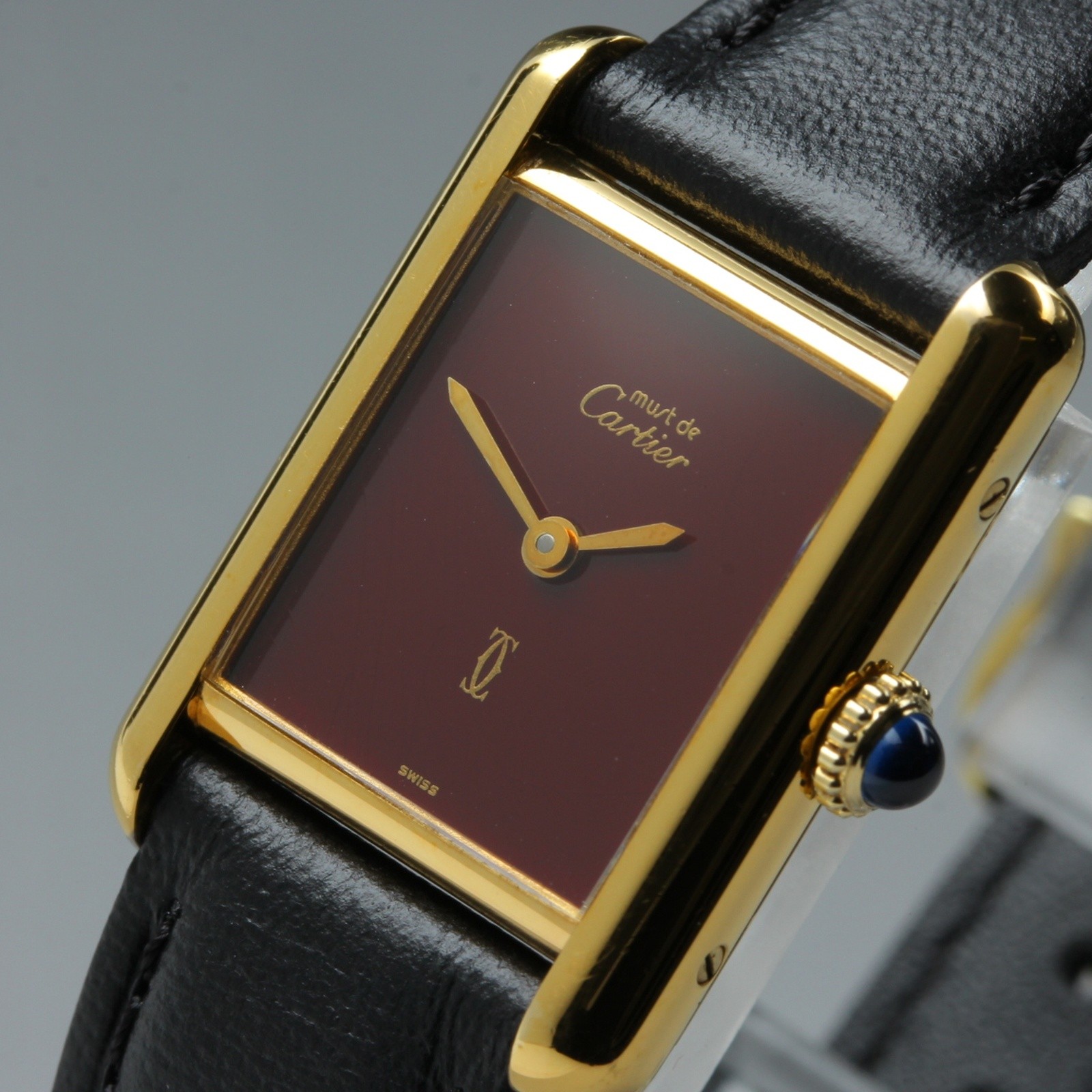
The trick with vintage jewelry is to let it be the exclamation point, not the whole sentence. A 1980s oversized pearl choker works over a plain white tee and straight-leg jeans. It adds irony and polish. For a 1940s brooch, skip the lapel and pin it to the knot of a silk scarf or the strap of a simple leather bag. Proportions matter: if the jewelry is delicate (think 1930s rhinestones), pair it with a chunky knit or a tailored blazer. If it is bold (1970s geometric enamel), keep the rest of your outfit quiet. I wear a 1950s Coro parure (necklace and earrings) with a black turtleneck and cigarette pants. The contrast between the sparkle and the minimalism makes both sing. Avoid matching eras too literally. A Victorian mourning brooch with a slip dress and combat boots reads modern. A 1960s mod plastic bangle stacked with a Cartier Tank watch is a perfect clash. The goal is tension, not costume.
What to Look For: Era Tells and Quality Clues
Start with the clasp. A good vintage piece will have a sturdy, well-made clasp. Look for a fold-over clasp on 1940s pieces, a box clasp on 1950s, and a lobster claw on 1970s and later. If the clasp is flimsy, walk away. Next, check the back. High-quality costume jewelry from the 1940s and 1950s often has a textured or matte gold-tone finish, while cheaper pieces are shiny and thin. Look for signatures: Coro, Trifari, Napier, Monet, and Weiss are reliable. Weiss, in particular, made rhinestones that rival fine jewelry. For sterling silver, look for a hallmark (sterling, 925). For gold-filled, expect a mark like 1/20 12K. Stones should be prong-set, not glued. If you see glue, it is likely a later repair or a cheap piece. Era tells: 1920s Art Deco pieces are geometric and often use enamel and marcasite. 1930s pieces are more delicate, with rhinestones and pot metal. 1940s pieces are bold and often have patriotic motifs. 1950s pieces are feminine, with rhinestones and pearls. 1960s pieces are mod, with plastic and bright colors. 1970s pieces are chunky and often use wood and resin. 1980s pieces are oversized and gold-toned. 1990s pieces are minimal and often sterling silver. I once found a 1940s Trifari brooch with a rhinestone-encrusted ribbon motif at a church sale for $5. It was signed and in perfect condition. That is the thrill.
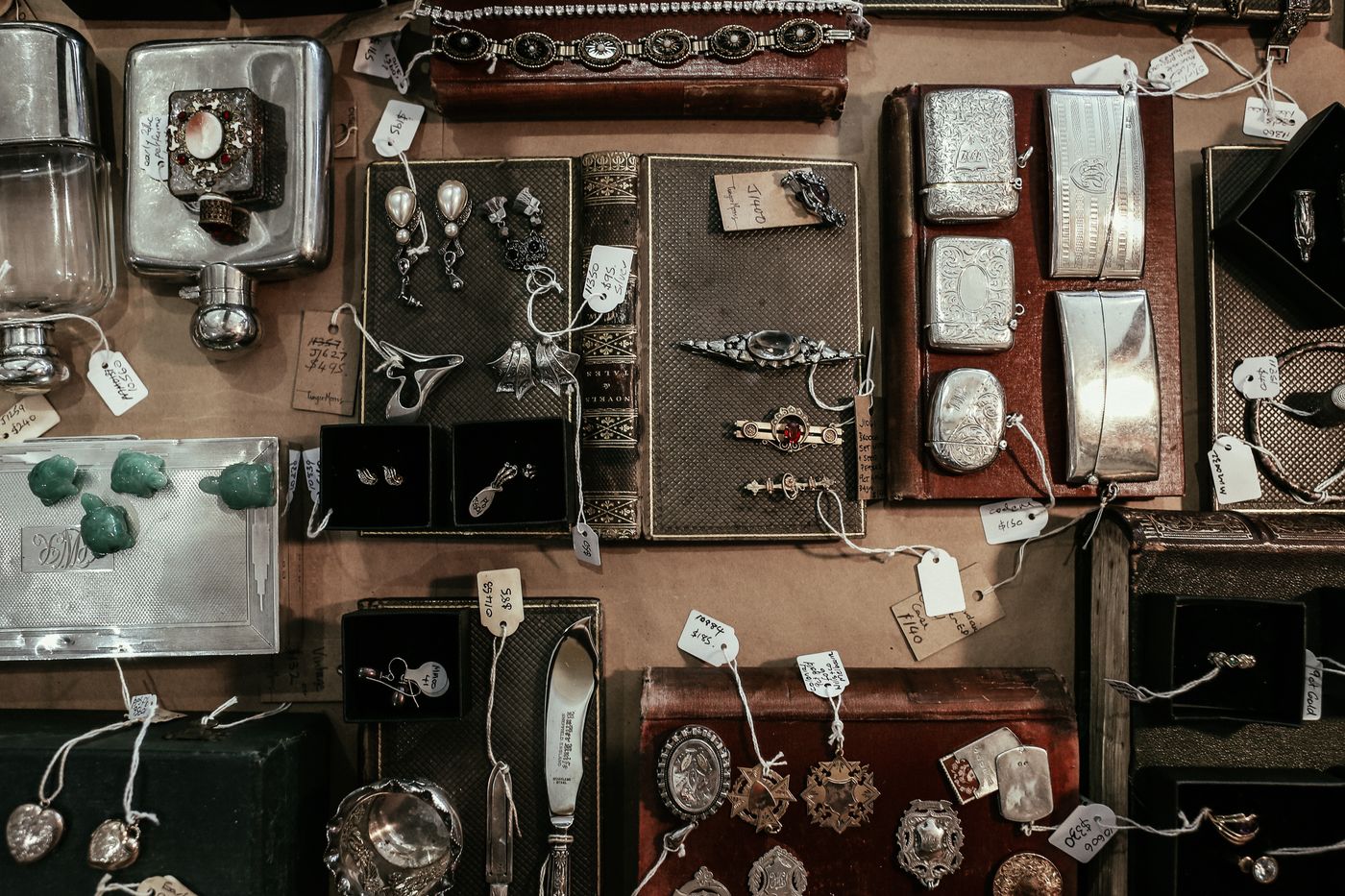
Foto: Rachel Claire · Pexels
A Brief History, Told Through Icons
Vintage jewelry has always been about accessibility and glamour. In 1938, Coco Chanel introduced costume jewelry as a way to liberate women from the tyranny of fine jewelry. She mixed faux pearls with real gems. The look was copied by Hollywood. In the 1940s, during the war, metals were rationed, so costume jewelry makers used sterling silver and pot metal. Trifari patented a process called Trifanium, a gold-tone alloy that did not tarnish. Their pieces were worn by Mamie Eisenhower. In the 1950s, rhinestones sparkled on the necks of Grace Kelly and Audrey Hepburn. Coro and Weiss were at their peak. The 1960s brought mod plastic and pop art, with designers like Paco Rabanne and Courrèges using plastic and metal. The 1970s saw a return to nature, with wooden bangles and resin pendants. Diane von Furstenberg wore a chunky gold necklace with her wrap dresses. The 1980s were all about excess: oversized pearls, big gold hoops, and rhinestone brooches, worn by Princess Diana. The 1990s minimalism brought sterling silver and small pendants, worn by Carolyn Bessette-Kennedy. Each era offers a distinct flavor, and wearing a piece from that time connects you to its story.
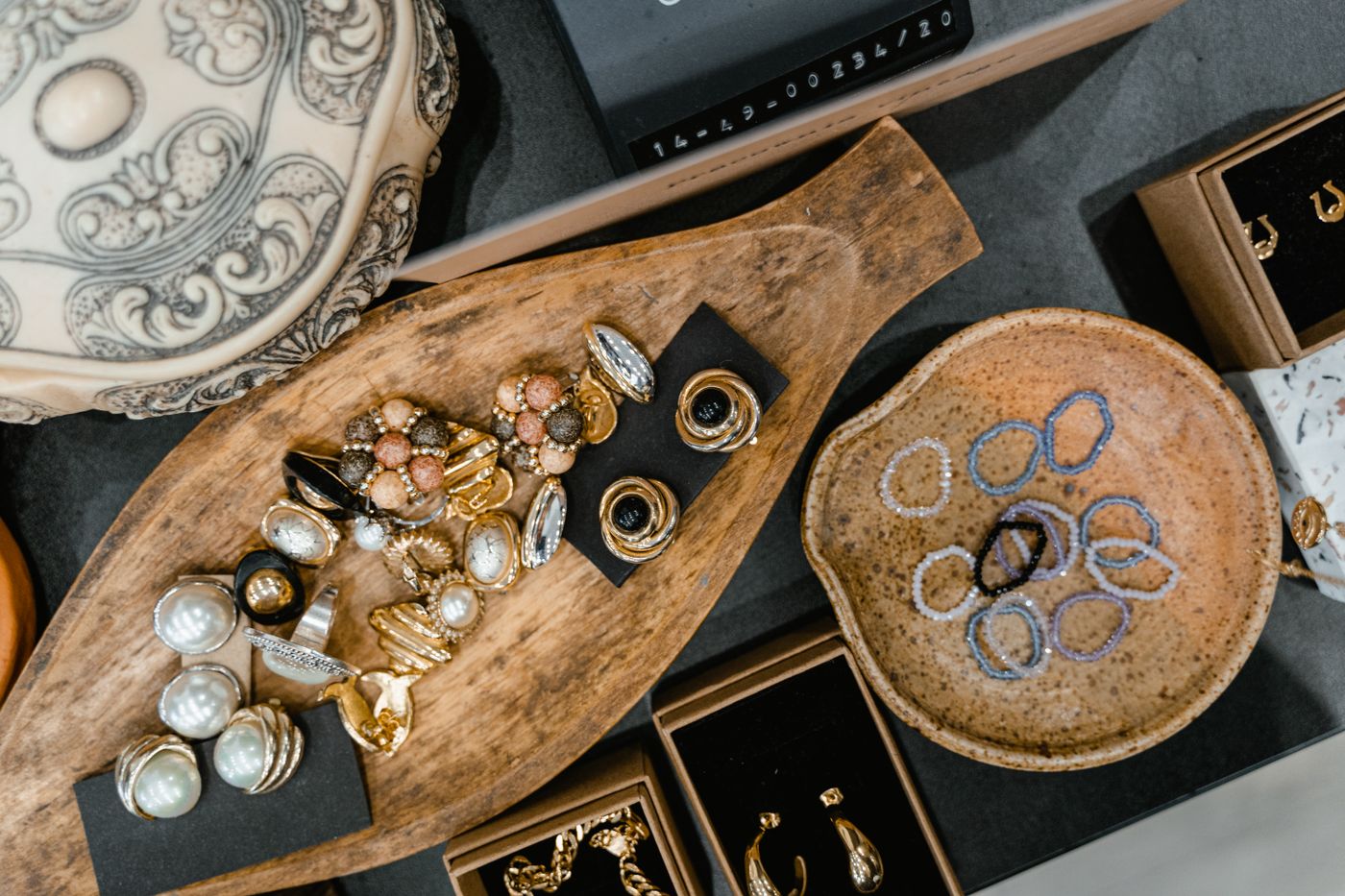
Foto: MART PRODUCTION · Pexels
The Wear and Tear of Time
Vintage jewelry has lived a life. It may have a scratch or a missing stone. That is part of its charm. But you should know what you are getting into. Check for loose stones by gently tapping the piece. If a stone falls out, it can be replaced, but it may be hard to match. Look for verdigris (green corrosion) on base metal. It can be cleaned, but it often returns. Sterling silver will tarnish; a polishing cloth is your friend. Gold-filled pieces can wear through to the base metal, especially on high-friction areas like the clasp. If the wear is minor, it adds character. If it is extensive, the piece may not last. I have a 1970s Monet necklace where the gold tone has worn off on the back, but the front is perfect. I wear it anyway. The imperfections are a record of its journey.
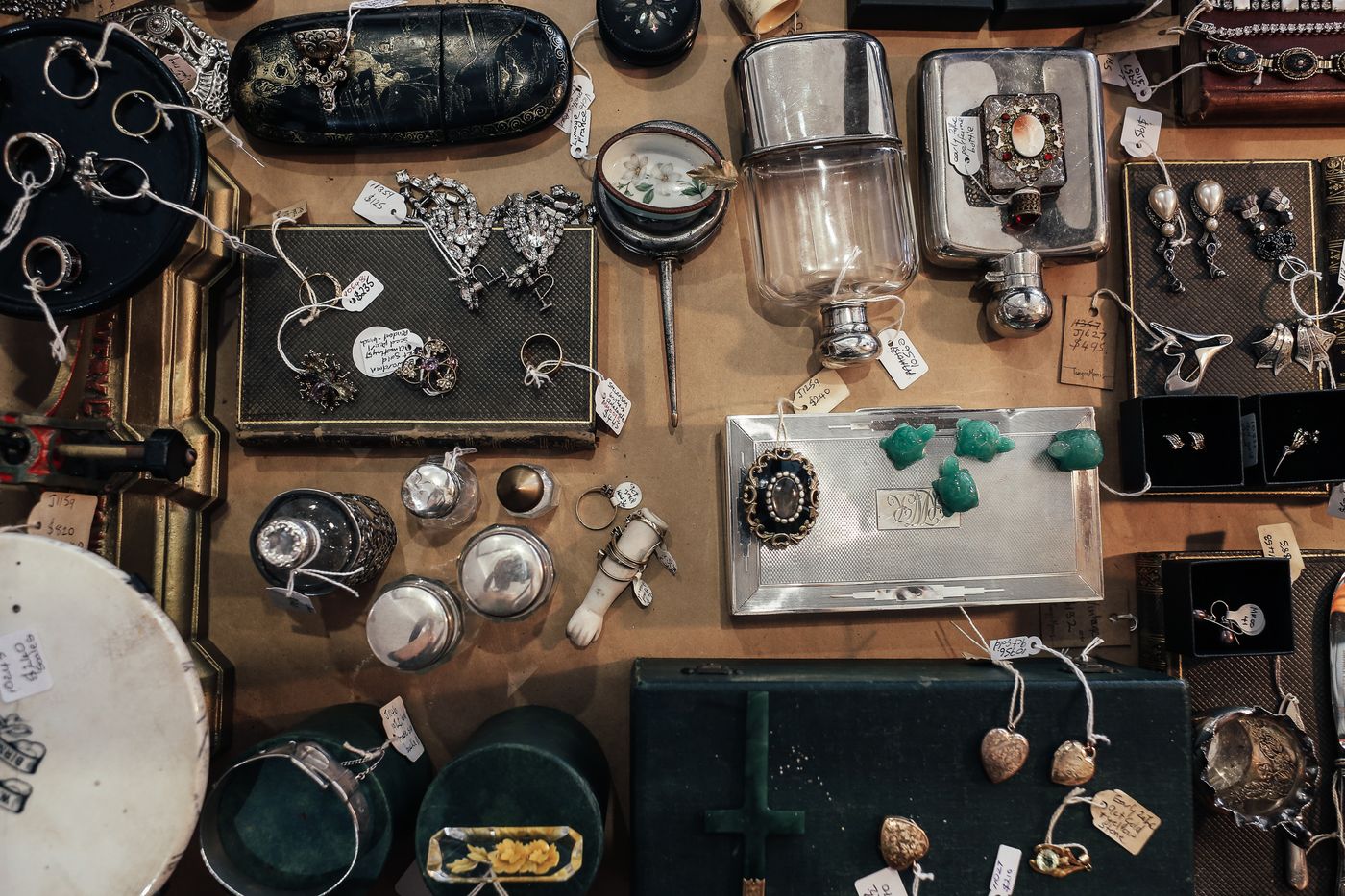
Foto: Rachel Claire · Pexels
The Case for Wearing, Not Storing
Vintage jewelry is meant to be worn. It is not a museum piece. The best way to honor its history is to give it a new one. So pin that brooch to your denim jacket, stack those bangles, and let the rhinestones catch the light. You are not just accessorizing; you are continuing a narrative. And that is worth more than any price tag.

City
Tokyo
Category
vintage jewelry
Published
29 October 2026
Where to find it
Shop the signals
What the market is offering right now on this exact subject.
sieraden
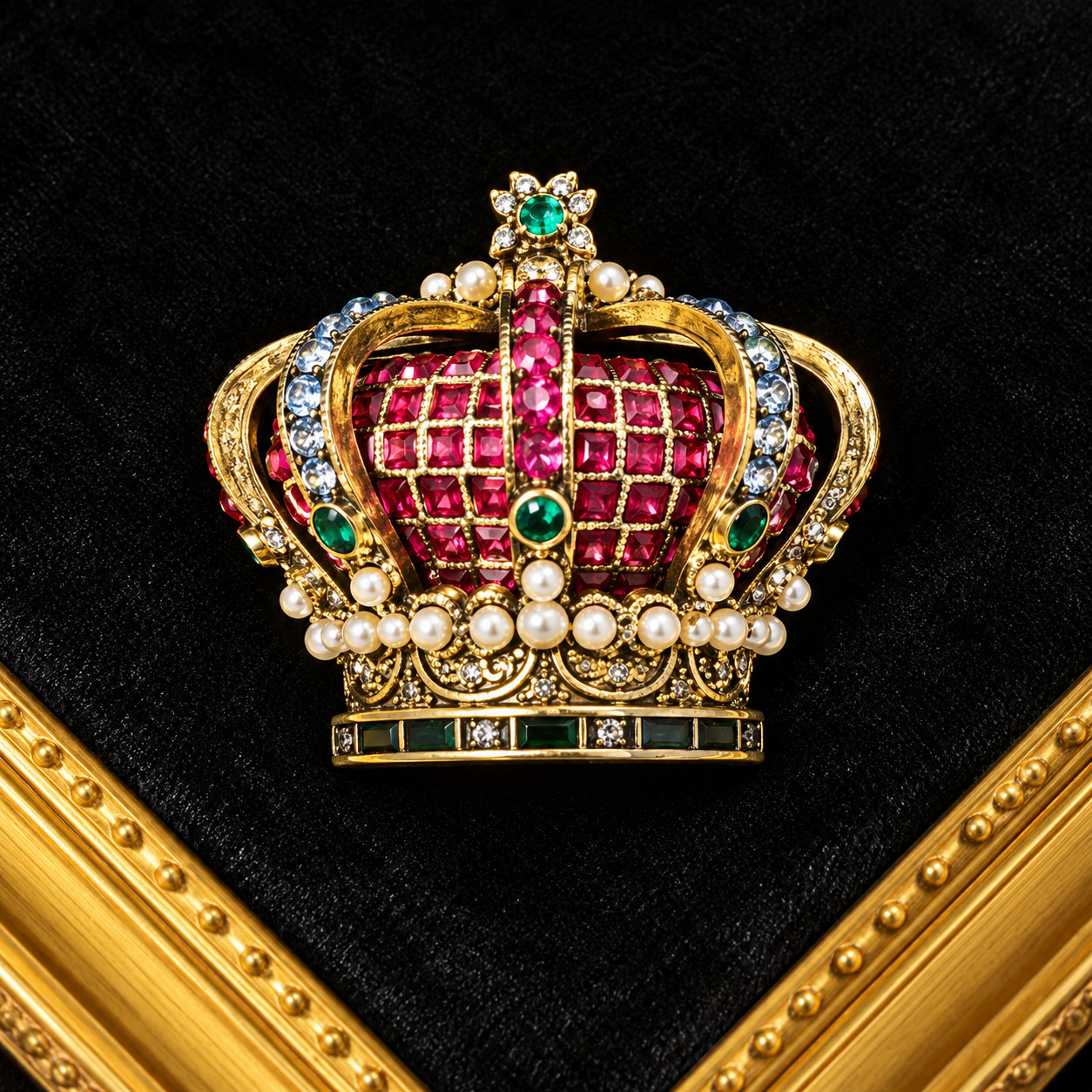
Vintage Crystal Crown Brooch Pin Colorful Rhinestone Royal Jewelry Elegant Gift
sieraden
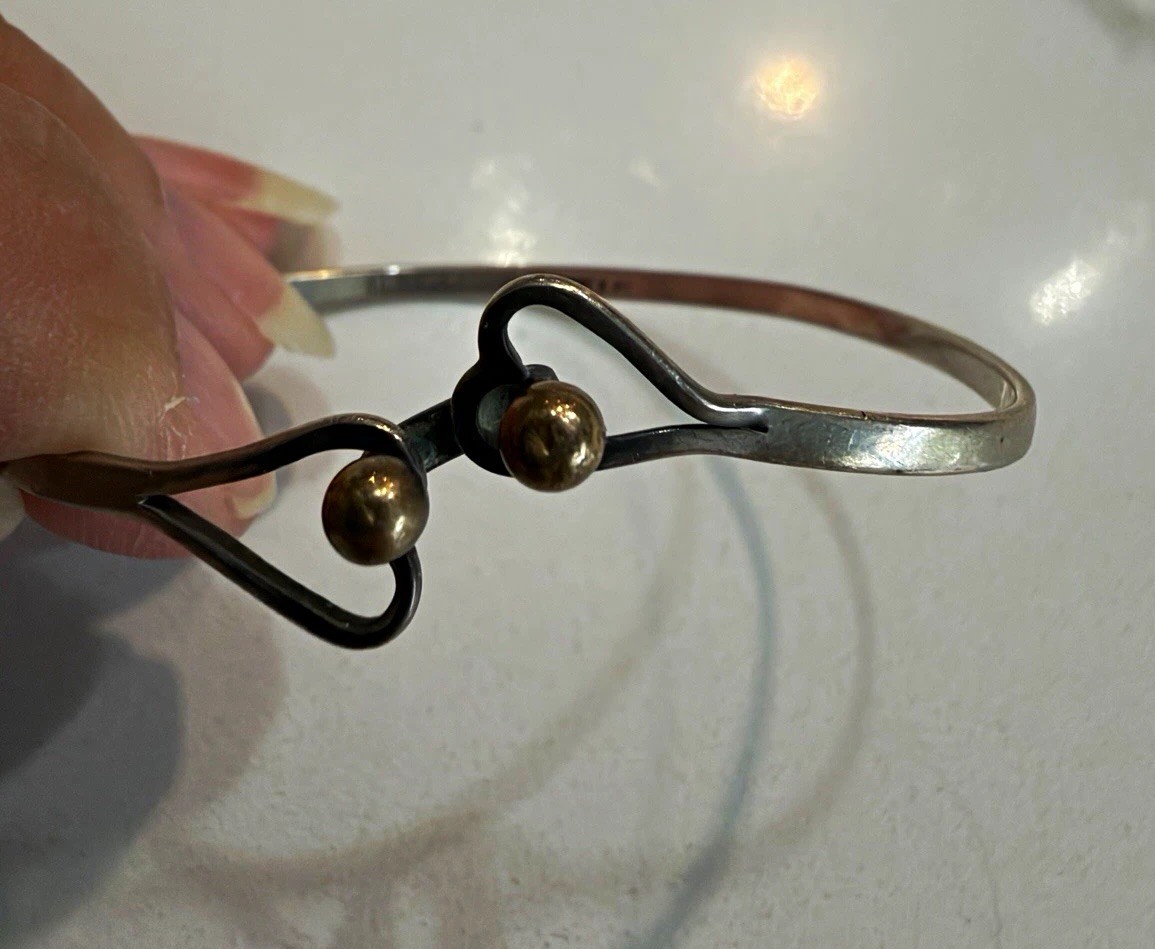
Vintage Tiffany & Co Sterling Silver 14K Gold Hook Eye Bracelet 6.5”
sieraden
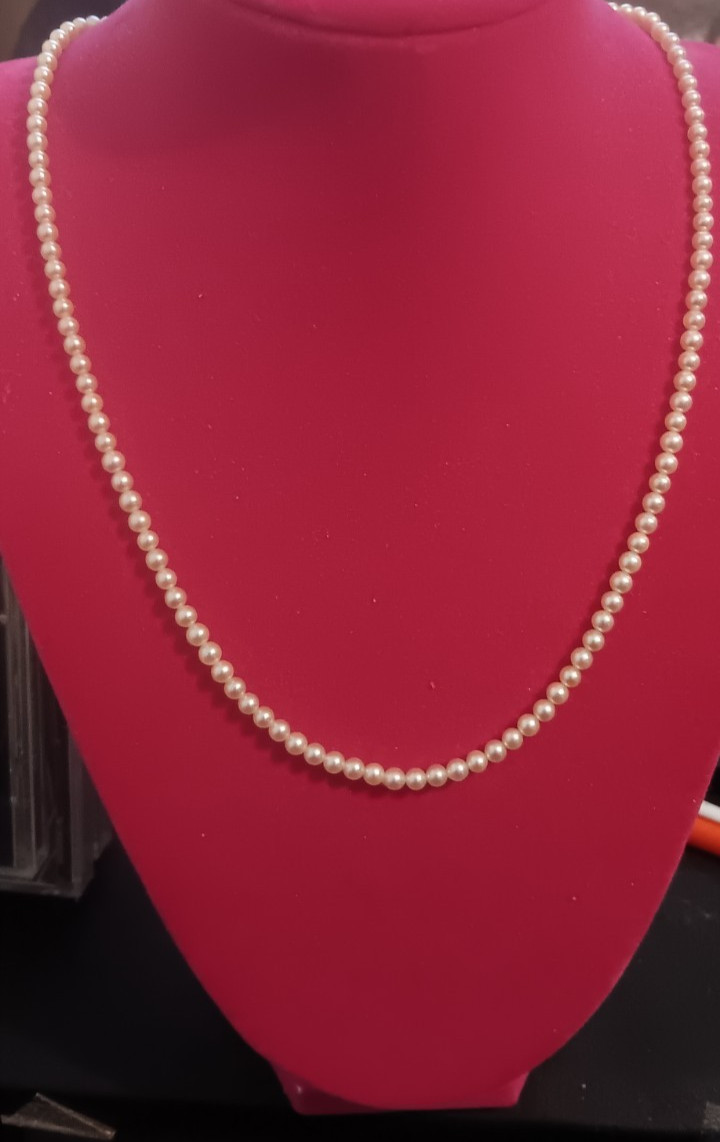
Vintage 14 k Gold Clasp Cultured Pearl Strand Necklace 18 inch Small Hand Knott
sieraden
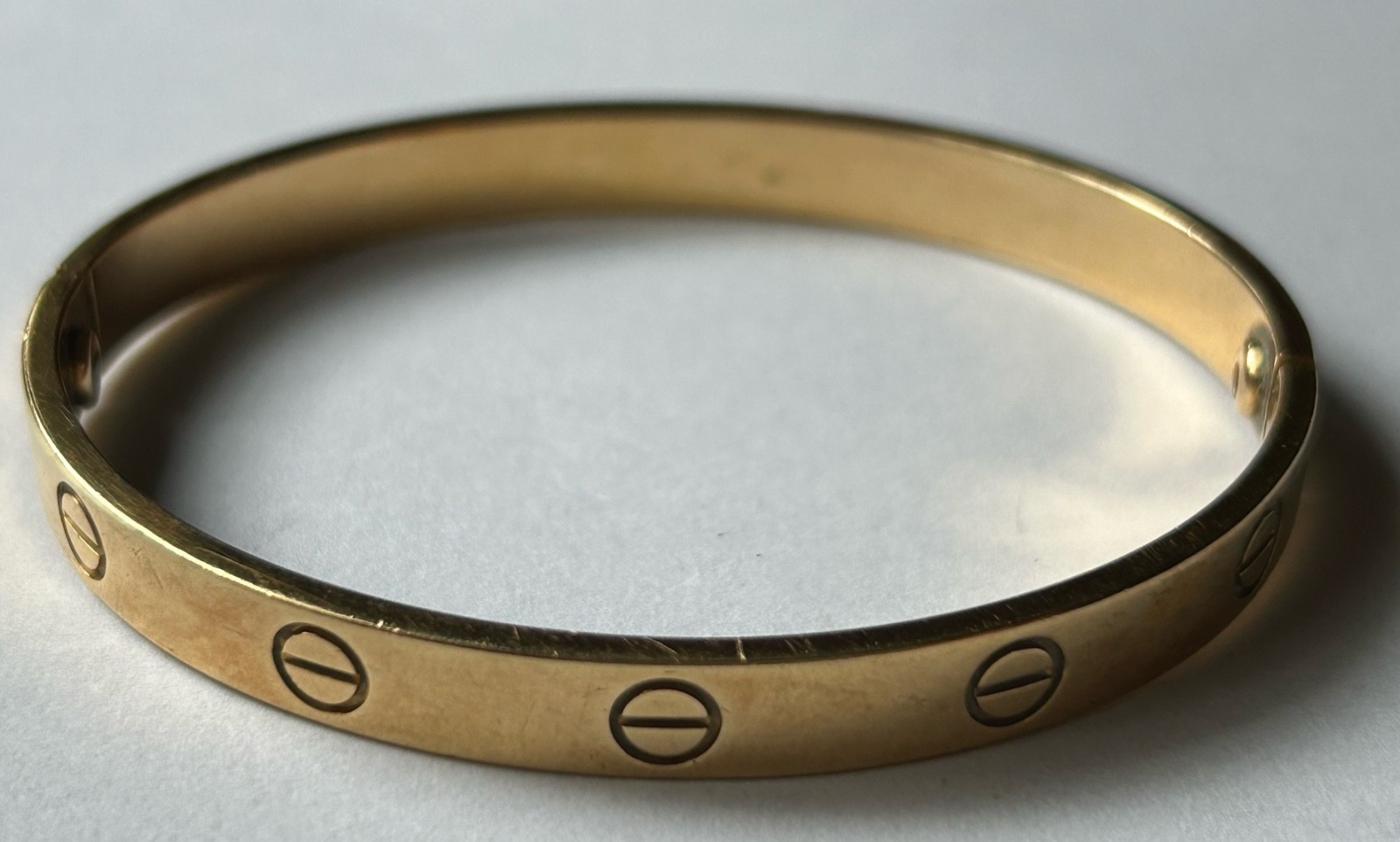
Cartier Love Bracelet 18K Yellow Gold Vintage Old Screw System Size 17 Box Paper
sieraden
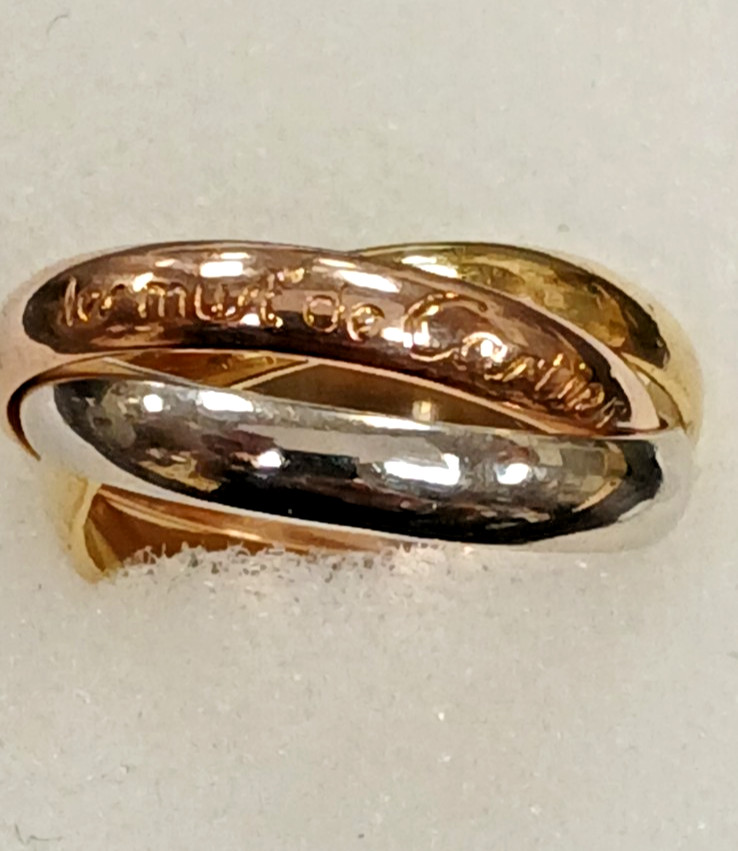
Vintage Cartier Trinity Ring 18K Tri-Color Gold 3.4mm MM Classic Size 54 8.5g
sieraden
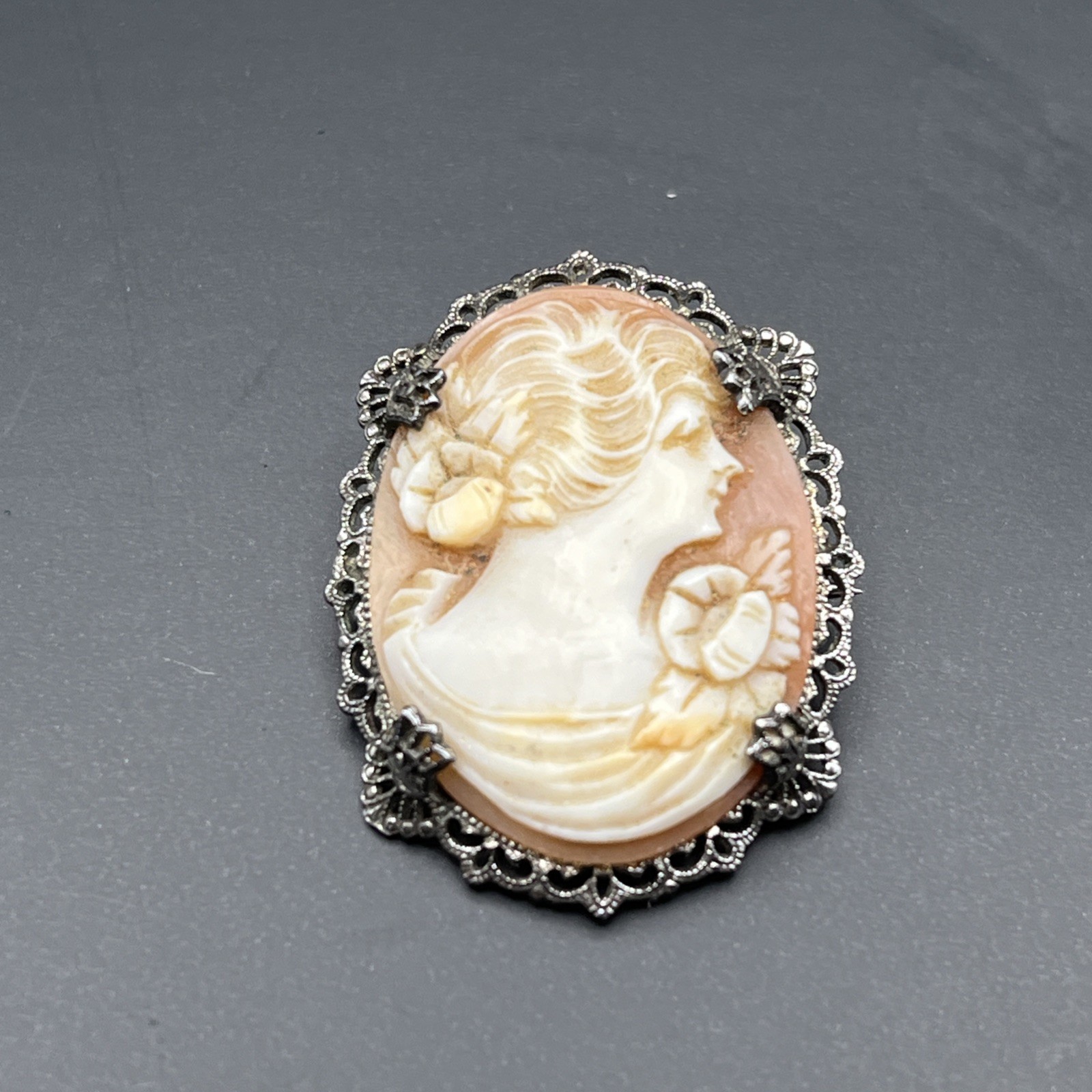
Vintage Sterling Silver Filigree Framed Cameo Brooch Free Shipping
sieraden
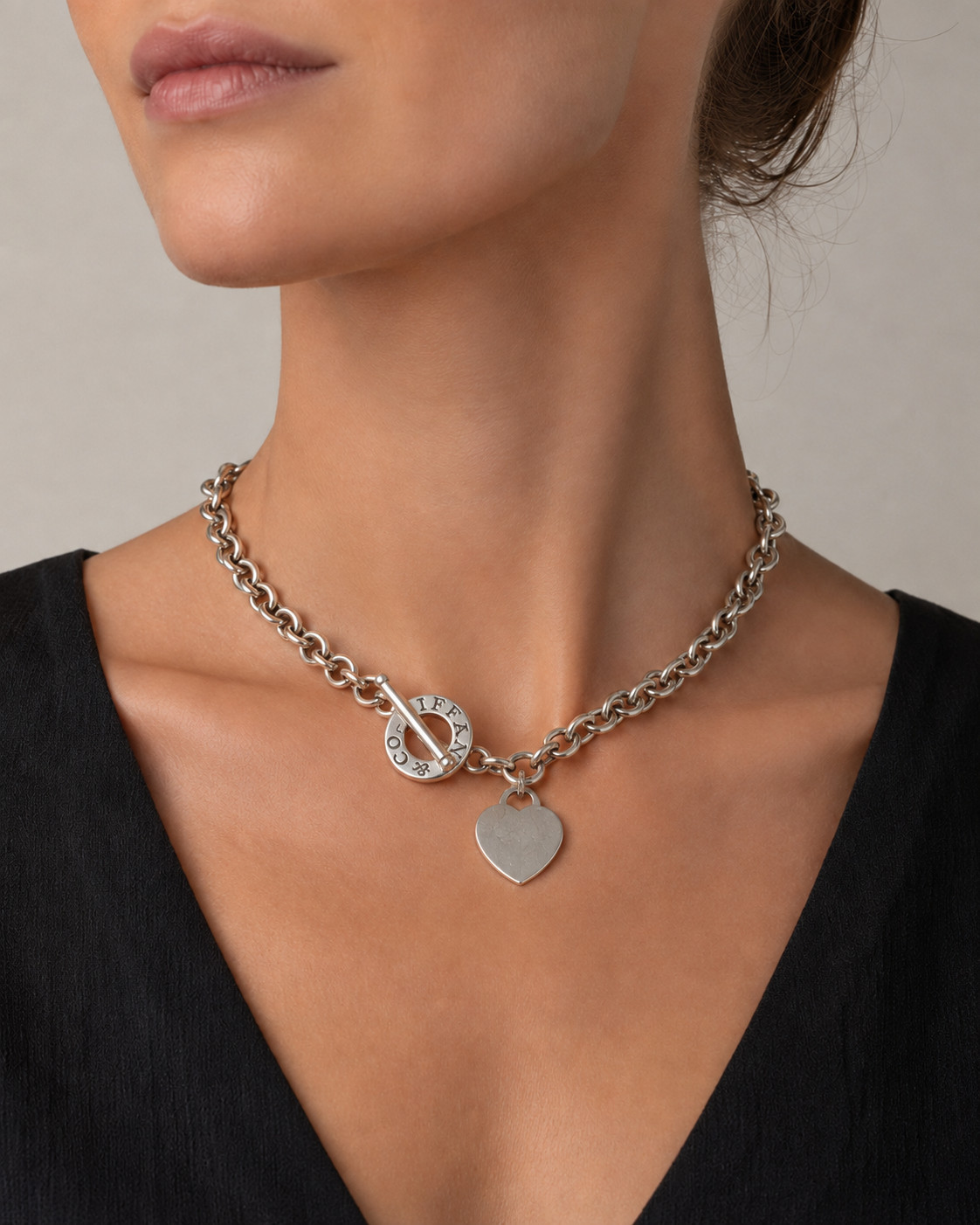
Vintage Return Tiffany & Co Toggle Heart Tag Necklace Sterling Silver Authentic
sieraden
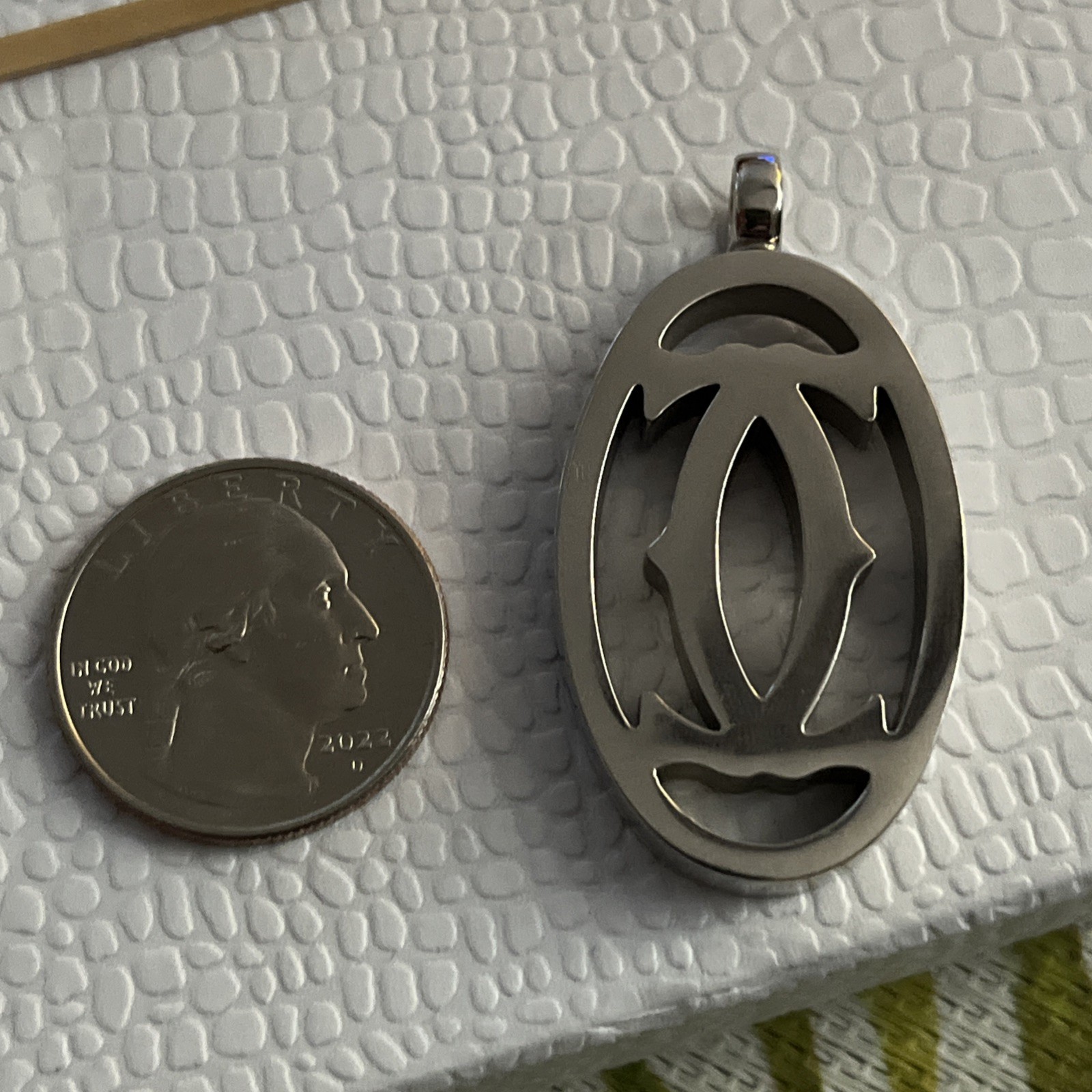
Cartier Vintage Rhodium-Plated Pendant Necklace Charm Oval 100% Authentic +chain
The names
Meet the designers
The minds behind this story — each with a piece currently on the market.
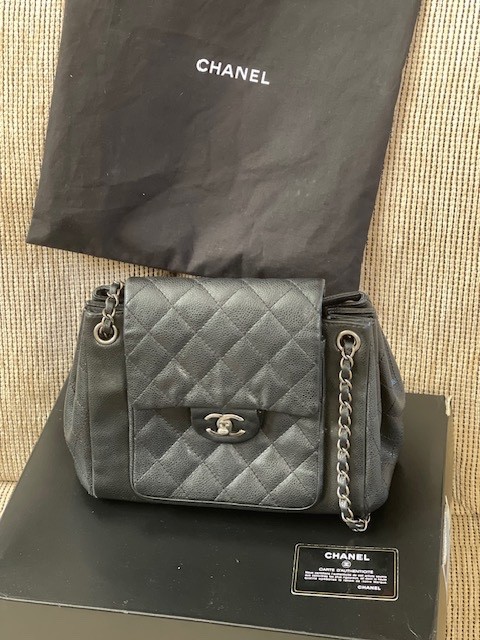
Chanel
France · 1910s
The little black dress & the 2.55
The little black dress & the 2.55
Top piece
View →
Dior
France · 1940s
The New Look & the Lady Dior
The New Look & the Lady Dior
Top piece
View →
Levi's
USA · 1850s
The 501 & Americana denim
The 501 & Americana denim
Top piece
View →
Yohji Yamamoto
Japan · 1970s
Black, drape & poetic deconstruction
Black, drape & poetic deconstruction
Top piece
View →
Continue the edit
Further stories from the same world
Three more walks through the same vintage universe.
Vintage Jewelry: The Art of Wearing History
Forget the glass case. The best vintage jewelry is meant to be worn, not admired from afar. Here's how to style it, spot a gem, and know its stories.
Read the story →Why Vintage Jewelry Matters Now
Forget the vault. Vintage jewelry belongs on your body, mixed with denim and tailored wool, where its scratches and history can catch the light. Here is how to wear it well, what to look for, and why a $111.27 brooch can outshine anything new.
Read the story →Why Vintage Jewelry Matters Now: Wear the Past, Style It Forward
Forget the market. Here's how to find, wear, and love vintage jewelry that fits your life and your wardrobe, from Art Deco diamonds to bold 1980s gilt.
Read the story →