
 Sign in
✦ Culture · Tokyo
The Wrist You Inherit: Wearing a Vintage Watch Without Looking Like a Collector
A 1968 Omega Seamaster on a grey nylon strap says more about you than any new watch in a display case. Here is how to wear one, what to check on the caseback, and why the scratches are the point.
 By Louis Trash·
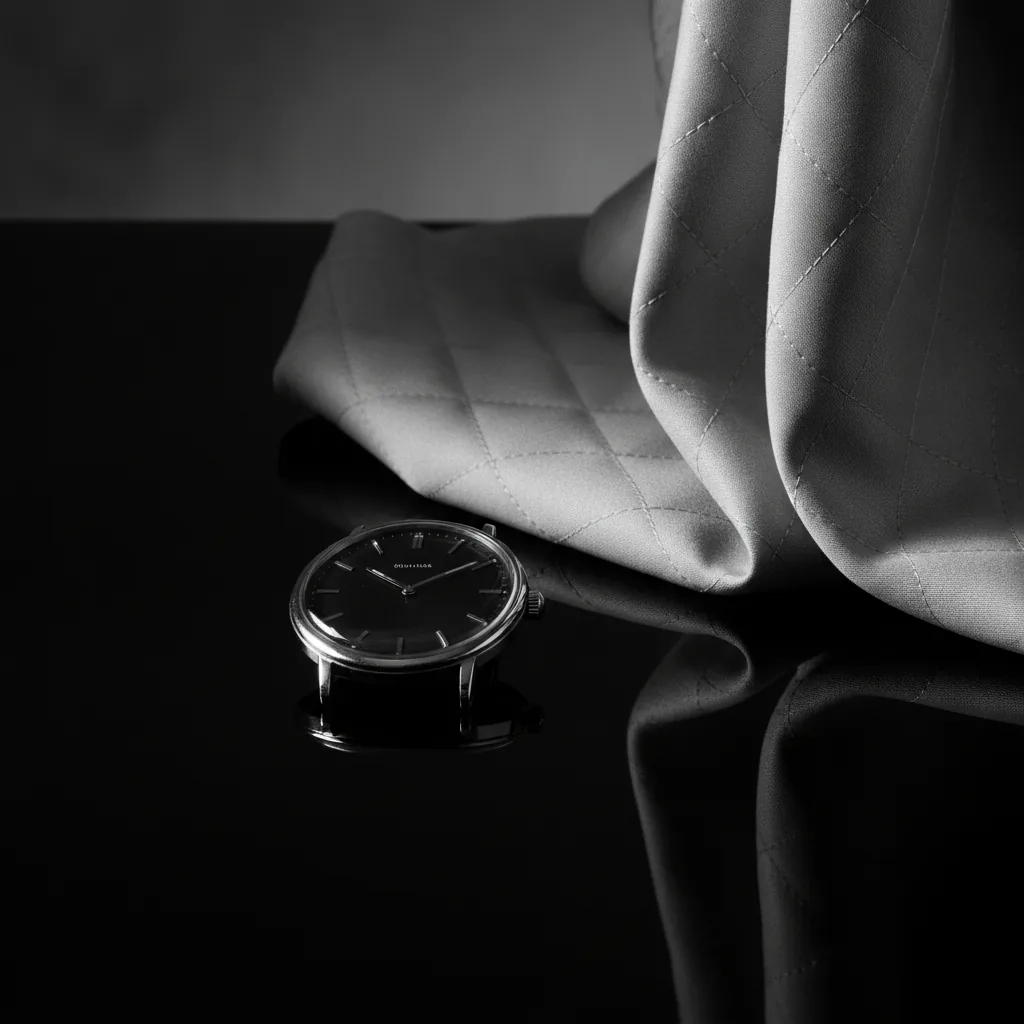
Start With the Strap, Not the Watch
A vintage watch on its original bracelet looks like a museum piece. A vintage watch on the wrong strap looks like a mistake. The trick most people miss: change the strap first, and the watch becomes yours.
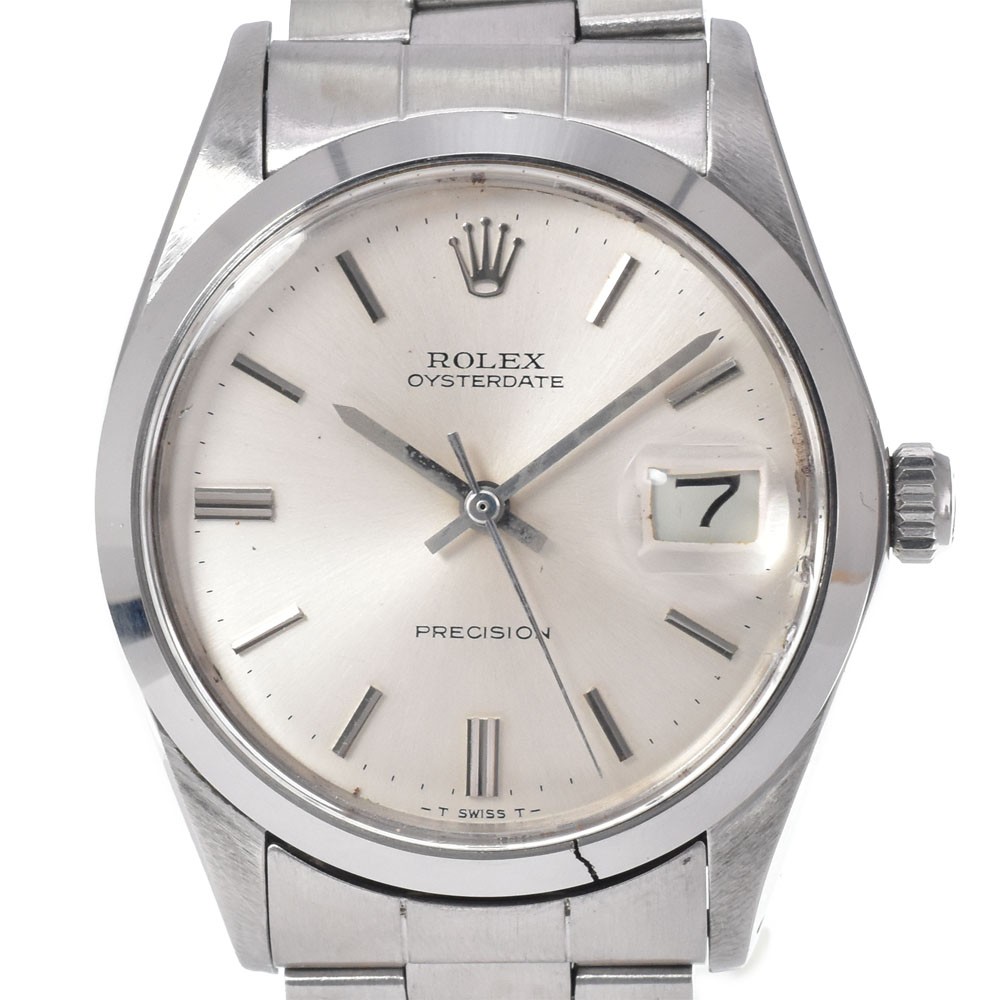
A 1960s Omega Seamaster, the kind with the pie-pan dial and the crosshair, is a modest 34mm across. Put it on a slim brown calfskin strap with a plain pin buckle and it disappears under a shirt cuff the way it was meant to. Put the same watch on a chunky steel bracelet and it looks like a child wearing a father's shoes. Proportion is everything here. If your wrist is under 7 inches, a 34 to 36mm case is your friend. The oversized-watch era of the 2000s did real damage to how people read a wrist, and vintage sizing corrects it.

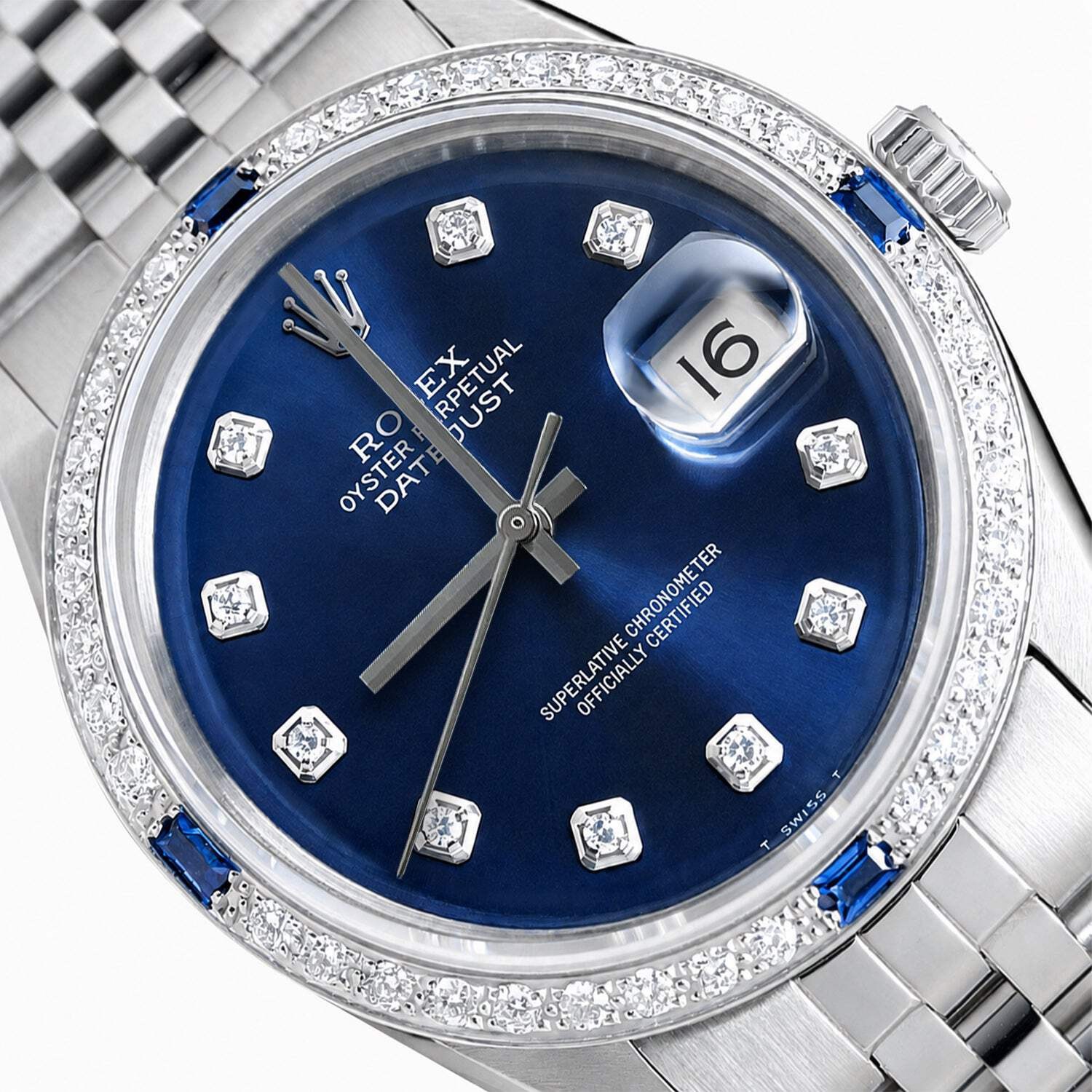
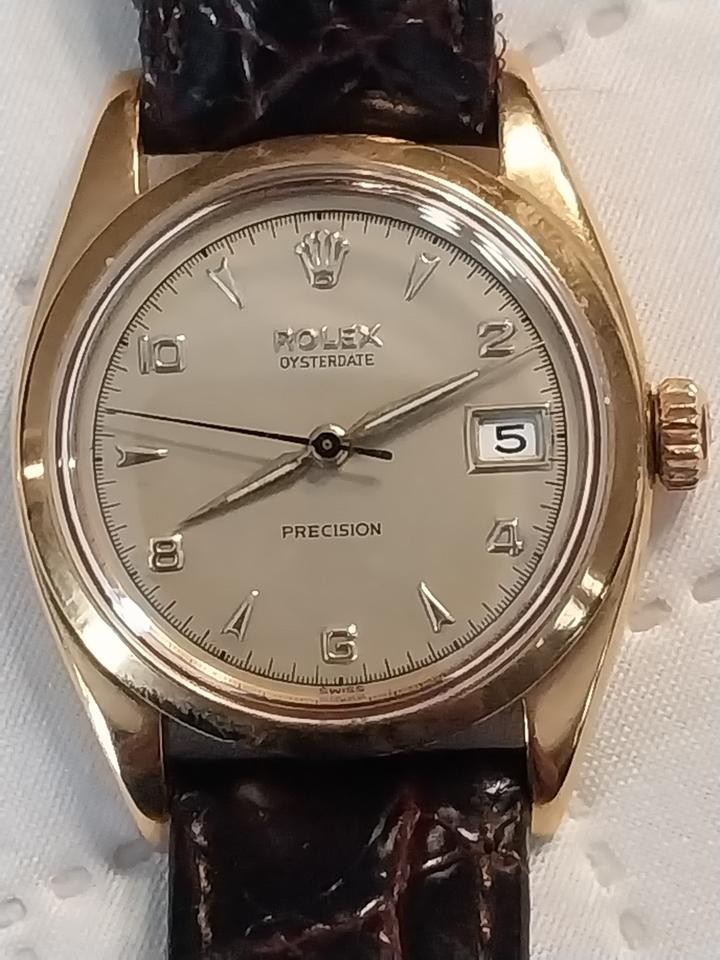
Rolex is the harder case. A Datejust from 1972, the reference 1601, wears bigger than its 36mm because of the fluted bezel catching light from every angle. That fluted bezel is white gold on most examples, and it will read as jewellery whether you want it to or not. Wear it with a navy blazer and oxford cloth and it earns its keep. Wear it with a hoodie and it argues with you.
The Outfits That Actually Work
Think about the watch as the smallest piece of tailoring you own. It should relate to your collar, your cuff, your shoe.
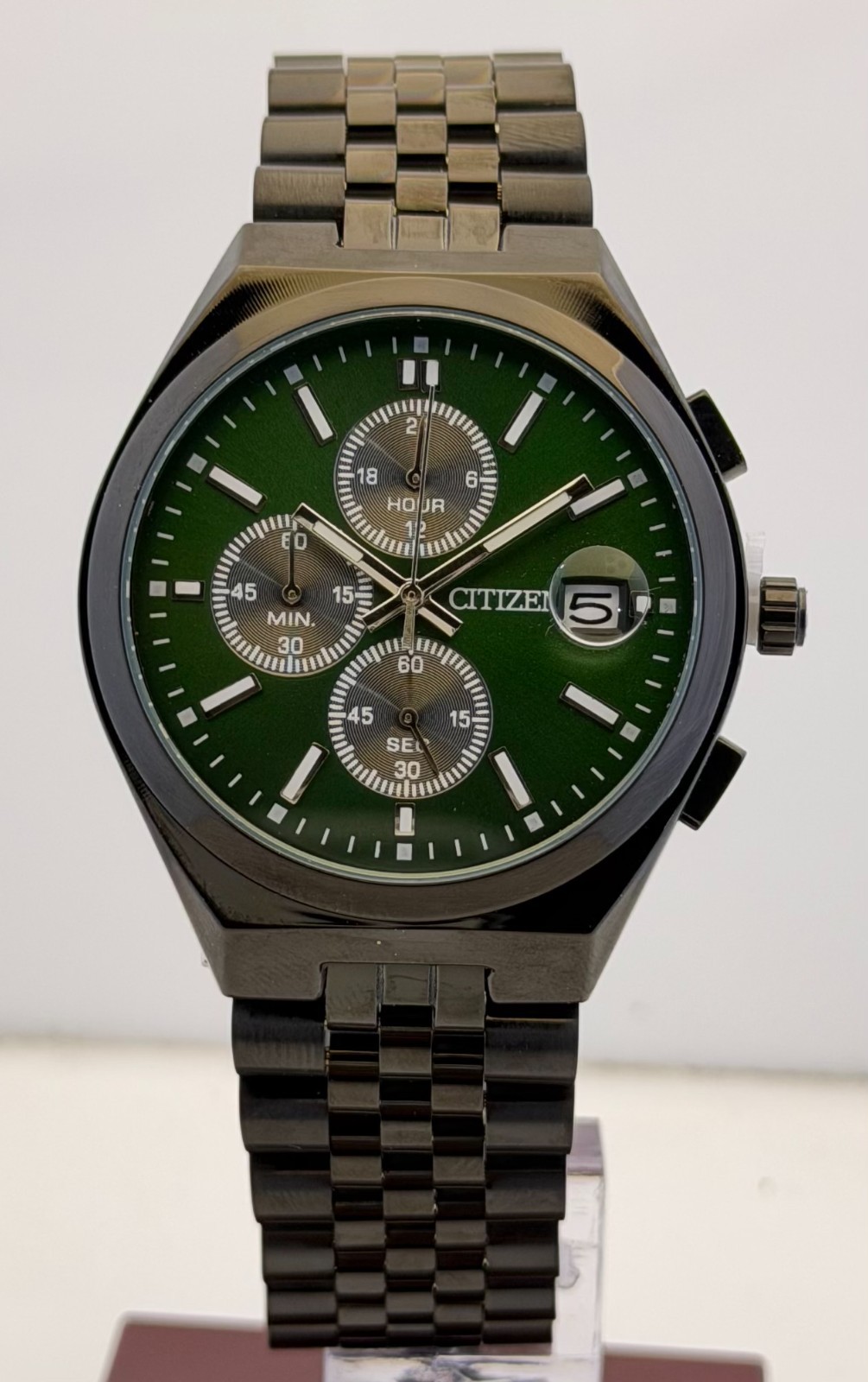
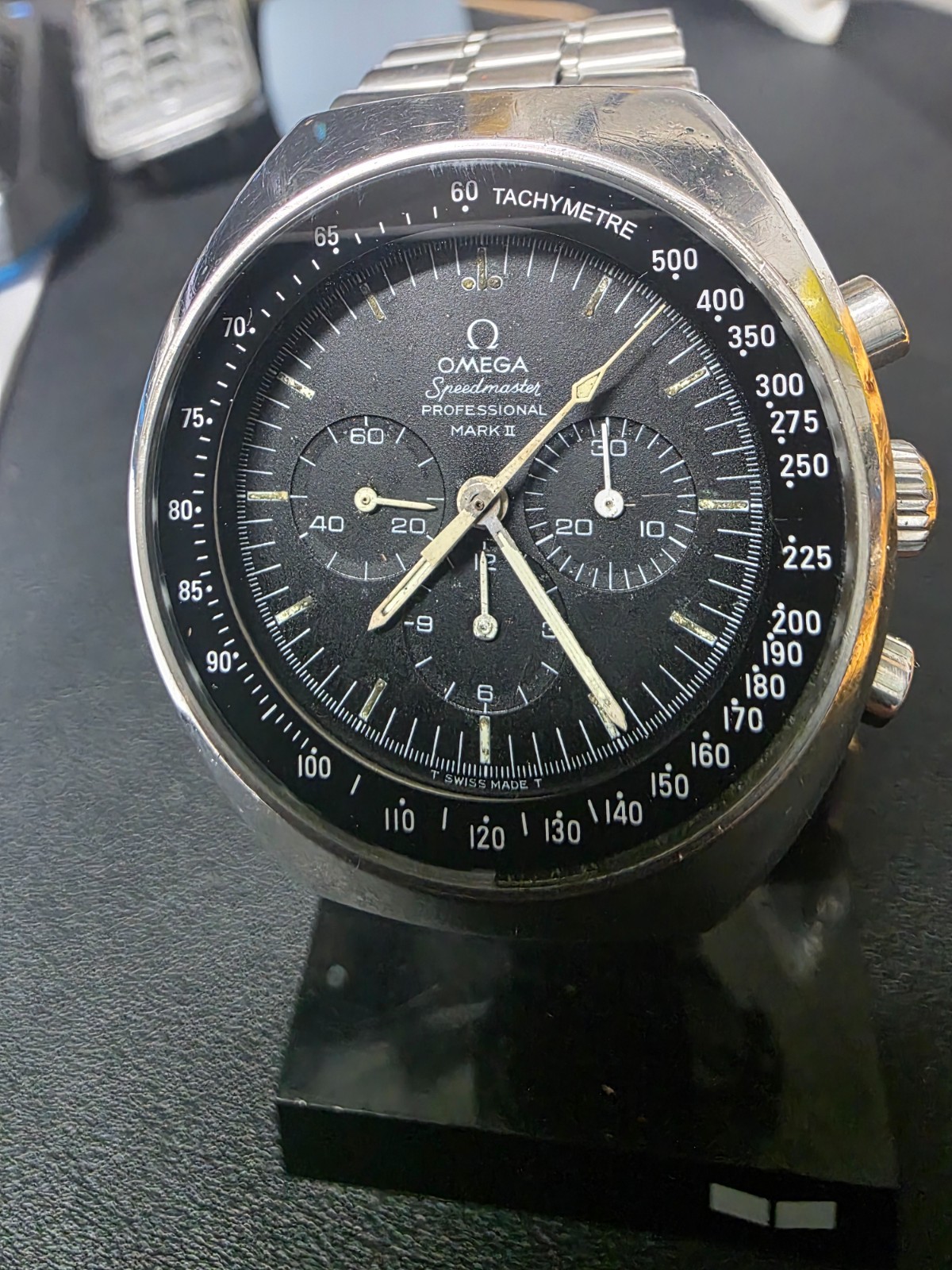
A Speedmaster on a black leather strap with a grey wool suit and a white shirt is a clean, slightly nerdy look that suits a man in his forties. The same watch on a steel bracelet with a denim jacket and a plain white tee is the other correct answer. Both work because the watch is a tool watch with a story, and tool watches forgive casual clothes.
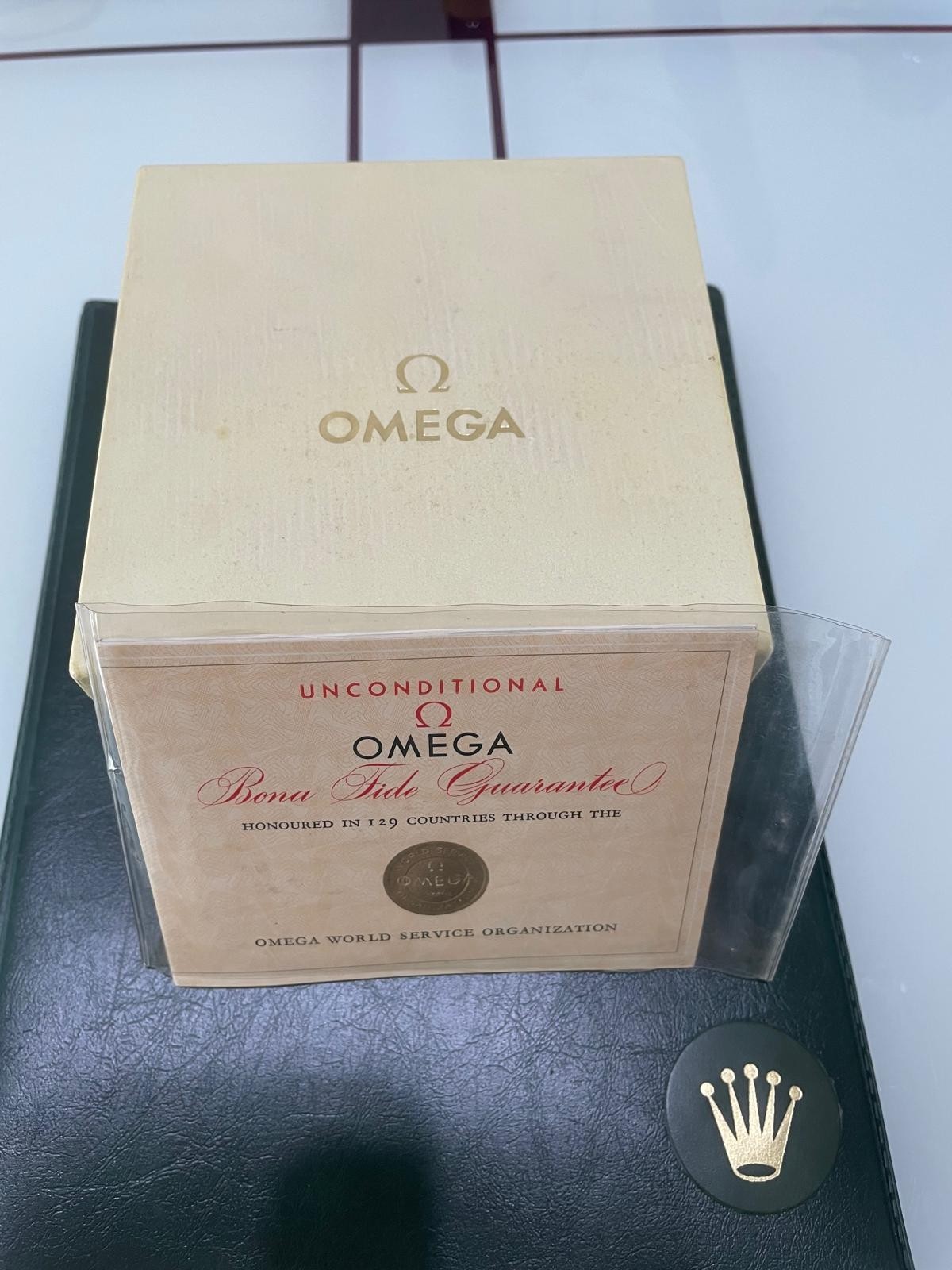
Dress watches want a little formality around them. A gold-plated Omega De Ville from the early seventies, thin as a coin, needs a shirt with a proper cuff. Roll the sleeve of a knit and it looks orphaned. If you wear a lot of unstructured linen and open collars, a steel case with a silvered dial will do more for you than gold.
One rule worth keeping: match the metal of the watch to the metal you already wear. If your wedding band is yellow gold, a steel watch and a gold ring fight each other on the same arm. It is not fatal. It is just noisy.
What to Look For on the Caseback and the Dial
Buy the era, not the badge. A good 1960s Omega is a better watch than a mediocre 1970s Rolex, and it will cost you less. The pieces turning up at dealers right now, mostly Omega and Rolex, sit around the $423 mark for the honest, well-worn examples, which tells you something useful: the entry point is low enough that you can afford to be picky about condition.

Look at the dial first. Original dials age in a specific way. Lacquer cracks in fine lines. Tritium lume turns a warm cream, then a pale pumpkin. If the lume is bright green and the dial is otherwise 50 years old, the dial has been redone. Repainted dials are not worthless, but they are not what you are paying for.
Check the case for over-polishing. Sharp lugs should still have their bevels. A case that has been buffed round is a case that has lost its shape and its value. Look at the crown. It should be signed and sit proud of the case, not flush.
On Omegas from the mid-sixties, the hippocampus on the caseback should be crisp. If it is a soft blob, the case has been machined. On Rolex, check the reference and serial numbers between the lugs. They should be legible and match the paperwork if there is any. A 1601 with a 1972 serial is a 1972 watch. A 1601 with a serial from 1978 has had a service replacement case, which is fine if you know and the price reflects it.
The History You Are Wearing
In 1969, Omega put the Speedmaster on the wrist of every astronaut who walked on the moon, and the watch became the only piece of equipment NASA qualified for spaceflight without modification. That is not marketing. That is a procurement decision made by engineers who tested it in a vacuum chamber. When you wear a pre-moon Speedmaster, the one with the applied logo and the stepped dial, you are wearing the same watch that survived those tests.
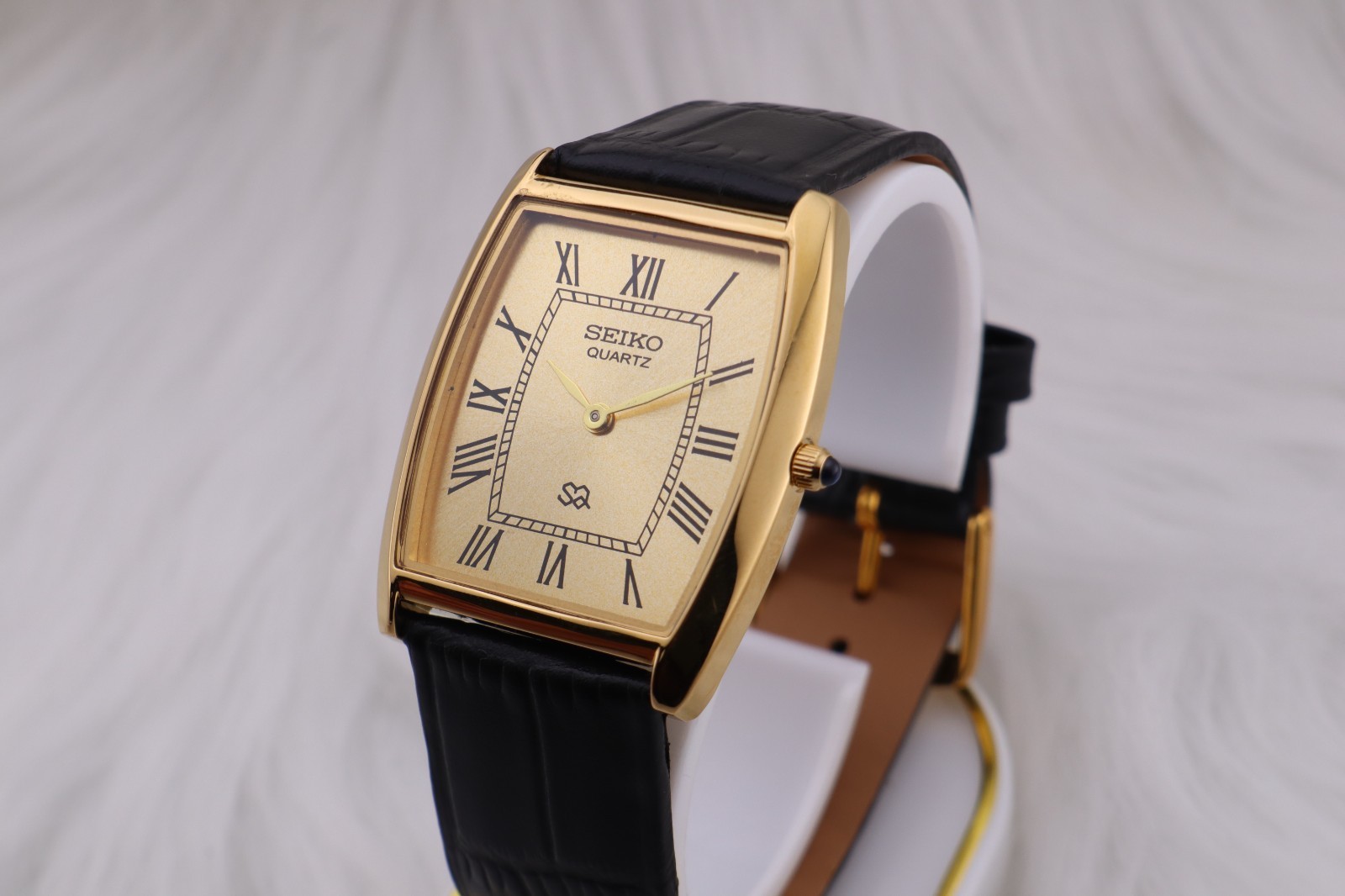
The Datejust has a different story. In 1945 Rolex introduced the date window that changed at midnight, and by the 1970s the 1601 was the watch of the man who had made a bit of money and wanted to look like it without shouting. It appeared on the wrist of everyone from businessmen to minor royalty. The fluted bezel was a machine-cut detail that caught the light in a boardroom. It still does.
Wear the Scratches
A vintage watch is not a new watch with a patina problem. The hairline scratches on the caseback, the small ding on the bezel, the slightly stretched bracelet: these are the record of the decades it has already lived. If you send it off to be refinished, you are erasing the only thing that makes it different from the one in the shop window.
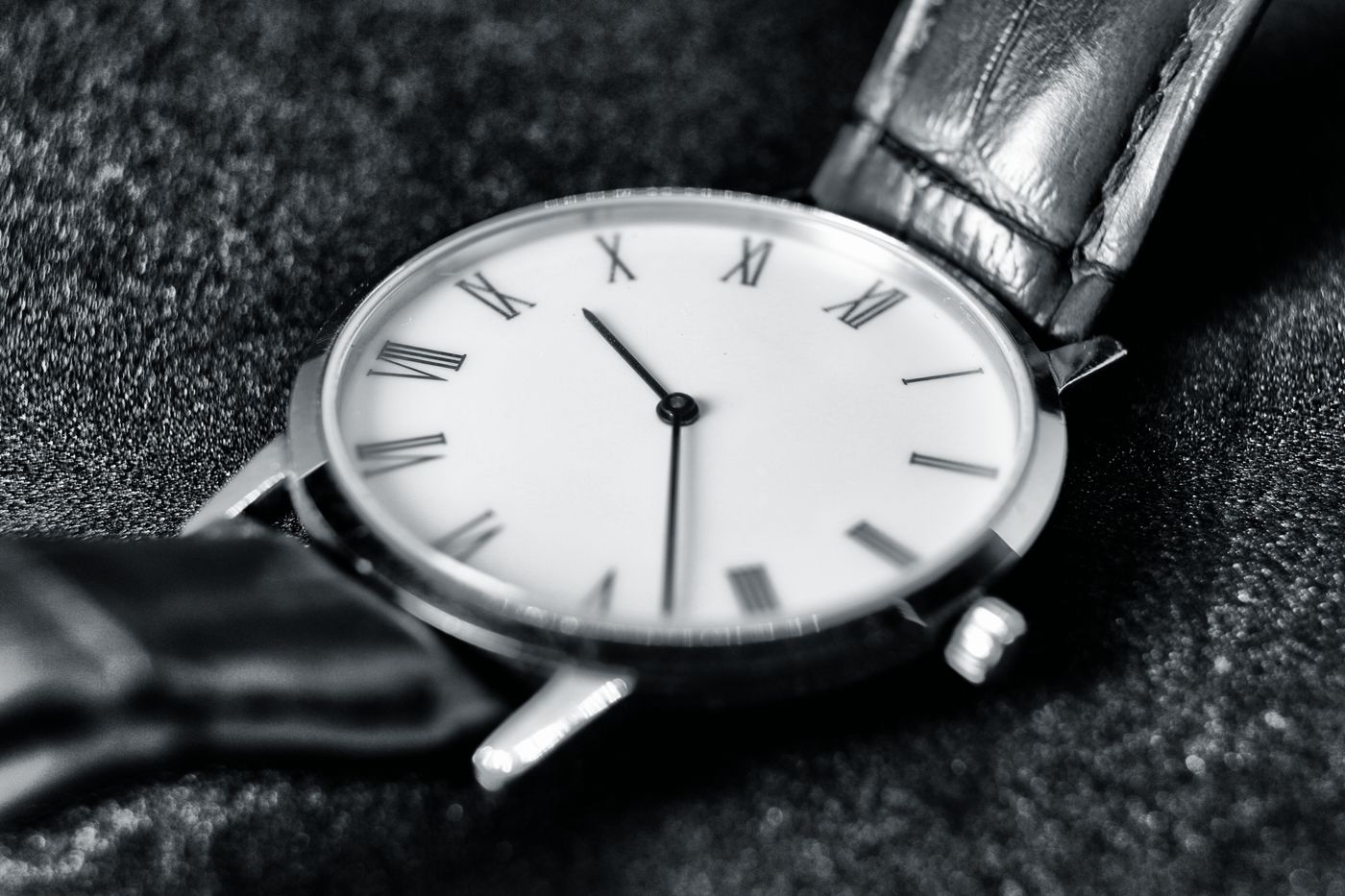
Foto: Mat Brown · Pexels
So wear it. Wear it to the office, to the pub, to the wedding. Let the crystal pick up a scratch. Let the strap darken at the buckle. The point of a 50-year-old watch is that it has already outlasted the person who bought it, and it will outlast you too if you let it do its job.
 ✦ The Edit
One to watch
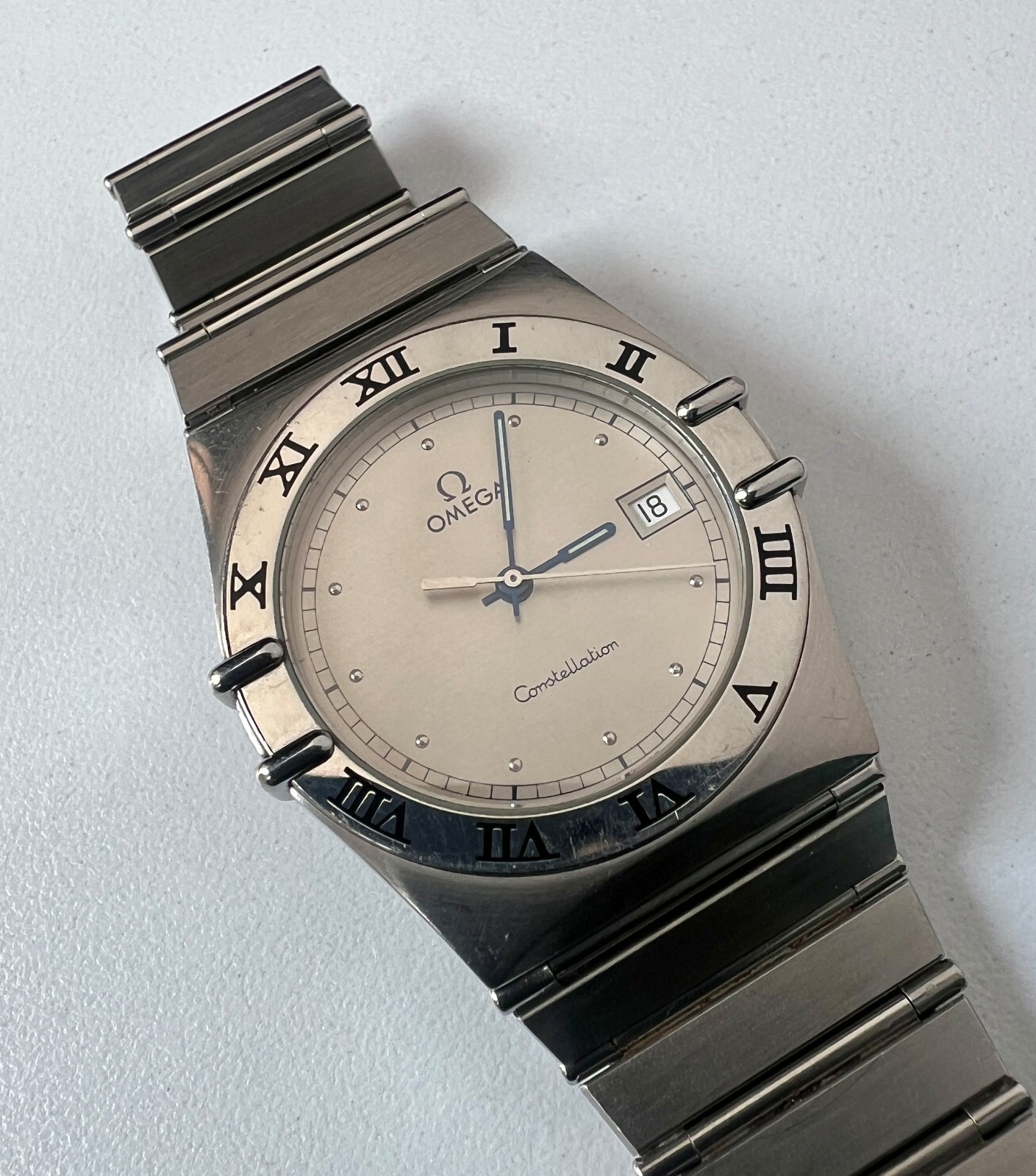
OMEGA Constellation Manhattan Watch Vintage Mens Gray Dial 396.1070 Quartz
The watch that went to the moon. This honestly worn watch carries exactly the quality that made Omega worth collecting in the first place. This is the kind of thing that only improves the longer you live with it.
On the market now
The names
Meet the designers
The minds behind this story — each with a piece currently on the market.
Omega
CH · 1840s
The Speedmaster & the Moonwatch
The Speedmaster & the Moonwatch
Top piece
View →
Chanel
France · 1910s
The little black dress & the 2.55
The little black dress & the 2.55
Top piece
View →
Rolex
CH · 1900s
The Submariner & the Datejust
The Submariner & the Datejust
Top piece
View →
Armani
Italy · 1970s
The power suit & soft tailoring
The power suit & soft tailoring
Top piece
View →
Continue the edit
Further stories from the same world
Three more walks through the same vintage universe.
The Wrist, Reconsidered: Wearing a Vintage Watch Like You Mean It
A 1972 Omega on a worn leather strap will do more for a plain white shirt than any new acquisition. Notes on wearing vintage watches with intent, from a collector who wears his.
Read the story →The Wrist, Reconsidered: Wearing Vintage Watches Without the Vitrine
A Gucci from 1975 and an Omega from 1968 cost less than a decent pair of boots. Here is how to wear them like you mean it, what to check on the caseback, and why the small watch is winning again.
Read the story →The Quiet Authority of a Vintage Omega
A vintage Omega on a leather strap tells time and a story. Here is how to wear one today, what to check before you buy, and why the 1960s Seamaster still holds its own.
Read the story →