
 Sign in
✦ Culture · Tokyo
The Band Tee, Worn Well: A Field Guide
A 1979 Pink Floyd shirt with cracked lettering is not a collectible to be sealed in plastic. It is a piece of cotton with a history, and it belongs on your back. Here is how to wear it without looking like you are in costume, and what to check before you buy.
 By Louis Trash·

The Shirt That Refuses to Be a Costume
A 1979 Pink Floyd tee, the one with the prism printed slightly off-centre, is not a relic. It is a piece of cotton that has been washed a thousand times and has the softness to prove it. The mistake most people make is treating it like a museum piece. You see it on a hanger, behind glass, and you think: that belongs to a different era. It does. That is exactly why it works now.
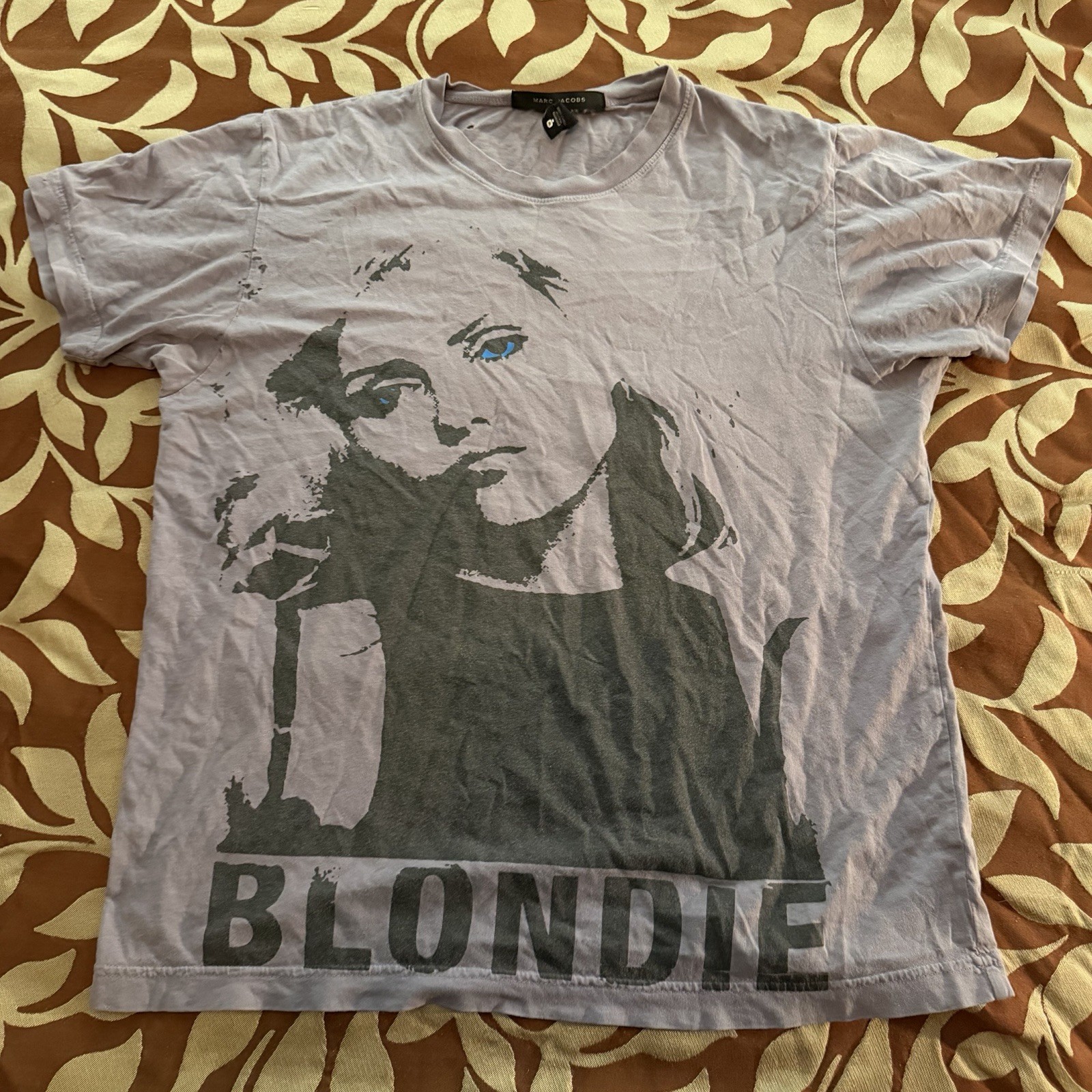
The trick is to stop thinking of it as a band tee and start thinking of it as a grey t-shirt with a story. The story matters, but the fit matters more. A good vintage band tee should sit on your shoulders like a shirt you have owned for years. If it is too boxy, it will swallow you. If it is too tight, you will look like you are trying too hard. The sweet spot is a relaxed drape that skims the body without clinging.
How to Wear It Without Looking Like You Are in a Costume
Start with the bottom half. A faded black tee from 1983, say a Black Flag shirt with the four bars, works best against something with a bit of structure. A pair of straight-leg selvedge jeans in a dark indigo, cuffed once at the ankle, gives the shirt a frame. Avoid skinny jeans. They make the tee look like a costume. Avoid baggy jeans too. You want a clean line.
Foto: Atlantic Ambience · Pexels
For a smarter look, tuck the front hem into a pair of pleated wool trousers. Grey flannel, maybe, or a muted olive. The contrast between the soft, worn cotton and the crisp wool is the whole point. Add a leather belt with a simple brass buckle and a pair of loafers. No socks in summer, thick socks in winter. The tee becomes the anchor, not the statement.
Layering is where these shirts earn their keep. A 1991 Nirvana tee with the smiley face, slightly too big, works under a cropped denim jacket. The jacket should hit at the waist, not the hip. That proportion keeps the outfit from looking sloppy. In colder months, wear it under a shawl-collar cardigan, unbuttoned, with the tee visible at the neck. The collar of the tee should be ribbed and slightly stretched. A perfect collar looks wrong.
Accessories should be minimal. A single silver ring. A canvas tote. A watch with a leather strap. The shirt is the conversation piece. Let it talk.
What to Look For When Buying
The first thing to check is the label. A genuine 1970s tee will often have a single-stitch hem at the bottom and at the sleeves. Two-needle stitching came later, in the 1980s. The cotton itself should feel substantial but not heavy. Pre-1990 shirts were often made from 100% cotton that had a slight irregularity in the weave. You can feel it between your fingers.

Foto: Svetlana Tumina · Pexels
The print is the next tell. A 1970s shirt will have a graphic that is slightly off-register, the colours not perfectly aligned. That is not a flaw. It is a signature of the screen-printing process. A 1980s shirt will have a thicker ink that sits on top of the fabric, sometimes cracked from washing. Cracks are fine. They add character. What you want to avoid is a print that looks too crisp, too uniform. That is a sign of a modern reproduction.
Check the collar. A vintage collar will have a slight roll, not a stiff edge. The ribbing should be cotton, not polyester. Stretch it gently. It should give and spring back. If it stays stretched, walk away.
Look at the seams. A single-stitch seam will have a visible line of thread on the inside. A modern overlock stitch is a different beast. You want the former. Also check the hem. A original hem will be uneven, slightly wavy from years of washing. A perfectly straight hem is suspicious.
Finally, smell it. A vintage shirt should smell of nothing or of old cotton. If it smells of perfume or detergent, it has been washed recently. That is not a dealbreaker, but it tells you the shirt has been cared for. If it smells of mildew, leave it.
The History You Are Wearing
The band tee as we know it started in the late 1960s, but it was the 1970s that turned it into a uniform. In 1973, a young designer named Peter Saville was still at art school in Manchester. He would go on to create the cover for Joy Division's Unknown Pleasures in 1979, but before that he was printing shirts for local bands. The shirts were cheap, made from Fruit of the Loom blanks, and sold at gigs for a couple of pounds. They were not meant to last. That is why they are rare now.

Foto: Jefferson Rosier · Pexels
The 1975 Rolling Stones tour shirt, with the tongue logo on a white cotton tee, was a turning point. It was the first time a band tee became a fashion item, not just a souvenir. Mick Jagger wore his on stage, and the audience copied him. By the end of the decade, you could not go to a concert without seeing a sea of printed cotton.
The 1980s brought the heavy metal shirt. A 1983 Iron Maiden tee, with the Eddie mascot, was printed on a black Hanes blank. The ink was thick, almost rubbery. These shirts were worn until they fell apart. The ones that survived are the ones that were worn less, or worn by someone who cared. That is why you find them with holes in the armpits and stains on the collar. They were loved.
The 1990s changed everything. The grunge movement made the band tee a high-fashion item. In 1992, Marc Jacobs sent models down the runway in oversized band tees for Perry Ellis. The critics hated it. The customers loved it. By the end of the decade, a vintage Nirvana tee was selling for more than a new designer shirt. That is still true today.
The One Thing to Remember
A band tee is not a trophy. It is a shirt. Wear it to the grocery store. Wear it to dinner. Wear it until the collar gives out. The point is not to preserve it. The point is to live in it. A shirt that has been worn has a history. A shirt that has been sealed in plastic has a price tag. You want the former. You want the shirt that smells of old cotton and has a stain on the sleeve from a concert you never attended. That is the one worth wearing.

Foto: Muhammad Dzaki Zaidan · Pexels
The names
The designers behind the look
The minds behind this story — each with a piece currently on the market.
Yohji Yamamoto
Japan · 1970s
Black, drape & poetic deconstruction
Black, drape & poetic deconstruction
Calvin Klein
USA · 1960s
Minimalism & the 90s slip
Minimalism & the 90s slip
Dior
France · 1940s
The New Look & the Lady Dior
The New Look & the Lady Dior
Top piece
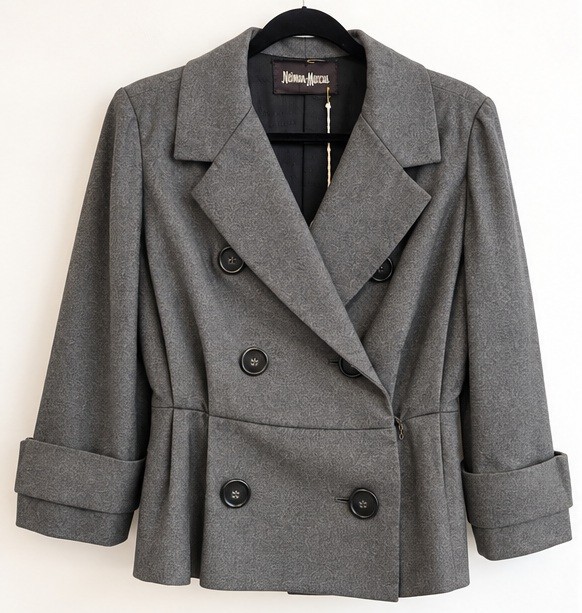
View →
Levi's
USA · 1850s
The 501 & Americana denim
The 501 & Americana denim
Continue the edit
Further stories from the same world
Three more walks through the same vintage universe.
The Band Tee, Worn Well: A Field Guide to the Real Thing
A guide to wearing vintage band t-shirts with intent: how to style a 1978 tour shirt without looking like a costume, the era tells and print details worth checking, and the stories behind the shirts that outlived the tours.
Read the story →The Vintage Band Tee: A License to Wear Your Taste Loud
A vintage band T-shirt is the rare piece that lets you wear your musical education on your chest. Here is how to find one that is actually old, style it without looking like you are in costume, and know the stories behind the shirts that mattered.
Read the story →The Band Tee Is Not a Costume: How to Wear a 1979 Tour Shirt in 2024
A 1979 tour shirt is not a souvenir. It is a piece of clothing with a paper-thin collar and a story, and it deserves to be worn with the same care you would give a good blazer.
Read the story →