
 Sign in
✦ Culture · Tokyo
Why Old Cuts Flatter More in Tokyo
I remember the first time I bought a vintage dress in Tokyo. It was a 1960s silk shift, pale blue, with a matching jacket.
 By Louis Trash·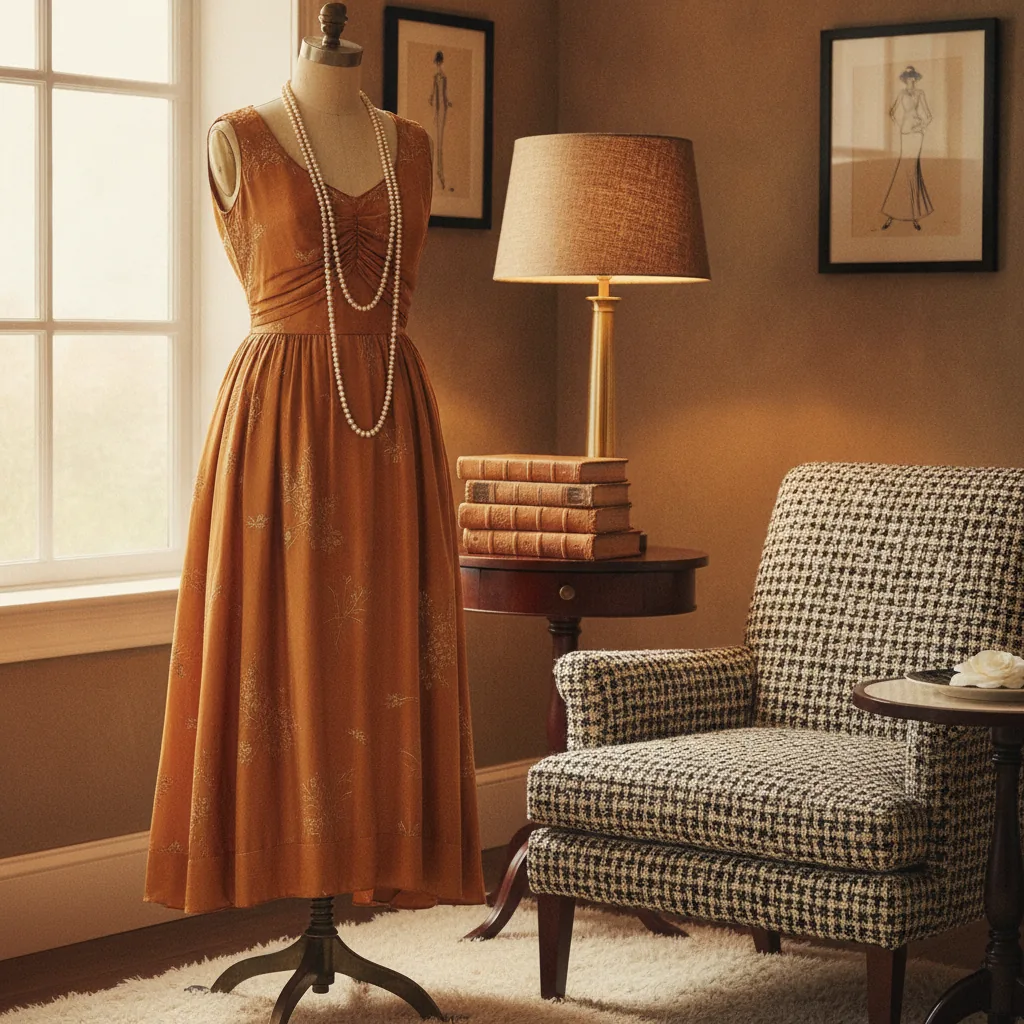
Why Dresses Matter Now
Vintage dresses were cut for a body, not a size chart. The darts sit right, the hems fall where they should, and the cloth moves the way only natural fibres do.
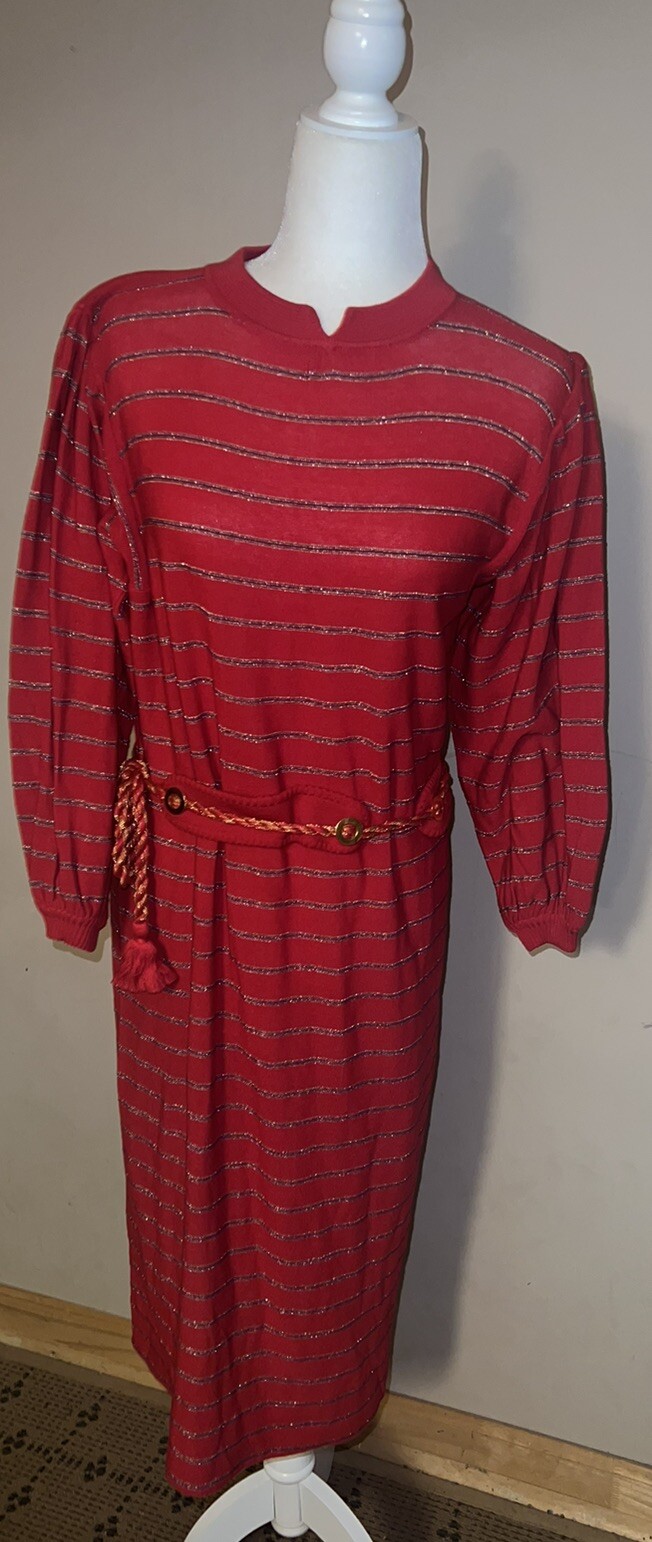
I remember the first time I bought a vintage dress in Tokyo. It was a 1960s silk shift, pale blue, with a matching jacket. The saleswoman at RAGTAG handed it to me as if it were a piece of porcelain. She pointed out a tiny repair at the waist, invisible to me, and told me the original owner had probably worn it to a wedding. That level of care is standard here. In Tokyo, a vintage dress is not a bargain bin item. It is a piece of history, treated with respect.
How to Wear It
Take the shoulders in rather than the waist. That single alteration fixes most old dresses. A good tailor in Tokyo will charge about 3,000 yen for shoulder adjustments, and it transforms the fit. The waist is often where the dress was designed to sit, and altering it can ruin the line. Shoulders, on the other hand, are easy to adjust and make the dress look like it was made for you.

Foto: ΘSWΛLD · Pexels
Wear a cocktail dress in daylight with flat shoes. It stops it looking like a costume. I have a black velvet cocktail dress from the 1950s that I wear with white sneakers and a denim jacket. It works. The contrast makes it modern. In Tokyo, this is a common style, vintage pieces paired with contemporary streetwear. It is a way of honouring the past without being trapped in it.
Layer a fine knit over a slip dress and let the hem show. This is a trick I learned from a stylist in Shibuya. She wore a silk slip dress from the 1970s under a cashmere crewneck, the hem peeking out a few inches. It looked effortless, and it solved the problem of a dress that is too sheer or too short for modern tastes.
Where to Find Yours in Tokyo
- RAGTAG Harajuku (6-14-2 Jingumae, Shibuya) — authenticated designer resale over several floors, from around 20 euros. This is my first stop. The range is vast, from 1960s Courrèges to 1990s Comme des Garçons. Staff are knowledgeable and can tell you the season and collection of most pieces.
- Kindal Harajuku (4-26-27 Jingumae, Shibuya) — stock turns weekly, come back often, from around 45 euros. Kindal is a treasure trove for the patient. I once found a 1980s Yves Saint Laurent dress for 50 euros because the label was missing. The staff had priced it as generic, but the cut and construction told me otherwise.
- Chicago Jingumae (6-31-21 Jingumae, Shibuya) — the basement is where it gets interesting, from around 60 euros. Chicago is a maze of vintage clothing, and the basement is where they keep the older, more fragile pieces. I found a 1940s rayon crepe dress there, still with its original belt, for 70 euros. The fabric was delicate, but the seams were intact.
- Pass The Baton Omotesando (5-13-13 Jingumae, Shibuya) — consignment with the previous owner's story attached, from around 90 euros. This is where you go for a narrative. Each piece comes with a small card telling you who owned it and where it came from. I bought a 1960s floral print dress there that had belonged to a French woman who lived in Tokyo in the 1980s. The story made the dress more special.
Go early in the week, when the rails are full and the staff still have time to talk. On a Tuesday at 10am, I had a fitting room to myself and three staff members offering opinions. On a Saturday, I could barely move.

Foto: Odin Reyna · Pexels
What to Look For
Check the zip, a metal one usually means pre-1970s. Nylon zips came in later, and plastic ones are modern. A metal zip is a good sign, but it also means the dress might need careful handling. Look at the seam allowance inside: generous fabric means it can be let out. I have bought dresses with two inches of seam allowance, which gives me room to breathe. Hold the underarms to the light for thinning and old deodorant damage, which is permanent. That is the one thing I always check. Deodorant stains and sweat damage cannot be repaired, no matter what the seller says. Small tears along a seam are an easy fix; tears through the fabric itself are not. A seam tear can be stitched in minutes. A tear in the middle of the fabric is a different story.

Foto: Vika Glitter · Pexels
One more thing: check the buttons. Are they original? Do they match? A missing button is easy to replace, but if the buttons are mismatched, it might be a sign that the dress was altered or repaired poorly. And always check the lining. A good lining means the dress was well made. A worn lining is a sign that the dress has been worn a lot, but it can be replaced.
The Final Test
Before you buy, wear it for ten minutes. Walk, sit, reach for a shelf. A vintage dress that only works standing still is not going to survive your actual life. I once bought a dress that looked stunning in the mirror but was so tight in the hips that I could not sit down. I had to donate it. Now I always do a little walk around the shop, and if there is a chair, I sit in it. If the dress bunches or pulls, I put it back.

Vintage dresses in Tokyo are not just clothes; they are artefacts of a time when garments were made to last and to flatter. The city's obsession with quality and detail means you can find pieces that are better cared for than anything in a modern boutique. So take your time, be specific, and let the dress find you. It will, if you know what to look for.
City
Tokyo
Category
vintage dresses
Published
8 August 2026
Where to find it
Shop the signals
What the market is offering right now on this exact subject.
The names
Meet the designers
The minds behind this story — each with a piece currently on the market.
Comme des Garçons
Japan · 1960s
Deconstruction & anti-fashion
Deconstruction & anti-fashion
Top piece
View →
Chanel
France · 1910s
The little black dress & the 2.55
The little black dress & the 2.55
Top piece
View →
Adidas
Germany · 1940s
The three stripes & the Samba
The three stripes & the Samba
Diesel
Italy · 1970s
Washed denim & streetwear
Washed denim & streetwear
Continue the edit
Further stories from the same world
Three more walks through the same vintage universe.
Berlin's Vintage Dresses: Wearing History on Your Sleeve
In Berlin, vintage dresses are more than just clothes; they're stories. The city's past is layered, and so is its fashion.
Read the story →The Vintage Dress Guide for Milan
A faded Gucci tag or a discreet Ferragamo label carries a cachet that no logo-heavy contemporary piece can match.
Read the story →Where to Find Real Silk Dresses in Barcelona
A 1950s silk sundress gets taken to the beach, layered over a swimsuit, or thrown on for a late dinner at a tapas bar.
Read the story →