
 Sign in
✦ Culture · Tokyo
Why Old Wool Beats New in Tokyo
In Tokyo, a vintage coat is not a dusty relic. It is a curated object, often cleaned, pressed, and hung in a well-lit showroom.
 By Louis Trash·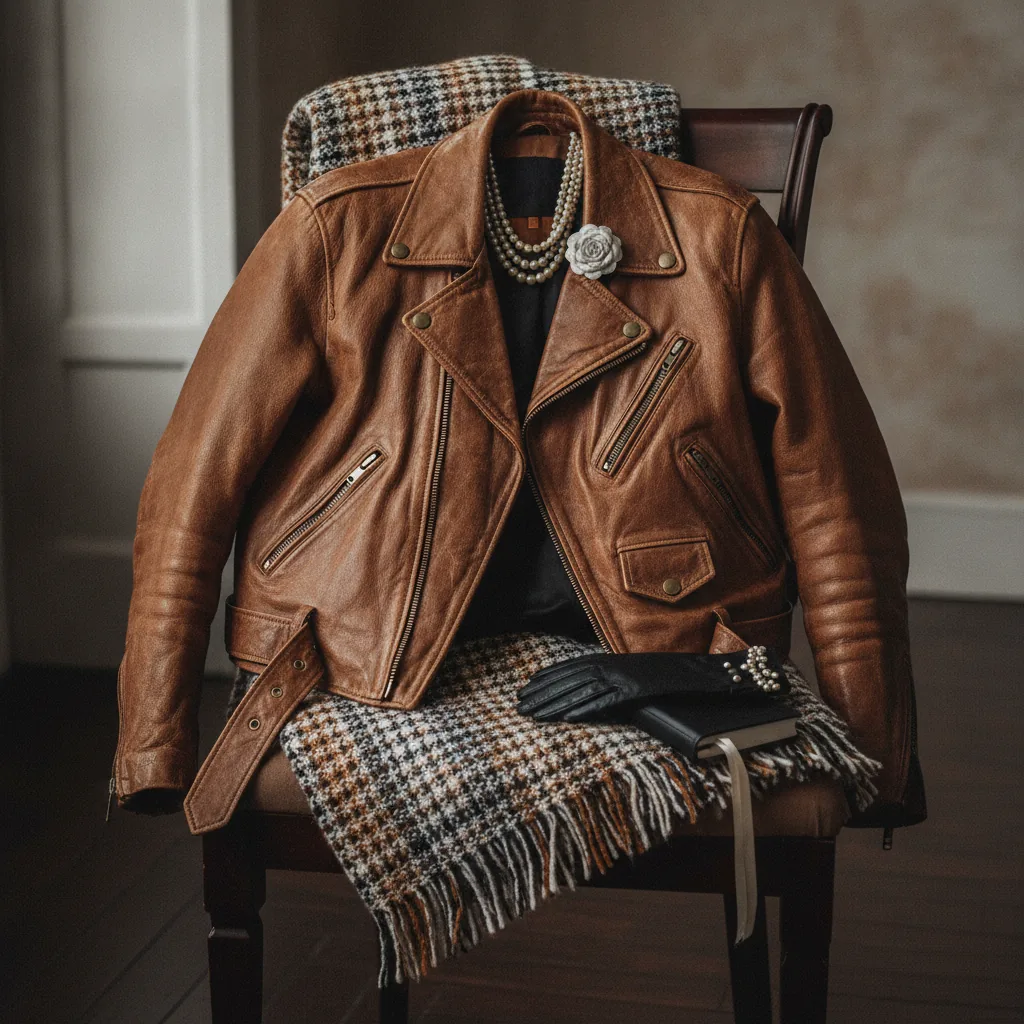
Why Coats Matter Now
In Tokyo a vintage coat is a lesson in cloth, not just fashion. The wool is denser, the trench cotton heavier, the lining built to be re-lined rather than binned. I learned this the hard way: my first new wool coat pilled after one winter. My 1970s Burberry trench, bought in Tokyo for less than a night out, has survived a decade of Tokyo winters, two moves, and a spilled cup of coffee. It still turns heads.
In Tokyo, a vintage coat is not a dusty relic. It is a curated object, often cleaned, pressed, and hung in a well-lit showroom. The Japanese have elevated thrift to an art form, and their standards are exacting. You will find coats with original tags, museum-quality preservation, and staff who can tell you the fabric composition and decade of origin without glancing at a label.
How to Wear It
Buy one size up and wear it open over knitwear. Coats should skim, not squeeze. The Japanese aesthetic favors a relaxed silhouette, and Tokyo's layering culture demands room for a chunky sweater or a blazer underneath. A coat that fits snugly over a T-shirt will not work over a turtleneck.
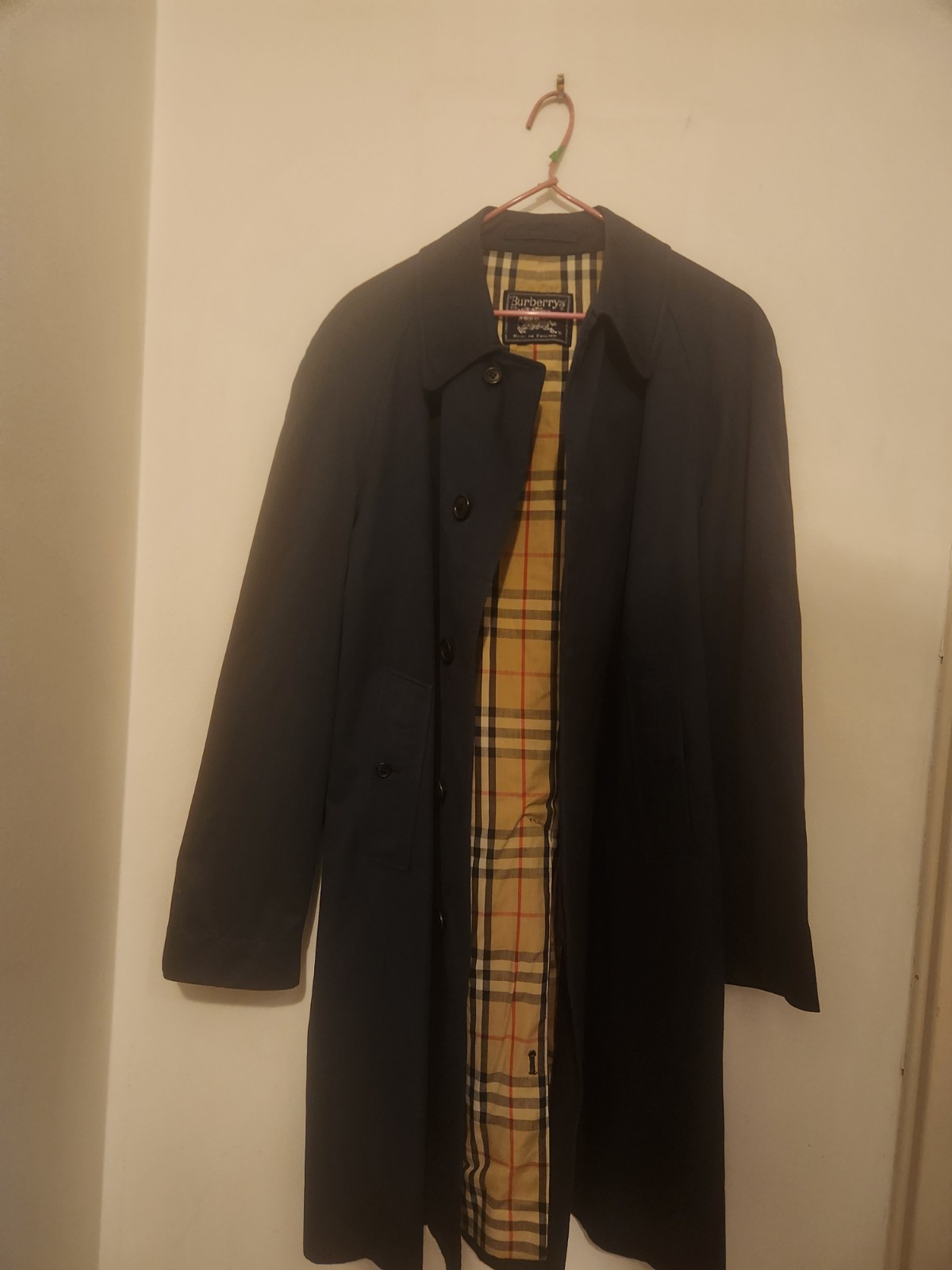
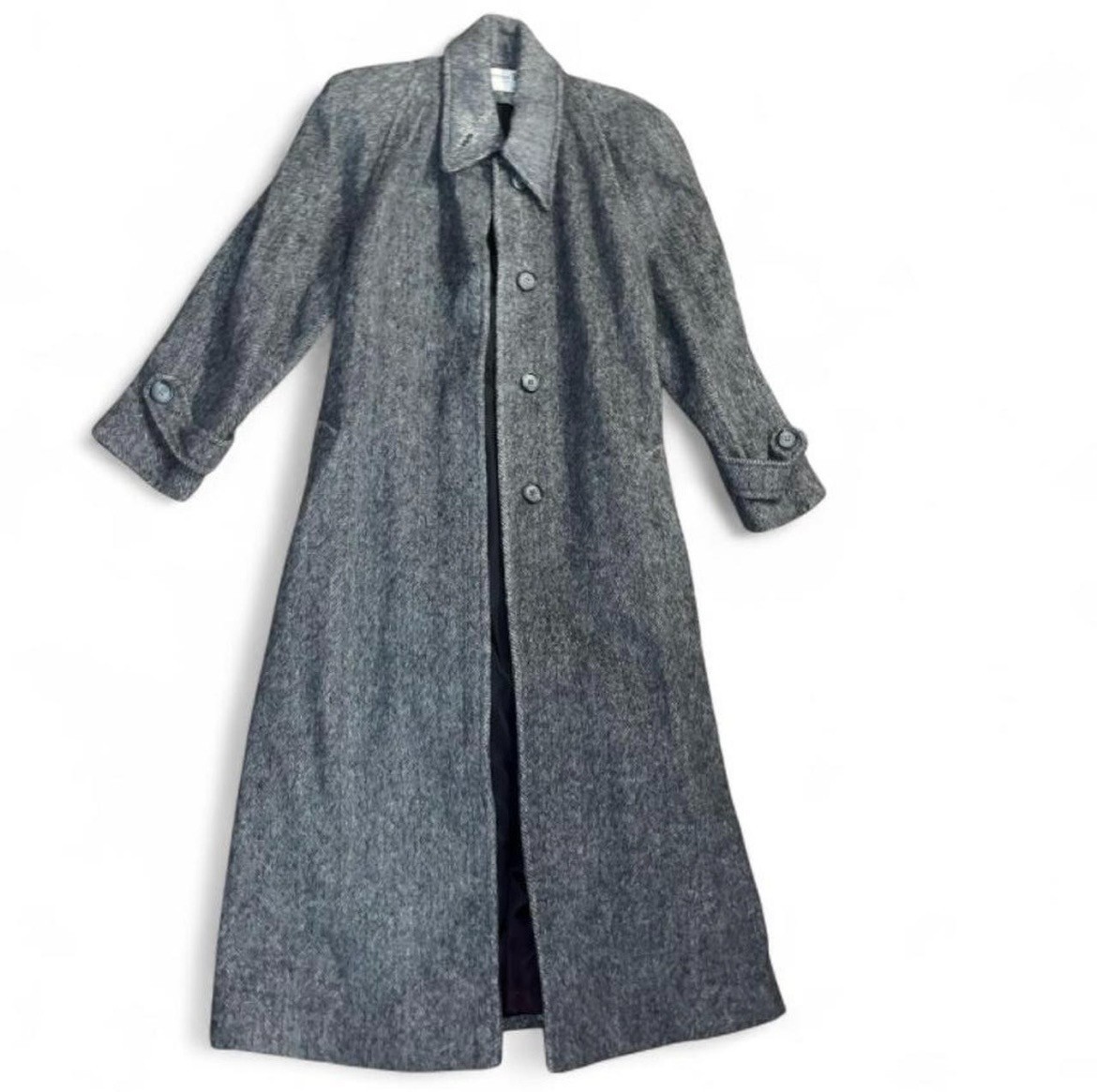
A long trench over jeans and boots is still unbeatable. It is a timeless combination that works from Shinjuku to Shibuya. For a more Tokyo twist, try a vintage wool overcoat in a muted camel or charcoal, worn open over a midi skirt and ankle boots. The contrast between the heavy coat and lighter layers is quintessentially Tokyo.
Belt it at the back rather than the front for a cleaner line. This is a trick I picked up from a stylist in Daikanyama. It cinches the waist without breaking up the front panel, giving a sleek, architectural look. It also hides the belt buckle, which can look bulky over knitwear.
Where to Find Yours in Tokyo
- RAGTAG Harajuku (6-14-2 Jingumae, Shibuya) — authenticated designer resale over several floors, from around 20 euros. This is my first stop. The range is wide, from Japanese labels like Issey Miyake to European stalwarts like Burberry and Aquascutum. The staff are knowledgeable and patient. I once found a 1980s Max Mara camel coat for 40 euros.
- Kindal Harajuku (4-26-27 Jingumae, Shibuya) — stock turns weekly, come back often, from around 45 euros. Kindal is a chain with a strong eye for quality. The Harajuku branch is small but curated. I have scored a 1960s wool Chesterfield here for 80 euros. The trick is to visit every few days; the best pieces vanish within hours.
- Chicago Jingumae (6-31-21 Jingumae, Shibuya) — the basement is where it gets interesting, from around 60 euros. Chicago is a treasure trove of vintage, with a chaotic basement that rewards digging. I found a 1970s leather trench for 120 euros that a specialist later valued at ten times that. The basement also has a rack of military surplus coats, perfect for a utilitarian look.
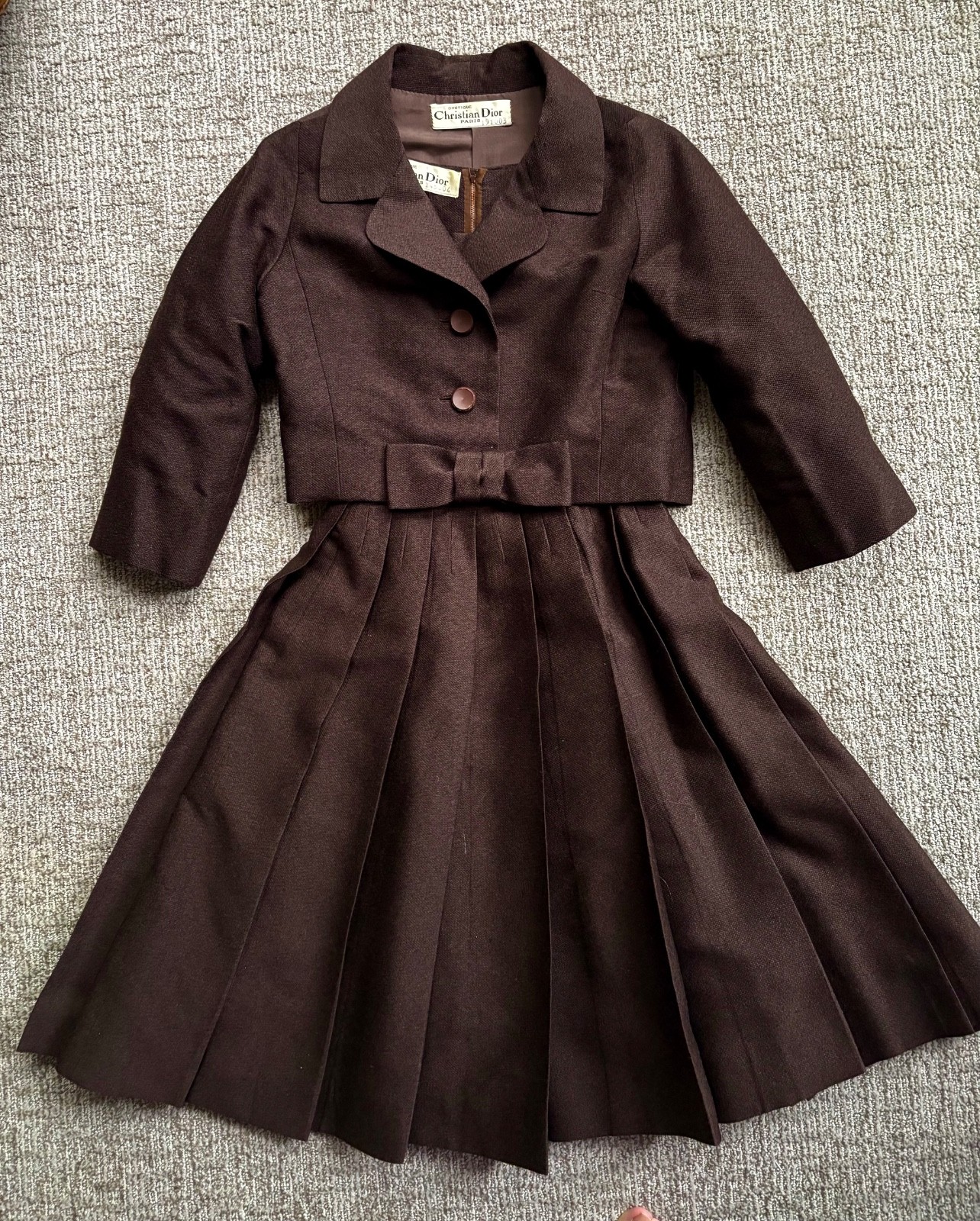
- Pass The Baton Omotesando (5-13-13 Jingumae, Shibuya) — consignment with the previous owner's story attached, from around 90 euros. This shop is different. Each item comes with a card detailing its history: who owned it, where they wore it, why they let it go. I bought a 1950s Dior coat here with a note from the owner, a French woman who wore it to the opera in Paris. The coat cost 300 euros, but the story was priceless.
Midweek mornings are when the new stock is out and the sellers aren't rushed. On a Tuesday at 10 a.m., I have had the entire fitting room at RAGTAG to myself. By Saturday, the same rack is stripped bare.
What to Look For
Feel the weight — real wool coats are heavy and stay warm when damp. Check the shoulders for sun-fading, the lining for splits, and the cuffs for shine, which is the first place wear shows. Replacing buttons is easy and transforms a coat; replacing a lining costs more than most vintage coats are worth.
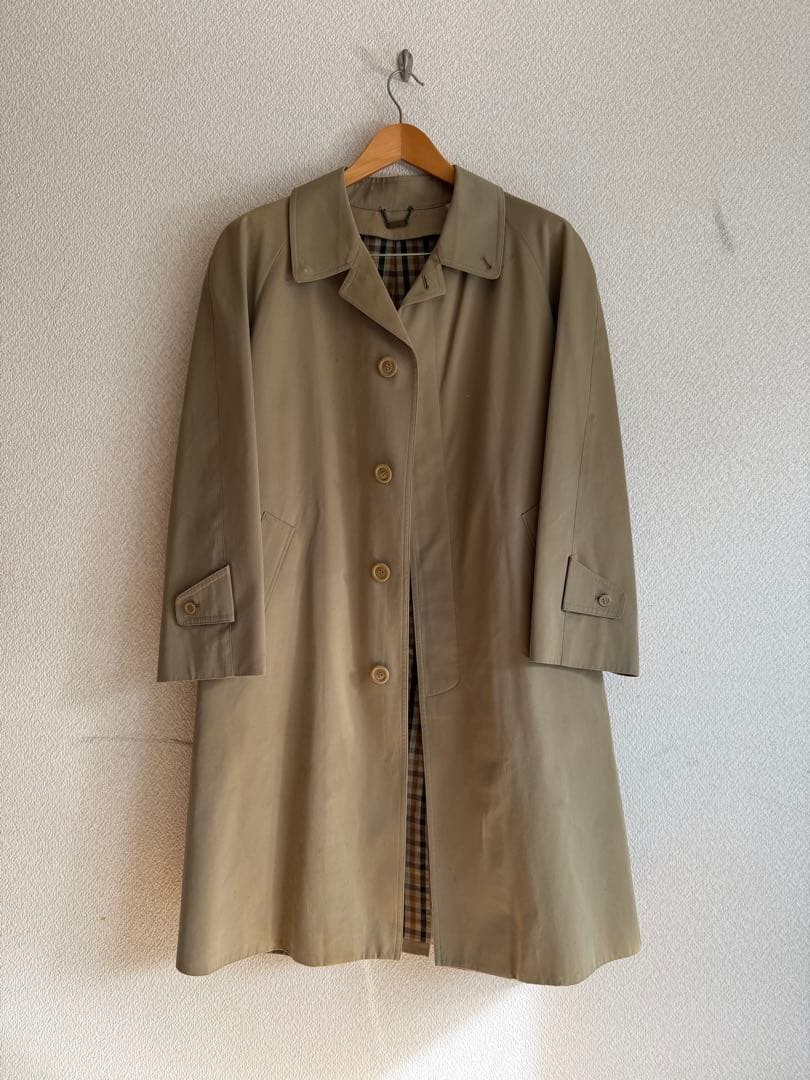
But there is more to it. Check the seams for puckering, a sign of poor construction or stress. Inspect the pockets: worn pocket linings indicate heavy use. Look at the buttonholes. Hand-stitched buttonholes, often found on pre-1960s coats, are a mark of quality. Machine-made buttonholes are fine, but hand-stitching is a sign of couture-level craft.
Ask about the fabric. A coat that is 80% wool and 20% nylon will last longer than one that is 100% wool but loosely woven. The best vintage coats are dense, tightly woven wool or cashmere blends. Cashmere is soft but fragile; a cashmere-coated wool is more durable.
Check the provenance. A coat from a famous house like Balenciaga, Chanel, or Yves Saint Laurent is more likely to be well-made, but it will also cost more. For the best value, look for lesser-known labels from the 1970s and 1980s, like Jaeger or Aquascutum. These brands were known for quality but do not carry the same cachet today.
The final test is always the same: try it on, move in it, then trust your first instinct. A vintage coat that only works standing still is not going to survive your actual life. I once bought a beautiful 1960s swing coat that looked stunning in the mirror. The moment I sat down on the train, the buttons strained and the hem rode up. I have never worn it again.
The Craft of Care
Once you have your coat, treat it with respect. Have it dry-cleaned once a year, but not more often. Use a clothes brush to remove dust and dirt after each wear. Store it on a wide hanger to preserve the shoulders. In Tokyo's humid summers, keep it in a breathable garment bag with cedar blocks to deter moths.

Foto: Mâide Arslan · Pexels
A good vintage coat is an investment. It will not fall apart after a season. It will not go out of style. It will become a part of you, the way a well-worn leather jacket does. And in a city like Tokyo, where fashion is both a language and a ritual, wearing a piece of history is the ultimate statement.
So go. Find your coat. Give it a second life. And when you get compliments, tell them where it came from. They will be envious.
City
Tokyo
Category
vintage coats
Published
8 August 2026
Where to find it
Shop the signals
What the market is offering right now on this exact subject.
blazers
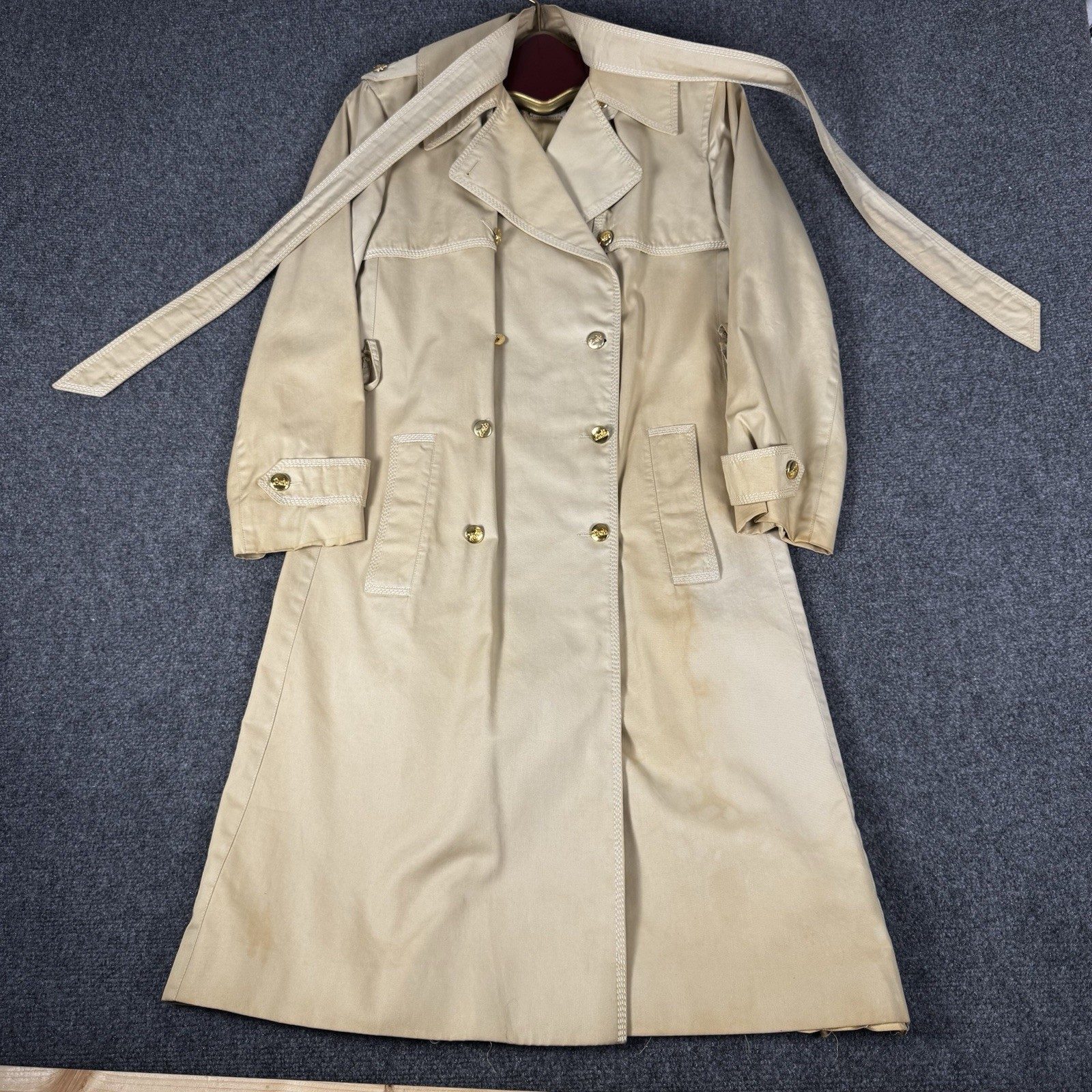
Vintage CELINE Paris Trench Coat Made in France Carriage Logo Gold Buttons
designer-bags
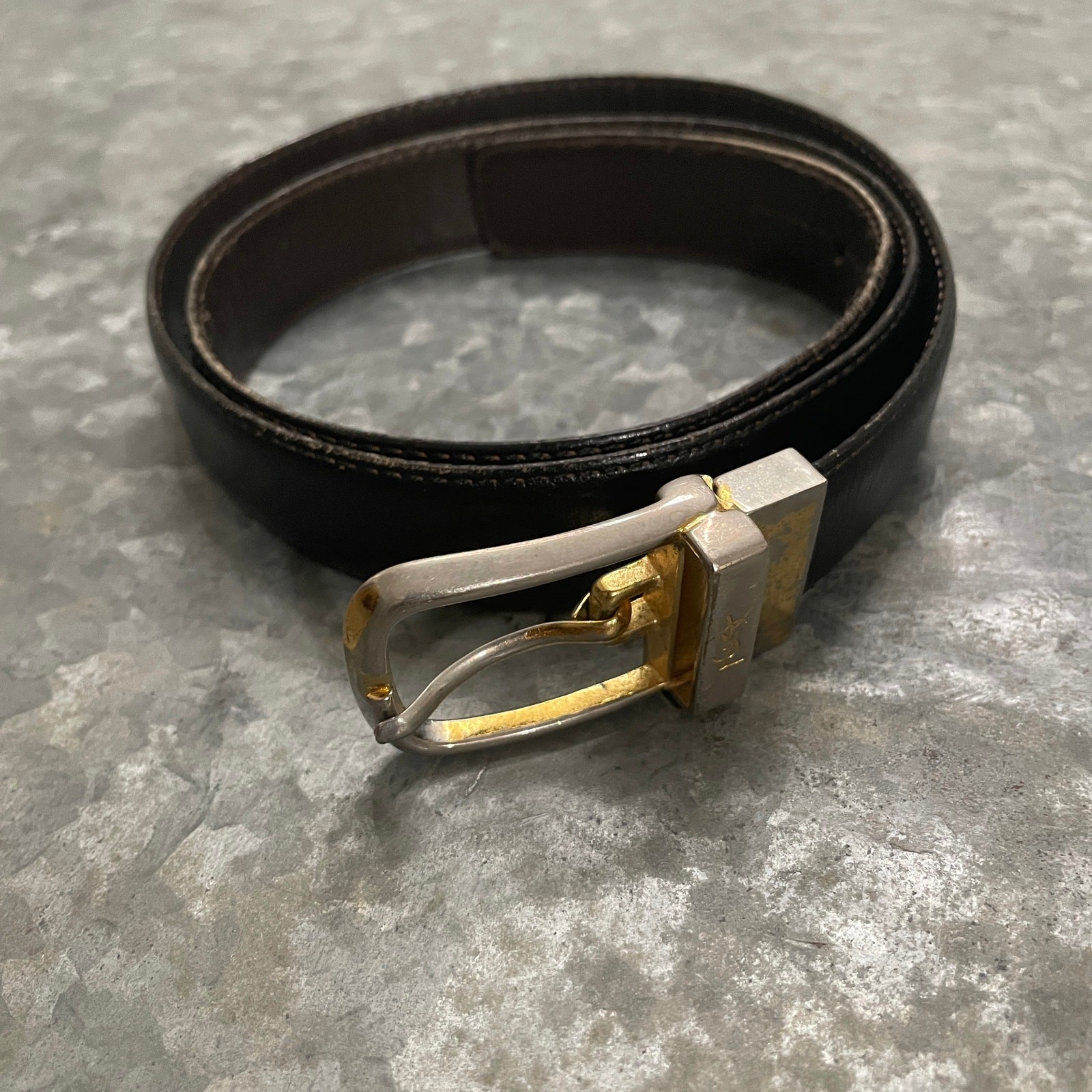
Vintage YSL Yves Saint Laurent Solid Brass Black Leather Belt Sz 32 Silver Gold
designer-bags
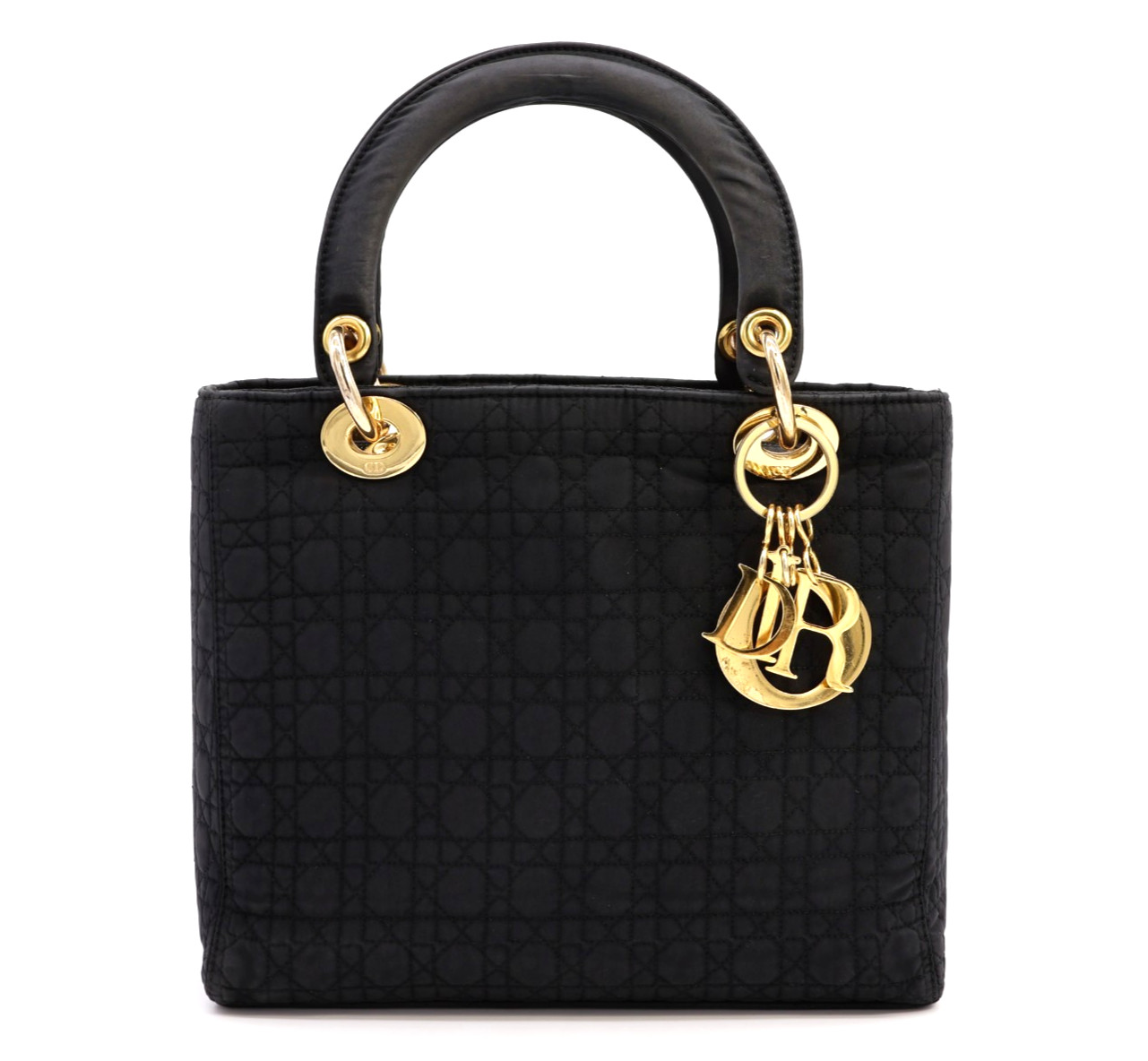
DIOR Lady Dior Handbag Purse CD Canage Nylon Black Small Vintage Authentic
dresses
1950s Boutique Paris Christian Dior New Look Dress Suit
designer-bags
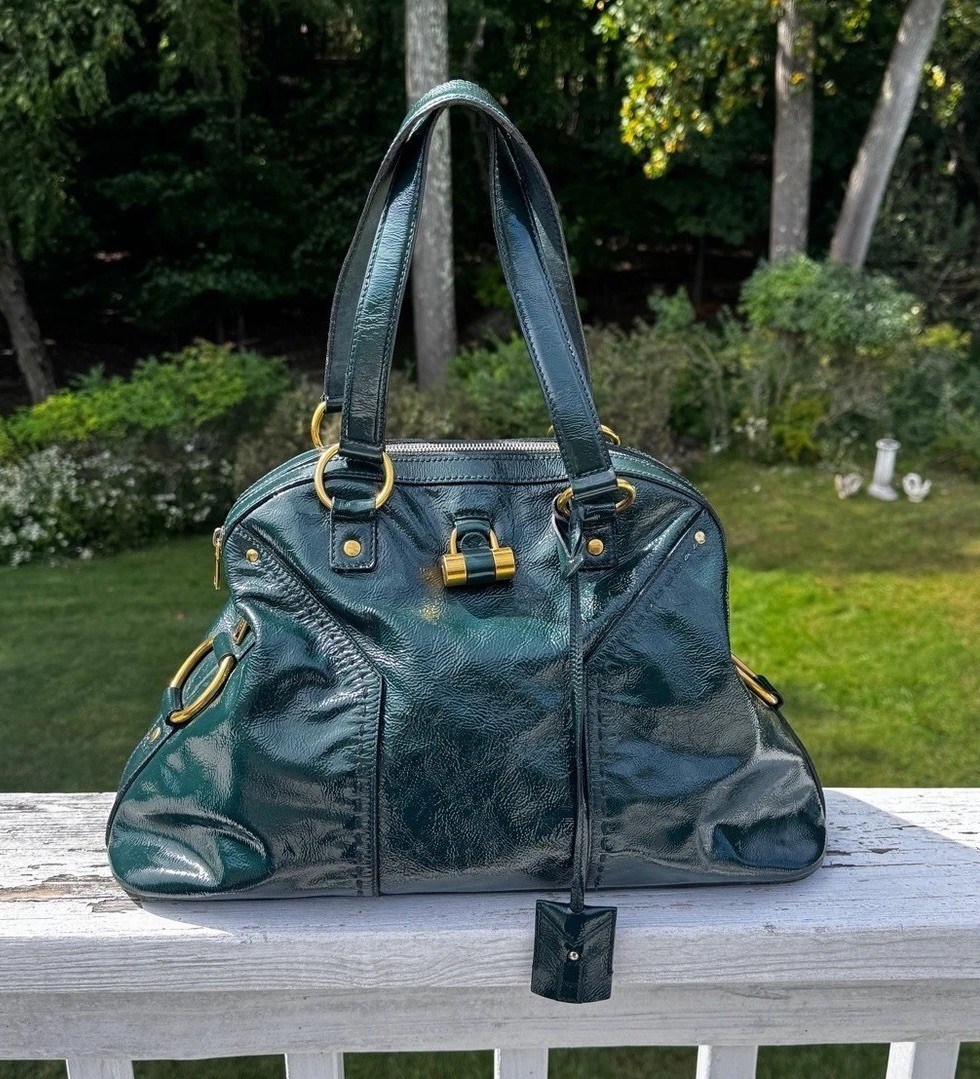
Vintage Yves Saint Laurent Muse glossy dark green patent leather Bag
blazers
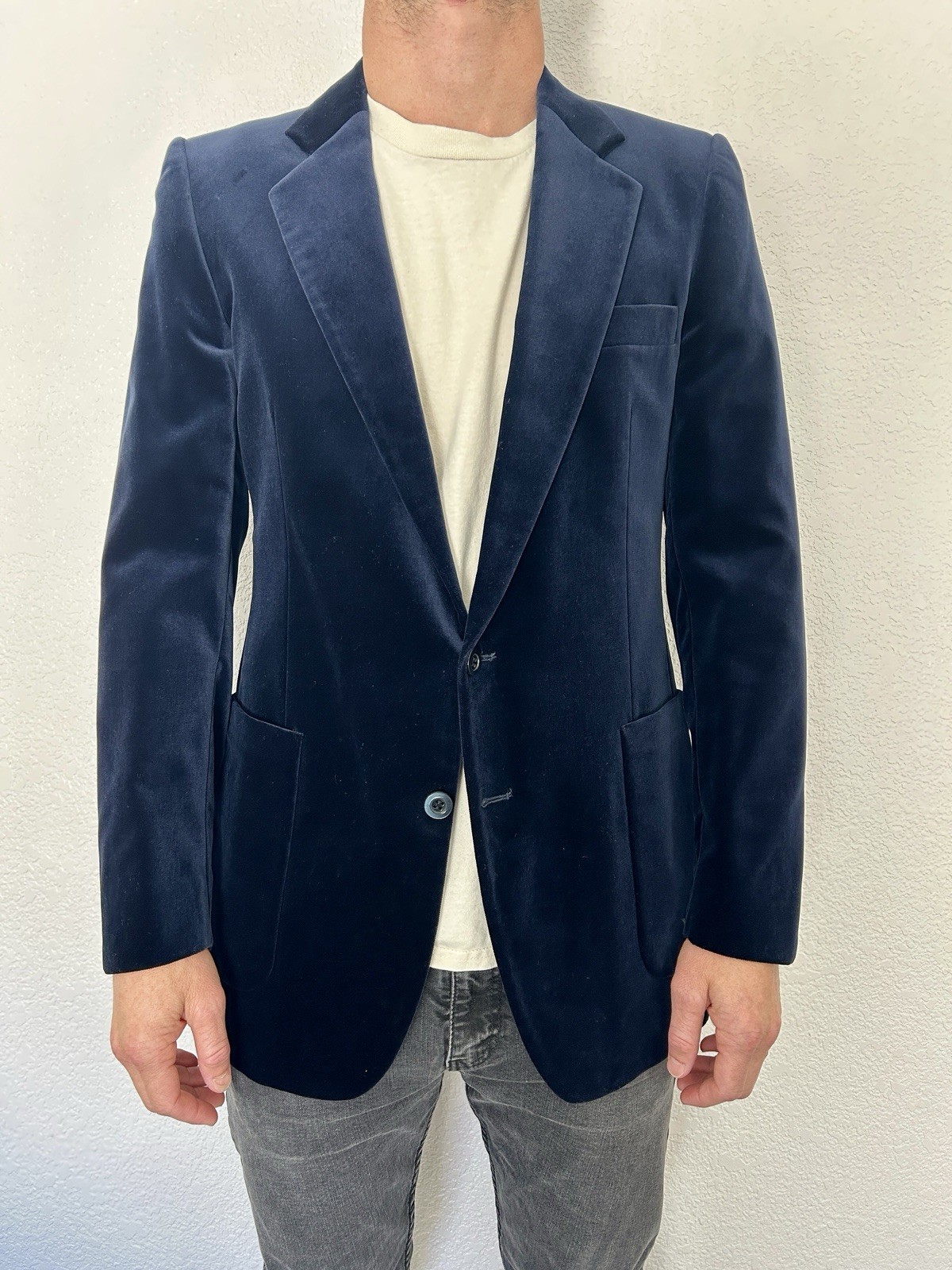
Vintage YSL - Yves Saint Laurent Blue Velvet Smoking Jacket Mens -Made In France
designer-bags
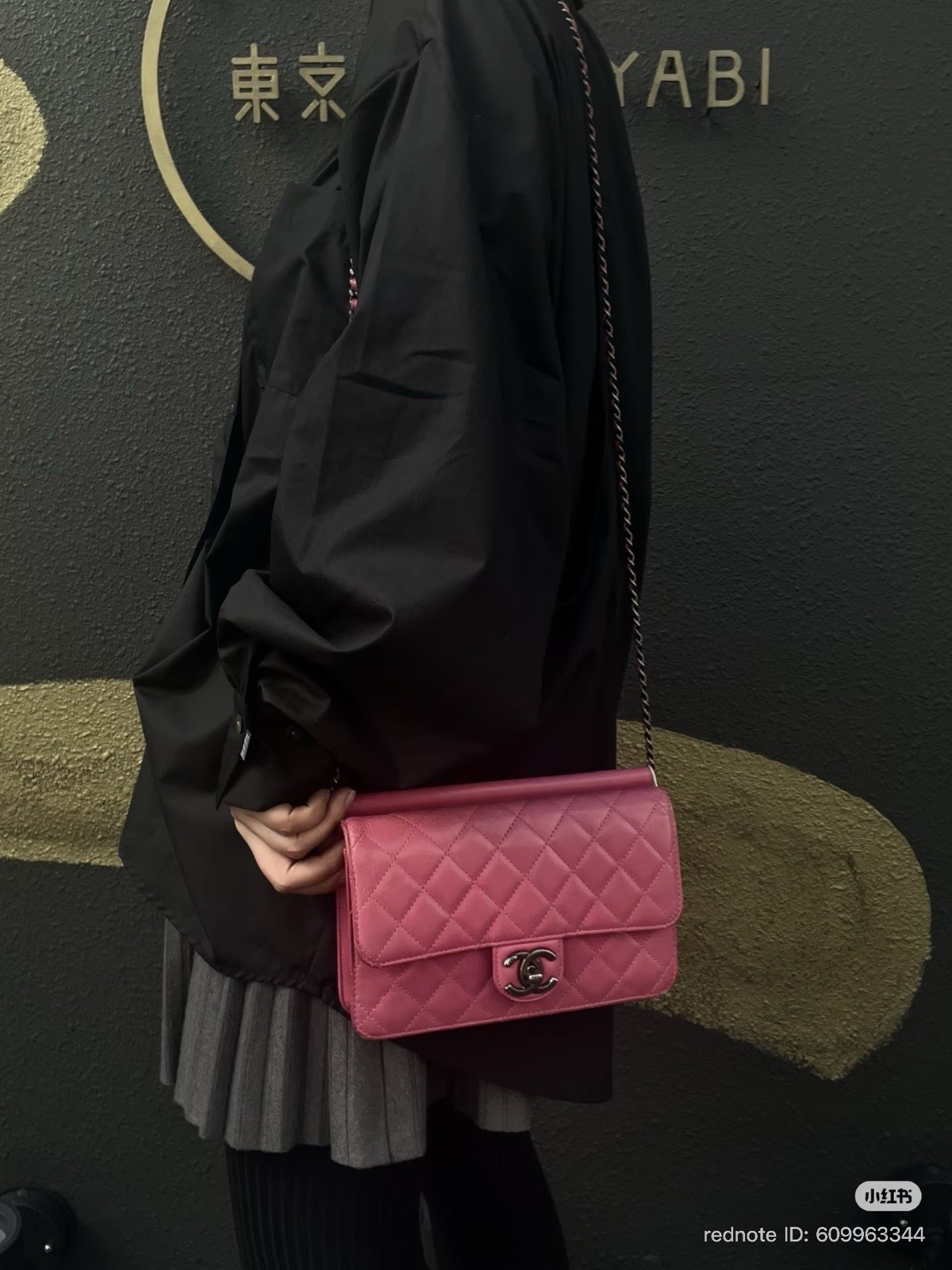
Chanel Quilted Hot Pink Classic Flap bag authentic vintage
blazers
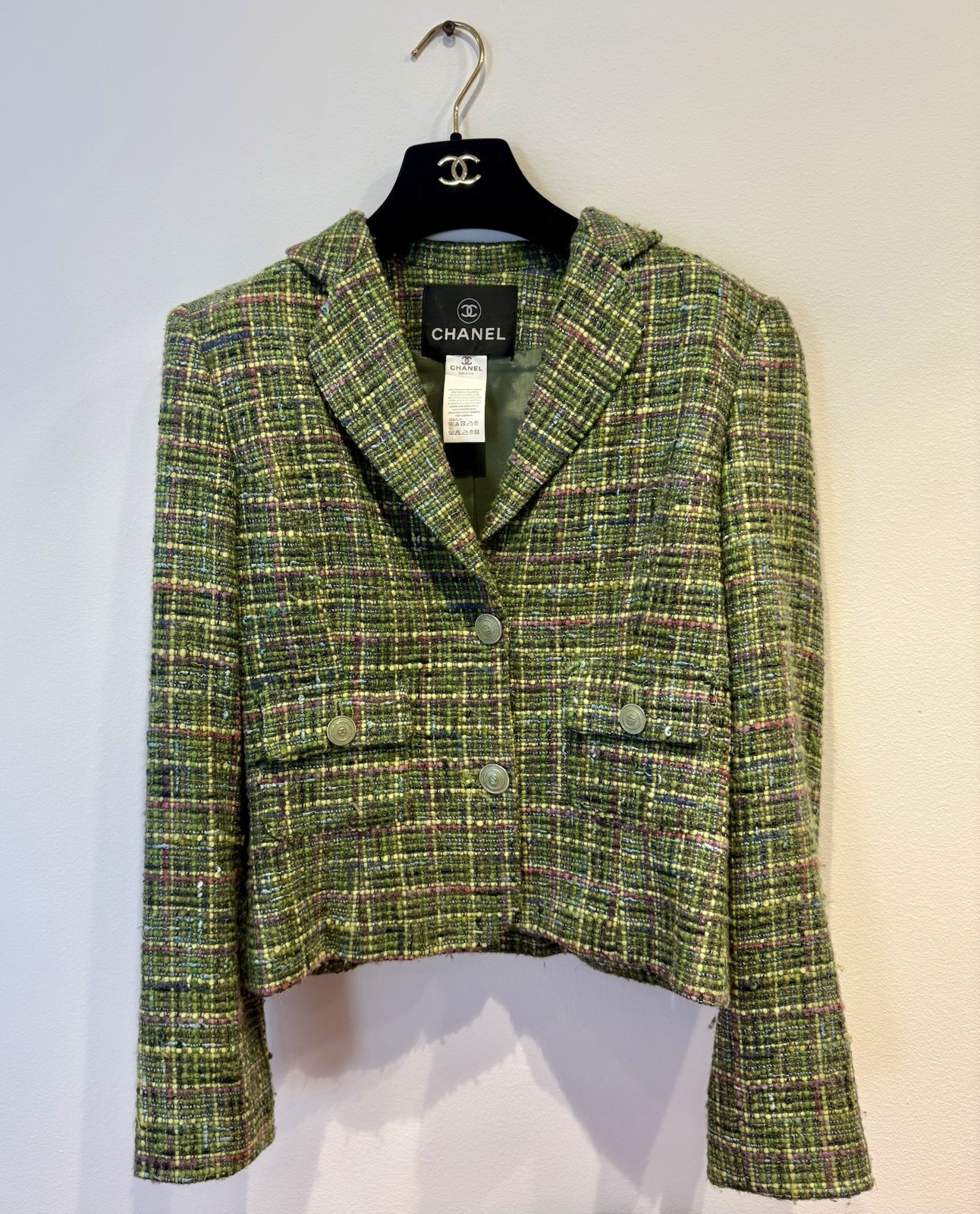
Chanel Tweed Green Jacket Vintage Size Small
The names
Meet the designers
The minds behind this story — each with a piece currently on the market.
Dior
France · 1940s
The New Look & the Lady Dior
The New Look & the Lady Dior
Top piece
View →
Issey Miyake
Japan · 1970s
Pleats Please & techno-fabric
Pleats Please & techno-fabric
Top piece
View →
Alpha Industries
USA · 1950s
The MA-1 flight jacket
The MA-1 flight jacket
Top piece
View →
Ann Demeulemeester
Belgium · 1980s
Romantic goth, asymmetric leather
Romantic goth, asymmetric leather
Top piece
View →
Continue the edit
Further stories from the same world
Three more walks through the same vintage universe.
Berlin's Coat Culture: Wearing History on Your Sleeve
A woman in a 1960s tweed coat, shoulders squared against the wind, strides past the brutalist concrete of the Neue Nationalgalerie. She's not just dressed for the weather.
Read the story →Trench Coat Hunting in Milan
- Cavalli e Nastri (Via Brera 2) — the archive shop — Prada, Ferragamo, Versace, from around 20 euros. This is a treasure cave.
Read the story →The Vintage Coat Guide for Amsterdam
You're not walking from a chauffeur-driven car to a revolving door. You're cycling against a headwind, then locking your bike to a bridge and walking into a cafe.
Read the story →