
 Sign in
✦ Culture · Berlin
Why Vintage Sneakers Matter Now
A field guide to wearing the old Nikes and Adidas that still turn up: how to style them without looking like a costume, what era tells to check at the till, and the 1972 origin story most sellers get wrong.
 By Louis Trash·
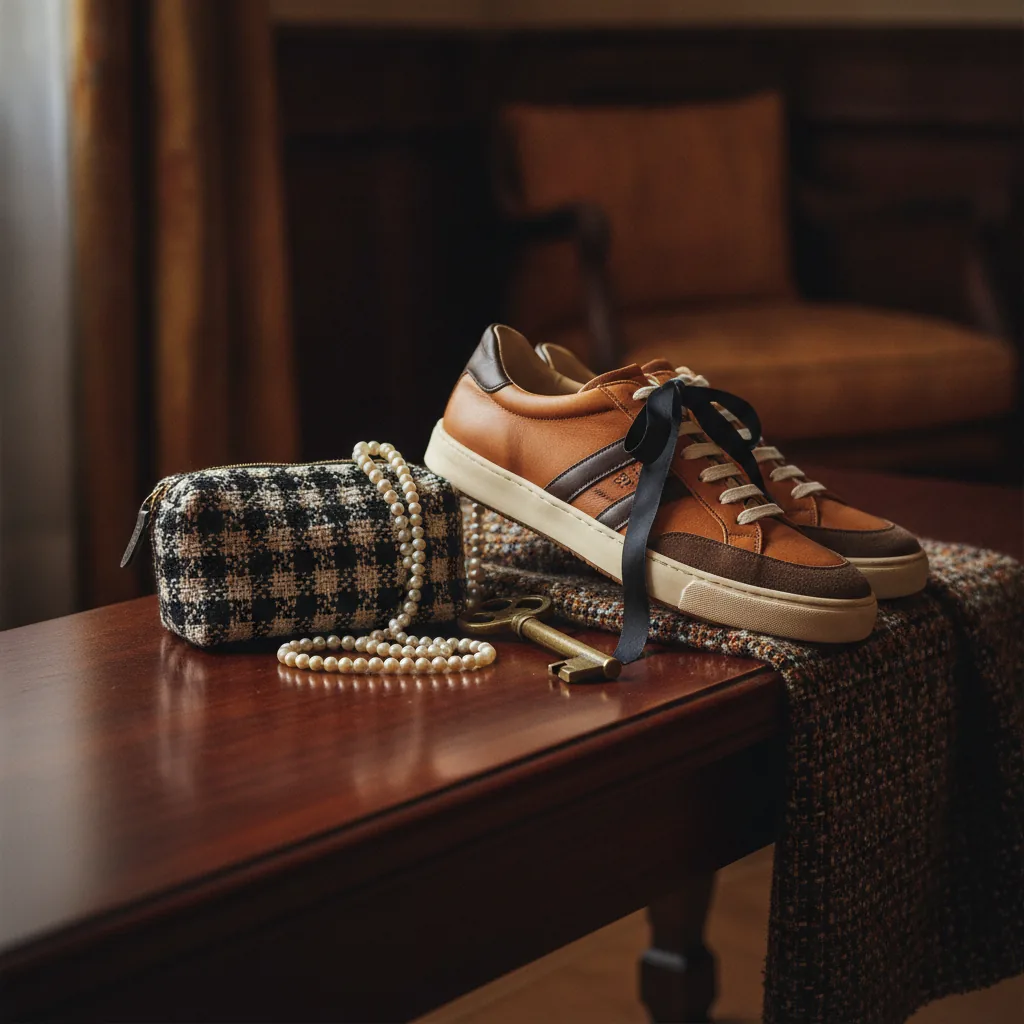
The shoe that started it all
In 1972, Bill Bowerman poured rubber into his wife's waffle iron. The result was the Nike Waffle Trainer, a sole with a grid of raised squares that gripped a running track better than anything on the shelf. Bowerman was a track coach at the University of Oregon. He was not a designer. The shoe looked like it: brown suede, a fat white swoosh stitched on by hand, a sole that seemed improvised because it was. Fifty-odd years on, that same silhouette is what people mean when they say vintage sneaker. The waffle iron is in a museum. The shoe is on your feet.
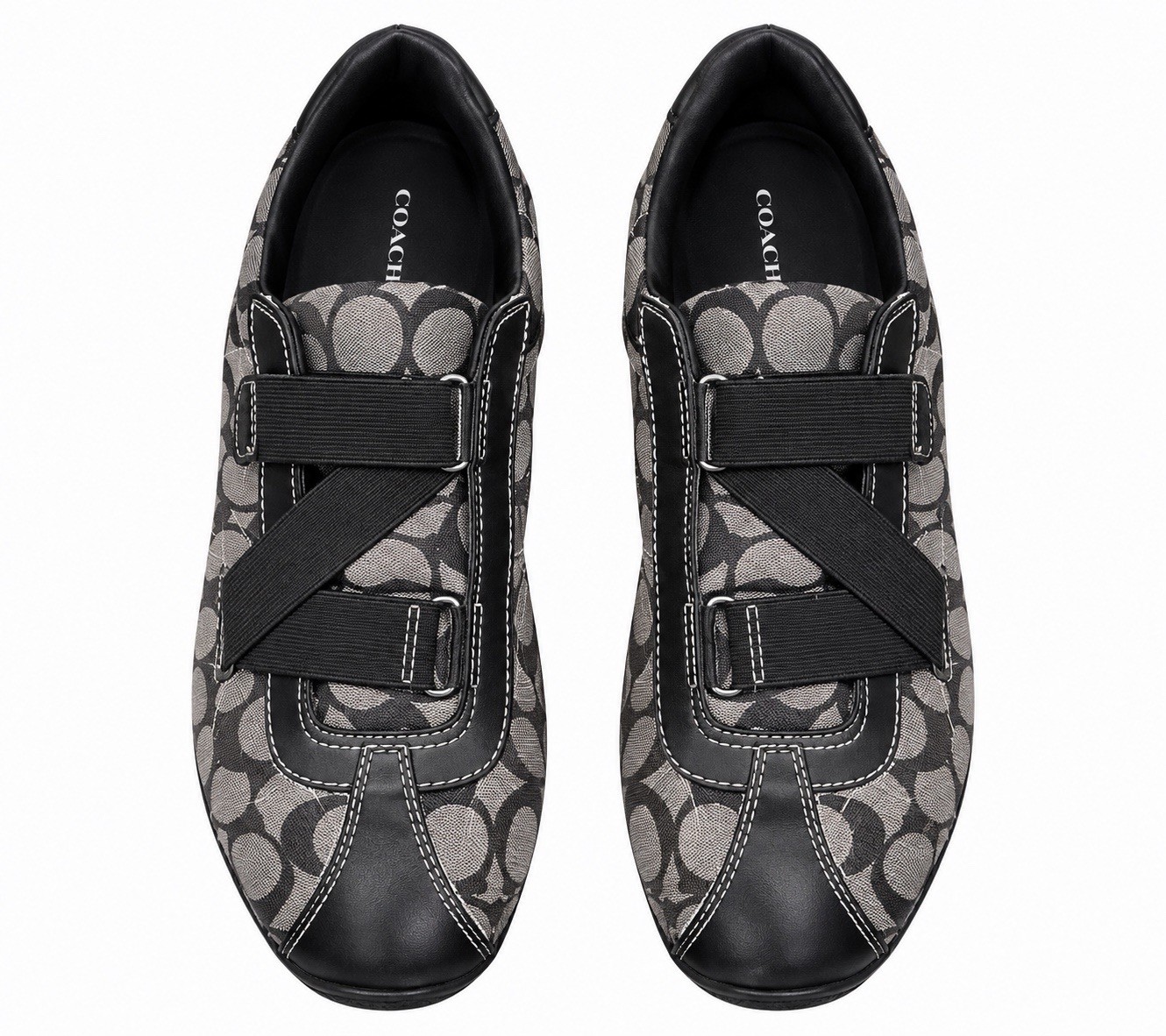
What circulates now is mostly Nike and Adidas, and the good ones sit around $170. That is real money for a shoe with creases. It is also less than a new pair of the same model costs, which tells you something about how the market reads age. My view: buy the old one. The materials were better, the shapes were leaner, and nobody at a barbecue will ask where you got them because they will already know.
Wearing them without the costume
The mistake is treating a vintage sneaker as the whole outfit. It is a foundation. The rest of what you wear should be quieter than the shoe, not louder. A waffle trainer in brown suede wants faded denim, a plain grey sweatshirt, a Barbour that has seen weather. Let the shoe do the talking.

Foto: Jonathan Cooper · Pexels
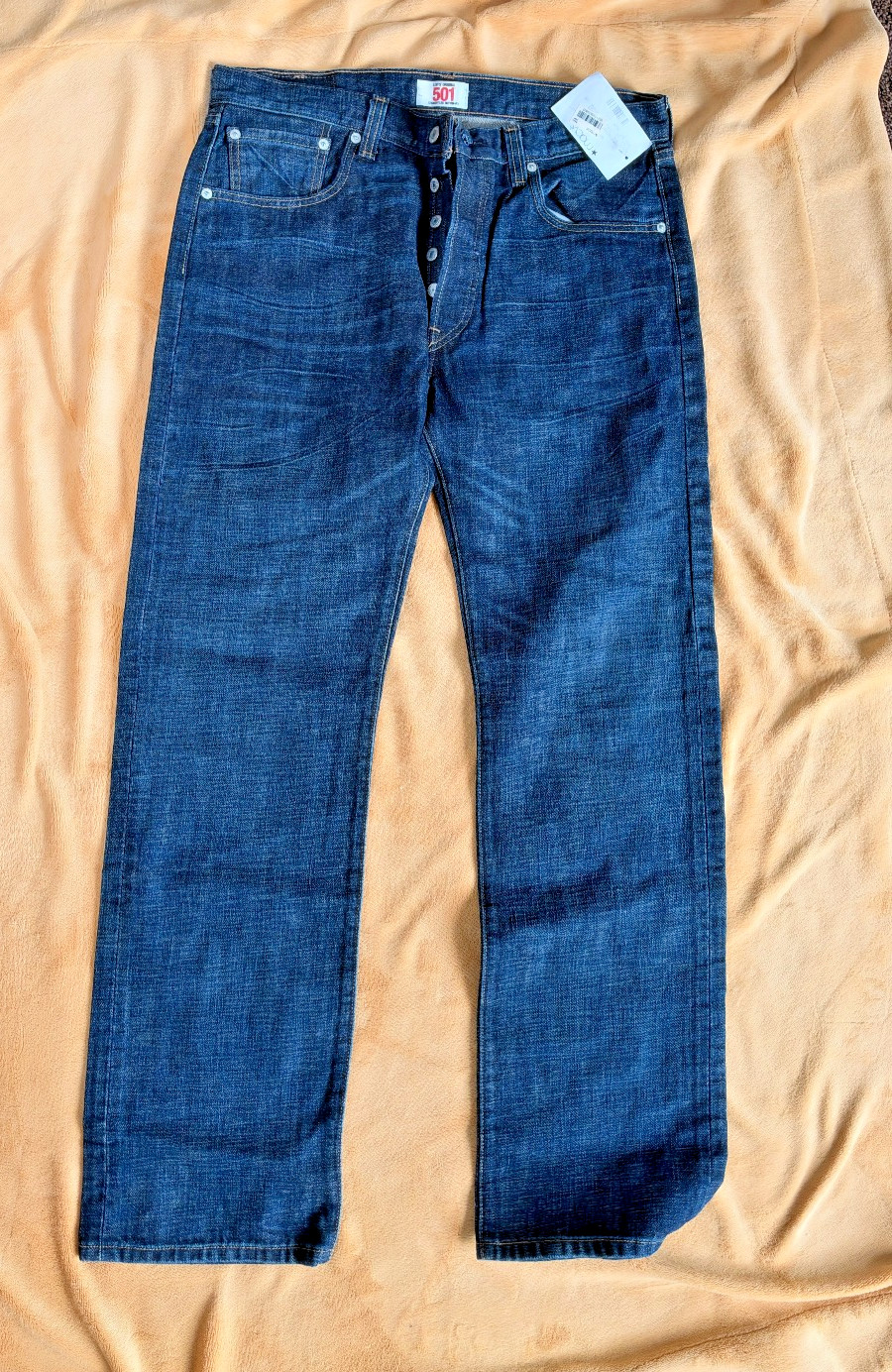
Proportion matters more than colour. Old runners are low and flat, so they work with a straight or slightly tapered trouser that breaks once, cleanly, over the laces. A wide-leg jean swallows them. A cropped chino shows too much ankle and makes the shoe look small. I like a 501 that has been hemmed to hit the top of the tongue, worn with a sock you do not mind showing.
For Adidas, the Country and the Gazelle are the two that keep turning up, and both take a smarter line than the Nike. Suede upper, gum sole, three stripes in a colour that was chosen in 1979 and has not been improved since. Wear them with wool trousers and an oxford shirt and nobody blinks. Wear them with a suit and you look like you are trying too hard. The line is somewhere around a soft shoulder jacket, and you will know it when you find it.
What to check before you pay
The era tells are in the details, and they are learnable in an afternoon. Look at the tongue first. Early Nikes have a thin, unpadded tongue with the label stitched flat; later ones are puffy and the label sits proud. A flat tongue is the older shoe. Check the heel tab: the early waffle had a simple loop, not the moulded plastic pull you see from the mid-eighties.
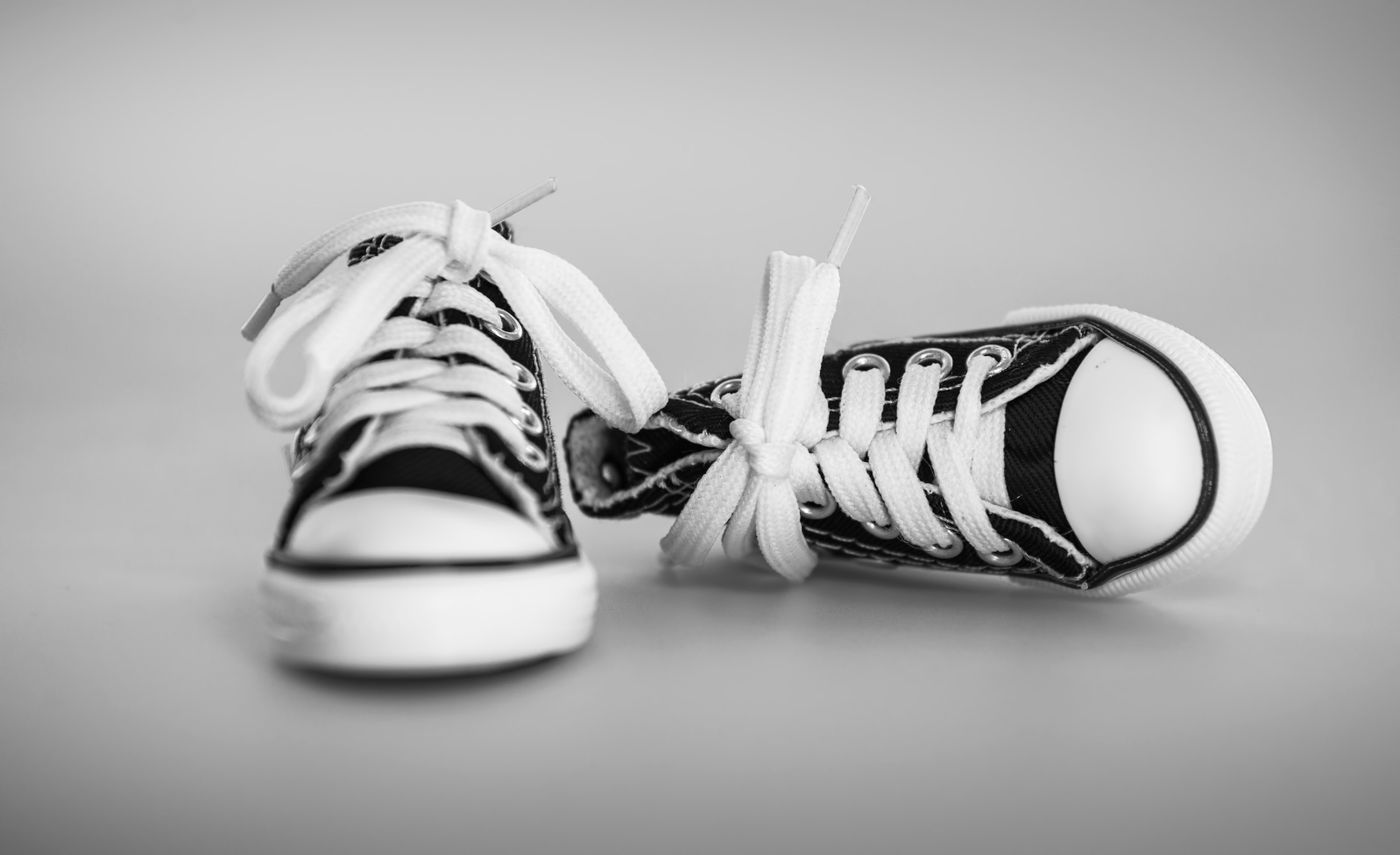
Foto: Frans van Heerden · Pexels
On Adidas, the trefoil tells you plenty. The old one has fatter leaves and a rounder base than the modern print. Look at the insole: if it is glued down and cracked, the shoe has been worn hard and the midsole has probably gone. Press the foam at the heel with a thumb. If it crumbles, walk away. Old EVA dries out and there is no fixing it.
Stitching is the honest witness. Hand-finished pairs from the seventies have slightly uneven rows; machine-perfect stitching on a shoe sold as 1975 is a red flag. Suede should feel like suede, not like felt. And smell it. Old leather and rubber have a particular smell, dry and faintly sweet. New glue smells sharp. Your nose is a better authenticator than most apps.
The films and the feet that made it
The look did not come from a runway. It came from ordinary people who could not afford to be precious. In 1976, the year Rocky came out, Sylvester Stallone ran up the steps of the Philadelphia Museum of Art in a pair of leather high-tops that were already a few years old. The costume department bought them off a shelf. That is the whole story of the era: the shoe was a tool, and the tool became a look because the person wearing it was not thinking about the look at all.

Foto: Dương Nhân · Pexels
By the early eighties, the running boom had put a trainer on every second pair of feet in America, and the colourways got louder because the sport got televised. The Adidas Bermuda, the Nike Internationalist, the New Balance 990 in 1982 at a price that made people gasp. Then hip-hop picked up the leftovers and gave them a second life on a different kind of street. Run-DMC and Adidas in 1986 is the obvious reference, and it is obvious because it is true. The shoe moved from the track to the block and never really went back.
A shoe you can actually wear
Here is the quiet pleasure of the thing. A vintage sneaker is one of the few pieces of old clothing you can put on without thinking about it. It does not need a steamer, a hanger, or a story. It needs a lace and a pavement. The suede will scuff and that is fine. The foam will yellow and that is fine too. You are not preserving it. You are finishing the job the original owner started, which is to wear the thing until it looks like it has been somewhere. Buy a pair that fits, walk out of the shop in them, and let the waffle iron do the rest.
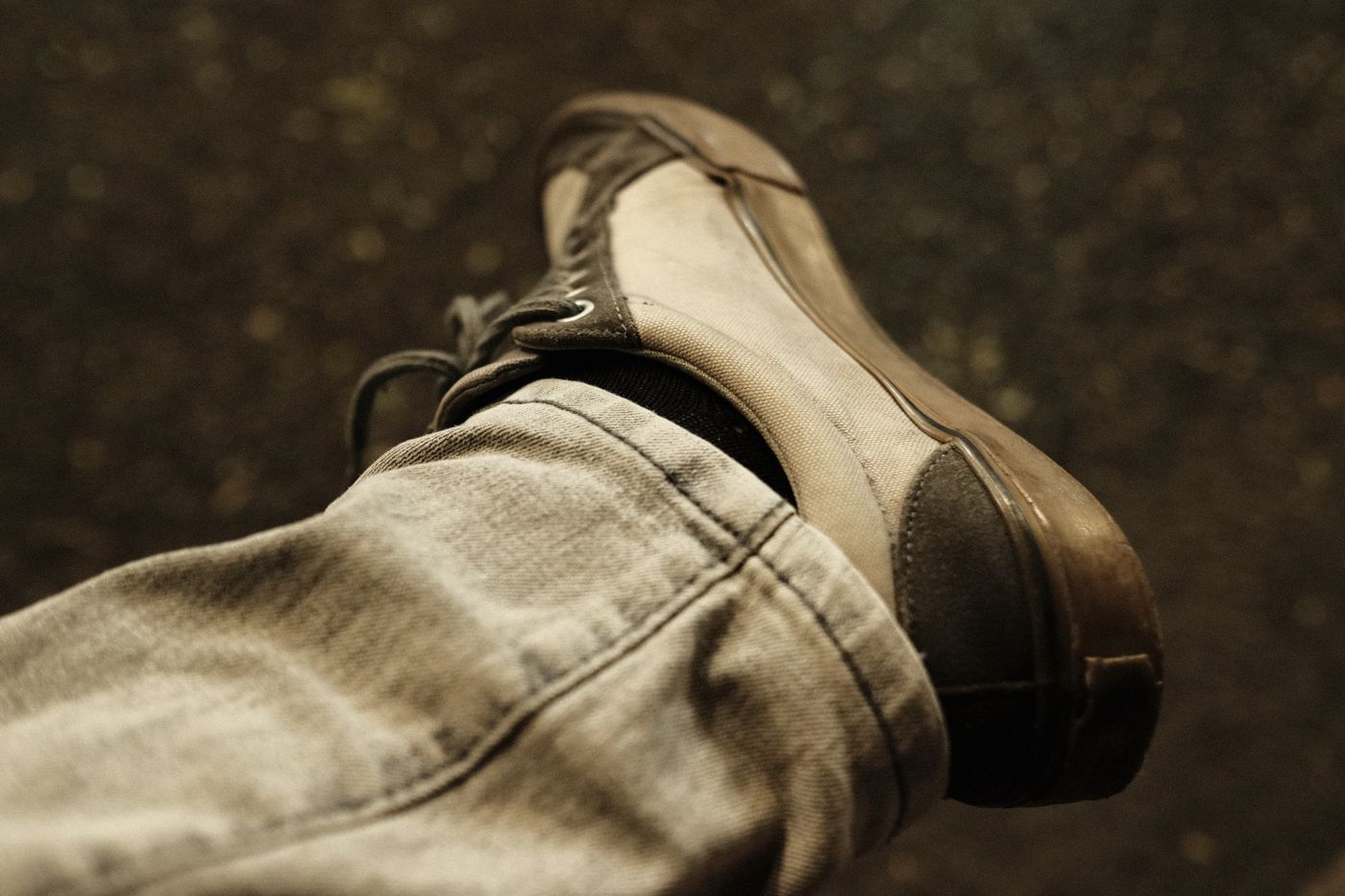
Foto: Nguyễn Minh Thắng · Pexels
City
Berlin
Category
vintage sneakers
Published
1 November 2026
The names
Meet the designers
The minds behind this story — each with a piece currently on the market.
Adidas
Germany · 1940s
The three stripes & the Samba
The three stripes & the Samba
New Balance
USA · 1900s
The 550 & dad-shoe comfort
The 550 & dad-shoe comfort
Top piece
View →
Levi's
USA · 1850s
The 501 & Americana denim
The 501 & Americana denim
Børge Mogensen
Denmark · 1940s
The Spanish chair — honest, functional furniture for everyday life.
The Spanish chair — honest, functional furniture for everyday life.
Continue the edit
Further stories from the same world
Three more walks through the same vintage universe.
The Sneaker That Earned Its Scuffs
An editor's guide to wearing vintage Nike and Adidas without looking like you raided a display case: what to pair them with, which era details actually matter, and the court history behind the shapes on the shelf.
Read the story →The Sneaker You Actually Wear: A Field Guide to Vintage Nike and Adidas
A practical, opinionated guide to buying and wearing old Nikes and Adidas: which eras to hunt, how to spot a pair worth keeping, and how to make a 1982 runner look like it belongs in a 2025 wardrobe.
Read the story →The Sneaker You Can Wear With Anything (Except Running)
A field guide to wearing old Nikes and Adidas like clothes rather than collectibles: the proportions that work, the era tells worth knowing, and why the scuff is part of the point.
Read the story →