
 Sign in
✦ Culture · Berlin
Why Vintage Jewelry Matters Now: A Wearer's Guide to Mixed-Label Pieces
A practical, opinionated guide to buying and wearing vintage jewelry: how to layer eras, spot quality tells, and style mixed-label pieces without looking like a display case.
 By Louis Trash·
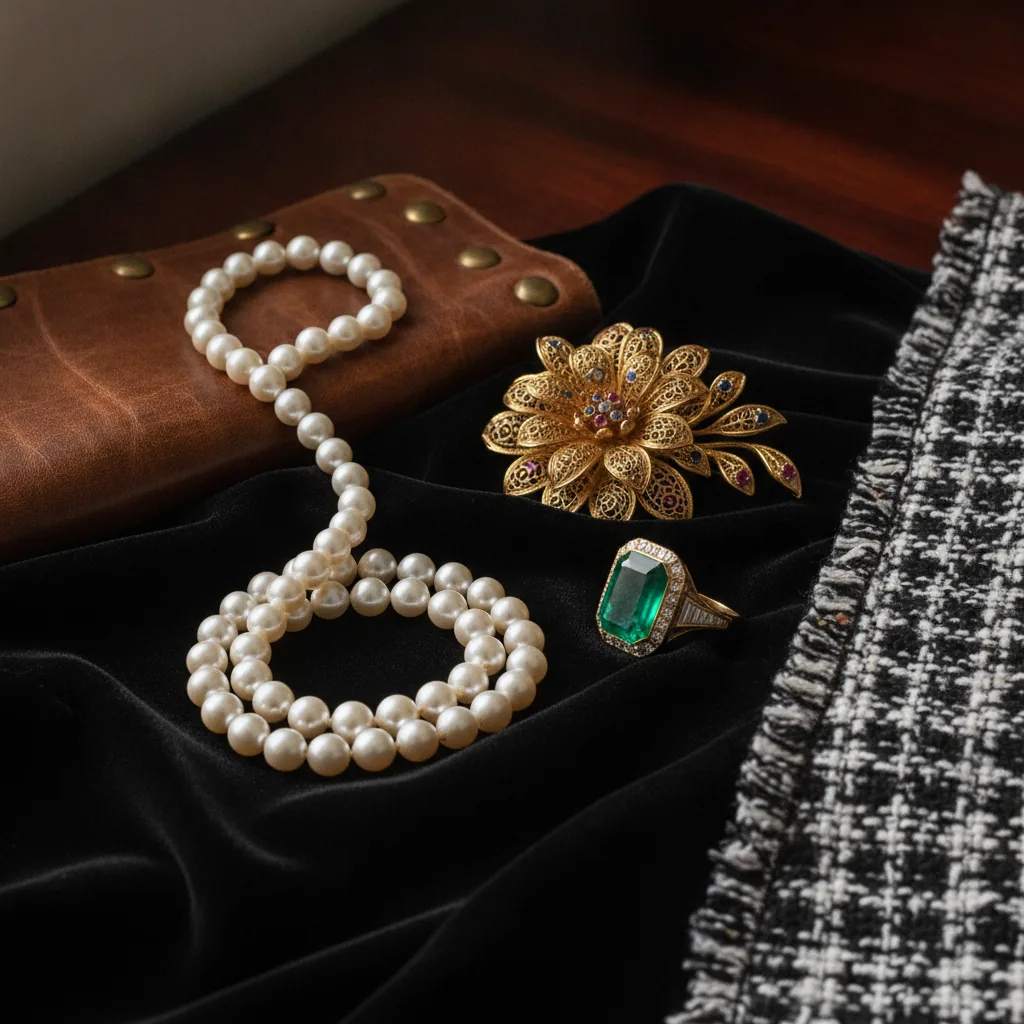
The Case for Wearing Someone Else's History
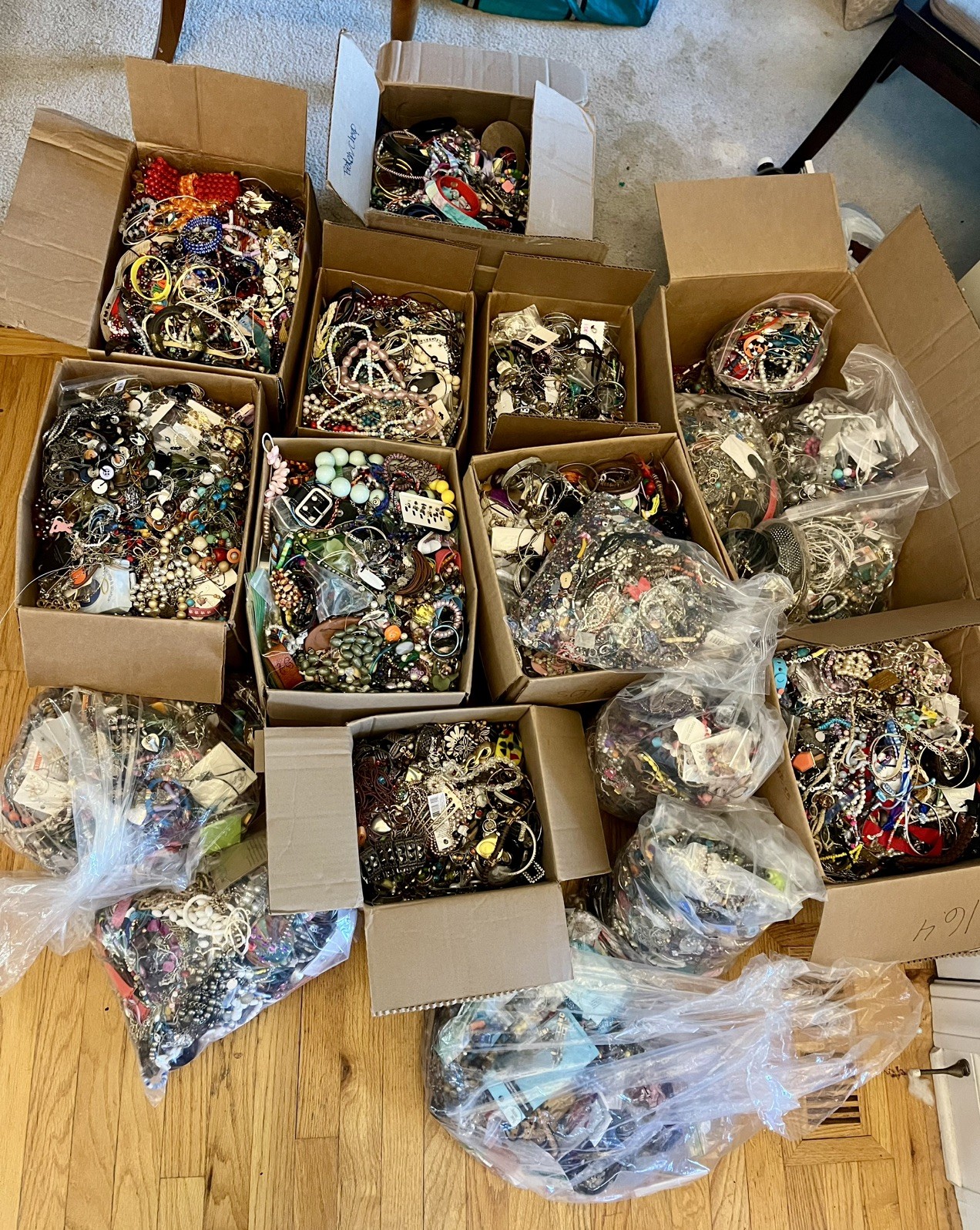
A 1968 Trifari brooch pinned to the lapel of a plain navy blazer does more work than any new necklace I have bought in the past five years. That is the whole argument for vintage jewelry in one sentence. The pieces circulating now come from mixed labels and mixed decades, often hovering around $132, which means you can own something with real provenance for the price of a mid-range high-street haul. The trick is not collecting. The trick is wearing.
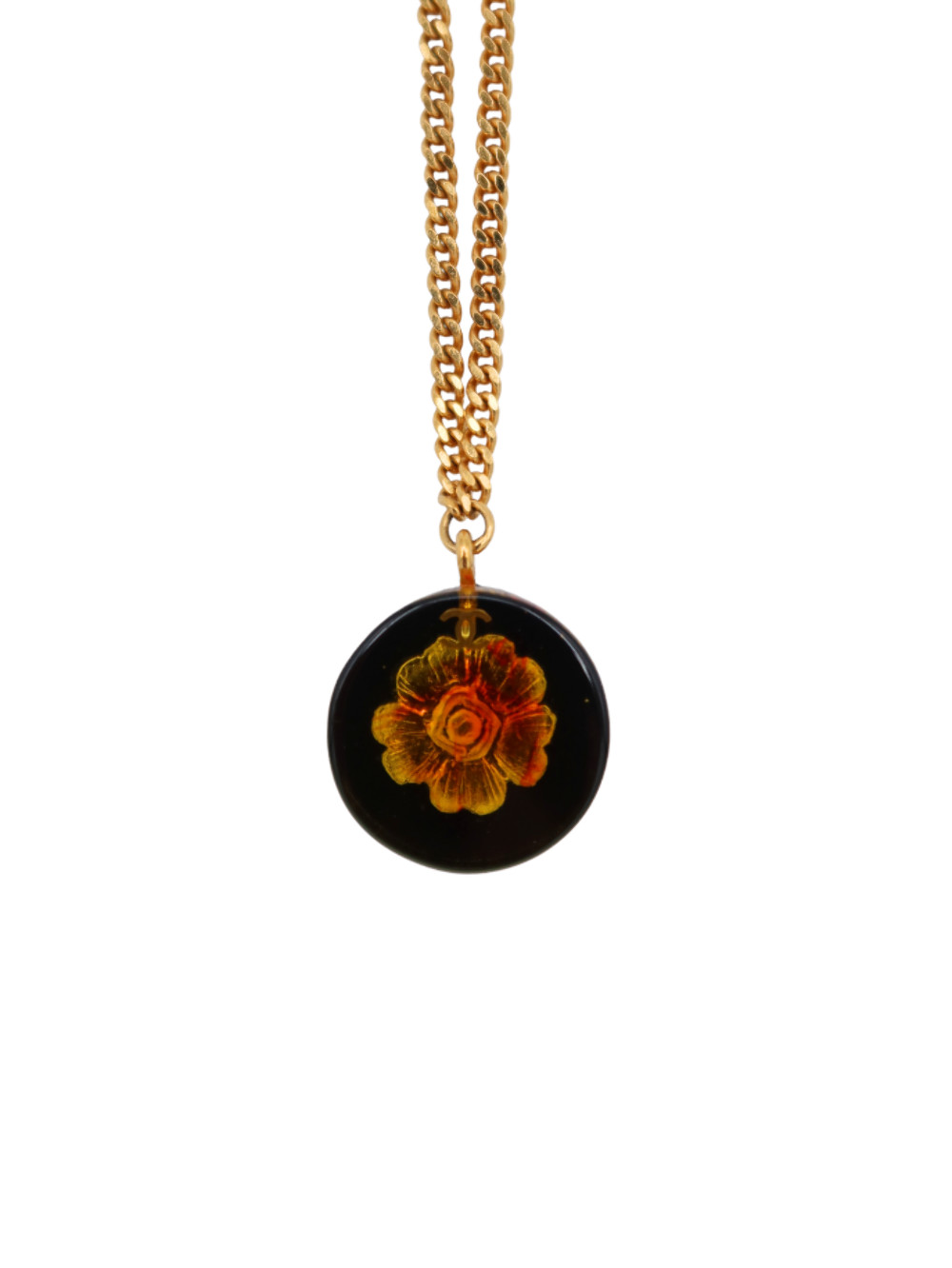
I started buying vintage jewelry because I wanted earrings that did not look like everyone else's. What I found was a lesson in proportion, metal tone, and restraint. Most of what is available right now dates from the 1940s through the 1980s, with a heavy concentration of costume pieces from the 1960s and 1970s. These were made to be worn, not stored, which is why so many survive in wearable condition.
How to Style It Without Looking Costumed
The fastest way to make vintage jewelry look modern is to pair it with something plain. A 1950s rhinestone collar necklace over a white cotton shirt and straight-leg jeans reads as deliberate. The same necklace over a floral dress reads as a costume. Choose one loud piece and let everything else stay quiet.
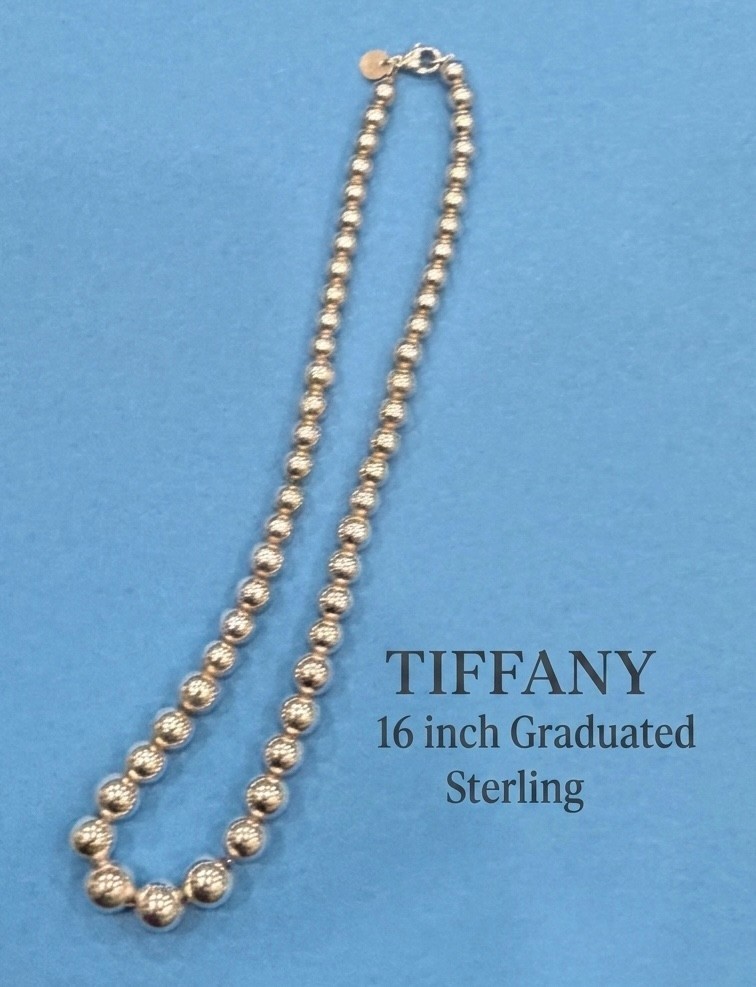
Proportion matters more than era. If you are wearing a chunky 1970s pendant, keep the earrings small or skip them. If you are wearing long 1920s-style drop earrings, leave the neck bare. The eye needs one focal point. Two competing statement pieces pull attention in opposite directions and the whole outfit loses its shape.
Metal tone is the other lever. Gold-tone costume jewelry from the 1950s and 1960s warms up grey, navy, and olive. Silver-tone and rhinestone pieces from the 1930s and 1940s cool down cream, rust, and brown. Mixing tones is fine if you do it on purpose. One gold bracelet, one silver ring, one watch with a steel case. That is a stack. Three gold pieces and one silver piece is a mistake.
For everyday wear, I reach for a single brooch on a jacket lapel or a scarf, a thin gold-tone chain with a small 1970s pendant, and one pair of clip-on earrings from the 1960s. Clip-ons have a bad reputation, but the better ones from that decade have adjustable screws and padded backs. They stay on. They do not pinch. They also let you wear earrings without pierced ears, which is a small mercy for anyone whose holes have closed over.
What to Look For Before You Hand Over the Cash
Start with the clasp and the pin stem. A well-made brooch from the 1940s or 1950s has a sturdy rollover clasp and a pin stem that sits flush against the back. If the clasp is loose or the pin wobbles, the piece has been worn hard and may not survive another decade of use. Replacing a clasp is cheap. Replacing a bent pin stem on a delicate piece is not.
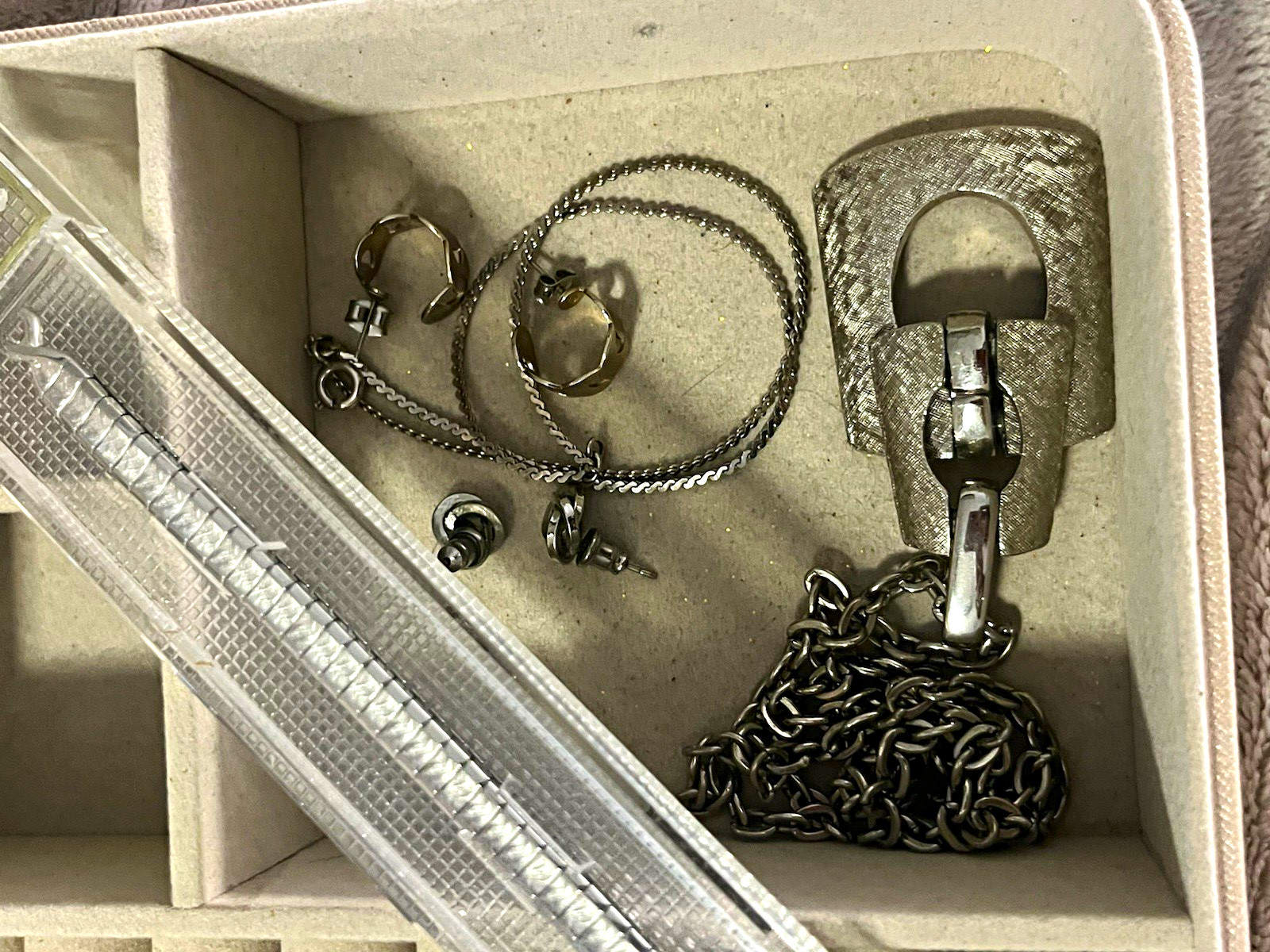
Look at the stones. Glass rhinestones from the 1950s and 1960s have a specific weight and a slightly warm sparkle. Plastic stones feel light and look flat under direct light. If you can, tilt the piece toward a window. Real crystal or good glass will throw light back at you. Plastic will not.
Check the back for a maker's mark. Trifari, Coro, Napier, and Kramer are reliable names from the mid-century costume era. Some pieces are signed on a small oval plaque or stamped into the metal. A signature does not guarantee quality, but it does tell you the piece was made by a company with standards. Unsigned pieces can be just as good. Look at the construction instead. Are the settings even? Is the plating worn through to the base metal? A little wear on the back is normal. Wear on the front is a dealbreaker.
Era tells are useful. Pieces from the 1940s tend to be smaller, with a restrained, almost military feel. The 1950s brought bigger stones and more color. The 1960s went geometric and often used enamel. The 1970s went bold, with long chains and oversized pendants. Knowing the decade helps you date a piece and decide whether it fits your wardrobe.
The Real History Behind the Look
Costume jewelry became a serious business in the 1930s when Coco Chanel started layering faux pearls over real ones. She made it acceptable to wear paste in daylight. Before that, imitation stones were considered theatrical. After Chanel, they were a style choice.
The 1940s pushed the idea further. Wartime restrictions on precious metals meant designers worked with base metals and glass, and they got very good at it. Trifari, founded in 1910, produced some of the most inventive pieces of the decade, including the jelly belly pins with Lucite centers. Those pins are still wearable today and still look like nothing else.
The 1950s gave us rhinestone parures, matching sets of necklace, earrings, and brooch, often worn to dinner dances. The 1960s broke the set apart. Women started mixing pieces from different sources and wearing them with miniskirts and shift dresses. The 1970s added long chains and pendants, influenced by the ethnic and craft revival of the period.
Film and television did their part. Audrey Hepburn in Breakfast at Tiffany's in 1961 wore a long pearl strand over a black dress, and the look became shorthand for effortless elegance. Elizabeth Taylor's collection of real and costume pieces in the 1960s and 1970s made bold jewelry seem like a personality trait rather than an accessory.
A Closing Thought About Wearing, Not Keeping
Vintage jewelry is one of the few categories where you can own something with a past for the price of a new pair of shoes. The pieces are small. They do not take up much room. They do not need to be stored in a climate-controlled case. The best thing you can do with a 1968 Trifari brooch is pin it to a jacket and go to lunch. Wear it until the plating wears through. Then wear it some more. The value of a piece like that is not in what it cost or what it might be worth. It is in the fact that someone made it by hand sixty years ago, and you are still wearing it, and it still works.
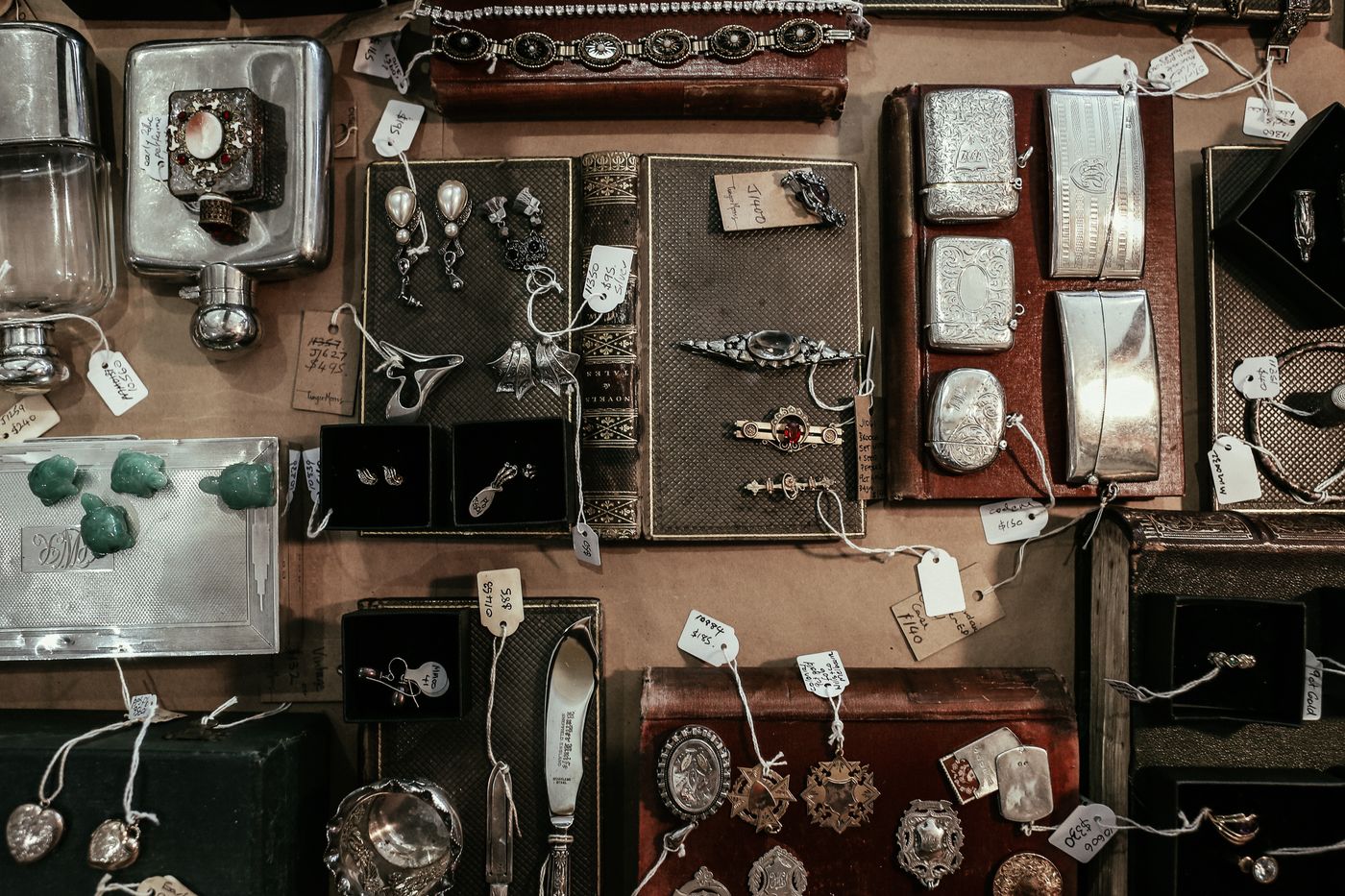
Foto: Rachel Claire · Pexels
City
Berlin
Category
vintage jewelry
Published
27 September 2026
Where to find it
Shop the signals
What the market is offering right now on this exact subject.
sieraden
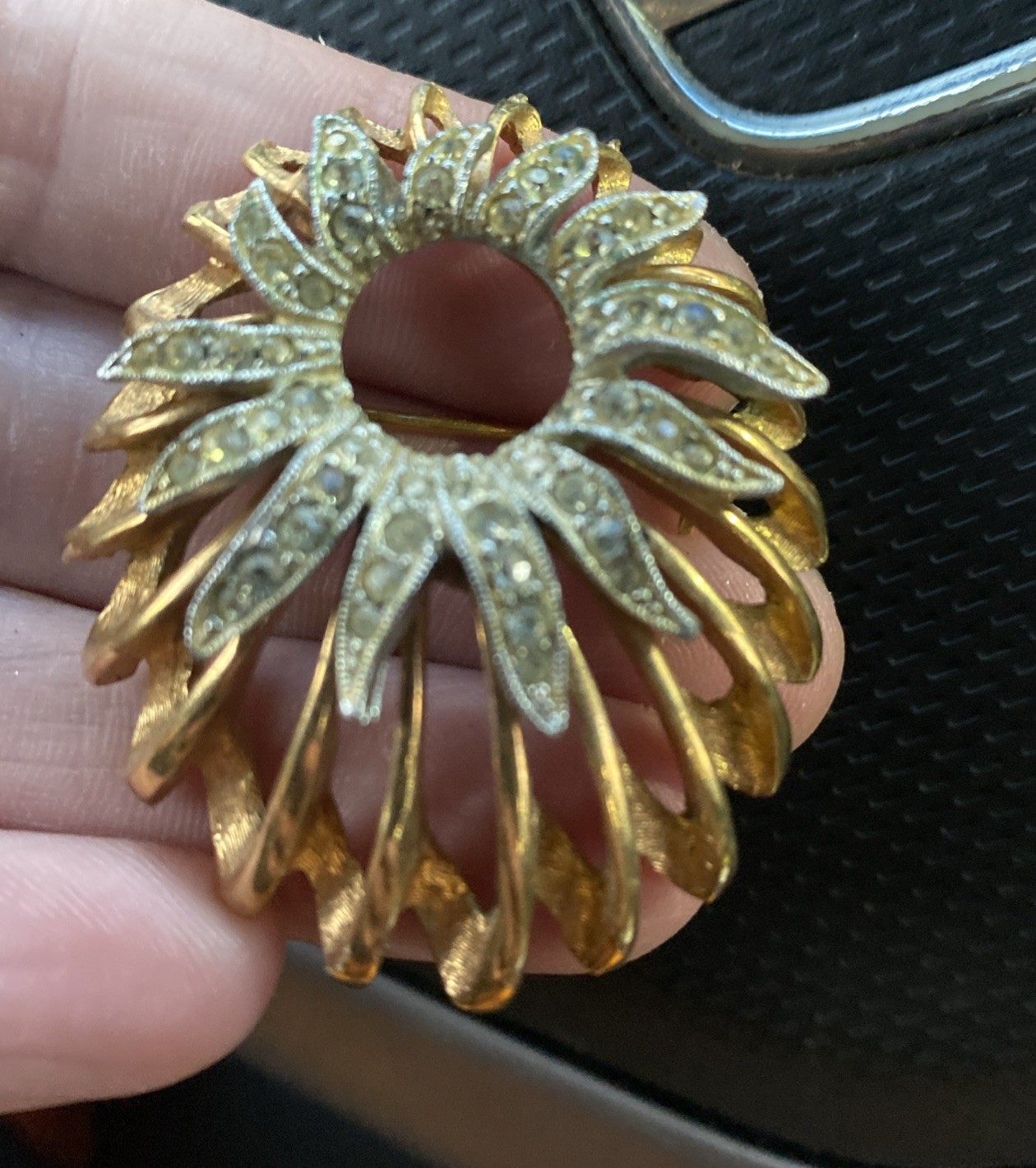
Incredibly Rare Jean Schlumberger Pre-Tiffany's Crystal Floral Costume Brooch
sieraden
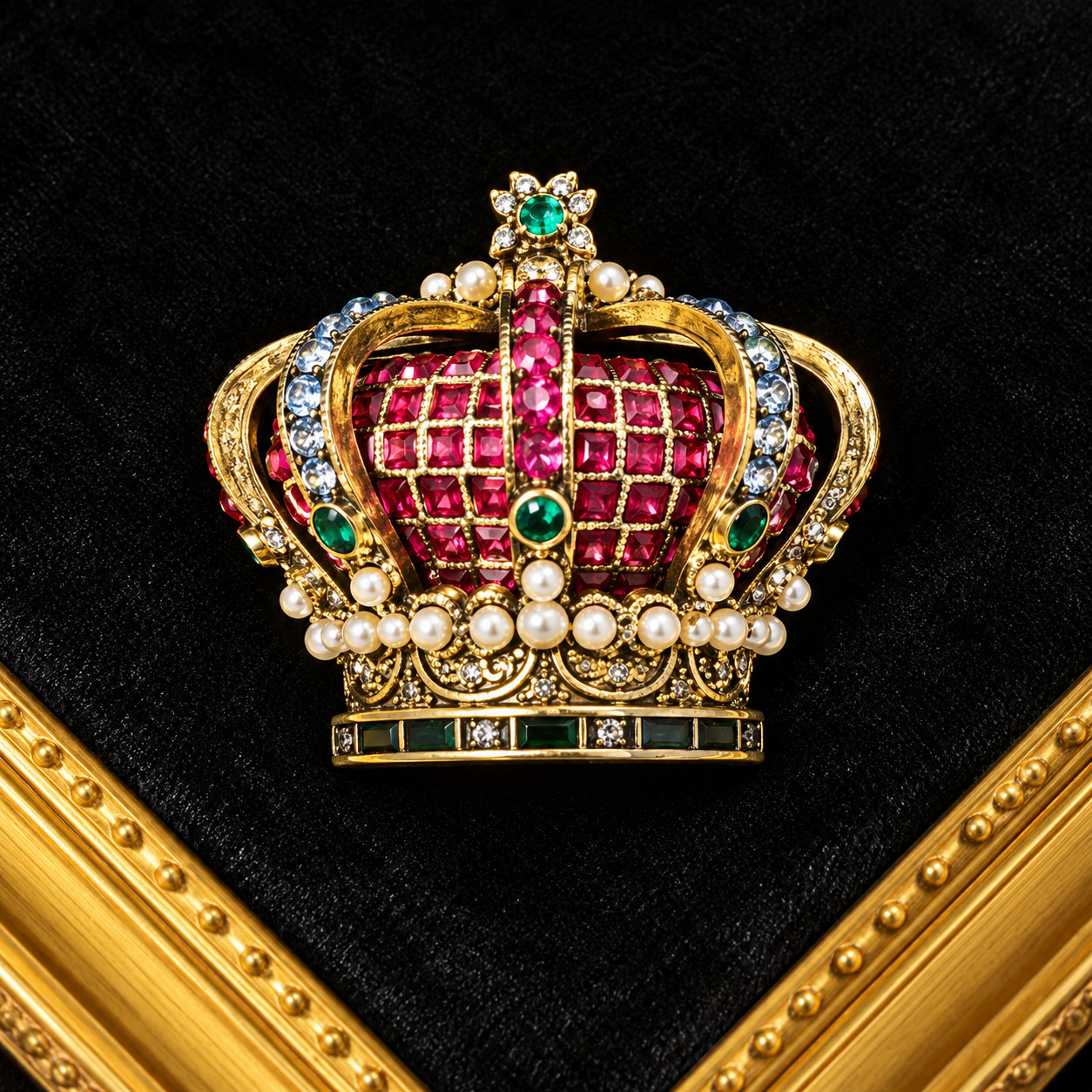
Vintage Crystal Crown Brooch Pin Colorful Rhinestone Royal Jewelry Elegant Gift
sieraden
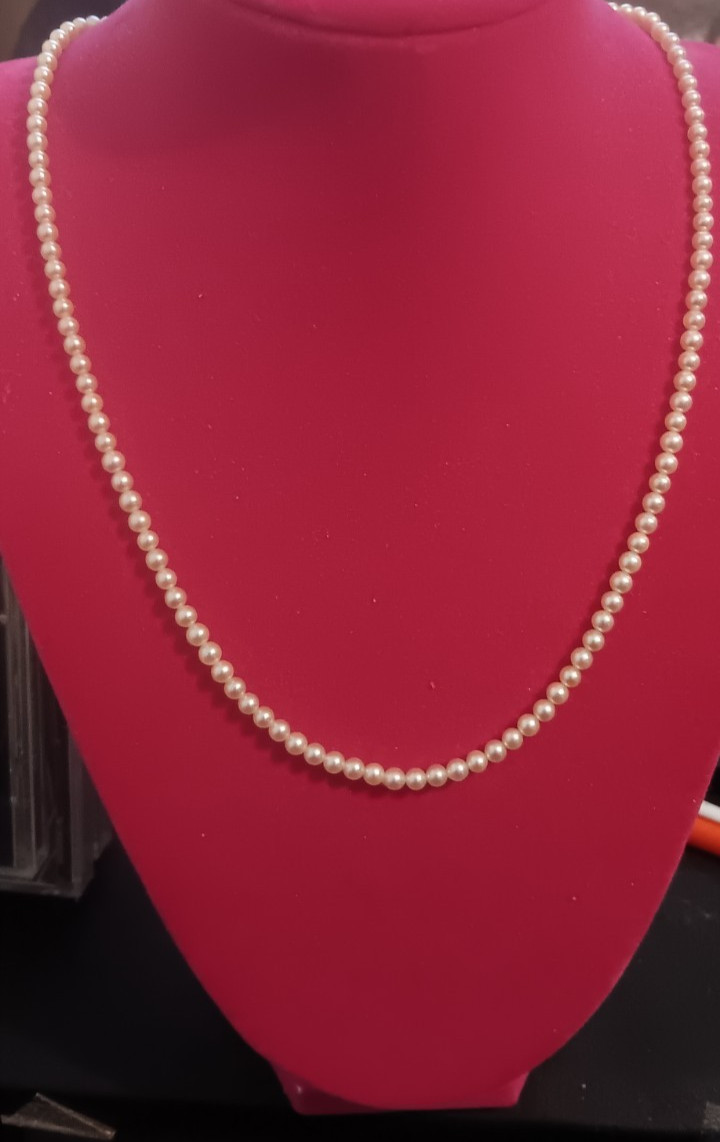
Vintage 14 k Gold Clasp Cultured Pearl Strand Necklace 18 inch Small Hand Knott
sieraden
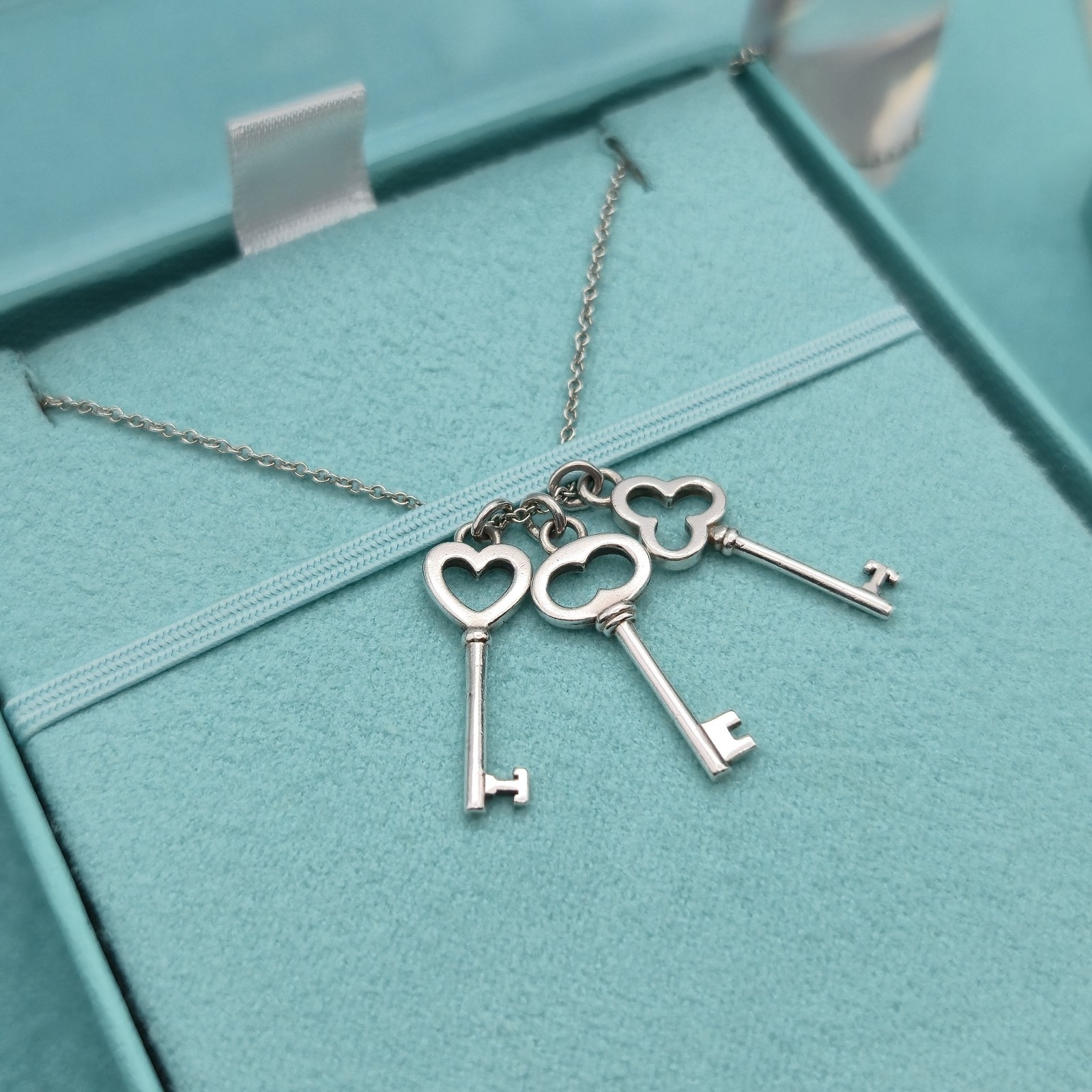
Vintage Tiffany & Co. Triple Mini 3 Keys Pendant 16" Necklace in Sterling Silver
sieraden
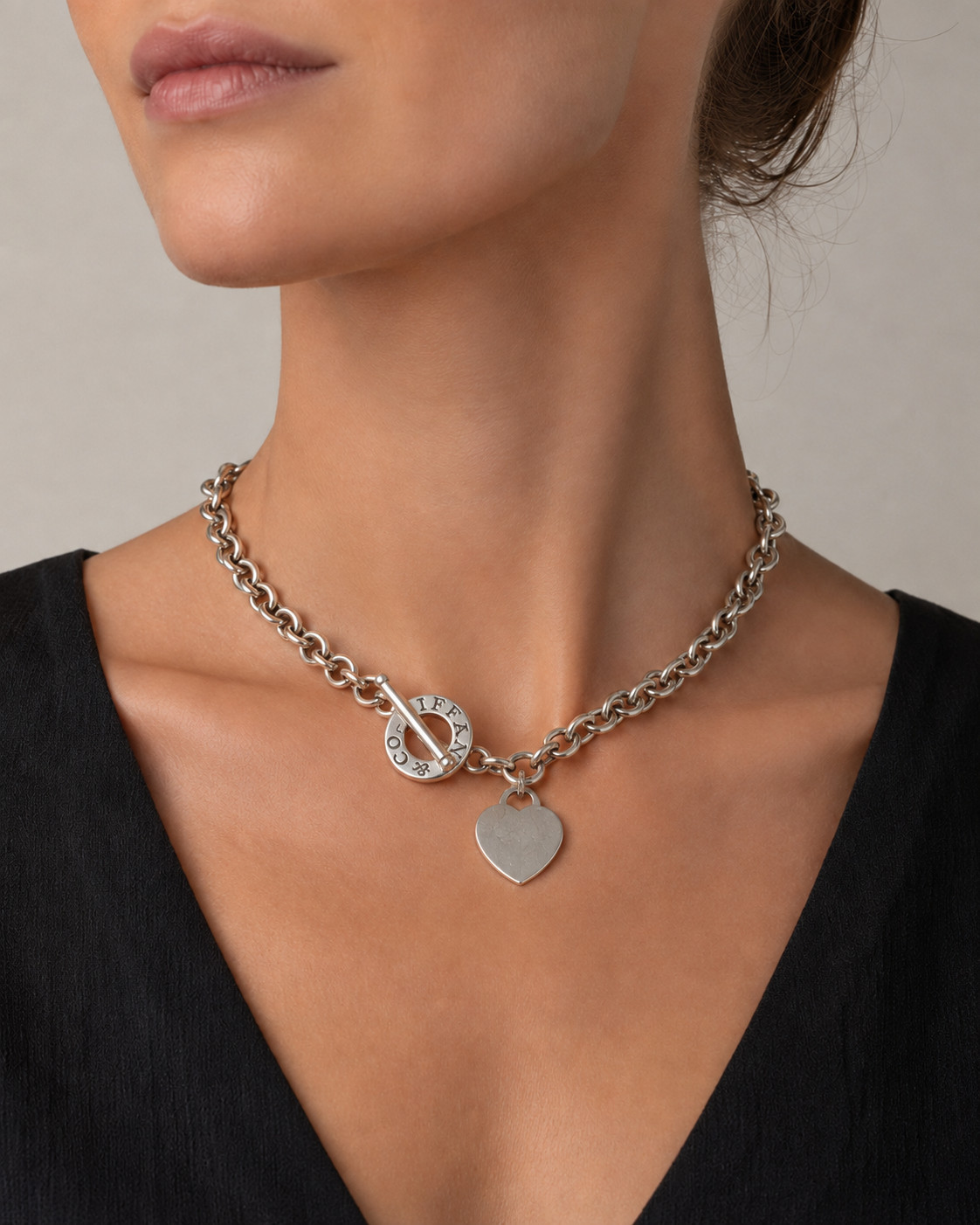
Vintage Return Tiffany & Co Toggle Heart Tag Necklace Sterling Silver Authentic
sieraden
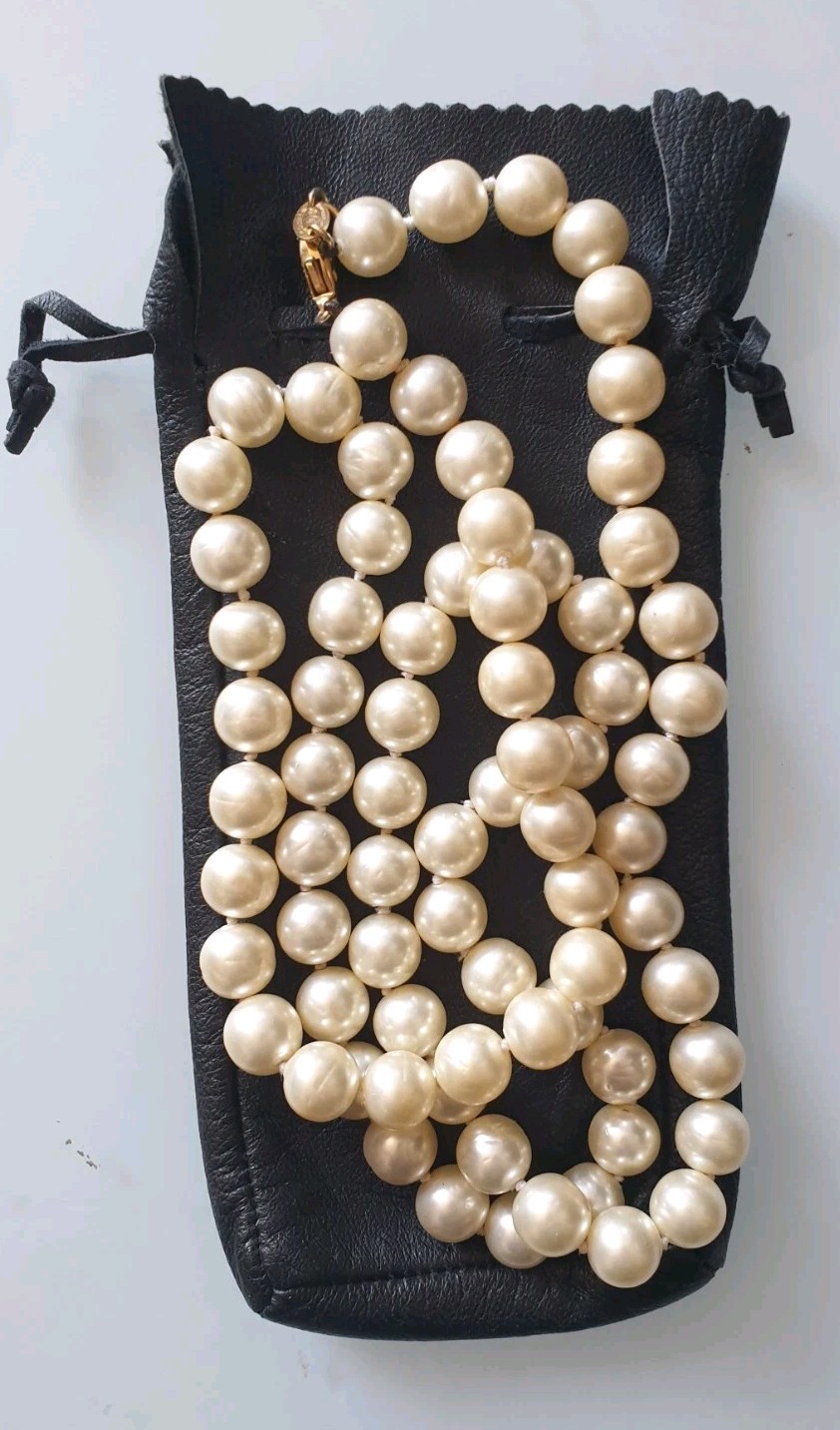
Vintage CHANEL Pearl Necklace Victoire de Castellane
sieraden
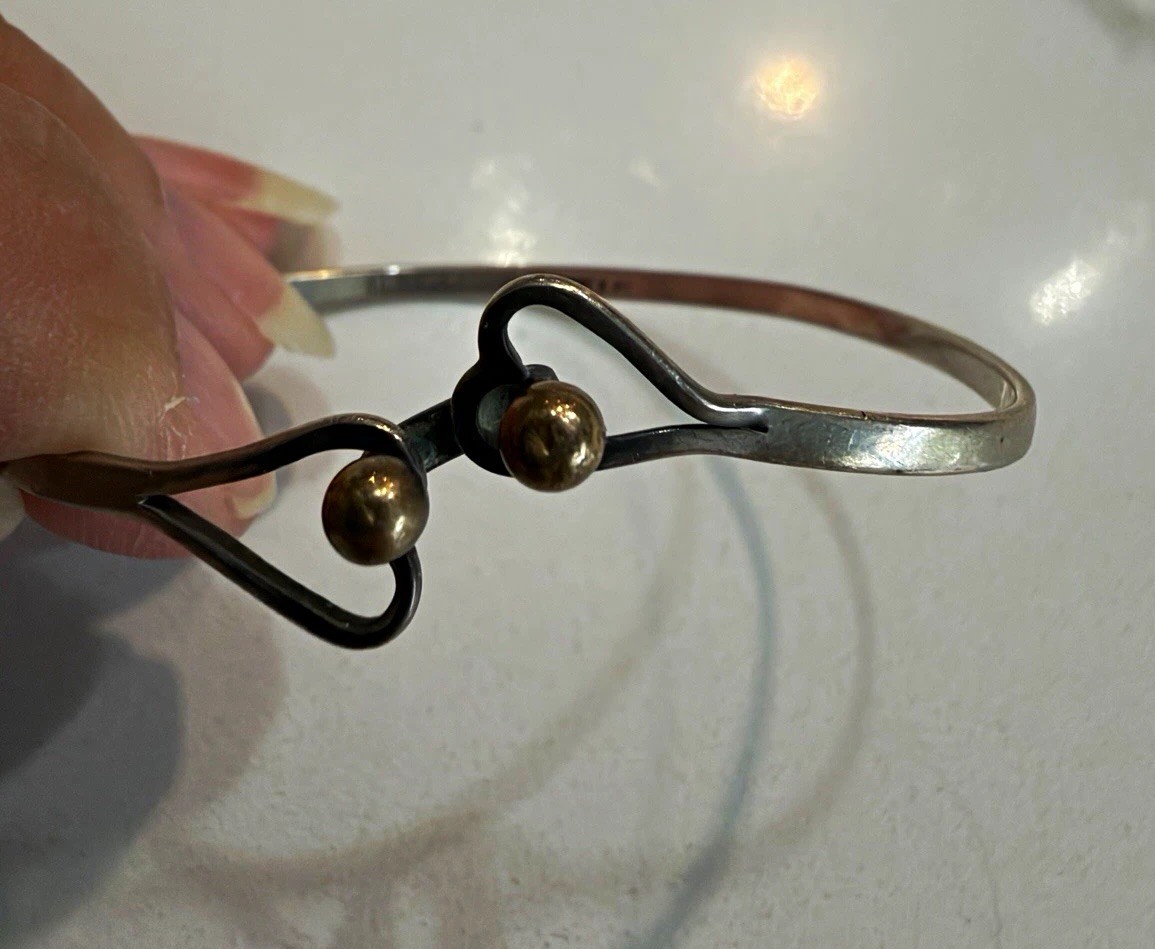
Vintage Tiffany & Co Sterling Silver 14K Gold Hook Eye Bracelet 6.5”
sieraden
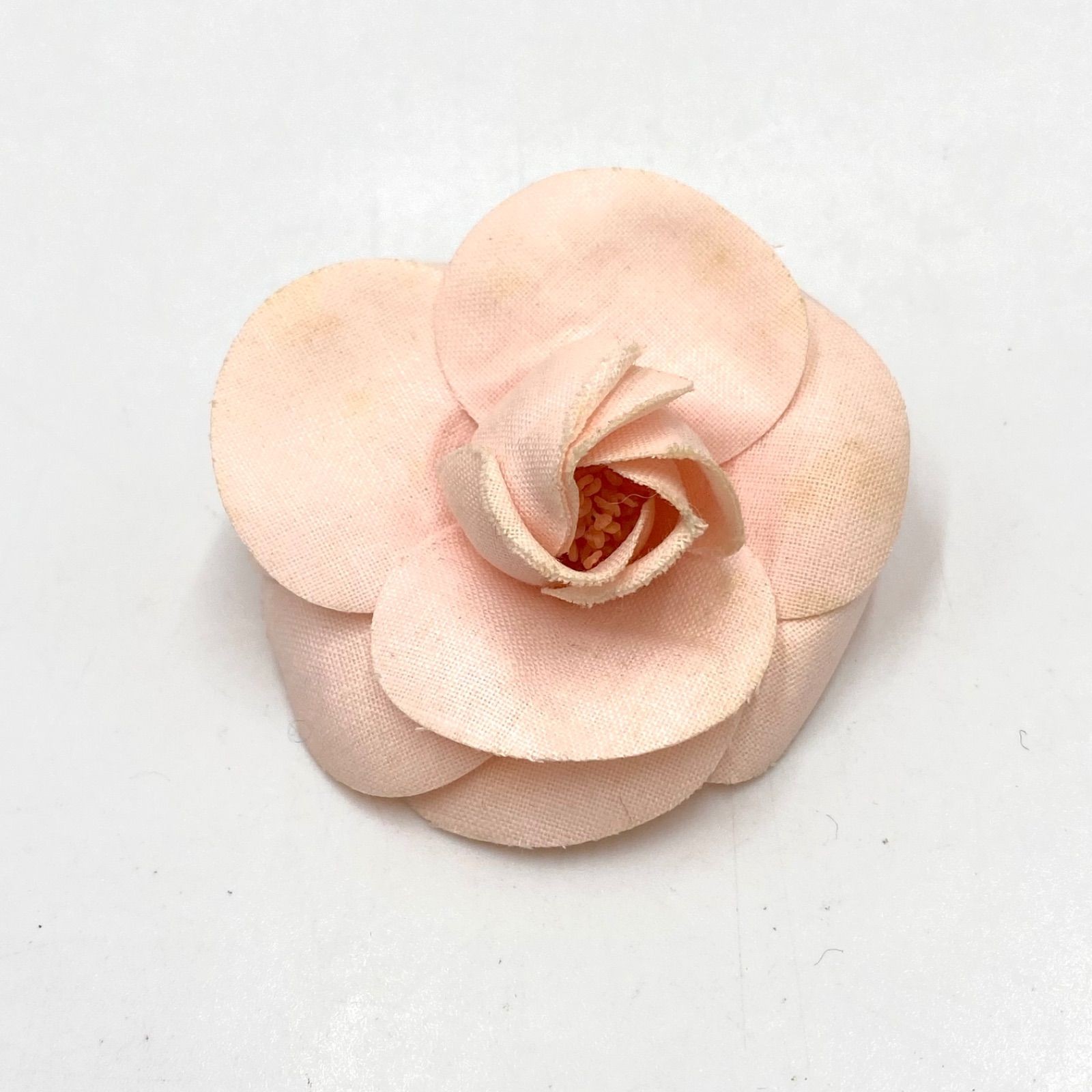
CHANEL Camellia Flower Brooch Corsage Pink Vintage Accessory
The names
Meet the designers
The minds behind this story — each with a piece currently on the market.
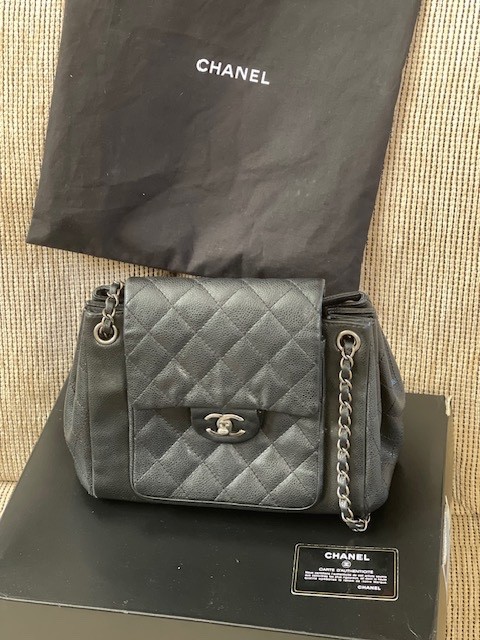
Chanel
France · 1910s
The little black dress & the 2.55
The little black dress & the 2.55
Top piece
View →
Jean Prouvé
France · 1930s
Structural steel & the Standard chair — an engineer of furniture.
Structural steel & the Standard chair — an engineer of furniture.
Top piece
View →
Arne Jacobsen
Denmark · 1950s
The Egg & the Series 7 — chairs turned into quiet sculpture.
The Egg & the Series 7 — chairs turned into quiet sculpture.
Top piece
View →
Børge Mogensen
Denmark · 1940s
The Spanish chair — honest, functional furniture for everyday life.
The Spanish chair — honest, functional furniture for everyday life.
Top piece
View →
Continue the edit
Further stories from the same world
Three more walks through the same vintage universe.
Vintage Jewelry: The Art of Wearing History
Forget the glass case. The best vintage jewelry is meant to be worn, not admired from afar. Here's how to style it, spot a gem, and know its stories.
Read the story →Why Vintage Jewelry Matters Now: A Wearer's Guide
Forget the market. This is about finding a piece with a past and making it yours, from the right era to the perfect clasp.
Read the story →Why Vintage Jewelry Matters Now
Forget the vault. Vintage jewelry belongs on your body, mixed with denim and tailored wool, where its scratches and history can catch the light. Here is how to wear it well, what to look for, and why a $111.27 brooch can outshine anything new.
Read the story →