
 Sign in
✦ Culture · Milan
The Sneaker You Actually Wear: A Field Guide to Vintage Nike and Adidas
A practical, opinionated guide to buying and wearing old Nikes and Adidas: which eras to hunt, how to spot a pair worth keeping, and how to make a 1982 runner look like it belongs in a 2025 wardrobe.
 By Louis Trash·
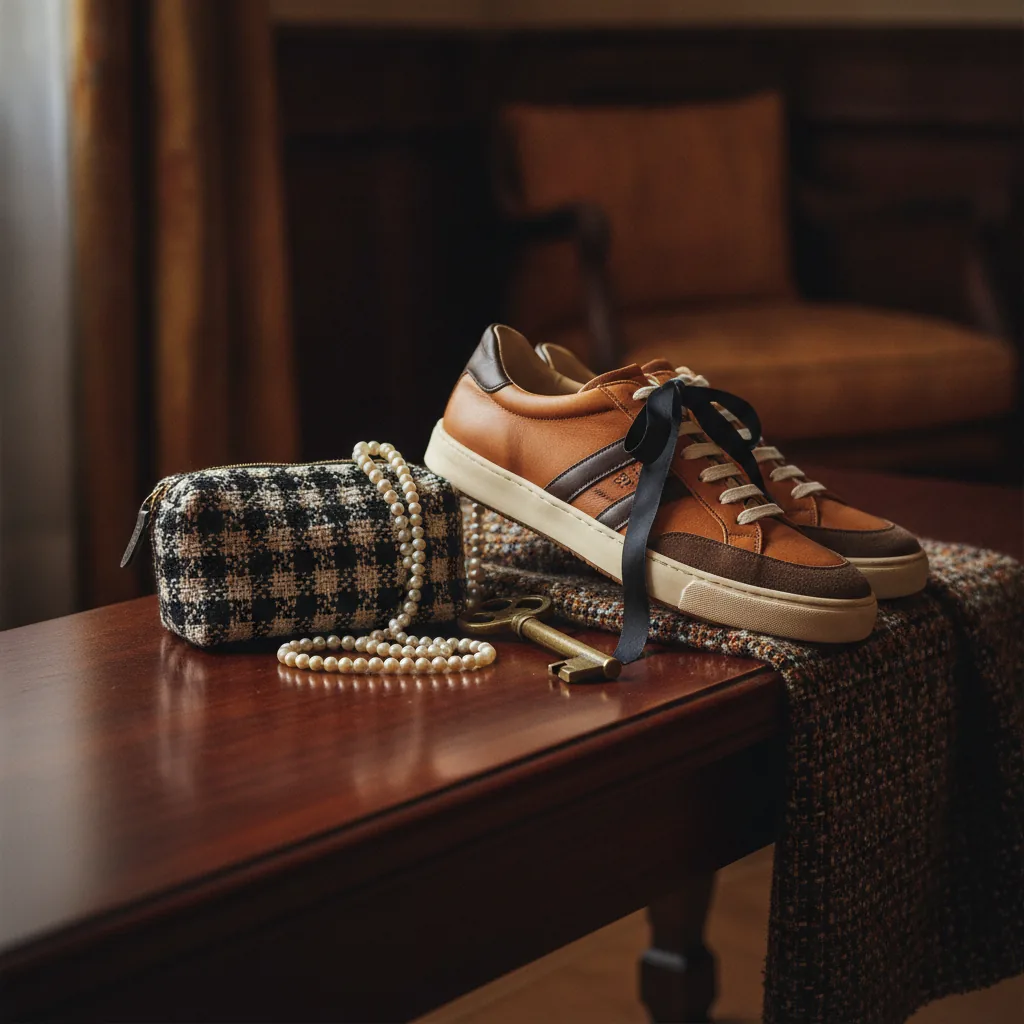
Start With the Silhouette, Not the Story
The most useful thing about a vintage sneaker is its proportions. Older Nikes and Adidas sit lower and flatter than anything on a shelf today. A 1972 Adidas SL72 has a slim toe box, a thin midsole and a heel that barely rises above the sole. That flatness does more for a modern outfit than any amount of retro branding.
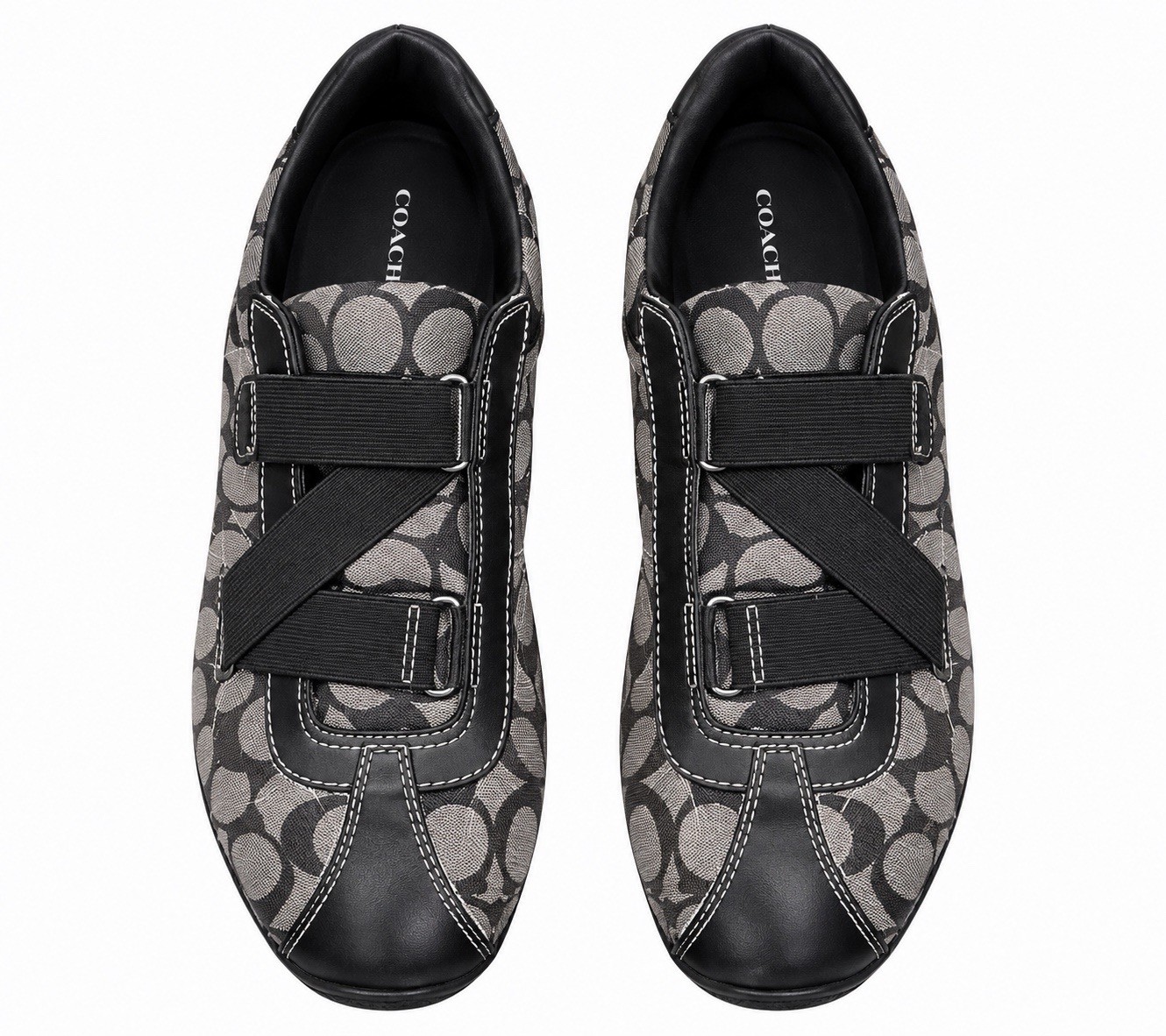
Wear them with wide-leg trousers and the hem breaks over the shoe instead of pooling around a chunky sole. Wear them with a straight-leg jean and the ankle stays clean. I keep a pair of early-80s Nike LDVs in a rotation with pleated wool trousers and a crewneck. The shoe reads as a quiet detail rather than a statement. That is the point.
Avoid the temptation to treat vintage sneakers as costume. They are not a 1970s fancy-dress item. They work best when the rest of the outfit is contemporary and the shoe is the only thing with a past.
The Outfit Pairings That Hold Up
Vintage runners and trainers want contrast. Pair a low, narrow shoe with a generous trouser: a wool flannel in charcoal, a cotton drill in ecru, a wide chino in olive. The volume up top balances the small footprint below.

Foto: Jonathan Cooper · Pexels
For skirts, a pleated midi in a heavy fabric works because the shoe grounds the hem. A silk slip dress with a vintage Adidas Country is a good summer formula. The sneaker keeps the dress from looking precious.
What to avoid: skinny jeans, which make the shoe look like an afterthought, and anything with a massive sole, which fights the shoe's low profile. Also skip the full retro look. One vintage piece is enough. A 1980s track jacket plus vintage sneakers plus vintage jeans reads as a costume. Pick one.
Socks matter more than people admit. A thin cotton sock in a color close to the trouser keeps the line clean. A white crew sock with a low shoe adds a deliberate, sporty note. Both work. What does not work is a thick hiking sock crammed into a slim shoe.
What to Look For When Buying
Start with the era tells. A Nike from 1972 to 1978 will often have a waffle sole, a suede or nylon upper and a simple heel tab. The swoosh is smaller and sits closer to the lacing. By the early 1980s the swoosh grows and the midsoles get thicker. Adidas from the same period carries a trefoil on the tongue and heel, a serrated three-stripe, and a gum or white rubber sole that yellows with age.
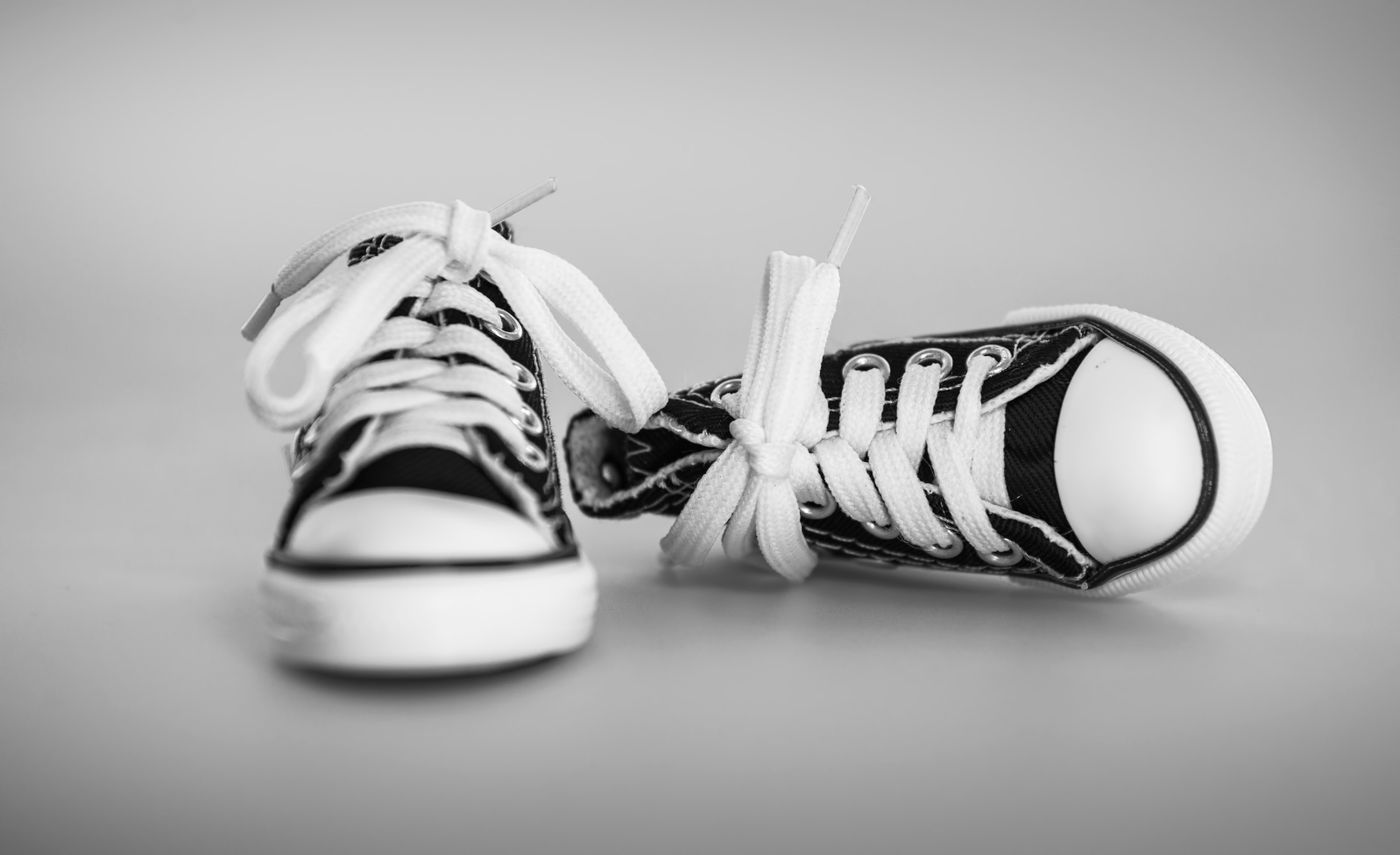
Foto: Frans van Heerden · Pexels
Check the midsole first. Old foam crumbles. Press a thumbnail into the side of the midsole near the heel. If it dents and stays dented, the foam is gone. If it springs back, you have time. Look for cracks along the flex point at the ball of the foot. Small surface cracks are fine. Deep splits are not.
Look at the upper. Suede from the 1970s is thicker and more matte than modern suede. Nylon from that era has a slight sheen and a visible weave. Check the stitching at the toe and heel. Uneven stitching on a vintage pair is normal. Loose threads are not.
Inspect the insole. Original insoles with the maker's logo and the size stamp are a good sign. Replacements are common and not a dealbreaker, but they tell you the shoe has been worn hard.
Ask about the sole. Original rubber soles harden and lose grip. A pair that has been resoled is often a better wearer than a pristine original. Expect to pay around $146 for a solid, wearable pair. More than that and you should be getting original laces, a clean insole and no midsole cracks.
The History That Made the Look
Bill Bowerman, the University of Oregon track coach, poured rubber into his wife's waffle iron in 1971 to make a lighter sole. The result became the Nike Waffle Trainer in 1974. That story is well known, but the detail that matters for wearers is the intent: a flat, grippy sole built for running on a track, not for standing around. The flatness is why the shoe still looks right.

Foto: Dương Nhân · Pexels
Adidas had its own moment. The SL72 was built for the 1972 Munich Olympics, a slim training shoe with a nylon upper and a suede toe. It became a staple of European football terraces and then of American college campuses. By the late 1970s the shoe was everywhere, worn with jeans and a T-shirt by people who had never run a mile.
The 1980s brought the running boom and the shoe got louder. Nike's Air Tailwind in 1978 introduced air cushioning, and the midsoles grew. That is the dividing line for a wearer. Pre-1979 shoes are flat and quiet. Post-1980 shoes are thicker and more overtly sporty. Both are good. They just do different things in an outfit.
The Closing Thought
A vintage sneaker is a piece of engineering from a specific moment, built to solve a problem that no longer exists. That is what makes it worth wearing. The flat sole, the thin upper, the simple lines: these are the result of a designer trying to make a runner faster, not a stylist trying to make a shoe look good. The style is a byproduct. Wear it for the shape, keep it for the history, and do not baby it. A sneaker that has survived forty years wants to be worn, not stored.
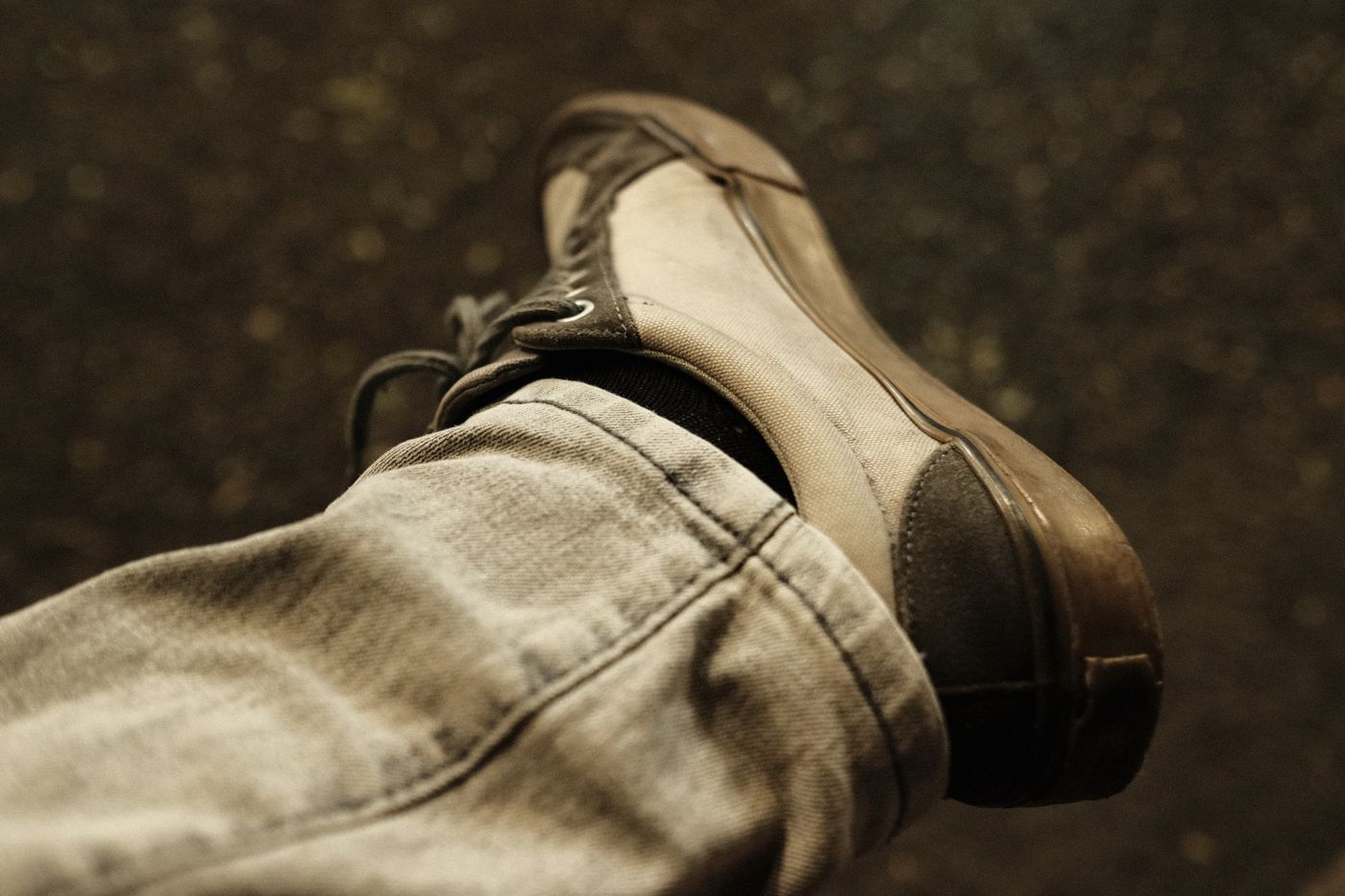
Foto: Nguyễn Minh Thắng · Pexels
City
Milan
Category
vintage sneakers
Published
1 November 2026
The names
Meet the designers
The minds behind this story — each with a piece currently on the market.
Adidas
Germany · 1940s
The three stripes & the Samba
The three stripes & the Samba
Nike
USA · 1960s
Air Max & the Swoosh
Air Max & the Swoosh
New Balance
USA · 1900s
The 550 & dad-shoe comfort
The 550 & dad-shoe comfort
Top piece
View →
Calvin Klein
USA · 1960s
Minimalism & the 90s slip
Minimalism & the 90s slip
Continue the edit
Further stories from the same world
Three more walks through the same vintage universe.
Why Vintage Sneakers Matter Now
A field guide to wearing the old Nikes and Adidas that still turn up: how to style them without looking like a costume, what era tells to check at the till, and the 1972 origin story most sellers get wrong.
Read the story →The Sneaker That Earned Its Scuffs
An editor's guide to wearing vintage Nike and Adidas without looking like you raided a display case: what to pair them with, which era details actually matter, and the court history behind the shapes on the shelf.
Read the story →The Sneaker You Can Wear With Anything (Except Running)
A field guide to wearing old Nikes and Adidas like clothes rather than collectibles: the proportions that work, the era tells worth knowing, and why the scuff is part of the point.
Read the story →