
 Sign in
✦ Culture · Berlin
The Band Tee, Worn Like You Mean It
A 1979 Rolling Stones jersey from a New Jersey parking lot, a Springsteen tee softened to the weight of tissue paper: how to wear the vintage band shirt without looking like you raided a costume shop, and how to tell a survivor from a reprint.
 By Louis Trash·

The Shirt That Outlived the Tour
A 1979 Rolling Stones jersey, cotton gone the color of weak tea, printed with a tongue that has cracked into a hundred tiny islands of ink. That is the piece worth owning. A gallery did not frame it. You can put it on with a black slip skirt and leave the house.
Band tees are the most democratic vintage there is. Everybody had one. That is also the problem. For every shirt that survived a real tour, there are fifty reprints printed last year in a warehouse in Bangladesh, aged with pumice stone and sold as heritage. Telling them apart takes about ninety seconds once you know where to look. Wearing one well takes a little more thought.
How to Wear It Without Looking Like a Costume
The mistake is treating the shirt as the whole outfit. It is a base layer with a history, and it wants contrast.
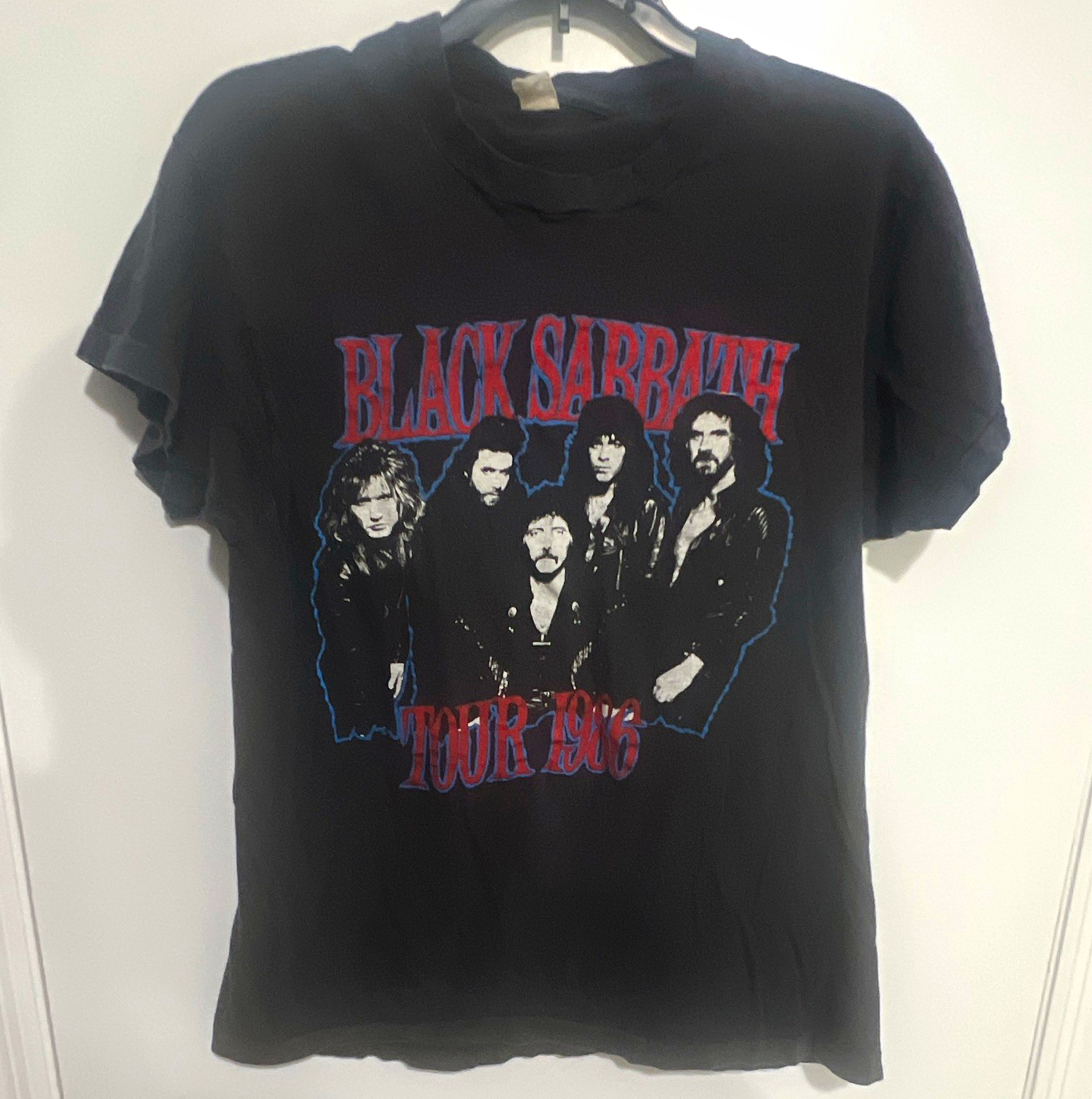
A faded tee over a silk midi skirt is the most reliable pairing I know. The cotton reads casual, the silk reads considered, and the tension between them is the entire point. Tuck it loosely at the front, let the back hang. If the shirt is boxy, and most pre-1990 ones are, that tuck is what keeps you from disappearing inside it.
With denim, go high and straight. A 1972 shirt with a 2024 cut of rigid indigo looks deliberate. The same shirt with low-rise bootcut looks like a fancy-dress party in 2003. Proportion is doing the work here, not the graphic.
For a dinner, layer it under a tailored blazer, sleeves pushed up so the print shows at the cuff. Keep the blazer sharp and dark. Let the shirt be the soft, worn thing in the room. One piece of jewellery, maximum. A thin gold chain sits better against cracked ink than anything chunky.
And shoes. This matters more than people admit. A band tee with trainers is fine and forgettable. The same shirt with a leather loafer, a kitten heel, a beaten-up ankle boot, suddenly has a point of view. The shirt is the past. The shoes should be the present.
What the Good Ones Are Made Of
Before about 1990, band shirts were printed on blanks from a handful of American mills, and the label tells you plenty. Screen Stars, Hanes, Fruit of the Loom, sometimes a local printer's own tag. Single-stitch hems, which means one line of stitching down the sleeve and bottom edge rather than the double row used later. That detail alone dates a shirt faster than the artwork.

Feel the cotton. Proper vintage jersey has a dry, slightly rough hand and a weight that hangs. It should not be see-through when you hold it to a window, unless it is a well-loved white tee, in which case thin is honest. Stretch the collar gently. Original ribbing snaps back. Reprints, and anything from the last fifteen years, tend to stay stretched.
Look at the print itself. Cracked ink is good. Faded ink is good. Ink that has bled slightly into the cotton around the edges is very good, because it means the shirt was washed a thousand times by someone who actually wore it. A perfectly crisp graphic on a shirt that claims to be from 1978 is a contradiction.
Check the copyright line. Real tour merchandise usually carries a year and a manufacturer, sometimes a city. Bootlegs from the parking lot are often the most interesting, printed on whatever blank was cheap that week, and they are usually the most worn. A 1985 Springsteen shirt from a New Jersey lot will have a thinner cotton and a rougher print than the official version. I would rather have it.
Size is not the number on the tag. Vintage tees run small and shrink. Measure pit to pit and compare it to a shirt you already love. That is the only honest guide.
The Years That Made the Shirt
Band merch existed before the 1970s, but the modern version, the one you picture, arrived with the arena tour. The Rolling Stones' 1972 American tour, the one behind Exile on Main St., put proper printed shirts in front of a mass audience. The Grateful Dead turned it into a cottage industry through the seventies and eighties, with fans following the band and printing their own. By 1979, the year of the Stones' Some Girls tour and The Clash's London Calling, the shirt was fully a thing you bought at the door and wore until it fell apart.
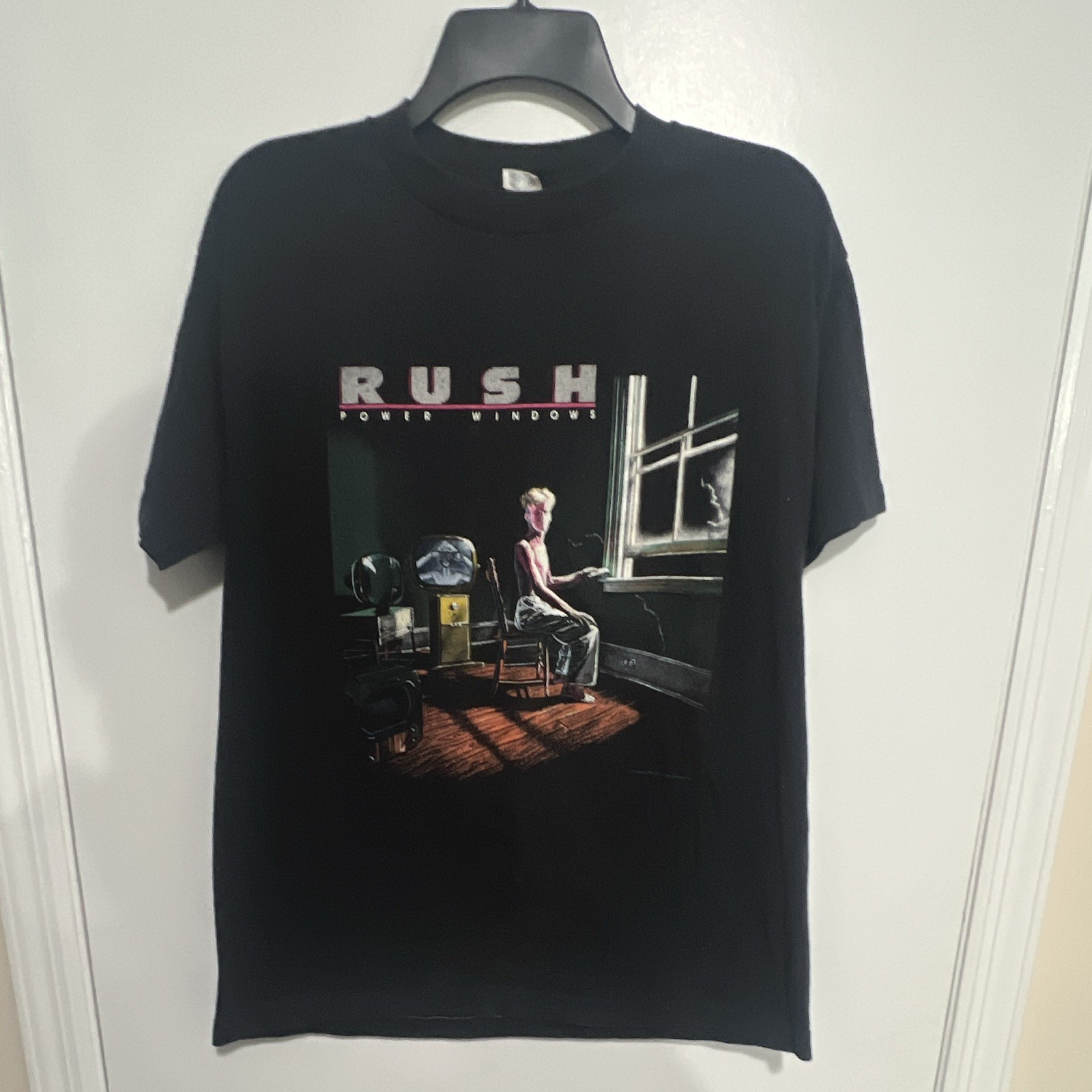
The 1980s made it a uniform. Run-DMC's 1986 Raising Hell tour shirts, the Beastie Boys, Metallica's Master of Puppets run in 1986, all of it printed in enormous numbers on cheap cotton. That is why so much of it survives. The 1990s gave us the bootleg as art form, especially around Nirvana and Pearl Jam, with designs printed on blanks from Thailand and Mexico that have their own collector language now.
On screen, the shirt did quiet work. Diane Keaton's layered menswear in Annie Hall, 1977, gave the plain tee a new seriousness. Later, in the 1990s, the band shirt became the default uniform of anyone who wanted to signal taste without effort. That is still the appeal.
Buying One That Has a Life Left
Price is not the filter people think it is. You will see decent shirts around $167, and you will see mediocre ones for the same money, and the difference is almost never the band. It is the cotton, the stitching, and the wear.
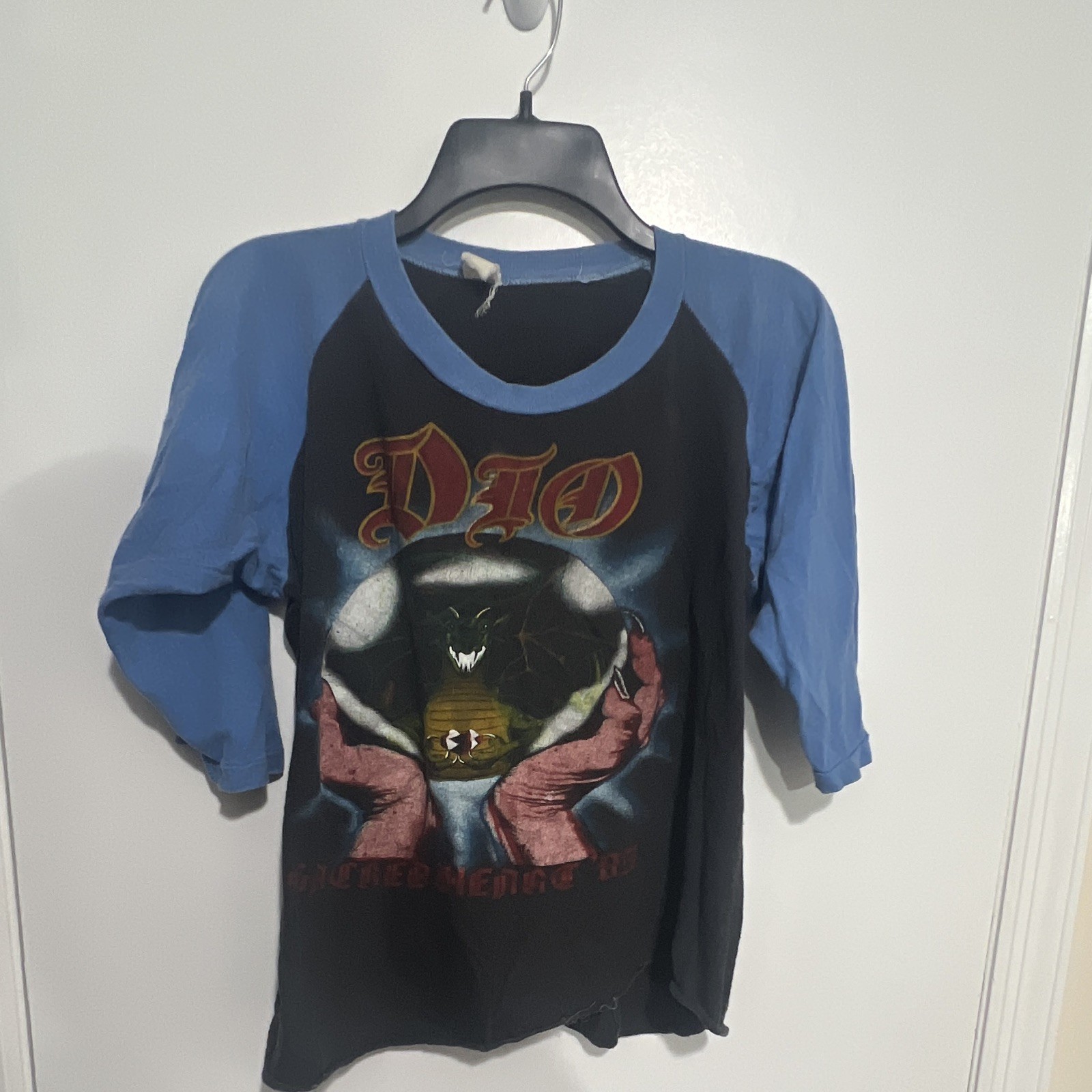
Skip anything that smells of vinegar or has been washed in a way that leaves the cotton stiff. Skip shirts with a print that feels plastic and slightly raised, because that is modern heat transfer and it will never soften. Skip anything with a crisp white tag that looks machine-cut yesterday.
Do buy damage if the damage is honest. A small hole at the shoulder, a frayed hem, a faint ring around the collar. These are the marks of a shirt that was worn, and they are what makes it worth wearing now. Repair them lightly if you like. A single stitch in matching thread is fine. Do not over-restore. The whole point is that it has been somewhere.
Wash cold, inside out, and hang it. Or don't wash it much at all. Cotton this old does not need help falling apart faster.
The Reason to Wear It
A band shirt is one of the few pieces of clothing that carries a date, a place, and a person who stood in a crowd and bought it. You are not collecting it. You are continuing it. Put it on with something sharp and modern, and let the two eras argue quietly on your body. That argument is the outfit. Everything else is just laundry.
Foto: Atlantic Ambience · Pexels
The names
The designers behind the look
The minds behind this story — each with a piece currently on the market.
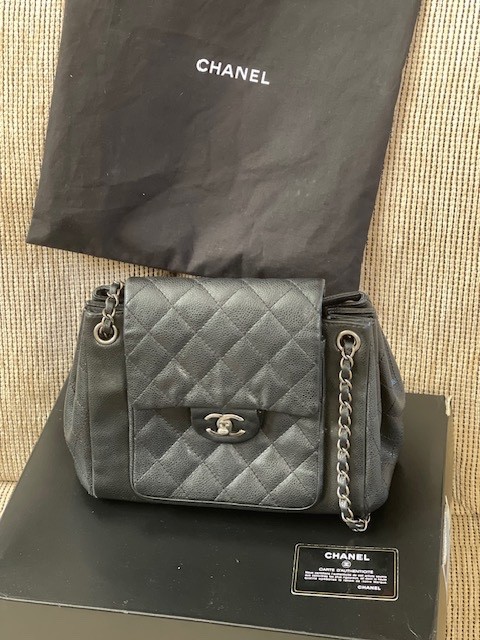
Chanel
France · 1910s
The little black dress & the 2.55
The little black dress & the 2.55
Top piece
View →
Diesel
Italy · 1970s
Washed denim & streetwear
Washed denim & streetwear
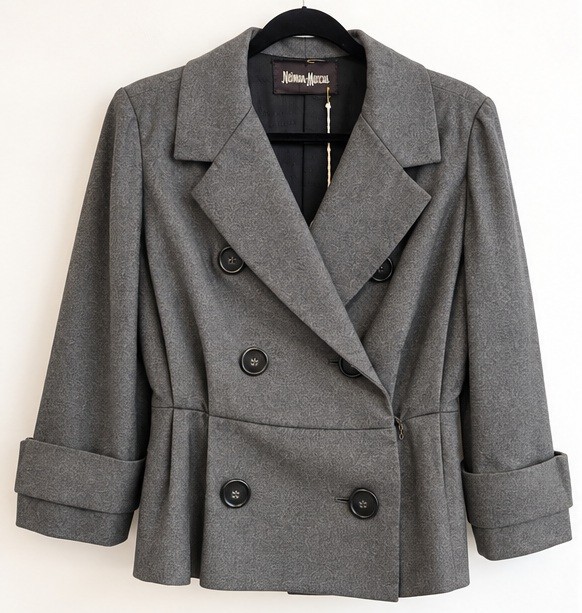
Dior
France · 1940s
The New Look & the Lady Dior
The New Look & the Lady Dior
Top piece
View →
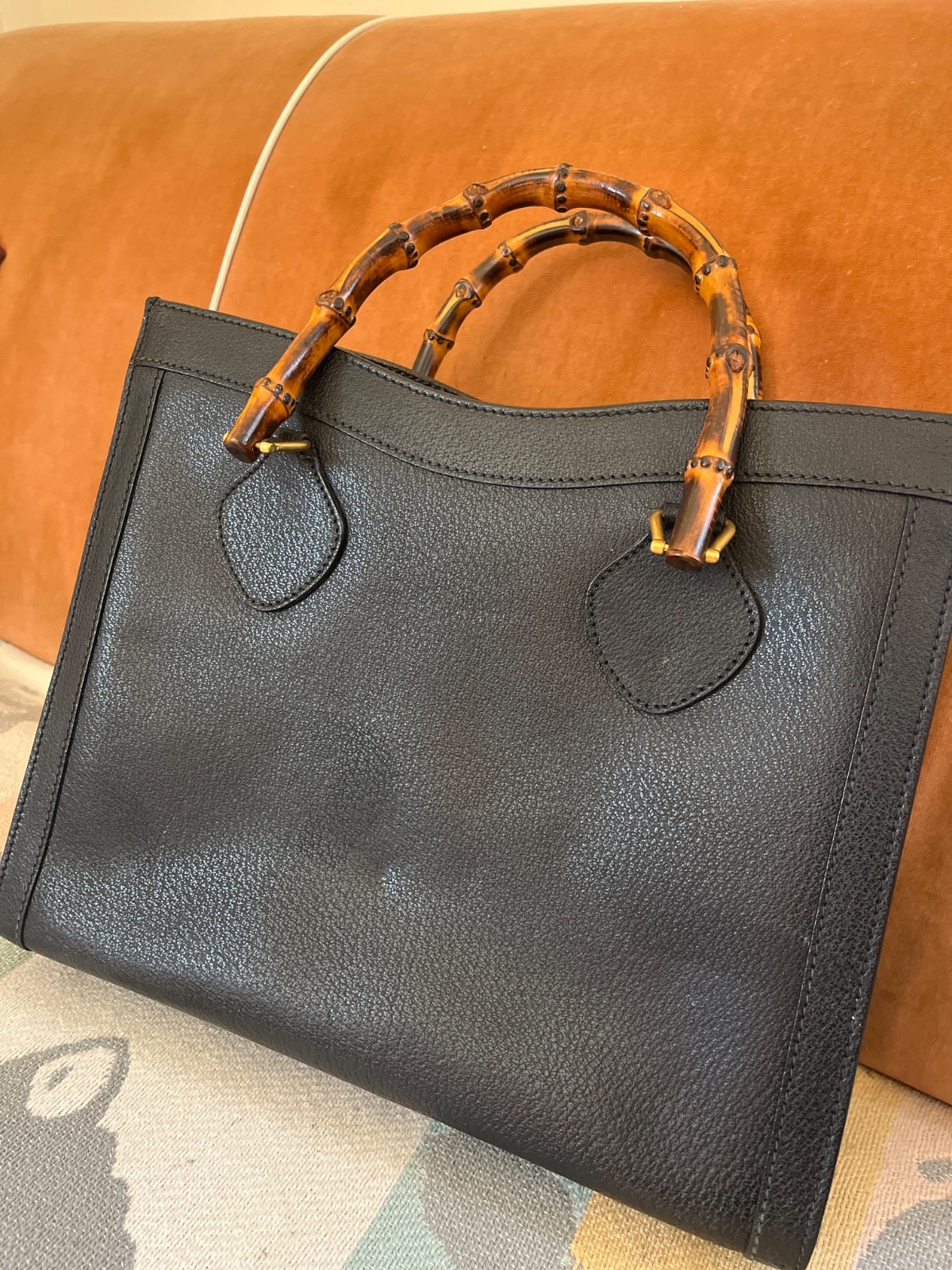
Gucci
Italy · 1920s
The bamboo handle & the double-G
The bamboo handle & the double-G
Top piece
View →
Continue the edit
Further stories from the same world
Three more walks through the same vintage universe.
The Band Tee, Worn Well: A Field Guide to the Real Thing
A guide to wearing vintage band t-shirts with intent: how to style a 1978 tour shirt without looking like a costume, the era tells and print details worth checking, and the stories behind the shirts that outlived the tours.
Read the story →The Band Tee, Worn Well: A Field Guide
A 1979 Pink Floyd shirt with cracked lettering is not a collectible to be sealed in plastic. It is a piece of cotton with a history, and it belongs on your back. Here is how to wear it without looking like you are in costume, and what to check before you buy.
Read the story →The Vintage Band Tee: A License to Wear Your Taste Loud
A vintage band T-shirt is the rare piece that lets you wear your musical education on your chest. Here is how to find one that is actually old, style it without looking like you are in costume, and know the stories behind the shirts that mattered.
Read the story →