
 Sign in
✦ Culture · Berlin
The Case for Wearing Givenchy Costume Jewelry Like It's Real Gold
A good piece of vintage Givenchy jewelry costs less than a nice dinner and does more for a plain white shirt than diamonds ever will. Here is how to wear it, what to check at the counter, and why Hubert de Givenchy's costume line still outclasses almost everything on the high street.
 By Louis Trash·
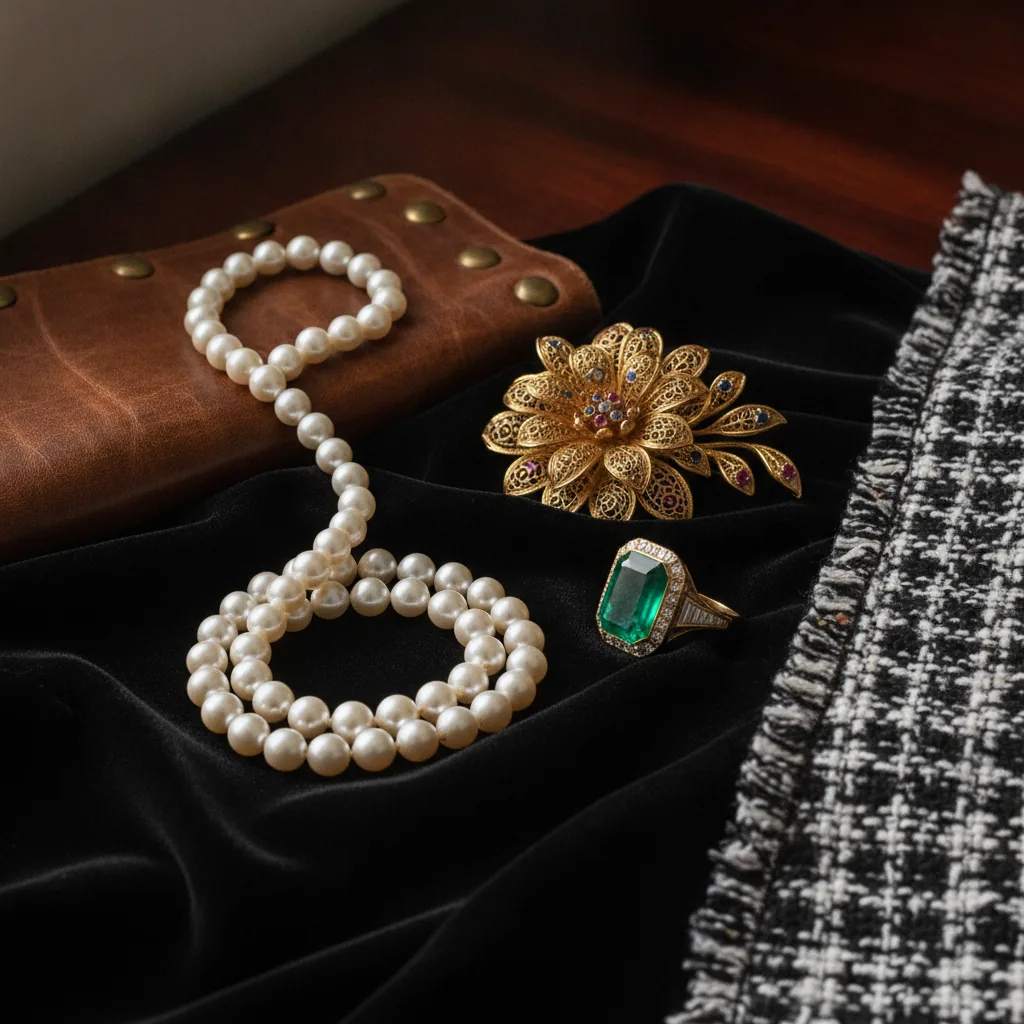
Start With the Collar, Not the Dress
A single Givenchy collar necklace in matte gold plate will do more for a plain white cotton shirt than a diamond pendant ever manages. I mean that literally. Try it: unbutton the top two buttons, push the sleeves up, and lay a chunky 1980s Givenchy chain across the collarbone. The contrast between crisp poplin and heavy gold is the whole trick. It reads as deliberate. It reads as expensive. It cost you about the price of a decent lunch.
The mistake people make is treating costume jewelry as a substitute for fine jewelry. It is not a substitute for anything. It is its own category, and Givenchy understood that better than almost anyone. These pieces were designed to be seen from across a room and photographed under flash. They do not whisper. Wear them with clothes that can take the volume: a black turtleneck, a man's oxford, a plain crewneck cashmere, a silk blouse with a slightly open neck. Skip the ruffles and the busy prints. You want one strong texture against the metal, not three.
What Hubert de Givenchy Actually Built
Givenchy founded his couture house in Paris in 1952, at 8 rue Alfred de Vigny, with a debut collection built on separates. He was 25. The jewelry came later, licensed through the 1960s and 1970s, and it was not an afterthought. The house treated costume pieces as accessories in the couture sense: made to finish a look on the runway, then sold to women who wanted the same effect without the four-figure price.
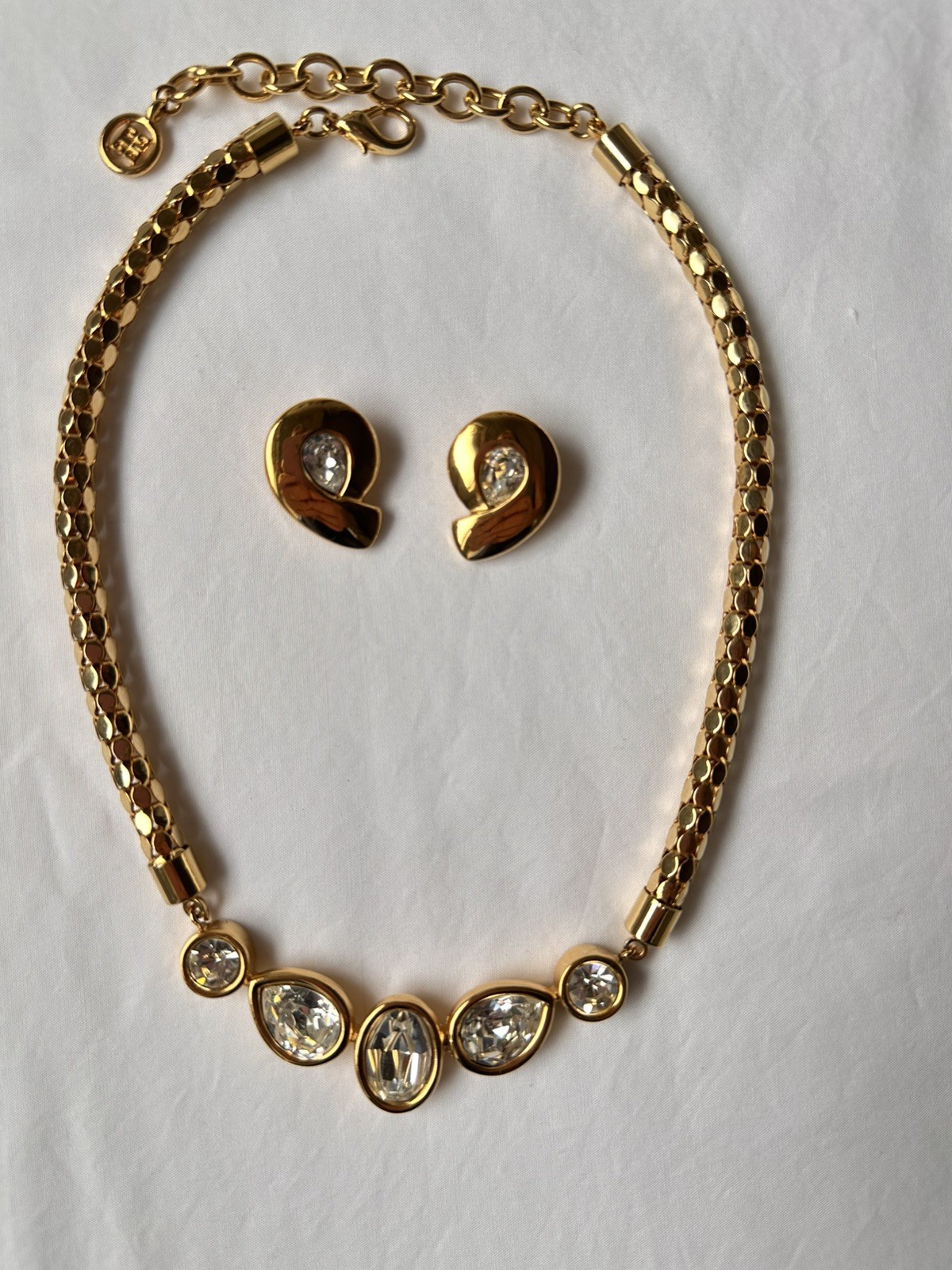
The turning point was Audrey Hepburn. Givenchy dressed her for Funny Face in 1957, for Breakfast at Tiffany's in 1961, for Charade in 1963. In Breakfast at Tiffany's, Holly Golightly's pearls and the long cigarette holder did more for costume jewelry sales than any advertising campaign of the decade. Women walked into department stores asking for the look. The licensed jewelry lines answered.
By the 1980s, under the design direction that followed Givenchy's sale to LVMH in 1988, the jewelry got bolder. Big gold plate, faux pearls, gripoix-style glass in deep enamel colors, chunky chain links, oversized clip earrings. This is the era most of what you find in circulation comes from, and it is the era worth hunting.
Reading the Era in Your Hand
A 1960s Givenchy piece is usually lighter and more restrained than a 1980s one. Expect smaller scale, finer chain, more delicate faux pearls, often a single focal element rather than a full collar. The 1970s brought longer pendants and more ethnic references, wood, resin, gold-tone beads. The 1980s went maximal: wide cuffs, door-knocker earrings, layered chains, and that heavy gold plate that still looks convincing under a shop light.
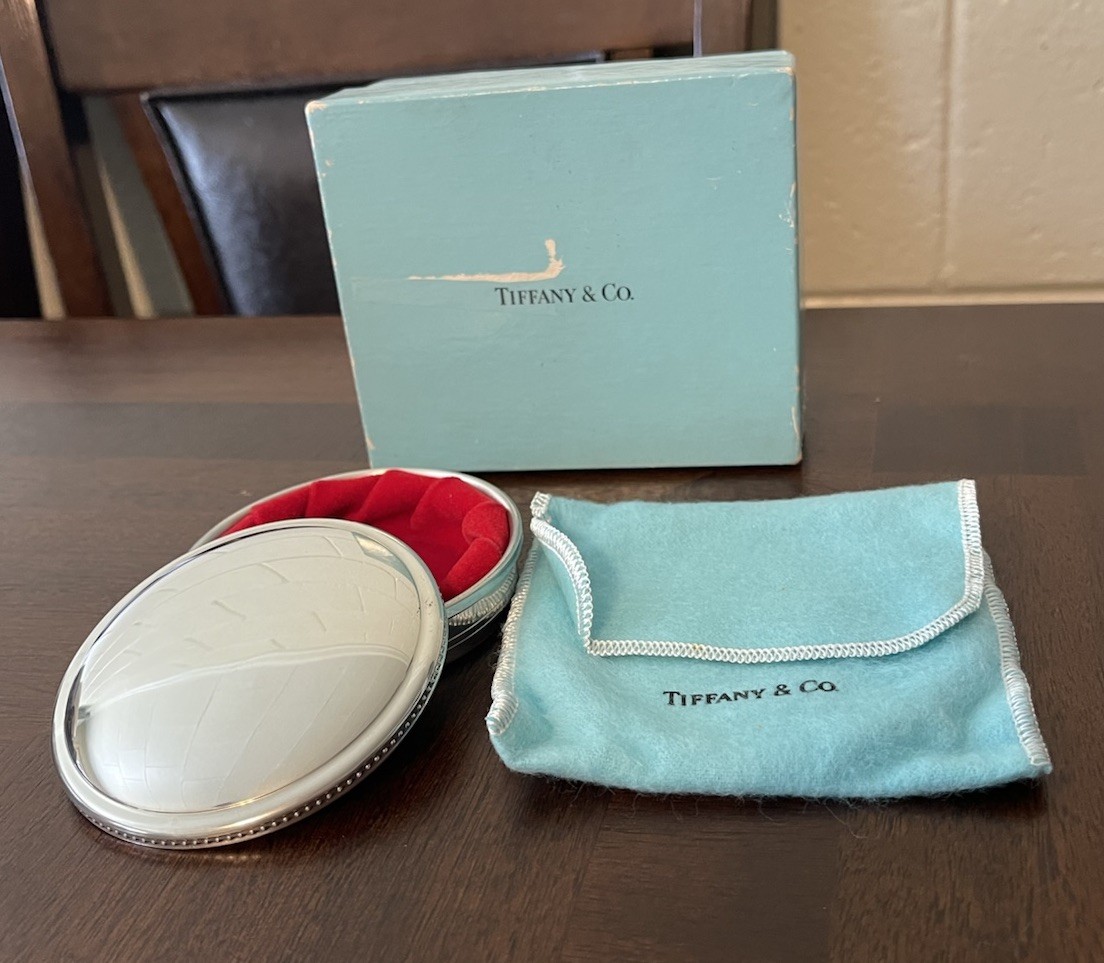
Look for the signature. Early pieces are often signed on a small oval or rectangular cartouche, sometimes with the house name in script, sometimes just Givenchy in block letters. Later pieces made in the 1980s and 1990s may carry a hang tag instead. Neither is a red flag. What matters is the weight. A good Givenchy piece has heft. Pick it up. If it feels hollow or tinny, put it down.
Materials matter more than the name. Gold plate over base metal, often brass, holds up better than painted plastic. Faux pearls should be smooth and evenly coated, not flaking at the drill hole. Glass stones should be set in prongs or glued cleanly, not wobbling. Enamel should be free of chips. Check the clasp, the hinge, the clip spring. A stiff clip can be fixed. A broken one usually cannot.
The Styling Rules That Actually Work
Proportion is everything with costume jewelry. A big collar necklace needs a bare neck and a simple neckline. A chunky bracelet needs a bare wrist and a sleeve that stops above it. A long pendant needs a column of solid color underneath, not a pattern.
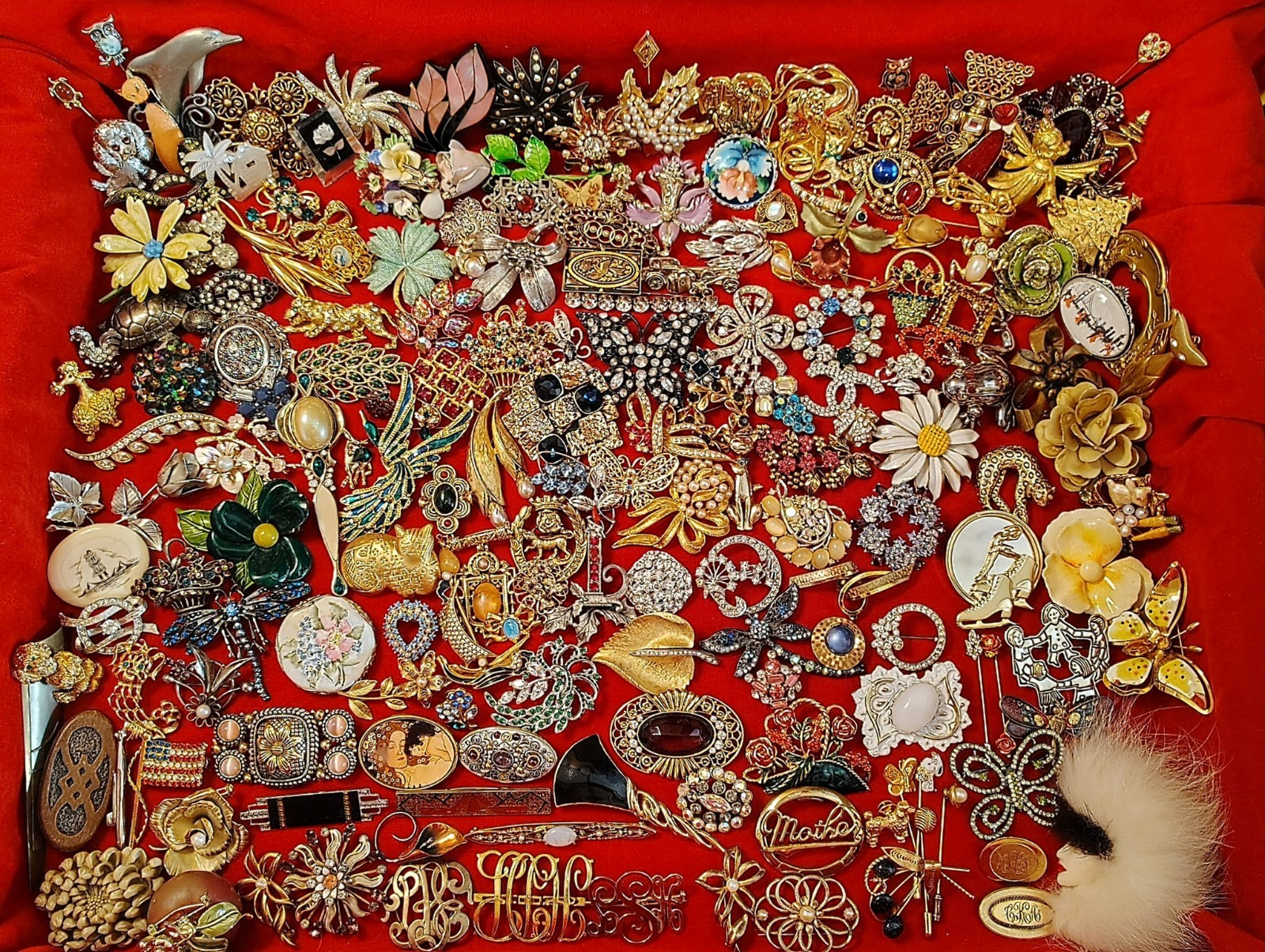
Stack deliberately. One strong Givenchy piece per outfit is usually enough. If you want more, keep the second piece small and in the same metal tone. Mixing gold and silver is fine in fine jewelry. In costume, it can look accidental.
Wear it with denim. A heavy gold chain over a faded black jean jacket, collar popped, is one of the best looks in the world. Wear it with a plain white t-shirt and tailored trousers. Wear it with a slip dress in summer. Wear the clip earrings with your hair pulled back so they read from the side. Do not save these pieces for evening. They were made for daylight and flashbulbs.
What to Pay and What to Walk Away From
You should not be paying much. A good signed Givenchy necklace in wearable condition typically sits around $115, sometimes less. Earrings go for less still. If someone is asking three figures for a piece with a broken clasp, a missing stone, or plating worn down to the base metal, walk. Repairs on costume jewelry almost never make financial sense, and a dull, rubbed finish never comes back.
Buy signed pieces when you can. Unsigned Givenchy exists, but you lose the resale value and the certainty. Buy from sellers who photograph the back of the piece, not just the front. The back tells you everything: the clasp type, the signature, the condition of the plating, the quality of the setting.
Avoid anything that smells of metal polish. Avoid pieces that have been heavily cleaned with abrasive compounds; the plating is thin and once it is gone, it is gone. A little patina on gold plate is honest. A mirror shine on a 40-year-old necklace usually means someone has been at it with a cloth and a chemical.
The Point of It
Givenchy costume jewelry exists in a strange middle ground. It is not precious enough to insure and not cheap enough to treat as disposable. That is exactly why it works. You can wear a heavy gold collar to the supermarket and not think about it. You can lend it to a friend. You can pack it in a carry-on without a case. The pleasure is in the wearing, not the keeping, and the pieces were designed by a couturier who understood that a woman's jewelry should serve the clothes, not the other way around. Buy one good piece. Wear it until the plating goes. Then buy another.
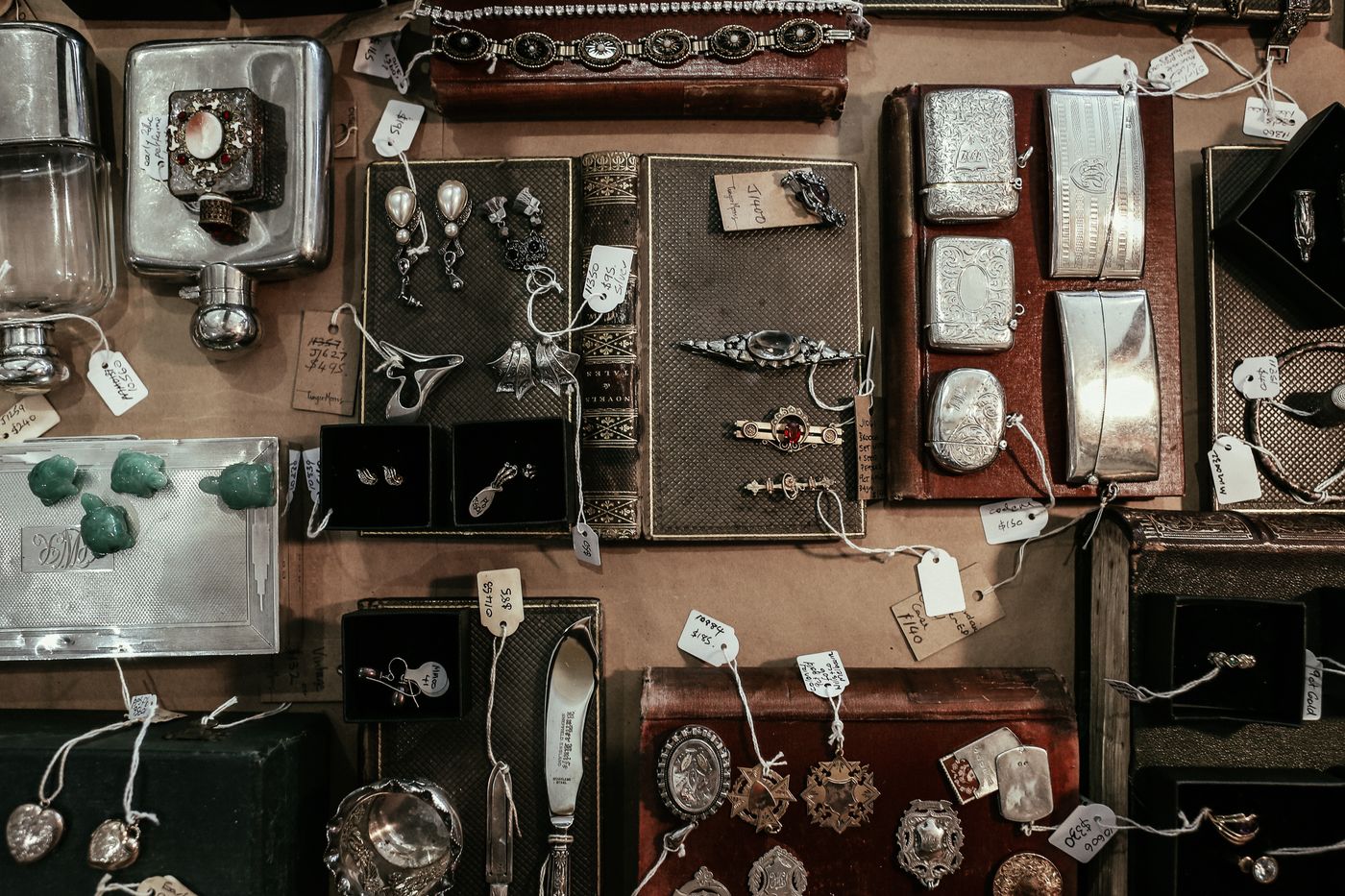
Foto: Rachel Claire · Pexels
 ✦ The Edit
One to watch
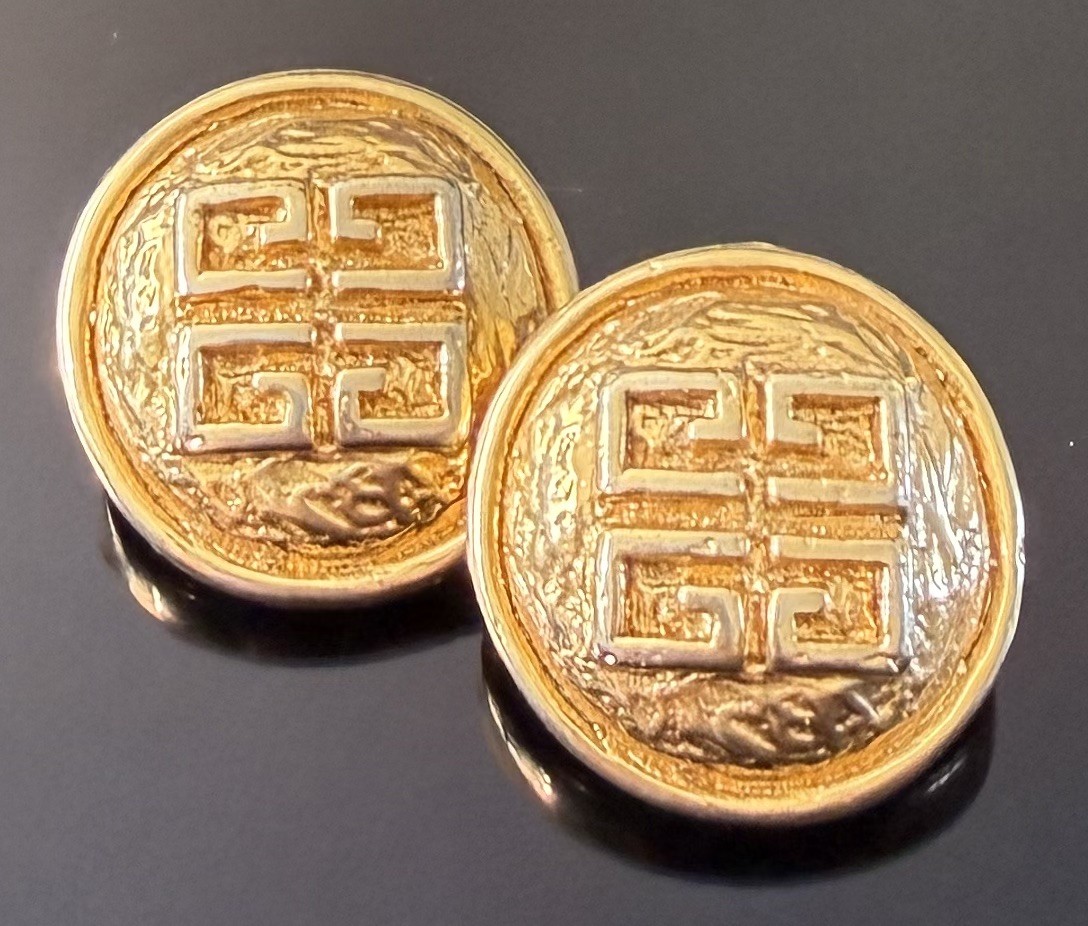
Vintage Signed Givenchy Logo Clip On Earrings Gold 4G Rare Runway Parfums
A piece like this is the fastest way to add a little history to anything you own. This honestly worn piece in gold is the kind of piece that tells a story before you have said a word. Some things you wear until they wear you out; this one wears you in.
On the market now
The names
Meet the designers
The minds behind this story — each with a piece currently on the market.
Chanel
France · 1910s
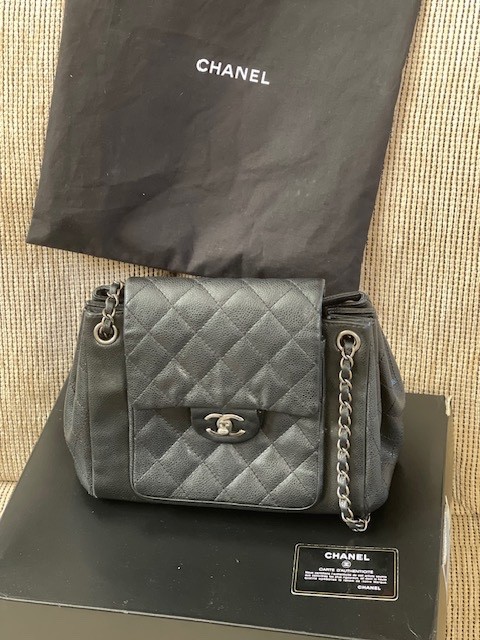
The little black dress & the 2.55
The little black dress & the 2.55
Top piece
View →
Dior
France · 1940s
The New Look & the Lady Dior
The New Look & the Lady Dior
Top piece
View →
Dries Van Noten
Belgium · 1980s
Eclectic prints & color
Eclectic prints & color
Top piece
View →
Levi's
USA · 1850s
The 501 & Americana denim
The 501 & Americana denim
Top piece
View →
Continue the edit
Further stories from the same world
Three more walks through the same vintage universe.
Vintage Jewelry: The Art of Wearing History
Forget the glass case. The best vintage jewelry is meant to be worn, not admired from afar. Here's how to style it, spot a gem, and know its stories.
Read the story →Why Vintage Jewelry Matters Now: A Wearer's Guide
Forget the market. This is about finding a piece with a past and making it yours, from the right era to the perfect clasp.
Read the story →Why Vintage Jewelry Matters Now
Forget the vault. Vintage jewelry belongs on your body, mixed with denim and tailored wool, where its scratches and history can catch the light. Here is how to wear it well, what to look for, and why a $111.27 brooch can outshine anything new.
Read the story →