
 Sign in
✦ Culture · Paris
Why Vintage Jewelry Matters Now
Forget the vault. Vintage jewelry belongs on your body, mixed with denim and tailored wool, where its scratches and history can catch the light. Here is how to wear it well, what to look for, and why a $111.27 brooch can outshine anything new.
 By Louis Trash·
The Case for Wearing, Not Storing
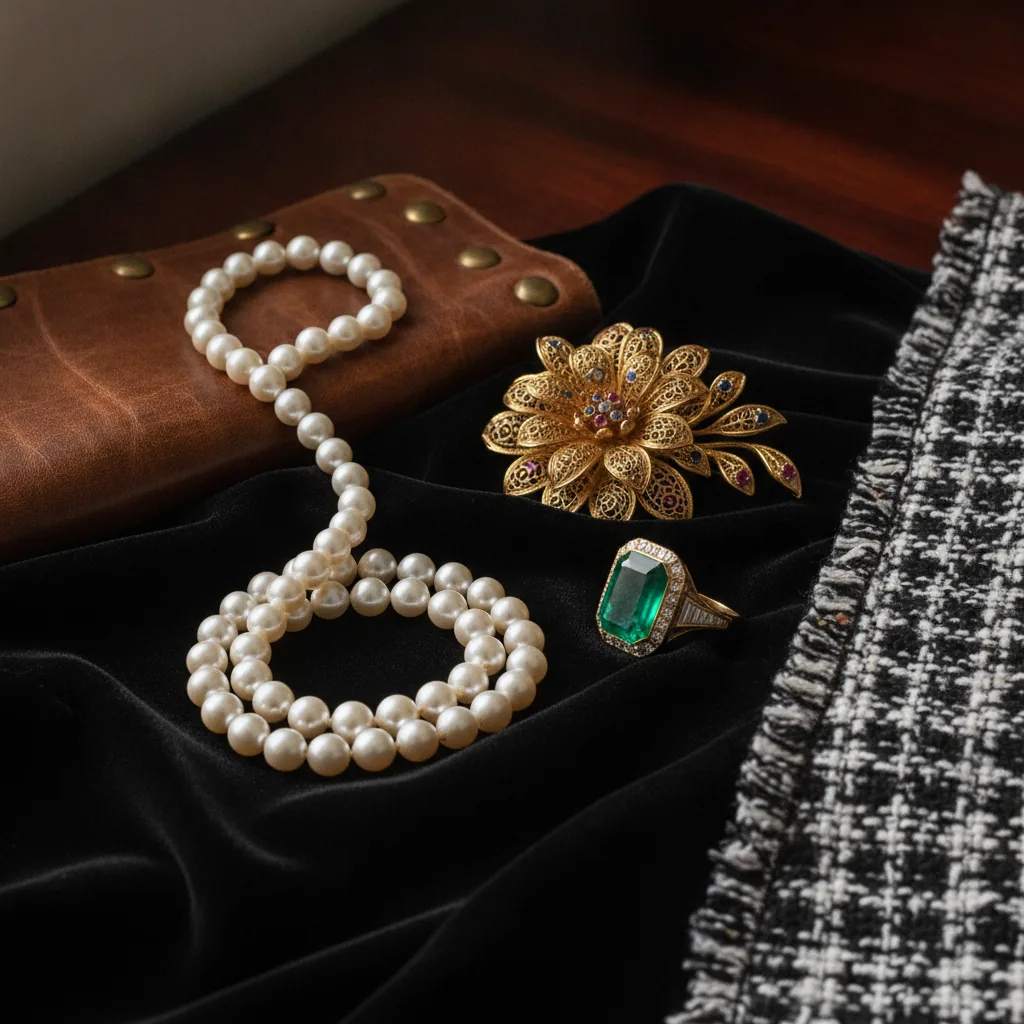
A 1940s Trifari brooch pinned to a denim jacket. A 1970s Monet chain doubled around a bare ankle. A Victorian mourning locket hanging from a modern gold hoop. Vintage jewelry is a wardrobe workhorse, not an investment to lock away. Right now the pieces in circulation, mostly mixed labels at around $111.27, are begging to be worn. The joy is in the mix: high and low, old and new, precious and paste. You do not need a safety deposit box. You need a mirror and a little nerve.
How to Style It Without Looking Like a Costume
The trick is to treat vintage jewelry as punctuation, not the whole sentence. Start with a modern outfit you already love: straight-leg jeans and a white tee, a slouchy cashmere sweater, a tailored blazer. Then add one piece that feels slightly off. A rhinestone collar necklace over a plain crewneck. A thick 1980s gold chain with a silk slip dress. A bakelite bangle stack on a wrist that also wears a digital watch. Proportions matter. If the jewelry is chunky, keep the clothing lean. If the jewelry is delicate, go ahead and layer it against something oversized.
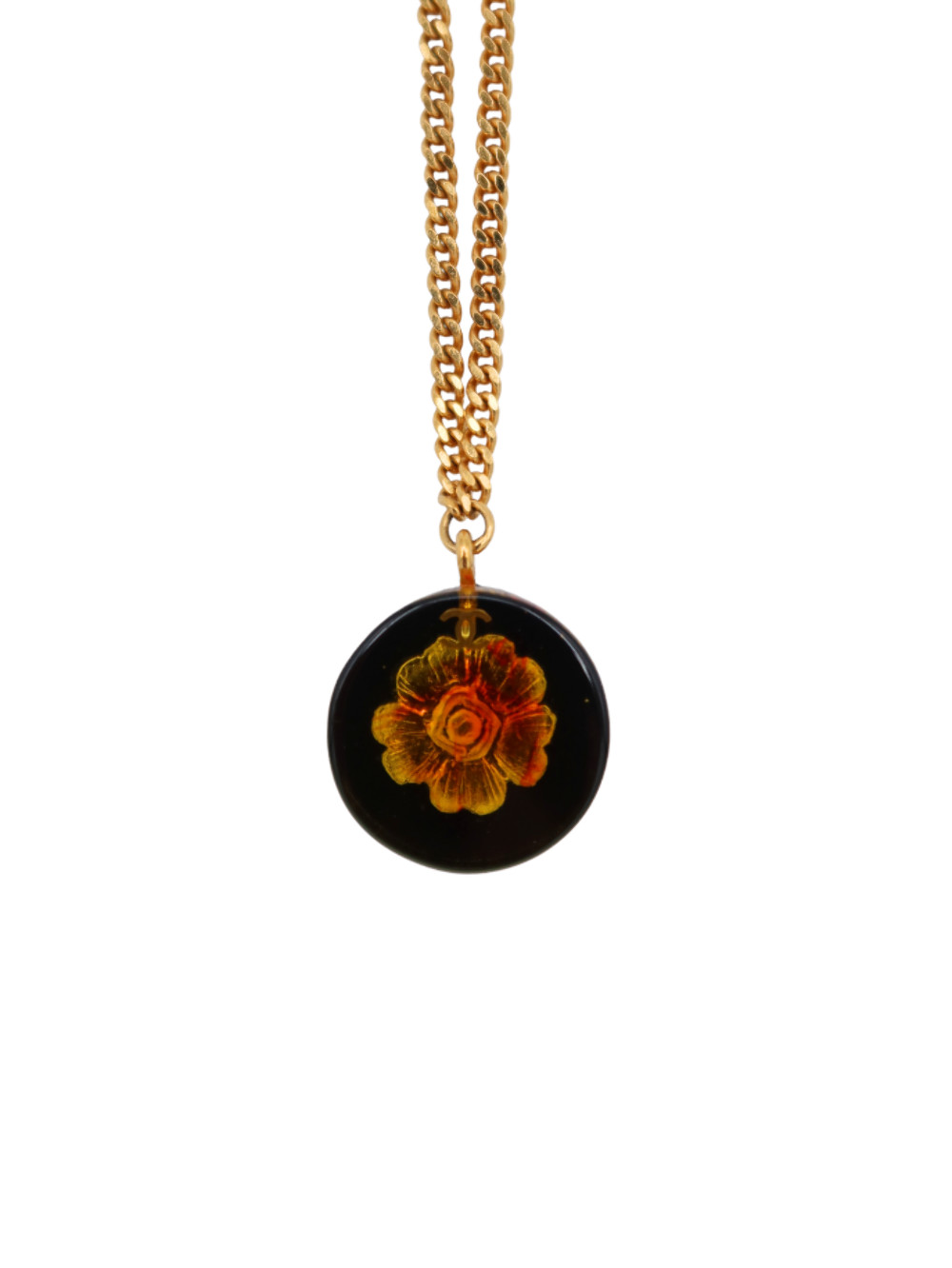
Mixing eras works when you repeat a material or a color. A 1950s pearl choker with a 1990s pearl stud looks seamless. A 1960s enamel flower brooch with a 1940s sterling pin looks intentional if both have a similar patina. Avoid matching sets. The goal is a happy accident, not a display case.
For evening, swap the modern diamond studs for a pair of 1920s rhinestone drops. They catch candlelight better than anything new. For day, try a single long 1970s chain with a small charm, tucked under a shirt collar so only the charm shows. That flash of gold at the throat is quietly luxurious.
What to Look For: Era Tells and Quality Clues
Vintage jewelry spans centuries, but the sweet spot for wearable pieces is 1920 to 1990. Each era has tells. Art Deco pieces from the 1920s use geometric shapes, platinum or white gold, and calibré-cut stones. Look for crisp lines and a cold, bright sparkle. 1930s costume jewelry often features pot metal with rhinestones, but the good stuff is signed Trifari or Coro. 1940s pieces are often sterling silver with vermeil, and they feel heavier than they look. 1950s rhinestones are set in gold-tone metal, and the best makers, Eisenberg, Kramer, Weiss, used prong settings that mimic fine jewelry.
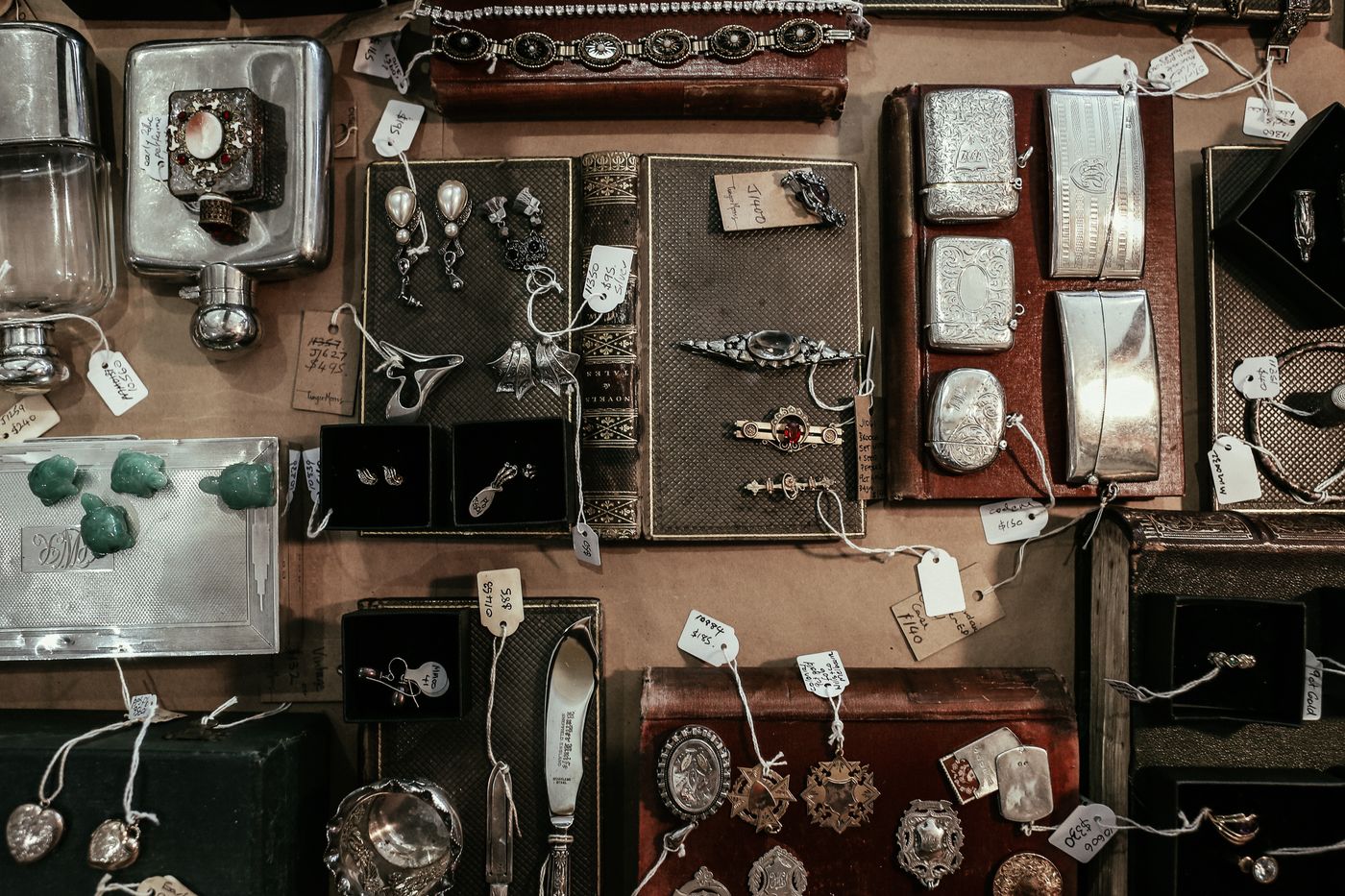
Foto: Rachel Claire · Pexels
The 1960s brought plastic and resin. Bakelite bangles should have a dull thud when tapped, not a hollow click. 1970s gold-tone chains are often unmarked, but check the weight. A solid feel means a better alloy. 1980s pieces are bold and brassy, with enamel and faux pearls. Chanel and Yves Saint Laurent made costume jewelry that now sells for hundreds, but you can find similar looks from less famous names for far less.
Quality tells are universal. Look for even plating, no flaking. Check that stones are secure. A wobbly rhinestone will fall out. Clasps should open smoothly. On brooches, the pin stem should be straight and the hinge tight. On necklaces, the chain should not kink. Patina on sterling is fine. Green corrosion on base metal is not. If a piece is signed, research the mark. Some signatures, like Coro, changed over time, and a rare mark can date a piece precisely.
A Little History, Worn Well
In 1938, Coco Chanel designed a collection of costume jewelry that mixed faux pearls with real gemstones. It was a scandal and a triumph. Women could wear a fistful of pearls to dinner and not worry about the insurance. That spirit defines the best vintage jewelry: it is democratic, playful, and unafraid.
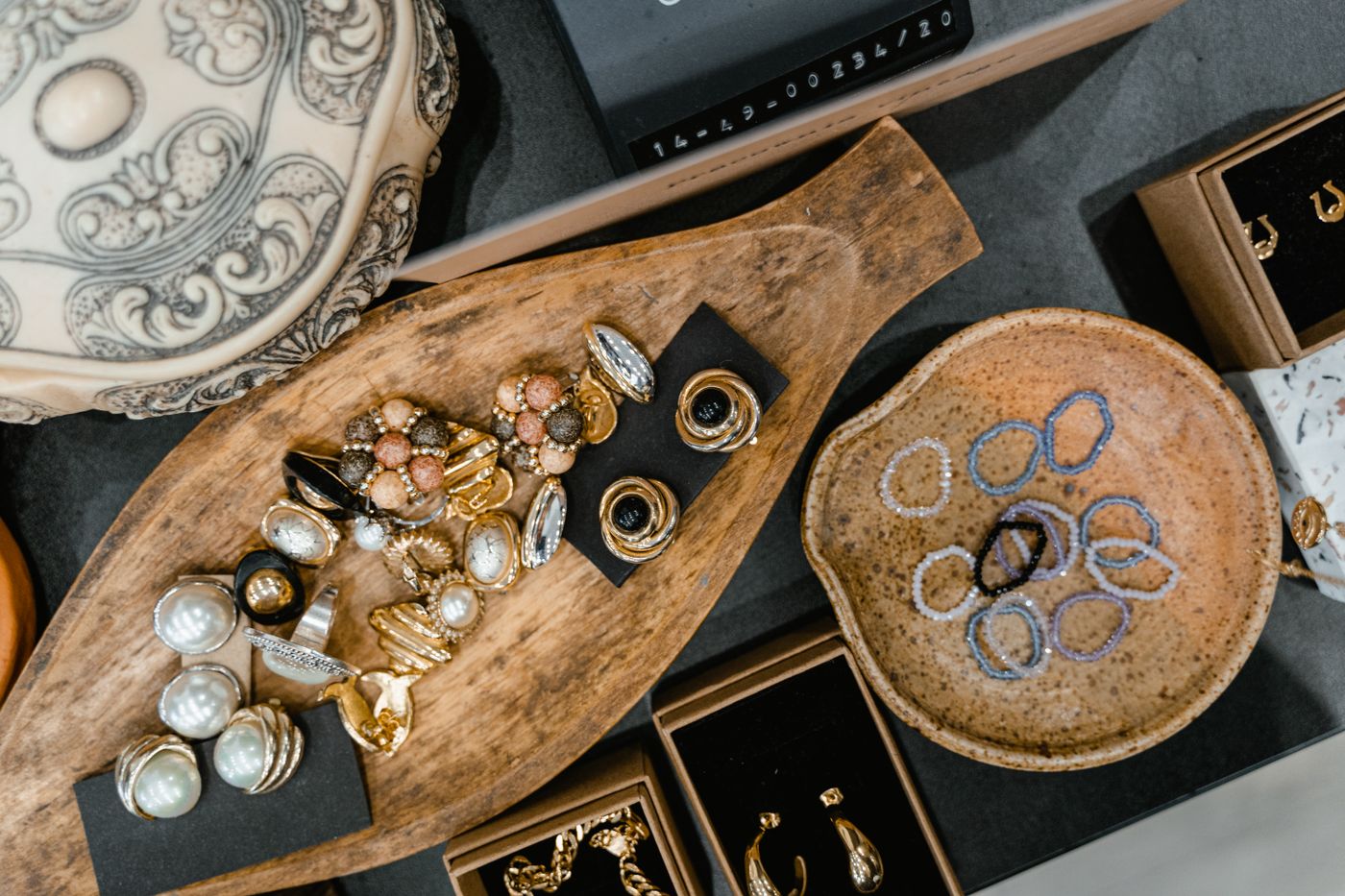
Foto: MART PRODUCTION · Pexels
During World War II, metals were rationed. American jewelers turned to sterling silver and created bold, patriotic designs. Trifari made brooches shaped like airplanes and flags. After the war, Christian Dior's New Look demanded jewels that sparkled. His 1947 collection included necklaces of rhinestones and glass pearls that sat on the collarbone. The look was copied everywhere, and those pieces are still easy to wear.
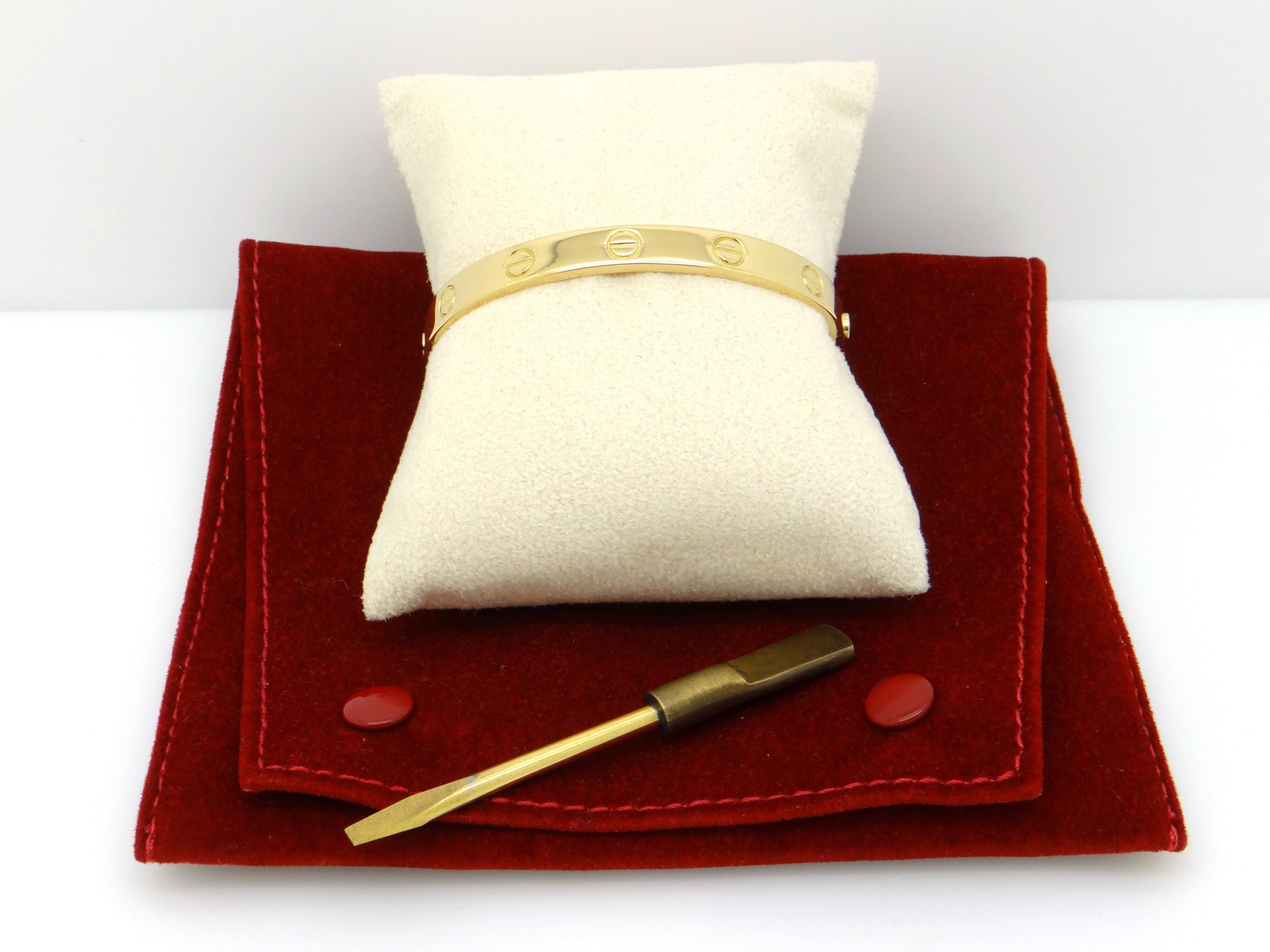
The 1960s brought Pop art. Kenneth Jay Lane made plastic earrings that Jackie Kennedy wore. In 1969, Cartier created the Love bracelet, a screw-on bangle that became a staple of 1970s style. By the 1980s, costume jewelry was maximalist. Princess Diana wore a choker of pearls and sapphires, and every woman wanted one. The pieces from that decade are heavy, shiny, and confident. They work now because they stand up to modern minimalism.
The One Thing to Check Before You Buy
Condition is everything. A broken clasp or a missing stone can be fixed, but it costs. For a $111.27 piece, repairs should be minimal. If the plating is worn through to the base metal, walk away. If the piece is signed and rare, a little damage might be worth it, but only if you love it enough to hunt down a replacement stone. Otherwise, wait for a better example. There is plenty out there.
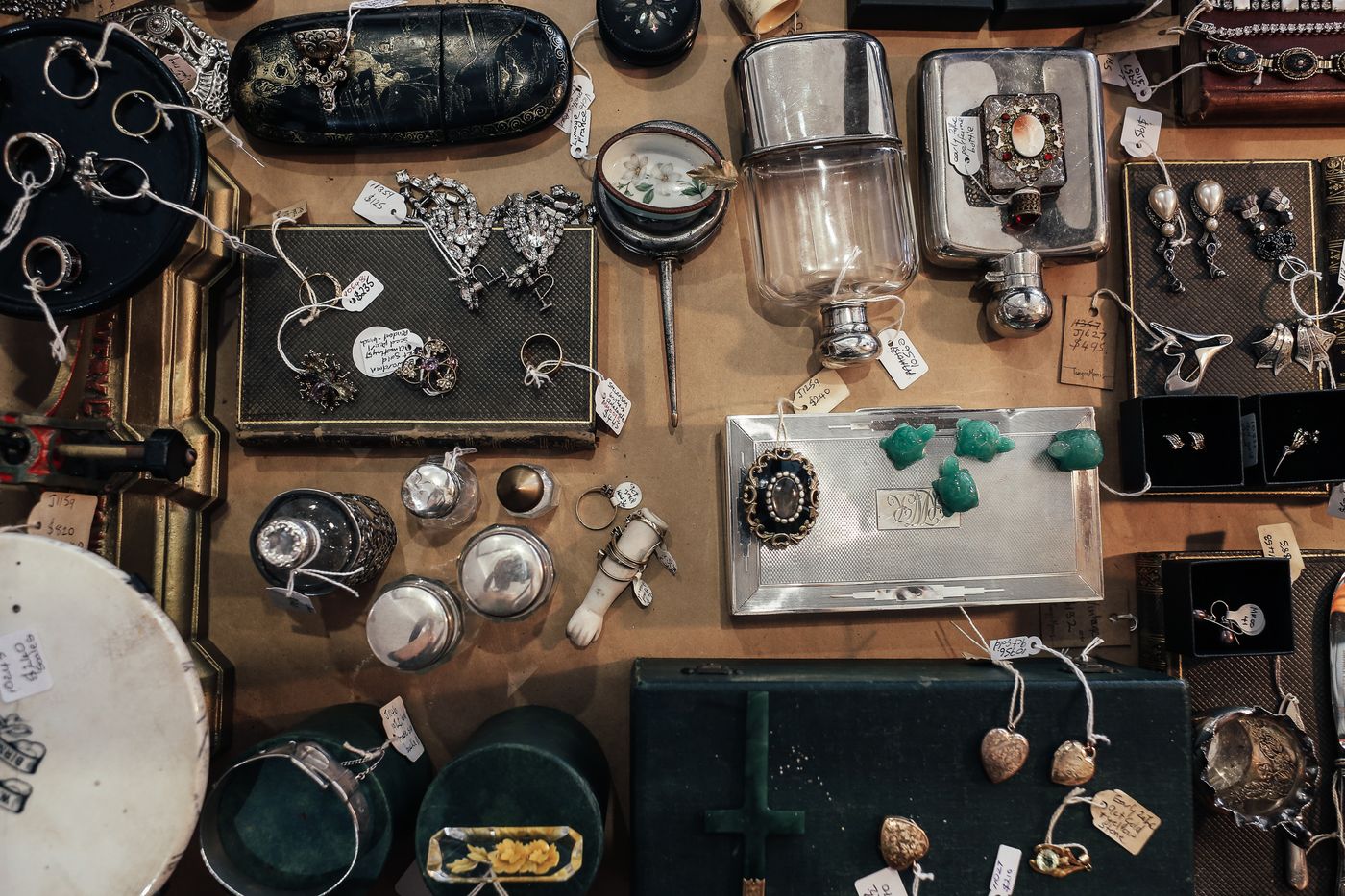
Foto: Rachel Claire · Pexels
A Closing Thought
Vintage jewelry is precious because it has been worn. The scratches on a 1940s brooch are from someone else's coat. The tarnish on a 1970s chain is from someone else's skin. When you put it on, you add your own history. That is the point. Wear it to the grocery store. Wear it to a wedding. Wear it until it feels like yours. The best pieces are the ones that look better on a real person than in a display case.


City
Paris
Category
vintage jewelry
Published
28 October 2026
Where to find it
Shop the signals
What the market is offering right now on this exact subject.
sieraden
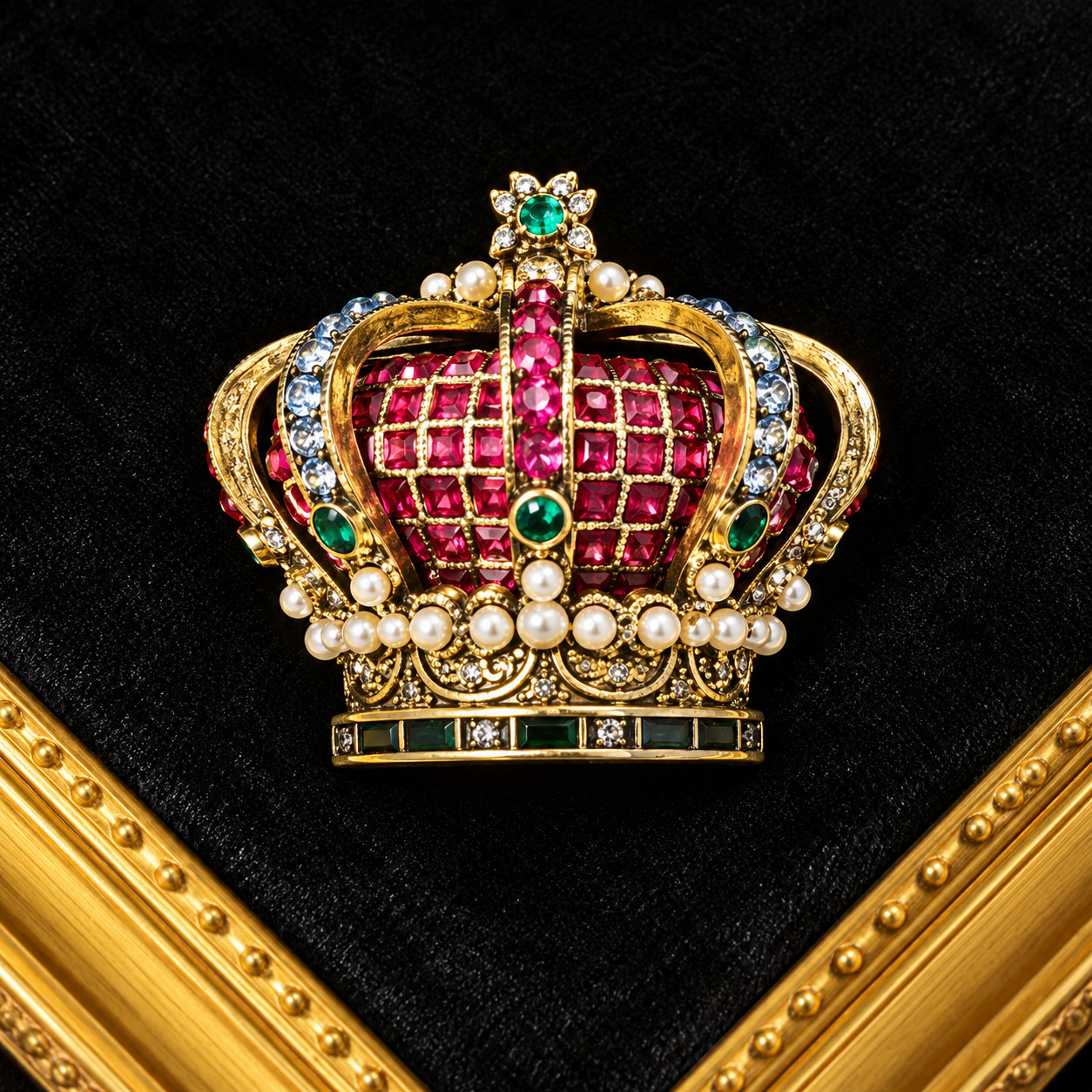
Vintage Crystal Crown Brooch Pin Colorful Rhinestone Royal Jewelry Elegant Gift
sieraden
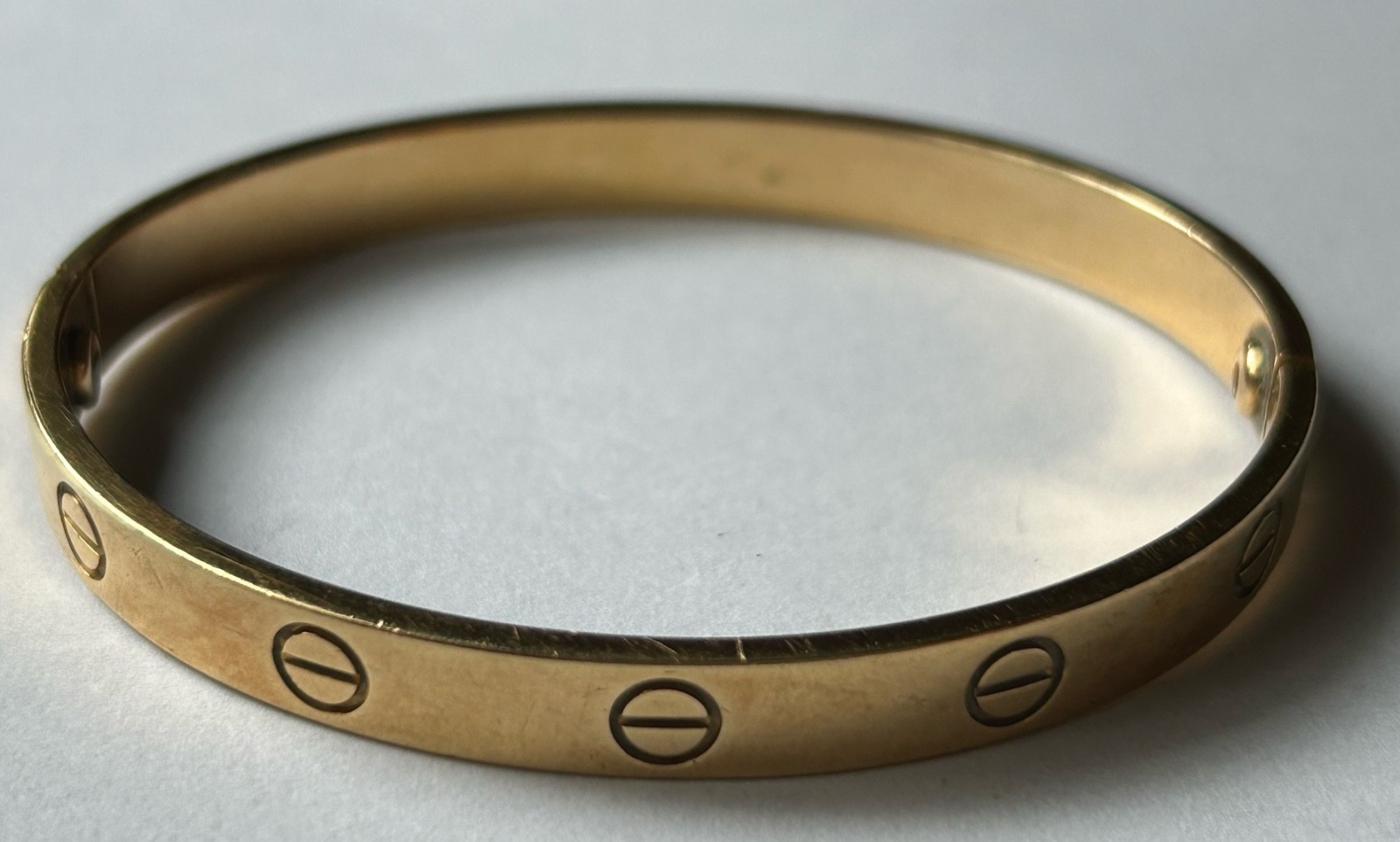
Cartier Love Bracelet 18K Yellow Gold Vintage Old Screw System Size 17 Box Paper
sieraden
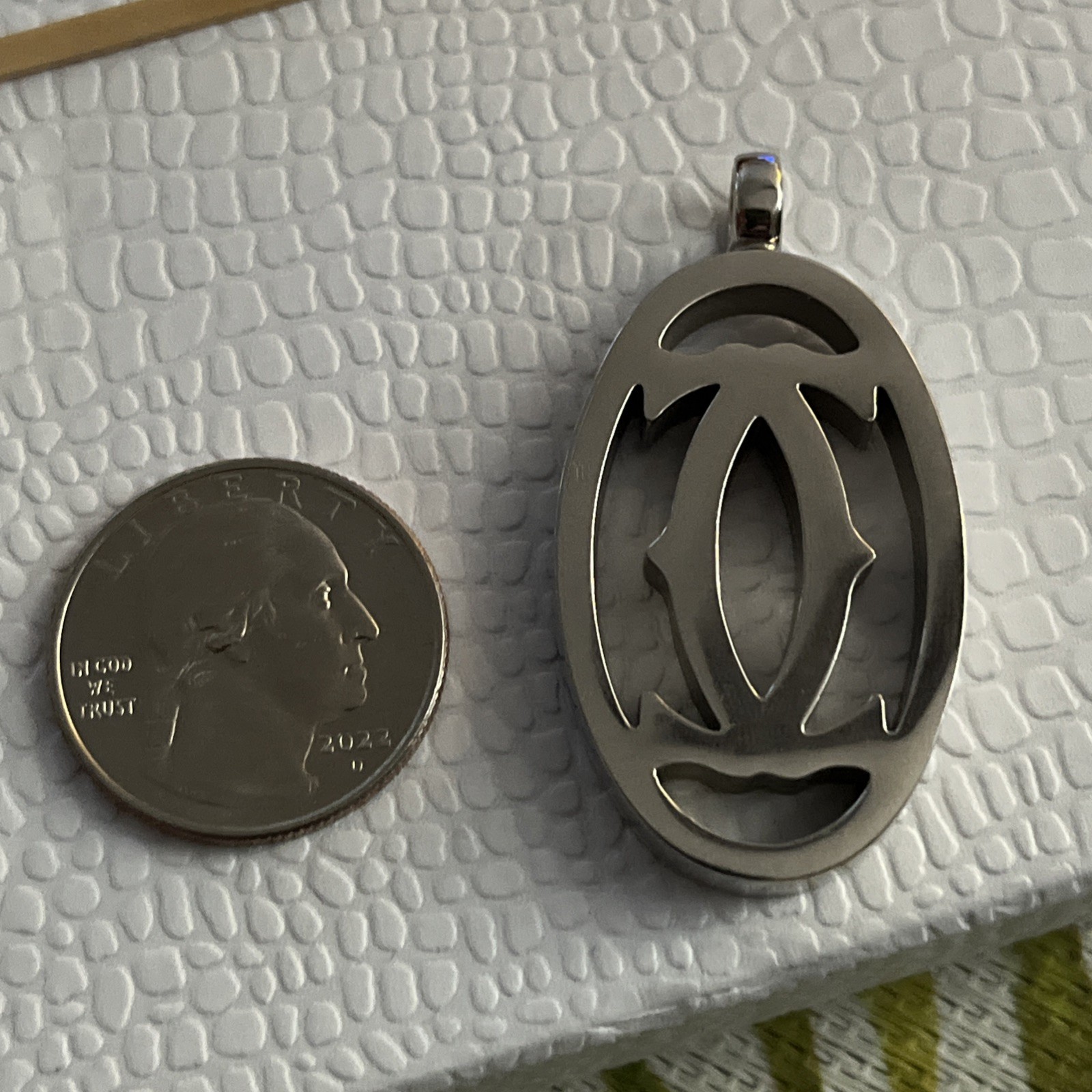
Cartier Vintage Rhodium-Plated Pendant Necklace Charm Oval 100% Authentic +chain
sieraden
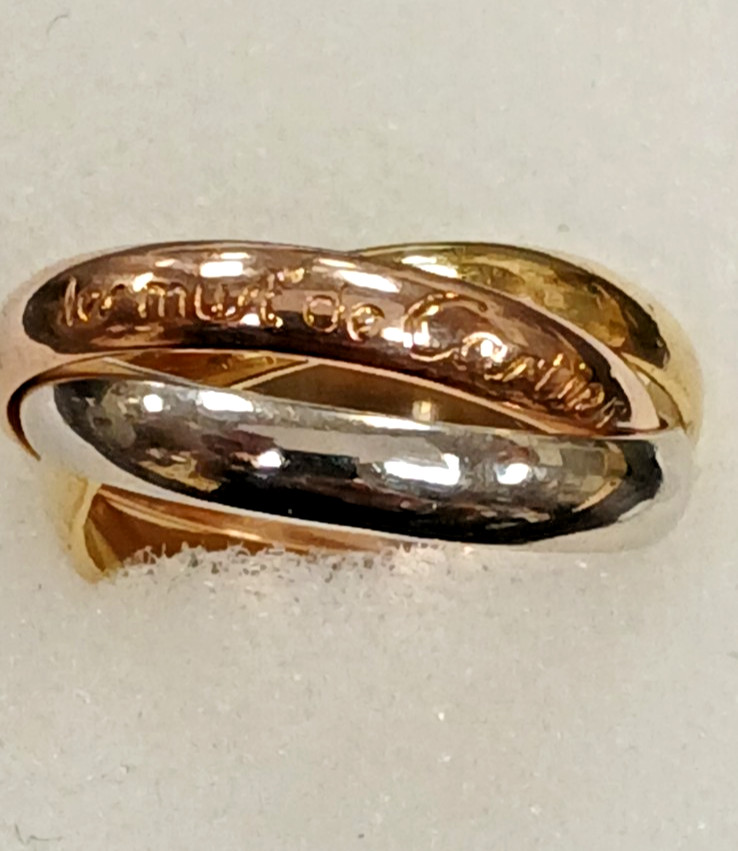
Vintage Cartier Trinity Ring 18K Tri-Color Gold 3.4mm MM Classic Size 54 8.5g
sieraden
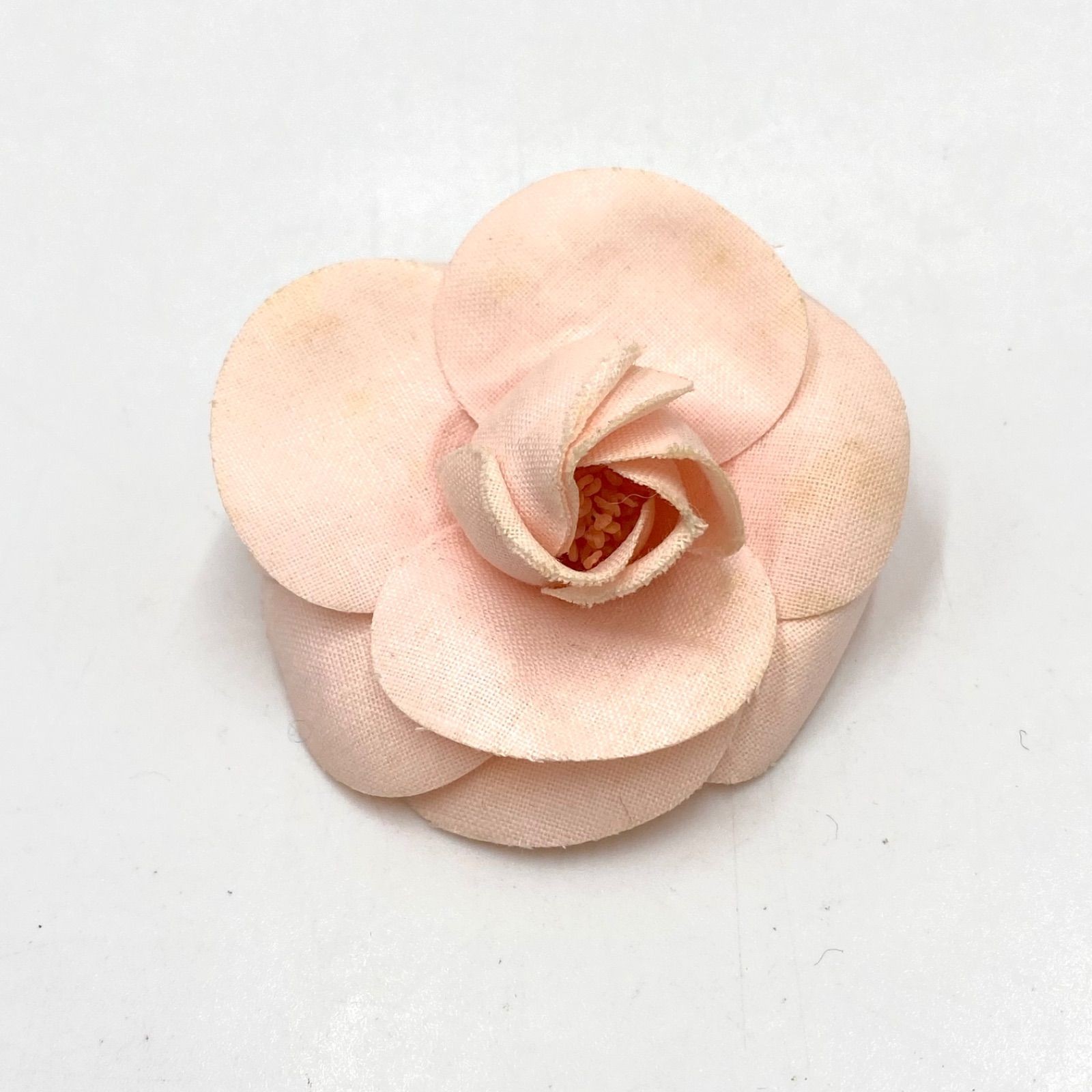
CHANEL Camellia Flower Brooch Corsage Pink Vintage Accessory
sieraden
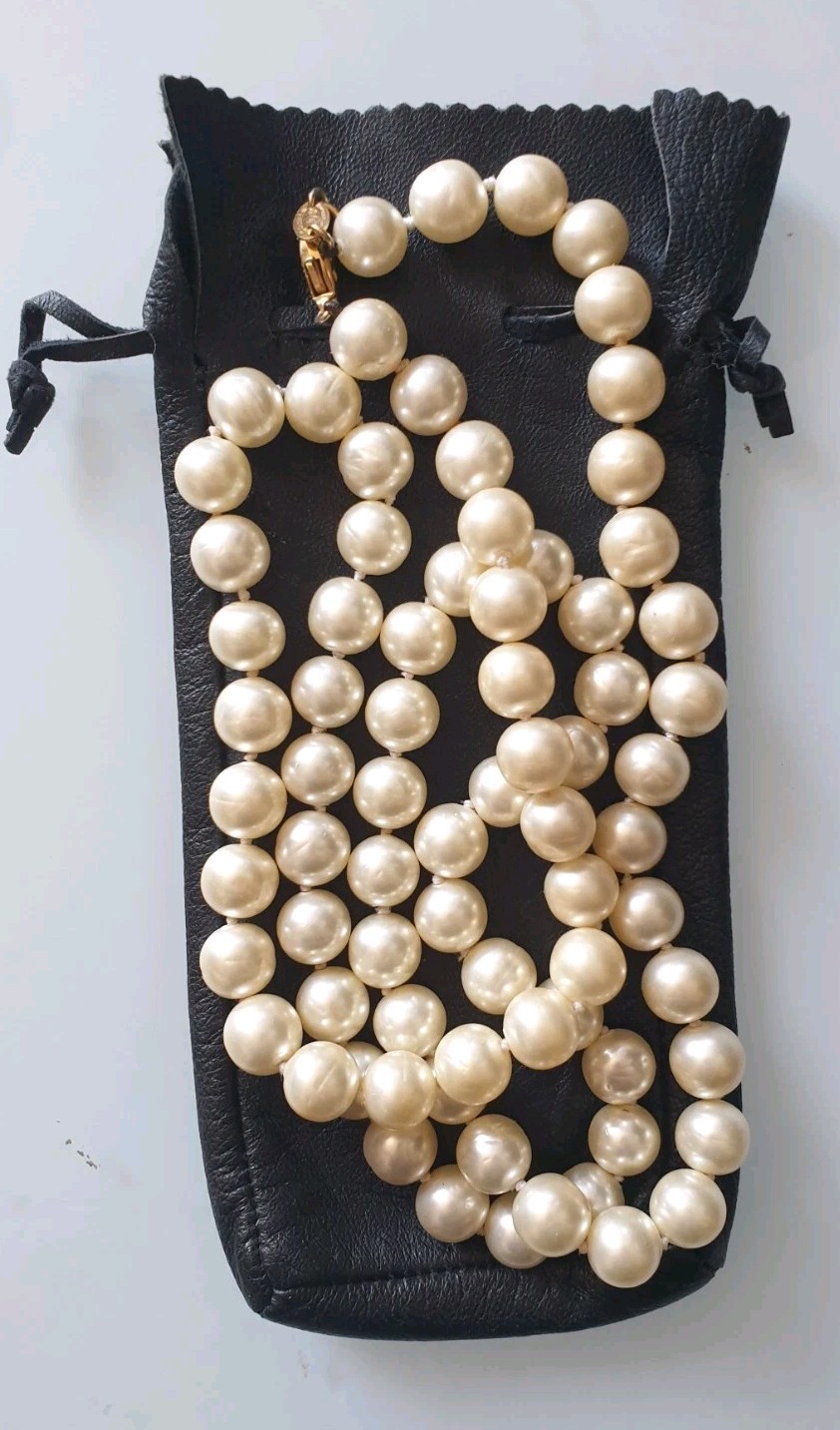
Vintage CHANEL Pearl Necklace Victoire de Castellane
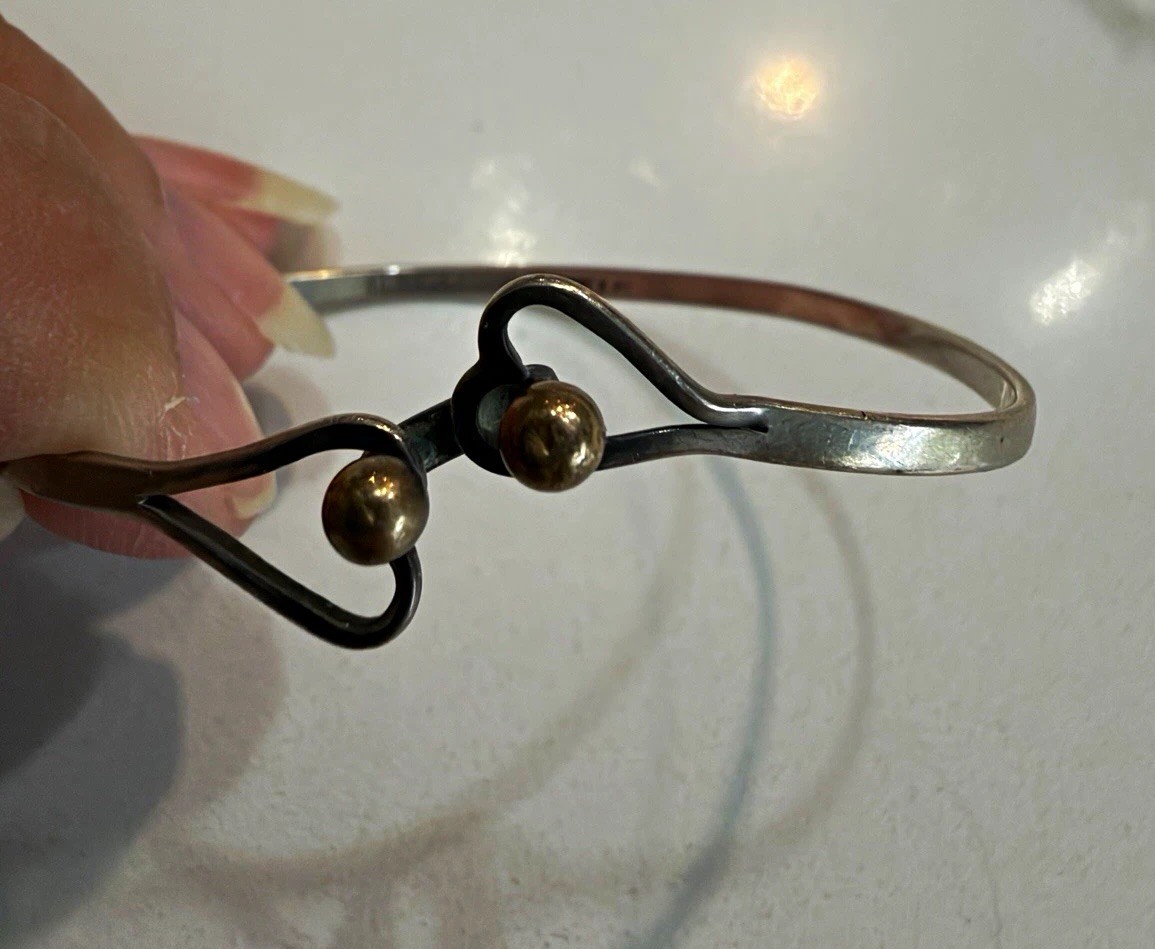
sieraden
Vintage Tiffany & Co Sterling Silver 14K Gold Hook Eye Bracelet 6.5”
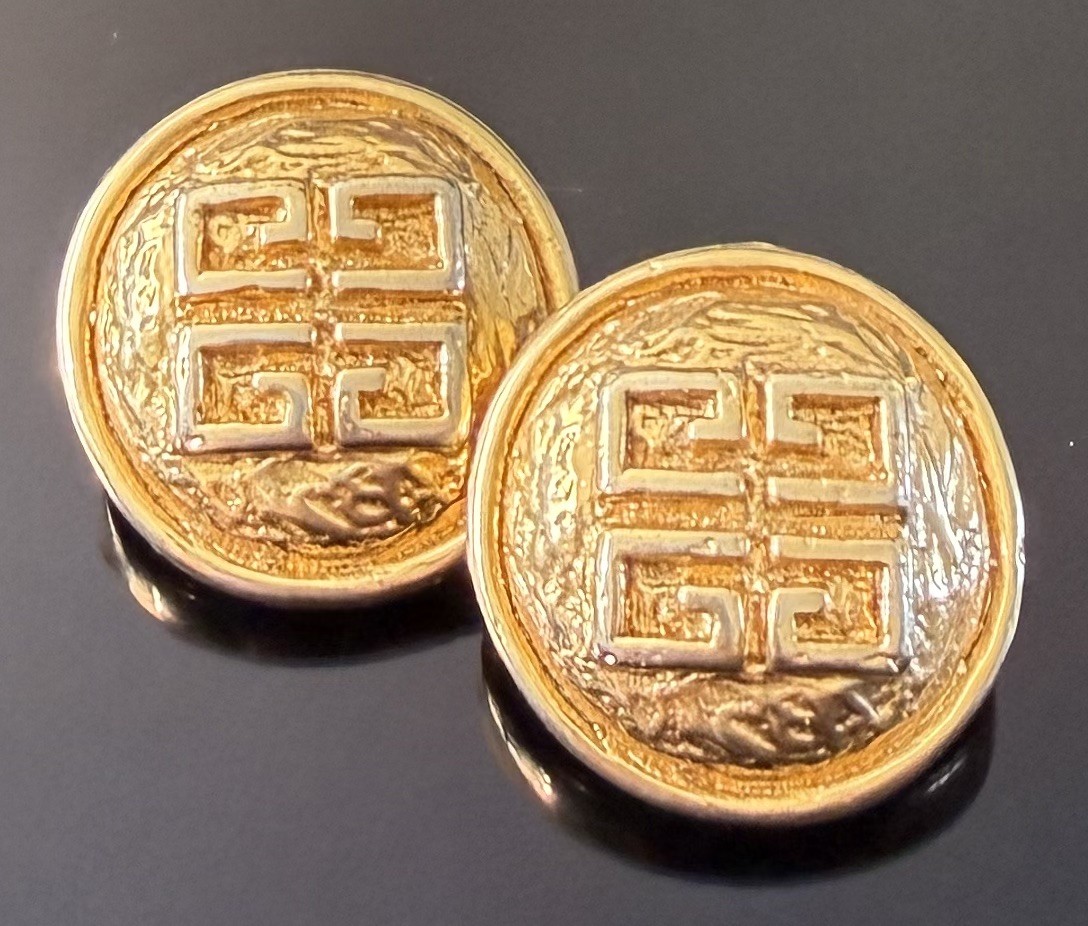
sieraden
Vintage Signed Givenchy Logo Clip On Earrings Gold 4G Rare Runway Parfums
The names
Meet the designers
The minds behind this story — each with a piece currently on the market.
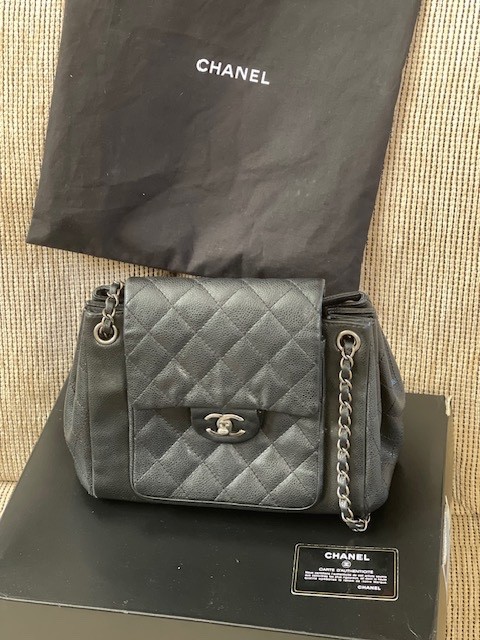
Chanel
France · 1910s
The little black dress & the 2.55
The little black dress & the 2.55
Top piece
View →
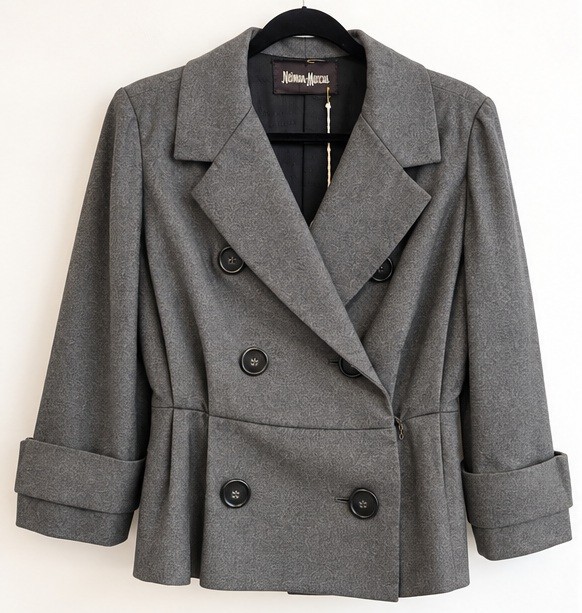
Dior
France · 1940s
The New Look & the Lady Dior
The New Look & the Lady Dior
Top piece
View →
Levi's
USA · 1850s
The 501 & Americana denim
The 501 & Americana denim
Top piece
View →
Calvin Klein
USA · 1960s
Minimalism & the 90s slip
Minimalism & the 90s slip
Top piece
View →
Continue the edit
Further stories from the same world
Three more walks through the same vintage universe.
Vintage Jewelry: The Art of Wearing History
Forget the glass case. The best vintage jewelry is meant to be worn, not admired from afar. Here's how to style it, spot a gem, and know its stories.
Read the story →Why Vintage Jewelry Matters Now: A Wearer's Guide
Forget the market. This is about finding a piece with a past and making it yours, from the right era to the perfect clasp.
Read the story →Why Vintage Jewelry Matters Now: Wear the Past, Style It Forward
Forget the market. Here's how to find, wear, and love vintage jewelry that fits your life and your wardrobe, from Art Deco diamonds to bold 1980s gilt.
Read the story →