
 Sign in
✦ Culture · Tokyo
Why Chunky Gold Works in Tokyo
When you buy a vintage ring in a Tokyo resale shop, you get a paper tag with the metal type, the stone, the period, and often the exact maker.
 By Louis Trash·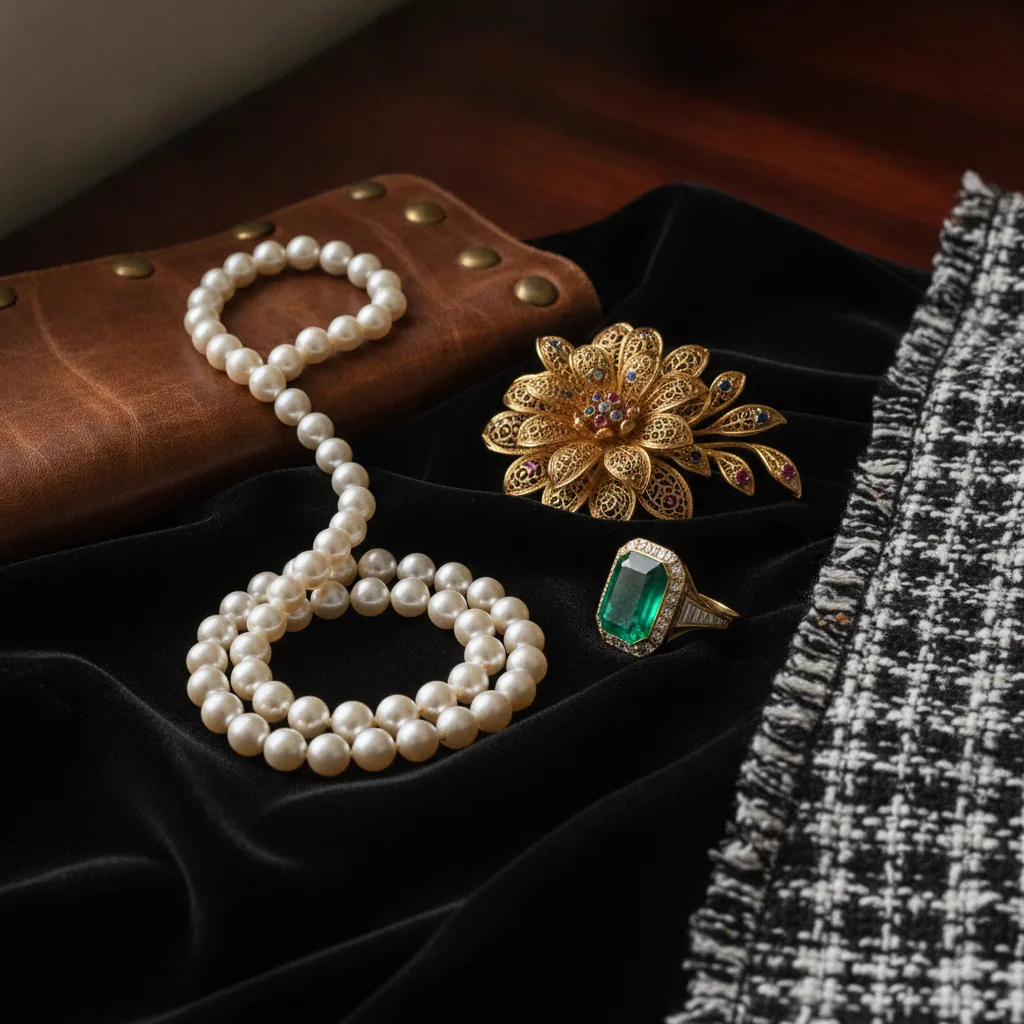
Why Jewellery Matters Now
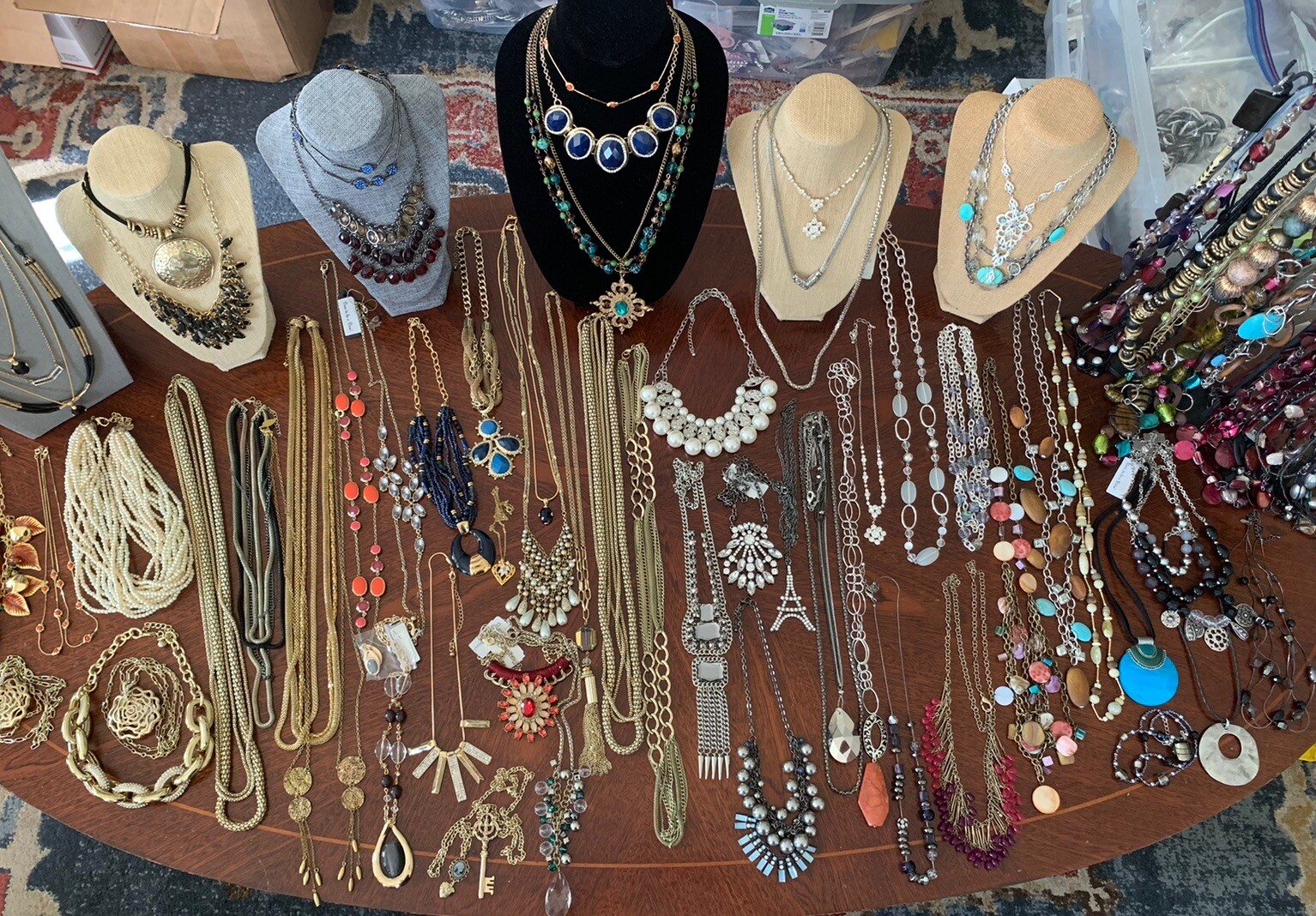
Chunky gold chains and Victorian cameos are having the same moment for the same reason: both look handmade. In Tokyo the dealers grade and price by provenance, so you know exactly what you are buying. A 1970s curb link catches light in a way that a mass-produced chain never will, because it was cast in a mould that has since worn down, polished by hand, and carried the weight of its own history. A cameo carved from a single shell or stone has a subtle translucency, a depth that resin simply cannot fake.
When you buy a vintage ring in a Tokyo resale shop, you get a paper tag with the metal type, the stone, the period, and often the exact maker. The staff handle each piece with cotton gloves, and the display cases are wiped down twice a day. This is not a dusty thrift bin. It is a curated archive.
How to Wear It
One heavy piece beats three delicate ones. Let a single chain sit against bare skin. A thick gold chain over a simple white tee, with the collar unbuttoned just enough to let the metal rest on your collarbone, makes the whole outfit look intentional. If you are layering, keep it to two pieces max, and let the heavier one dominate.
Pin a cameo or brooch to a blazer lapel, slightly higher than feels natural. About two inches below the shoulder seam, right where the lapel folds, is the spot. That placement draws the eye up to your face and keeps the brooch from getting lost in the fabric. A cameo on a dark wool blazer is a quiet statement. On a knit, it adds texture.
Mix metals deliberately. Gold with silver reads collected, not confused. A gold chain with a silver watch and a platinum wedding band works because the pieces clearly come from different eras. The trick is to keep the styles cohesive: all vintage, all with a similar patina. If one piece is shiny and new, it will fight the others.
Where to Find Yours in Tokyo
- RAGTAG Harajuku (6-14-2 Jingumae, Shibuya) — authenticated designer resale over several floors, from around 20 euros. The jewellery counter is on the second floor, and they have a strong selection of 1980s and 1990s Italian gold chains, often stamped with maker's marks you can look up. Ask to see the tray under the counter. That is where the good stuff is kept.
- Kindal Harajuku (4-26-27 Jingumae, Shibuya) — stock turns weekly, come back often, from around 45 euros. They rotate their display frequently, and the staff are happy to bring out pieces that have not hit the floor yet. I once found a Victorian shell cameo brooch there for 50 euros, with a carved border that would cost triple in London.
- Chicago Jingumae (6-31-21 Jingumae, Shibuya) — the basement is where it gets interesting, from around 60 euros. This is a sprawling shop with a labyrinthine basement full of vintage cases. You have to dig, but the rewards are real. I found a 1930s gold and onyx dress clip there, a piece that was made for a hat but works beautifully on a lapel.
- Pass The Baton Omotesando (5-13-13 Jingumae, Shibuya) — consignment with the previous owner's story attached, from around 90 euros. Each piece comes with a handwritten note about its provenance, sometimes just a name and a year, sometimes a full story. It adds a layer of connection that you do not get elsewhere.
Midweek mornings are when the new stock is out and the sellers aren't rushed. Tuesday and Wednesday are the best days, because that is when most consignment shops process new arrivals. Bring your reading glasses. The hallmarks are tiny.
What to Look For
Look for hallmarks inside the band or on the clasp. A stamped 9ct, 14k or 925 is your proof. In Japan, you will also see 750 (18k) and 585 (14k) stamps. If you see a stamp that says 'GP' or 'GF', that is gold-plated or gold-filled, not solid gold. It is not worthless, but it is worth a fraction of the price. A solid gold chain of 20 inches should weigh at least 30 grams. If it is lighter, it is hollow, and hollow chains break.
Cameos should be carved shell or stone, which feels cool and slightly translucent at the edges. Moulded resin does not. Run your finger over the surface. A real cameo has carved relief, with the background cut away. Resin has a uniform sheen and no depth. Also, check the back. A real shell cameo has a rough, natural back, often with a slight ridge. Resin is smooth.
Test a clasp before buying. A worn spring ring is a cheap fix, but a broken hinge on an old brooch rarely is. For a spring ring, pull it open and let it snap shut. It should close with a firm click. For a brooch, open the pin and check the hinge for wobble. A little wiggle is fine, but if the pin does not stay in the catch, walk away. Replacing a hinge on a 100-year-old piece is a jeweller's job, and it might cost more than the brooch.
The final test is always the same: try it on, move in it, then trust your first instinct. A piece of vintage jewellery that only works standing still is not going to survive your actual life. A chain that catches on your collar, a brooch that digs into your shoulder, a ring that slips off when you wash your hands. These are not problems you want to discover after you have paid. Take your time. The right piece will feel like it has been waiting for you.
City
Tokyo
Category
vintage jewelry
Published
8 August 2026
Where to find it
Shop the signals
What the market is offering right now on this exact subject.
sieraden
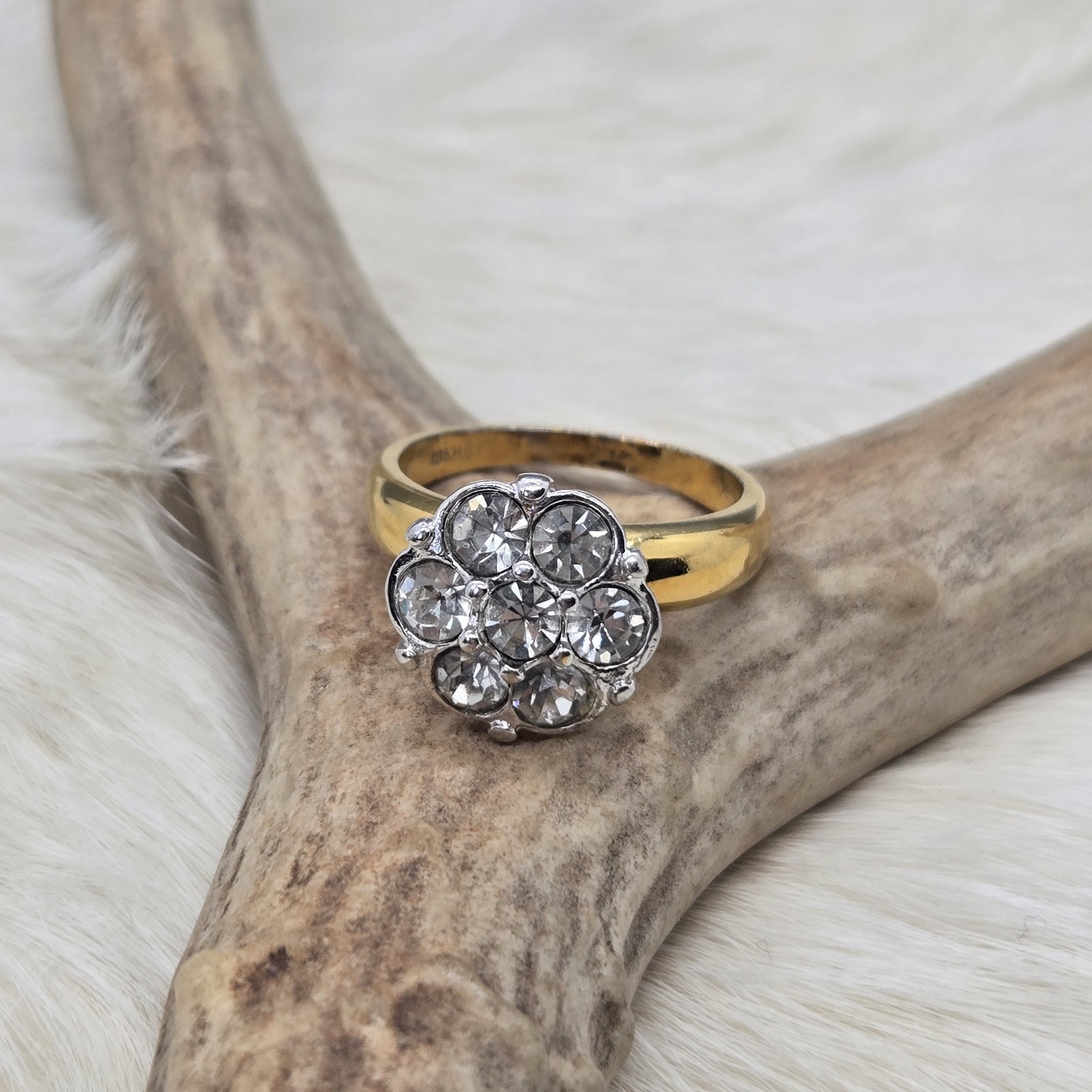
Vtg Edwardian style 18k HGE Round Stones Goldtone Cluster sz 8.75 Cocktail Ring
sieraden
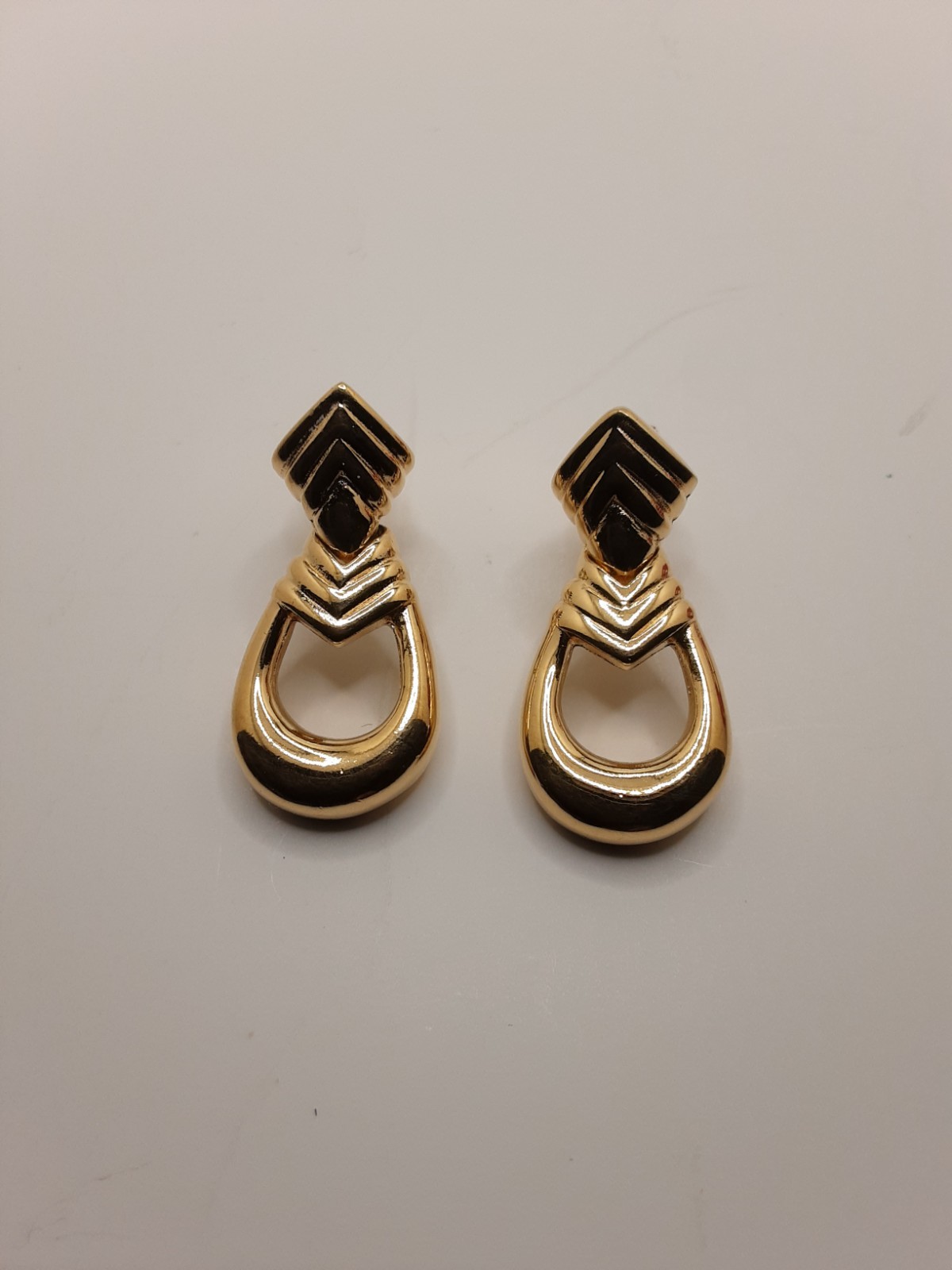
Vintage Givenchy Door Knocker Gold Tone Clip-On Earrings
sieraden
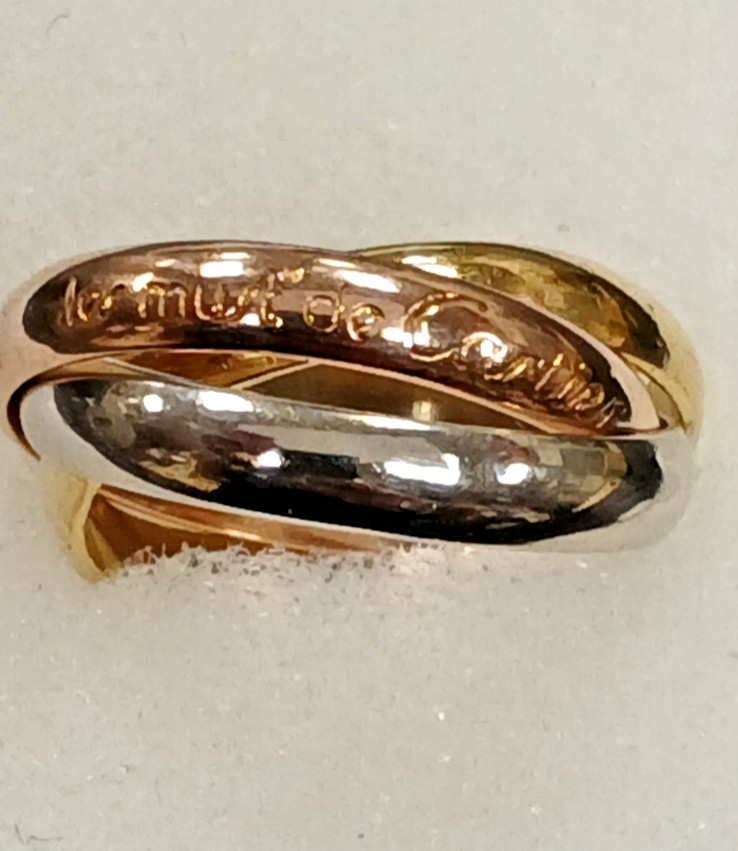
Vintage Cartier Trinity Ring 18K Tri-Color Gold 3.4mm MM Classic Size 54 8.5g
sieraden
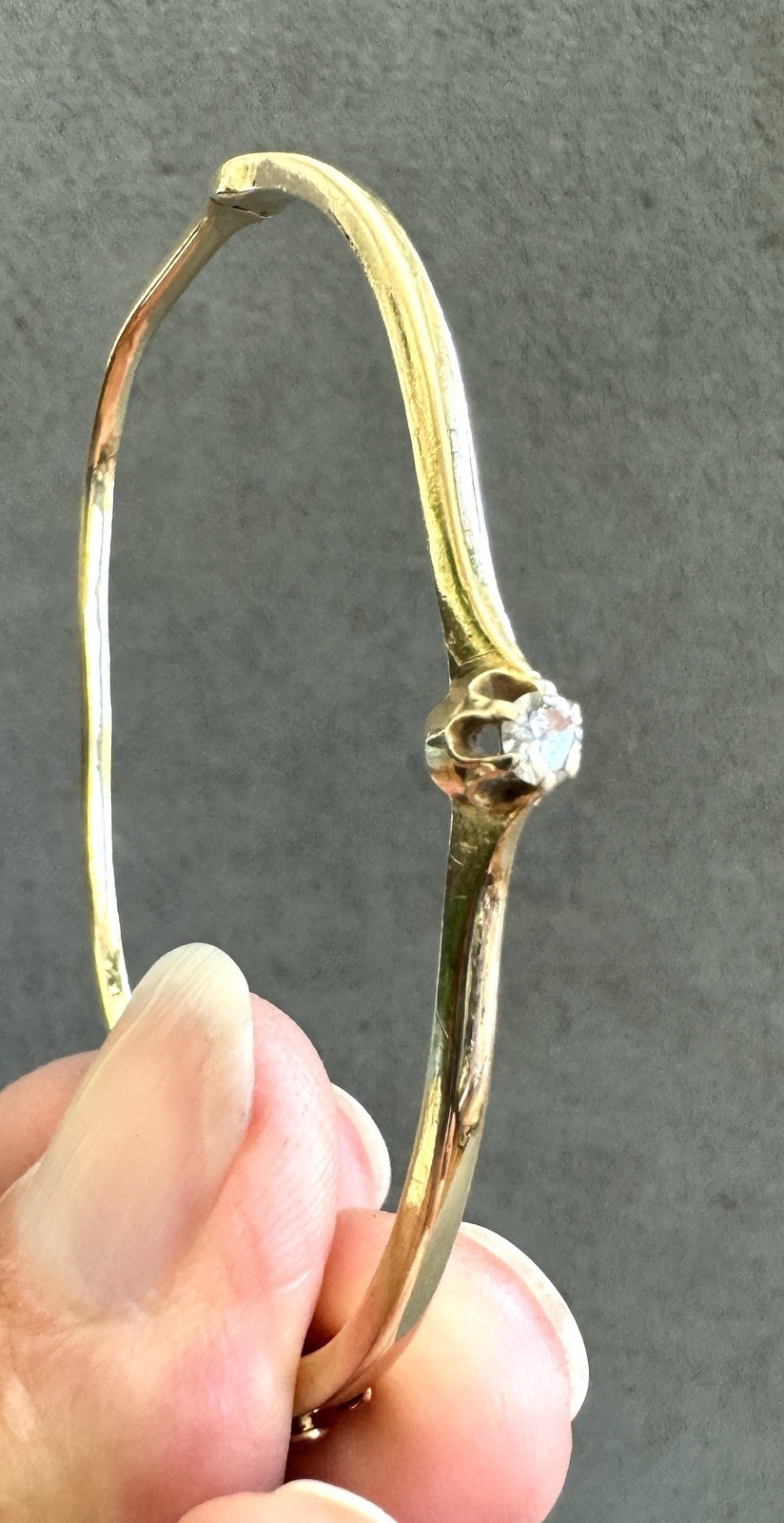
Vintage 14K GOLD + Big DIAMOND Solitaire BANGLE BRACELET Hinged 6.5" Inside
sieraden
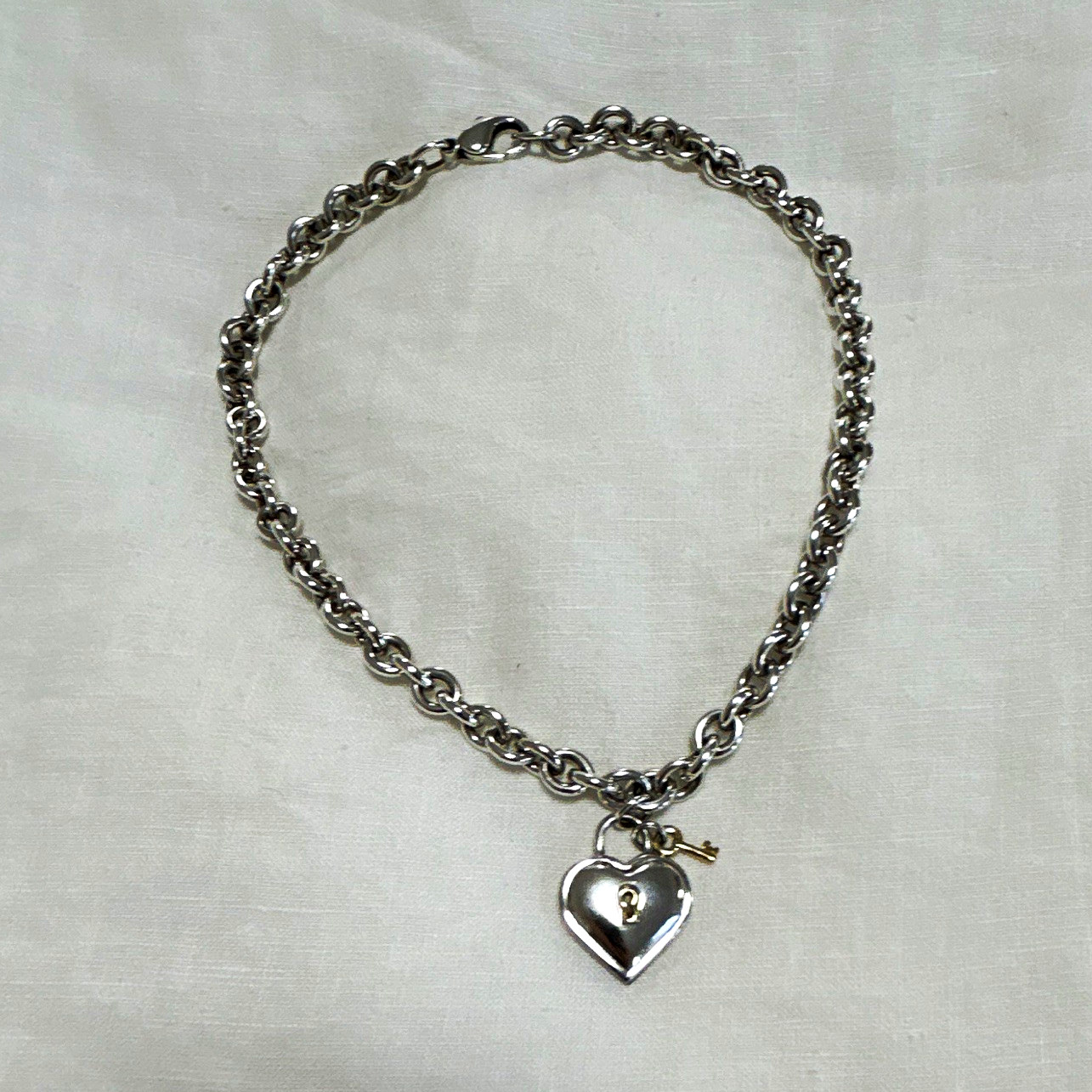
Vintage Tiffany & Co. Sterling Silver & 18K Gold Heart Lock and Key Necklace '94
sieraden
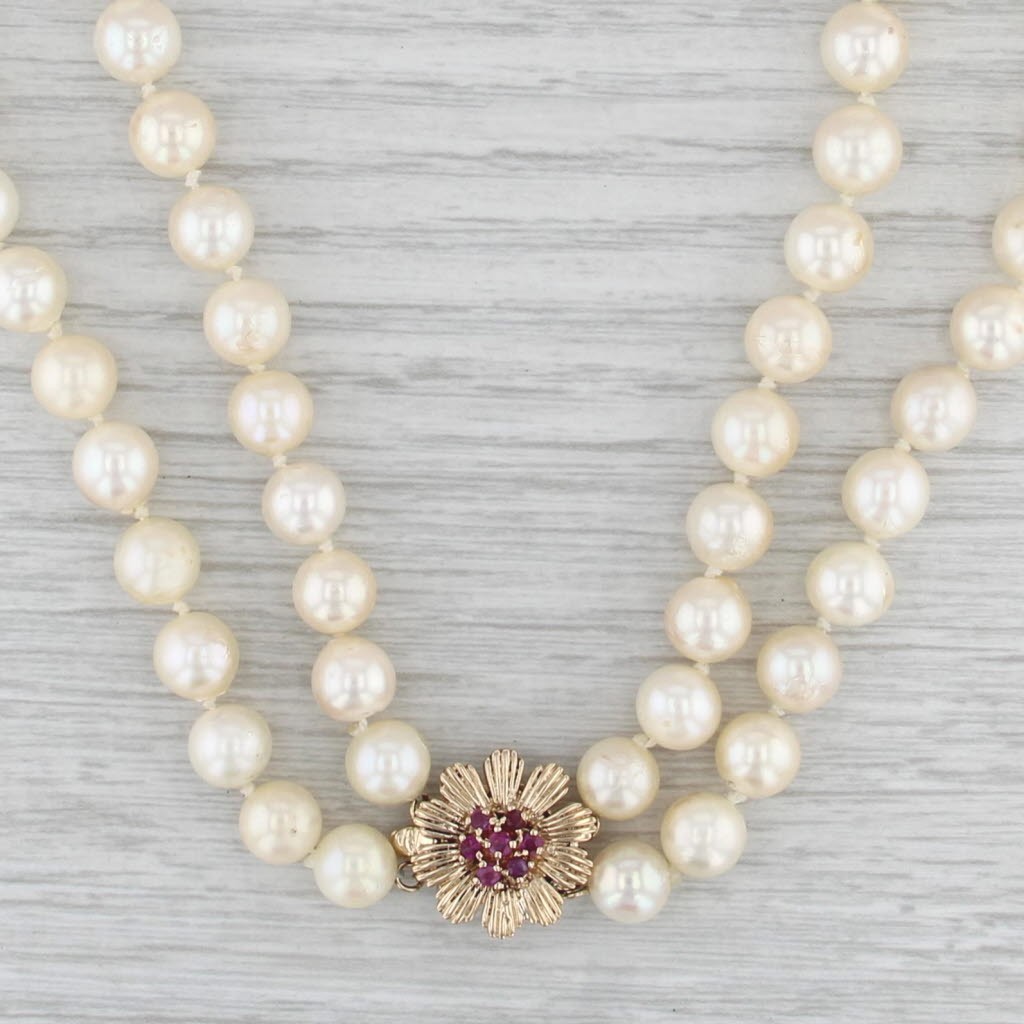
Vintage Cultured Pearl Double Strand Necklace 15" 14k Yellow Gold Ruby Clasp
sieraden
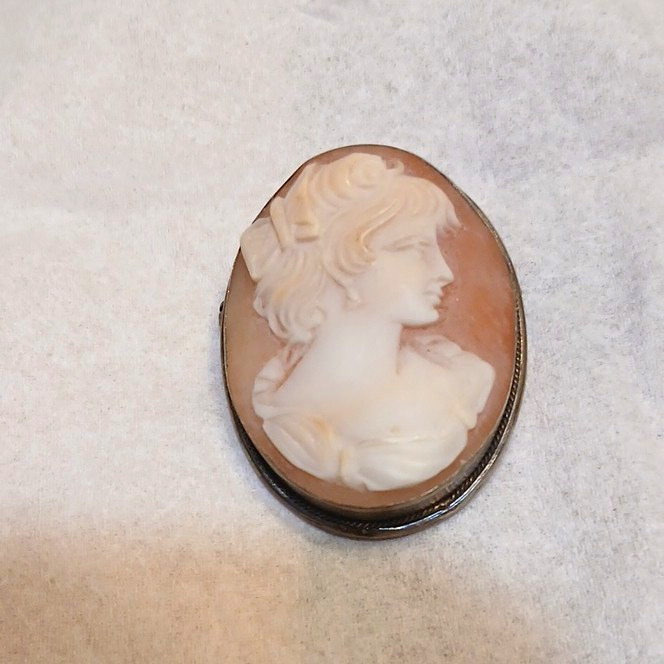
Vintage Oval Cameo Brooch Pin Pendant w/ Bail,
sieraden
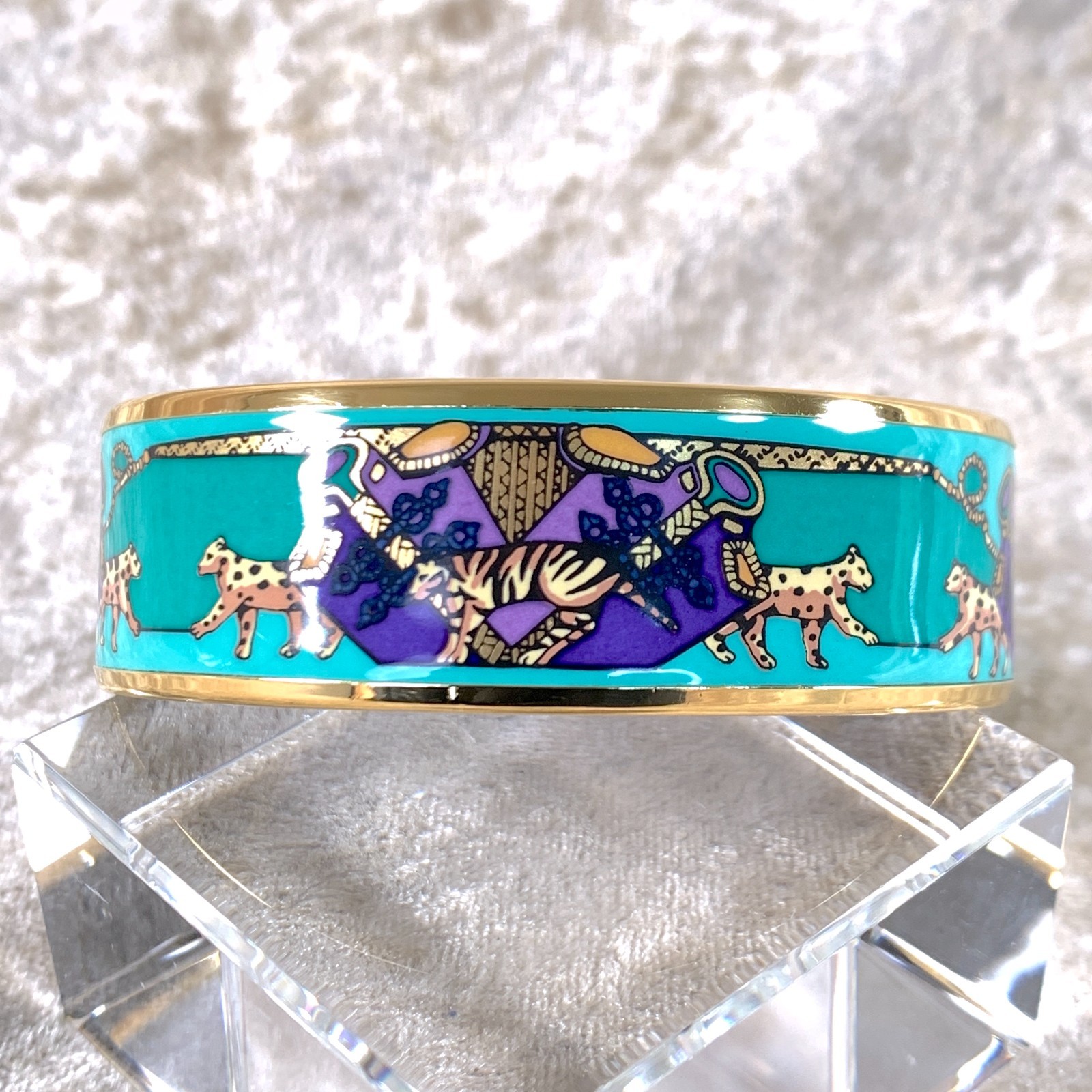
Vintage Hermes Bangle Bracelet Green Enamel Leopard Gold Rim Size 65
The names
Meet the designers
The minds behind this story — each with a piece currently on the market.
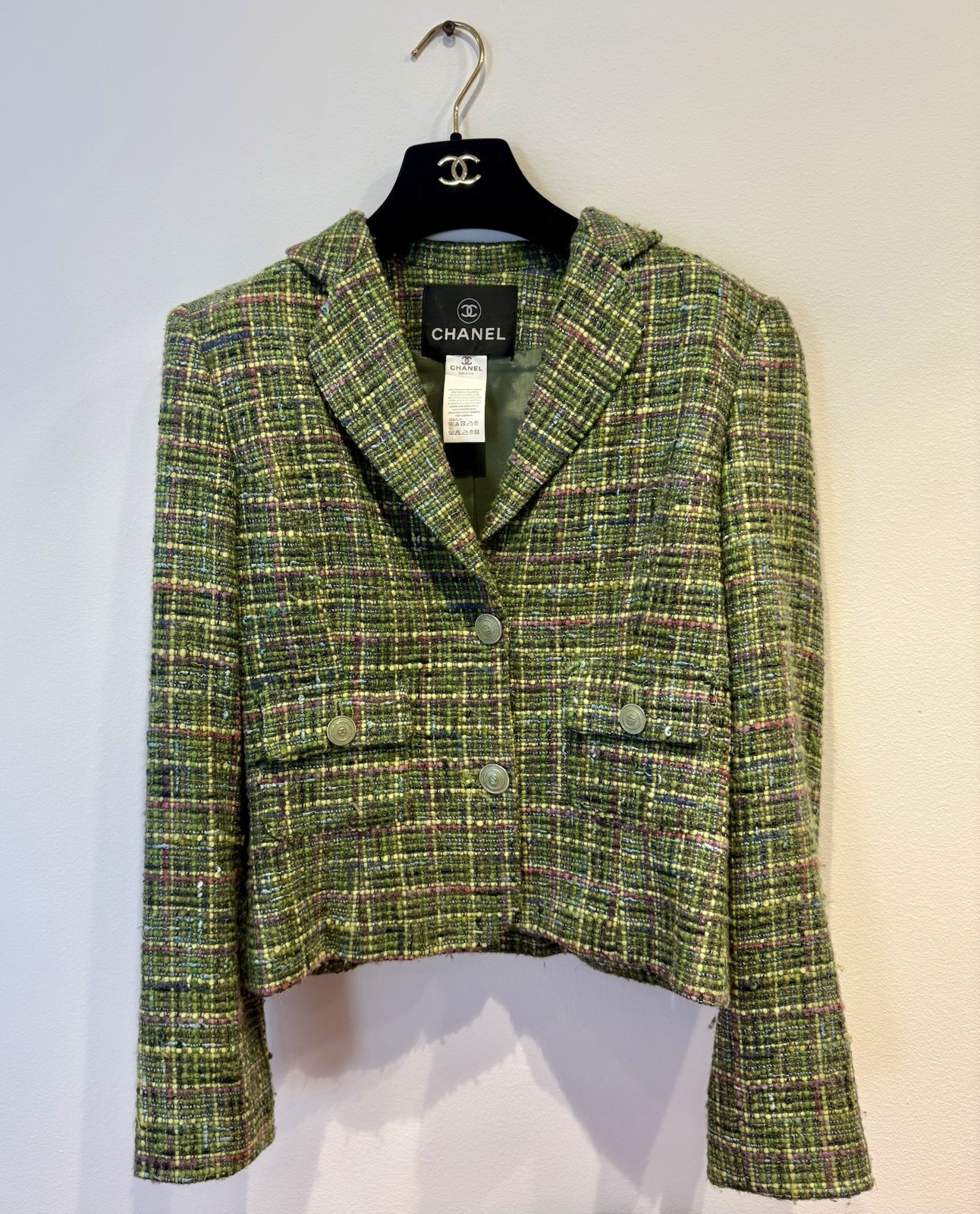
Chanel
France · 1910s
The little black dress & the 2.55
The little black dress & the 2.55
Top piece
View →
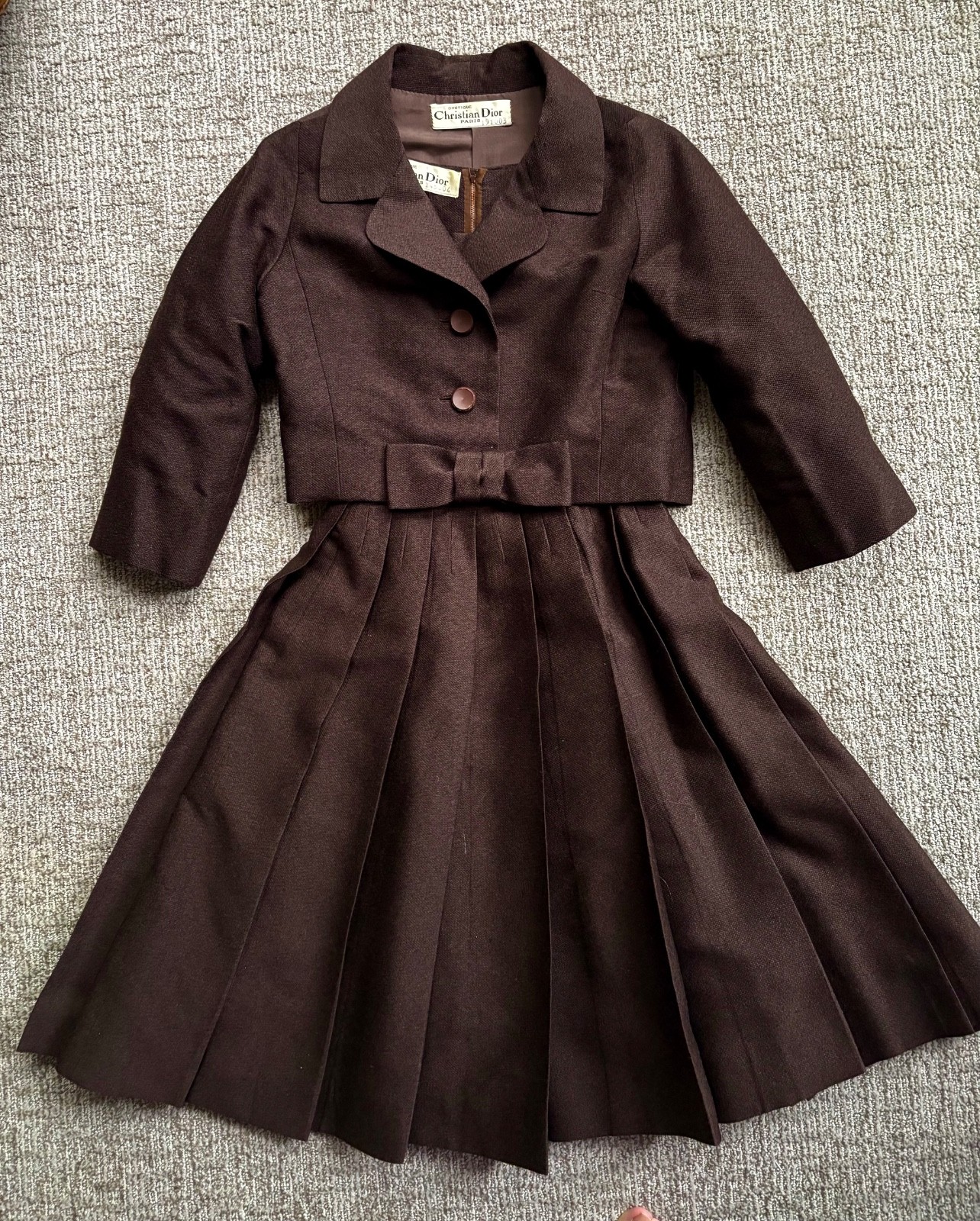
Dior
France · 1940s
The New Look & the Lady Dior
The New Look & the Lady Dior
Top piece
View →
Adidas
Germany · 1940s
The three stripes & the Samba
The three stripes & the Samba
Top piece
View →
Armani
Italy · 1970s
The power suit & soft tailoring
The power suit & soft tailoring
Top piece
View →
Continue the edit
Further stories from the same world
Three more walks through the same vintage universe.
Why Givenchy Costume Jewelry Matters Now
A single gold-tone chain from 1978 can do more for a plain white shirt than any fine necklace. Here is how to wear vintage Givenchy jewelry without looking like you raided a costume shop.
Read the story →The Art of Wearing Vintage Jewelry: Art Deco to Givenchy
A guide to styling, sourcing, and understanding the era tells of vintage jewelry, from Art Deco geometry to Givenchy's gilded 1980s.
Read the story →The Sculptural Spark: Wearing Vintage Jewelry as Modern Armor
Vintage jewelry isn't about preservation. It's about wearing a piece from 1972 or 1935 and making it look like it was made for you this morning. Here's how to pick a piece with a pulse, style it with modern clothes, and understand the history that gives it weight.
Read the story →