
 Sign in
✦ The City Edition
Barcelona
Where to Find Real Silk Dresses in Barcelona
A 1950s silk sundress gets taken to the beach, layered over a swimsuit, or thrown on for a late dinner at a tapas bar.
 By Louis Trash·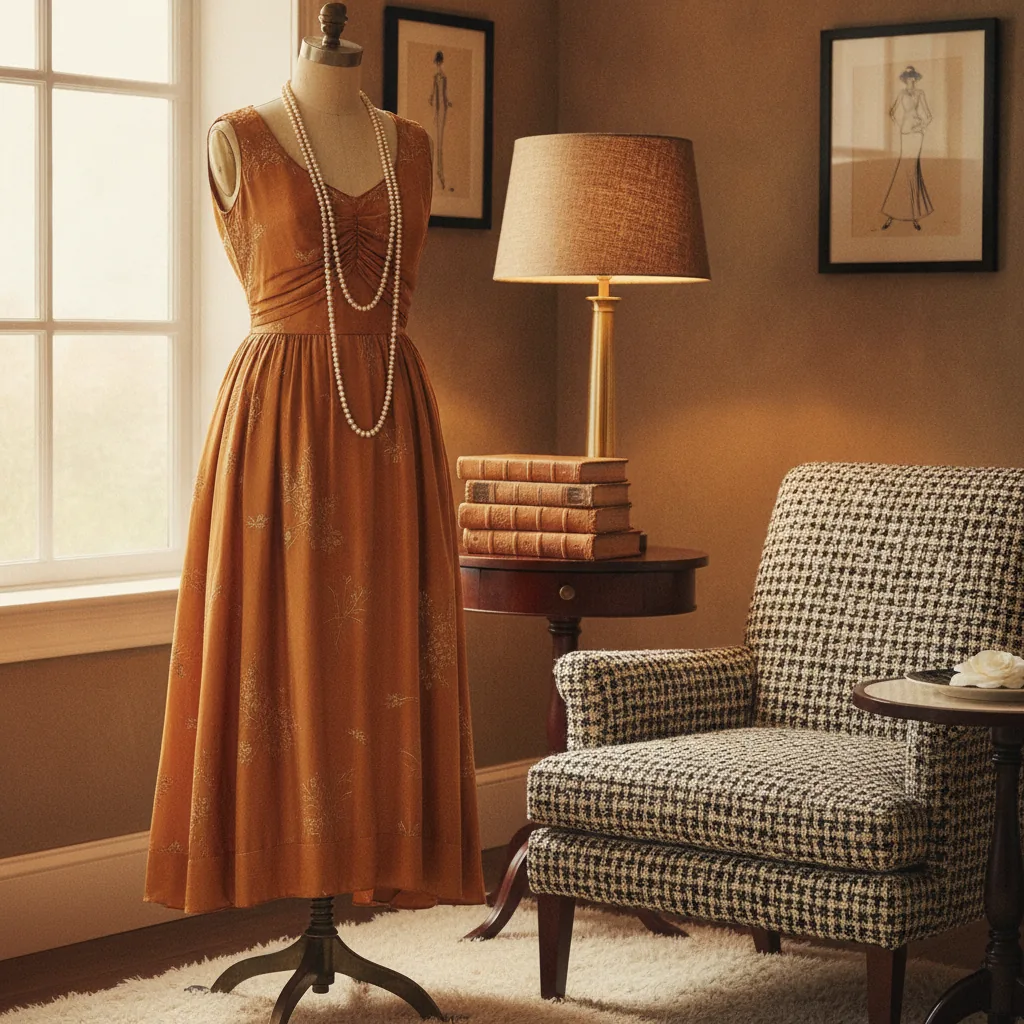
Why Dresses Matter Now
Vintage dresses were cut for a body, not a size chart. The difference is in the making: real darts, a hem that hangs true, and cloth that moves with you instead of against you.
A 1950s silk sundress gets taken to the beach, layered over a swimsuit, or thrown on for a late dinner at a tapas bar. The city's heat and humidity demand breathable, natural fibres, and nothing beats a genuine silk dress when the temperature hits 30 degrees.
Modern fashion has forgotten how to cut for a real body. High-street dresses are made for hangers, with seams that pull and zips that catch. Vintage dresses were made for living. They have proper waistlines, room in the hips, and sleeves that actually allow you to raise your arm. When you slip one on, you feel the difference immediately. The fabric drapes, it doesn't cling. It moves with you, not against you.
How to Wear It
Take the shoulders in rather than the waist. That single alteration fixes most old dresses. A skilled tailor can take in the shoulders in under an hour, and it changes the entire silhouette. The waist is often already correct, but shoulders stretched on a hanger for decades need adjusting.

Wear a cocktail dress in daylight with flat shoes. It stops it looking like a costume. A 1960s sequinned shift looks incredible with white sneakers and a straw bag. A 1970s bias-cut slip dress works with sandals and a denim jacket. Barcelona is a city of contrasts, and that's what makes it work.
Layer a fine knit over a slip dress and let the hem show. The contrast between a fine merino sweater and a silky slip dress is a classic look that never fails. In the cooler months, add a blazer or a leather jacket. The key is to treat the vintage piece as part of a modern outfit, not as a historical artifact.
Where to Find Yours in Barcelona
Flamingos Vintage Kilo (Carrer del Tallers 31) — by the kilo, endless, chaotic in a good way, from around 20 euros. This is the place for treasure hunting. You'll find rails packed with everything from 1970s floral dresses to 1990s slip dresses. The kilo system means you can pick up a silk dress for a fraction of what you'd pay elsewhere. Be prepared to dig. The best pieces are often hidden at the bottom of a pile.
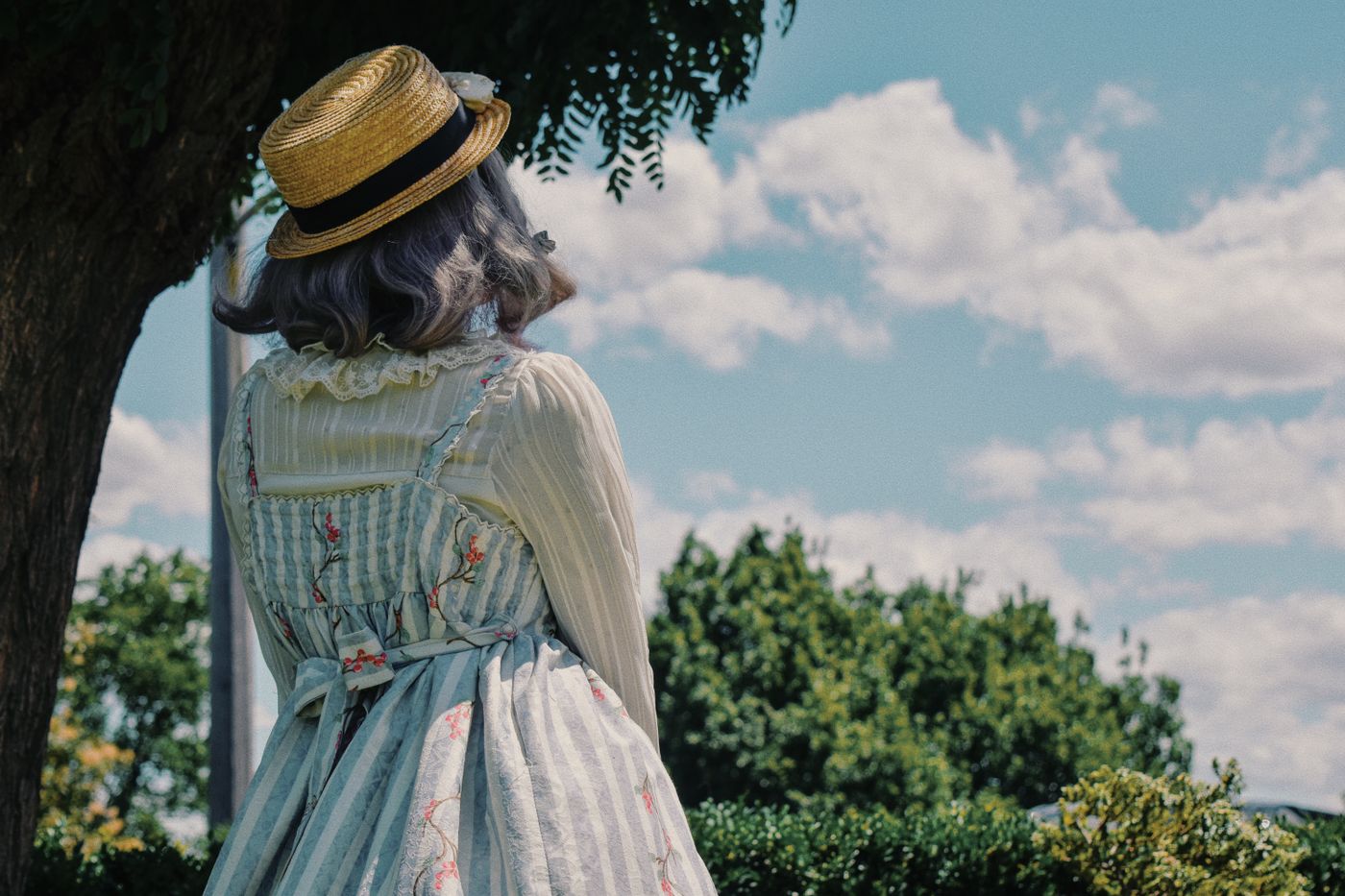
Foto: ΘSWΛLD · Pexels
Holala! Plaza (Placa Castella 2) — the city's vintage institution, from around 45 euros. Holala! has been around for years and has a loyal following. The selection is curated, with a focus on quality. You'll find 1950s full skirts, 1960s shift dresses, and 1970s maxi dresses. The staff are knowledgeable and happy to help you find the right piece. They also have a second location, Holala! Born, which is worth a visit.
Lullaby Vintage (Carrer de la Riera Baixa 22) — small, sharp, well edited, from around 60 euros. This is where you go for something special. Lullaby's owner has an eye for exceptional pieces: hand-beaded 1920s dresses, 1940s silk crepe dresses, designer labels from the 1970s. The prices are higher, but you're paying for quality and rarity. If you're looking for a statement piece, this is the place.
Els Encants Market (Carrer dels Castillejos 158) — early mornings, everything under the sun, from around 90 euros. This is Barcelona's oldest flea market, and it's a chaotic, wonderful mess. You'll find vintage clothing, furniture, books, and everything in between. The best time to go is early on a Monday or Friday morning, when the dealers put out their new stock. Haggling is expected, so don't be shy.
The best time is a quiet weekday, when you can actually talk to the person who priced the rack. Weekends are packed with tourists and locals alike, and the good stuff goes fast. If you have a specific piece in mind, it's worth calling ahead to ask if they have anything similar.
What to Look For
Check the zip. A metal one usually means pre-1970s. Plastic zips came into common use in the late 1960s, so a metal zip is a good indicator of age. It's also a sign of quality, as metal zips tend to last longer. Look at the seam allowance inside: generous fabric means it can be let out. Vintage dresses often have an inch or more of extra fabric at the seams, which gives you room to adjust the fit. If the seam allowance is narrow, you're stuck with the size it is.
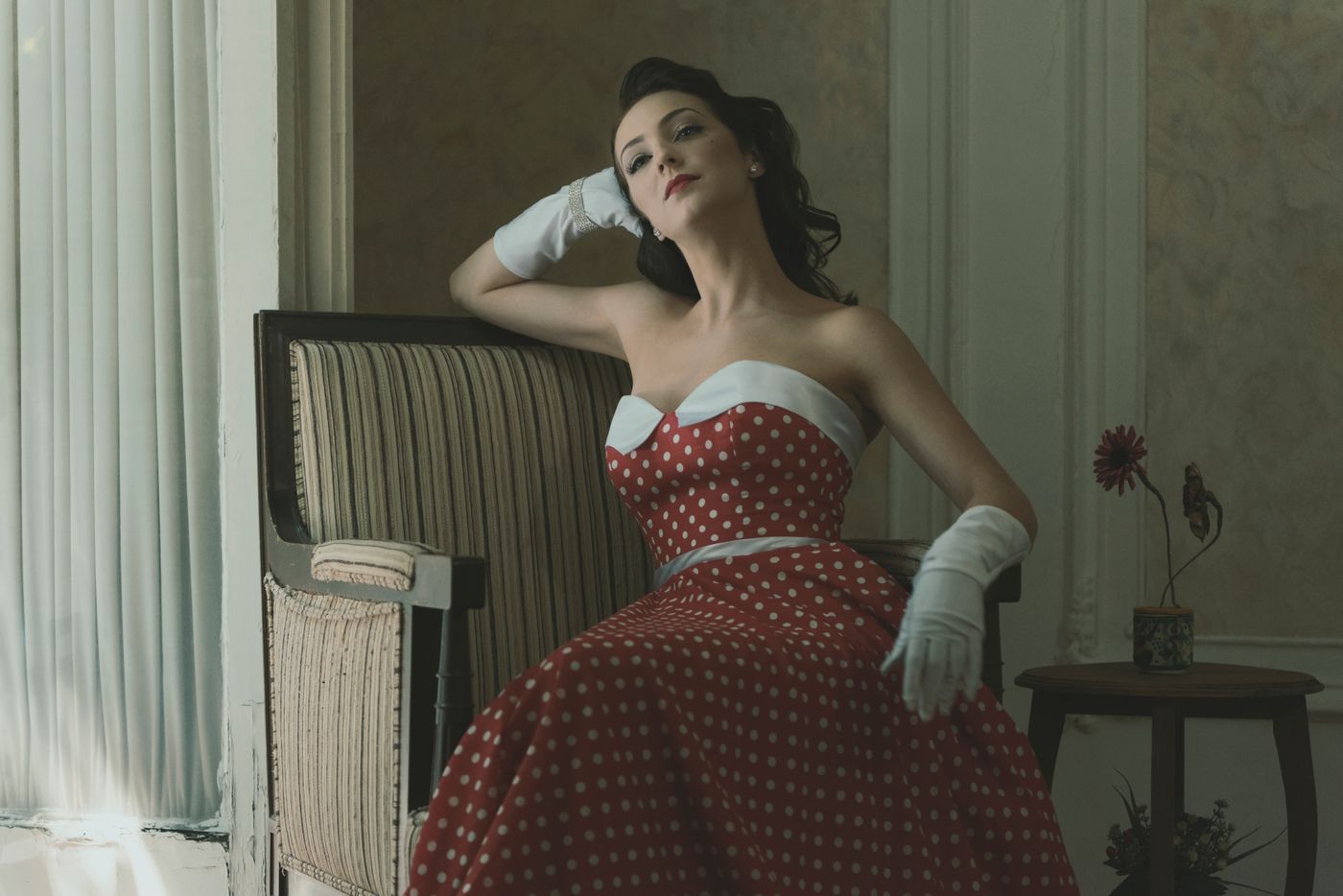
Foto: Odin Reyna · Pexels
Hold the underarms to the light for thinning and old deodorant damage, which is permanent. This is the most common problem with vintage dresses, and it's a dealbreaker. Deodorant contains chemicals that eat away at the fabric over time, leaving thin, discoloured patches. Once the fabric is weakened, it will tear easily, and there's no way to fix it. Also check the lining, if there is one, for signs of wear.
Small tears along a seam are an easy fix; tears through the fabric itself are not. If you find a tear along a seam, a tailor can repair it in minutes. But a tear in the middle of a panel is much harder to fix, and it will always be visible. Look for stains, especially on silk. Some stains can be professionally cleaned, but others are permanent. If you're unsure, ask the seller for the history of the piece.
Try it on and don't rush. If it still fits after you've sat down in it, it fits. A vintage dress that only works standing still is not going to survive your actual life. You'll be dancing, eating, walking up and down stairs. The dress needs to move with you. If it's too tight across the shoulders or pulls at the hips when you sit, it's not the right dress. Trust your instincts. If you feel like a million dollars, that's the one.
The History in the Fabric
Barcelona's vintage scene has deep roots. In the 1970s, the city was a hub of counterculture, and second-hand shops sprung up to serve the bohemian crowd. Many of the dresses you'll find today came from the estates of wealthy families who lived in the Eixample district. These women bought haute couture in Paris and Madrid, wore them for a season, and then stored them in cedar chests. Decades later, their grandchildren sold the collections to vintage dealers.
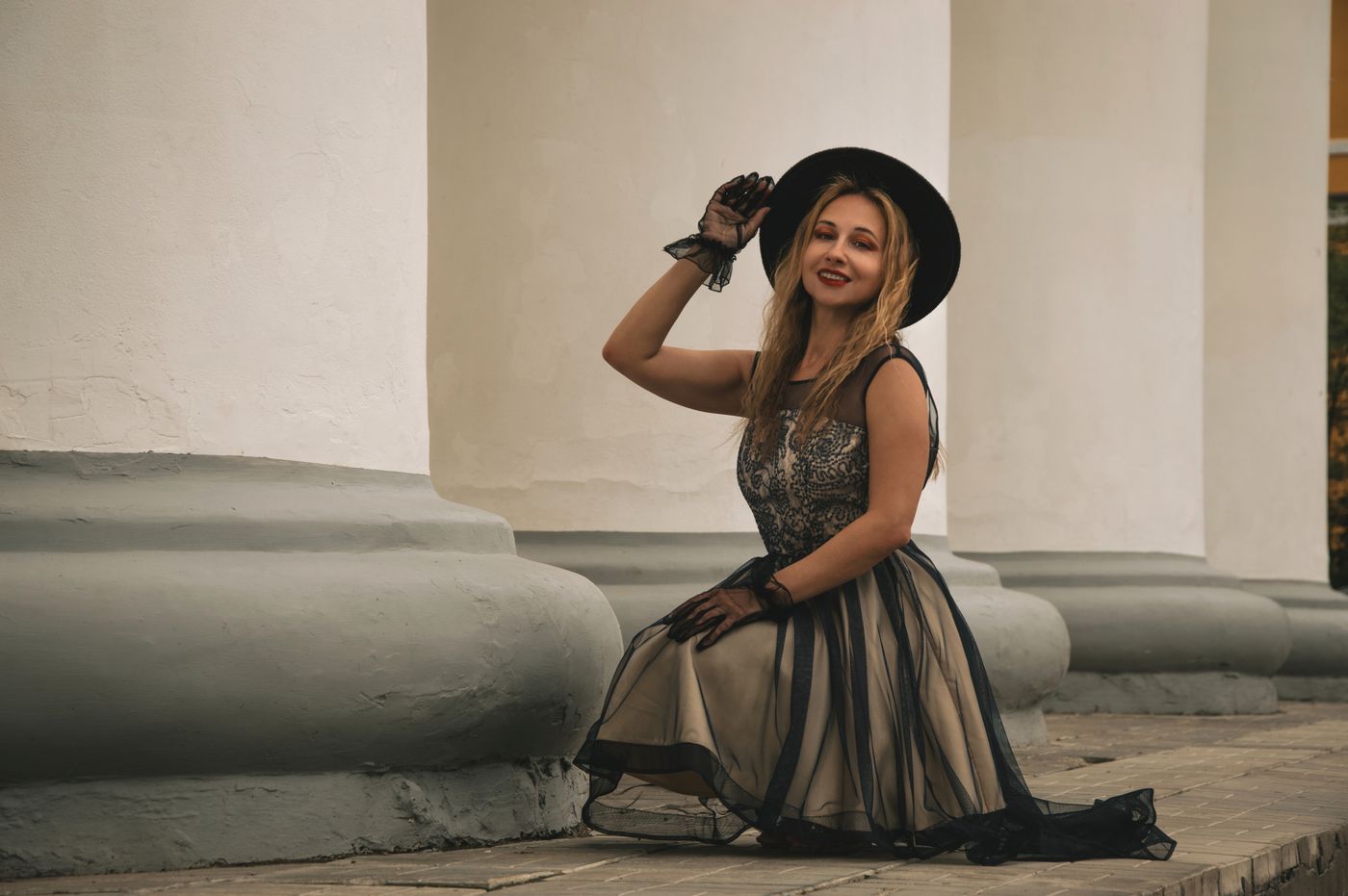
Foto: Vika Glitter · Pexels
One of the most iconic designers of the era was Cristóbal Balenciaga, who was born in the Basque Country and trained in Madrid. His dresses are characterised by sculptural shapes and impeccable tailoring. A Balenciaga silk dress from the 1950s is a masterpiece of construction, with seams that curve and flow to flatter the body. You won't find one for under 500 euros, but if you do, it's an investment.
Another name to look for is Paco Rabanne, who made his mark in the 1960s with metallic and plastic dresses. His work was avant-garde, but he also made more wearable pieces in silk and jersey. A Rabanne dress from the 1970s is a collector's item, but it's also wearable. The key is to look for the label and the quality of the fabric.
A Final Word
Barcelona's vintage shops are full of treasures, but you have to know what you're looking for. The best approach is to go with an open mind and a clear idea of what you want. Don't be afraid to try on things that seem too small or too big. Sizing has changed dramatically over the years, and a vintage size 10 might fit like a modern size 6.

Remember that a little alteration goes a long way. A simple hem adjustment or a shoulder take-in can transform a dress from unwearable to perfect. Find a good tailor in the city and build a relationship with them. They're worth their weight in gold.
And above all, have fun. Vintage shopping is a treasure hunt, and the thrill of finding that perfect dress is unmatched. Whether you're looking for a 1950s cocktail dress or a 1990s slip dress, Barcelona has something for you. Get out there and explore.
Sourced from the region
Found in Barcelona
Pieces on the market from sellers in and around Barcelona.
The names
Meet the designers
The minds behind this story — each with a piece currently on the market.
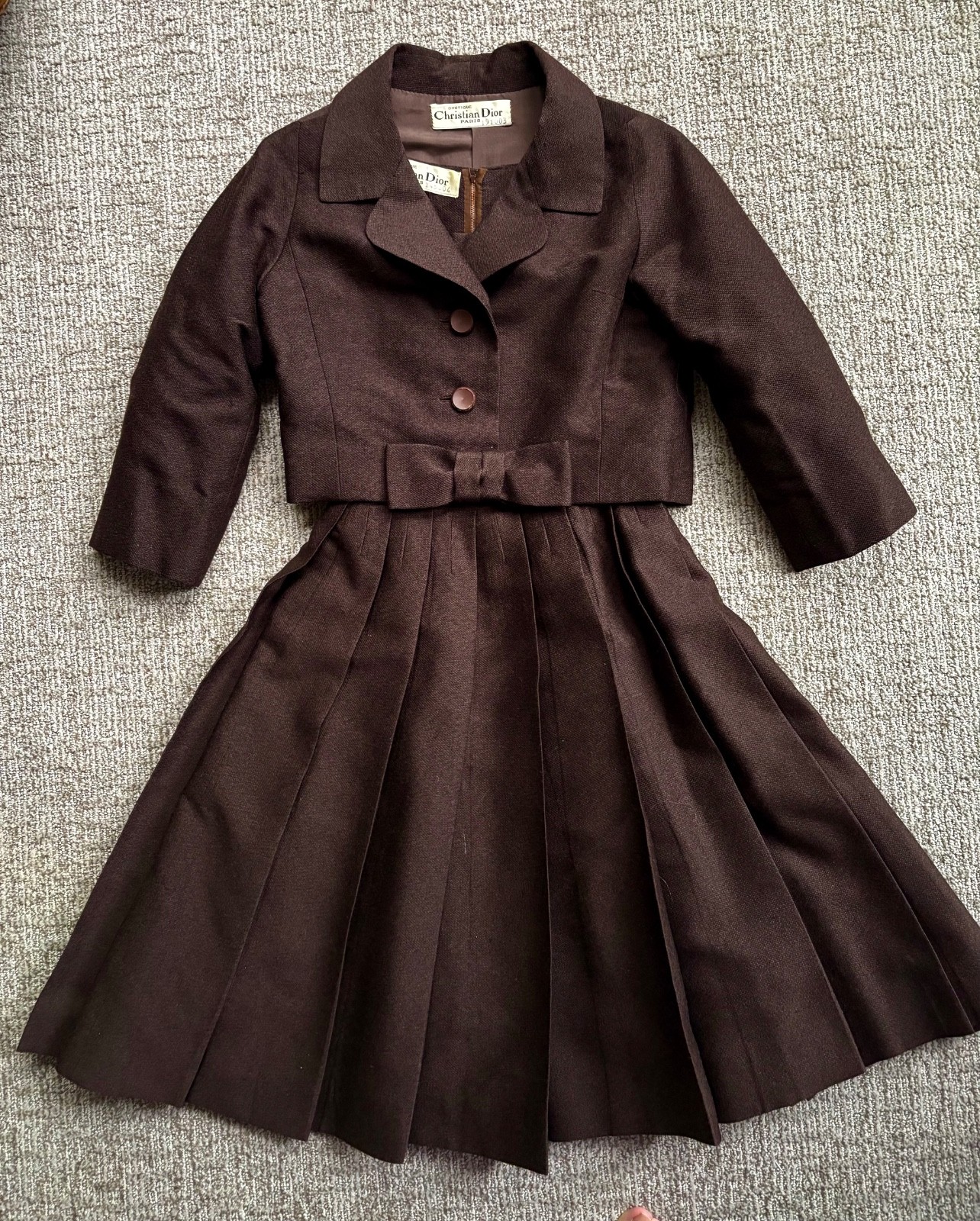
Dior
France · 1940s
The New Look & the Lady Dior
The New Look & the Lady Dior
Top piece
View →
Børge Mogensen
Denmark · 1940s
The Spanish chair — honest, functional furniture for everyday life.
The Spanish chair — honest, functional furniture for everyday life.
Top piece
View →
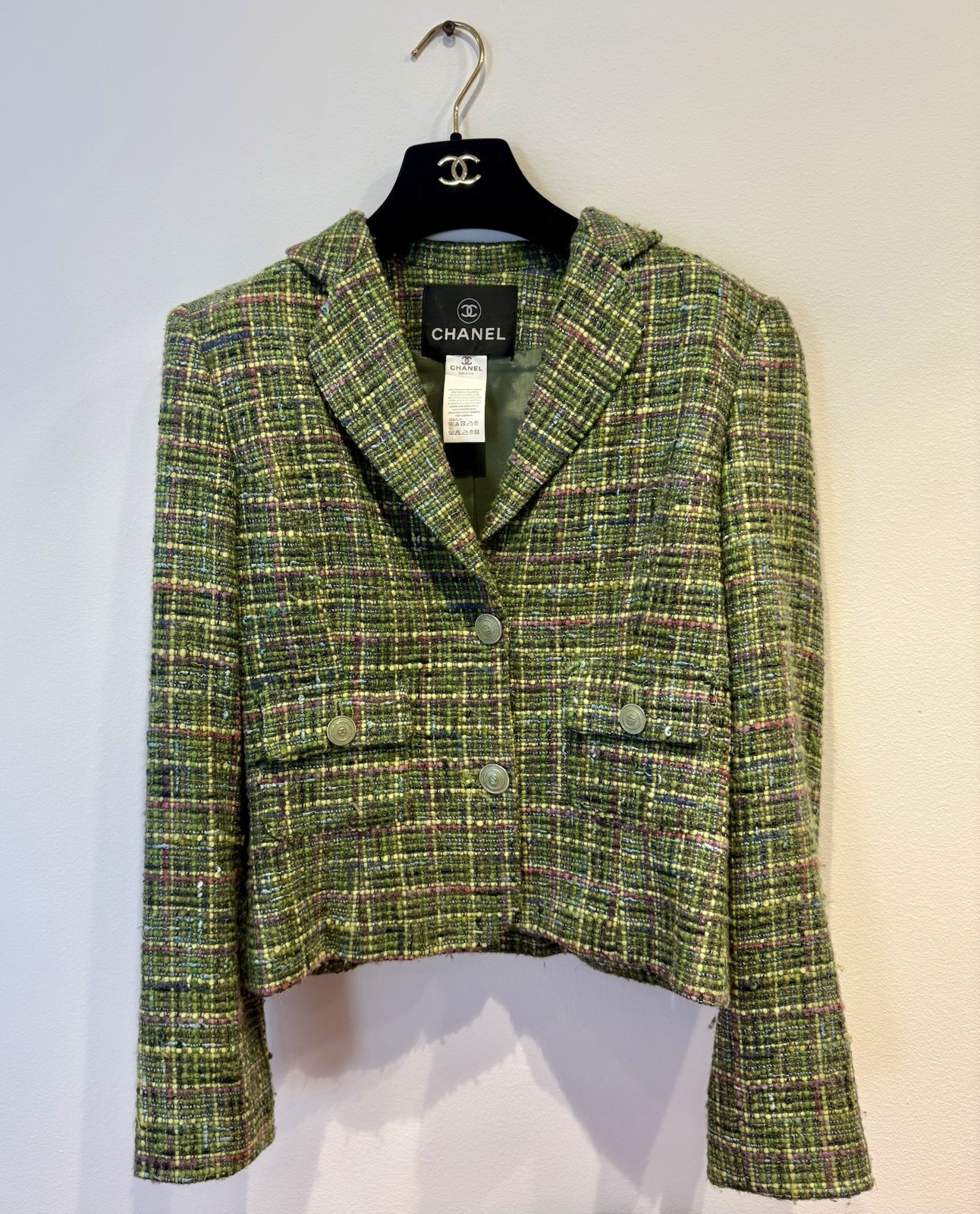
Chanel
France · 1910s
The little black dress & the 2.55
The little black dress & the 2.55
Top piece
View →
Comme des Garçons
Japan · 1960s
Deconstruction & anti-fashion
Deconstruction & anti-fashion
Continue the edit
Further stories from the same world
Three more walks through the same vintage universe.
Berlin's Vintage Dresses: Wearing History on Your Sleeve
In Berlin, vintage dresses are more than just clothes; they're stories. The city's past is layered, and so is its fashion.
Read the story →Why Old Cuts Flatter More in Tokyo
I remember the first time I bought a vintage dress in Tokyo. It was a 1960s silk shift, pale blue, with a matching jacket.
Read the story →The Vintage Dress Guide for Milan
A faded Gucci tag or a discreet Ferragamo label carries a cachet that no logo-heavy contemporary piece can match.
Read the story →