
 Sign in
✦ Culture · Tokyo
Why a Small Dial Wins in Tokyo
A vintage watch is the one accessory that never shouts. A patinated dial, slightly yellowed lume, a bracelet that has softened to the wrist.
 By Louis Trash·
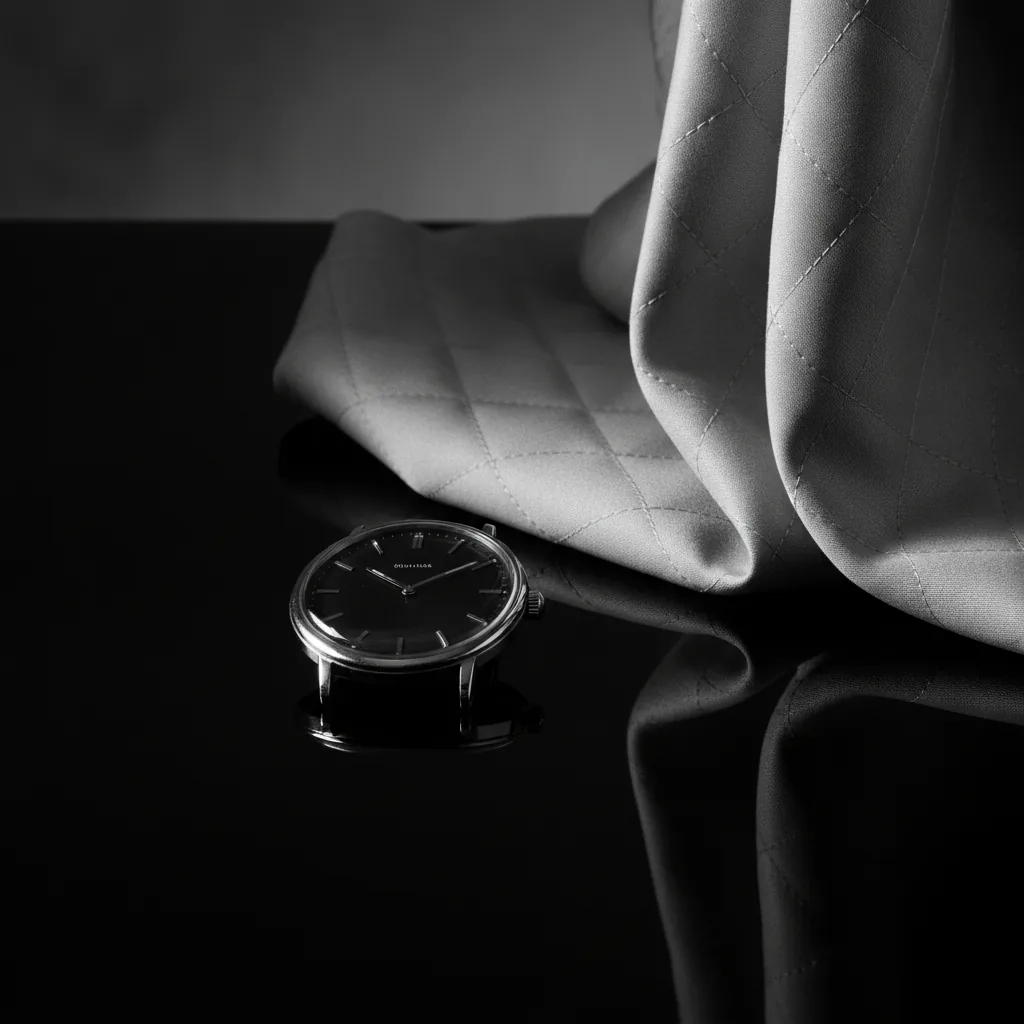
Why Watches Matter Now
A vintage watch is the one accessory that never shouts. A patinated dial, slightly yellowed lume, a bracelet that has softened to the wrist. These are the details that make people ask, quietly, what it is. In Tokyo, this quiet speaks volumes. The city has elevated secondhand to a craft. Pieces are graded, described, and looked after better than most new stock. You will find a 1968 Seiko with its original box, service history, and a note from the seller about the previous owner's habit of winding it every morning. That care is the point.
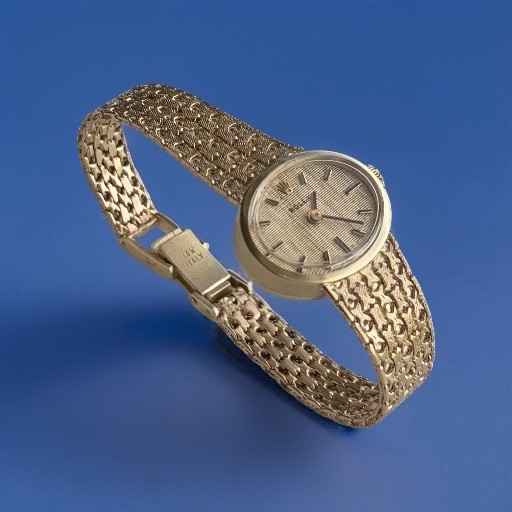
Tokyites understand that a watch is not a statement. It is a companion. It ages with you. A scratch on the crystal is a memory, a faded bezel a story. In a city where everything is polished to a shine, the imperfect, honest watch stands out precisely because it does not try to.
How to Wear It
Keep the case small. A 34-36mm dial looks far more elegant than anything oversized. On a Japanese wrist, even 36mm can feel large. A 34mm dress watch from the 1960s sits perfectly under a shirt cuff, its presence felt only when you move your hand. Oversized watches scream. Small ones whisper. In Tokyo, whispering is the only way to be heard.
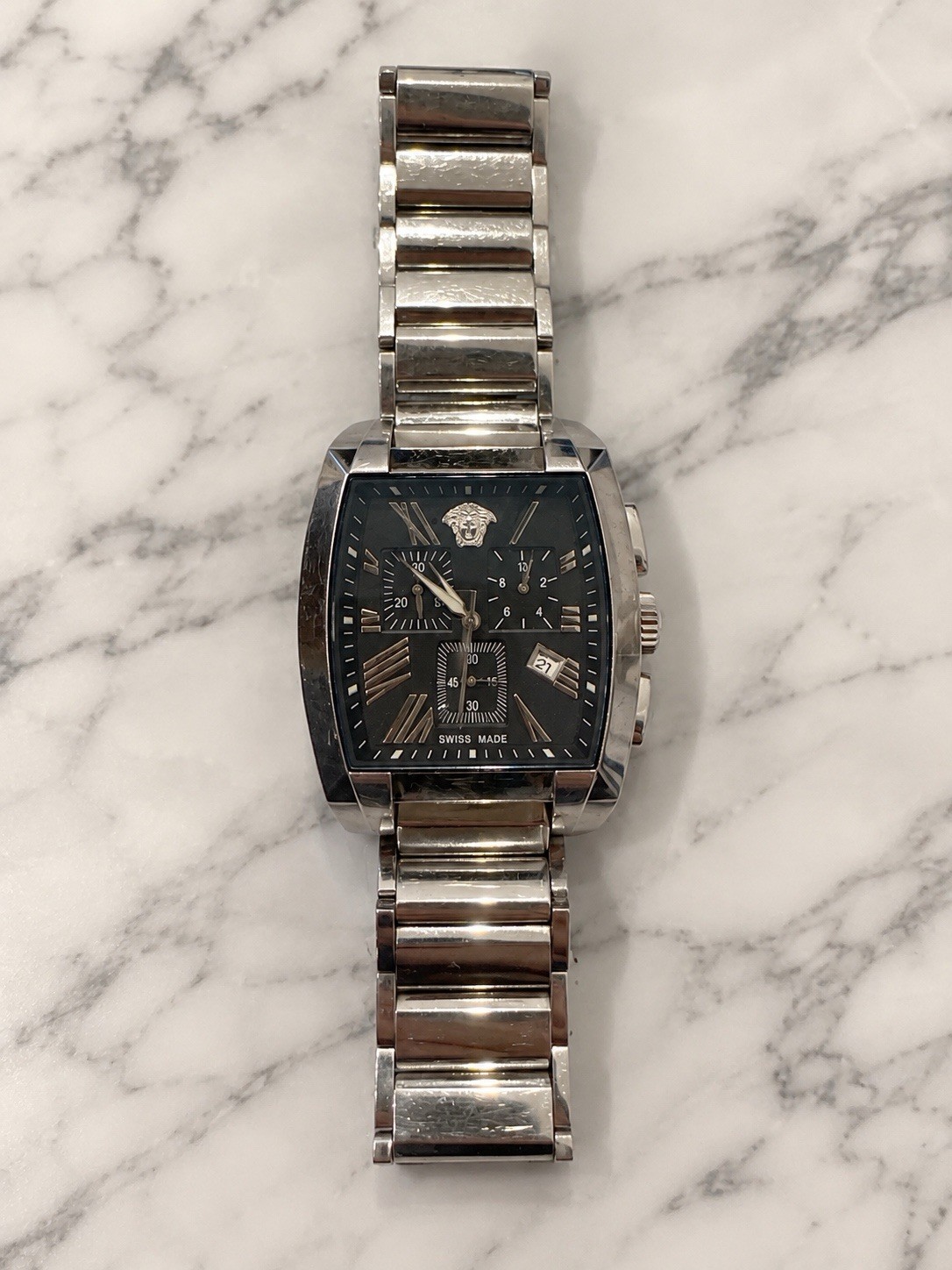
Swap the strap. A cheap leather band on a good watch undoes the whole thing. A tired, cracked band ruins the silhouette. Spend 30 euros on a quality lizard or calfskin strap in dark brown or black. Have it cut to fit your wrist exactly. The watch will look like it was made for you, because it will be.
Wear it slightly loose so it sits just past the wrist bone, half under the cuff. This is not a fashion trick. It is practical. The watch stays cool, does not catch on jacket sleeves, and you can glance at it without breaking your arm. A tight watch looks like you are afraid of losing it. A loose one says you have owned it long enough to trust it.
Where to Find Yours in Tokyo
Tokyo's vintage watch scene is not a secret. It is a discipline. The best spots are in Shibuya, within a ten-minute walk of each other. Start at RAGTAG Harajuku (6-14-2 Jingumae, Shibuya). It is a multi-floor designer resale store, but the watch counter on the third floor is a hidden gem. Staff will show you a tray of Seikos from the 1970s, each with a handwritten tag describing the movement, the condition, and the service history. Prices start around 20 euros for a simple quartz, but the real finds are the mechanicals. I once saw a 1969 Grand Seiko with a sunburst dial for 400 euros. It was gone by the next day.
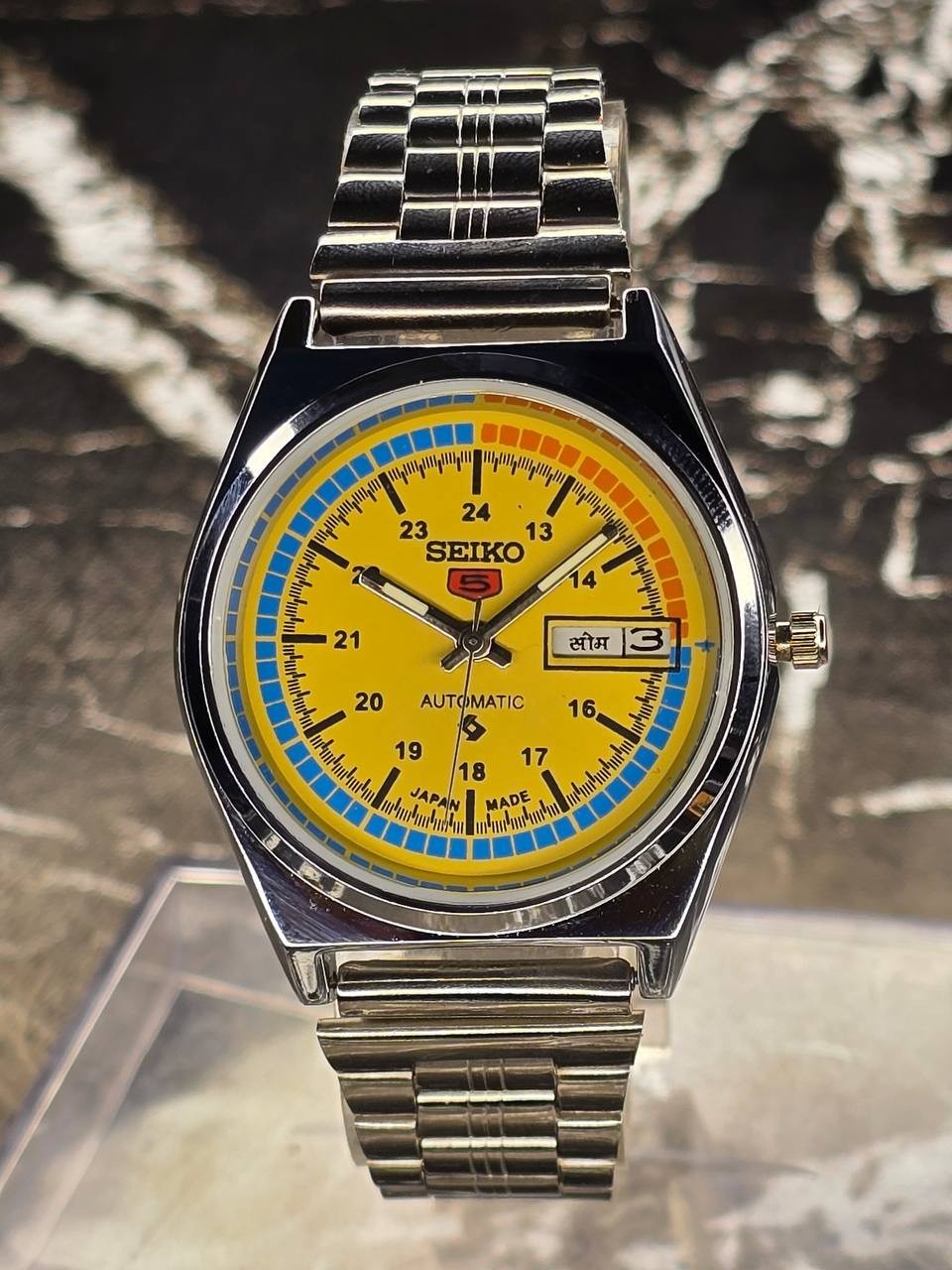
Next, walk five minutes to Kindal Harajuku (4-26-27 Jingumae, Shibuya). This store turns its stock weekly, so come back often. The glass case near the register holds the prizes: a 1960s Omega Constellation, a 1970s King Seiko, sometimes a vintage Rolex if you are lucky. Prices start around 45 euros for a dependable everyday piece. The staff here are collectors themselves. Ask about the history of a particular piece, and they will tell you the model's production years, the movement caliber, and why the dial has that particular patina.
For deeper digging, head to Chicago Jingumae (6-31-21 Jingumae, Shibuya). The basement is where it gets interesting. It is a maze of glass cases filled with watches that have not been polished or restored. You will find rough diamonds: a 1960s Seiko Sportsmatic with a scratched crystal but a perfect movement, priced at 60 euros. A 1970s Citizen with a date wheel that sticks, but the case is immaculate. These are project watches, but they are honest. The staff will tell you exactly what needs fixing and what it will cost.
Finally, Pass The Baton Omotesando (5-13-13 Jingumae, Shibuya) is a different experience. It is a consignment store where every item comes with the previous owner's story. A 1970s Seiko Chronograph might have a note saying it belonged to a watchmaker who wore it daily for thirty years. Prices start around 90 euros, but you are paying for the provenance as much as the watch. The stories are part of the value.
Go early in the week, when the rails are full and the staff still have time to talk. On a Tuesday at 10am, you will have the glass cases to yourself. By Saturday, the good pieces are gone.
What to Look For
Ask when it was last serviced. A movement that has run dry is the expensive part. A full service on a vintage mechanical in Tokyo runs 150-300 euros, depending on the caliber. If the seller cannot tell you the last service date, assume it needs one and negotiate accordingly.

Check the dial under light for redialing. Fonts that sit unevenly or print that looks too crisp for its age are warnings. A redialed watch loses half its value to a collector, but more importantly, it loses its soul. The original dial, with its imperfections, is what makes the watch alive.
Original bracelets add real value. A watch with its original bracelet, even if it has stretch or a few scratches, is worth 20-30% more than one on a replacement strap. The bracelet is part of the design. A boxed set with papers is always worth the premium. The box protects the watch, and the papers tell its story. A 1968 Seiko with its original box and warranty card is not just a watch. It is a time capsule.
Before you buy, wear it for ten minutes. Walk, sit, reach for a shelf. A vintage watch that only works standing still is not going to survive your actual life. The crown should feel smooth when you wind it. The date should change crisply at midnight. The seconds hand should sweep without stuttering. If it passes those tests, it is ready for a life of daily wear. If not, walk away. There is always another one in Tokyo.
City
Tokyo
Category
vintage watch
Published
8 August 2026
Where to find it
Shop the signals
What the market is offering right now on this exact subject.
horloges
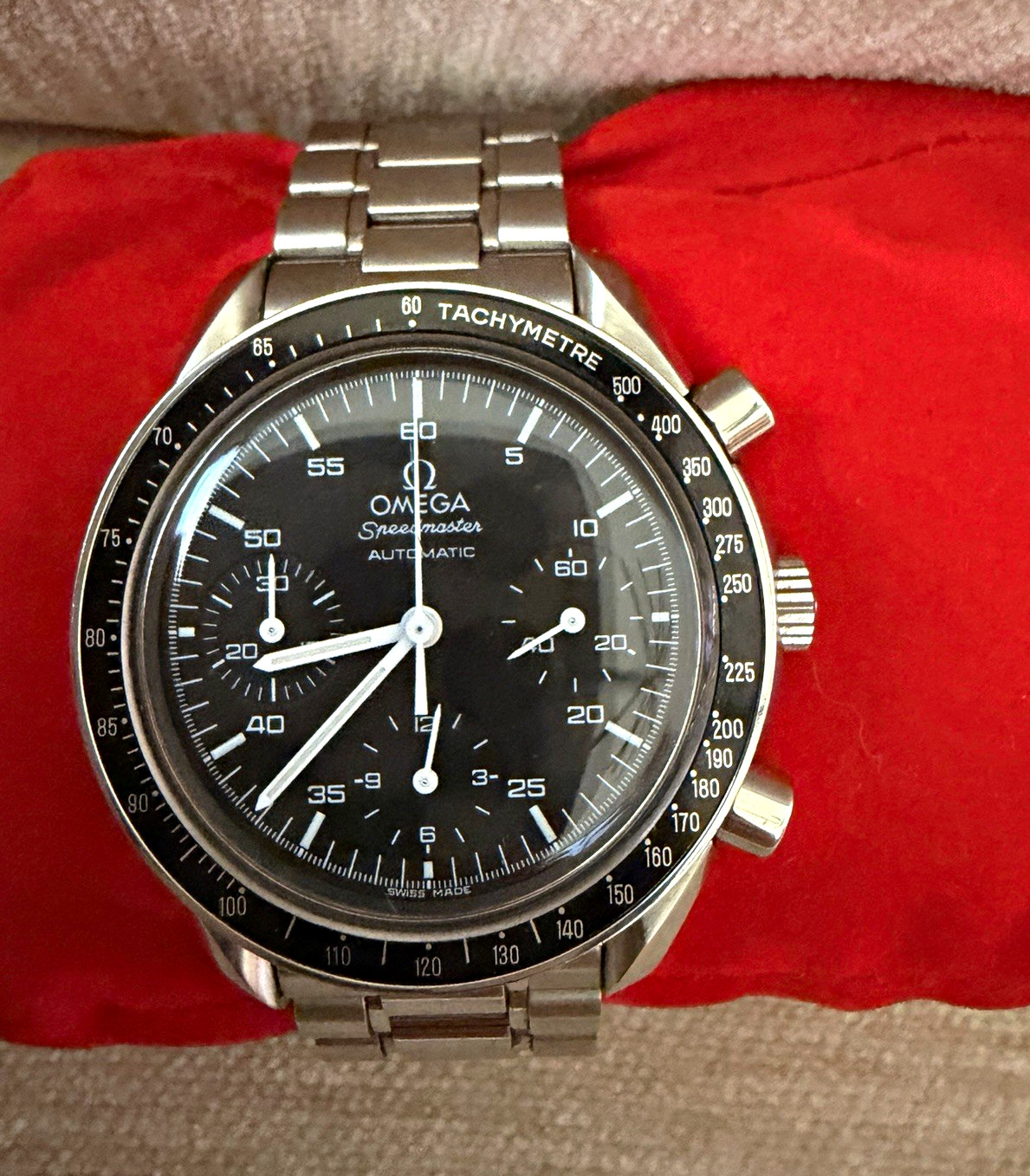
Vintage Omega Speedmaster Automatic 39mm Chronograph Watch & Original Band
horloges
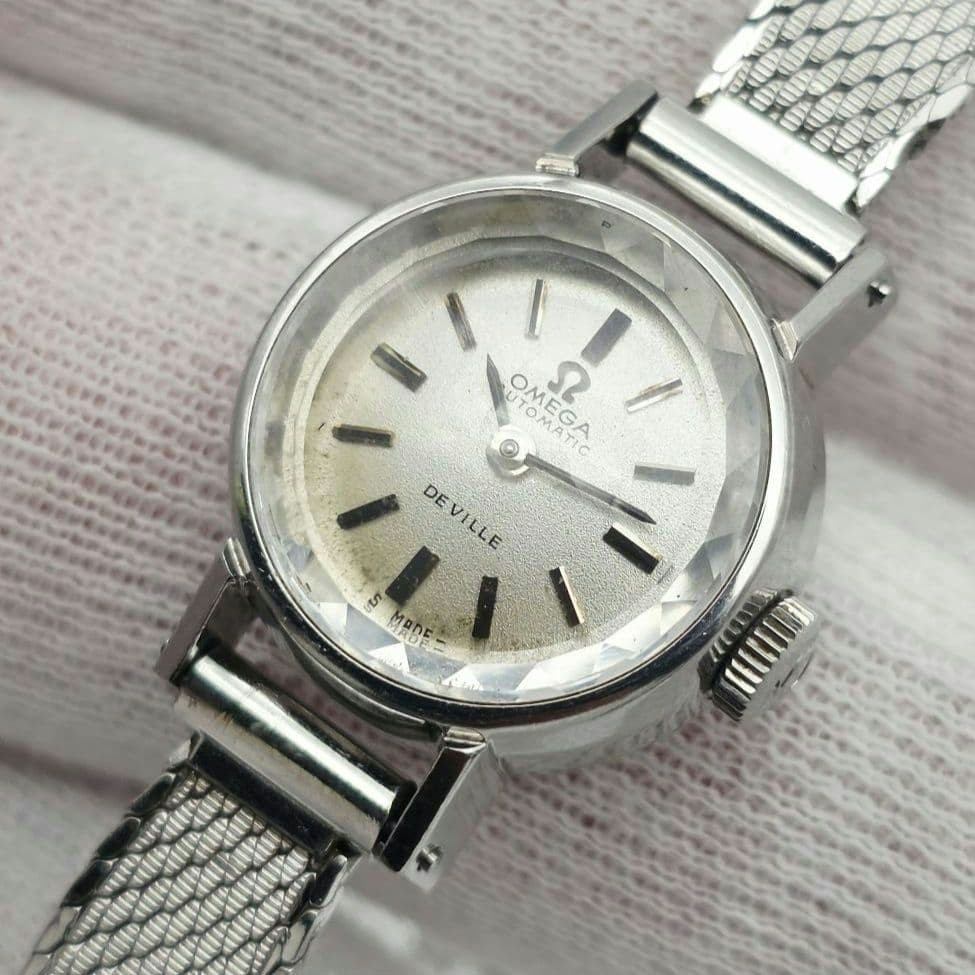
[EXC] Omega 1970s Vintage De Ville 551.038 Automatic Watch
horloges
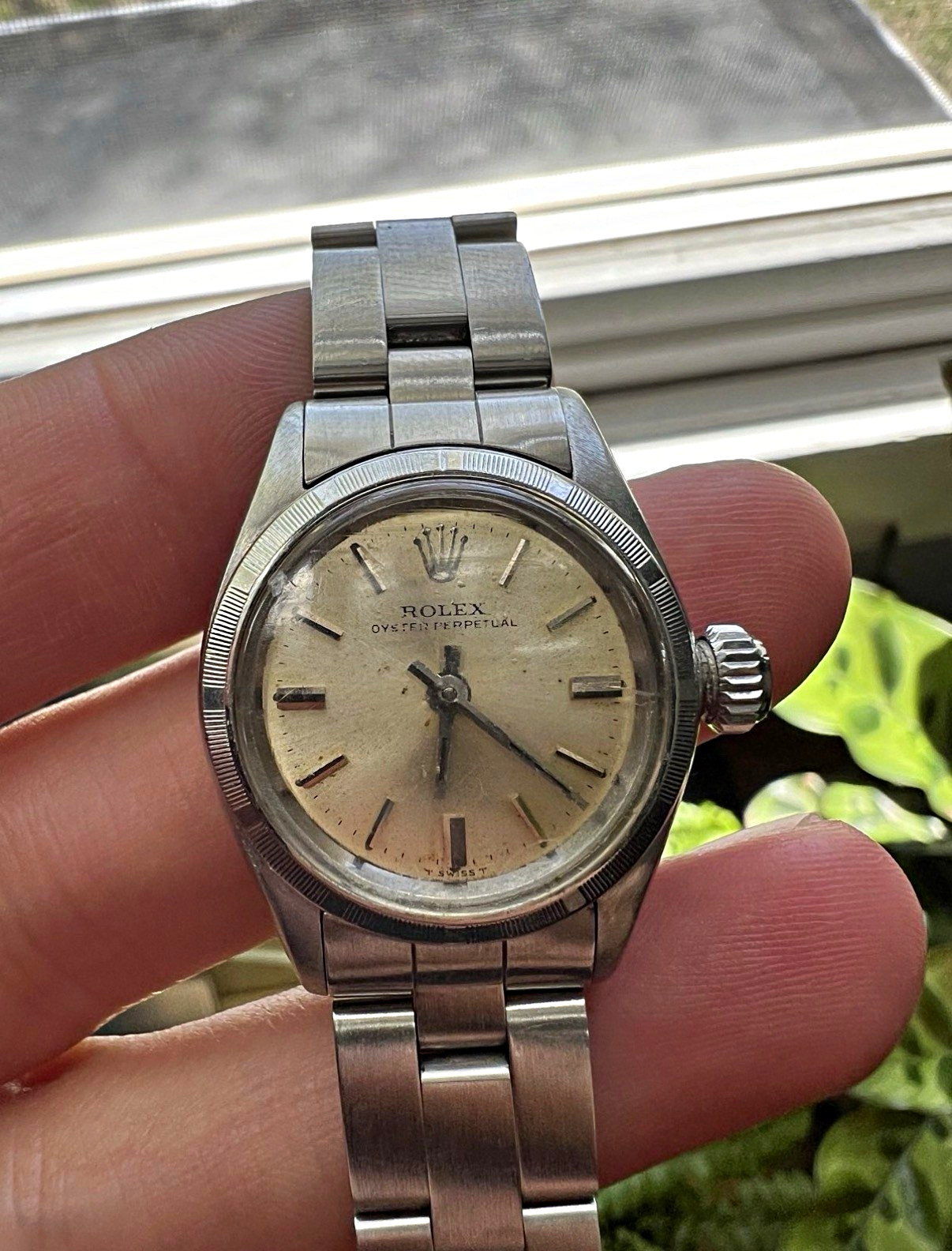
Vintage Rolex Ladies Oyster Perpetual Stainless Steel Watch
horloges
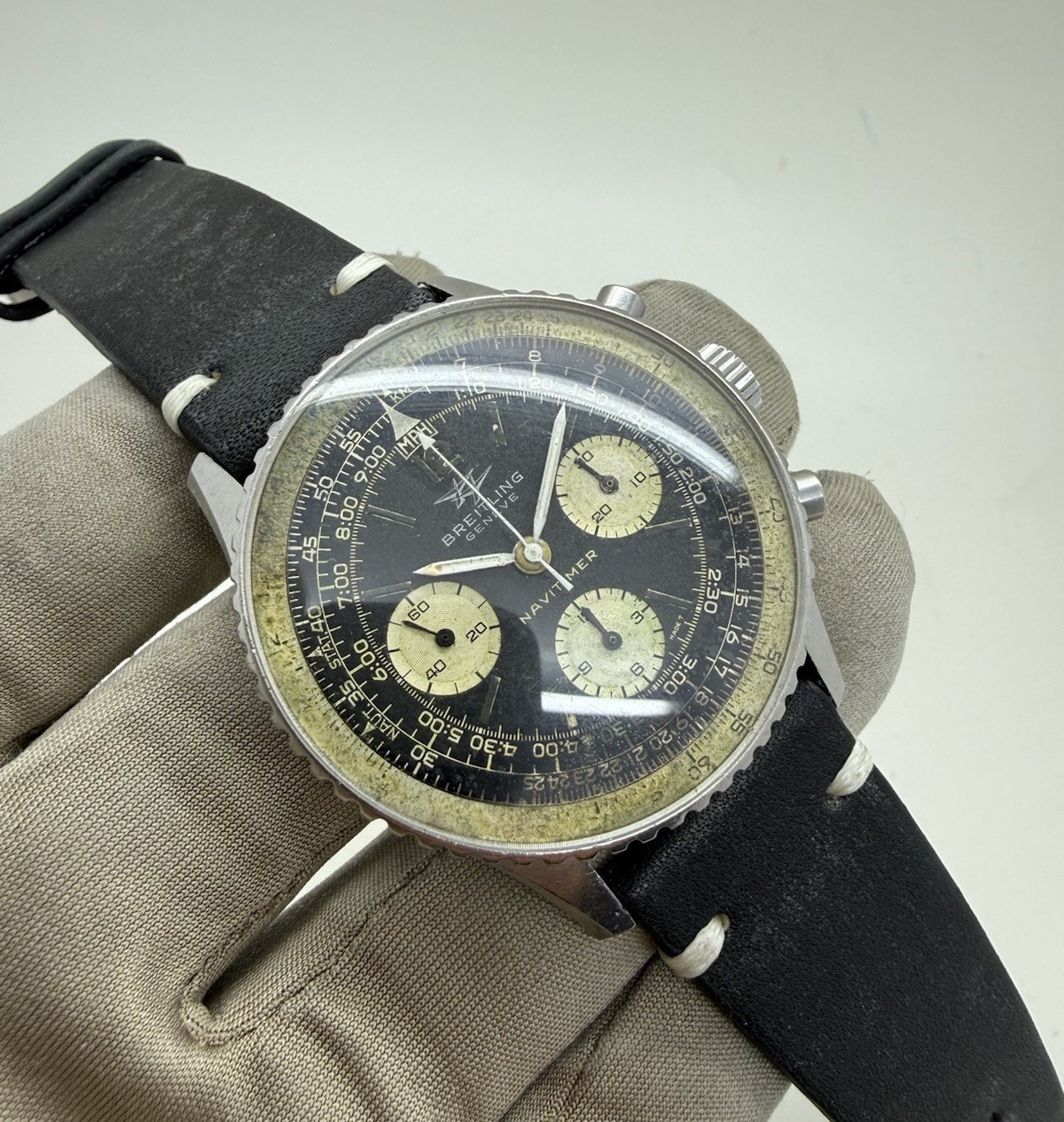
Breitling Navitimer Vintage Stainless Steel Manual Wind Leather Strap Watch 806
horloges
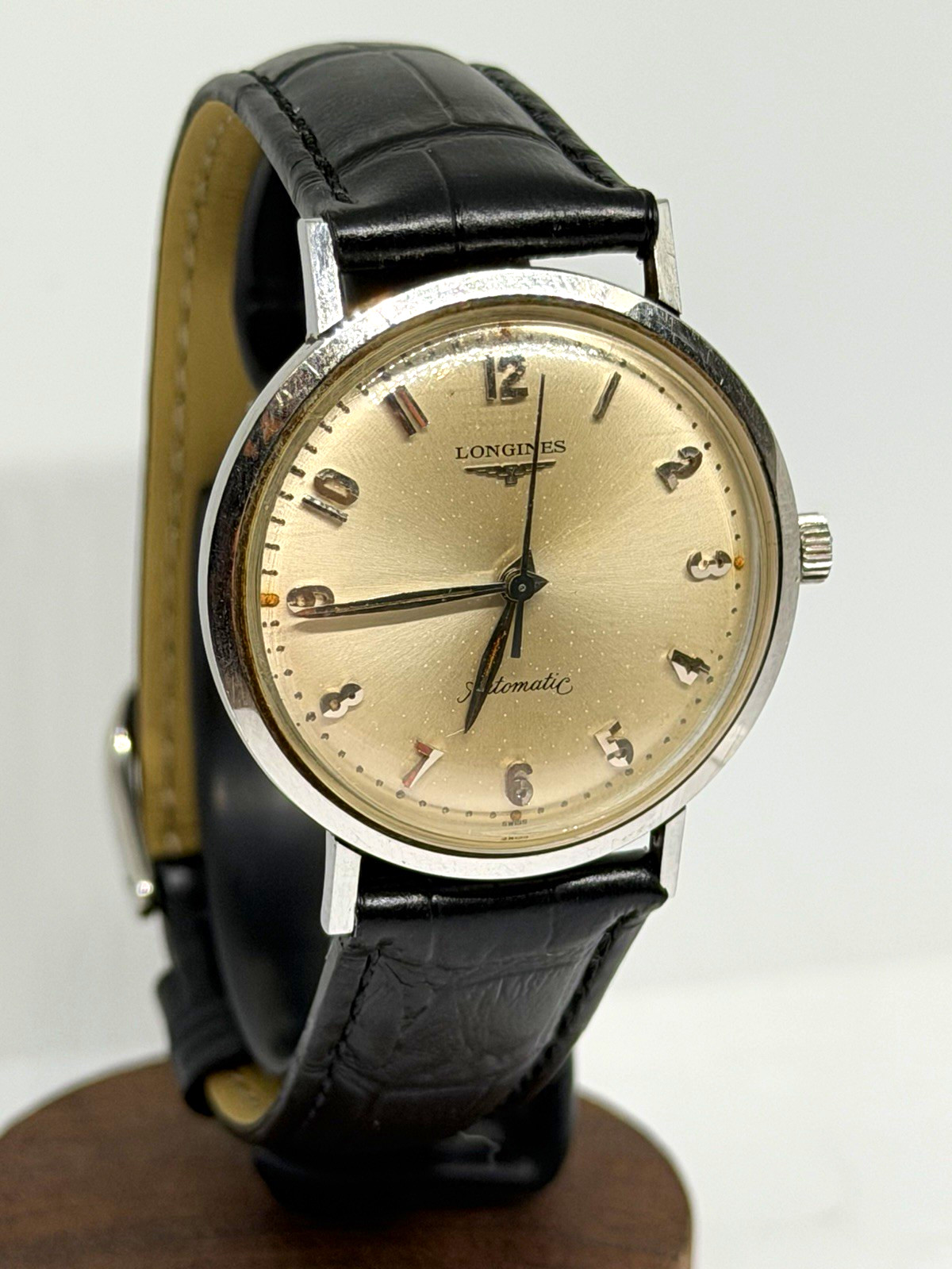
Vintage 1950s–1960s Longines Automatic Stainless Steel Watch – Ref. 1200
horloges
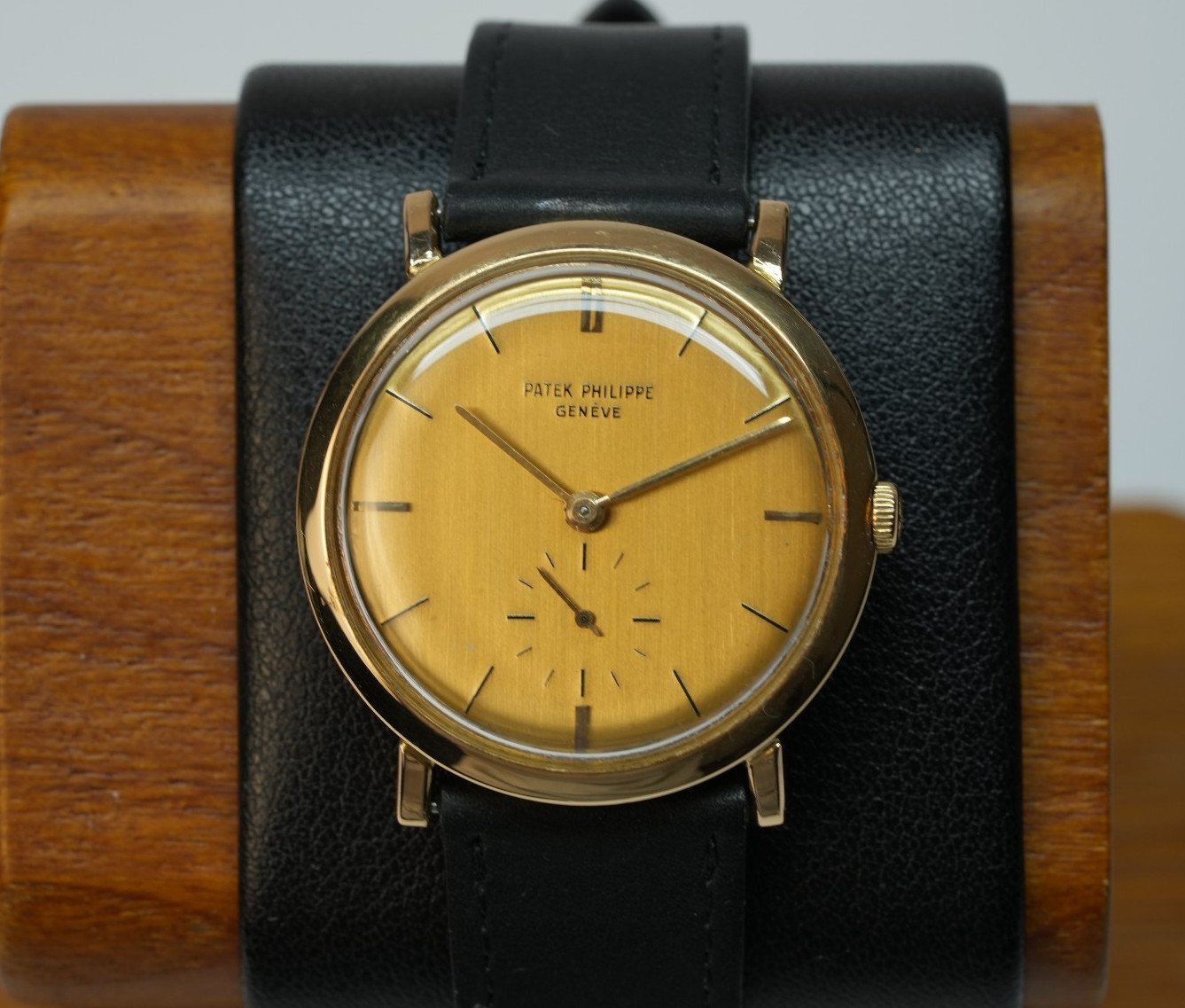
Patek Philippe Calatrava 2581 33mm 18k Gold Manual Wind Vintage Watch
horloges
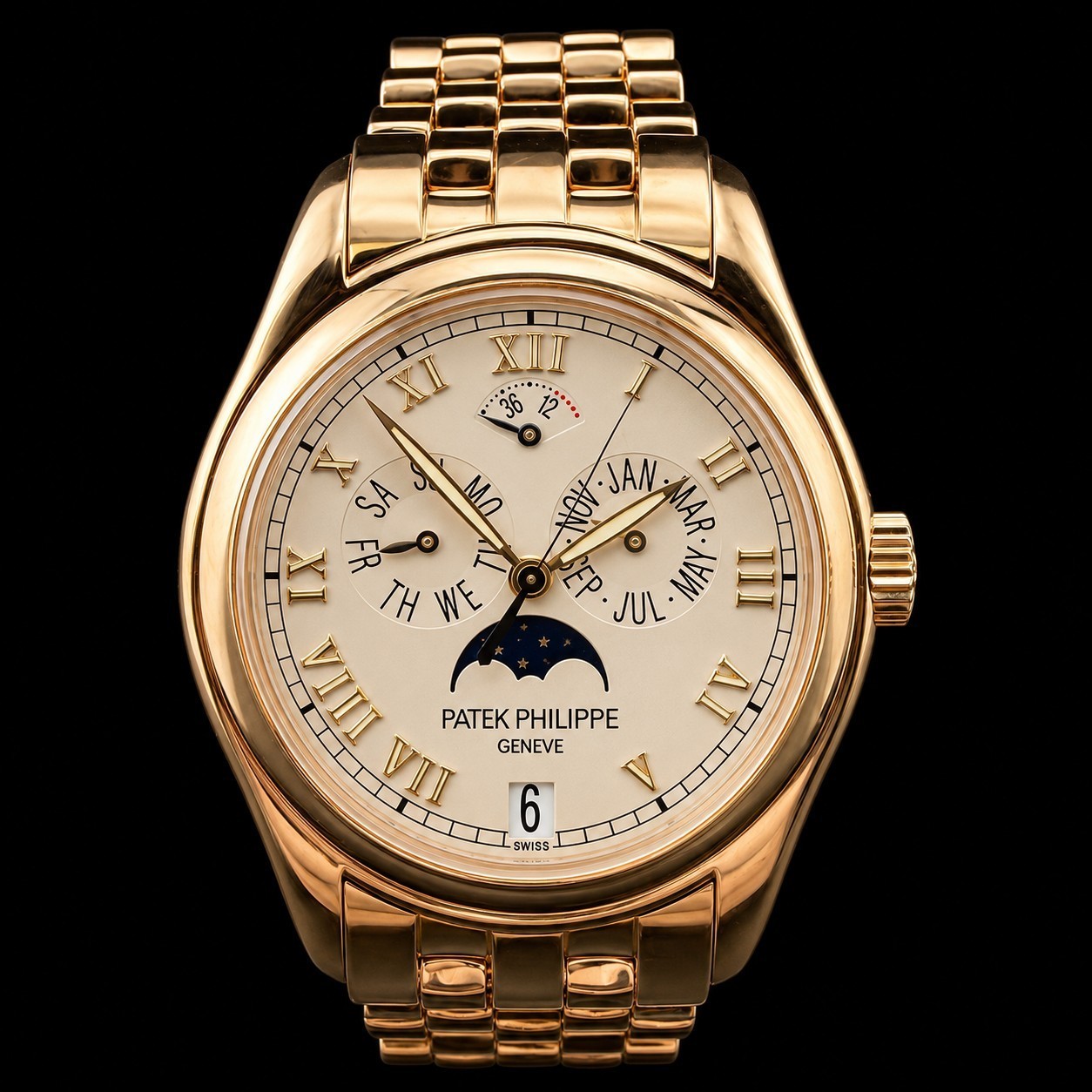
Patek Philippe Annual Calendar 5036/1R Moon Phase 18k Rose Gold Watch
horloges
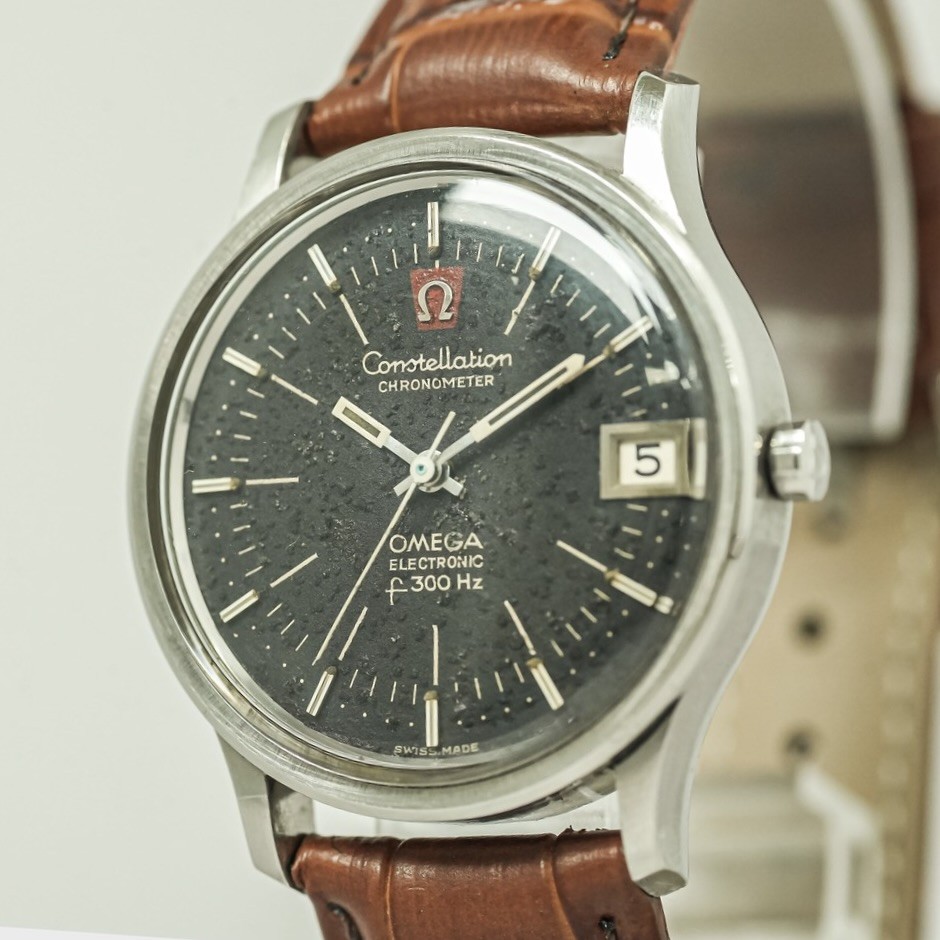
*Vintage 1970* OMEGA Constellation f300Hz Cal.1250 Chronometer Qz Black 35mm Men
The names
Meet the designers
The minds behind this story — each with a piece currently on the market.
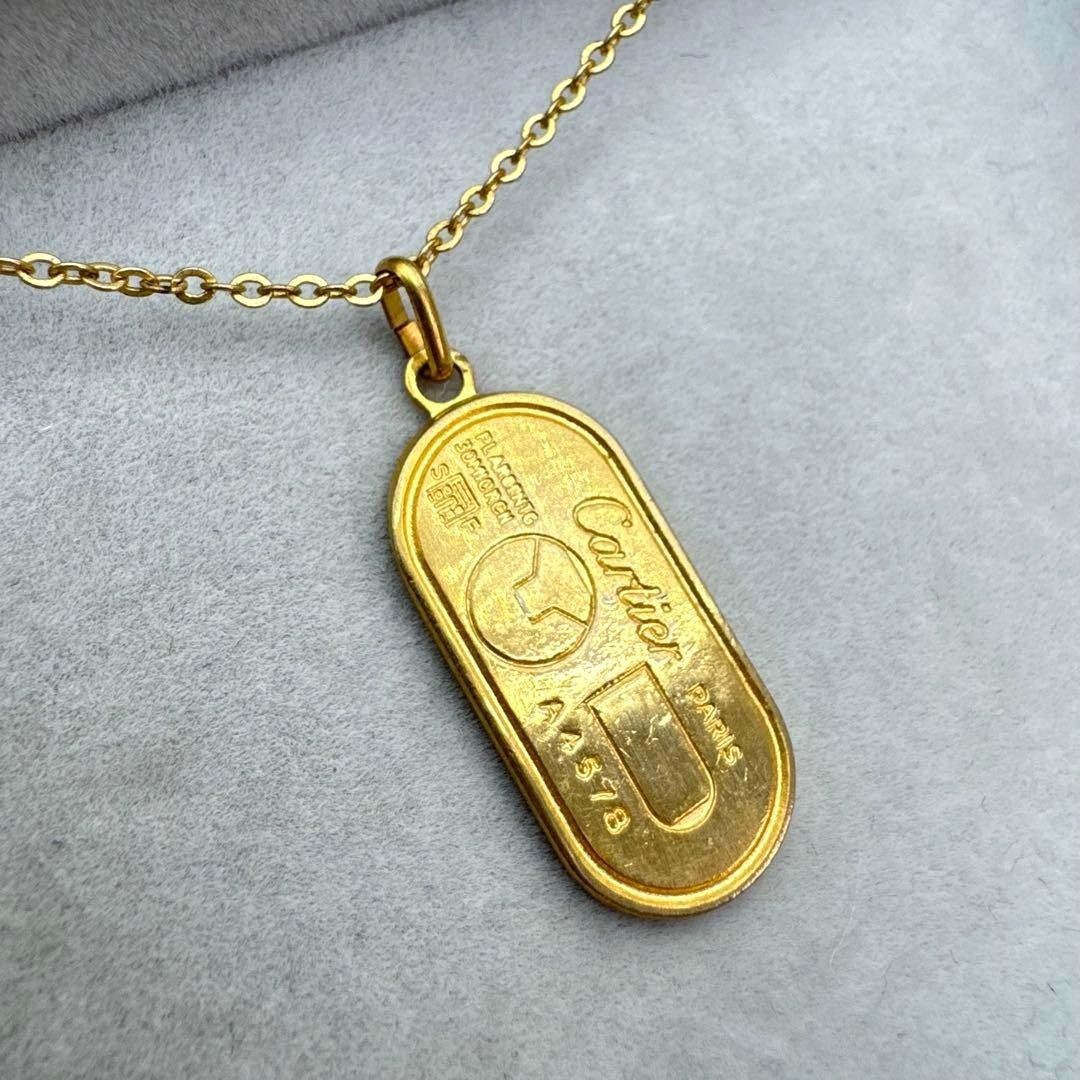
Tag Heuer
CH · 1860s
The chronograph & racing heritage
The chronograph & racing heritage
Top piece
View →
Yohji Yamamoto
Japan · 1970s
Black, drape & poetic deconstruction
Black, drape & poetic deconstruction
Top piece
View →
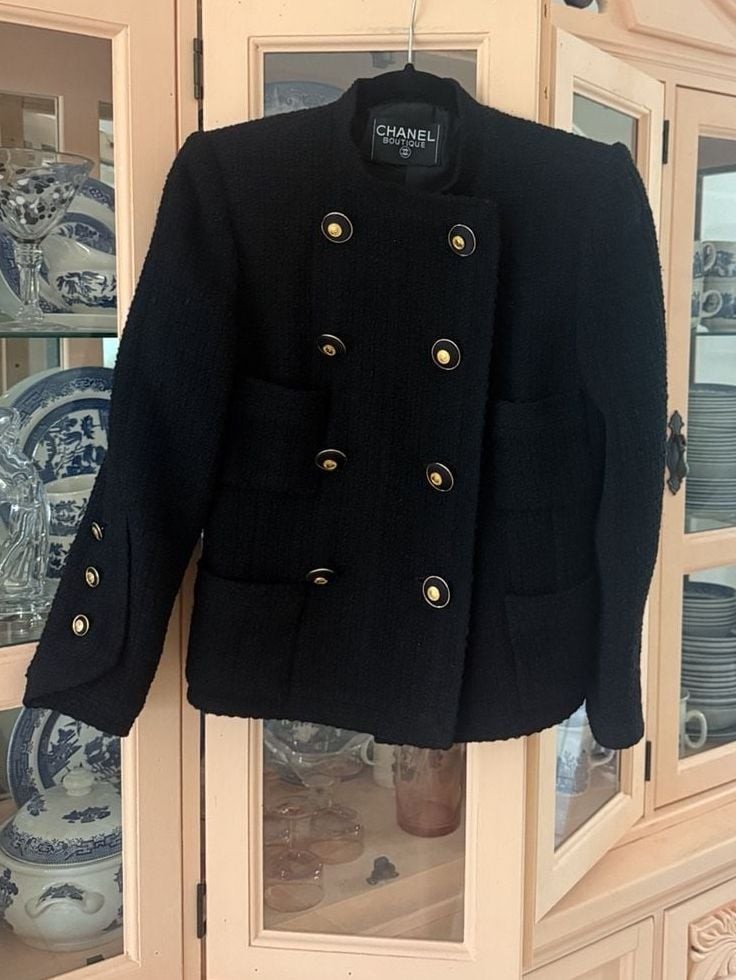
Chanel
France · 1910s
The little black dress & the 2.55
The little black dress & the 2.55
Top piece
View →
Comme des Garçons
Japan · 1960s
Deconstruction & anti-fashion
Deconstruction & anti-fashion
Top piece

View →
Continue the edit
Further stories from the same world
Three more walks through the same vintage universe.
The Omega You'll Actually Wear: A Field Guide to Vintage on the Wrist
Forget the auction paddles. Here is how to find a 1960s or '70s Omega that suits your arm and your wardrobe, what the dial and case should tell you, and why the best vintage watch is the one you forget you're wearing.
Read the story →The Small Watch on a Big Wrist
A 1972 Omega Constellation and a Fendi from the same decade teach you more about proportion and restraint than any new watch you could buy this year.
Read the story →The Wrist, Reconsidered: How to Wear a Vintage Watch Like a Grown-Up
A loupe-free guide to wearing vintage watches well: the straps that flatter a 34mm case, the dial details worth paying for, and the Omega and Vuitton pieces that earn their place on a modern wrist.
Read the story →More in Tokyo
All Tokyo →- The Wrist You Inherit: Wearing a Vintage Watch Without Looking Like a Collectorvintage watch
- The Band Tee, Worn Well: A Field Guidevintage band tee
- Why Vintage Jewelry Matters Now: A Wearer's Guidevintage jewelry
- The Vintage Leather Jacket: How to Wear It, What to Look For, and Why It Enduresvintage leather jacket
- How to Wear a Vintage Designer Bag Without Looking Like a Museum Piecevintage designer bag