
 Sign in
✦ Culture · Paris
The Omega You'll Actually Wear: A Field Guide to Vintage on the Wrist
Forget the auction paddles. Here is how to find a 1960s or '70s Omega that suits your arm and your wardrobe, what the dial and case should tell you, and why the best vintage watch is the one you forget you're wearing.
 By Louis Trash·
The Watch That Disappears
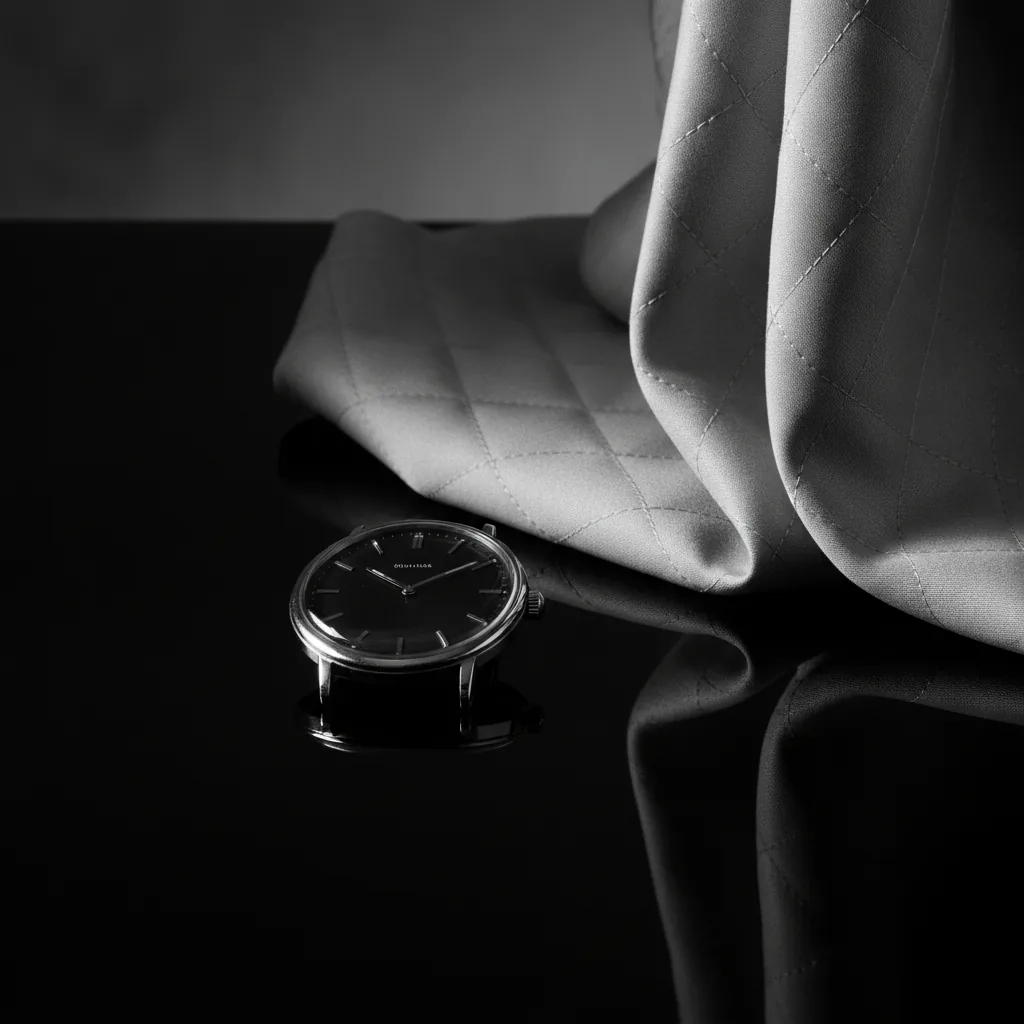
The best vintage watch is the one you stop noticing by lunchtime. That sounds like faint praise. It is the opposite. A piece you have to think about all day is costume. A piece that settles onto the wrist, catches the light once an hour, and otherwise keeps quiet is the one you'll still be wearing in 2035. Most of the Omegas floating through the vintage trade right now land in this category. That is the whole argument for them.
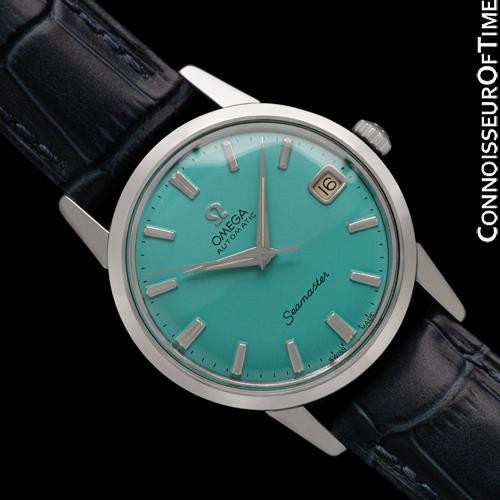
I've owned a Seamaster from 1964 for eleven years. It has a 34mm case, a silvered dial gone slightly cream at the edges, and a hand-wound movement I wind every morning the way I make coffee. Nobody has ever asked me about it at a dinner. That is the point. You buy it for the private pleasure of a mechanical object that has already survived sixty years and asks nothing of you but a little winding.
Proportions First, Everything Else Second
Vintage watches from this era run small by modern standards. A 34mm or 35mm case was standard for men through the 1950s and '60s, and it will look correct on a wrist up to about 7.5 inches. If you have larger wrists, look at the 36mm to 38mm cases from the late '60s and early '70s, or a cushion-shaped piece, which reads bigger on the arm than its measurement suggests.
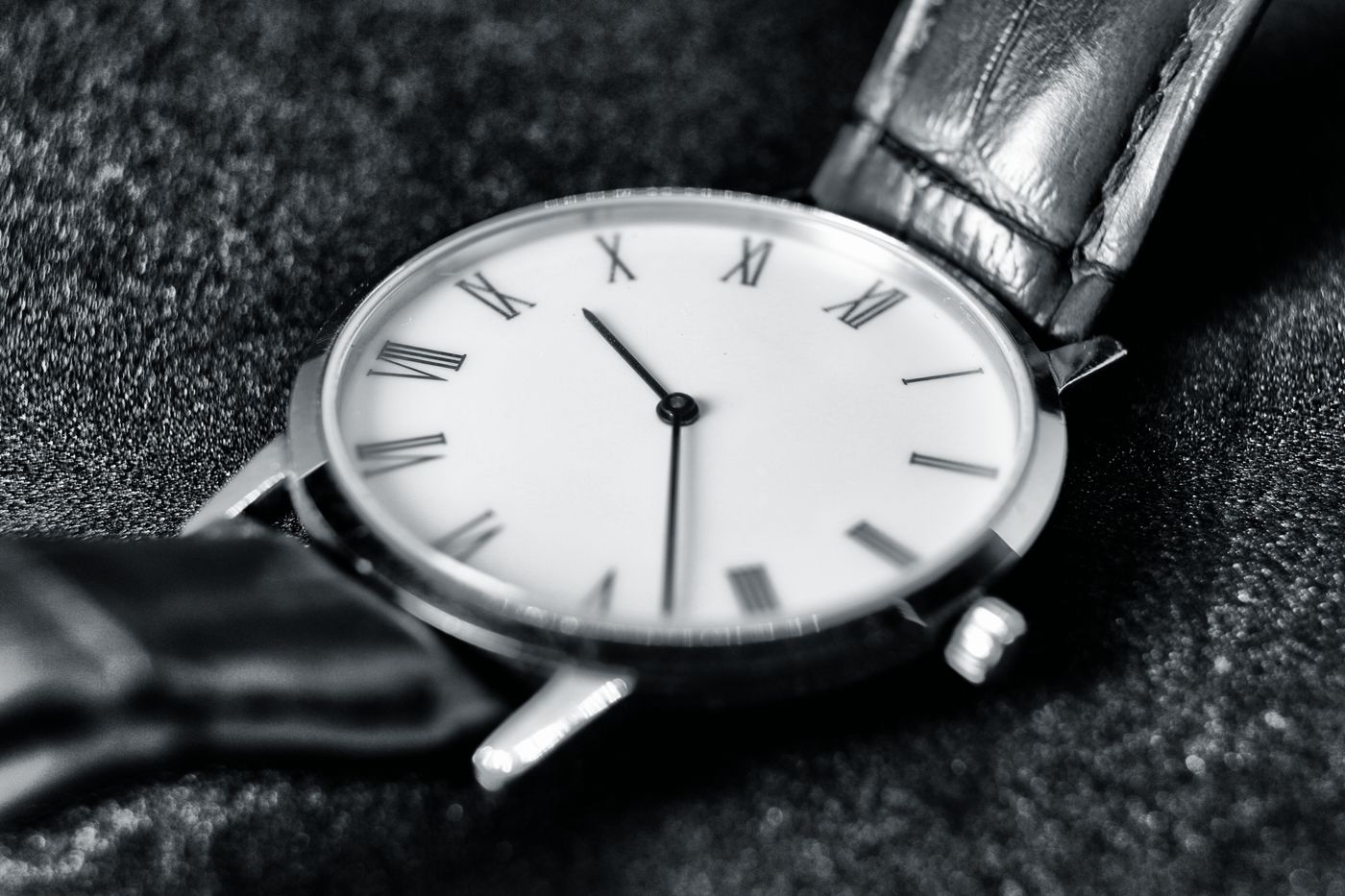
Foto: Mat Brown · Pexels
Style it the way you'd style a good silk tie. It should sit under a shirt cuff, not fight it. A slim case works with a slim cuff. If you wear oxford cloth with a bit of body, a 36mm watch with a domed acrylic crystal has enough presence to hold its own. Pair a steel case with a grey or navy leather strap and it will go with everything from a charcoal suit to a denim jacket. Gold cases look wrong with a t-shirt. Steel looks right with almost anything.
What to avoid: a modern oversized strap on a vintage case. It reads as a costume choice. Keep the strap proportionate to the lugs, which usually means 18mm or 19mm on a 34mm case. A tapered strap, slightly narrower at the buckle, is period-correct and flattering on the wrist.
What the Dial and Case Tell You
A good vintage Omega from the 1960s has a few tells. The dial should be matte or lightly brushed, not glossy. Gloss usually means a redial, and a redial almost always means the watch has been through something. Look at the printing under a loupe if you can. Original text is crisp and slightly raised; a redial is flat and often a shade too white.
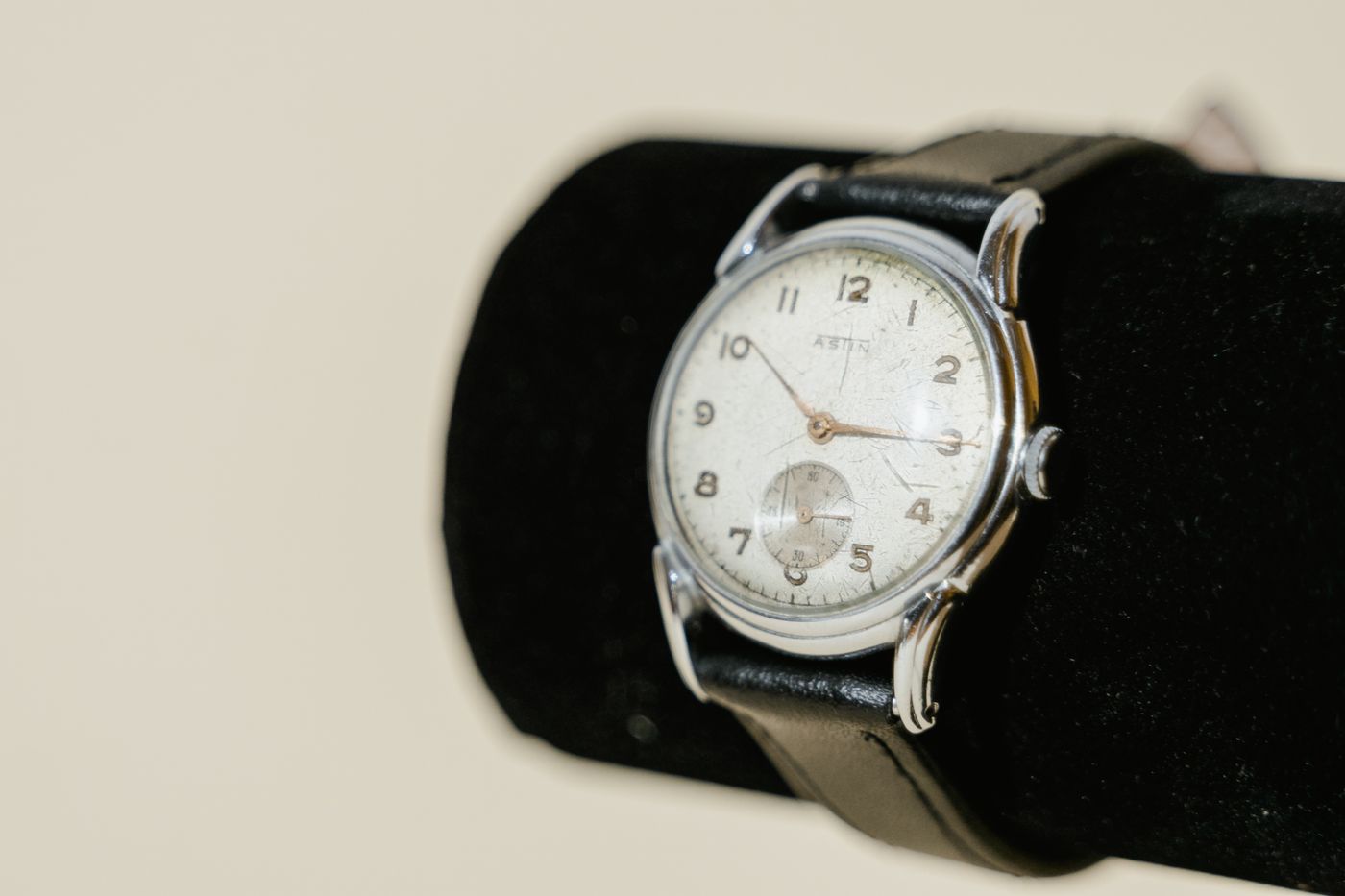
Foto: Tima Miroshnichenko · Pexels
The hands should match the dial in condition. If the dial is aged to a warm cream and the hands are bright white, someone has replaced them. That is not a dealbreaker, but it should change the price. Original lume, the luminous paint on the dial and hands, will have patinated to a tan or coffee colour. That patina is the watch's honest record of its life.
The case should show wear consistent with its age, but not deep gouges. A light polish is fine. Heavy polishing rounds the lugs and softens the case edges, and once that metal is gone it does not come back. Check the caseback for engraving. A presentation inscription from 1968 is a small piece of social history and, to my mind, adds rather than subtracts.
Movements matter. Omega's calibres from this period, particularly the 500-series and the 600-series, are robust and serviceable. Ask when it was last serviced. A watch that has sat unwound for a decade will need attention, and a proper service costs real money. Factor that in.
The History You're Wearing
Omega's reputation was built on two things: the moon, and the Olympics. The Speedmaster went to the moon in 1969, and that fact has been repeated so often it has lost its edge. The more interesting story is the Seamaster, introduced in 1948 as a civilian watch with a waterproof case, and the Constellation, launched in 1952, which Omega marketed as its precision flagship.
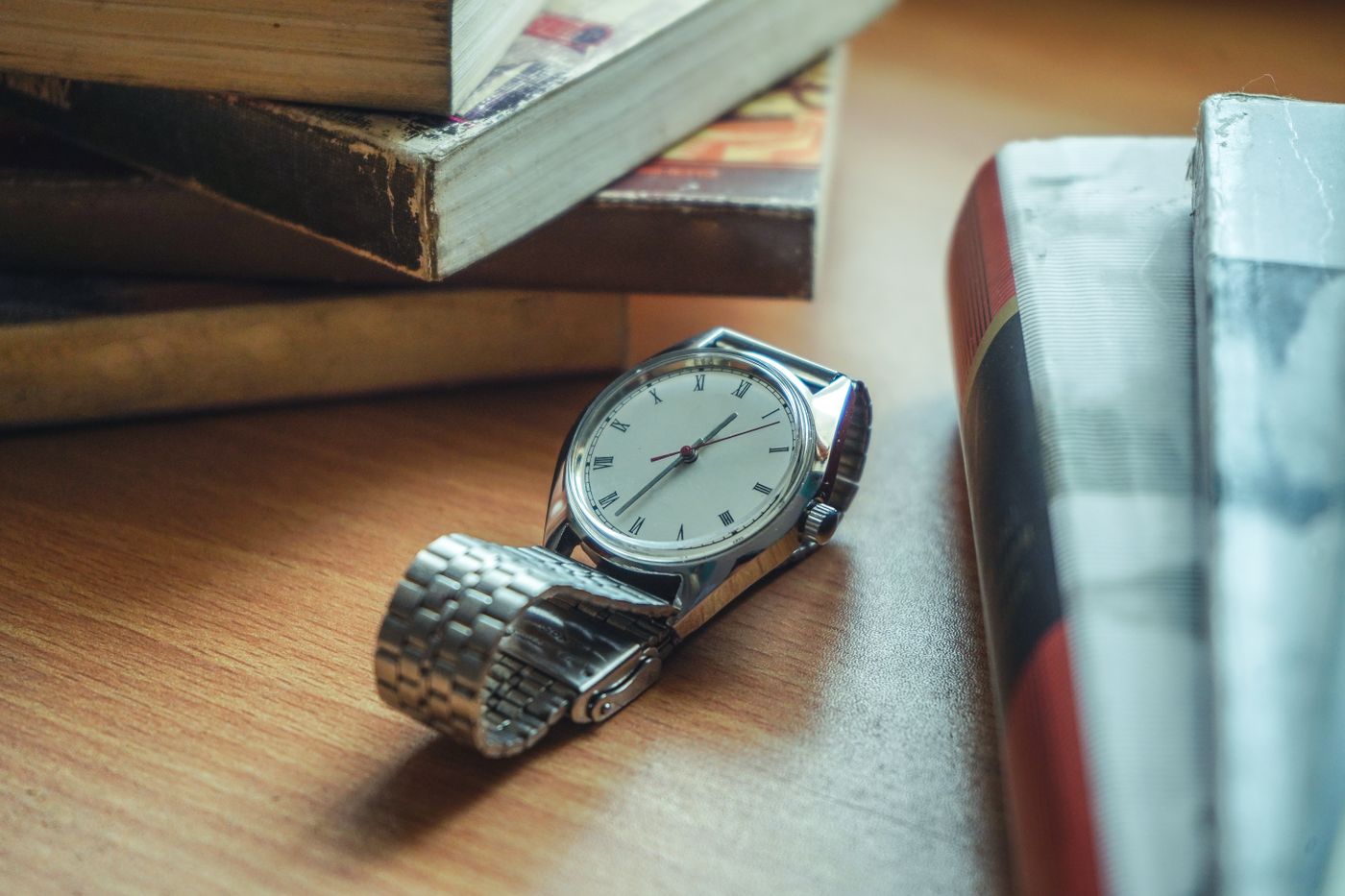
Foto: Yogendra Singh · Pexels
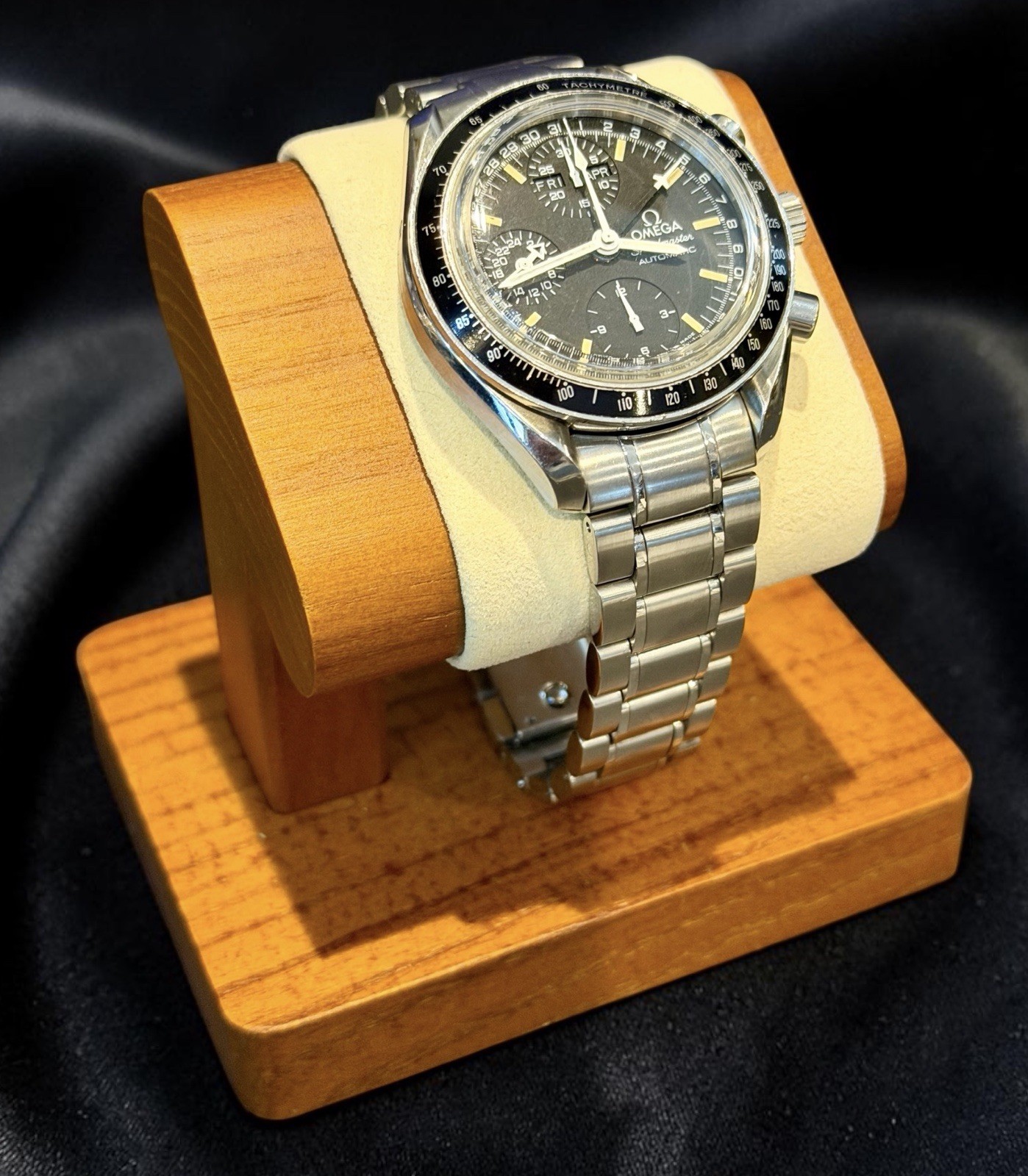
The Constellation is the one I'd argue for. It was tested at observatory trials in the 1950s and '60s, and the early models carry a medallion on the caseback depicting an observatory under eight stars, which represented the eight records Omega set at Kew Teddington in 1950. That is not marketing fluff. Those were real timing trials, and the watches were genuinely accurate.
Then there is the De Ville, which arrived in 1967 as a dressier line, and the Geneve, which was the more affordable range. A Geneve from 1970 is a lovely thing: thin, simple, often with a brushed silver dial, and it will cost you less than a Seamaster of the same year. Around $196 gets you into a decent example right now. That is a lot of watch for the money, and it is the sort of piece you can wear without anxiety.
The Closing Thought
A vintage Omega is not an investment. It is a tool that happens to be beautiful, and the pleasure of it is in the wearing. Wind it in the morning. Wear it in the rain. Let the acrylic crystal pick up a scratch and have it polished out once a year. The watch was built to be used, and the only way to honour that is to use it. Buy the one that fits your wrist and your life, and then stop thinking about watches for a while.

City
Paris
Category
vintage watch
Published
25 November 2026
Where to find it
Shop the signals
What the market is offering right now on this exact subject.
horloges
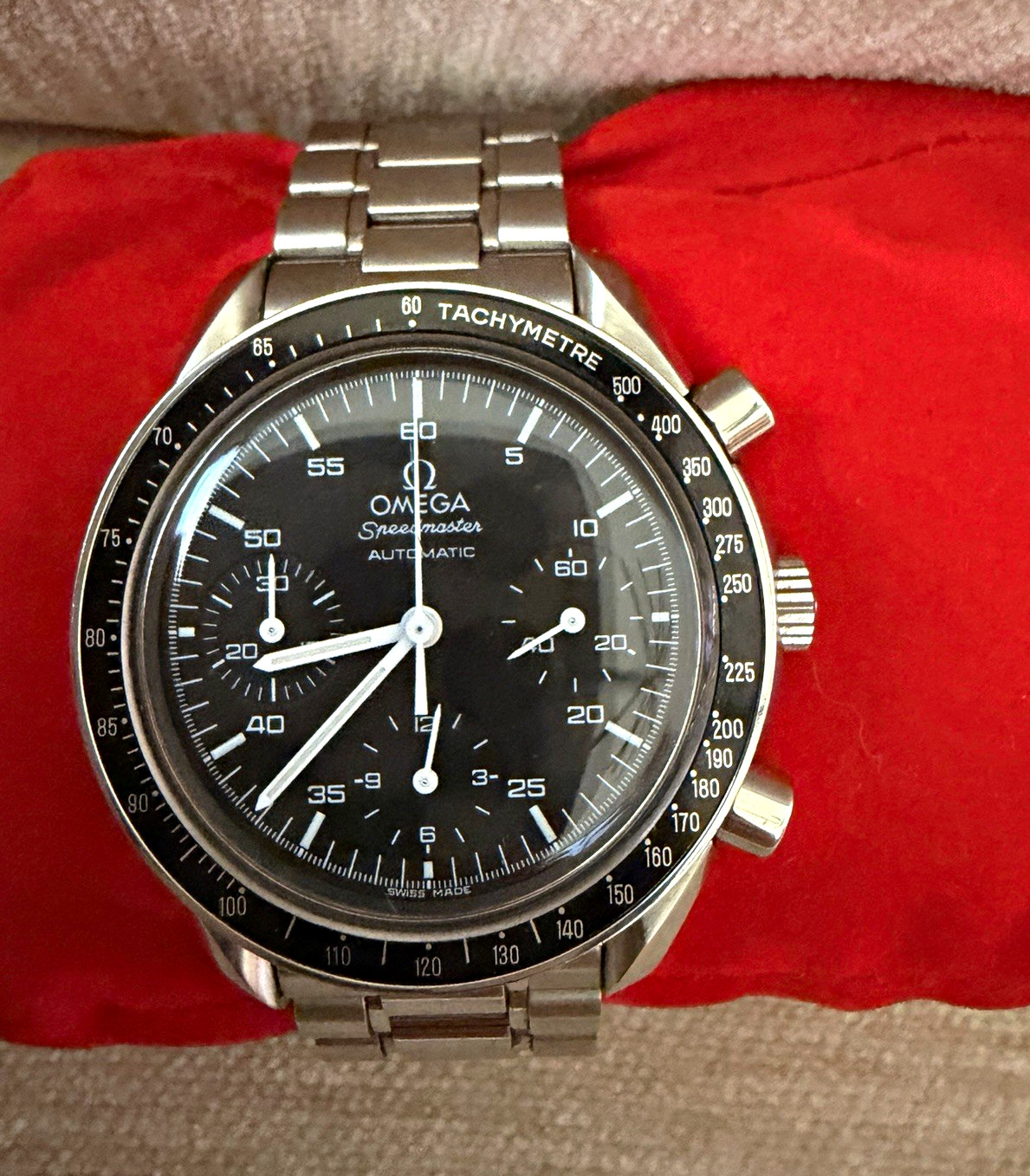
Vintage Omega Speedmaster Automatic 39mm Chronograph Watch & Original Band
horloges
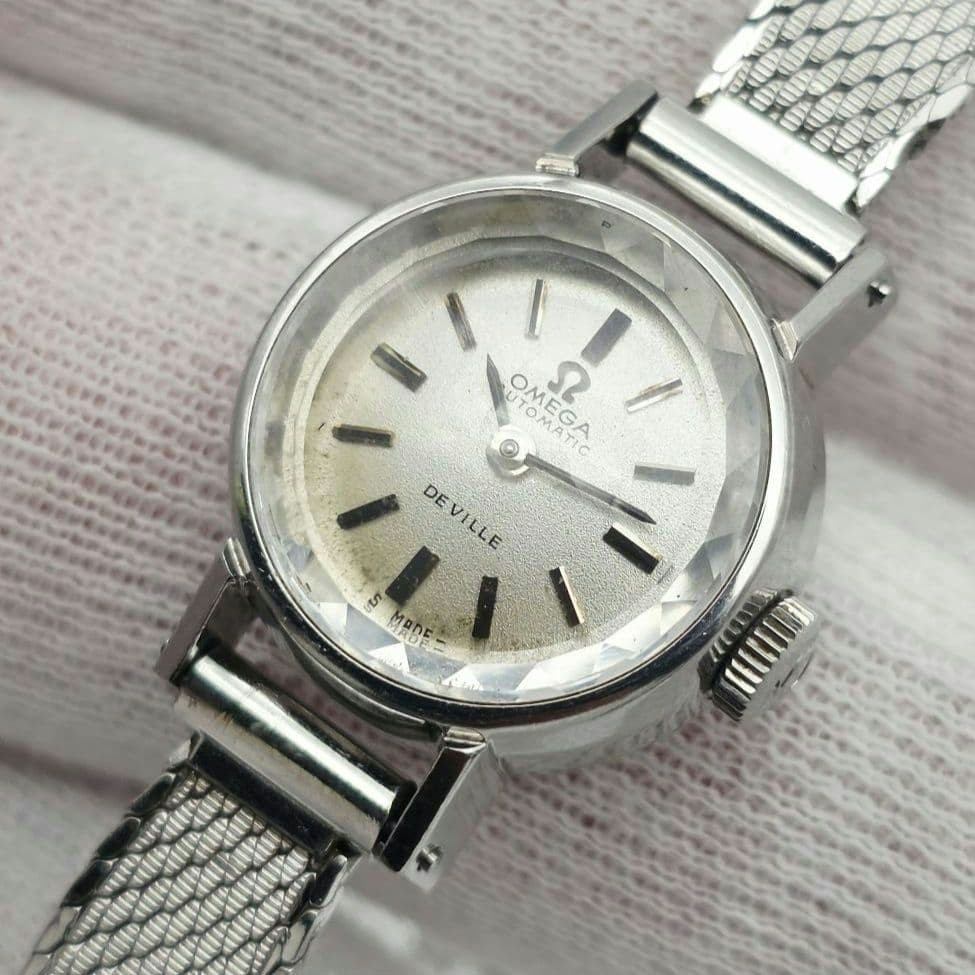
[EXC] Omega 1970s Vintage De Ville 551.038 Automatic Watch
horloges
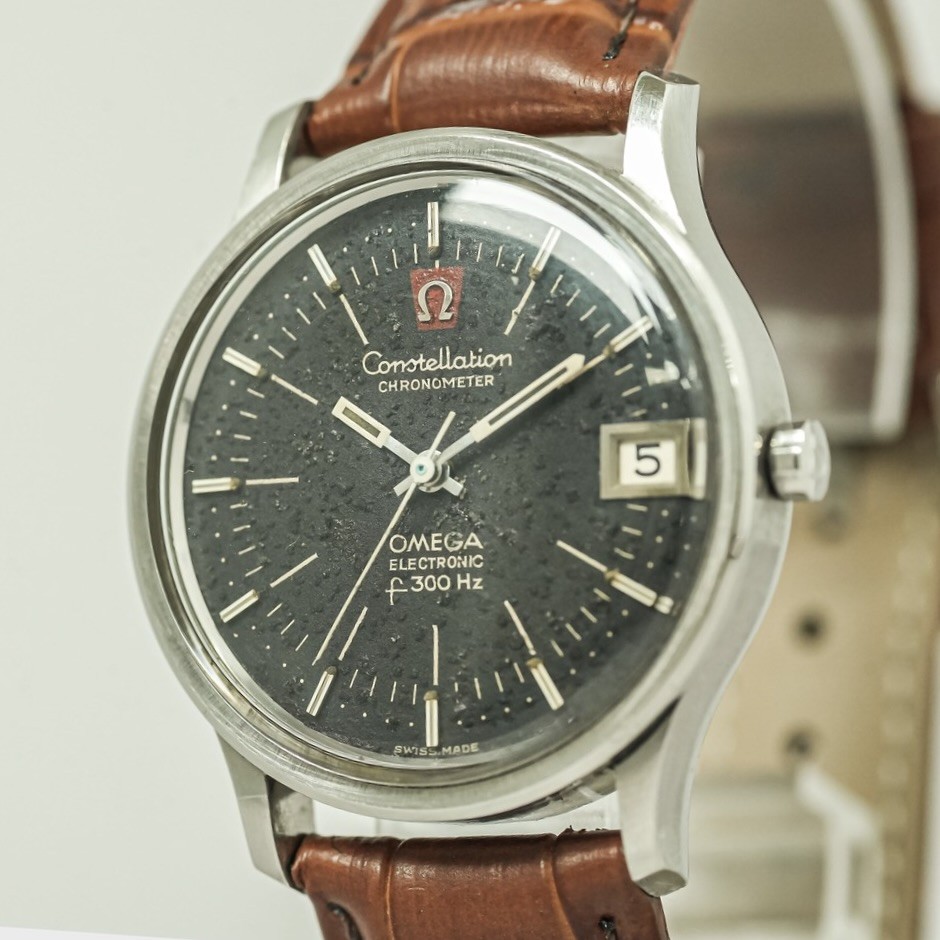
*Vintage 1970* OMEGA Constellation f300Hz Cal.1250 Chronometer Qz Black 35mm Men
horloges
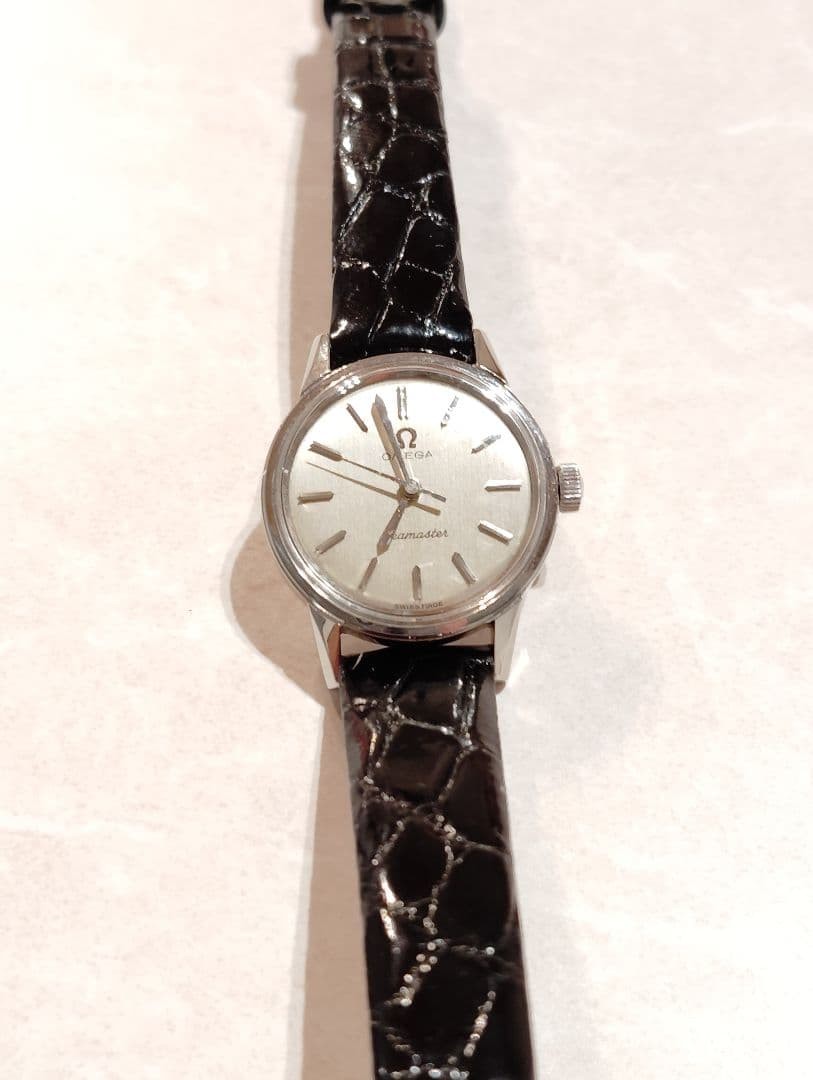
Omega Seamaster Vintage
horloges
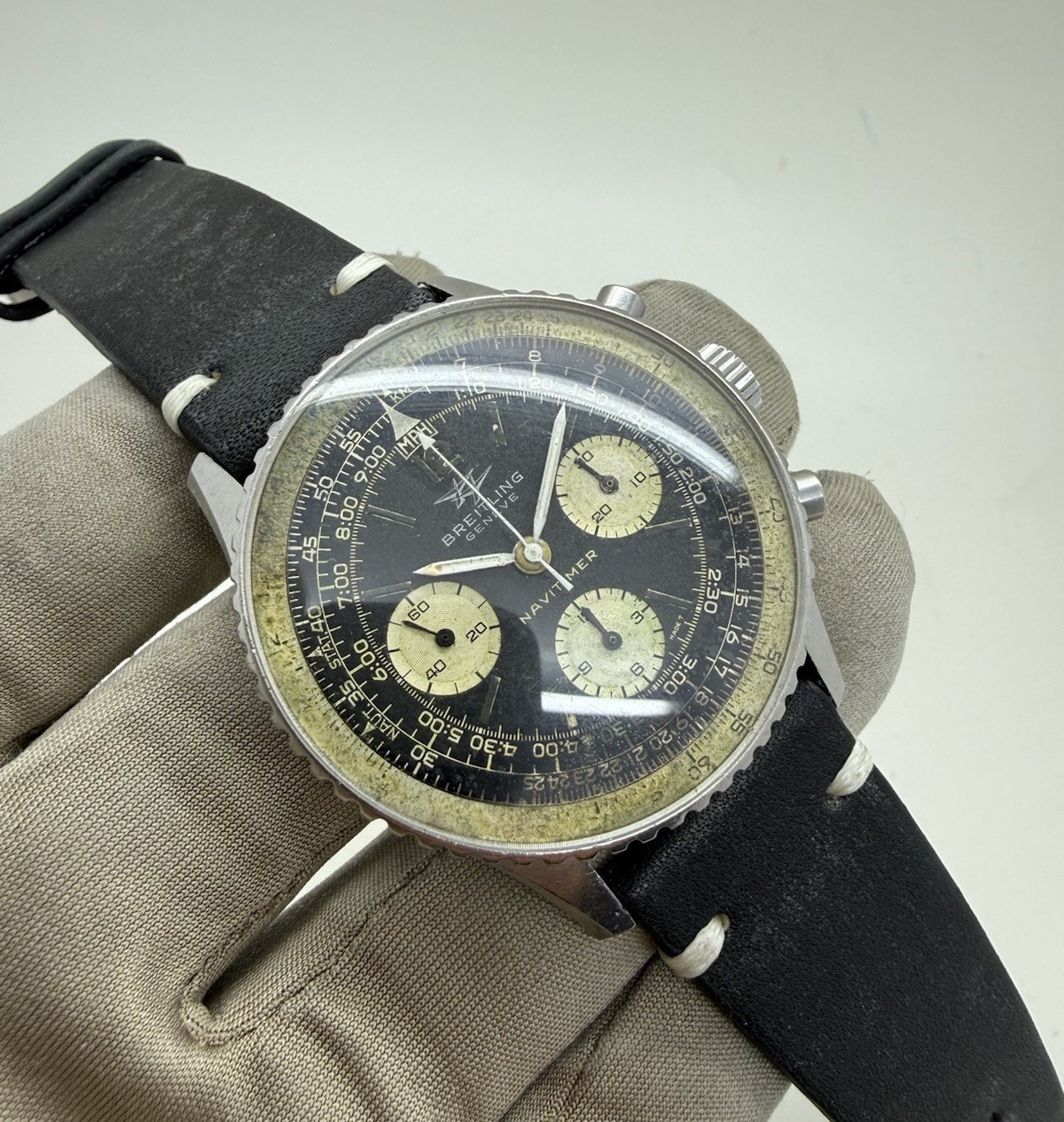
Breitling Navitimer Vintage Stainless Steel Manual Wind Leather Strap Watch 806
horloges
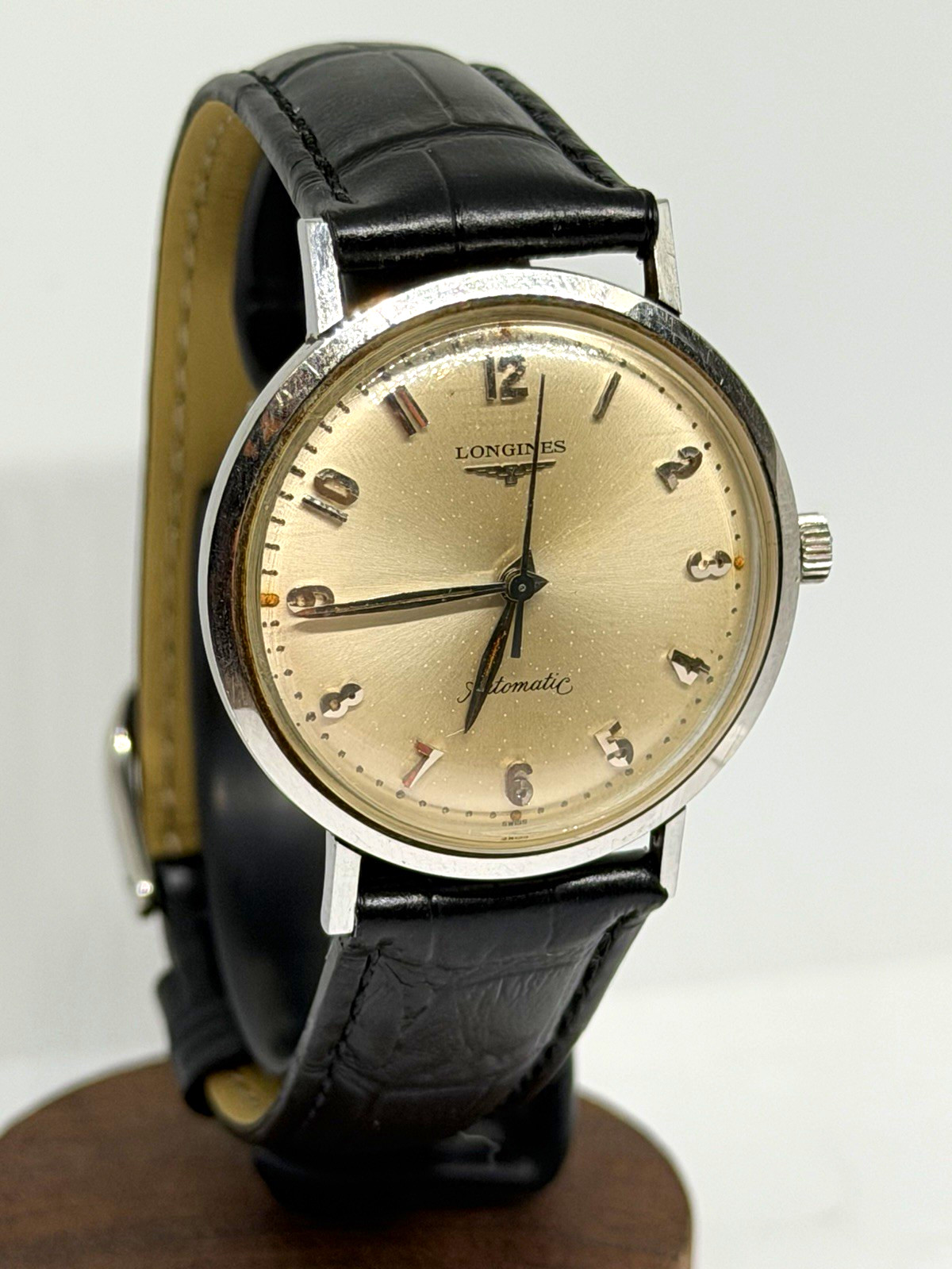
Vintage 1950s–1960s Longines Automatic Stainless Steel Watch – Ref. 1200
horloges
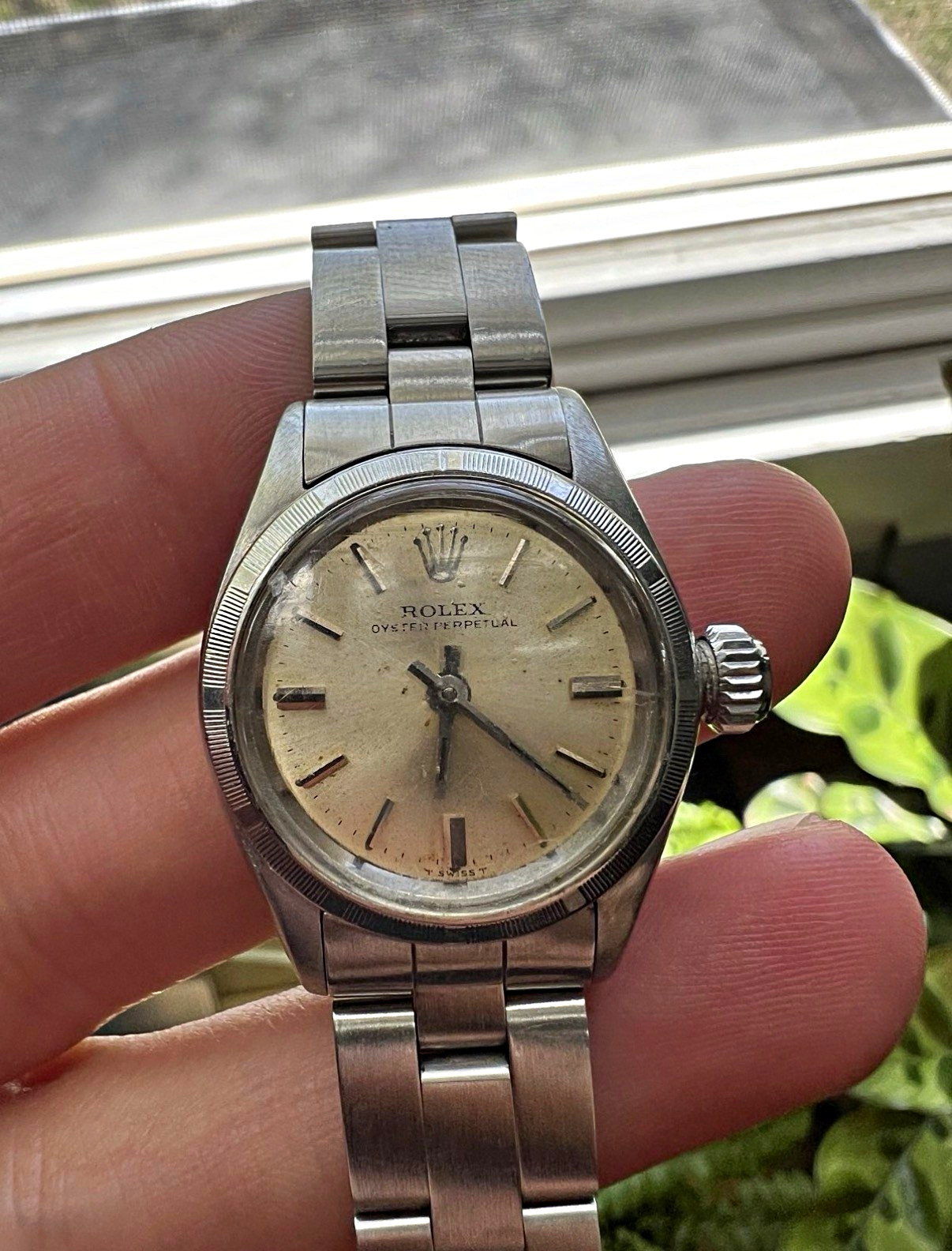
Vintage Rolex Ladies Oyster Perpetual Stainless Steel Watch
horloges
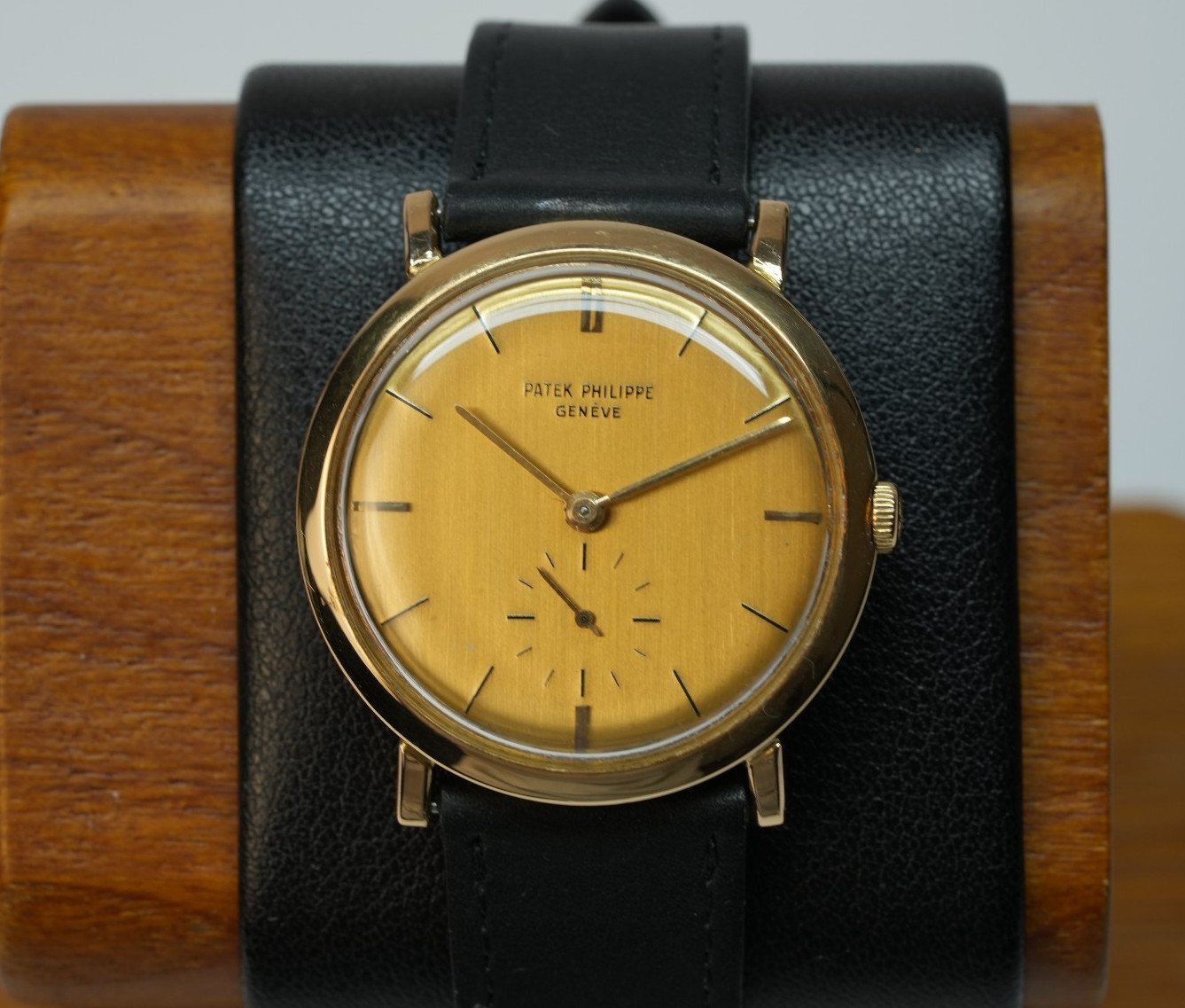
Patek Philippe Calatrava 2581 33mm 18k Gold Manual Wind Vintage Watch
The names
Meet the designers
The minds behind this story — each with a piece currently on the market.
Omega
CH · 1840s
The Speedmaster & the Moonwatch
The Speedmaster & the Moonwatch
Top piece
View →
Arne Jacobsen
Denmark · 1950s
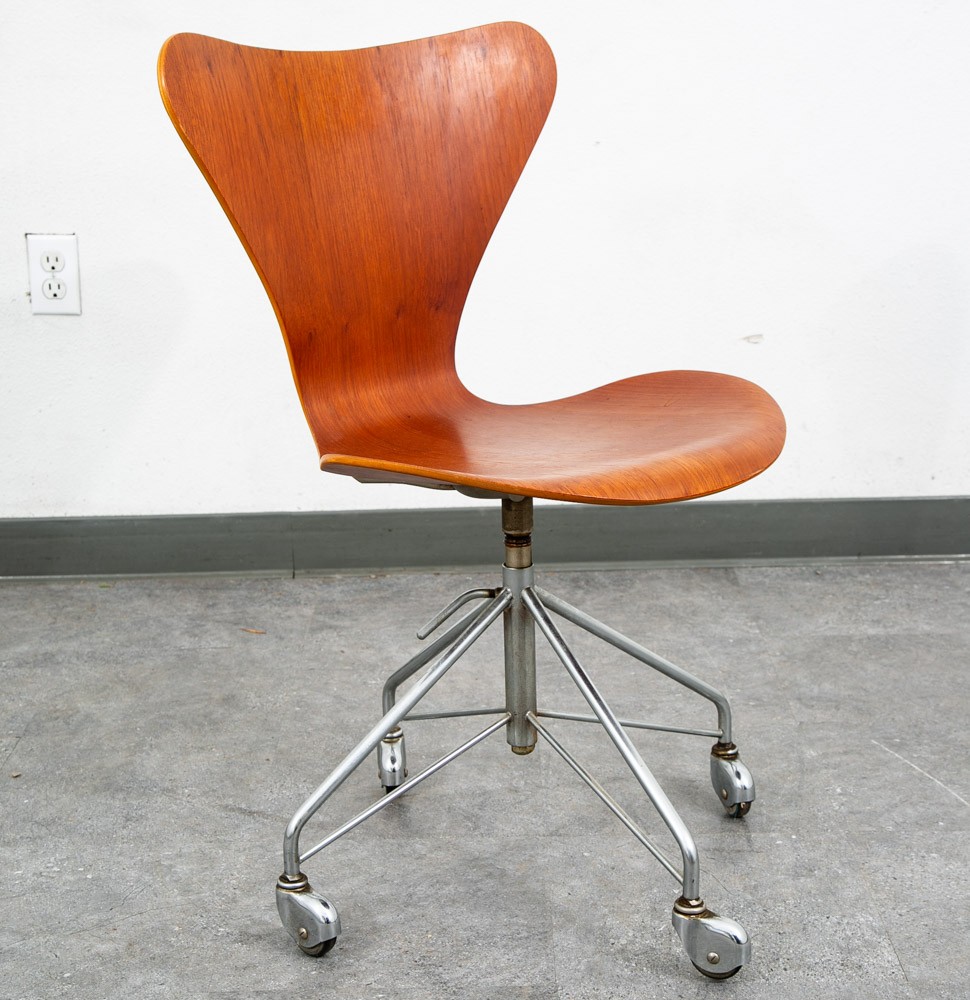
The Egg & the Series 7 — chairs turned into quiet sculpture.
The Egg & the Series 7 — chairs turned into quiet sculpture.
Top piece
View →
Jean Prouvé
France · 1930s
Structural steel & the Standard chair — an engineer of furniture.
Structural steel & the Standard chair — an engineer of furniture.
Top piece
View →
Levi's
USA · 1850s
The 501 & Americana denim
The 501 & Americana denim
Top piece
View →
Continue the edit
Further stories from the same world
Three more walks through the same vintage universe.
The Small Watch on a Big Wrist
A 1972 Omega Constellation and a Fendi from the same decade teach you more about proportion and restraint than any new watch you could buy this year.
Read the story →The Wrist, Reconsidered: How to Wear a Vintage Watch Like a Grown-Up
A loupe-free guide to wearing vintage watches well: the straps that flatter a 34mm case, the dial details worth paying for, and the Omega and Vuitton pieces that earn their place on a modern wrist.
Read the story →The Case for a Watch That Shows Its Age
A worn Rolex or a logo-drenched Gucci tells a story no new piece can. How to wear vintage watches with a modern wardrobe, what to check on the case and dial, and the films and designers who made them worth keeping.
Read the story →More in Paris
All Paris →- Vintage Wedding Guest Outfits in Paris: A Buyer's Guidecity guide
- The Case for a Watch That Shows Its Agevintage watch
- The Vintage Band Tee: A License to Wear Your Taste Loudvintage band tee
- The Band Tee Is Not a Costume: How to Wear a 1979 Tour Shirt in 2024vintage band tee
- Why Vintage Jewelry Matters Nowvintage jewelry