
 Sign in
✦ The Icon Story · Milan
The Dress That Already Knows How to Move
A working guide to vintage dresses: how to wear them without looking costumed, what the seams and labels tell you before you pay, and the 1972 silhouette worth hunting above all others.
 By Louis Trash·
Start With the Shoulder, Not the Waist
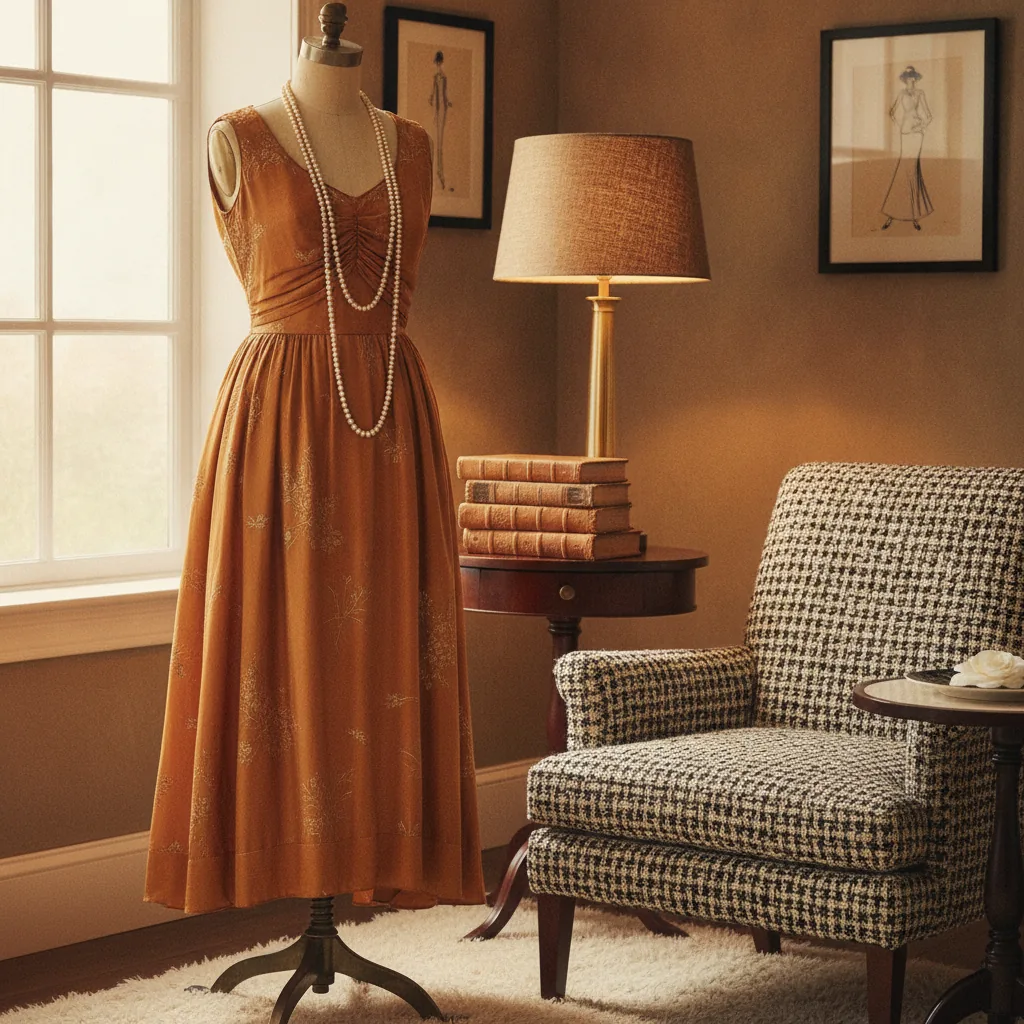
Most people buy a vintage dress by the waist. That is the wrong end. The shoulder is the part you cannot alter cheaply, and it is where the decade announces itself. A dress with a soft, dropped shoulder and a narrow cuff is telling you it was cut before roughly 1958. A sharp, padded shoulder with a high armhole says 1940s or the early 1980s revival. Set-in sleeves with a little ease at the cap are the safe middle ground. They are what you should look for if you want something you can actually wear to work on a Tuesday.
Try the dress on and raise your arms above your head. If the whole bodice climbs up to your ears, the armhole is too high or the bust is too shallow. Walk away. There are plenty more.
What a Good One Feels Like in the Hand
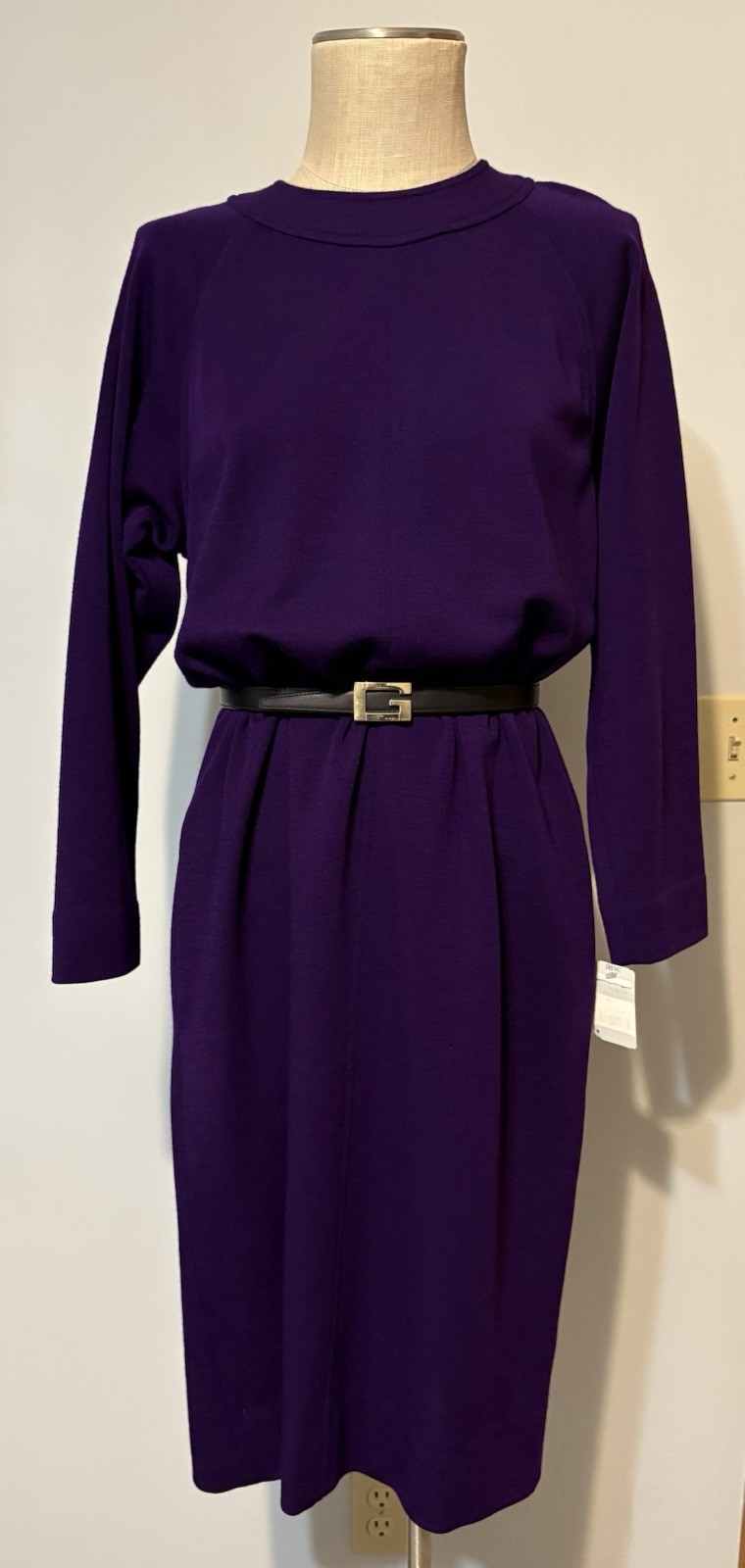
Cotton from the 1950s and 1960s has a dry, almost papery hand that softens after two washes. If it feels slick and slightly plasticky, you are probably holding polyester from 1967 onward. That is fine if you like it, and a disappointment if you were promised silk. Turn the dress inside out. Look at the seam allowance. A generous half inch with overcasting, or French seams on a light fabric, means somebody cared. A narrow quarter-inch seam with raw, fraying edges is a dress that was made to be worn one season and thrown away. Those exist in every decade.
Check the zip. A metal zip with a brand name stamped on the pull, Talon or Lightning, usually dates the piece before 1970 and tends to still run smoothly. Plastic zips arrived in earnest in the 1960s and are more fragile now. Check the hem. Hand-stitched hems with tiny, even pick stitches are a sign of a better garment than a machine blind hem, and they are easy to let down if you need an extra inch.
Labels matter less than you think. Most of what circulates is mixed and unlabelled, and a dress around $77 does not need a couture name to be worth owning. But a woven label with a union mark, or a small printed fabric label rather than a plastic one, is a useful era tell.
The Dress That Taught Women to Move
In 1972, Diane von Furstenberg walked into a New York showroom with a simple cotton jersey wrap dress and changed what women wore to the office. The story is well known. The reason it worked is not. The wrap tied at the side, followed the body without gripping it, and could be adjusted for a lunch that ran long. It was a dress you could move in. Yves Saint Laurent had already made the point in 1966 with his pop-art dresses and the Le Smoking, but the wrap made it democratic.
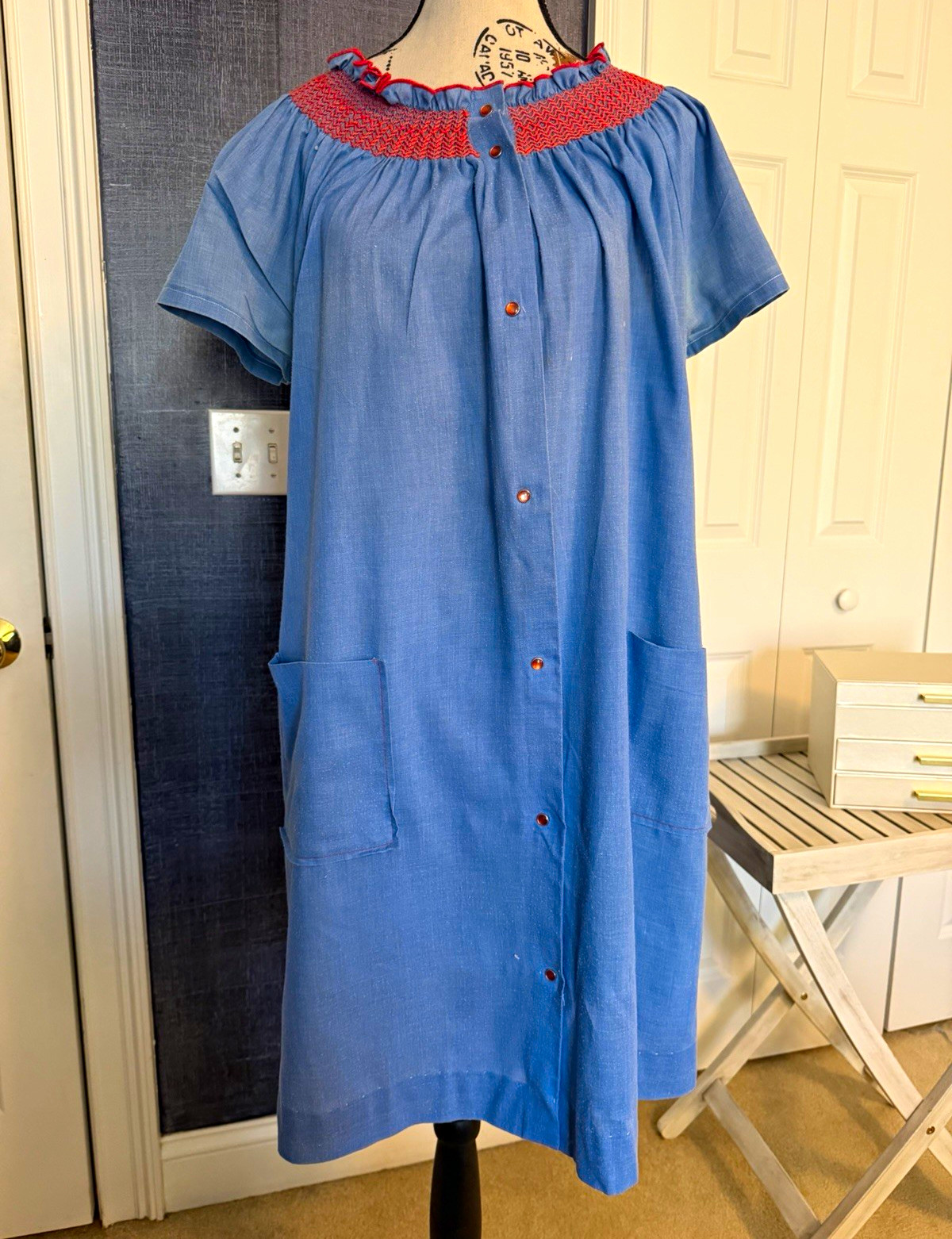
That decade gave us the silhouette most worth hunting now: a soft, fluid jersey or crepe dress with a defined but not tight waist, a V neckline, and a hem that falls somewhere between the knee and the ankle. It works because it is forgiving of a body that has changed since it was made, and because the fabric does the tailoring for you.
How to Wear It Without Looking Like a Costume
The mistake is head-to-toe. A 1970s wrap dress with period sandals and a floppy hat reads as fancy dress. Wear it with a modern, plain shoe. A flat leather loafer, a clean ankle boot, a simple sandal with one strap. Keep the accessories small and few. One thin gold chain, not three. A structured bag, not a basket.
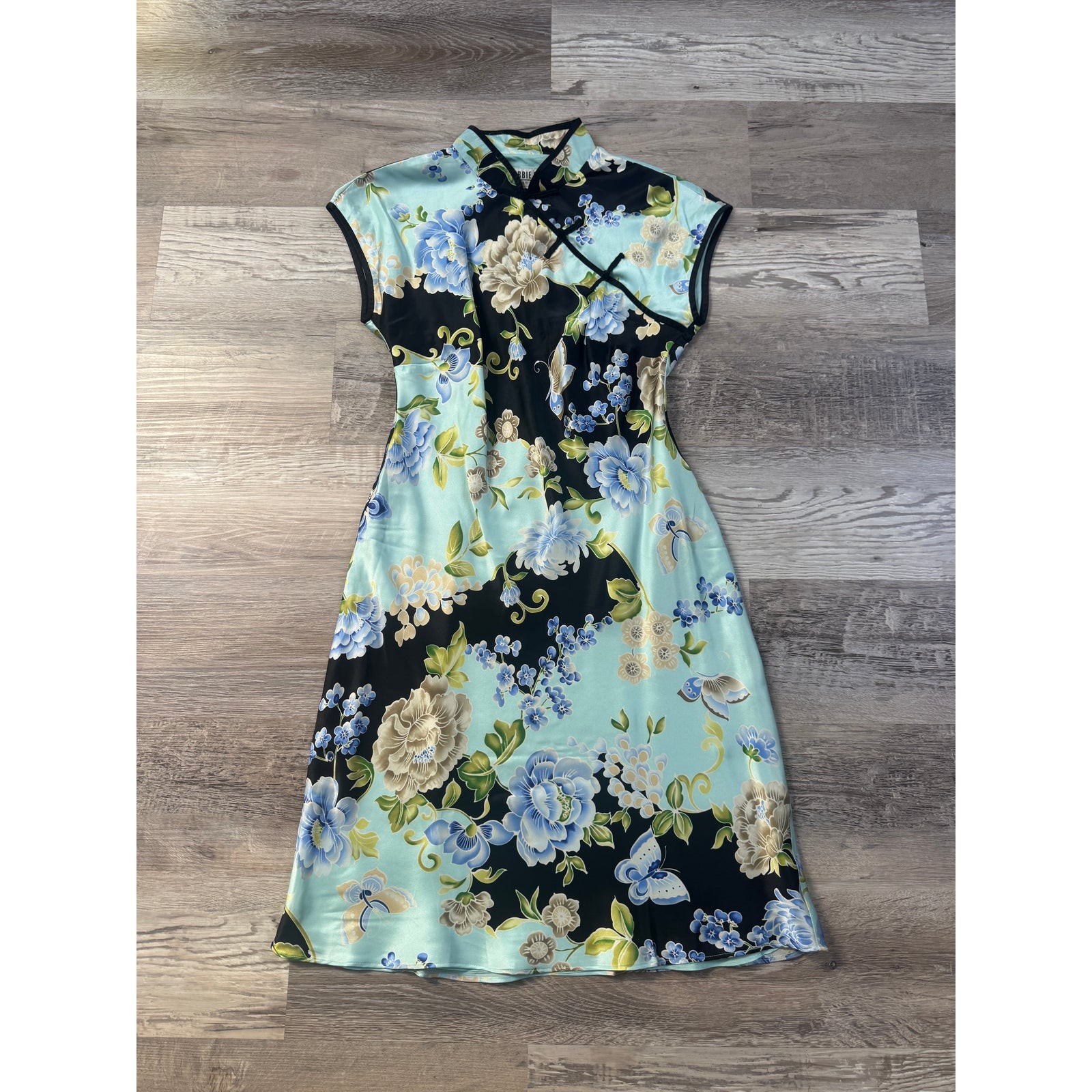
Proportion is the whole game. If the dress is voluminous, keep the shoe slim and the sleeve short. If the dress is narrow through the body, you can go bigger on the coat. A 1960s shift under a modern oversized wool coat is one of the best outfits available to anyone, and it costs very little to assemble. Belt a loose dress only if the fabric is light enough to gather without bulk. Jersey takes a belt. Heavy cotton does not.
For evening, do less than you think. A plain black crepe dress from 1974 with bare legs and a low heel will outclass most things in the room. Resist the urge to add sparkle to a dress that already has a strong line.
Check the Light Before You Commit
Hold the dress up to a window. Thin fabric that glows is a dress that will show every seam and every undergarment. That can be lovely in silk chiffon and disastrous in cheap cotton. Look for even colour across the folds. A dress that has faded on the shoulders has hung in a window for years, and no wash will bring it back. Small repairs are fine. A replaced button, a darned seam, a let-down hem. They are evidence the dress was loved, and they do not show when you are wearing it.
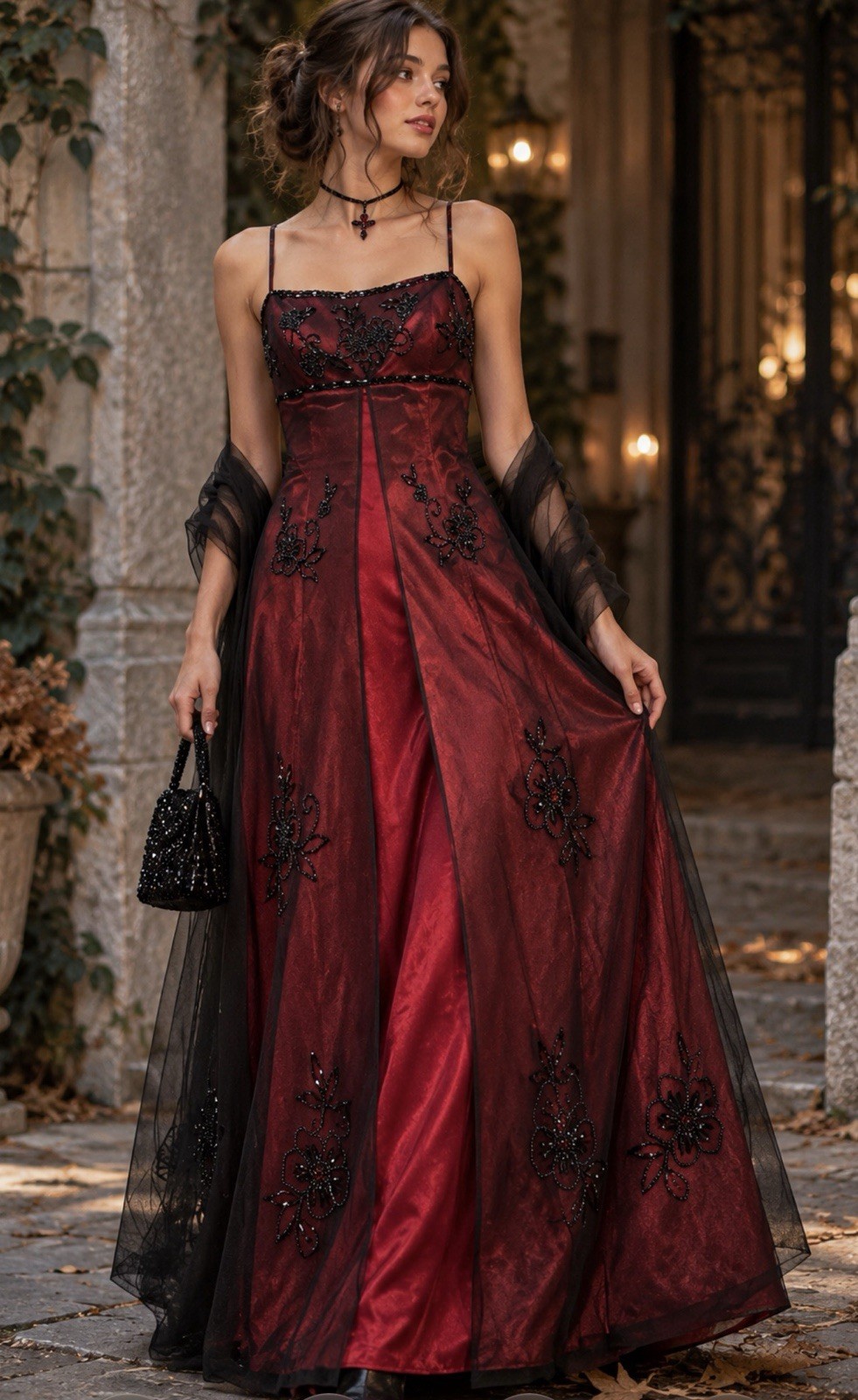
Smell the underarm. Vinegar and a cold wash will fix most things, but a dress that has been stored damp will keep that smell forever. Trust your nose over your hopes.
The Point of the Whole Exercise
A vintage dress asks you to meet it halfway. It has a fixed shoulder, a hem someone chose in another decade, and a waist that will not move for you. That constraint is the pleasure. You stop shopping for a body and start dressing the one you have, in a garment that was made by hands you will never meet. Buy the one that fits the shoulder, check the seams, wear it with your own plain shoes, and let the dress be the only thing in the outfit that is old.
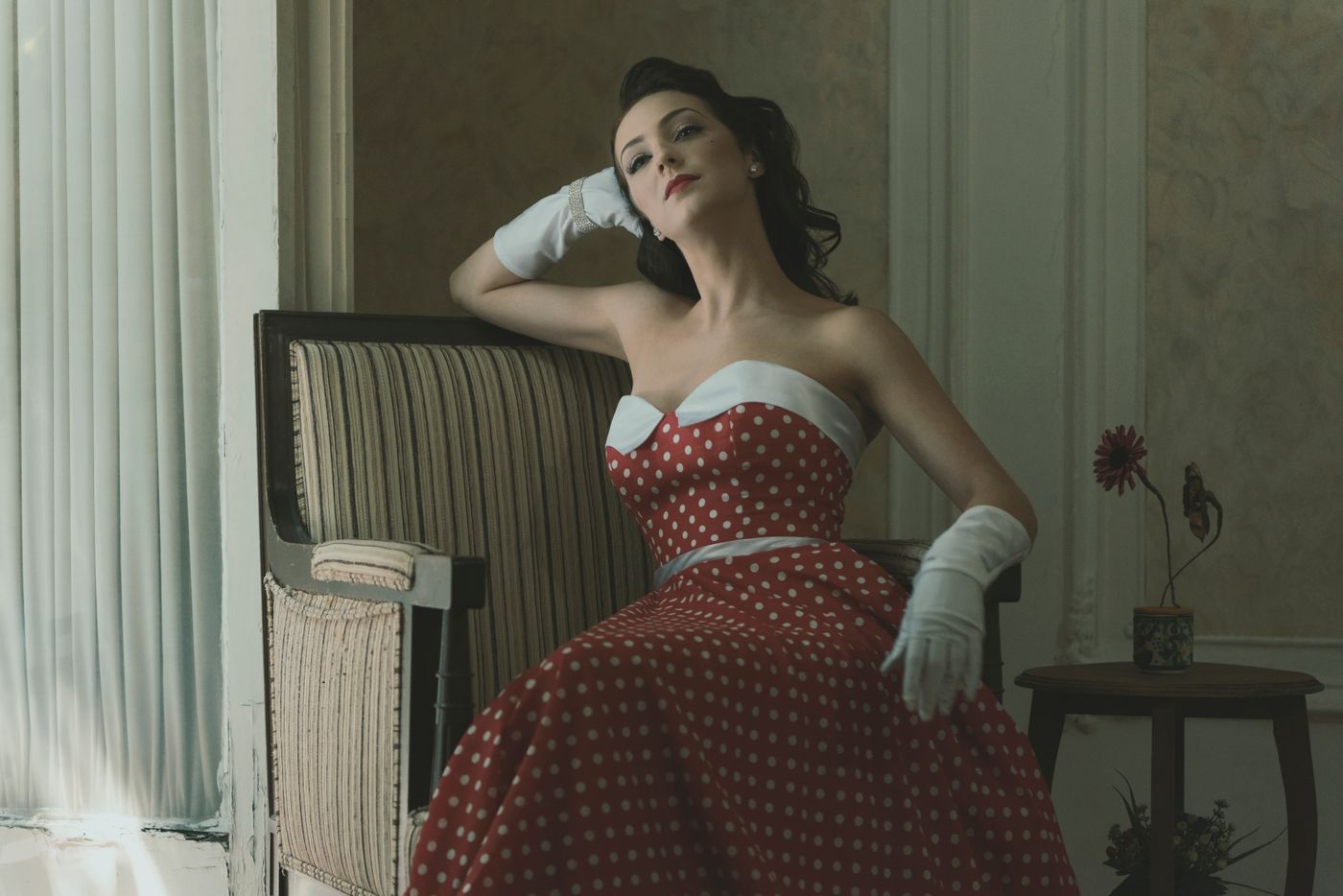
Foto: Odin Reyna · Pexels
 ✦ The Edit
One to watch
Vintage Chanel Diana Medium Flap Bag – Black Lambskin & 24K Gold-Plated Hardware
The woman who changed how women dress. This honestly worn bag in gold and black carries exactly the quality that made Chanel worth collecting in the first place. It is the sort of thing you will still be glad you kept in twenty years.
On the market now
The names
The names in this story
The minds behind this story — each with a piece currently on the market.
Chanel
France · 1910s
The little black dress & the 2.55
The little black dress & the 2.55
Top piece
View →
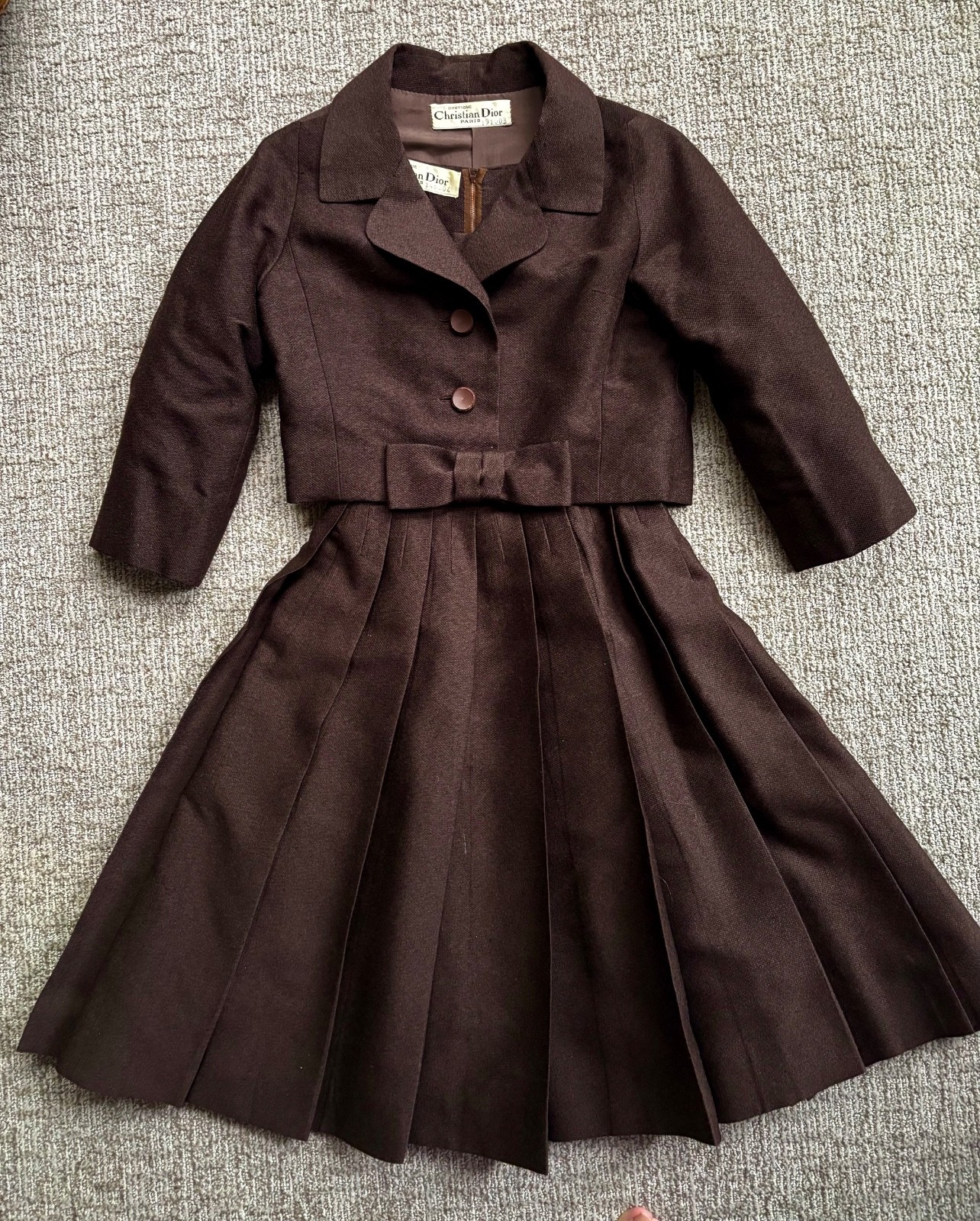
Dior
France · 1940s
The New Look & the Lady Dior
The New Look & the Lady Dior
Top piece
View →
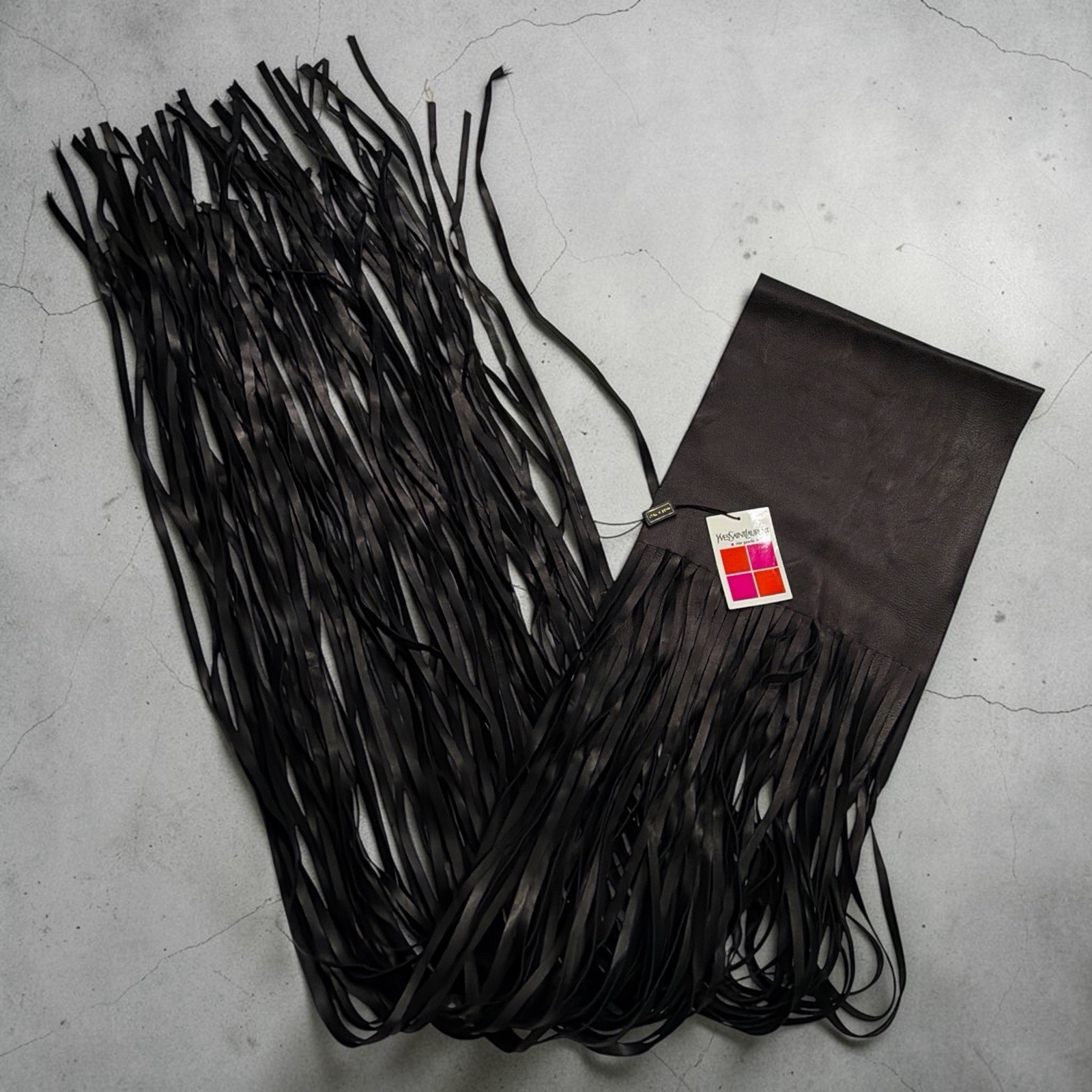
YSL
France · 1960s
Le Smoking & rock-chic tailoring
Le Smoking & rock-chic tailoring
Top piece
View →
New Balance
USA · 1900s
The 550 & dad-shoe comfort
The 550 & dad-shoe comfort
Top piece
View →
Continue the edit
Further stories from the same world
Three more walks through the same vintage universe.
The Dress That Does the Work: Wearing Vintage Dresses Without Looking Like a Costume
A practical guide to wearing vintage dresses well: the proportions that flatter a 2024 wardrobe, the era tells worth paying for, and the Hollywood history behind the shapes you are drawn to.
Read the story →The Dress That Does the Work: Wearing Vintage Dresses Now
A working guide to the vintage dress: how to wear one without looking costumed, what the seams and labels tell you, and the real history behind the shapes turning up in circulation.
Read the story →The Dress That Was Made for Walking Away
A working guide to vintage dresses: how to wear them without looking costumed, what the seams and labels tell you, and the real history behind the shapes still hanging on the rail.
Read the story →