
 Sign in
✦ Culture · Paris
Why Vintage Jewelry Matters Now: How to Wear, Buy, and Love It
A close look at vintage jewelry: styling tips, buying advice, and the stories behind the pieces that still turn heads.
 By Louis Trash·
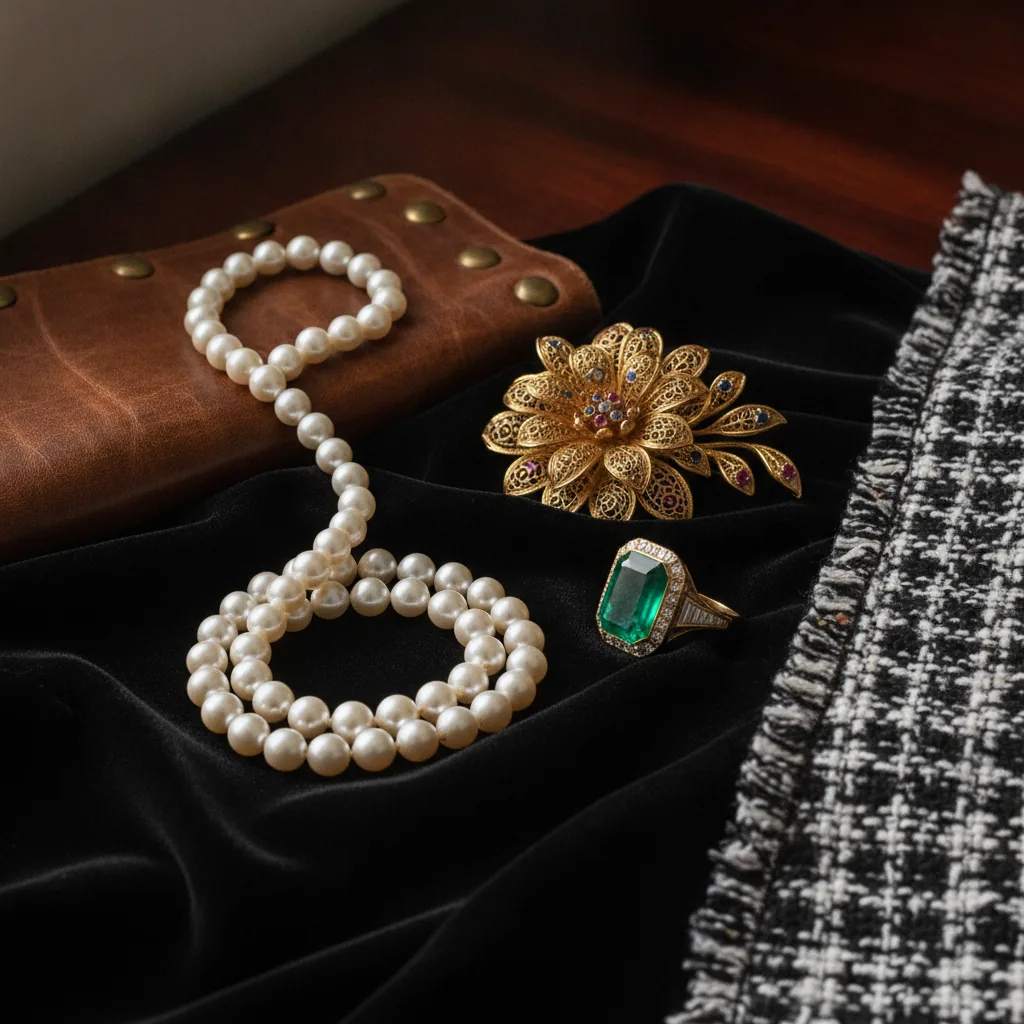
The Charm of Old Gold
A 1940s gold-filled brooch pinned to the lapel of a denim jacket. A 1960s rhinestone necklace over a plain white tee. Vintage jewelry is the quickest way to make a modern outfit look like it has a past. Right now it is having a moment. The reason is personal, not trend-driven. The pieces in circulation are mostly mixed labels, typically priced around $48.4. That is less than a new mass-market necklace, and far more interesting.
I have collected vintage jewelry for twenty years. My first piece was a 1950s Trifari clip, bought at a flea market in Paris for 10 euros. It was missing a stone, but the gold plate was thick and the mechanism still snapped. Vintage rewards the patient. You do not need a fortune. You need an eye.
Styling: Make It Modern
The key to wearing vintage jewelry well is contrast. Pair a delicate 1900s filigree bar brooch with a crisp white shirt and tailored trousers. The brooch becomes a focal point, not a costume. Or take a chunky 1980s Chanel-style chain belt and wear it as a necklace over a slip dress. The proportions should feel deliberate. If the jewelry is heavy, keep the clothing simple. If the jewelry is small, let it be the only accessory.
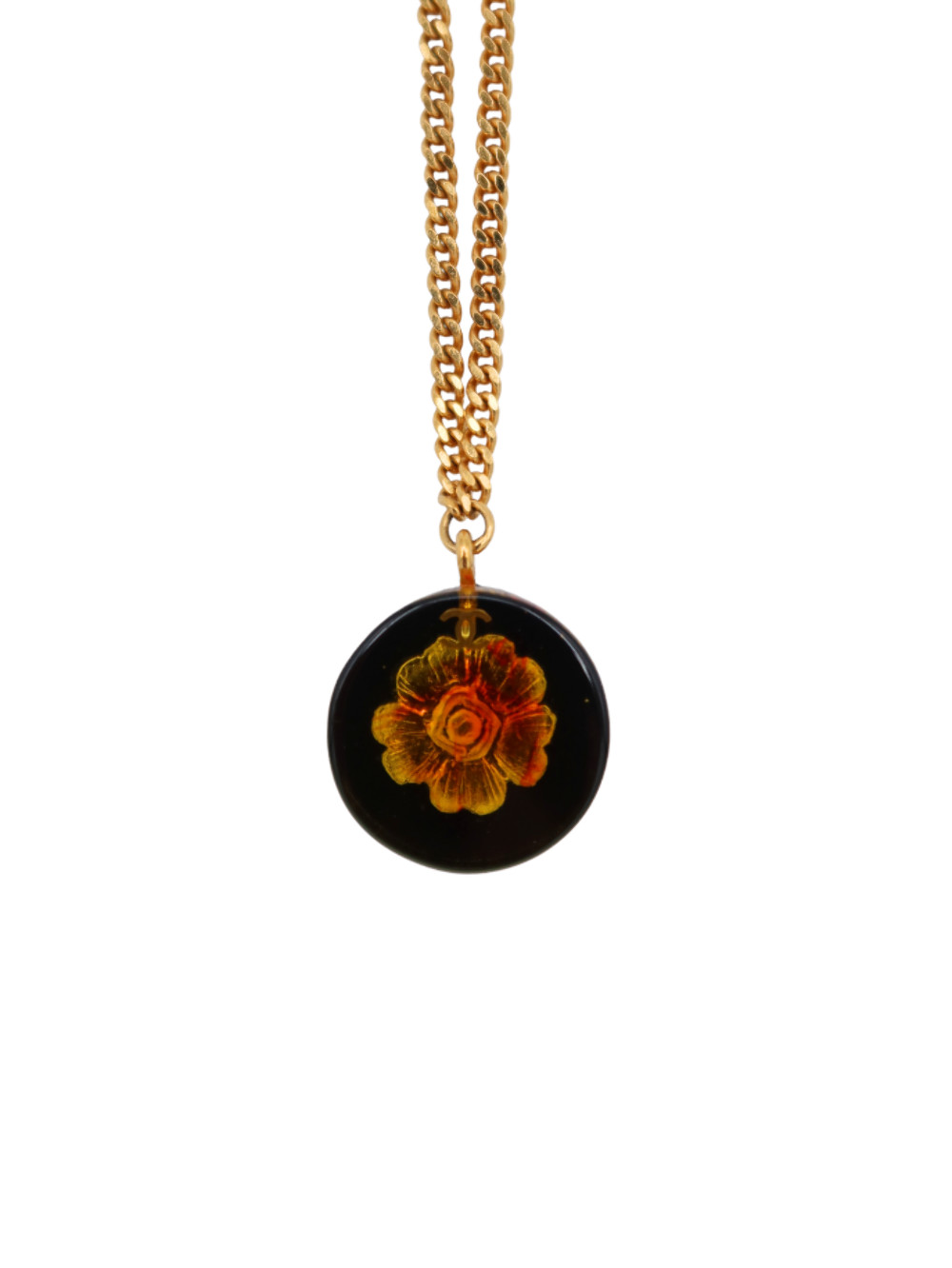
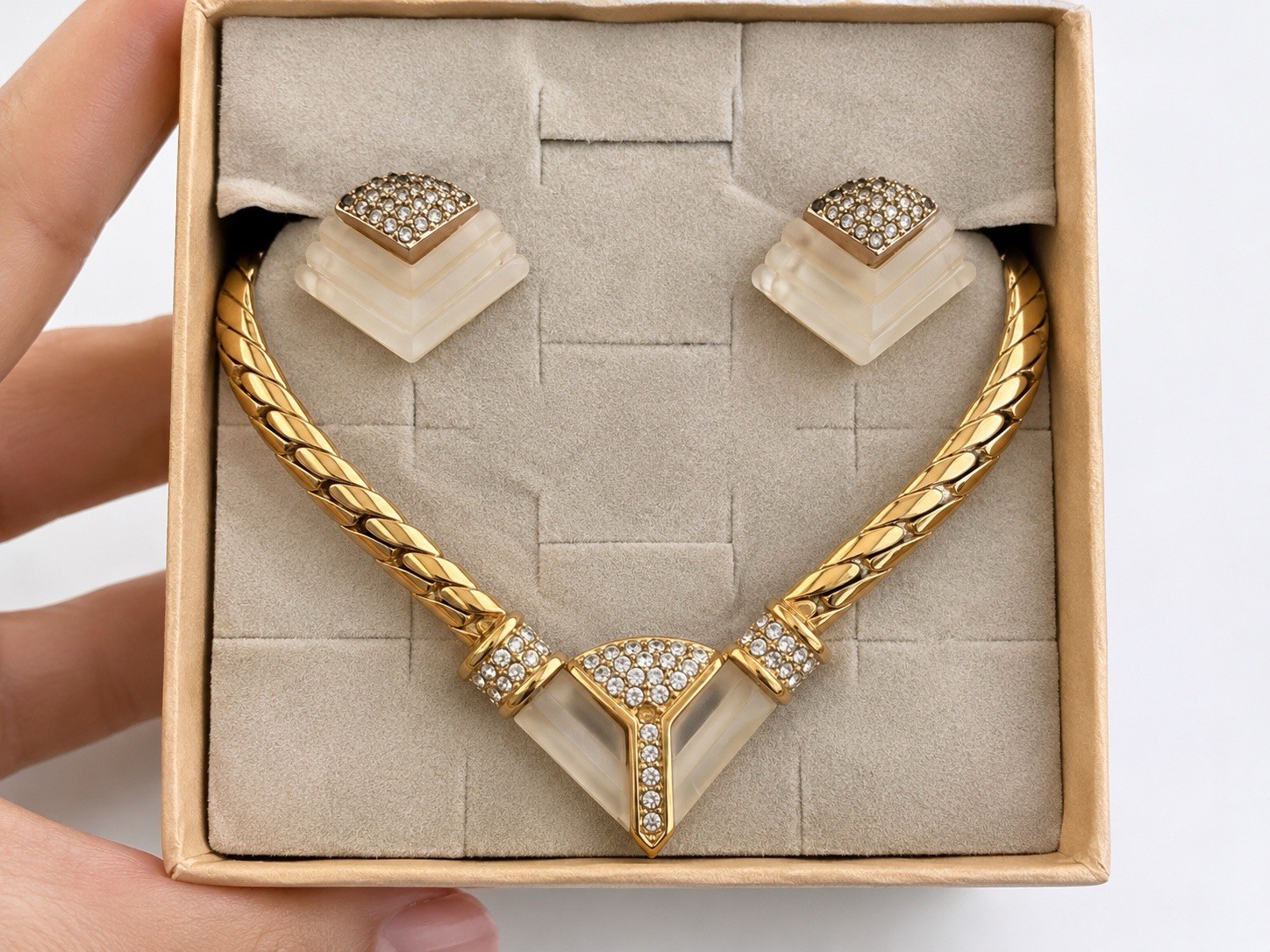
For daytime, I like a single 1930s paste brooch on a wool coat. It adds sparkle without looking like you are going to a gala. For evening, layer two or three 1950s rhinestone necklaces of varying lengths. Keep the metals consistent. Mixing gold and silver can work, but it is harder to pull off. Stick to one tone.
Earrings are a great entry point. A pair of 1960s clip-ons in bright lucite can update a plain black dress. They are comfortable if you adjust the clips, and they do not require pierced ears. I often wear a pair of 1980s oversized gold hoops with jeans and a blazer. They make the outfit look intentional.
What to Look For: Era and Quality
When you buy vintage jewelry, the first thing to check is the clasp and the pin. A well-made piece will have a secure mechanism. If the pin is flimsy or the clasp is loose, walk away. Next, look at the stones. Rhinestones should be clear and bright, not cloudy or scratched. If they are glued in, be careful. A good piece will have prongs or bezel settings.
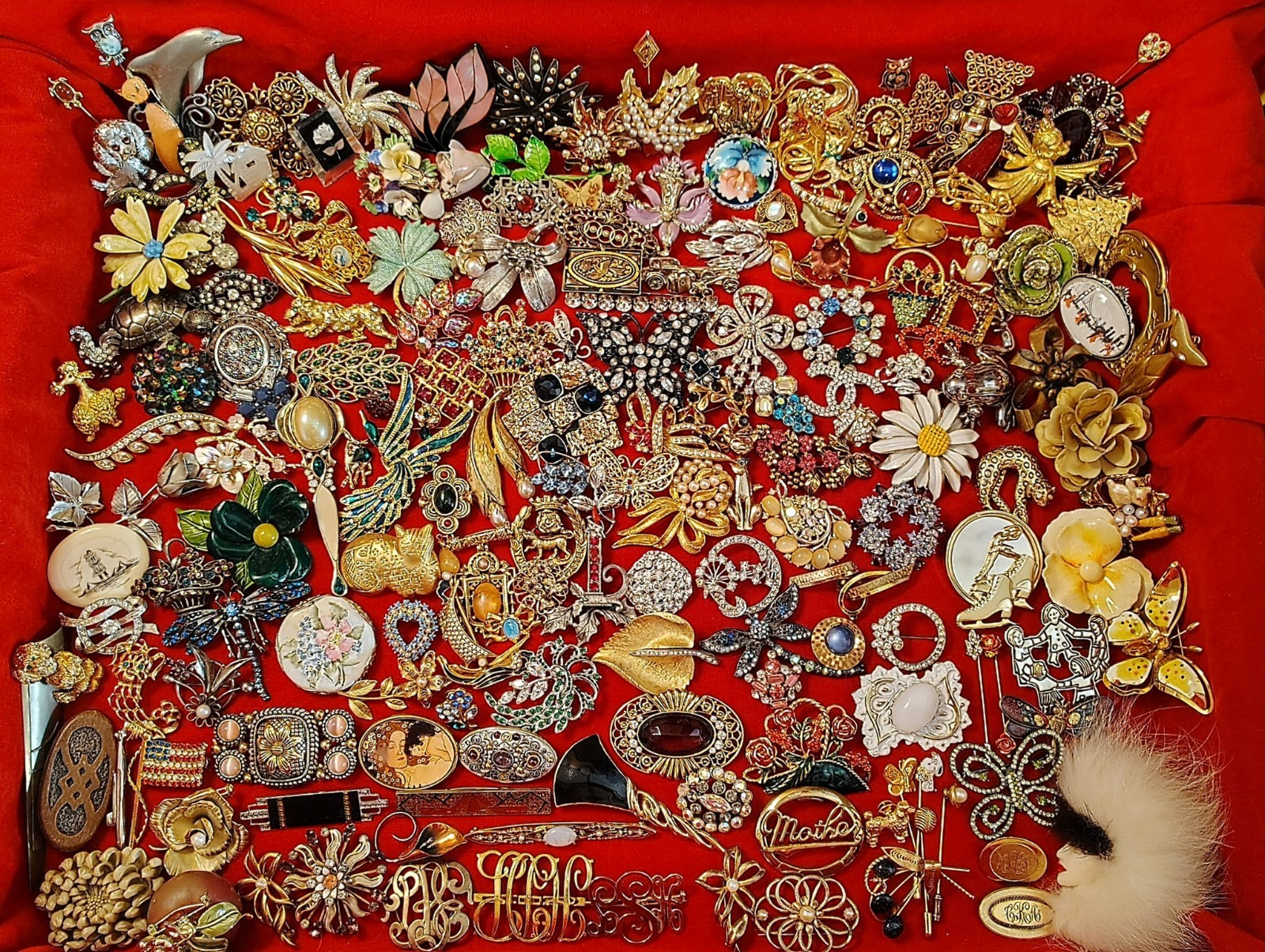
Era tells are useful. Victorian jewelry (1837-1901) often features jet, cameos, and intricate metalwork. Art Deco (1920s-1930s) is geometric, with bold colors and diamonds (or paste). Retro (1940s) is chunky and gold, often with large semi-precious stones. Mid-century (1950s-1960s) brought costume jewelry to its peak, with makers like Trifari, Coro, and Napier. Their pieces are marked on the back. Look for the signature.
Materials matter. Gold-filled is better than gold-plated. It has a thicker layer of gold and wears well. Sterling silver is always a good bet. If you see a piece marked '925', it is sterling. For costume jewelry, look for 'rhinestone' or 'paste' and check that the stones are not dull. A good test: hold it up to the light. If it sparkles, it is worth considering.
The Stories Behind the Sparkle
Vintage jewelry carries history. In 1938, Coco Chanel introduced costume jewelry as a way to accessorize her designs without the cost of fine gems. She mixed fake pearls with real ones, and the look became a signature. During World War II, metals were rationed, so jewelers turned to plastic and wood. After the war, in 1947, Christian Dior's New Look brought back opulence, and costume jewelry became bigger and bolder.
Hollywood played a part. In the 1950s, Marilyn Monroe wore a rhinestone necklace in 'Gentlemen Prefer Blondes', and suddenly everyone wanted one. In the 1960s, Jackie Kennedy made the triple-strand pearl necklace famous. These pieces were not expensive, but they looked it. That is the appeal. You can wear a piece that has a story, even if you do not know exactly where it came from.

Where to Find the Good Stuff
You do not need to go to a specialist. I have found great pieces at estate sales, charity shops, and online. The key is to know what you are looking at. Check the back for marks. Ask the seller about the era. If they do not know, look for clues: the style of the clasp, the type of stone, the metal color. A quick search on your phone can help.
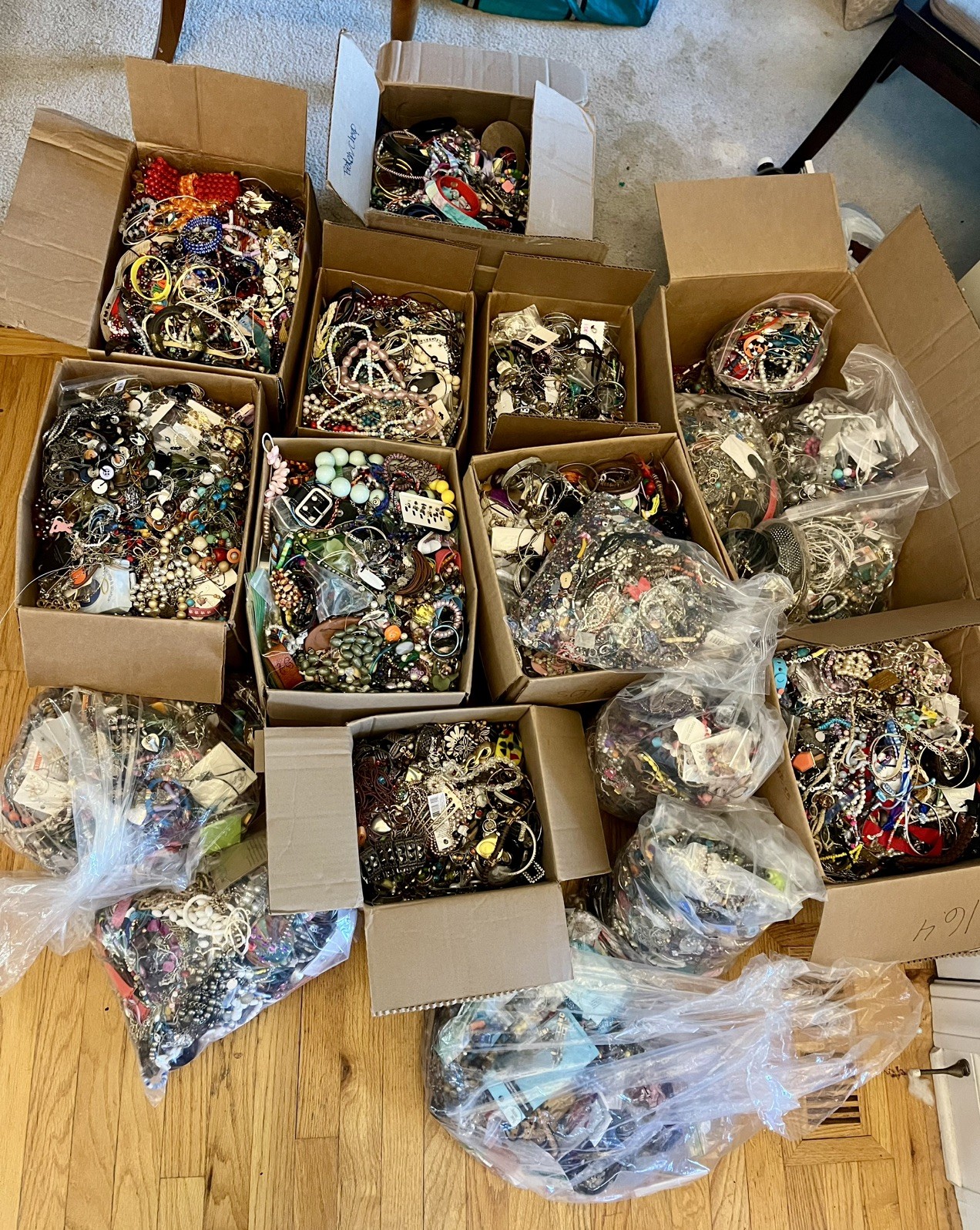
Prices vary. You can find a 1960s brooch for $10 at a flea market, or pay $200 for a signed Trifari at a vintage fair. The sweet spot is around $50, which is what most pieces go for. That is a small price for something unique.
A Personal Note
I wear my vintage jewelry every day. A 1940s ring on my right hand, a 1970s pendant that was my mother's. They are not valuable in the financial sense, but they are valuable to me. They remind me that style is about finding things that speak to you, and wearing them with confidence. That is why vintage jewelry matters now. It is a way to be yourself in a world of sameness. And it is fun.
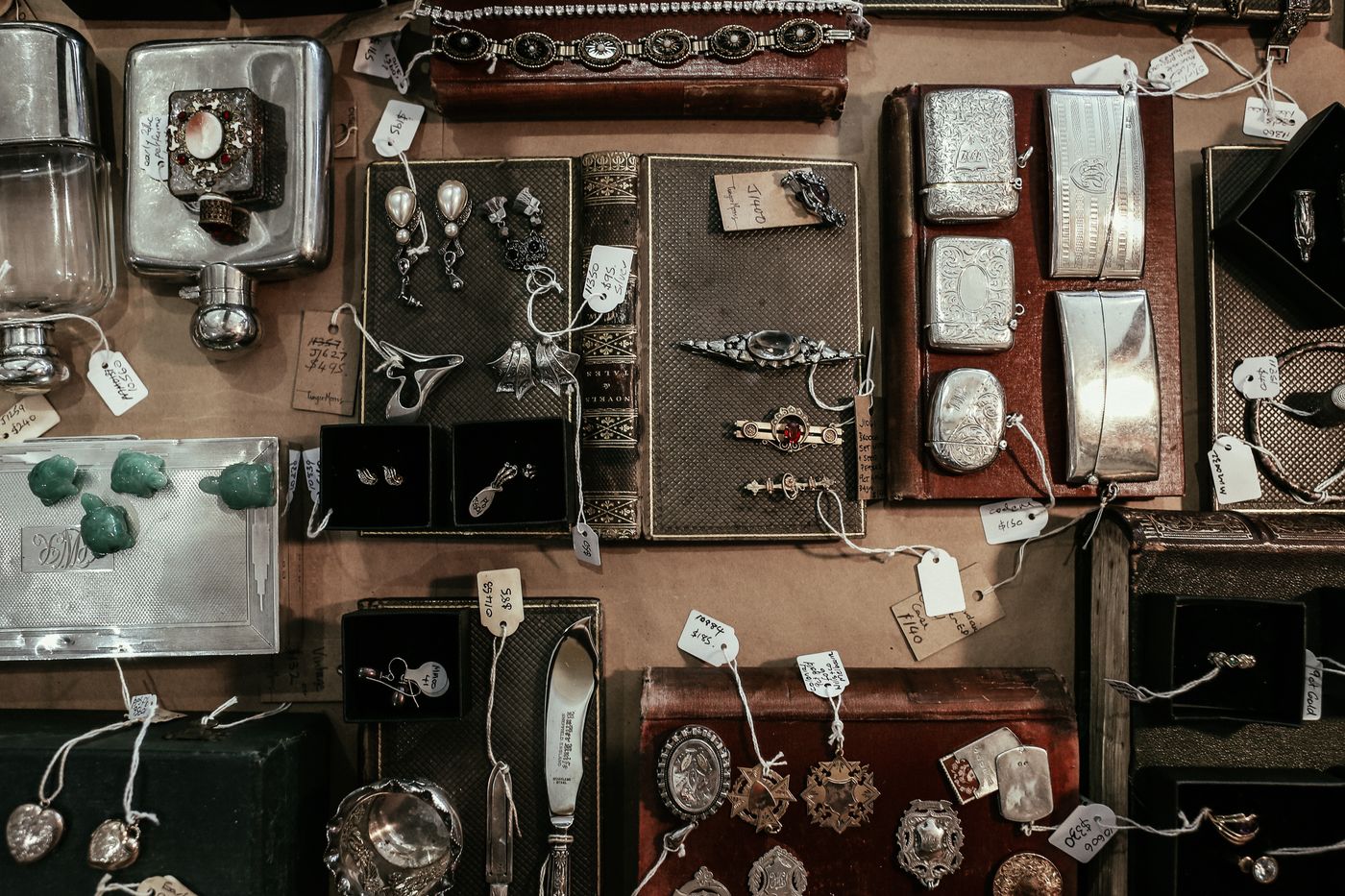
Foto: Rachel Claire · Pexels
City
Paris
Category
vintage jewelry
Published
26 October 2026
Where to find it
Shop the signals
What the market is offering right now on this exact subject.
sieraden
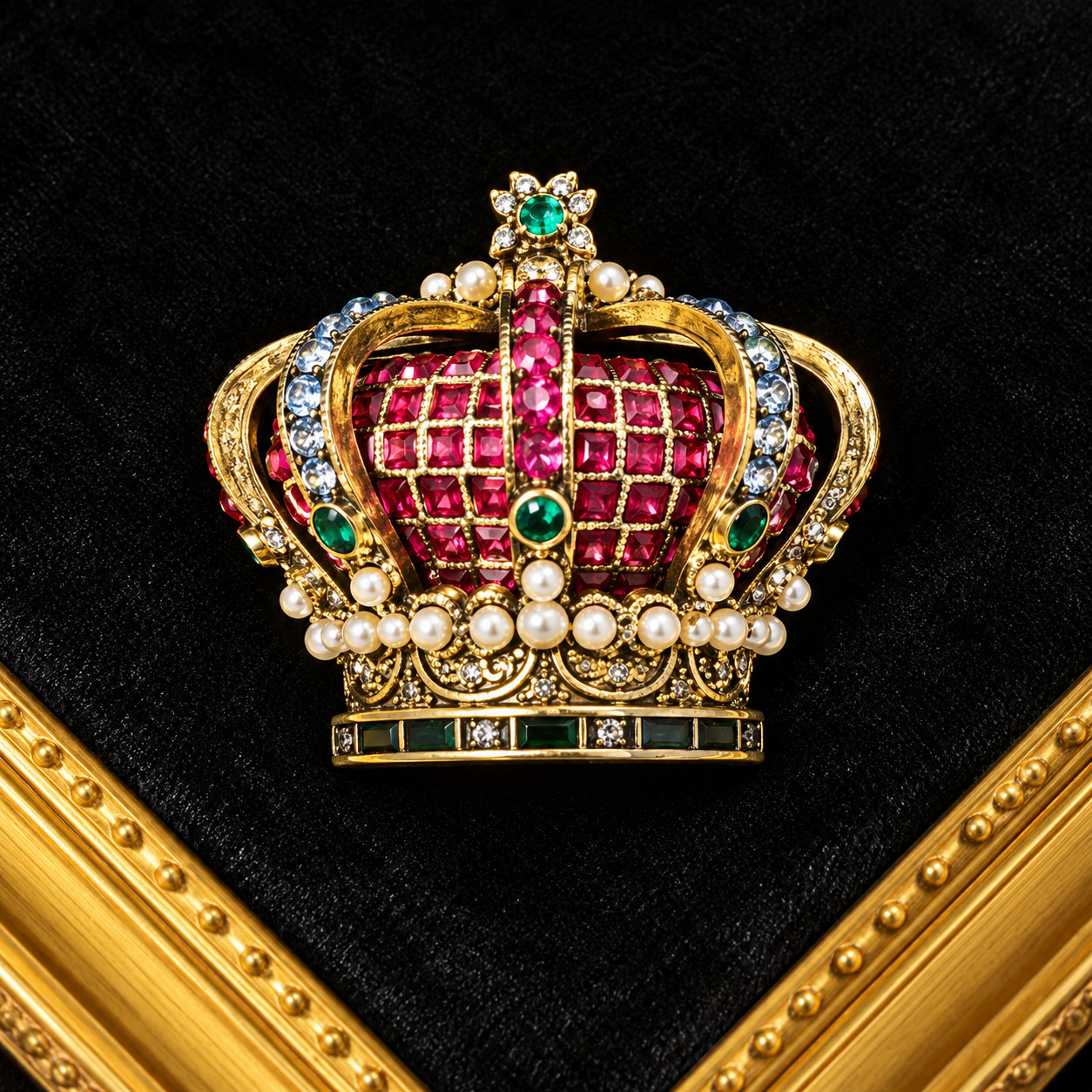
Vintage Crystal Crown Brooch Pin Colorful Rhinestone Royal Jewelry Elegant Gift
sieraden
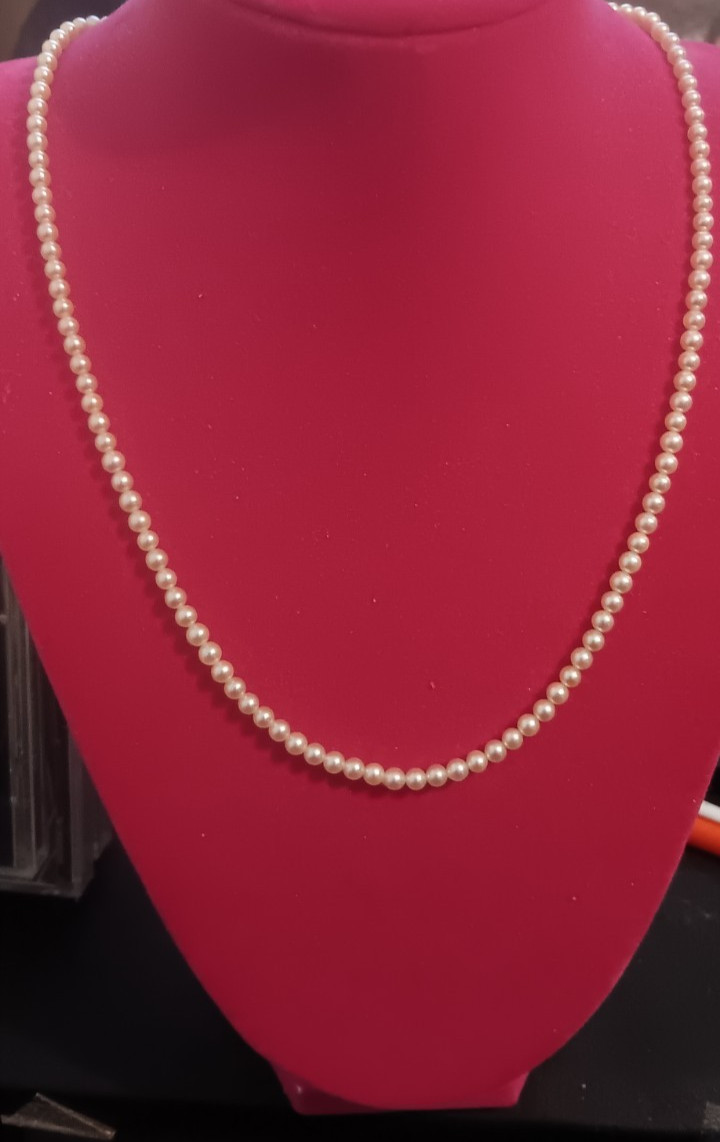
Vintage 14 k Gold Clasp Cultured Pearl Strand Necklace 18 inch Small Hand Knott
sieraden
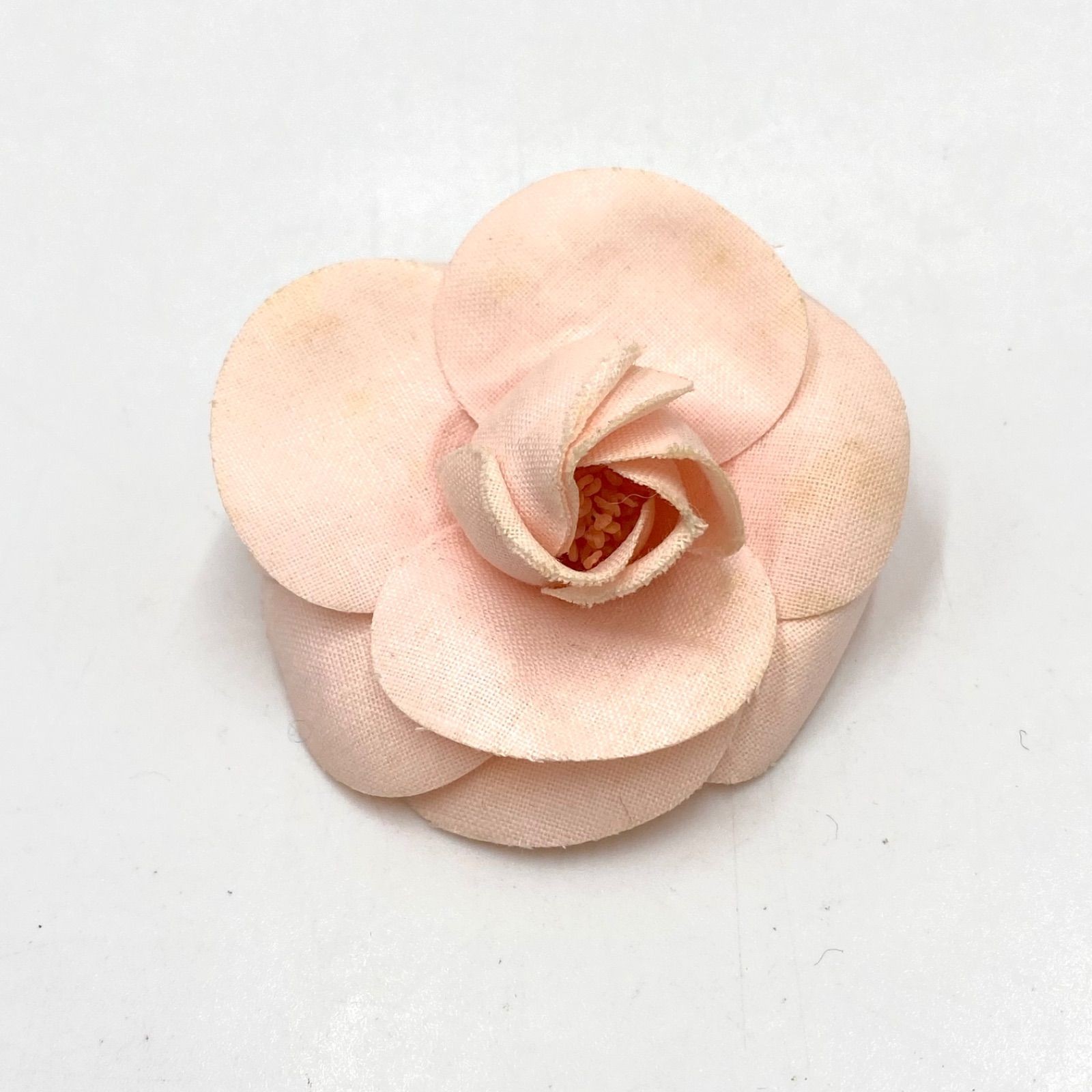
CHANEL Camellia Flower Brooch Corsage Pink Vintage Accessory
sieraden
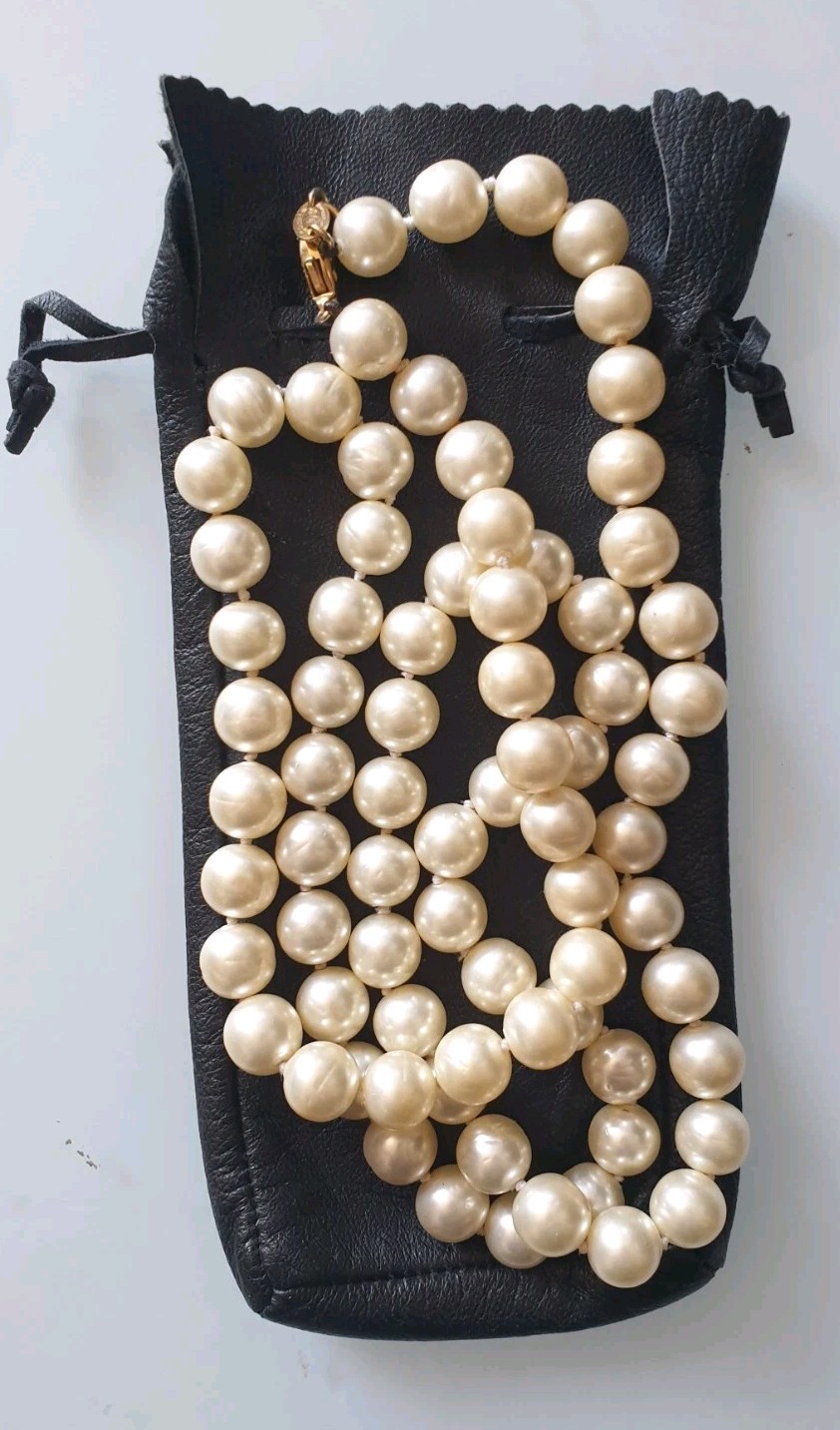
Vintage CHANEL Pearl Necklace Victoire de Castellane
sieraden
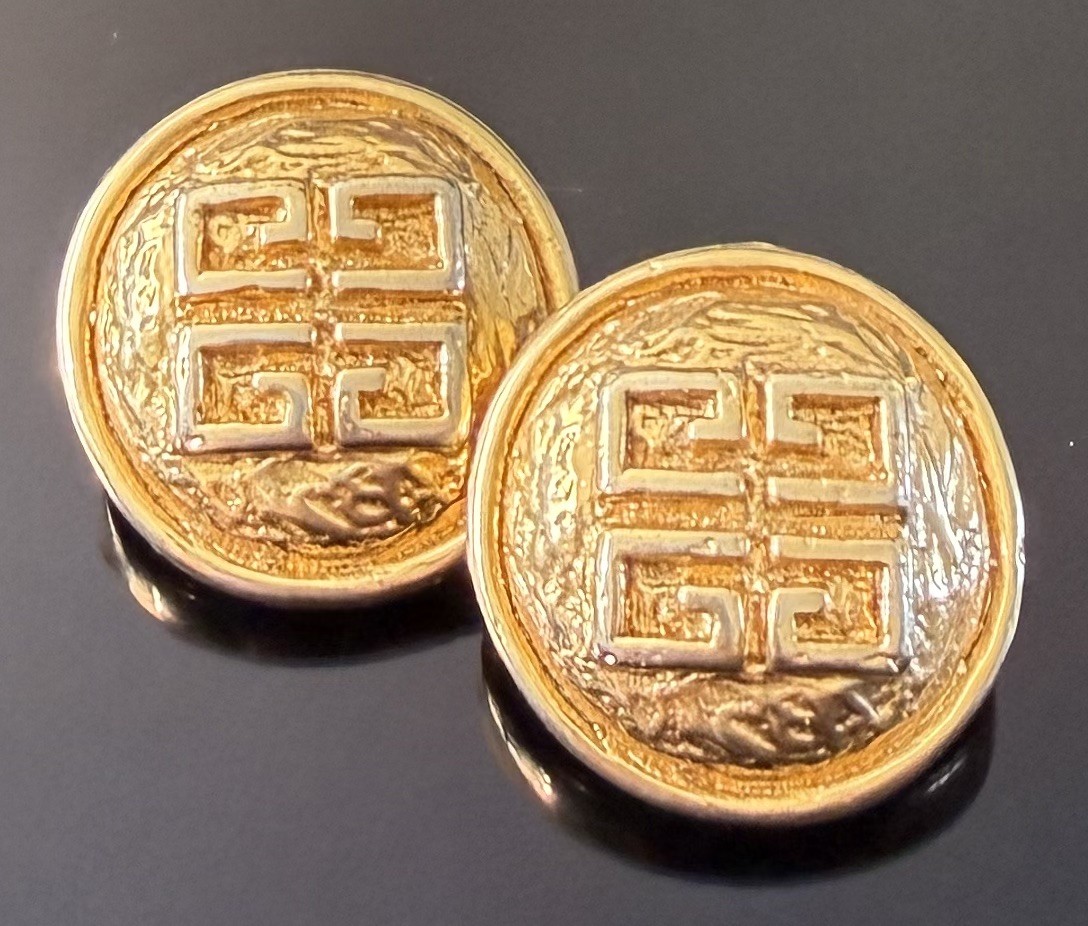
Vintage Signed Givenchy Logo Clip On Earrings Gold 4G Rare Runway Parfums
sieraden
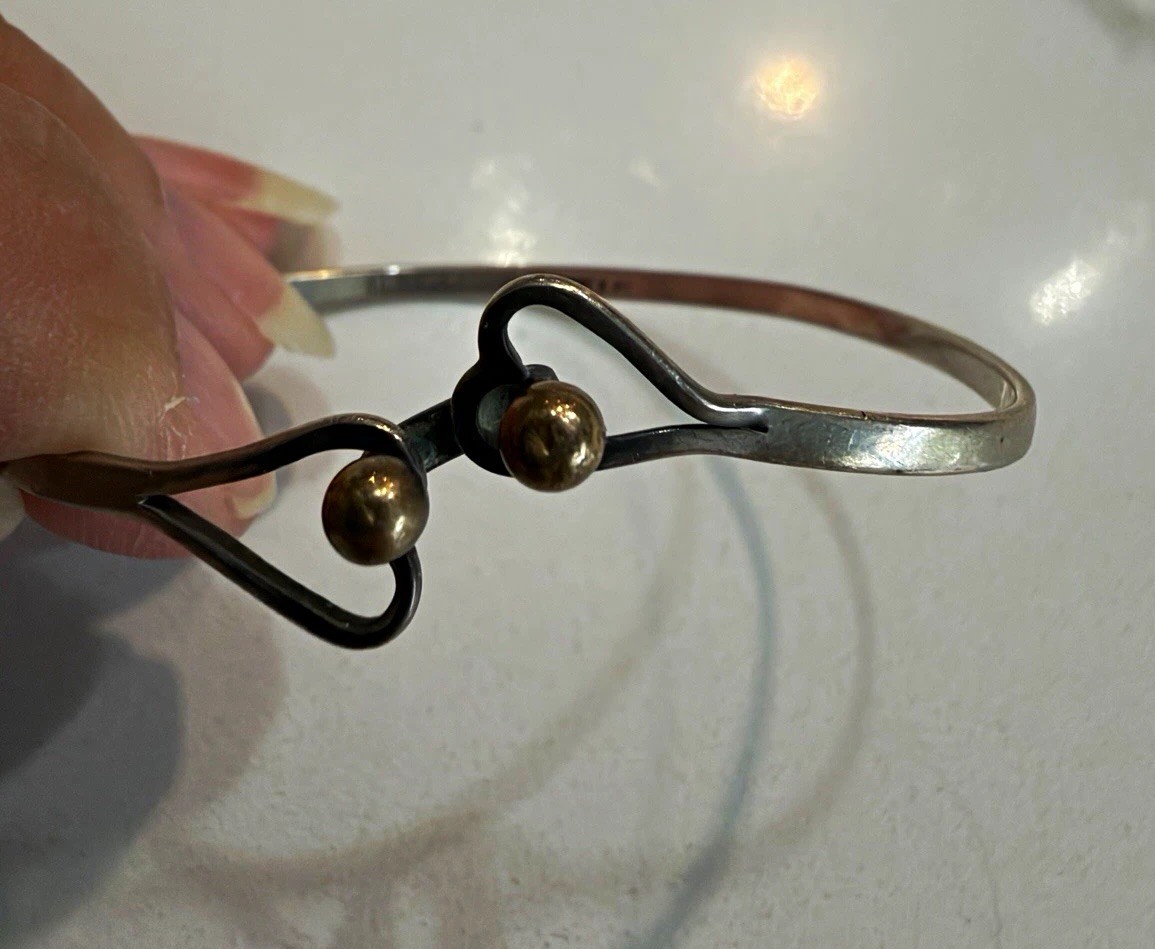
Vintage Tiffany & Co Sterling Silver 14K Gold Hook Eye Bracelet 6.5”
sieraden
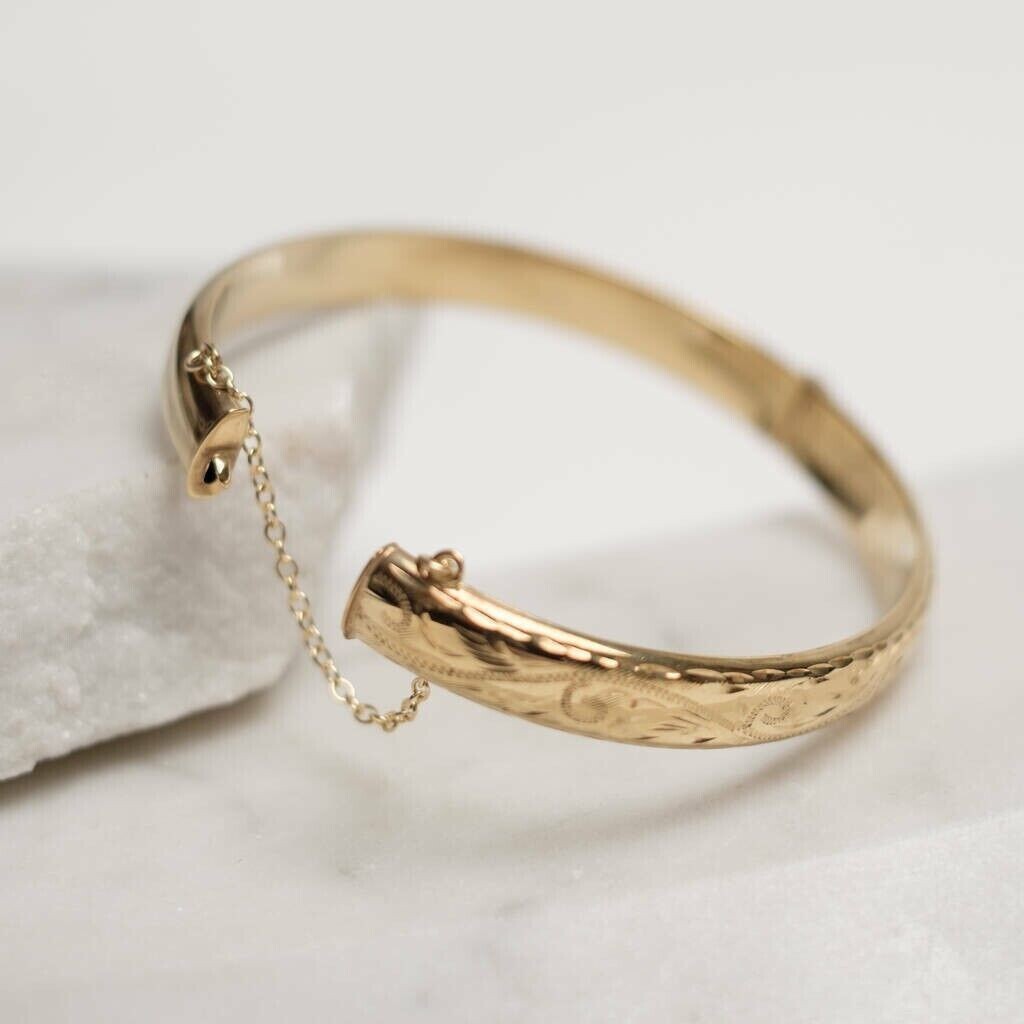
Valentine's Gif Vintage Estate New Style 14k Yellow Gold FN 7.5" Bangle Bracelet
sieraden
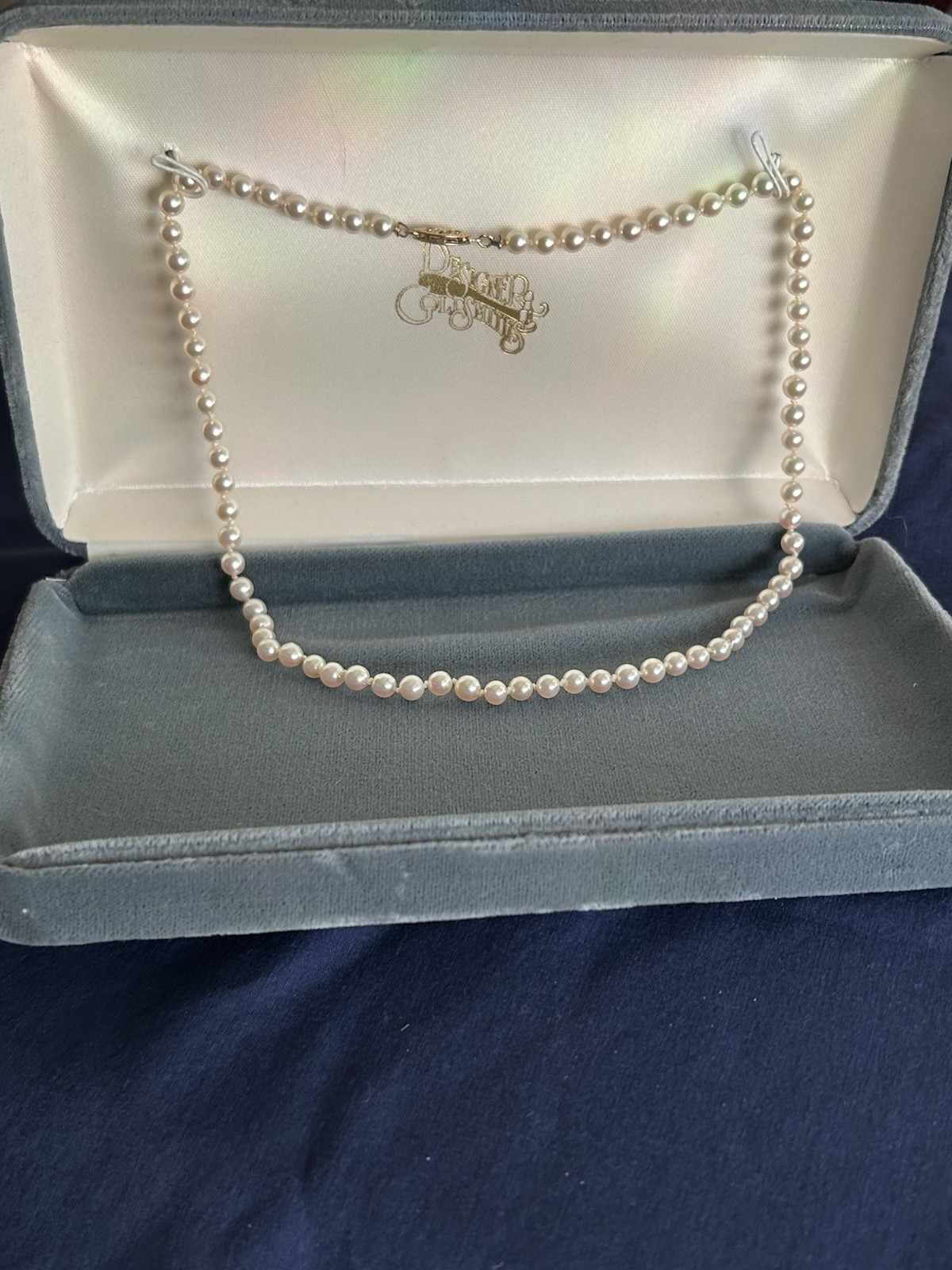
Vtg 14K Clasp Cultured Pearl Necklace Single Strand 3mm 16" in box
The names
Meet the designers
The minds behind this story — each with a piece currently on the market.
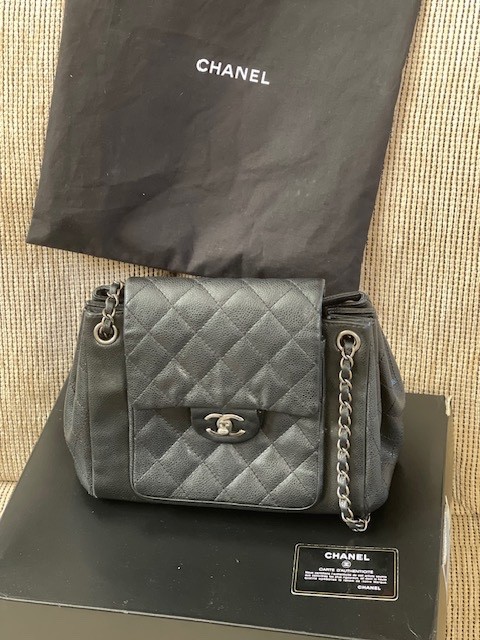
Chanel
France · 1910s
The little black dress & the 2.55
The little black dress & the 2.55
Top piece
View →
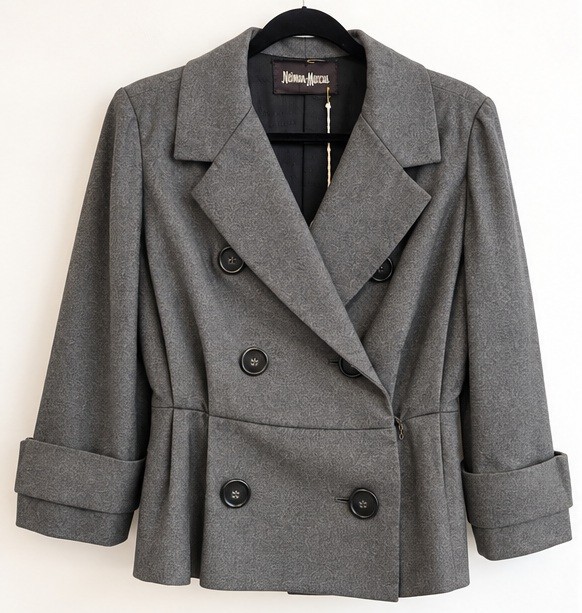
Dior
France · 1940s
The New Look & the Lady Dior
The New Look & the Lady Dior
Top piece
View →
Hans J. Wegner
Denmark · 1940s
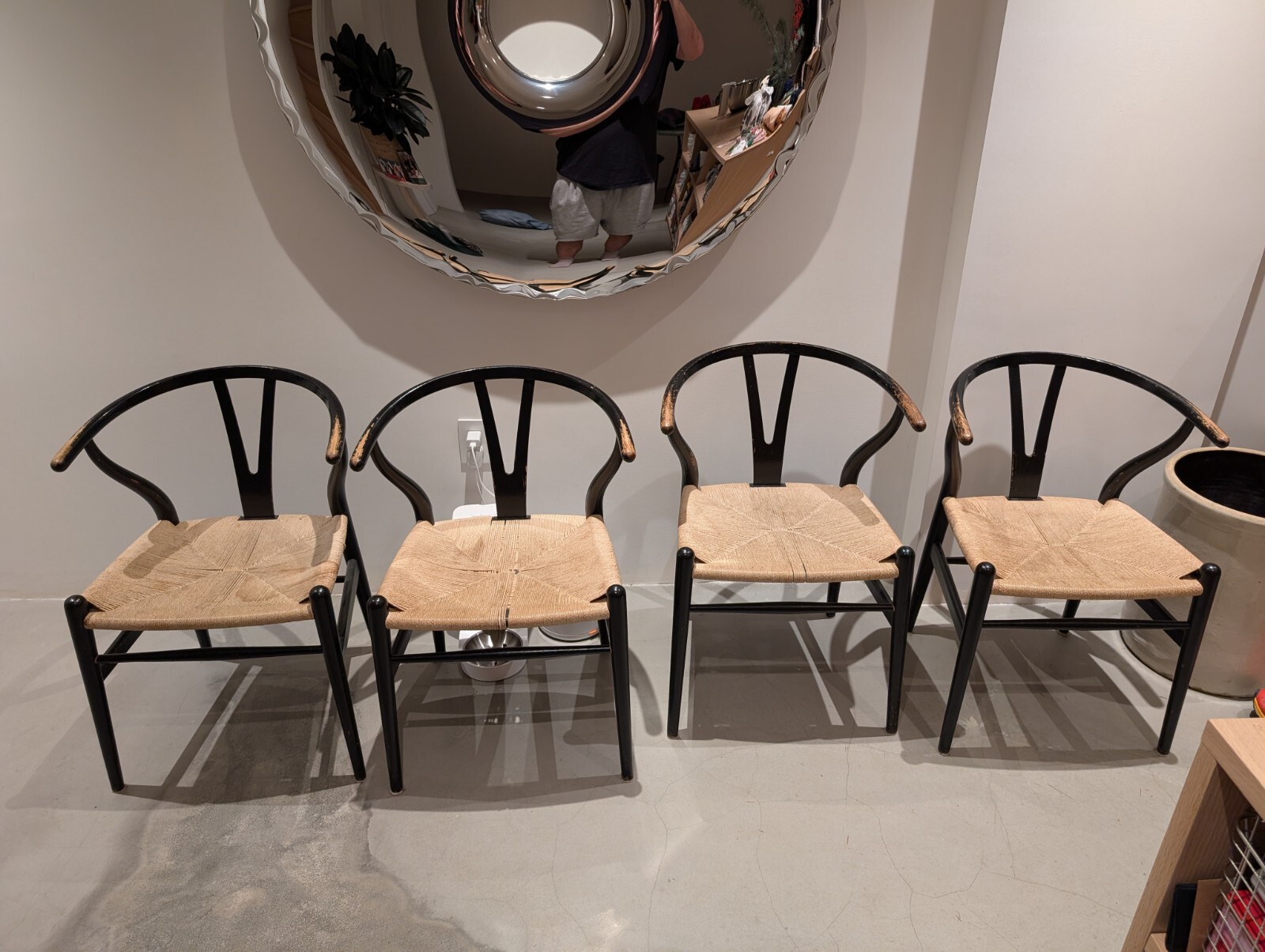
The Wishbone & 500 chairs — joinery so pure it needs no ornament.
The Wishbone & 500 chairs — joinery so pure it needs no ornament.
Top piece
View →
Arne Jacobsen
Denmark · 1950s
The Egg & the Series 7 — chairs turned into quiet sculpture.
The Egg & the Series 7 — chairs turned into quiet sculpture.
Top piece
View →
Continue the edit
Further stories from the same world
Three more walks through the same vintage universe.
Vintage Jewelry: The Art of Wearing History
Forget the glass case. The best vintage jewelry is meant to be worn, not admired from afar. Here's how to style it, spot a gem, and know its stories.
Read the story →Why Vintage Jewelry Matters Now: A Wearer's Guide
Forget the market. This is about finding a piece with a past and making it yours, from the right era to the perfect clasp.
Read the story →Why Vintage Jewelry Matters Now
Forget the vault. Vintage jewelry belongs on your body, mixed with denim and tailored wool, where its scratches and history can catch the light. Here is how to wear it well, what to look for, and why a $111.27 brooch can outshine anything new.
Read the story →