
 Sign in
✦ Culture · Paris
The Band Tee Is Not a Costume: How to Wear a 1979 Tour Shirt in 2024
A 1979 tour shirt is not a souvenir. It is a piece of clothing with a paper-thin collar and a story, and it deserves to be worn with the same care you would give a good blazer.
 By Louis Trash·

The Shirt That Refuses to Be Precious
A 1979 tour shirt for The Clash, printed on a blank from a Tennessee mill, weighs almost nothing. The cotton is so thin you can read a newspaper through it. That fragility is the point. You wear it like a second skin, not like a trophy. The mistake most people make is treating a band tee as an artifact. It is a piece of clothing. It wants a body in it.
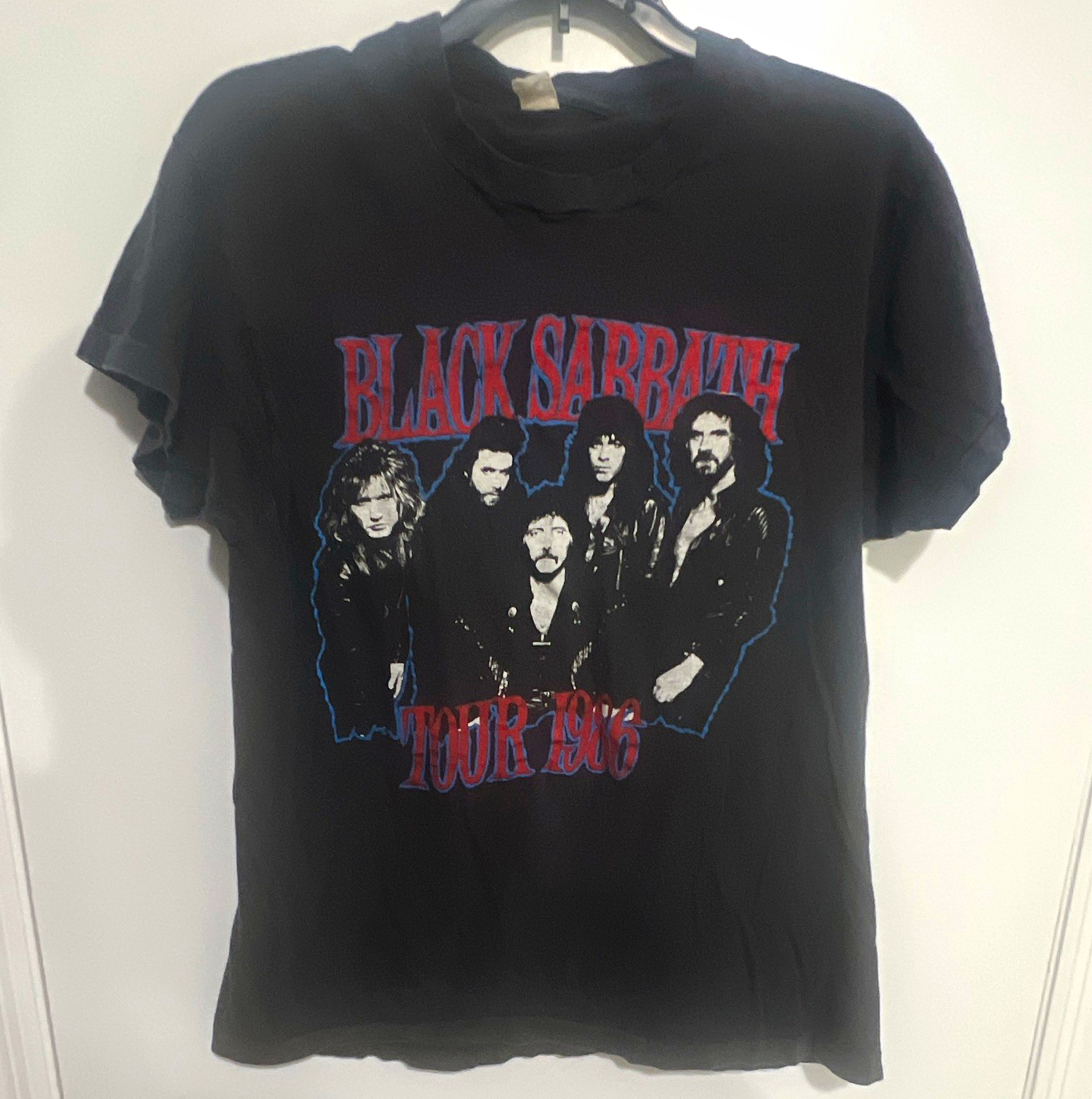
The best way to wear one now is to treat it as the quietest thing in the outfit. Let the jeans be dark and straight. Let the jacket be a real jacket, a Levi's Type III from the late 1980s or a Schott Perfecto that has already been broken in by someone else. The shirt becomes the texture. The story is in the cotton, not in the logo.
Proportions, Not Nostalgia
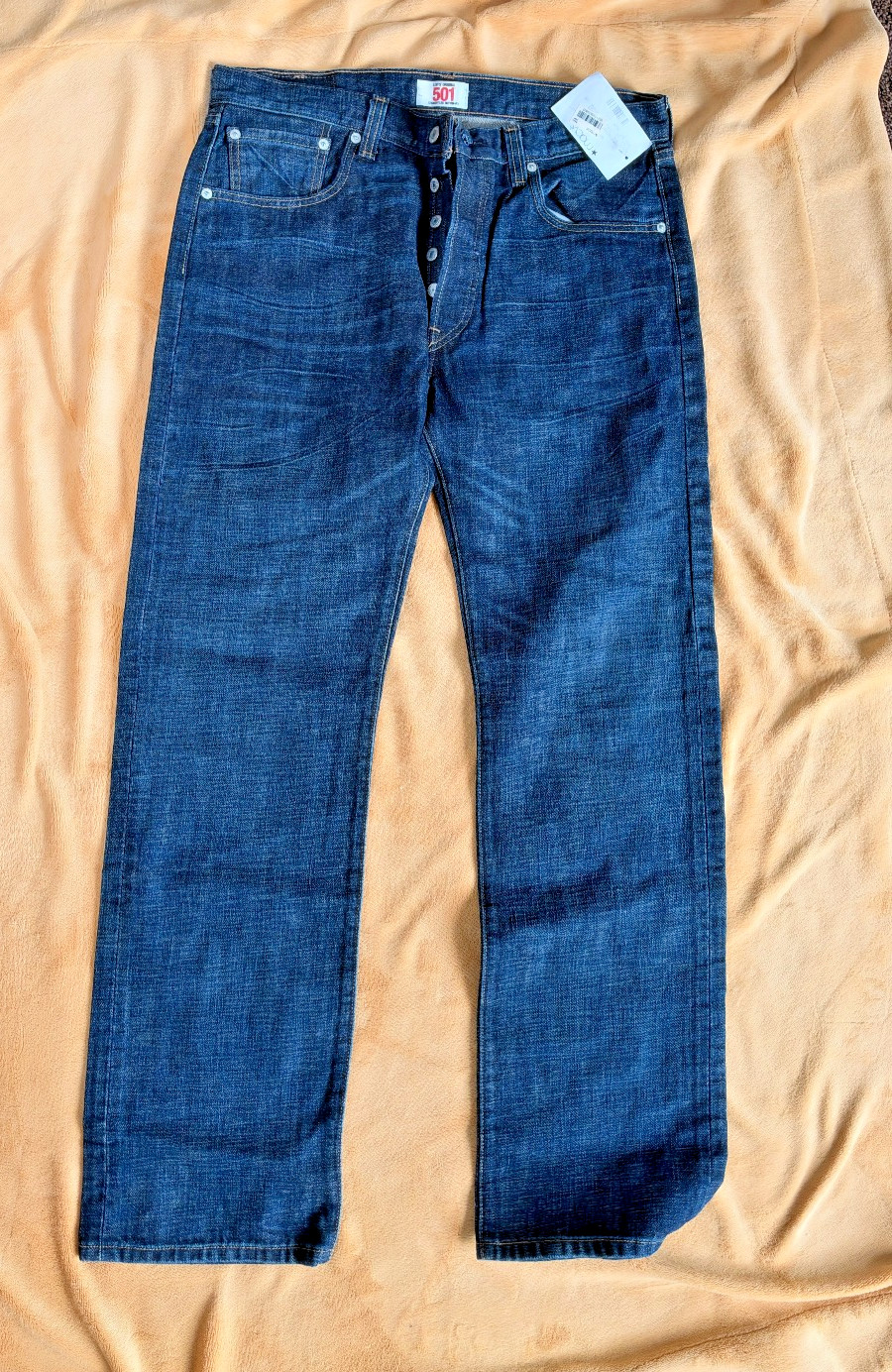
A vintage band tee is almost always cut short and boxy. That is a gift. It sits at the waist, which means high-waisted denim is your friend. A 501 from 1993, a Wrangler from 1988, anything with a 12-inch rise. Tuck the front hem in. Leave the back out. That half-tuck is not a trend. It is a way to keep the shirt from swimming on you.

Foto: Atlantic Ambience · Pexels
If you are wearing a skirt, go for a straight midi in wool or heavy cotton. A 1972 tour shirt for the Rolling Stones, the one with the dragon on the back, looks wrong with anything flimsy. It needs weight underneath. A denim jacket over the top, unbuttoned, sleeves pushed to the elbow, gives you a silhouette that reads as deliberate.
Avoid the temptation to layer it over a long-sleeve tee. That is a 1990s styling trick that makes the shirt look like a costume. Wear it alone, or under a jacket. Let the collar do its own thing. A crew neck that has been washed a hundred times will sit flat and soft. A collar that stands up is a sign of a shirt that has been worn hard and loved.
What to Look For Before You Hand Over the Cash
Era tells are in the details. A single-stitch sleeve hem is a good sign. So is a double-stitch bottom hem, which came later. The tag matters more than the print. A Screen Stars tag from the late 1970s or early 1980s is a reliable marker. A Hanes tag with a blue line through the 'H' is from the 1980s. A Giant tag from the 1990s is still good, but the cotton is heavier and the fit is wider.

Foto: Svetlana Tumina · Pexels
The print should be cracked. If it is perfect, it is probably a reprint. A 1973 Dark Side of the Moon shirt with a pristine graphic is a red flag. The ink should have a dull, matte finish. It should feel slightly raised, not slick. Run your finger over it. If it feels like plastic, walk away.
Check the seams. A single-stitch shoulder is a good sign. A double-stitch shoulder is a sign of a later shirt. Look for a paper-thin collar that has not been replaced. A replaced collar is a repair, which is fine, but it changes the value. A shirt with a replaced collar should be priced lower. You are paying for the original cotton, not the repair.
Sizing is a trap. A vintage large is not a modern large. A 1979 large fits like a modern medium. Measure the chest, pit to pit, and the length, from the collar to the hem. A 20-inch chest and a 26-inch length is a classic fit. A 22-inch chest and a 28-inch length is a modern large. Know your numbers before you buy.
The Real History, Told in Cotton
The band tee as we know it started with a printer named Bill Graham. In 1966, he opened the Fillmore in San Francisco and started commissioning posters and shirts for the acts that played there. The shirts were cheap, printed on blanks from a local mill, and sold at the door. They were not collectibles. They were merch.

Foto: Jefferson Rosier · Pexels
The first real tour shirt came in 1967, for the Monterey Pop Festival. The shirts were printed on a heavy cotton blank and sold for $2. That same year, a company called Winterland Productions started printing shirts for the Grateful Dead. By 1972, the Dead were selling a shirt with a skull and roses on it. That shirt is now the most copied design in the history of band tees.
The 1970s were the golden age of the band tee. Bands like Led Zeppelin, The Who, and Pink Floyd sold shirts at every show. The blanks came from mills in Tennessee and the Carolinas. The cotton was combed, which made it softer. The fit was boxy. The print was screen-printed by hand. A 1975 Led Zeppelin shirt with a Swan Song tag is a good example. The tag is a small, white label with a swan on it. The cotton is thin. The print is cracked.
By the 1980s, the band tee had become a fashion item. Run-DMC wore Adidas and band tees. The Beastie Boys wore them in the 'Fight for Your Right' video in 1986. The shirts became a way to signal your taste. A 1984 Van Halen shirt with a '1984' tag is a good example. The tag is a small, white label with a red line through it. The cotton is heavier. The fit is wider.
The 1990s changed everything. Nirvana wore a 1979 Flipper shirt on the cover of 'Bleach' in 1989. That shirt was a thrift store find. It was not a reprint. It was a real shirt from a real tour. That image made the band tee a symbol of authenticity. By 1993, everyone was wearing them. The shirts were still cheap. They were still printed on blanks. But the meaning had changed.
A Closing Thought
A band tee is not a piece of memorabilia. It is a piece of clothing that has already lived a life. The cotton has been washed a hundred times. The collar has been stretched. The print has cracked. That is the point. You are not buying a relic. You are buying a shirt that has been worn by someone else, and now it is your turn. Wear it until it falls apart. Then pass it on.

Foto: Muhammad Dzaki Zaidan · Pexels
City
Paris
Category
vintage band tee
Published
30 October 2026
The names
Meet the designers
The minds behind this story — each with a piece currently on the market.
Levi's
USA · 1850s
The 501 & Americana denim
The 501 & Americana denim
Schott
USA · 1910s
The Perfecto motorcycle jacket
The Perfecto motorcycle jacket
Wrangler
USA · 1940s
Western denim & rodeo
Western denim & rodeo
Adidas
Germany · 1940s
The three stripes & the Samba
The three stripes & the Samba
Continue the edit
Further stories from the same world
Three more walks through the same vintage universe.
The Band Tee, Worn Well: A Field Guide to the Real Thing
A guide to wearing vintage band t-shirts with intent: how to style a 1978 tour shirt without looking like a costume, the era tells and print details worth checking, and the stories behind the shirts that outlived the tours.
Read the story →The Band Tee, Worn Well: A Field Guide
A 1979 Pink Floyd shirt with cracked lettering is not a collectible to be sealed in plastic. It is a piece of cotton with a history, and it belongs on your back. Here is how to wear it without looking like you are in costume, and what to check before you buy.
Read the story →The Vintage Band Tee: A License to Wear Your Taste Loud
A vintage band T-shirt is the rare piece that lets you wear your musical education on your chest. Here is how to find one that is actually old, style it without looking like you are in costume, and know the stories behind the shirts that mattered.
Read the story →