
 Sign in
✦ Culture · Paris
The Case for a Watch That Shows Its Age
A worn Rolex or a logo-drenched Gucci tells a story no new piece can. How to wear vintage watches with a modern wardrobe, what to check on the case and dial, and the films and designers who made them worth keeping.
 By Louis Trash·
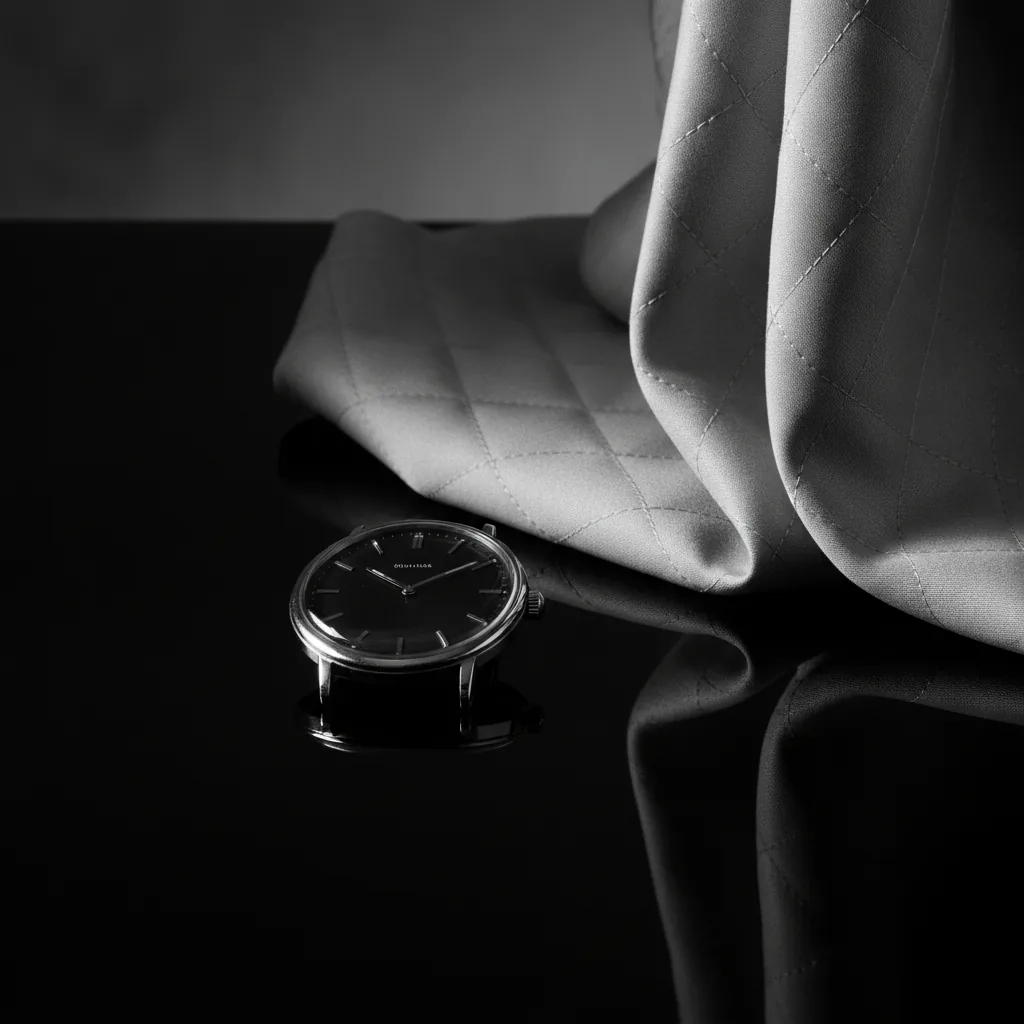
The Wrist Is the Last Place to Hide
A man in a plain grey crewneck and good jeans can look entirely ordinary until he reaches for his coffee. Then the watch shows. That flash of patina, a bezel faded to the colour of a well-worn penny, does more for an outfit than most people's entire wardrobe. Vintage watches are the cheapest way to look like you have a point of view. The pieces turning up in the better secondhand rooms right now are mostly Rolex and the Italian logos, Gucci and Fendi, and they sit around the price of a decent winter coat. That is the whole invitation. You are not buying an asset. You are buying something to wear on a Tuesday.
How to Wear It Without Looking Like a Dealer
The mistake is treating a vintage watch as jewellery. It is not. It sits at the end of the sleeve and should feel almost accidental. Start with proportion. A 34mm or 36mm case from the 1960s or 1970s reads smaller than the modern 41mm pieces, which is exactly why it works. Wear it with a slim oxford, the cuff just brushing the case. Roll a chunky knit back once. Let a denim jacket sleeve fall where it falls.
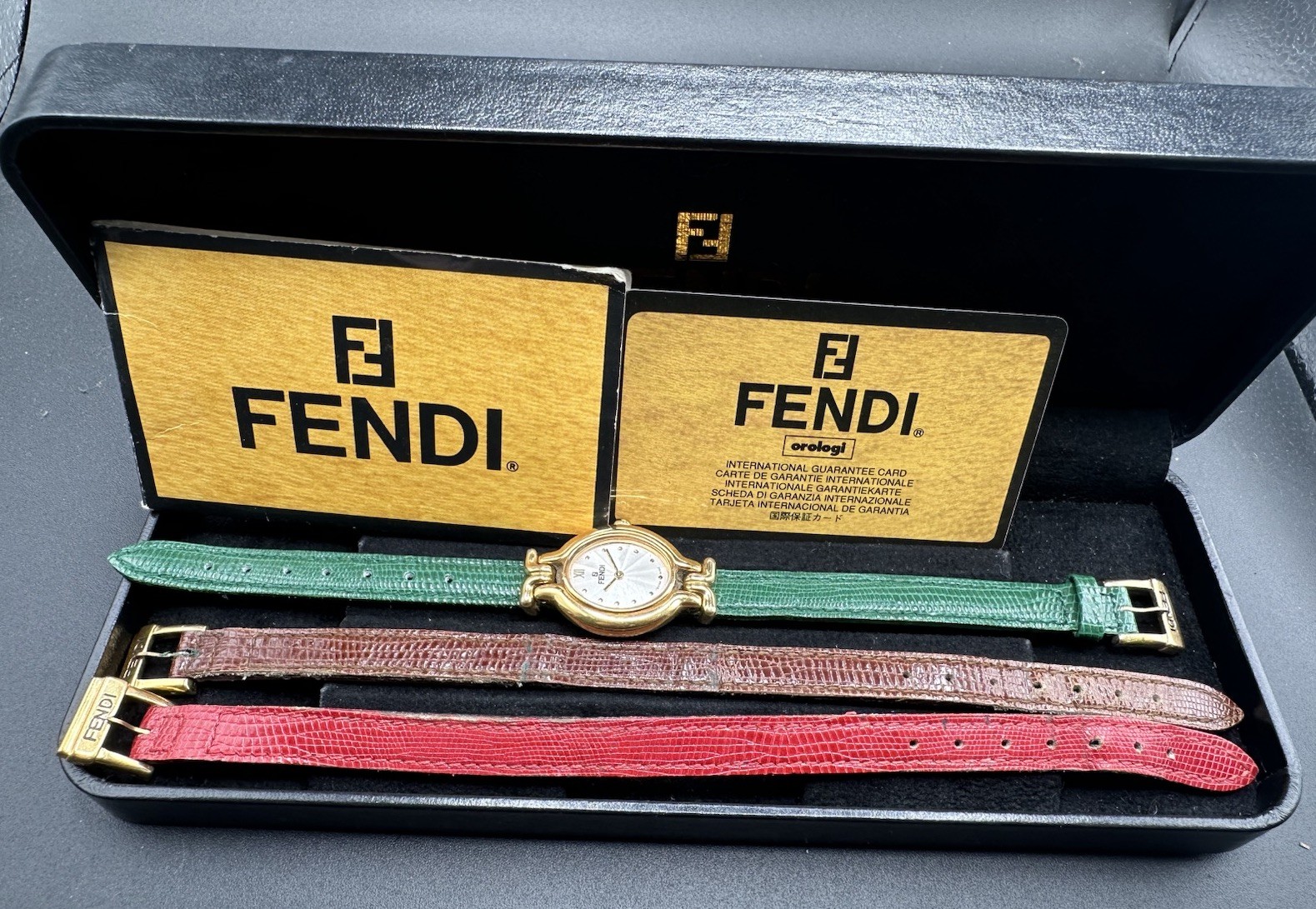
Metal matters more than people admit. A steel Rolex Datejust on a jubilee bracelet is the most forgiving thing you can put on a wrist. It goes with navy, with charcoal, with a white tee and a dark blazer. The gold-capped pieces want warmer colours: camel, olive, a faded burgundy. Gucci and Fendi pieces from the late 1970s and 1980s, often with a logo dial, are louder. Wear them the way the Italians did, against a plain shirt and nothing else competing. One logo, one flash. A logo watch and a logo bag is a costume.
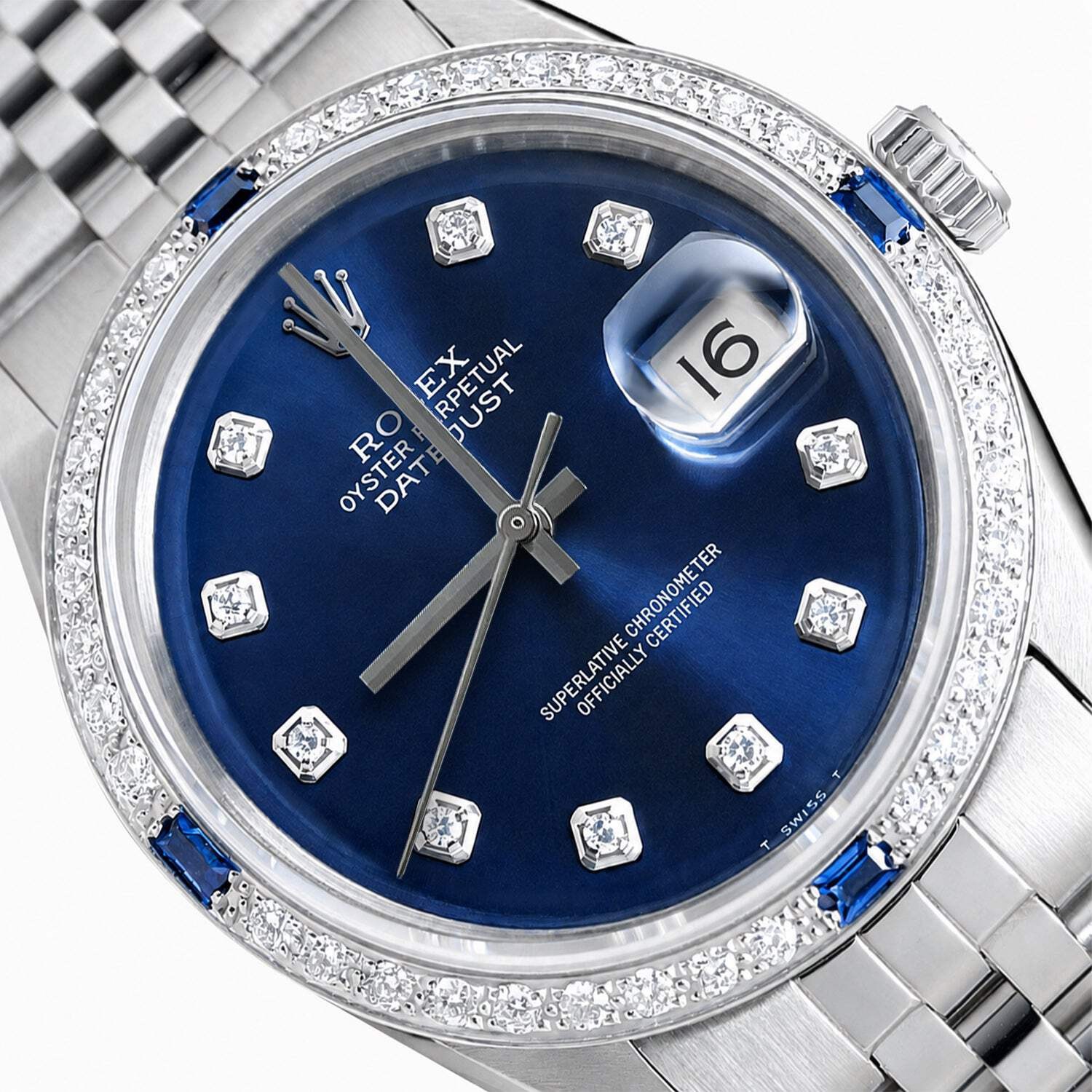
Straps are where you make it yours. A tired leather strap dates a watch faster than the case. Swap it. A tan calfskin on a steel case softens it. A black grained strap sharpens it. Keep the original bracelet in a drawer, because it is worth keeping and because you will want it back.
What the Case and Dial Tell You
Look at the case before the dial. Sharp lugs that have not been polished round are a good sign. A case that has been buffed until the edges blur is a case that has lost its shape, and no dial can save it. Check the crown. It should sit flush and turn with a little resistance, not a rattle.
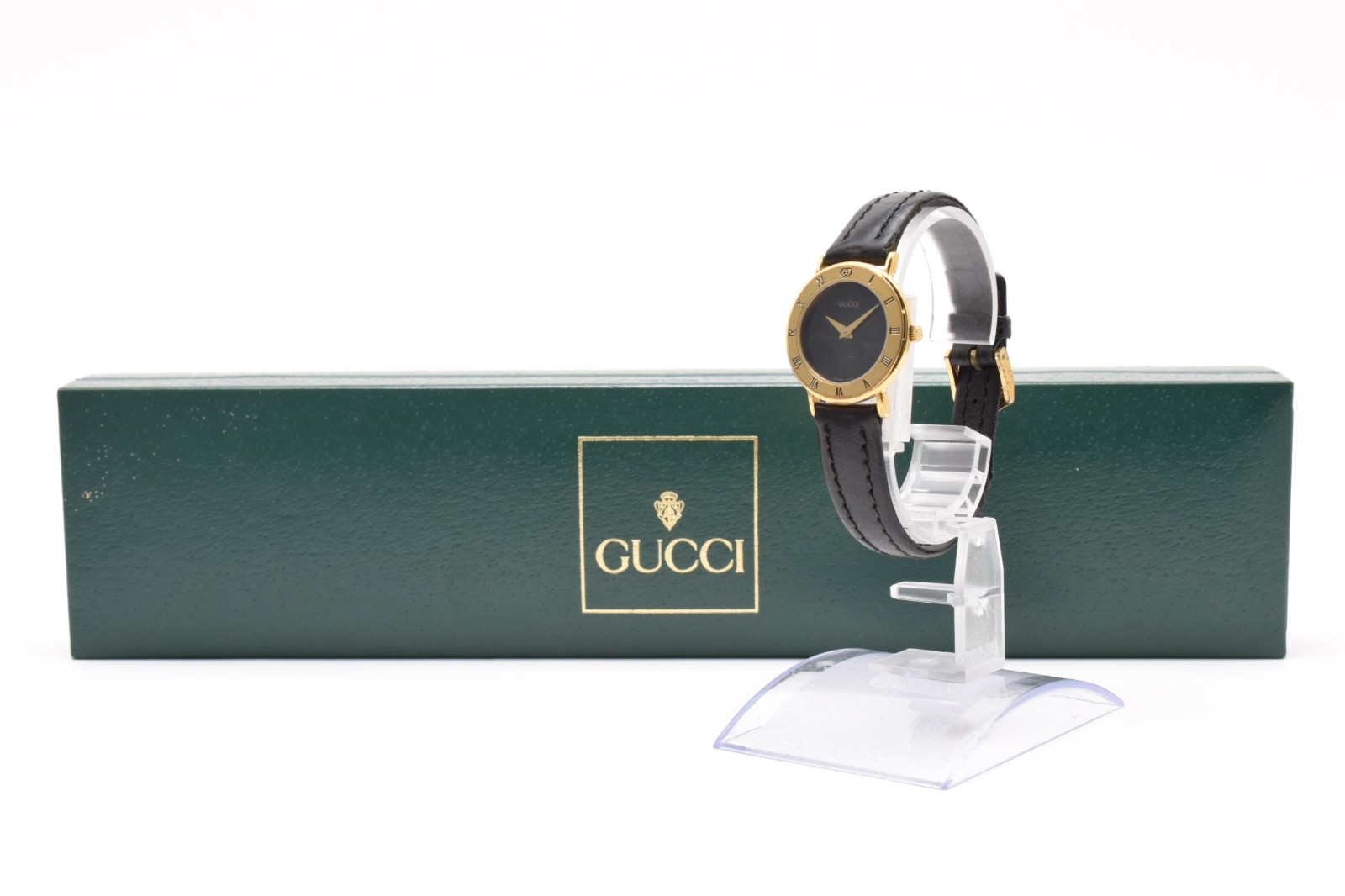
The dial is where the truth lives. Original dials age unevenly, and that is fine. A matte dial from 1972 with a little speckling is honest. A dial that has been repainted, or 'refinished', looks flat and too even, and the printing is often slightly fat. Look at the text under twelve. On an original Rolex it is crisp and slightly raised. On a redial it is often a fraction heavy.
Gucci and Fendi pieces from the 1980s are a different study. Check the logo. Early pieces have a cleaner, thinner typeface. The plating should be even, with wear at the lugs and the clasp where a wrist actually rubs. Wear there is good. Wear in the middle of a flat case back is not.
The Years That Made Them
Rolex put the Datejust into the world in 1945, and by the 1970s it had become the watch of the man who had done well without shouting about it. The Oyster case, the fluted bezel, the date under a cyclops lens. It appeared on wrists in everything from boardrooms to the front seat of a Ford Capri. Steve McQueen wore a Rolex, though a Submariner, and that association did more for the brand than any advertisement. The point is not the celebrity. The point is that these were working watches worn by people who did not think of them as precious.
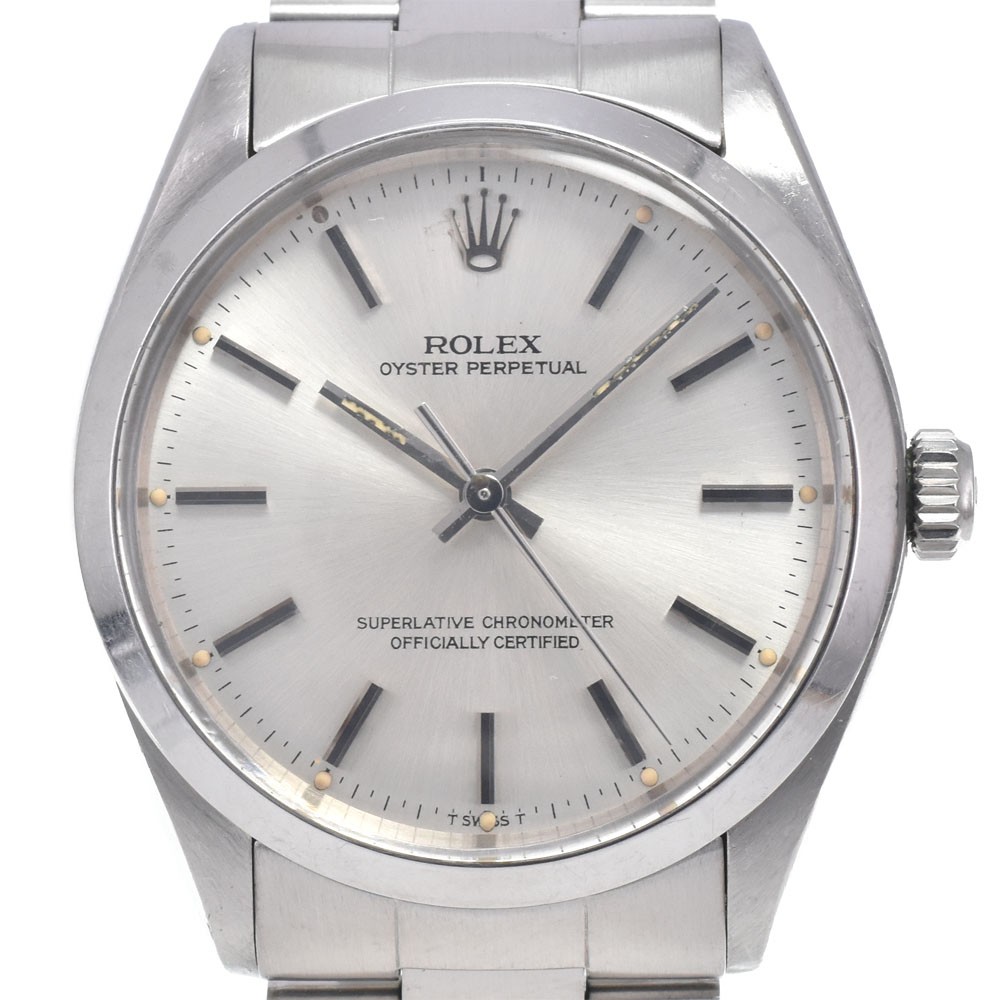
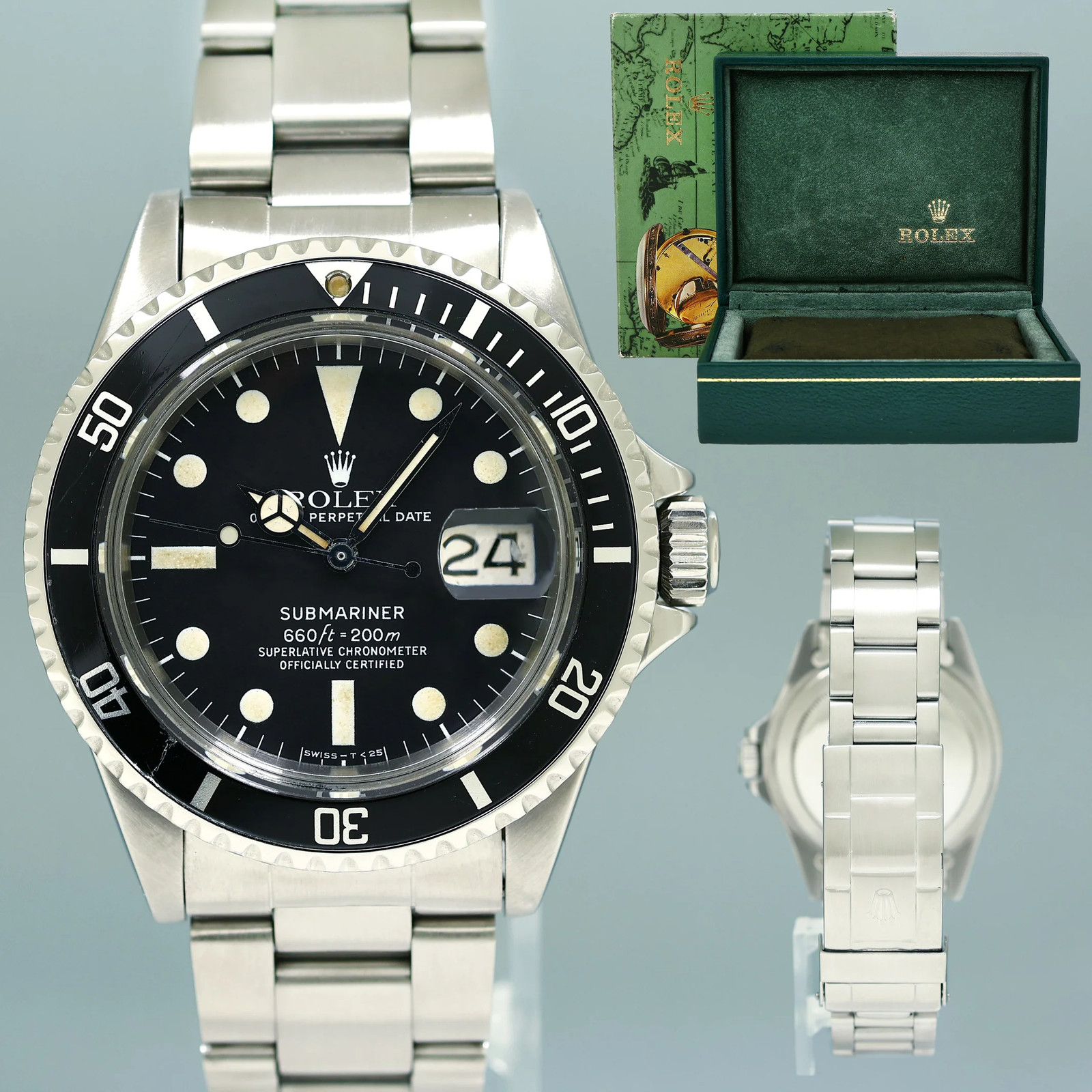
The Italian logos came from a different impulse. Gucci and Fendi built their watch lines in the late 1970s and 1980s as accessories to the clothes, and the best of them were made in Switzerland with proper movements under a fashion face. They were sold in the same boutiques as the bags, on the same marble floors, to the same customers. That is why they feel of a piece with the era. A gold-plated Gucci with a green and red stripe on the dial is not a pretender. It is a document of a moment when Italian fashion decided the wrist was part of the outfit.
Buying One Worth Keeping
Buy the case, not the story. A seller who cannot tell you the reference number is a seller to walk past. Ask when it was last serviced. A watch with no service history is not a bargain, it is a bill waiting to happen, and a proper service on an automatic movement is not cheap. Look for original hands that match the dial's age. Mismatched hands, bright and new against a faded dial, are a tell.
Try it on. Not for a second in bad light. Wear it for ten minutes, move your wrist, see how the bracelet sits. A heavy watch on a thin wrist drags. A small watch on a thick wrist disappears. The right one you forget you are wearing until someone asks about it.
The Watch You Will Still Have in Twenty Years
A vintage watch is one of the few things you can buy that gets better by being worn. The scratches are the record. The faded bezel is the point. Buy one that fits your wrist and your life, service it when it needs it, and stop thinking about it as a purchase. It is a habit. The people who look best in these pieces are the ones who never mention them.
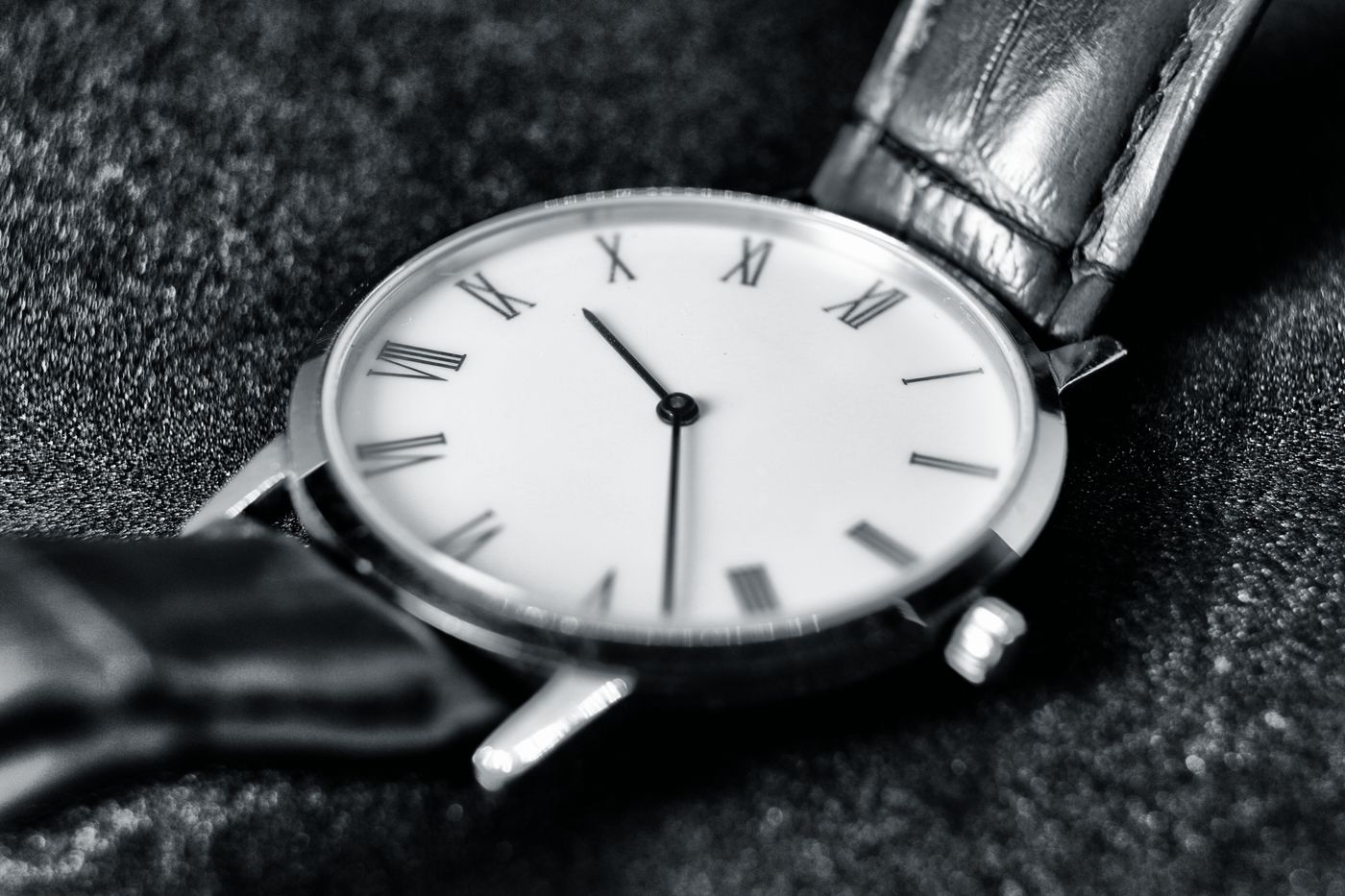
Foto: Mat Brown · Pexels
 ✦ The Edit
One to watch
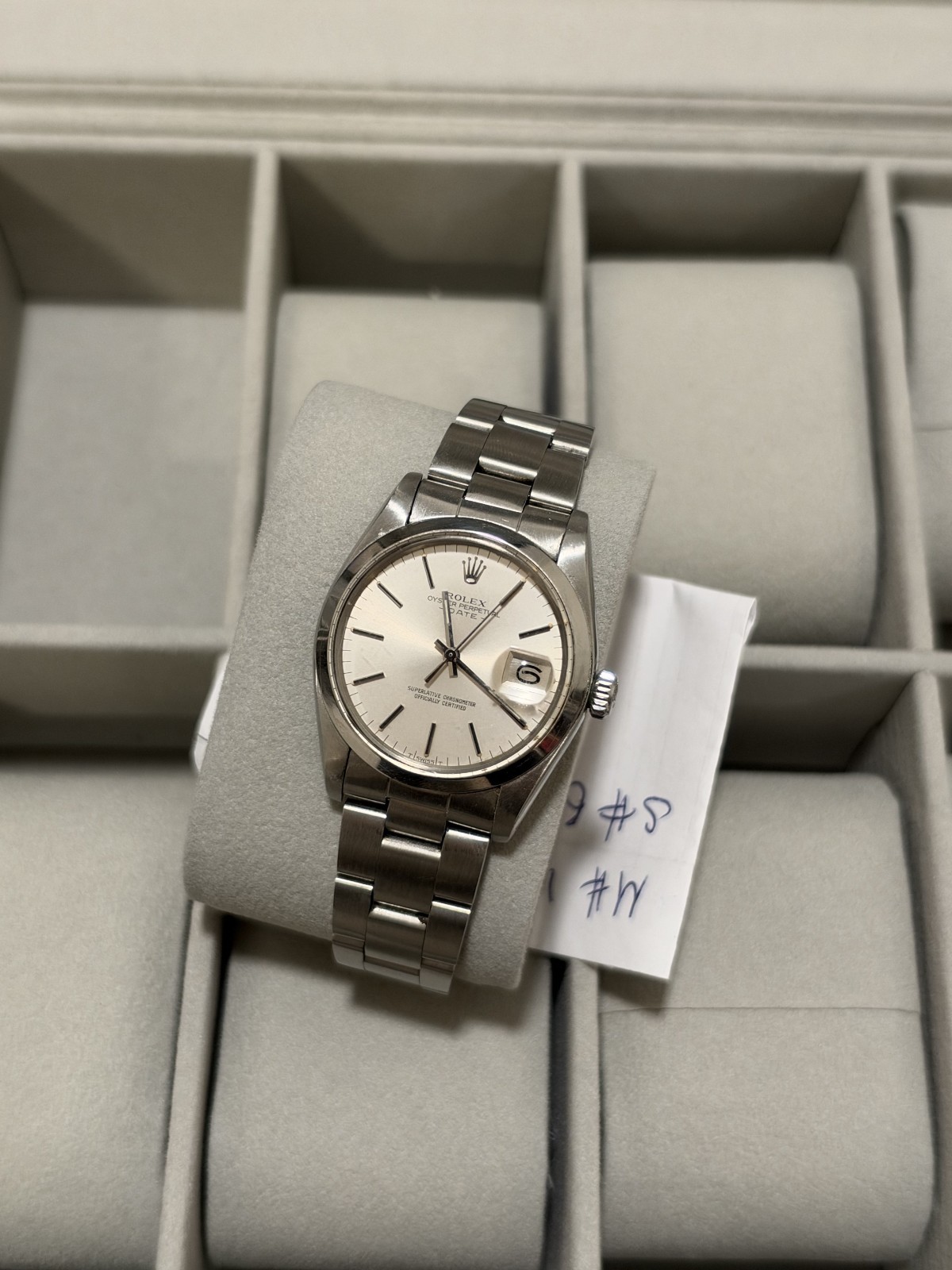
Rolex Oyster Perpetual Date 1500 34mm Silver Dial Vintage Automatic Watch
The name on the wrist that never lost value. This honestly worn watch in silver carries exactly the quality that made Rolex worth collecting in the first place. Some things you wear until they wear you out; this one wears you in.
On the market now
The names
Meet the designers
The minds behind this story — each with a piece currently on the market.
Rolex
CH · 1900s
The Submariner & the Datejust
The Submariner & the Datejust
Top piece
View →
Fendi
Italy · 1920s
The Baguette & the FF logo
The Baguette & the FF logo
Top piece

View →
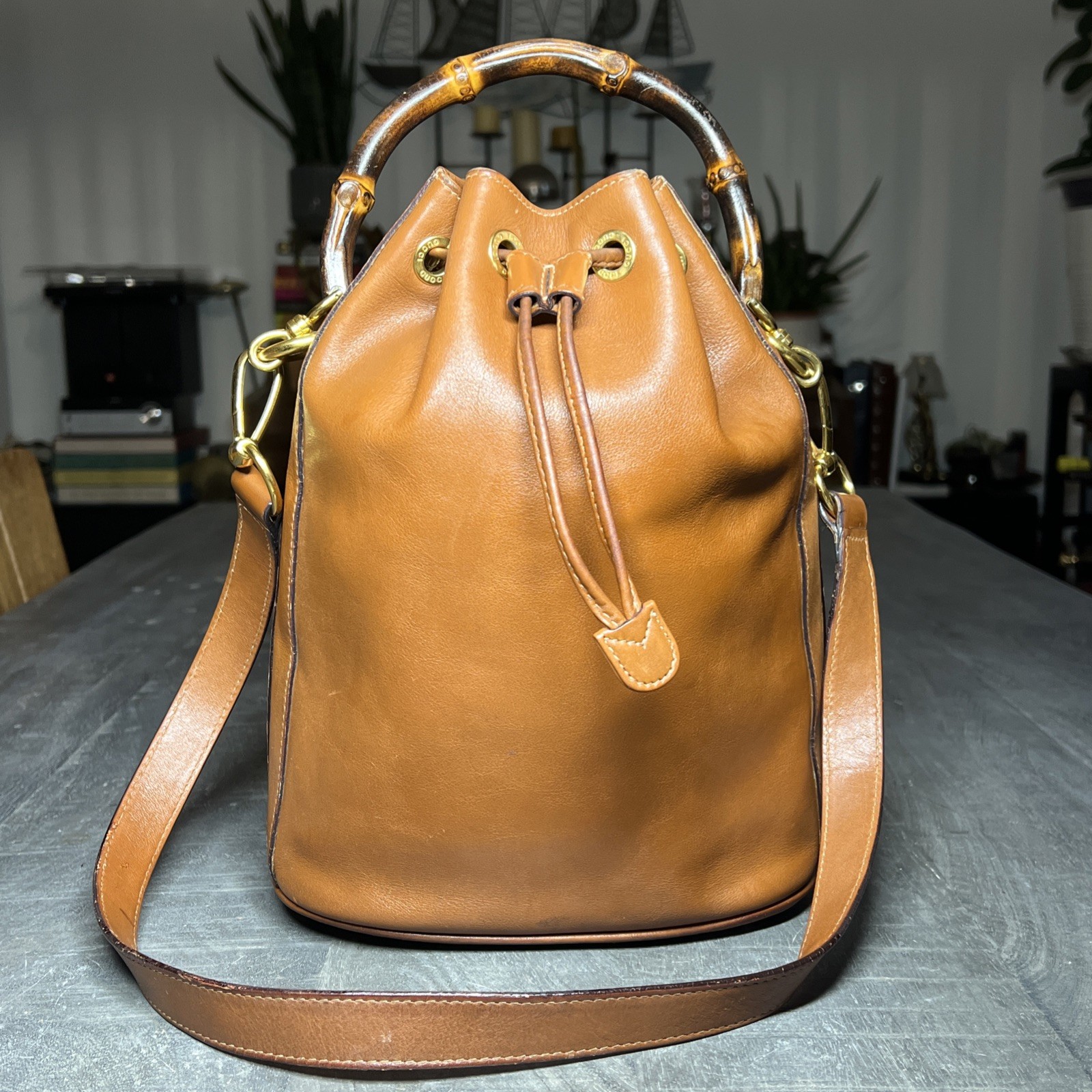
Gucci
Italy · 1920s
The bamboo handle & the double-G
The bamboo handle & the double-G
Top piece
View →
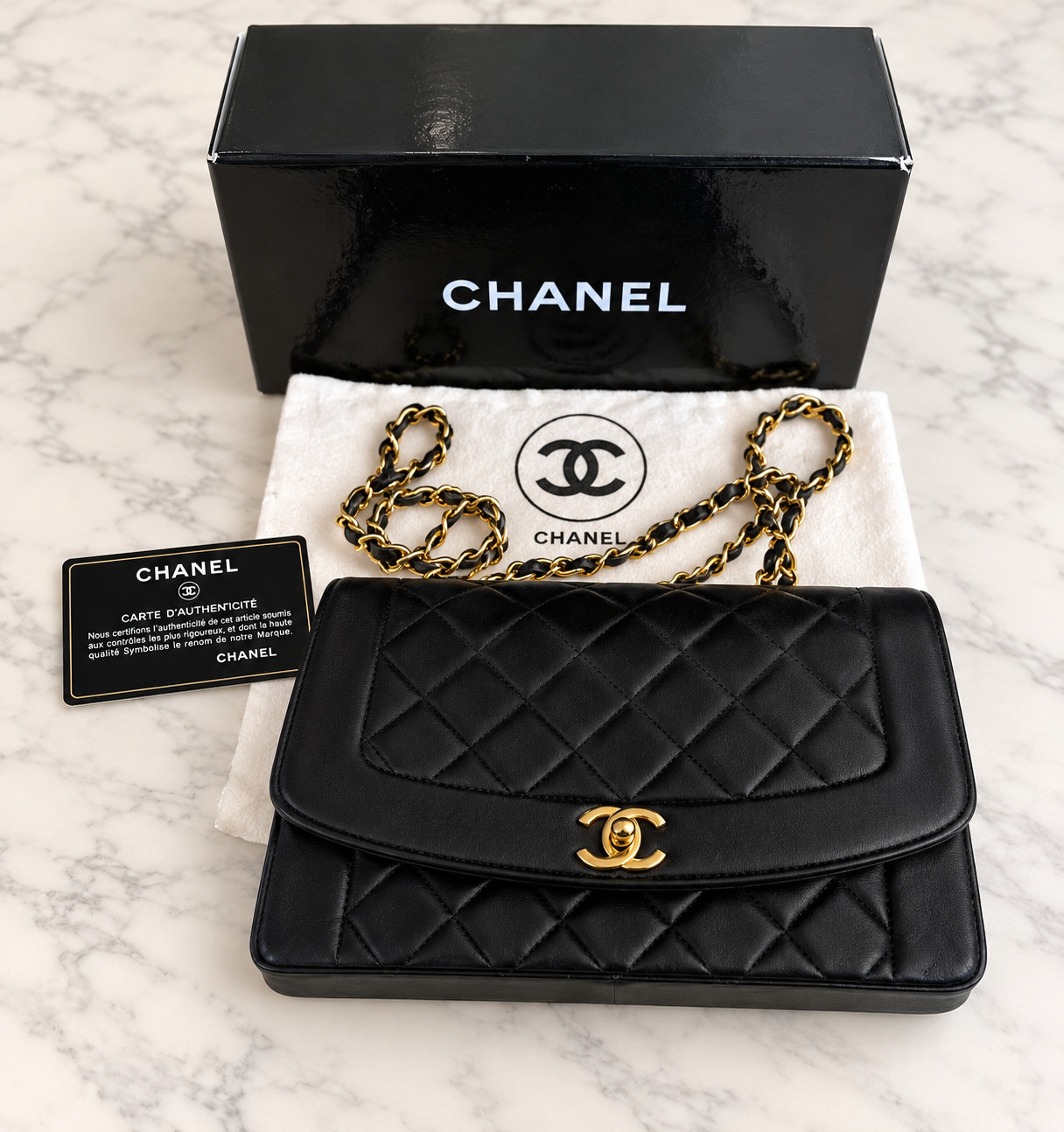
Chanel
France · 1910s
The little black dress & the 2.55
The little black dress & the 2.55
Top piece
View →
Continue the edit
Further stories from the same world
Three more walks through the same vintage universe.
The Wrist You Inherit: Wearing a Vintage Watch Without Looking Like a Collector
A 1968 Omega Seamaster on a grey nylon strap says more about you than any new watch in a display case. Here is how to wear one, what to check on the caseback, and why the scratches are the point.
Read the story →The Wrist, Reconsidered: Wearing a Vintage Watch Like You Mean It
A 1972 Omega on a worn leather strap will do more for a plain white shirt than any new acquisition. Notes on wearing vintage watches with intent, from a collector who wears his.
Read the story →The Wrist, Reconsidered: Wearing Vintage Watches Without the Vitrine
A Gucci from 1975 and an Omega from 1968 cost less than a decent pair of boots. Here is how to wear them like you mean it, what to check on the caseback, and why the small watch is winning again.
Read the story →