
 Sign in
✦ The City Edition
Barcelona
Where to Find Honest Watches in Barcelona
A 1960s Omega on a beach terrace, a 1970s Seiko at a tapas bar. These watches are built to be lived in.
 By Louis Trash·
Why Watches Matter Now
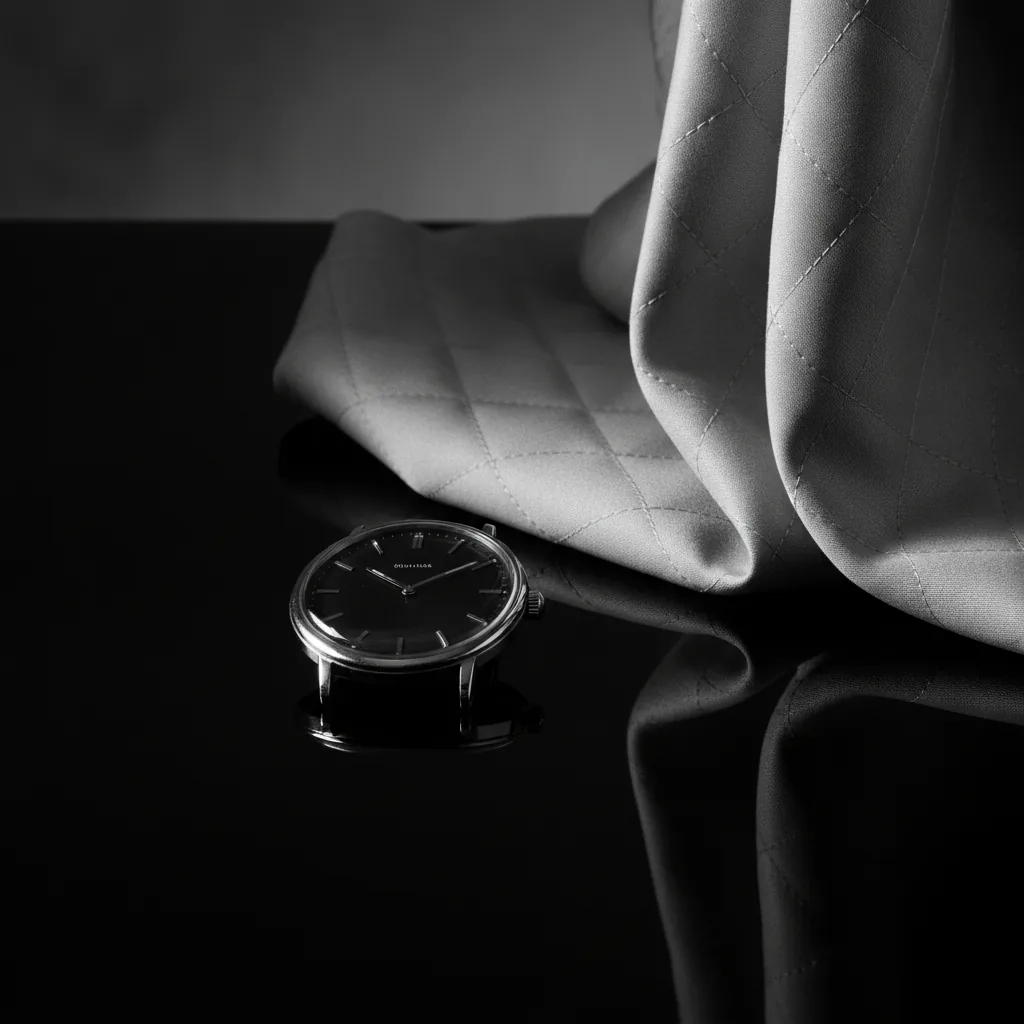
A vintage watch is the one accessory that never shouts. A patinated dial, a slightly yellowed lume, a bracelet that has softened to the wrist. These are the details that make people ask, quietly, what it is. In a city where everyone seems to be wearing the same stainless steel sports watch, a vintage piece sets you apart without trying. It says you know something, that you’ve taken the time to look.
A 1960s Omega on a beach terrace, a 1970s Seiko at a tapas bar. These watches are built to be lived in. The city’s Mediterranean light catches a faded dial in a way that makes it glow, not look tired. That’s the charm: a watch with a history, but one that’s ready for another chapter.
How to Wear It
Keep the case small. A 34-36mm dial looks far more elegant than anything oversized. In Barcelona, where the architecture is all curves and shadows, a small watch sits discreetly on the wrist, a quiet nod to the past. Think 36mm max. Anything larger and you’re wearing a clock, and that’s not the point.
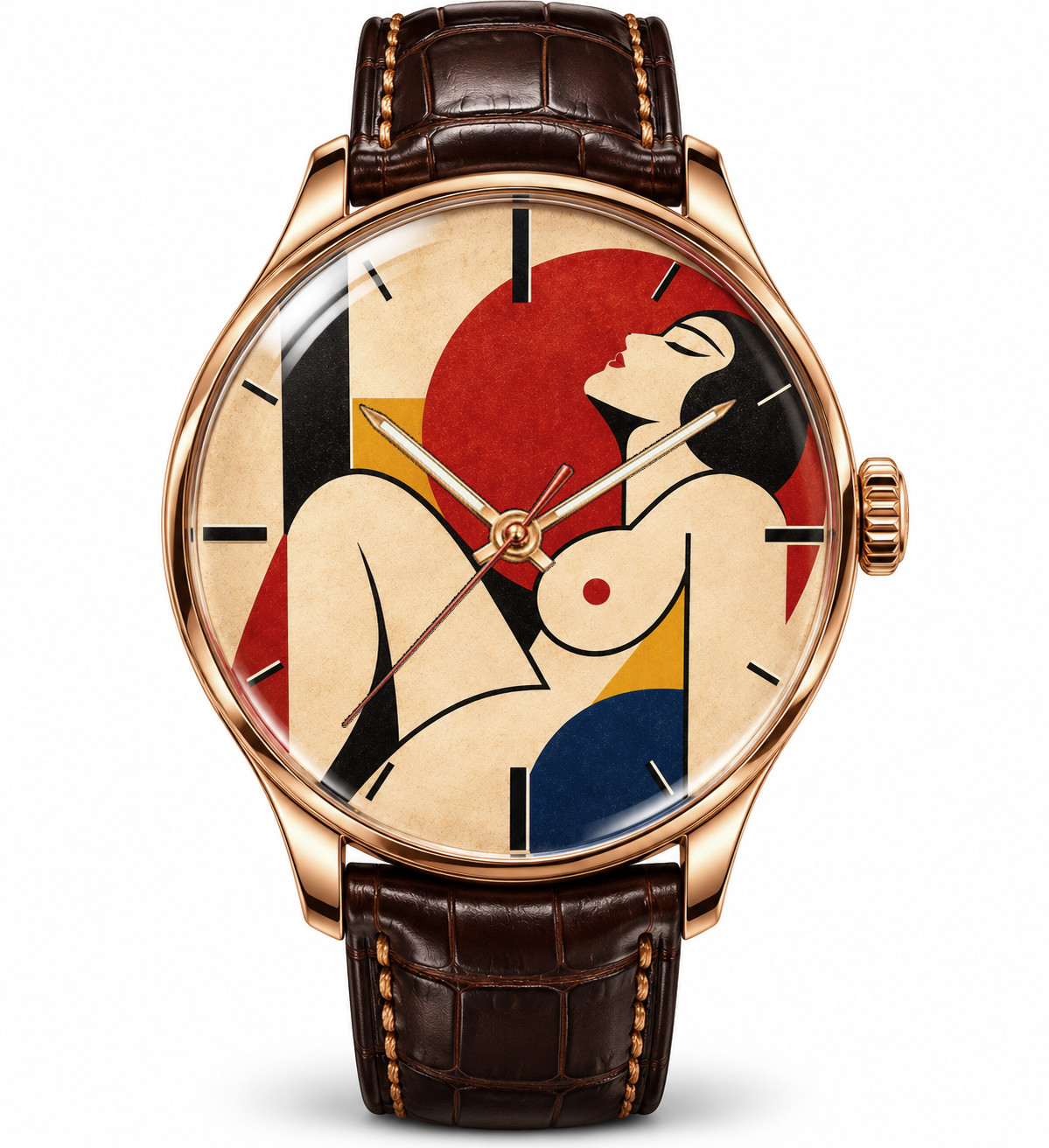
Swap the strap. A cheap leather band on a good watch undoes the whole thing. A worn leather strap can be charming, but if it’s cracked and smells of someone else’s sweat, replace it. A good quality leather strap, in tan or dark brown, costs around 30 euros and transforms the watch. A steel bracelet is fine if it’s original, but if it’s a replacement, make sure it fits properly. Nothing worse than a gap between case and bracelet.
Wear it slightly loose so it sits just past the wrist bone, half under the cuff. This is the way it was done in the 1960s, and it’s the way to show off a vintage piece without being flashy. It also lets the watch move with your hand, catching light as you gesture. Try it on with a linen shirt or a light cotton suit. The kind of clothes that don’t fight the watch for attention.
Where to Find Yours in Barcelona
Barcelona has a scattered vintage scene, but the best spots are in the old city and the Gràcia neighborhood. Here’s where to start:
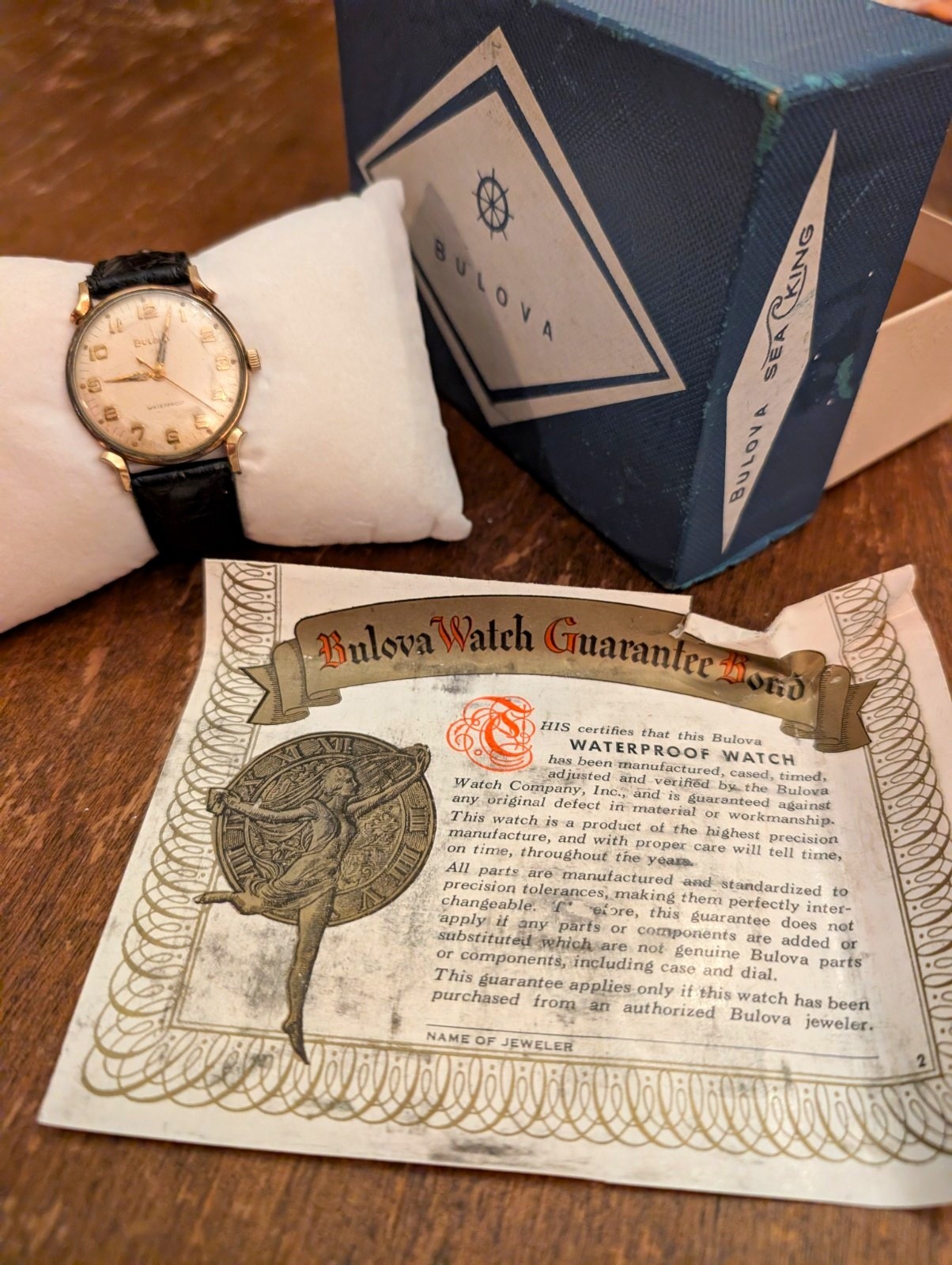
- Flamingos Vintage Kilo (Carrer del Tallers 31) — by the kilo, endless, chaotic in a good way, from around 20 euros. This is not for the faint-hearted. You’ll dig through bins of mixed jewelry and watches, but you might find a 1970s quartz dress watch for the price of a cocktail. The staff are used to people spending an hour sorting through the pile.
- Holala! Plaza (Placa Castella 2) — the city's vintage institution, from around 45 euros. This is the place with a curated selection, though you’ll pay a bit more. They have a dedicated watch case near the back, with pieces from the 60s to the 80s. The owner, Marta, knows her stuff and will tell you the story behind each piece if you ask.
- Lullaby Vintage (Carrer de la Riera Baixa 22) — small, sharp, well edited, from around 60 euros. This is where the local stylists go. The selection is small but every piece is hand-picked. I once found a 1968 Seiko 5 with a sunburst dial there, and the strap was fresh. They do their own servicing.
- Els Encants Market (Carrer dels Castillejos 158) — early mornings, everything under the sun, from around 90 euros. This is the traditional flea market, held on Mondays, Wednesdays, Fridays, and Saturdays. Go at 7am when the dealers set up. You’ll see tables of broken watches, but also the occasional gem. Bring a loupe and a magnet to test the movement.
Midweek mornings are when the new stock is out and the sellers aren't rushed. On a Tuesday at Flamingos, I had the whole place to myself and found a 1970s Citizen that just needed a new battery.
What to Look For
Ask when it was last serviced. A movement that has run dry is the expensive part. A service can cost more than the watch itself, so factor that into the price. If the seller says “it was working last week,” ask for a guarantee. Most reputable dealers will offer a 30-day warranty.
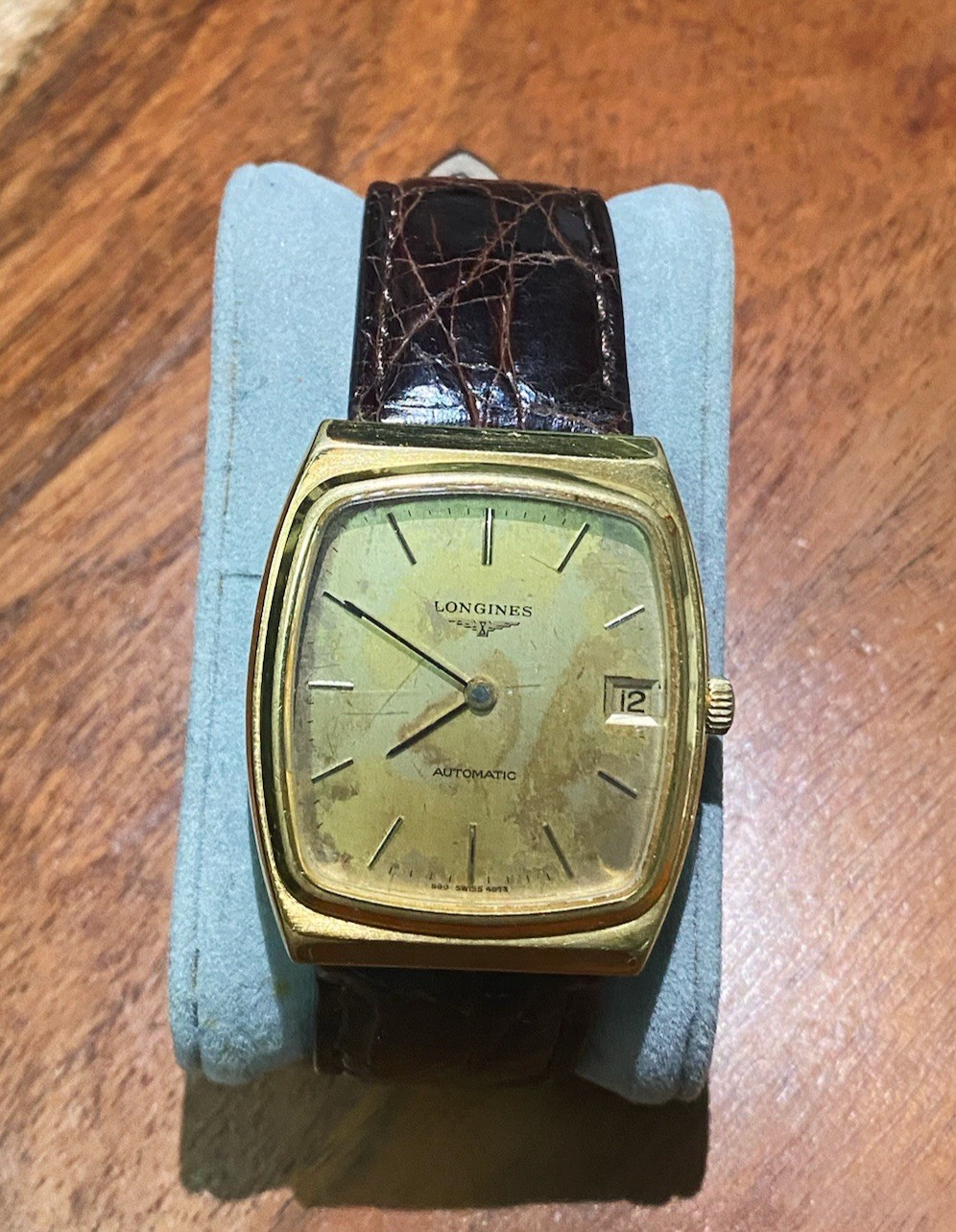
Check the dial under light for redialing: fonts that sit unevenly or print that looks too crisp for its age are warnings. A redial kills the value and the charm. The original dial might have imperfections, but that’s character. Look for the small details: a date window that’s slightly off-center, or a second hand that’s a different color. These are signs of a redial.
Original bracelets add real value. A watch with its original bracelet, even if it’s stretched, is worth more than one with a replacement. And a boxed set with papers is always worth the premium. You might pay 20-30% more, but you’ll have the history. In Barcelona, you can still find watches with original boxes from local jewelers. The kind of paperwork that tells you the exact shop it was bought from in 1962.
The final test is always the same: try it on, move in it, then trust your first instinct. A vintage watch that only works standing still is not going to survive your actual life. Move your wrist, check the crown. Does it wind smoothly? Does the date change at midnight? These are the things that matter.
The History in Your Pocket
Barcelona has a long relationship with timekeeping. The city’s watchmaking tradition goes back to the 18th century, when Swiss and French artisans settled in the Gothic Quarter. By the 1950s, local jewelers were importing movements from Switzerland and casing them locally. That’s why you’ll find watches with Spanish names like Omega or Longines, but with a Barcelona jeweler’s name on the dial. These are called “retailer dials” and they’re a collector’s delight.
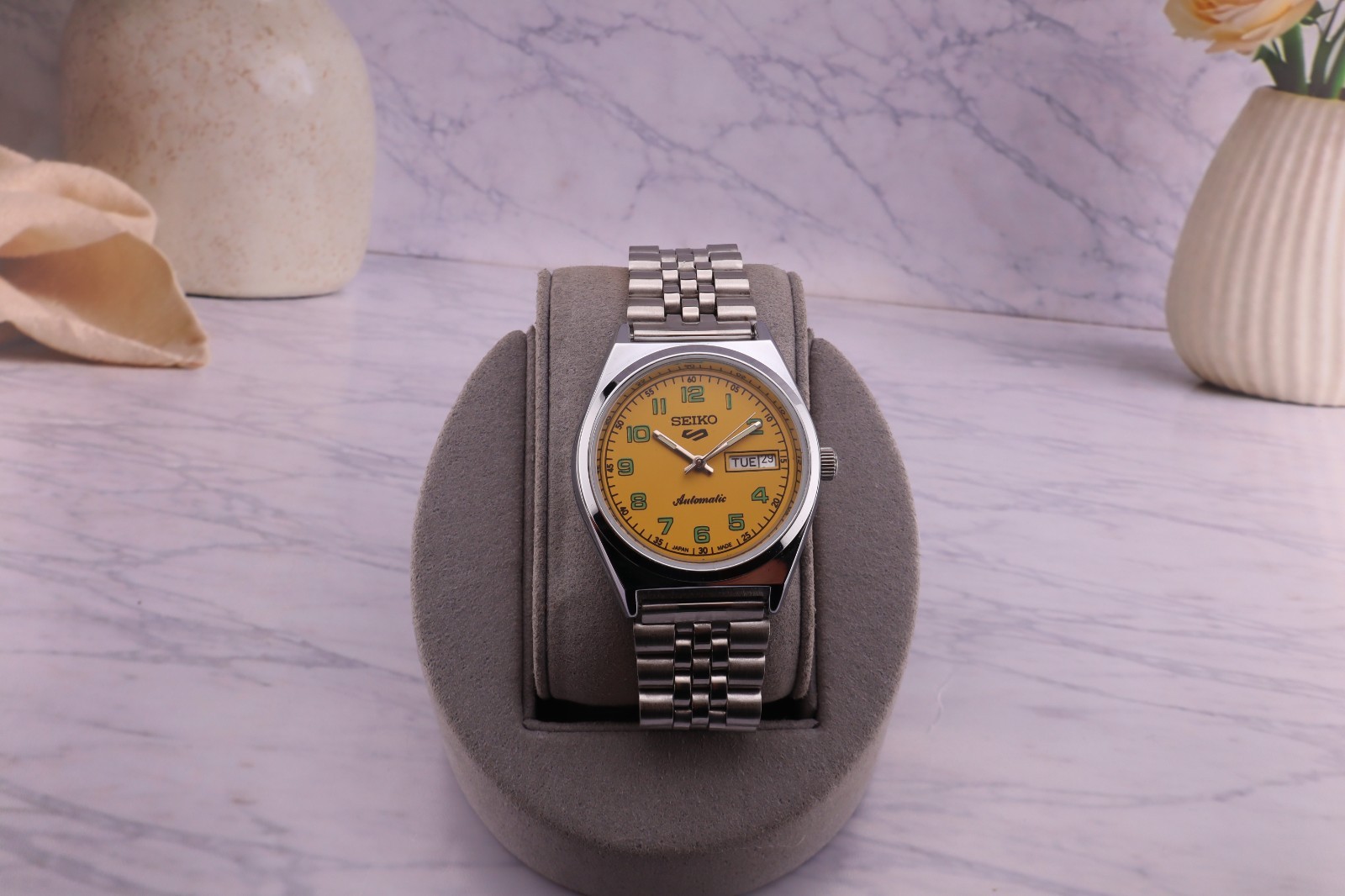
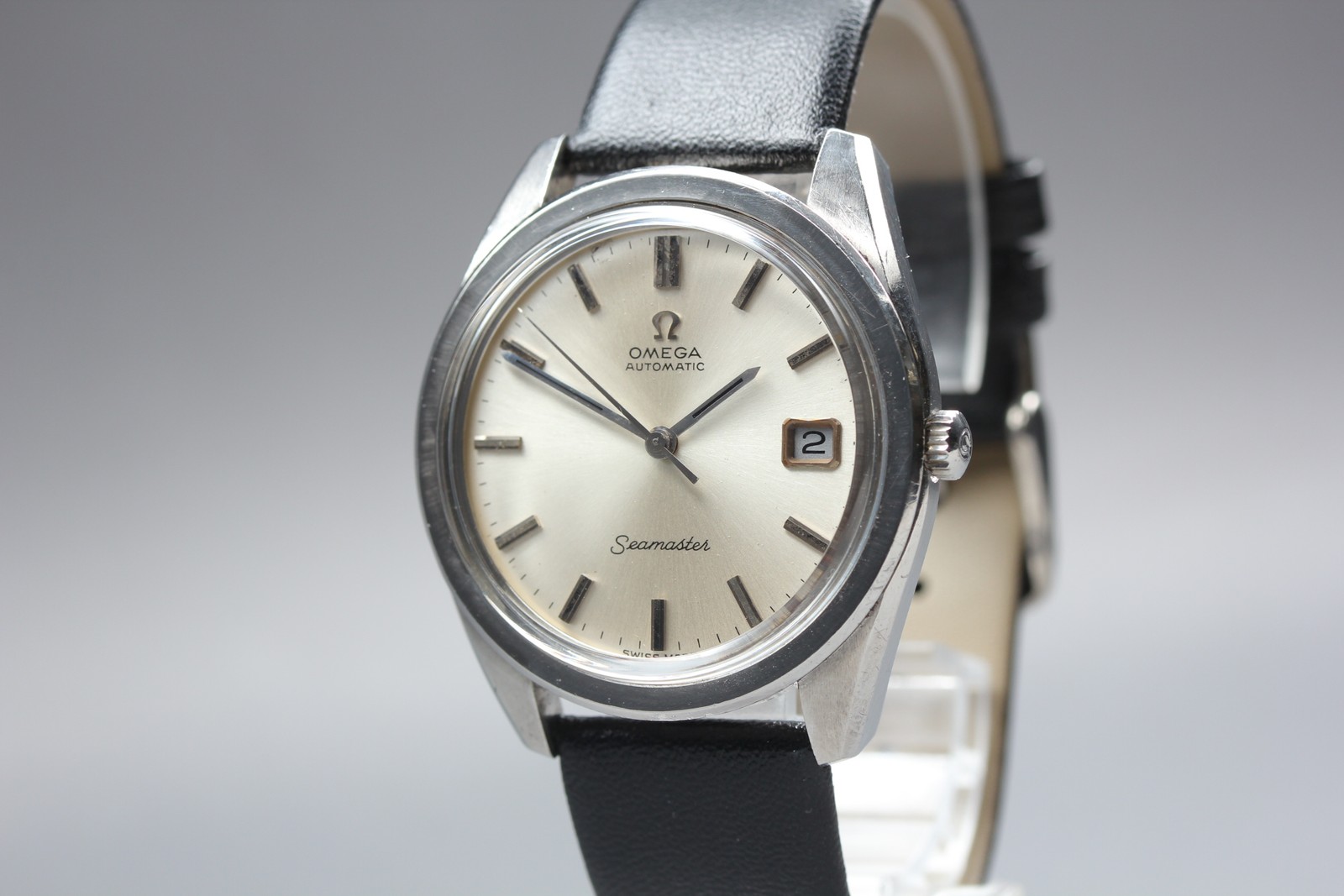
One of the most interesting eras is the 1960s, when Barcelona was a hotspot for the “Bauhaus” style. Clean lines, functional design. Watches from that period, like a 1963 Omega Seamaster or a 1965 Jaeger-LeCoultre, are still affordable compared to their Swiss counterparts. The trick is to find one that hasn’t been polished within an inch of its life. A soft case, with the original brushing, is worth more than a shiny one.
The Quiet Statement
A vintage watch in Barcelona is not a status symbol. It’s a conversation starter, a piece of history that you wear on your wrist. In a city that moves at its own pace, a vintage watch reminds you to slow down, to notice the details. Whether you find a 1970s Seiko at Els Encants or a 1960s Omega at Holala!, the right watch will feel like it was always yours. And that’s the best kind of find.
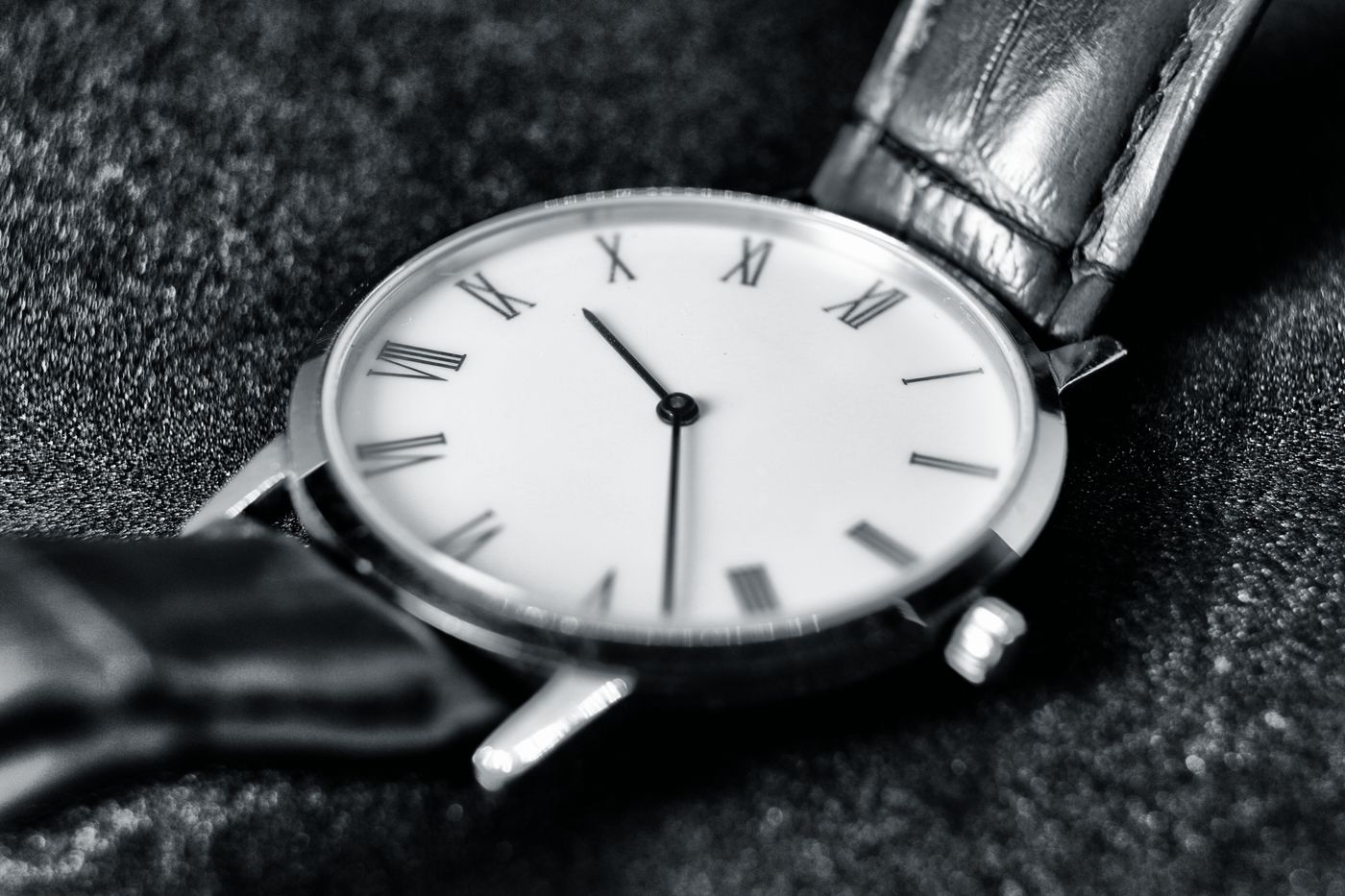
Foto: Mat Brown · Pexels
So go out, dig through the bins, haggle at the market, and find the watch that speaks to you. Wear it loose, swap the strap, and let it age with you. In Barcelona, vintage is not about preservation. It’s about living.
Sourced from the region
Found in Barcelona
Pieces on the market from sellers in and around Barcelona.
horloges
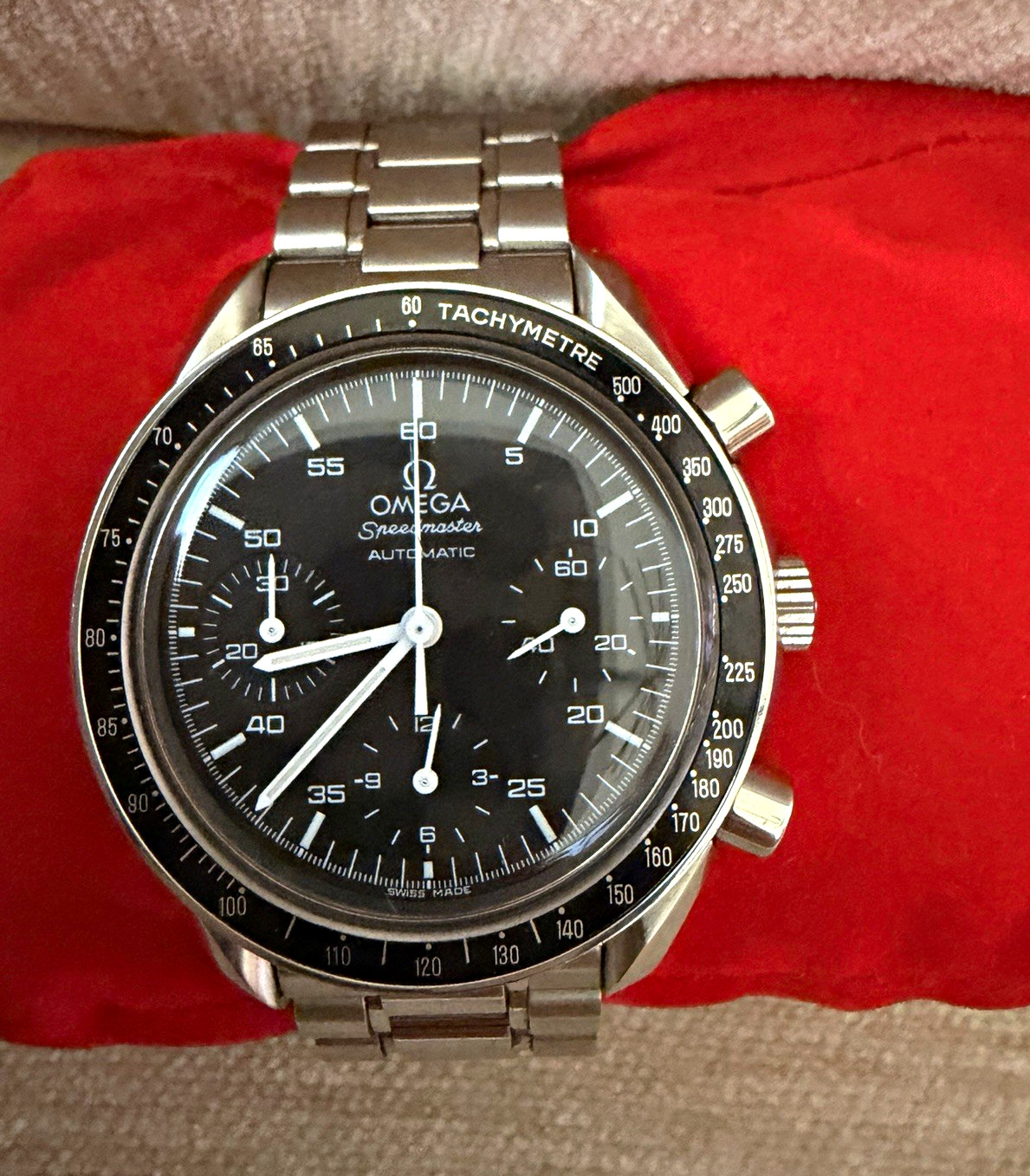
Vintage Omega Speedmaster Automatic 39mm Chronograph Watch & Original Band
horloges
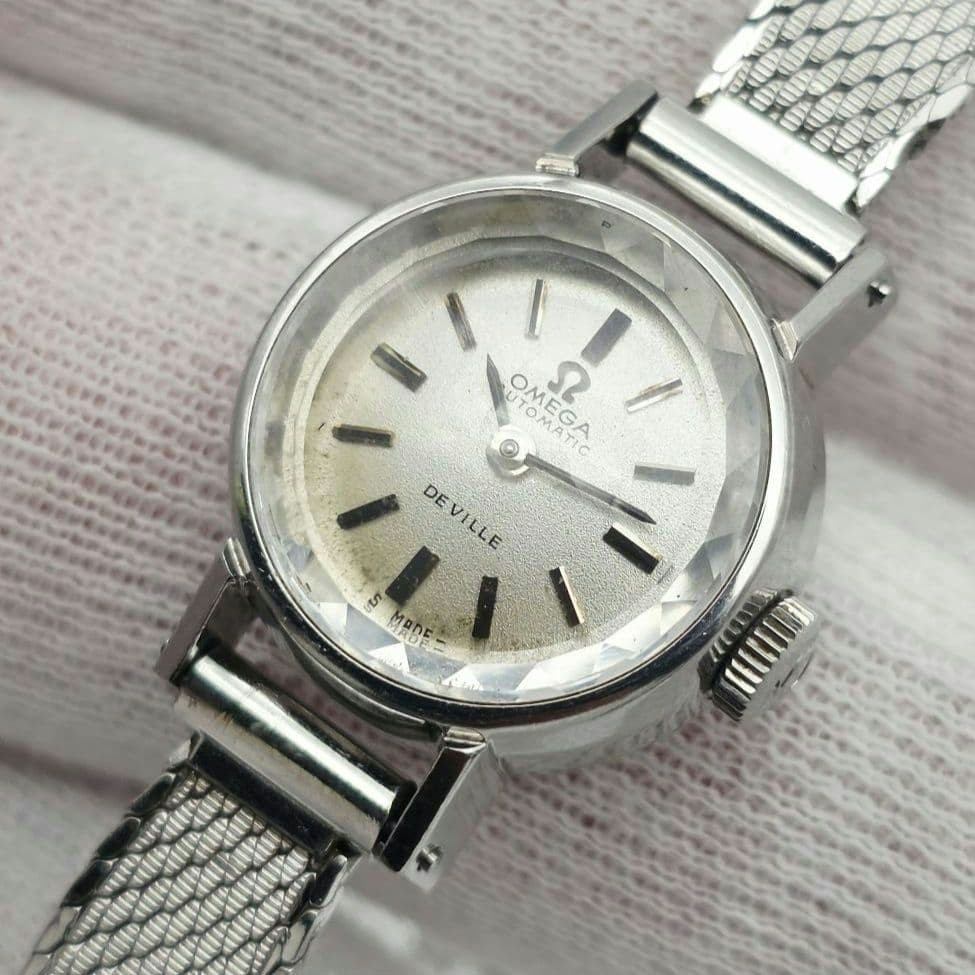
[EXC] Omega 1970s Vintage De Ville 551.038 Automatic Watch
horloges
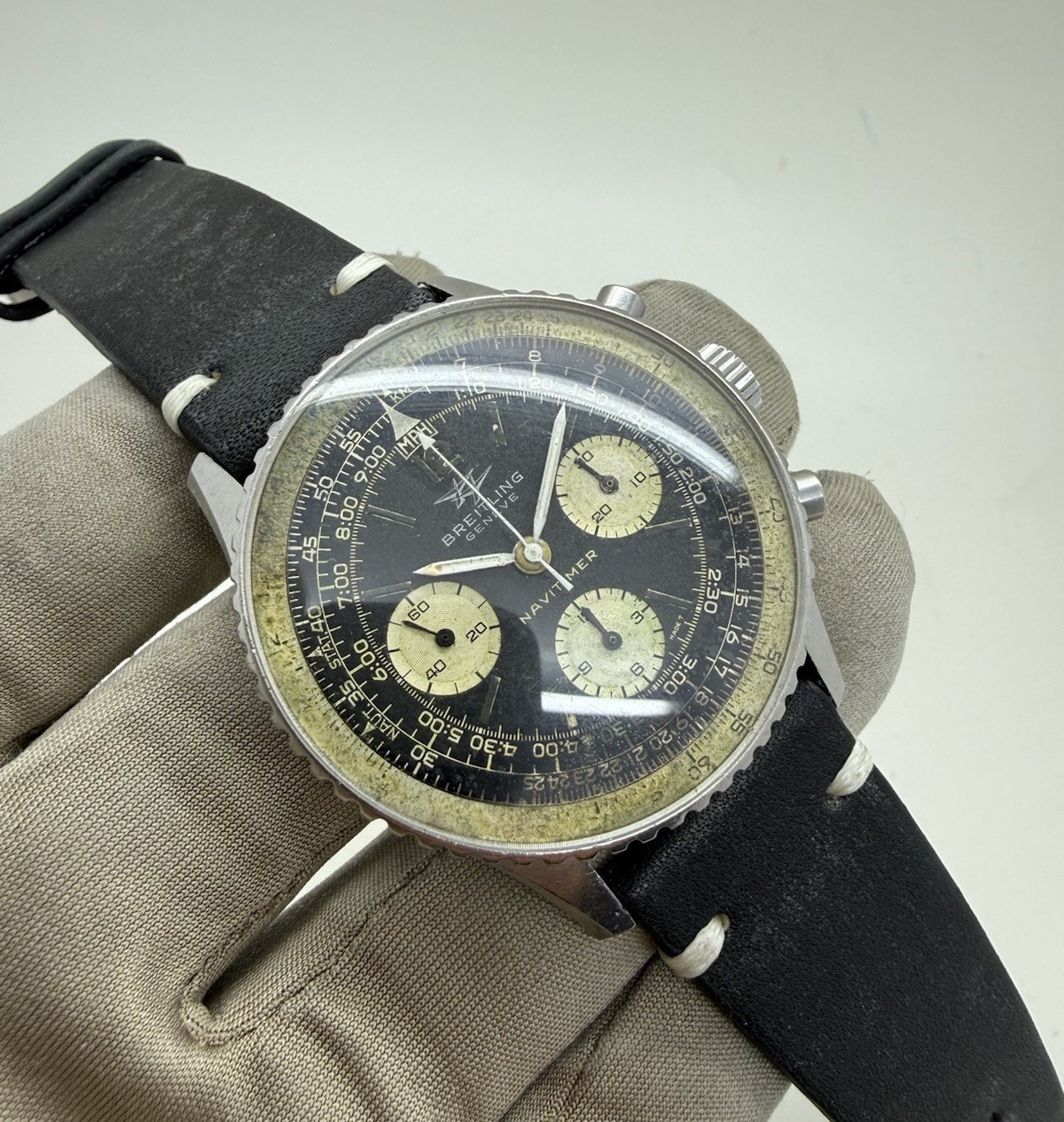
Breitling Navitimer Vintage Stainless Steel Manual Wind Leather Strap Watch 806
horloges
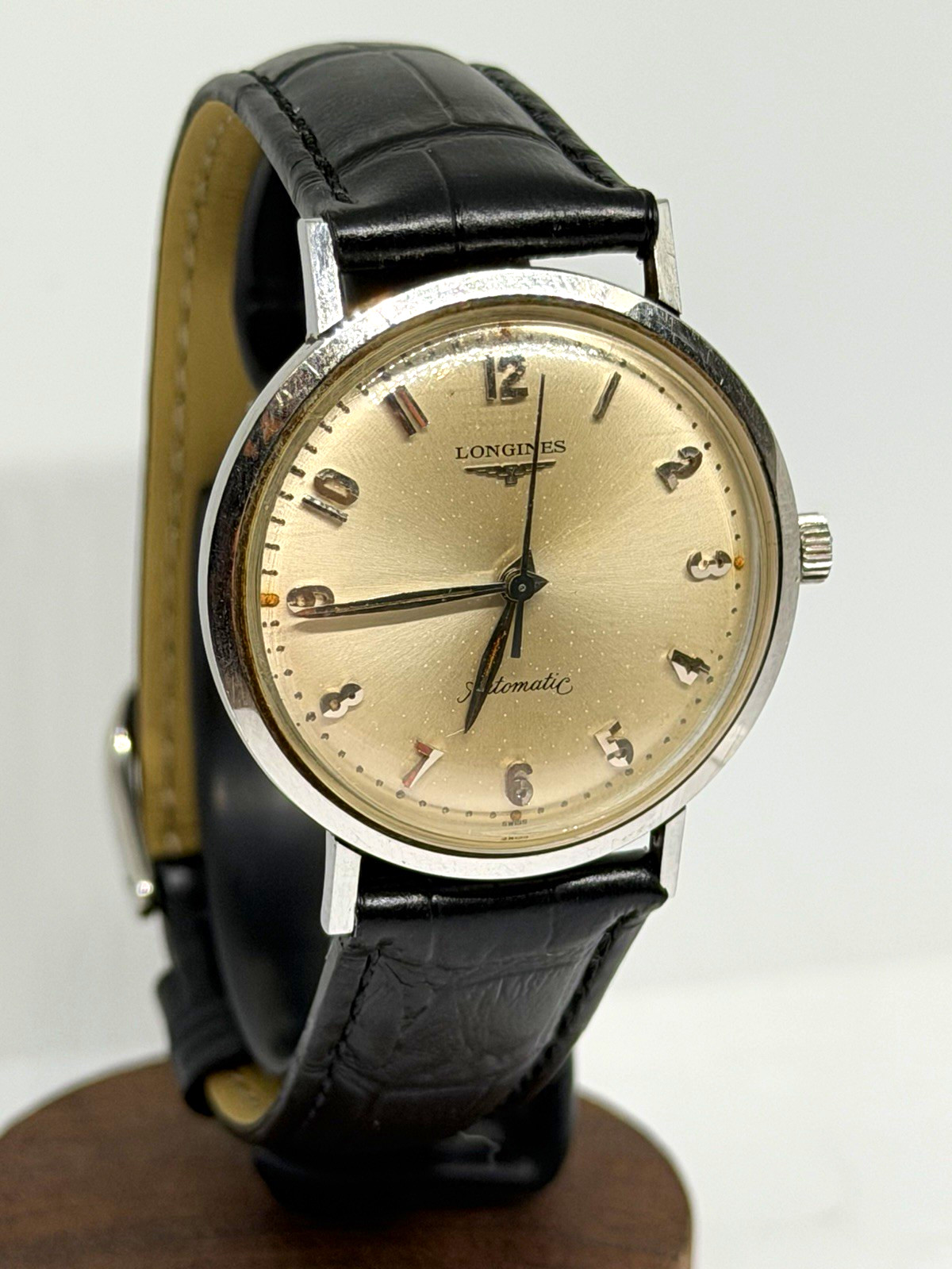
Vintage 1950s–1960s Longines Automatic Stainless Steel Watch – Ref. 1200
horloges
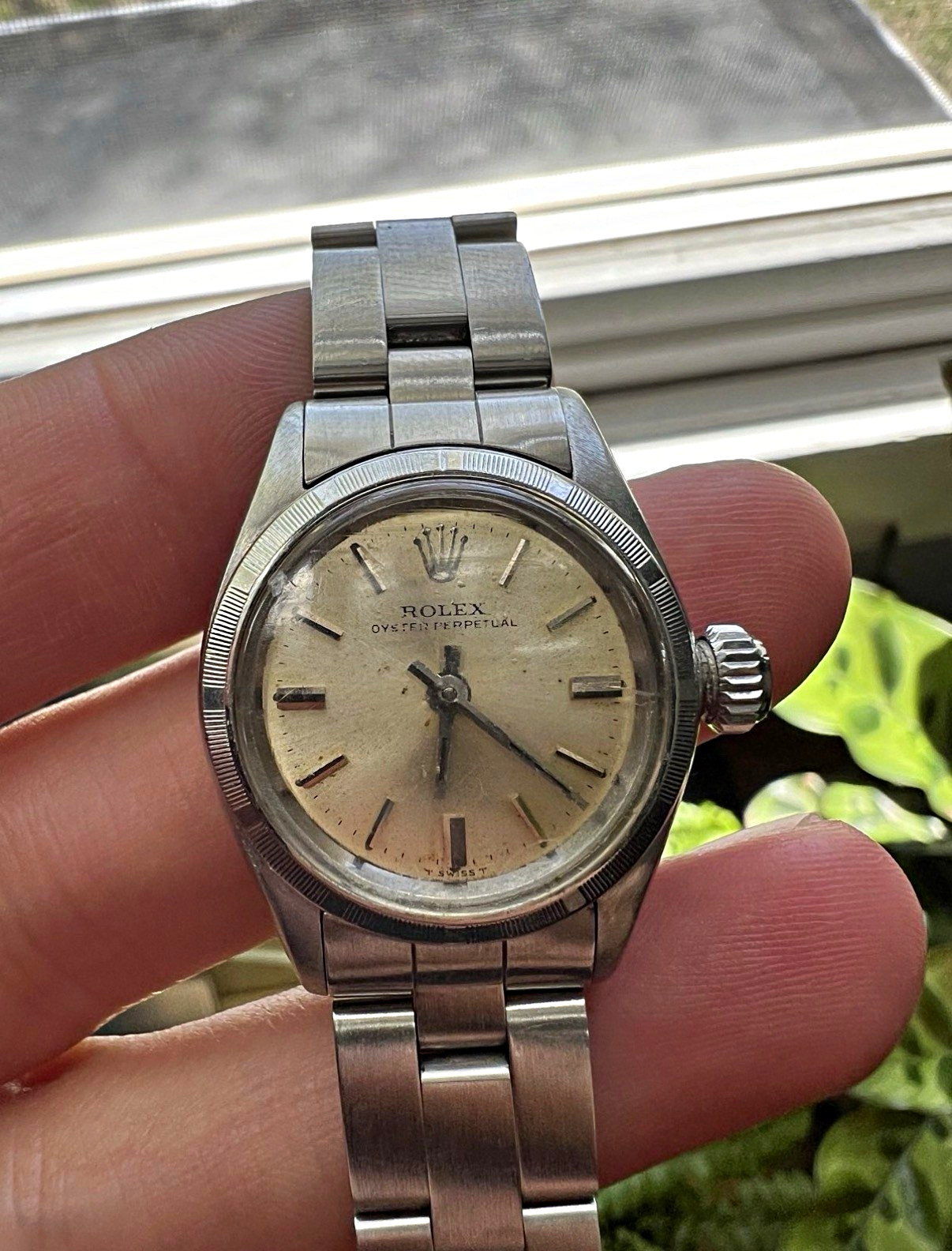
Vintage Rolex Ladies Oyster Perpetual Stainless Steel Watch
horloges
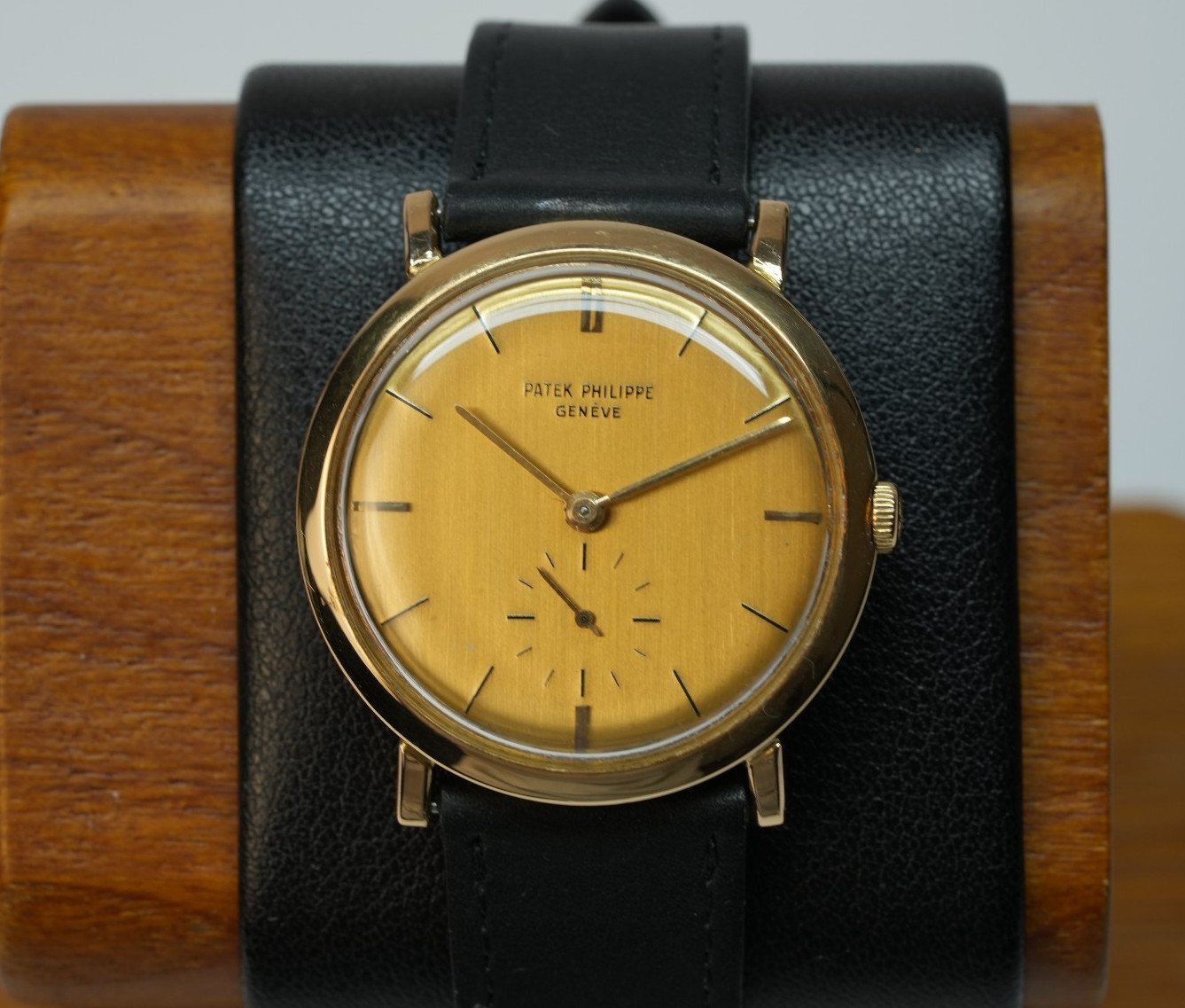
Patek Philippe Calatrava 2581 33mm 18k Gold Manual Wind Vintage Watch
horloges
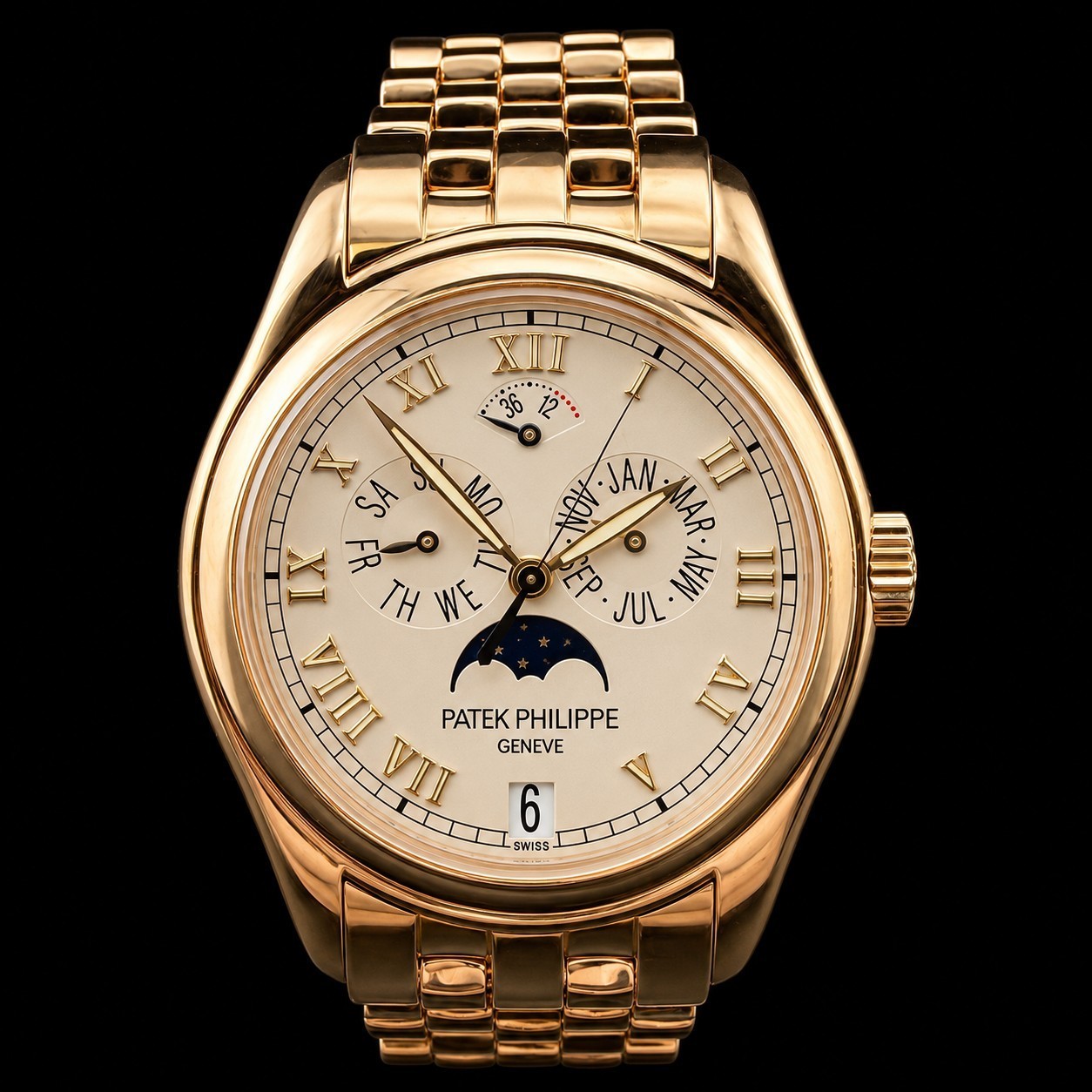
Patek Philippe Annual Calendar 5036/1R Moon Phase 18k Rose Gold Watch
horloges
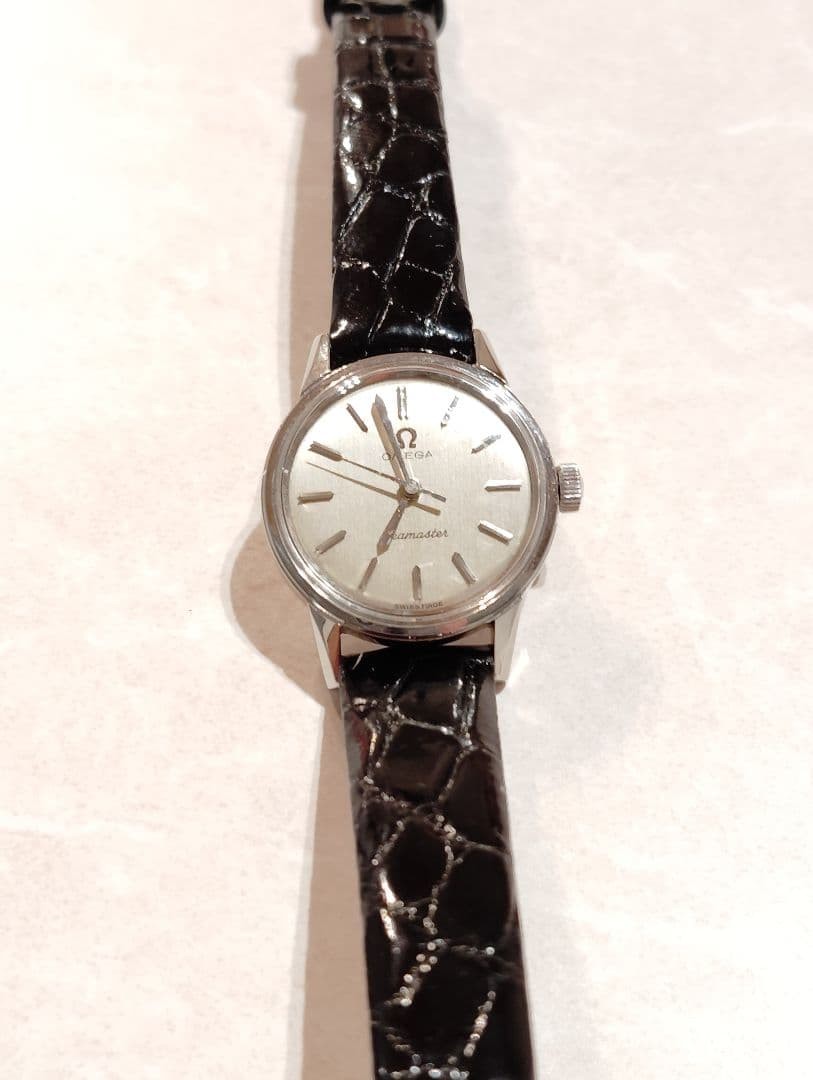
Omega Seamaster Vintage
The names
Meet the designers
The minds behind this story — each with a piece currently on the market.
Børge Mogensen
Denmark · 1940s
The Spanish chair — honest, functional furniture for everyday life.
The Spanish chair — honest, functional furniture for everyday life.
Top piece
View →
Omega
CH · 1840s
The Speedmaster & the Moonwatch
The Speedmaster & the Moonwatch
Top piece
View →
Ann Demeulemeester
Belgium · 1980s
Romantic goth, asymmetric leather
Romantic goth, asymmetric leather
Top piece
View →
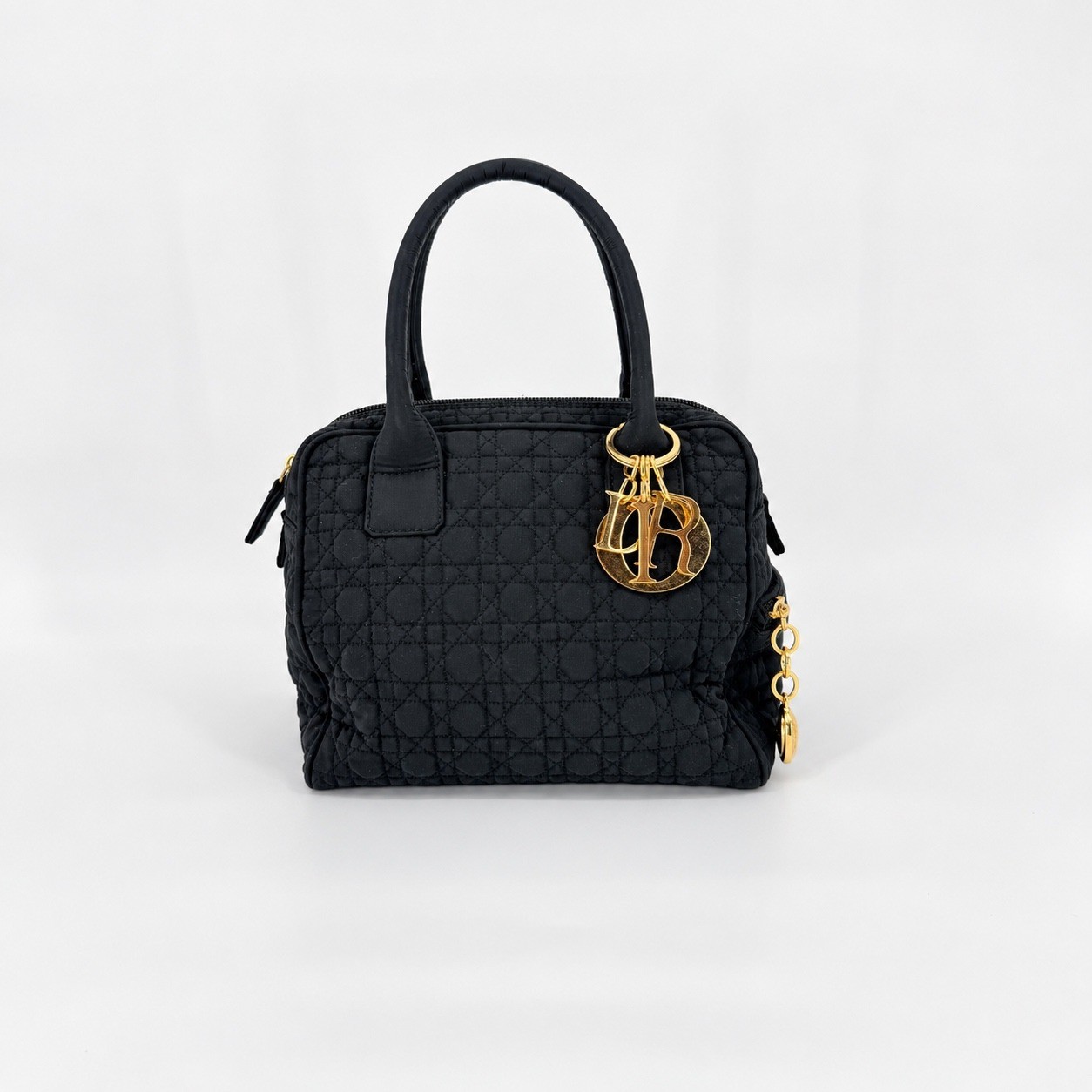
Dior
France · 1940s
The New Look & the Lady Dior
The New Look & the Lady Dior
Top piece
View →
Continue the edit
Further stories from the same world
Three more walks through the same vintage universe.
The Small Watch on a Big Wrist
A 1972 Omega Constellation and a Fendi from the same decade teach you more about proportion and restraint than any new watch you could buy this year.
Read the story →The Wrist, Reconsidered: How to Wear a Vintage Watch Like a Grown-Up
A loupe-free guide to wearing vintage watches well: the straps that flatter a 34mm case, the dial details worth paying for, and the Omega and Vuitton pieces that earn their place on a modern wrist.
Read the story →The Case for a Watch That Shows Its Age
A worn Rolex or a logo-drenched Gucci tells a story no new piece can. How to wear vintage watches with a modern wardrobe, what to check on the case and dial, and the films and designers who made them worth keeping.
Read the story →More in Barcelona
All Barcelona →- The Band Tee, Worn Well: A Field Guide to the Real Thingvintage band tee
- The Dress That Does the Work: Wearing Vintage Dresses Without Looking Like a Costumevintage dress
- How to Wear a Vintage Band T-Shirt Without Looking Like a Costumevintage band tee
- Why Mid-Century Modern Furniture Matters Now: A Collector's Guide to Living With It Wellvintage mid century furniture
- Why Designer Vintage Bags Matter Now: Fendi, Gucci, Louis Vuitton, Burberryvintage designer bag