
 Sign in
✦ Culture · Amsterdam
Vintage Dresses in Amsterdam: A Buyer's Guide
The city is a cycling culture. You pedal over cobblestones, brake for trams, and lean into curves along the canals. A dress that flutters too much or rides up is useless.
 By Louis Trash·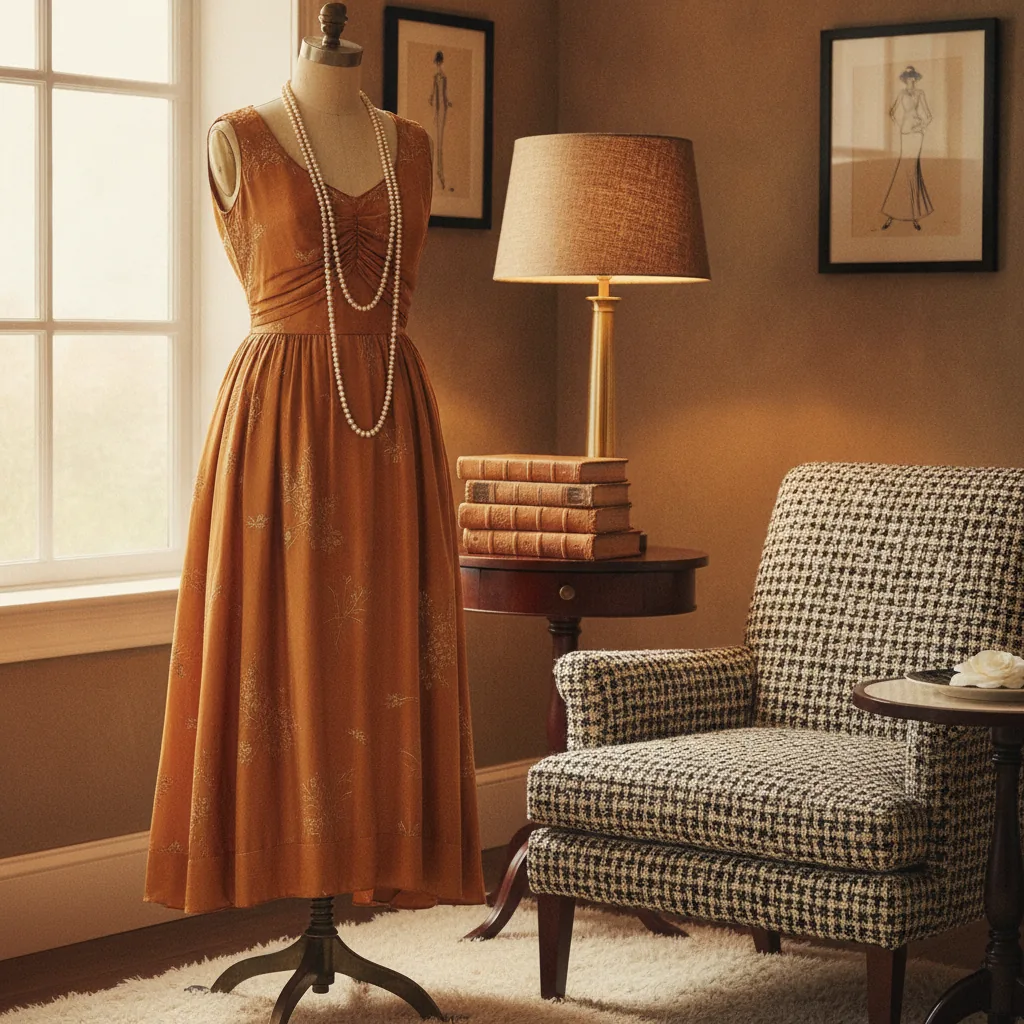
Why Dresses Matter Now
Vintage dresses were cut for a body, not a size chart. The cut is the point: darts in the right place, a hem that hangs straight, and fabric that moves like fabric.
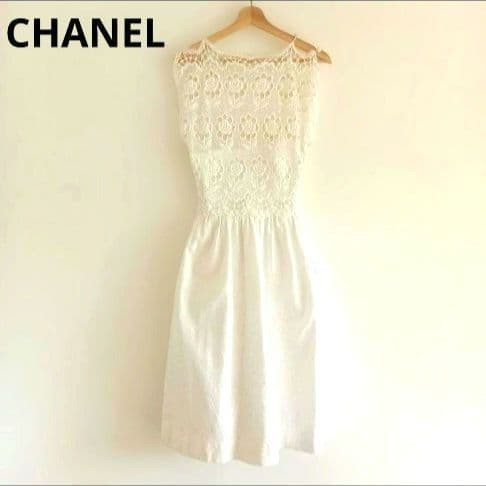
The city is a cycling culture. You pedal over cobblestones, brake for trams, and lean into curves along the canals. A dress that flutters too much or rides up is useless. Vintage cuts from the 1940s through the 1970s were made for movement. They have weight, structure, and a certain practicality that fast fashion abandoned. A 1950s shirtwaist in cotton poplin can take you from a morning at the Albert Cuypmarkt to an evening at the Concertgebouw without a second thought.
Designers like Dior and Balenciaga set the postwar silhouette with nipped waists and full skirts, but the dresses that ended up in Amsterdam’s secondhand shops often came from middle-class wardrobes. They were worn, mended, and worn again. That history is in the seams. You can feel it when you slip one on. The way the fabric has softened, the way the darts align with your own body. That’s not nostalgia. That’s engineering.
How to Wear It
Take the shoulders in rather than the waist. That single alteration fixes most old dresses. A tailor can do it in an hour for about 25 euros, and it transforms the entire drape. The waist should sit where it was intended. On your actual waist, not your hips. If the dress is too big in the bust, don’t take it in there. Instead, adjust the side seams and add a small dart at the back if needed. A good tailor will know.
Wear a cocktail dress in daylight with flat shoes. It stops it looking like a costume. A 1960s sequined shift with white sneakers and a denim jacket is a statement. Heels at 10 a.m. suggest you’re going to a wedding, not living your life. Amsterdam’s style is understated, functional, and slightly irreverent. Let the dress do the talking.
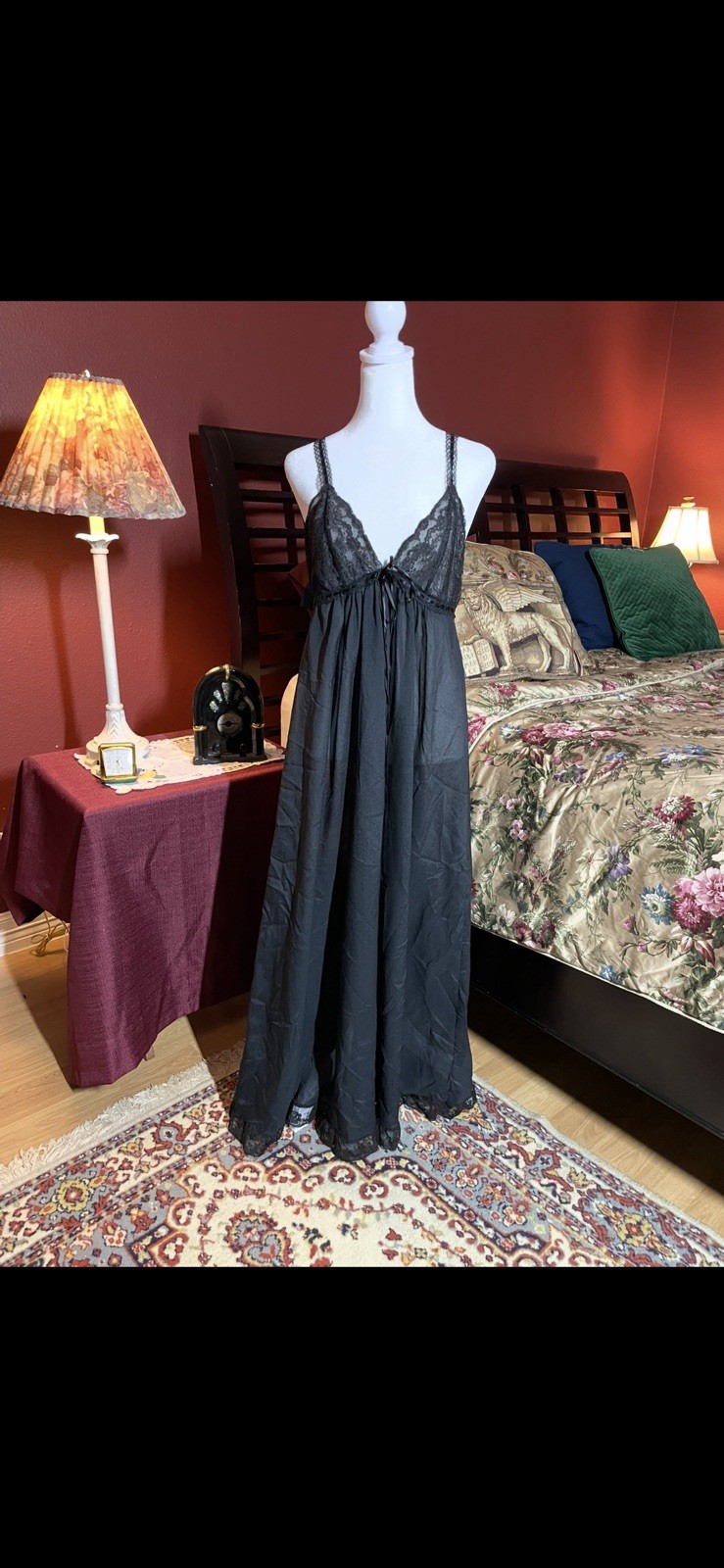
Layer a fine knit over a slip dress and let the hem show. This works especially well with bias-cut slips from the 1930s and ’40s, which are notoriously hard to wear alone. A thin cashmere or merino sweater in a contrasting colour adds warmth and dimension. The slip’s lace or satin edge peeking out is intentional. It’s a nod to how women actually wore these garments back then. With multiple layers, because heating was expensive.
Accessories matter. A vintage dress looks modern with a leather crossbody bag and a chunky watch. Avoid period-perfect styling unless you’re going to a themed party. The goal is to look like a person, not a mannequin.
Where to Find Yours in Amsterdam
- Episode De Pijp (Gerard Doustraat 63). Big racks, honest prices, restocked most mornings, from around 20 euros. This is a workhorse shop. You have to dig, but the turnover is constant. I’ve found a 1970s Yves Saint Laurent Rive Gauche dress for 35 euros here. It had a missing button and a loose hem, but the fabric was untouched. Worth the effort.
- Concrete Matter (Huidenstraat 13). Menswear with real provenance, the good stuff is at the back, from around 45 euros. The owner, Dennis, knows his deadstock. He has a rack of 1960s Italian military jackets and a selection of 1950s American denim. The women’s selection is smaller but curated. Ask to see the back room. That’s where the leather jackets and the one-off pieces live.
- Bij Ons Vintage (Nieuwezijds Voorburgwal 150). Curated designer, ask about the pieces behind the counter, from around 60 euros. This is the shop for labels. They have a rotating collection of Chanel, Dior, and Courrèges. The staff are not snobby, but they know what they have. If you see a silk dress with a French label, ask to see it properly. They’ll let you handle it, check the seams, and try it on with respect. Prices are fair for the quality.
- Waterlooplein Market (Waterlooplein 2). Unsorted and cheap. Go early, bring cash, from around 90 euros. The market is chaos in the best way. You’ll find bins of vintage slips, racks of 1980s polyester, and the occasional gem. I once pulled a 1940s rayon day dress from a pile of tablecloths. It cost 15 euros. The seller had no idea. Go on Monday or Friday when the vendors are fresh. The early bird gets the silk.
Midweek mornings are when the new stock is out and the sellers aren't rushed. Tuesday is restock day at Episode and Concrete Matter. Bij Ons gets new pieces daily, but the good stuff goes fast.

What to Look For
Check the zip. A metal one usually means pre-1970s. Plastic zips came into wide use in the late 1960s, so a metal zip is a good sign. But be careful: some 1980s dresses have metal zips as a design choice. Look at the zipper pull and the stitching around it. If the teeth are small and closely set, it’s likely original.
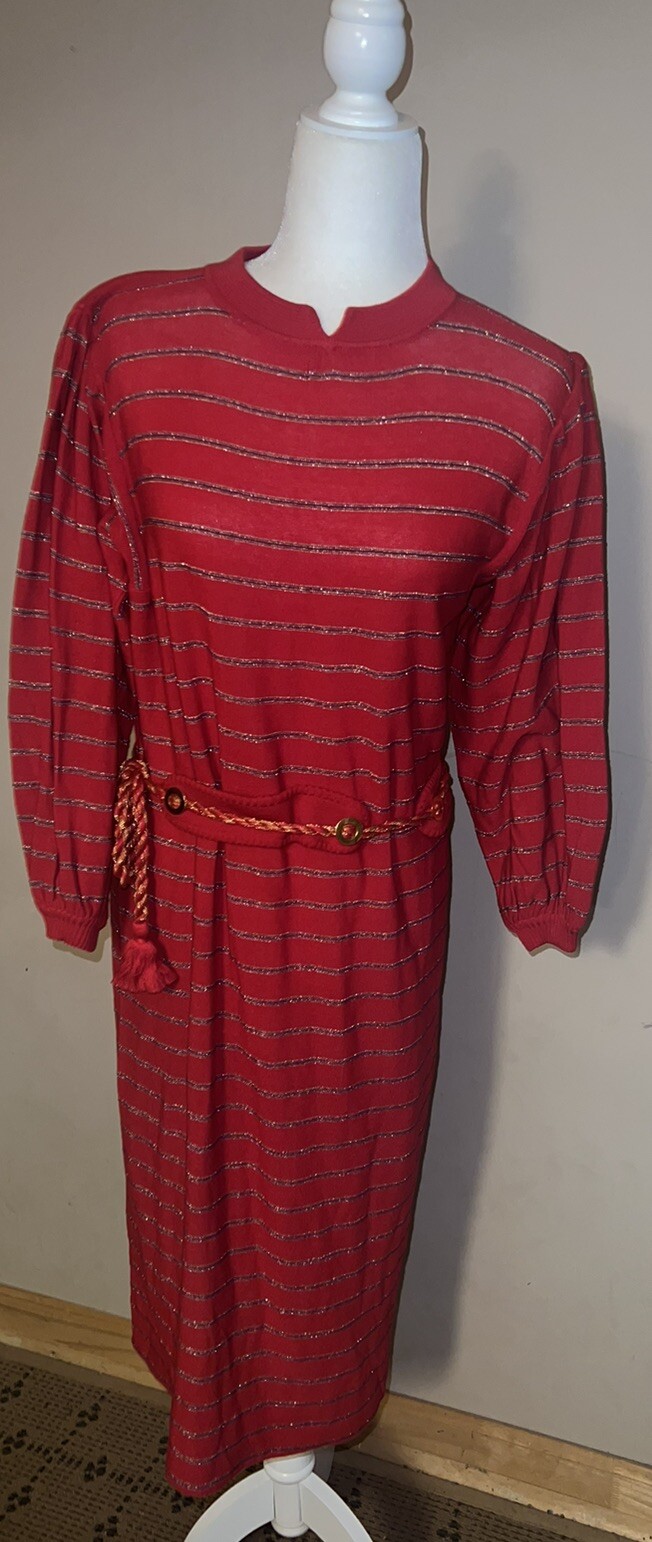
Look at the seam allowance inside. Generous fabric means it can be let out. A seam allowance of at least one centimetre is ideal. If it’s half a centimetre, you’re stuck with the size. Check the hem too. A deep hem can be let down, but a narrow one cannot.
Hold the underarms to the light for thinning and old deodorant damage, which is permanent. Perspiration eats through silk and rayon. It appears as a faint discolouration or a roughness in the weave. No amount of dry cleaning will fix it. If the underarms are intact, the dress has likely been worn sparingly.
Small tears along a seam are an easy fix; tears through the fabric itself are not. A seam rip can be repaired invisibly. A tear in the middle of a skirt panel is a different story. Unless you love the print and have a plan to patch it, walk away.
The final test is always the same: try it on, move in it, then trust your first instinct. A vintage dress that only works standing still is not going to survive your actual life. Raise your arms, bend over, pretend to pick up a bike. If the fabric strains or the zipper digs in, move on. There are thousands of vintage dresses in Amsterdam. You’ll find one that fits your body and your day.
 ✦ The Edit
One to watch
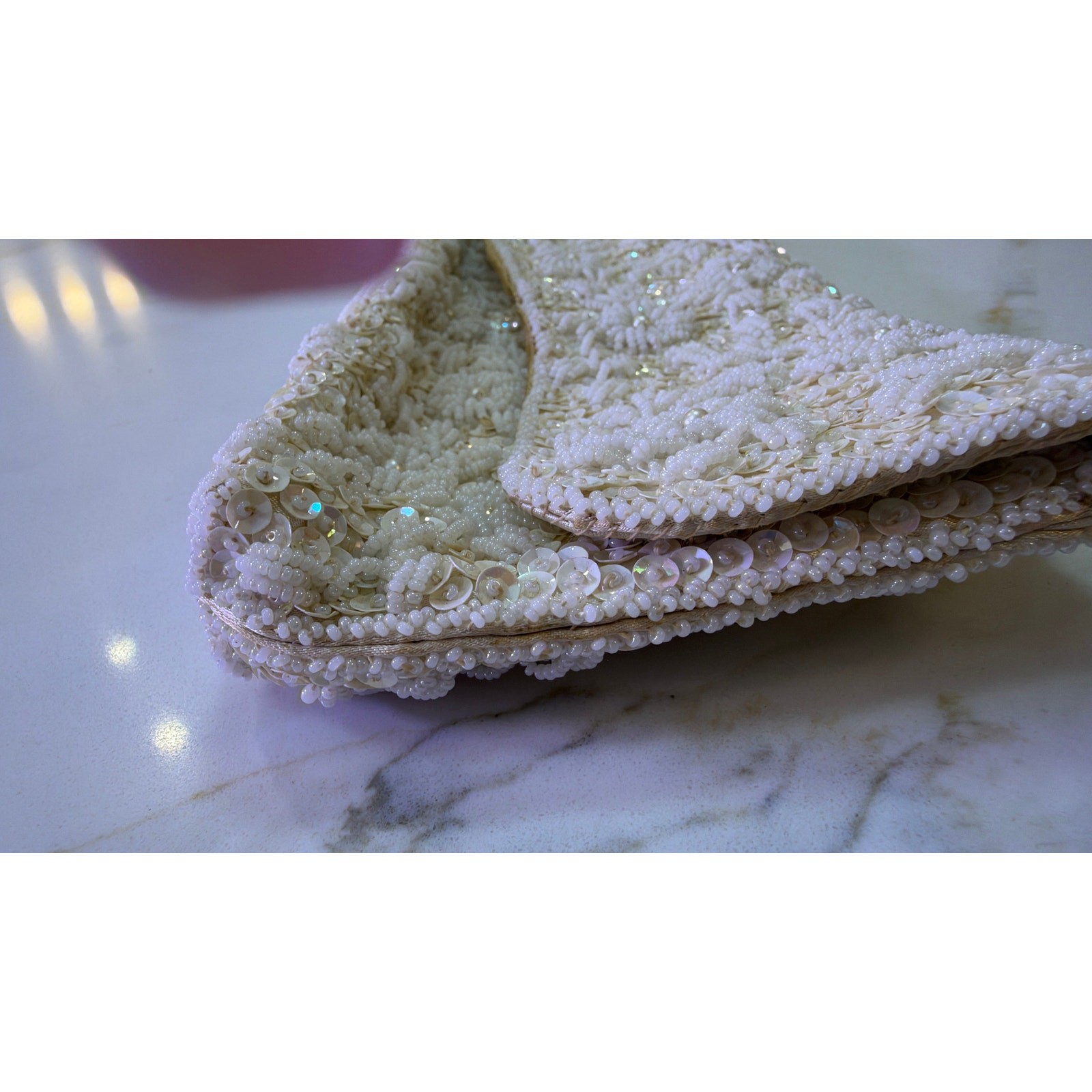
Vintage Hand Beaded Cream Sequin Envelope Clutch Floral Bridal Evening Bag
A gown like this is the fastest way to add a little history to anything you own. This honestly worn gown in cream is the kind of piece that tells a story before you have said a word. A piece like this is not really bought, it is kept.
On the market now
The names
Meet the designers
The minds behind this story — each with a piece currently on the market.
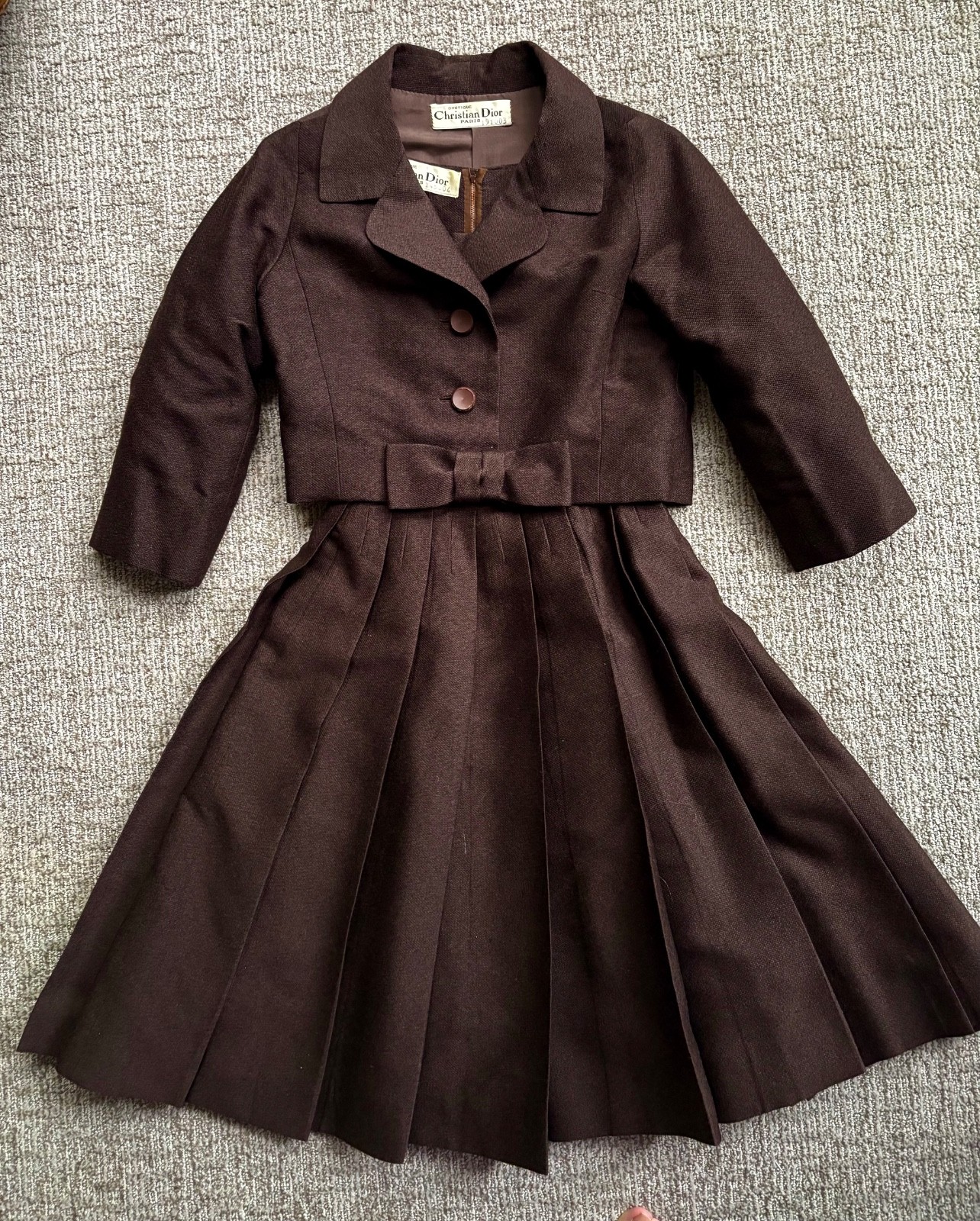
Dior
France · 1940s
The New Look & the Lady Dior
The New Look & the Lady Dior
Top piece
View →
Alpha Industries
USA · 1950s
The MA-1 flight jacket
The MA-1 flight jacket
Top piece
View →
Avirex
USA · 1970s
The vintage bomber
The vintage bomber
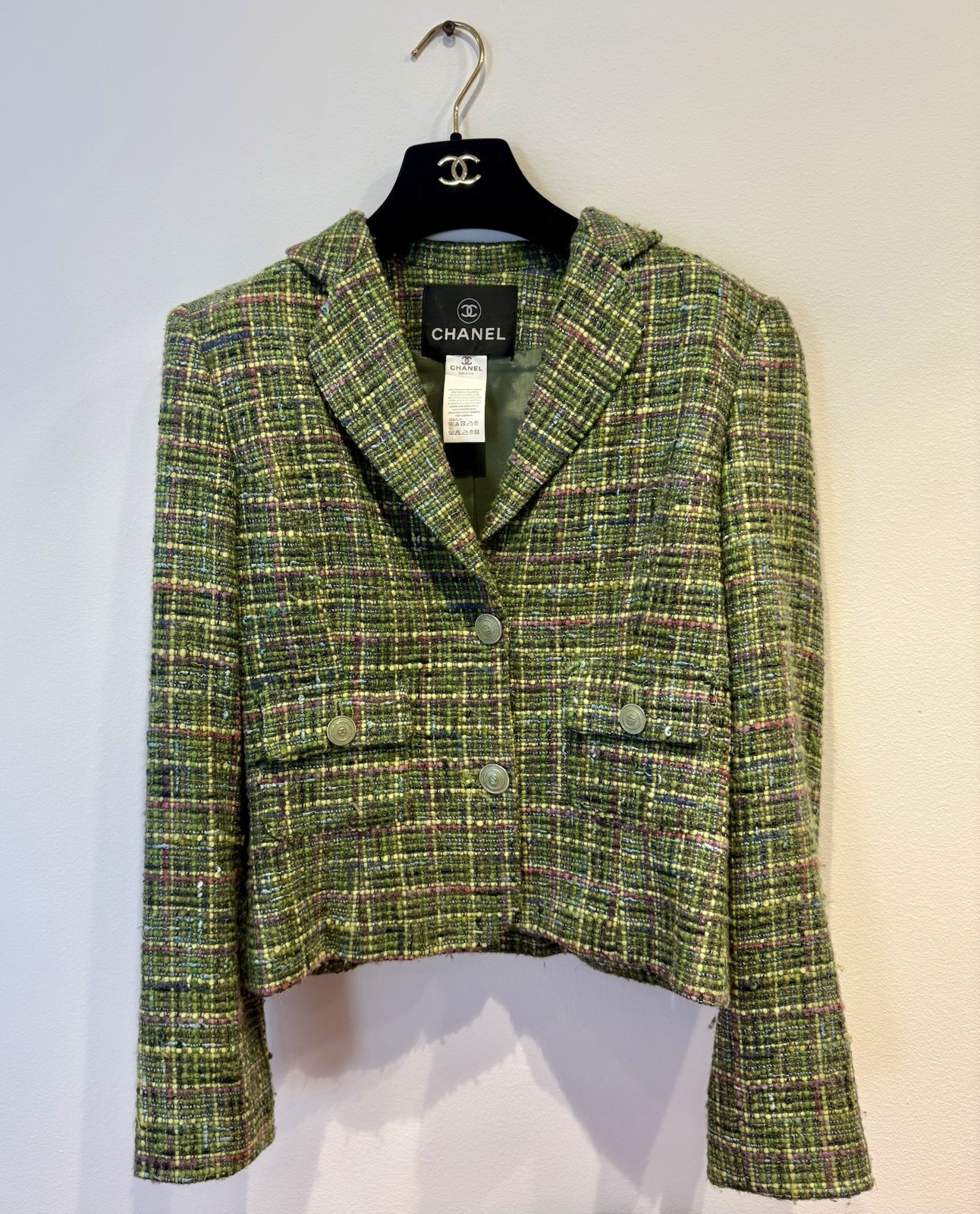
Chanel
France · 1910s
The little black dress & the 2.55
The little black dress & the 2.55
Top piece
View →
Continue the edit
Further stories from the same world
Three more walks through the same vintage universe.
Berlin's Vintage Dresses: Wearing History on Your Sleeve
In Berlin, vintage dresses are more than just clothes; they're stories. The city's past is layered, and so is its fashion.
Read the story →The Vintage Dress Guide for Milan
A faded Gucci tag or a discreet Ferragamo label carries a cachet that no logo-heavy contemporary piece can match.
Read the story →Where to Find Real Silk Dresses in Barcelona
A 1950s silk sundress gets taken to the beach, layered over a swimsuit, or thrown on for a late dinner at a tapas bar.
Read the story →