
 Sign in
✦ Culture · London
The Weight of a Good Fade
A vintage band tee is not a costume. It is a document of a night in 1972, a tour shirt worn thin by someone who was there. Here is how to wear it now, what to look for, and the stories stitched into the cotton.
 By Louis Trash·
The Shirt That Remembers
I own a 1972 Rolling Stones tongue tee, bought off a guy in a Brooklyn bar for forty dollars. He swore it was from the Summer of '72 tour, and the collar was so stretched it hung like a hammock. It is not a piece of merch. It is a diary entry. The cotton is thin as onion skin, the print cracked into a map of tiny rivers. When I wear it, I am not dressing as a rock star. I am wearing a stranger's memory.

The best vintage band tees feel like that. They have been washed a hundred times, left on a floor, pulled over a head after a show. The fabric has given up its stiffness. The print has faded in patches, the way a face fades in an old photograph. That is the appeal. Not the logo, but the life it has already lived.
How to Wear It Without Looking Like a Tourist
The mistake is to treat it as a statement piece. Pair it with leather trousers and a blazer, and you are not paying homage. You are wearing a costume. Instead, let the shirt do the talking. Wear it with high-waisted straight-leg jeans, the kind with a little room in the thigh, cuffed once at the ankle. Add a pair of scuffed leather boots, not pristine. The shirt should look like it was found in a drawer, not curated.

Foto: Atlantic Ambience · Pexels
Layering works, but go easy. A faded black or olive chore jacket over the tee, sleeves rolled once. No denim on denim. No logos competing. The band tee is the center of gravity. Everything else should be neutral, quiet, slightly worn.
For women, a vintage band tee with a midi skirt is a modern move, but choose a skirt with weight, like corduroy or wool. The softness of the old cotton against a structured skirt creates a deliberate contrast. Tuck it in loosely, or knot it at the side if the shirt is too big. But never, ever tuck it in all the way. That ruins the drape.
Proportion is everything. If the shirt is oversized, balance it with narrow trousers. If it fits like a box, wear it with wide-leg pants. The goal is to look like you threw something on, not like you assembled an outfit. The shirt should be the most interesting thing you are wearing, and it will be, if you let it.
What to Look For: The Cotton Tells
Not all vintage tees are equal. The ones worth hunting have a specific feel. Pre-1980s shirts were made of heavyweight cotton, sometimes 100% ringspun, which means the fibers are longer and the fabric softer but denser. Heft matters. Pick it up. A good 1970s shirt has a substantial weight, not a flimsy souvenir-shop thinness. The collar is key. It should be ribbed, not a flat band, and after decades of washing, it will be slightly stretched, never crisp. If the collar is tight and factory-fresh, it is not vintage.

Foto: Svetlana Tumina · Pexels
The print is the second tell. Screen-printed shirts from the early 1970s often have a plastisol ink that has cracked into a web. That is a good sign. It means the shirt was worn and washed. A print that is peeling or flaking is not damage. It is provenance. Look for the maker's tag. Brands like Screen Stars, Hanes, or Fruit of the Loom with a single-stitch hem are dead giveaways of the era. Double-stitching started in the late 1980s. A single stitch down the side is your friend.
And check the armpits. If the shirt has yellowed there, that is a badge of honor. It means someone actually wore it to a show, sweating through the heat of a summer night. You cannot fake that.
The Icons Who Made It a Uniform
The band tee became a fashion object in 1972, when the Rolling Stones toured America with a shirt designed by John Pasche. He was a 24-year-old art student at the Royal College of Art when Mick Jagger approached him. The tongue and lips logo was born from a sketch Pasche did of Jagger's mouth, a gesture that was both a provocation and a brand. The shirt sold for $2 at the merch stand. Today, an original from that tour can fetch hundreds, but that is not the point. The point is that Pasche took a rock band's merch and turned it into a symbol. That shirt was worn by every kid who wanted to be Mick Jagger, and then by every kid who wanted to be that kid.

Foto: Jefferson Rosier · Pexels
The Ramones took it further in 1977. Their shirt, designed by Arturo Vega, featured the presidential seal with each band member's face replacing the eagle. Vega was not a designer; he was an artist who lived with the band in their New York loft. He printed the shirts himself, using a silkscreen and a photo of a dollar bill. The shirt became a badge of the East Village scene, worn by punks and later by everyone from Paris runways to suburban malls. But the original 1977 shirts were made on black Hanes tees, and the print was so thick it felt like plastic. Vega sold them at CBGB for five dollars. They were not meant to last. That is why the ones that survived are treasures.
And then there is the 1969 Woodstock shirt, which was not a band tee at all but a festival shirt. Yet it set the template. It featured a dove and a guitar, printed on a white tee that turned brown in the sun. The shirts were sold for $1.50 at the event. The irony is that the Woodstock shirt was a triumph of logistics over design. The organizers printed thousands, and they sold out. But the people who wore them were not thinking about fashion. They were thinking about the music.
The Modern Wardrobe
A vintage band tee works today because it brings a certain honesty to an overproduced world. It is not a vintage reproduction with distressed details. It is the real thing, with a real history. In a wardrobe full of fast fashion, it stands out because it has a story. And that story is not about the band. It is about the person who wore it before you.

Foto: Muhammad Dzaki Zaidan · Pexels
When you wear a 1972 Stones tee, you are carrying a piece of a particular summer. When you wear a 1977 Ramones shirt, you are channeling a basement on the Bowery. These shirts are not just clothing. They are artifacts. And the best way to honor them is to wear them, not to hang them in a frame.
But do not overthink it. The shirt is not a sacred object. It is cotton and ink. It was meant to be worn, washed, and worn again. The fade is not a flaw. It is a feature. The crackle is not damage. It is a record. So find one that speaks to you, check the seams, feel the weight, and then put it on with your oldest jeans.
One last thing. If you find a shirt with a hole in the armpit, don't patch it. Leave it. That hole is a window into a night that was too loud, too hot, and too good to last. Wear it with a tank underneath if you must. But do not erase the evidence. The best vintage tees are the ones that show their age, because they have earned it.
The names
The designers behind the look
The minds behind this story — each with a piece currently on the market.
Yohji Yamamoto
Japan · 1970s
Black, drape & poetic deconstruction
Black, drape & poetic deconstruction
Chanel
France · 1910s
The little black dress & the 2.55
The little black dress & the 2.55
Top piece
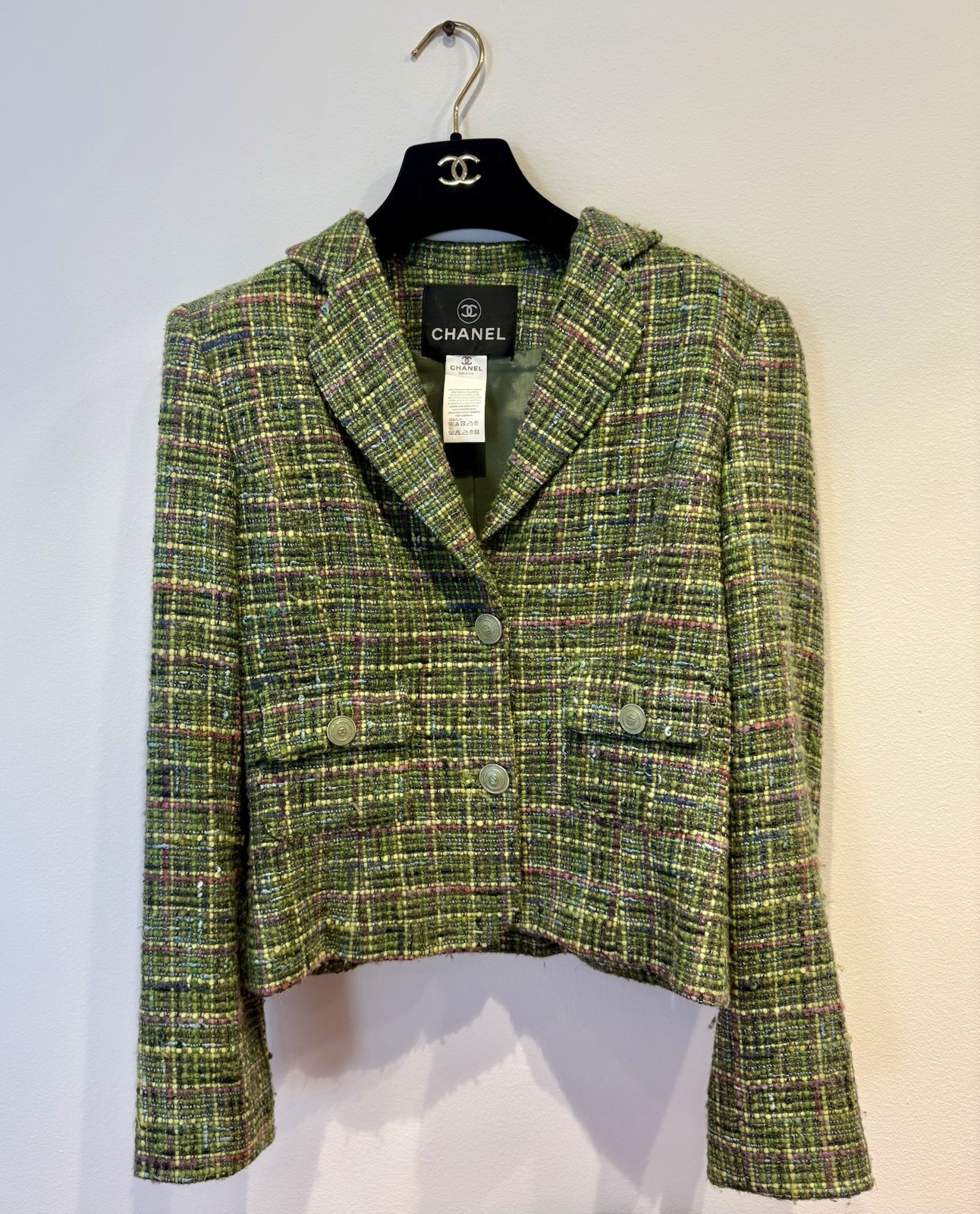
View →
Dior
France · 1940s
The New Look & the Lady Dior
The New Look & the Lady Dior
Top piece
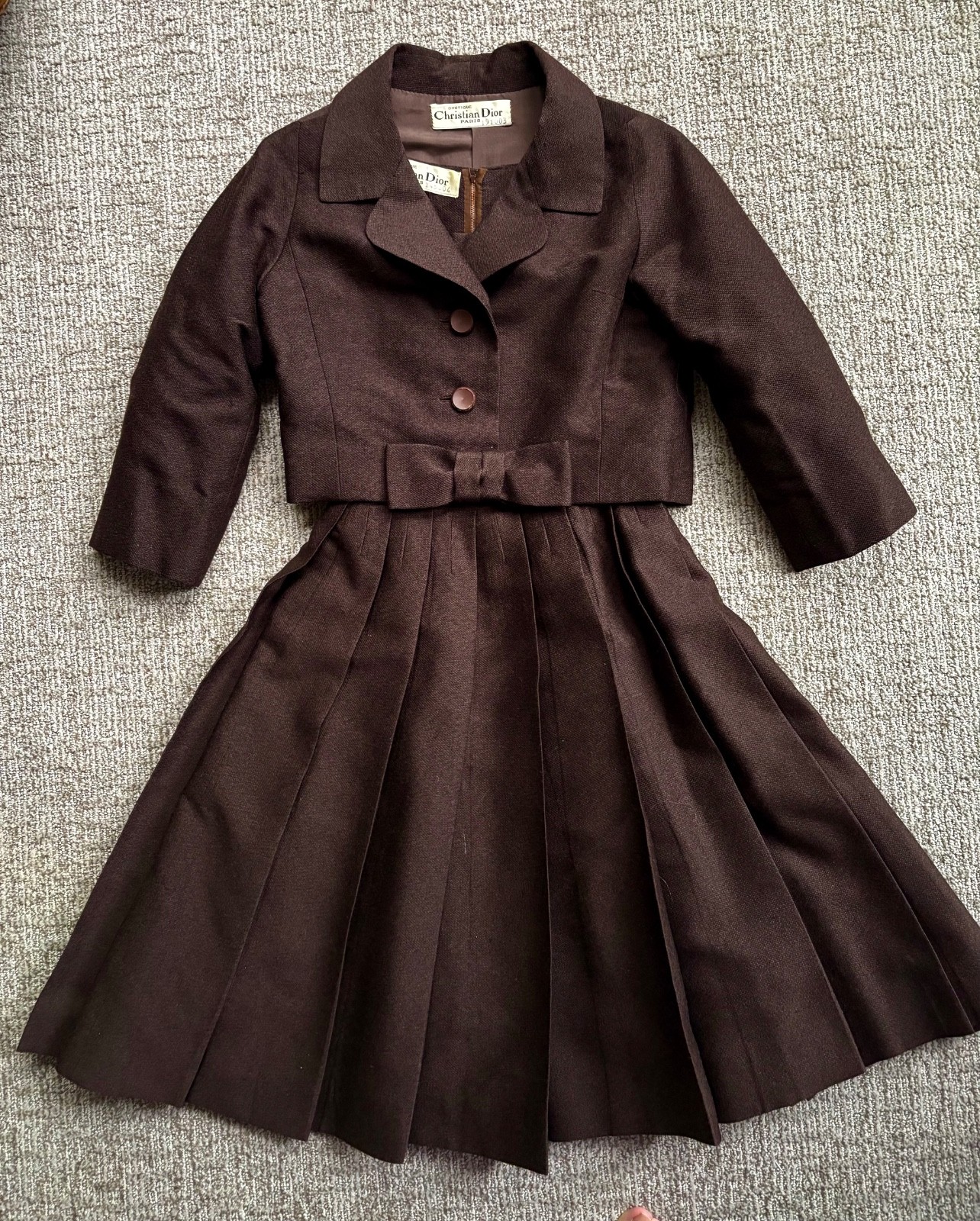
View →
Gucci
Italy · 1920s
The bamboo handle & the double-G
The bamboo handle & the double-G
Top piece
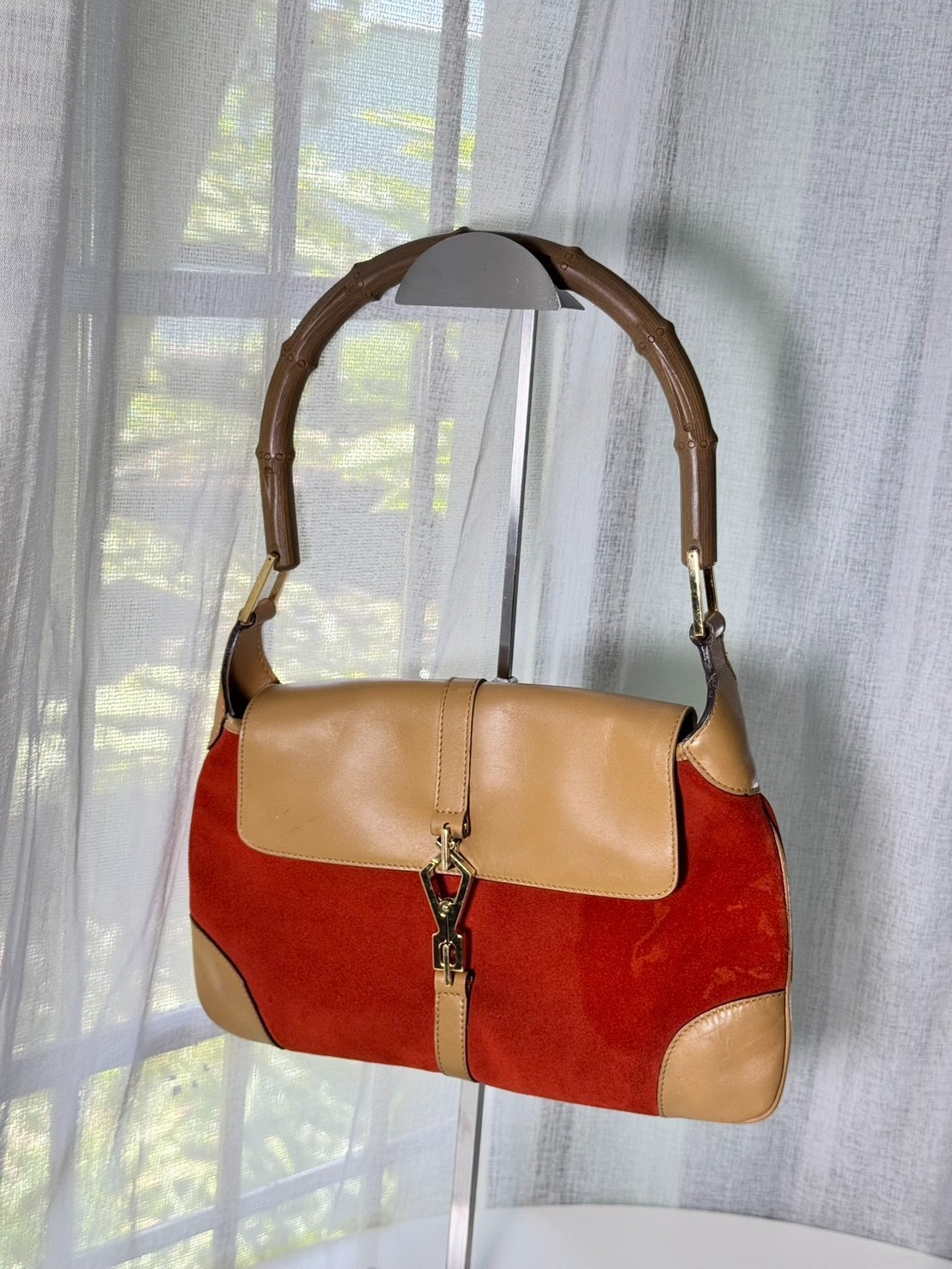
View →
Continue the edit
Further stories from the same world
Three more walks through the same vintage universe.
Why Vintage Band T-Shirts Matter Now
A worn-in tour tee is the most honest thing in a wardrobe. Here is how to wear one without looking like a costume, and how to tell a 1977 original from a 2022 reprint.
Read the story →The Art of Wearing Vintage Band T-Shirts
A guide to styling, sourcing, and understanding vintage band tees, for the wearer who values history and fit over hype.
Read the story →The Art of the Worn-In Band Tee
It started with a 1971 Rolling Stones shirt, the one with the tongue and lips, found in a cramped Barcelona vintage shop off Carrer de la Riera Baixa. The cotton was so soft it felt like a second skin, the print cracked in all the right places, and the tag read 'Made in USA' with a size that would now be a child's medium.
Read the story →