
 Sign in
✦ Culture · Milan
The Vintage Jewellery Guide for Milan
In a fashion capital that worships the new, vintage jewellery offers something else: a story, a weight, a patina that no factory can replicate.
 By Louis Trash·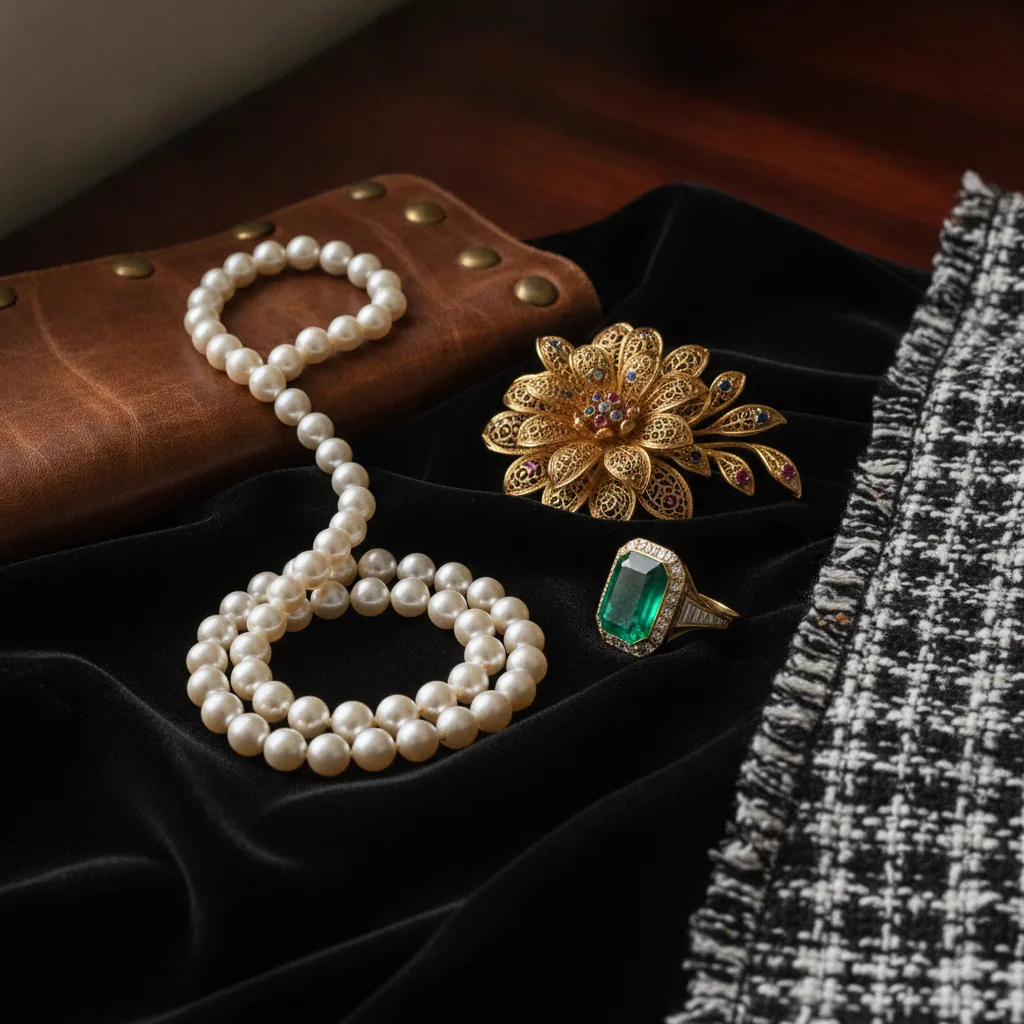
Why Jewellery Matters Now
Chunky gold chains and Victorian cameos are having the same moment for the same reason: both look handmade. Nothing on a Milanese jewellery tray was designed by committee, and that shows the second you put it on.
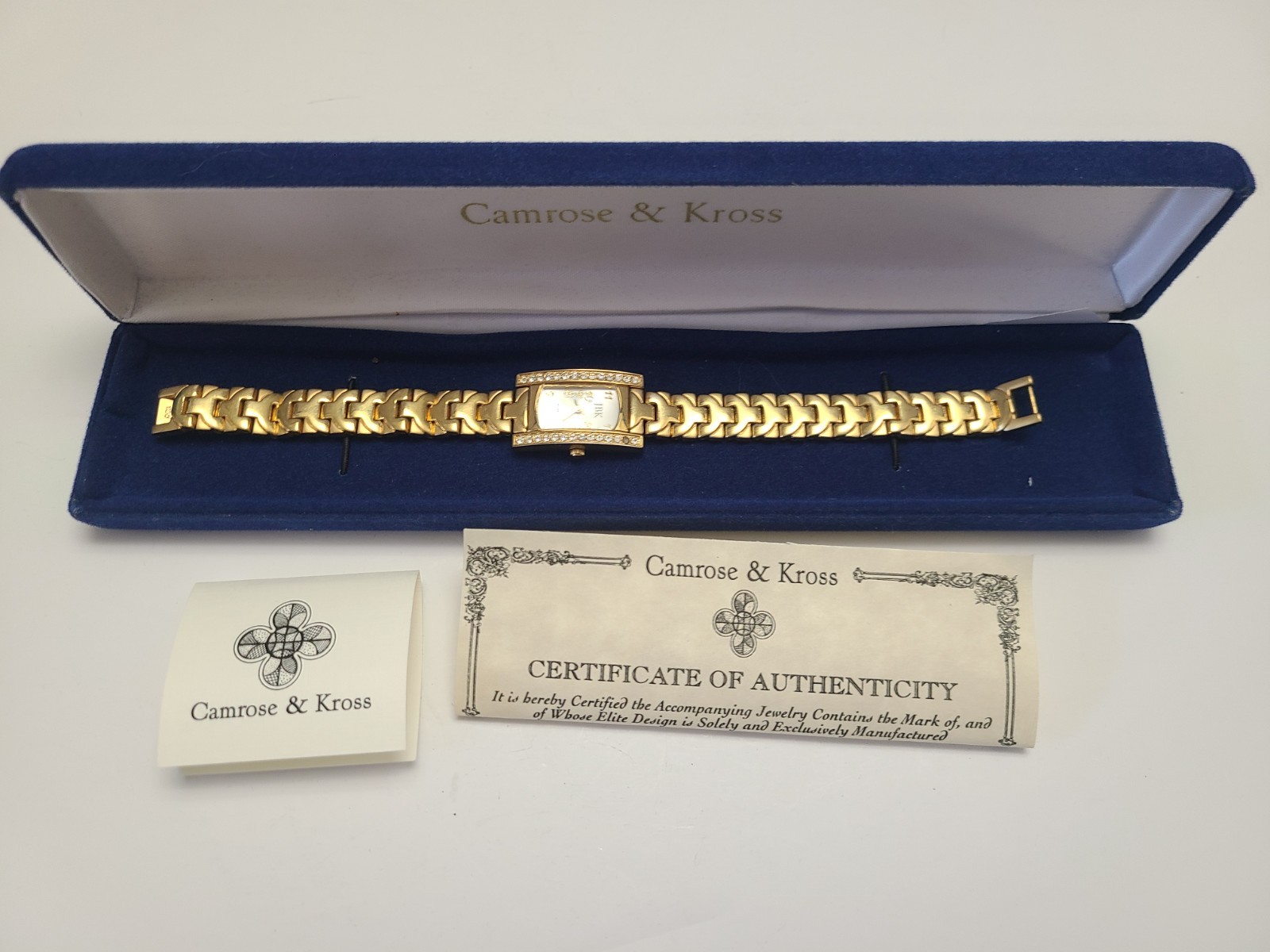
In a fashion capital that worships the new, vintage jewellery offers something else: a story, a weight, a patina that no factory can replicate. The city’s stylish women have always known this. In the 1950s, when Milan was rebuilding itself, the first generation of Italian fashion editors wore their grandmothers’ brooches with the same confidence as the latest Sartoria look. That tradition persists.
Vintage pieces carry the hand of the maker. A gold chain hammered by a Florentine artisan in the 1970s has irregular links that catch light differently. A cameo carved from shell in the 1880s shows the grain of the material. These are not perfect objects. They are better than perfect.
How to Wear It
One heavy piece beats three delicate ones. Let a single chain sit against bare skin. The trick is to choose a piece that anchors your outfit, not one that competes with it. A thick gold curb chain, the kind that was popular in the 1980s, works over a simple black turtleneck. A Victorian cameo pinned to a wool blazer adds a note of history to a modern suit.
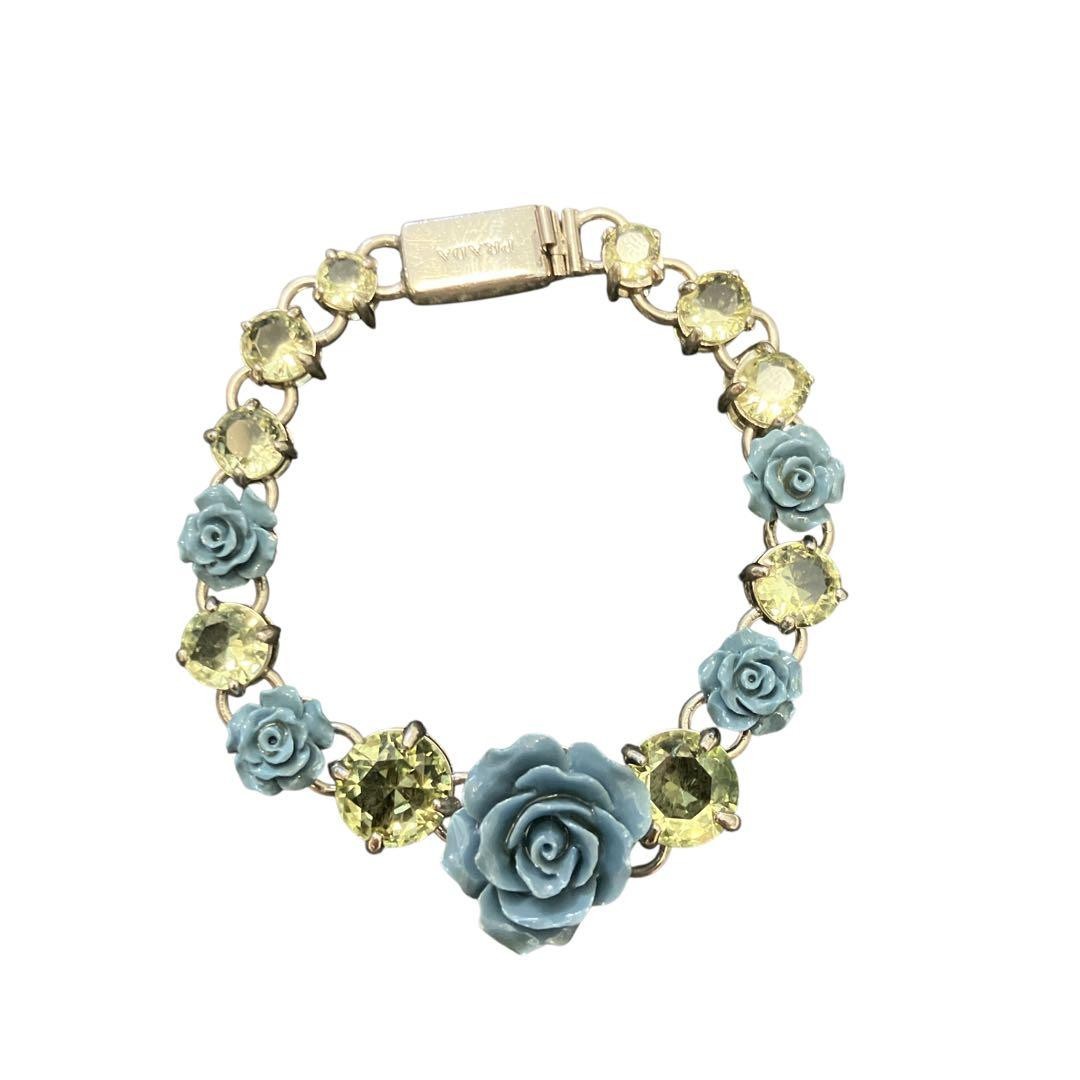
Pin a cameo or brooch to a blazer lapel, slightly higher than feels natural. This lifts the eye and creates a flattering line. If you’re wearing a chain, let it rest at the collarbone, not higher. A long pendant that falls to the sternum elongates the torso.
Mix metals deliberately. Gold with silver reads collected, not confused. The Italians have a term for this: misto, meaning mixed. It suggests a personal archive, not a coordinated set. Don’t be afraid to layer a gold chain with a silver ring, or to wear a single silver earring with a gold one. The rule is confidence.
Remember that vintage jewellery is meant to be worn, not stored. A piece that sits in a box loses its life. Wear it to the office, to a dinner, to a Sunday market. The more you wear it, the more it becomes yours.
Where to Find Yours in Milan
Milan’s vintage scene is compact but rich. Start at Cavalli e Nastri (Via Brera 2), a two-floor treasure trove in the Brera district. The archive shop specialises in Italian labels from the 1960s to the 1990s. Prada, Ferragamo, Versace. The jewellery case is a curated mix of gold chains, brooches, and earrings. Prices start around 20 euros for a simple piece, but you’ll find everything from Bakelite bangles to 18k gold necklaces. Go early on a weekday morning. The staff will happily pull out trays you didn’t know existed.

For a bargain hunt, head to Humana Vintage (Via Cappellari 3), a charity shop with a large selection. The rails are chaotic, but worth two passes. You’ll find costume jewellery mixed with real gold and silver, often at prices under 45 euros. I once found a 1970s Italian gold-plated necklace for 12 euros. It’s a place for patience and a keen eye.
Bivio Milano (Via Colonnetta 5) offers a more curated resale experience. The stock is refreshed weekly, and the jewellery is displayed with care. Prices start around 60 euros, but the quality is consistent. Look for signed pieces. A small stamp from a designer like Buccellati or Pomellato can raise the value.
For high-end vintage, make an appointment at Madame Pauline Vintage (Foro Buonaparte 74). This is where Milan’s fashion insiders go for exceptional pieces: a Cartier tank watch, a Victorian snake bracelet, a 1940s diamond brooch. Prices start around 90 euros and climb into the thousands. The owner, a former stylist, knows every piece’s history and will tell you stories over a cup of coffee.
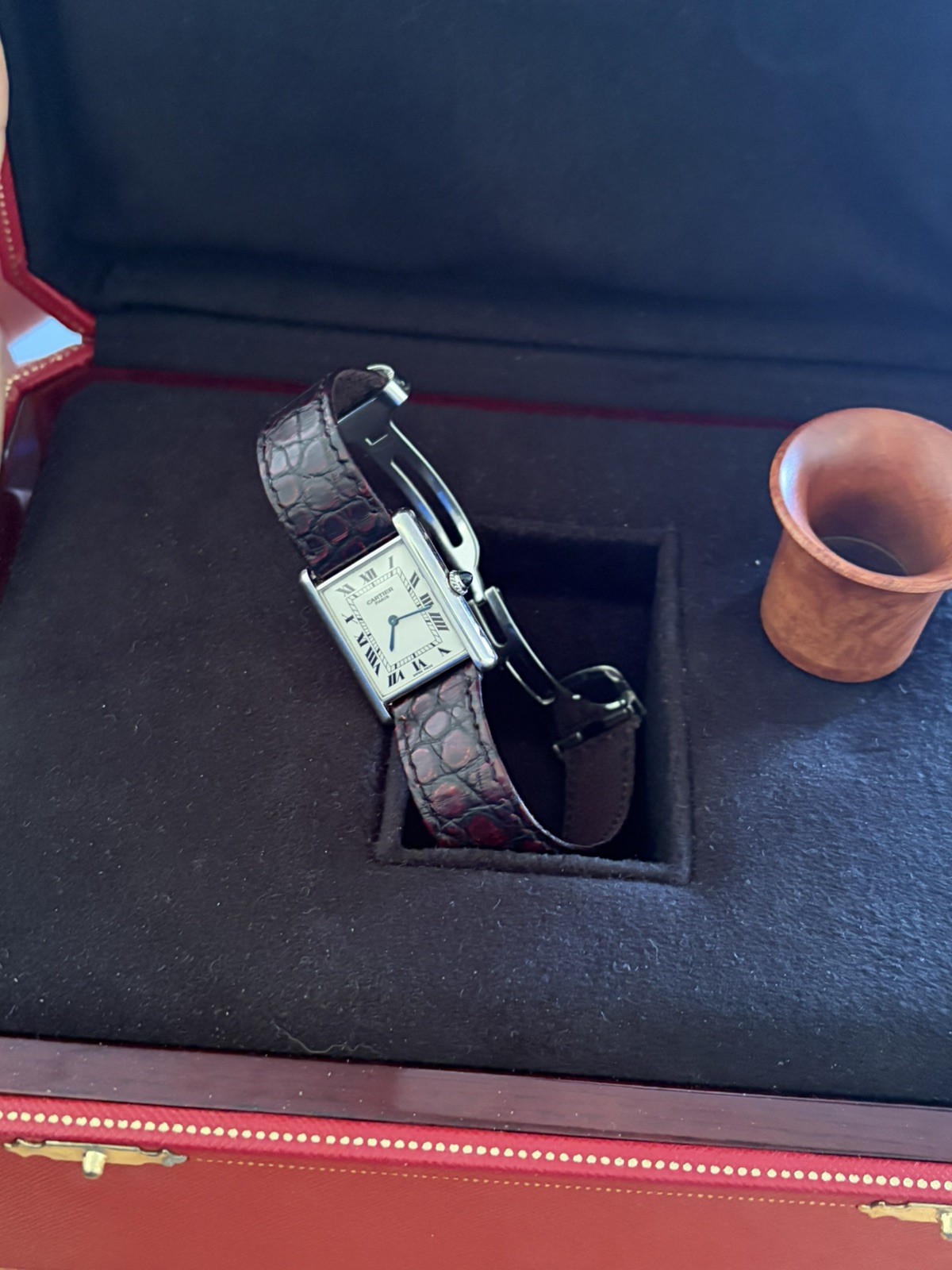
Midweek mornings are when the new stock is out and the sellers aren't rushed.
What to Look For
Look for hallmarks inside the band or on the clasp. A stamped 9ct, 14k or 925 is your proof. These stamps indicate the metal’s purity. 9ct is 37.5% gold, 14k is 58.5%, and 925 is sterling silver. If you see a number like 750, that’s 18k gold, common in Italian pieces. Hallmarks can be tiny, so bring a magnifying glass or use your phone’s camera zoom.
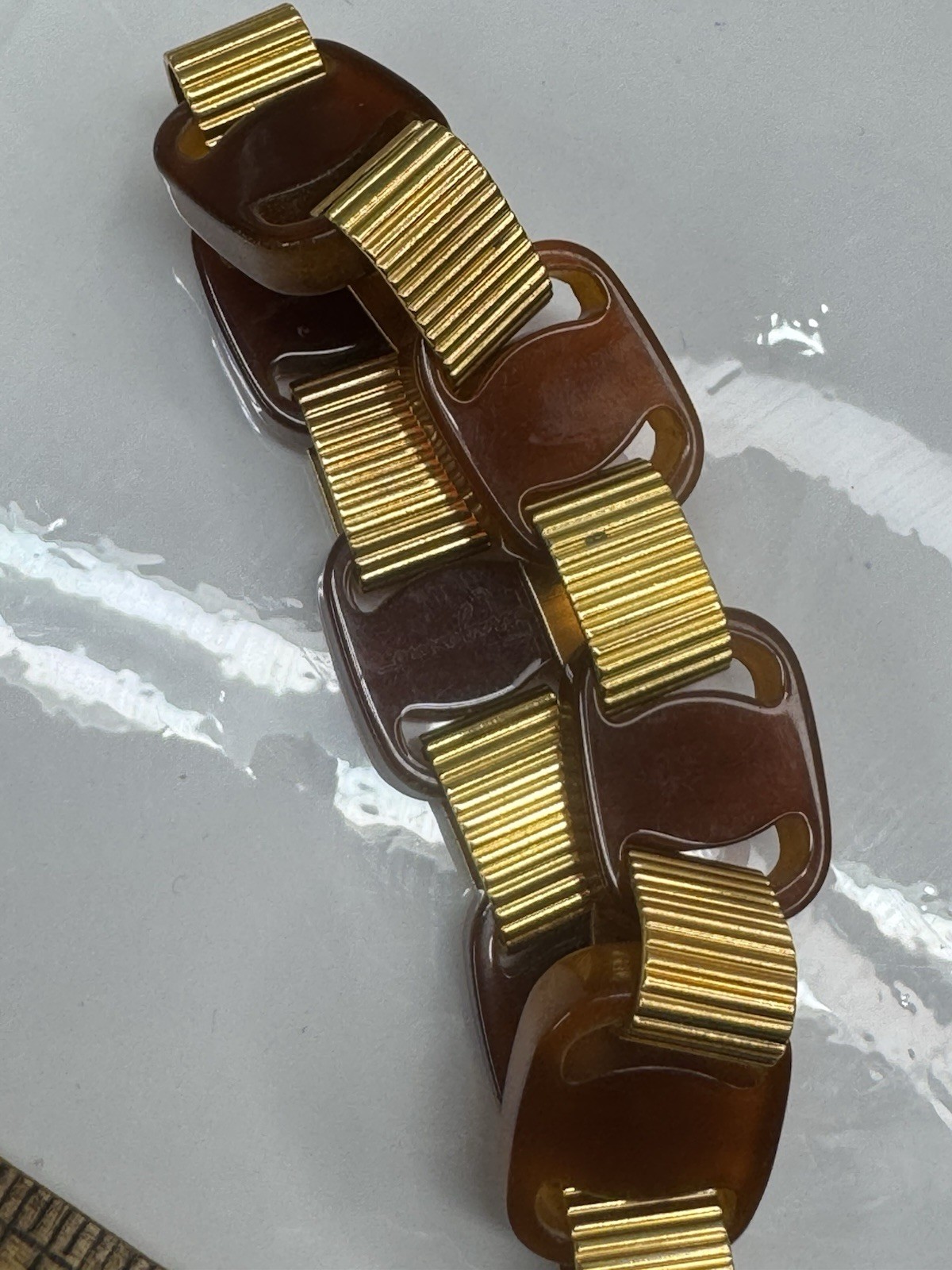
Cameos should be carved shell or stone, which feels cool and slightly translucent at the edges. Moulded resin does not. Hold the cameo up to the light: shell shows a subtle striation, stone is denser. Resin is warm to the touch and often has a uniform colour. If you’re unsure, ask the seller. Reputable vintage shops will label the material.
Test a clasp before buying. A worn spring ring is a cheap fix, but a broken hinge on an old brooch rarely is. A good jeweller can replace a clasp for 10-20 euros, but a broken hinge may require re-soldering, which can cost more than the piece is worth. Check that stones are secure. If a stone is loose, it could fall out and be lost.
The final test is always the same: try it on, move in it, then trust your first instinct. A piece of vintage jewellery that only works standing still is not going to survive your actual life. A necklace that digs into your neck or a ring that catches on fabric will be abandoned in a drawer. Choose pieces that feel comfortable and natural.
The History in Your Hands
Every piece of vintage jewellery has a past. A gold chain from the 1970s might have been bought in a Milan boutique during the years of the Anni di Piombo, when the city was tense but style was defiant. A cameo from the 1880s could have belonged to a woman who wore it to a Verdi opera. These objects carry those stories.
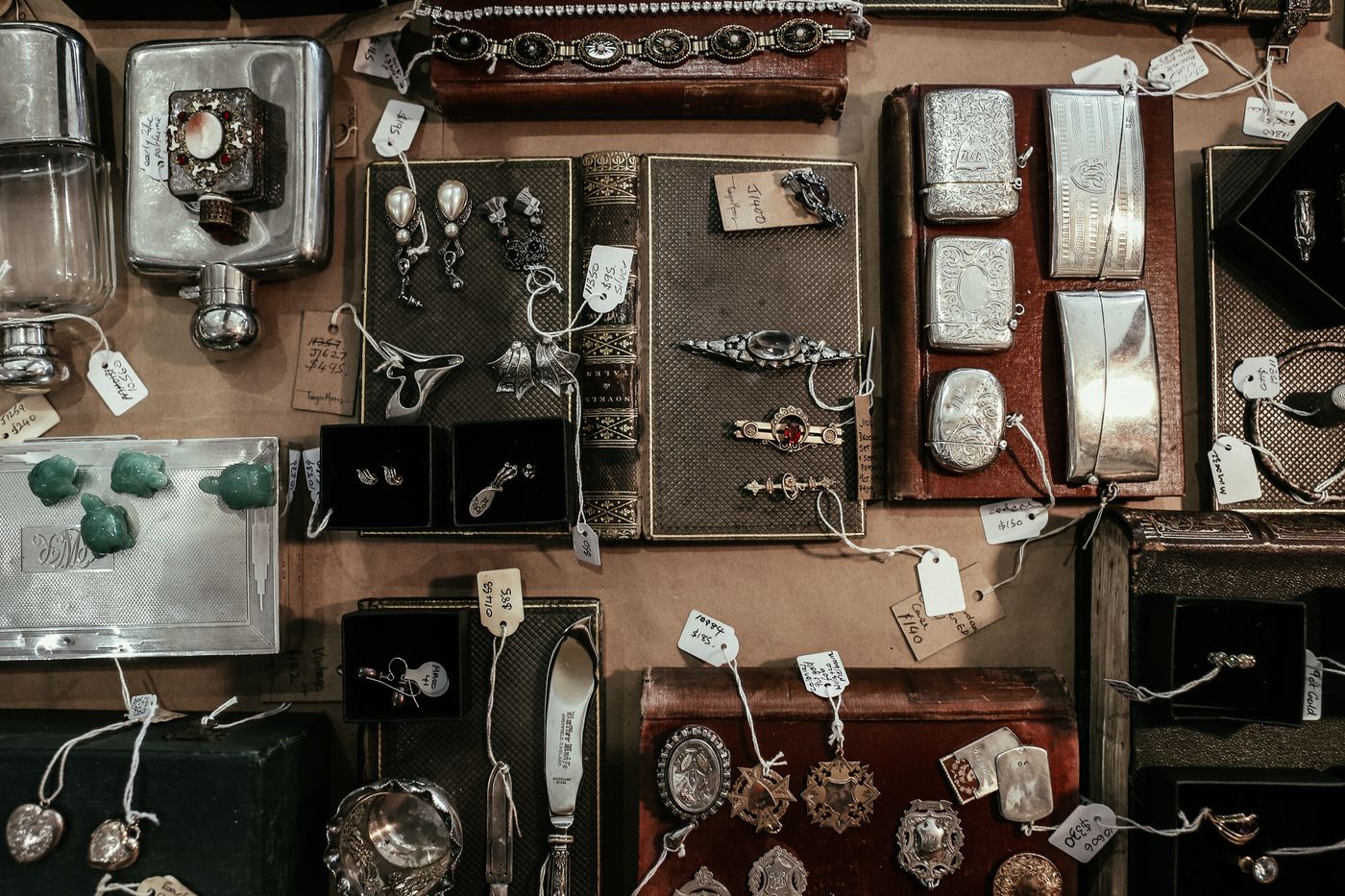
Foto: Rachel Claire · Pexels
The post-war years saw a boom in Italian goldsmithing. Florence was the centre, but Milan had its own workshops, many in the Brera district. The 1950s and 60s brought a modernist wave, with designers like Gio Pomodoro experimenting with texture. The 1980s, the decade of Milan’s fashion powerhouses, produced bold gold pieces that were made to be seen.
When you buy vintage, you become part of that history. You’re not just buying an accessory. You’re inheriting a legacy. And in a city that celebrates the new, wearing something old is a quiet act of rebellion.
So go out and find your piece. Let it be a little worn. Let it be imperfect. It will outlast the trends.
 ✦ The Edit
One to watch
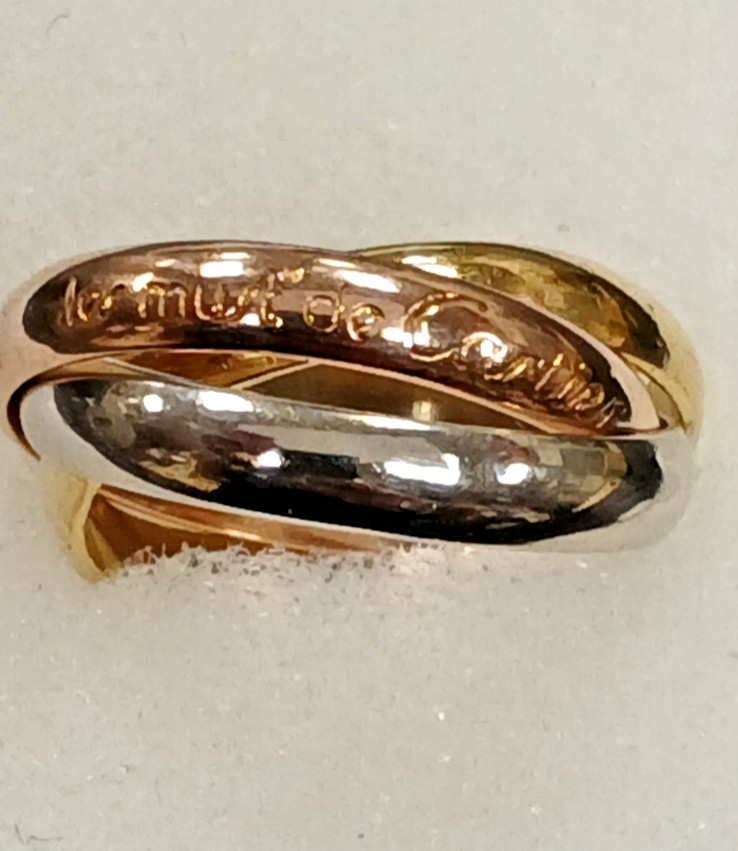
Vintage Cartier Trinity Ring 18K Tri-Color Gold 3.4mm MM Classic Size 54 8.5g
The jeweller of kings, and the king of jewellers. This honestly worn piece in gold carries exactly the quality that made Cartier worth collecting in the first place. Buy the story, and the object comes along with it.
On the market now
The names
Meet the designers
The minds behind this story — each with a piece currently on the market.
Armani
Italy · 1970s
The power suit & soft tailoring
The power suit & soft tailoring
Top piece
View →
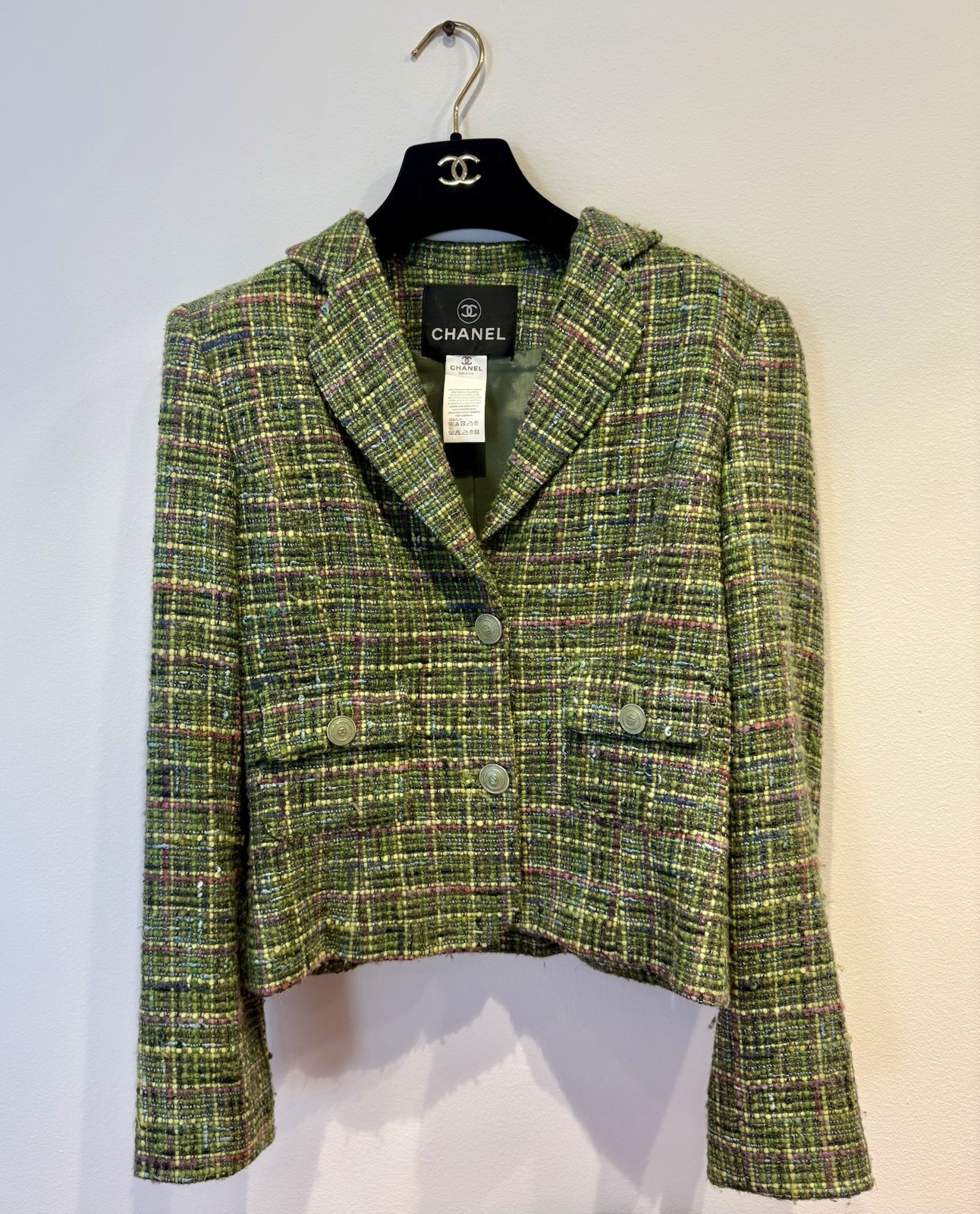
Chanel
France · 1910s
The little black dress & the 2.55
The little black dress & the 2.55
Top piece
View →
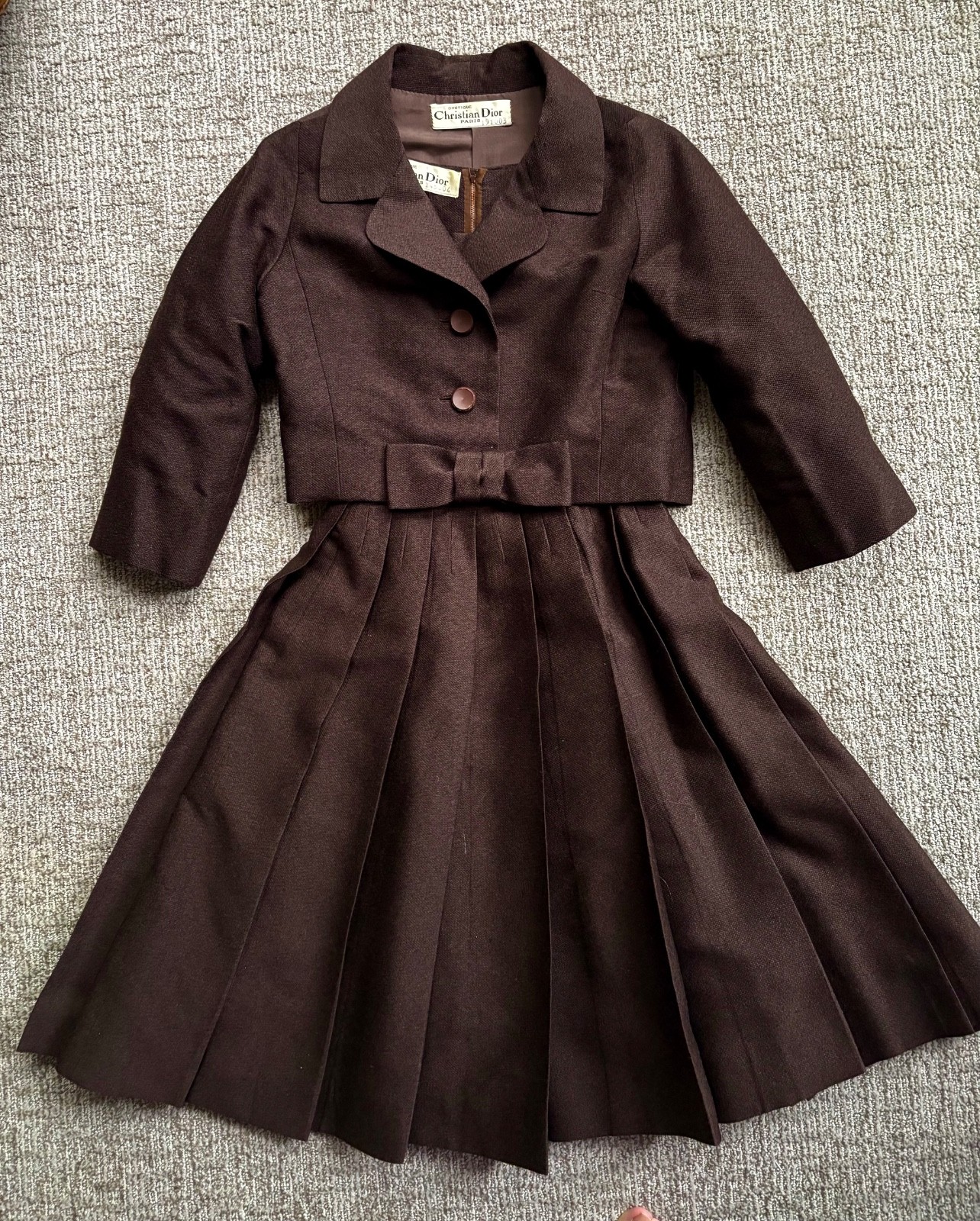
Dior
France · 1940s
The New Look & the Lady Dior
The New Look & the Lady Dior
Top piece
View →
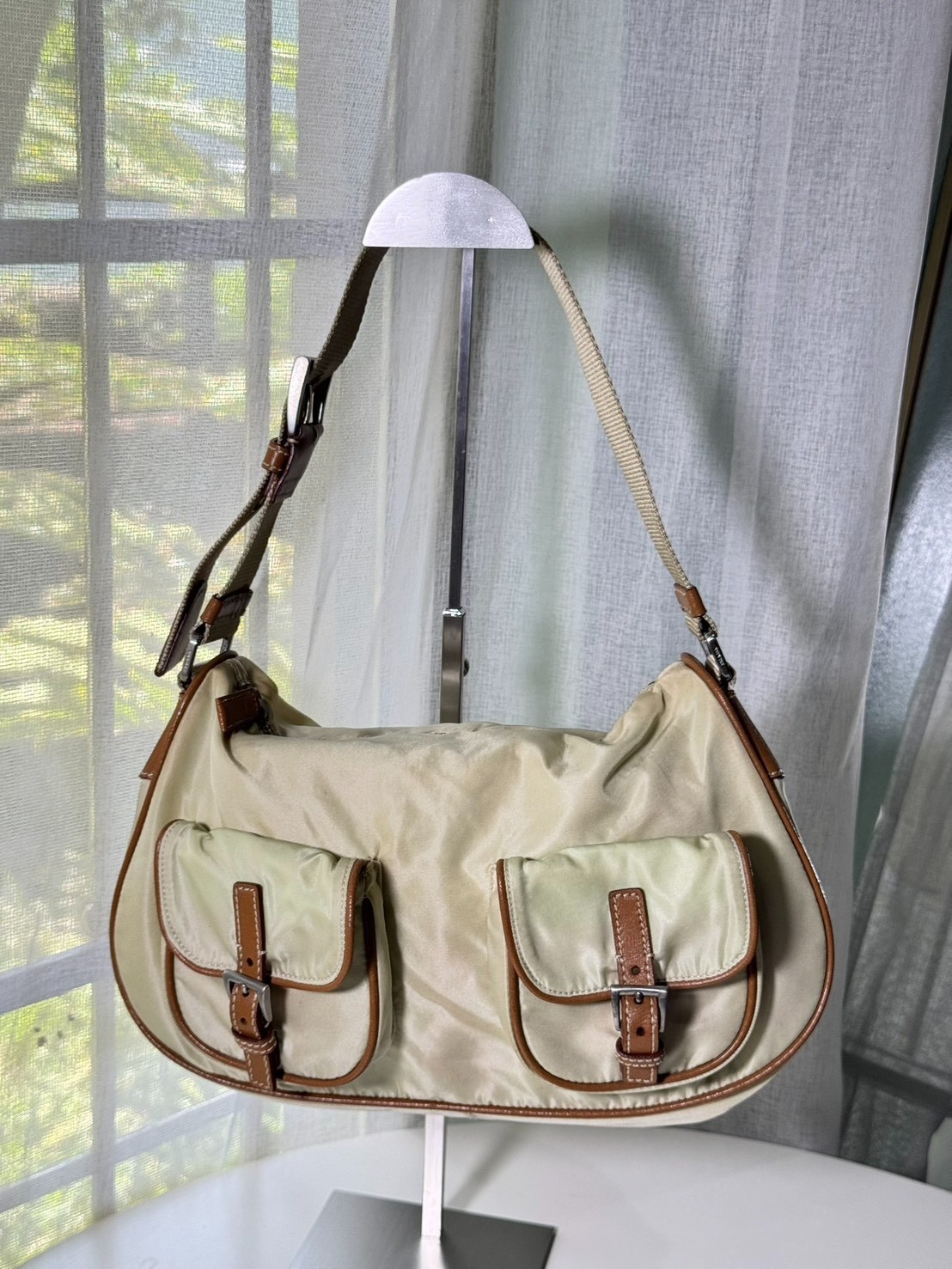
Prada
Italy · 1910s
Nylon & intellectual minimalism
Nylon & intellectual minimalism
Top piece
View →
Continue the edit
Further stories from the same world
Three more walks through the same vintage universe.
Why Givenchy Costume Jewelry Matters Now
A single gold-tone chain from 1978 can do more for a plain white shirt than any fine necklace. Here is how to wear vintage Givenchy jewelry without looking like you raided a costume shop.
Read the story →The Art of Wearing Vintage Jewelry: Art Deco to Givenchy
A guide to styling, sourcing, and understanding the era tells of vintage jewelry, from Art Deco geometry to Givenchy's gilded 1980s.
Read the story →The Sculptural Spark: Wearing Vintage Jewelry as Modern Armor
Vintage jewelry isn't about preservation. It's about wearing a piece from 1972 or 1935 and making it look like it was made for you this morning. Here's how to pick a piece with a pulse, style it with modern clothes, and understand the history that gives it weight.
Read the story →