
 Sign in
✦ Culture · Milan
The Band Tee, Worn Well: A Field Guide to the Shirt That Outlived the Tour
A 1978 Rolling Stones shirt from a Baton Rouge arena, a faded Run-DMC tee from a 1986 mall kiosk: the vintage band shirt is the most personal thing in a wardrobe and the easiest to ruin. Here is how to wear one without looking like a costume, what separates a real 1973 pressing from a 2004 reprint, and why the cotton itself tells you more than the logo.
 By Louis Trash·

The Shirt That Remembers Where It's Been
A good band tee looks like it was worn to the show and then worn to bed for a decade. That is the whole appeal. The cotton has gone soft in a way modern jersey does not, the print has cracked along the fold lines, and the collar has relaxed into a shape that sits on your neck instead of fighting it. You are buying a shirt that has already lived. Your job is to give it a second act without pretending it is new.
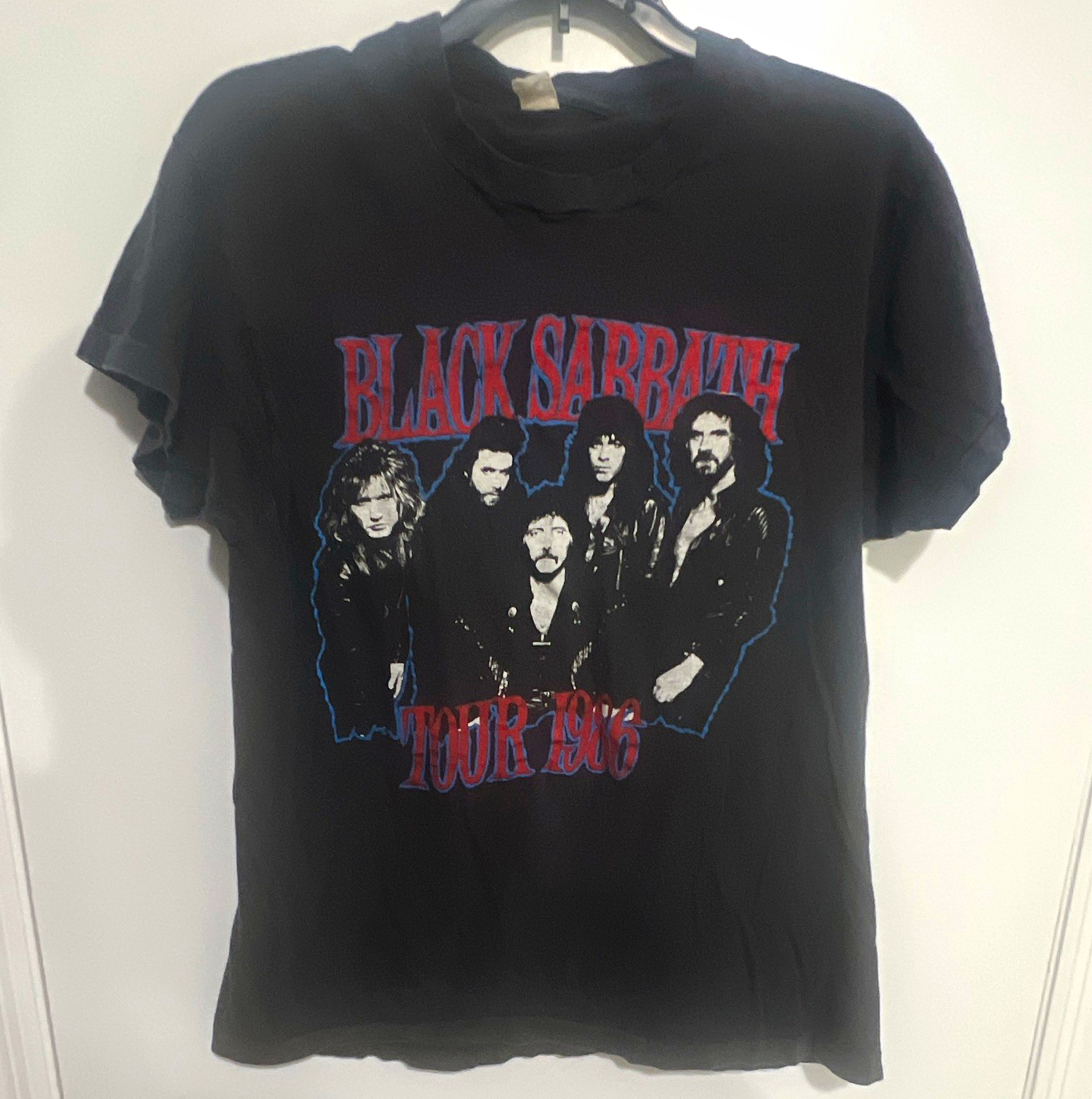
The pieces moving through vintage shops right now are mostly mixed labels, and a fair one runs about $175. That is real money for a t-shirt. Spend it on a shirt you will actually wear, not one you will frame.
How to Wear It Without Looking Like a Costume
The mistake is treating the shirt as the whole outfit. It is a base layer with a past, and it works best when something modern is doing the heavy lifting around it.

Start with proportion. A vintage tee is usually boxy and slightly cropped, cut for a body that sat differently than yours does. Tuck the front into high-waisted denim and let the back hang. That single move fixes the waistline and stops the shirt from swallowing you. If the tee is long, knot it at the hip or have a tailor take two inches off the hem. A $20 alteration on a $175 shirt is money well spent.
Pair it with wide-leg trousers in a dark wool, a leather jacket that has its own wear, and boots with a heel. The contrast between a soft, faded print and a hard, structured bottom half is the entire trick. For warmer months, wear it with tailored shorts and flat sandals, and keep the jewelry minimal. One thin gold chain. A watch. Nothing that competes with the graphic.
Layer it under a blazer for evening. A 1977 Fleetwood Mac shirt under an oversized charcoal blazer, sleeves pushed up, reads as deliberate rather than sloppy. The blazer adds the formality the shirt lacks. Skip the blazer if the shirt is white and the print is large. White tees with big graphics need air around them.
Avoid wearing it with other vintage. One piece of history per outfit. A band tee with vintage Levi's and vintage boots looks like a costume. A band tee with new denim and a new jacket looks like you.
What the Cotton Tells You Before the Logo Does
The print is the last thing to check. The fabric and the tag tell you the era first.
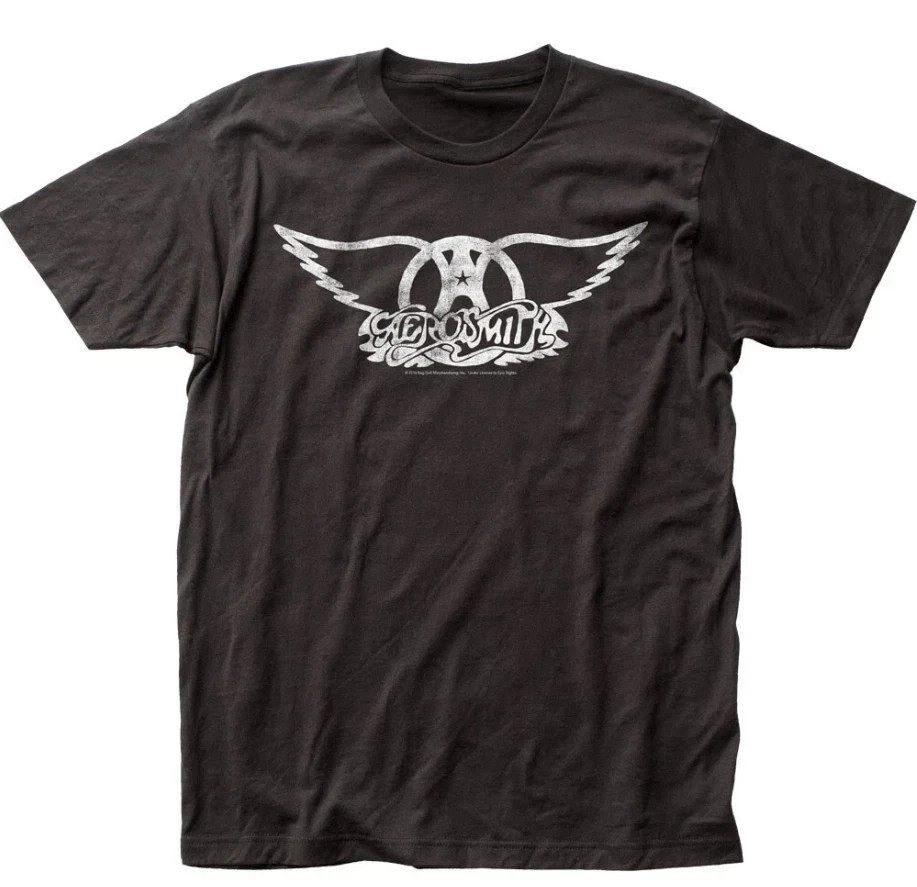
Single-stitch hems matter. Before the mid-1990s, most t-shirts were finished with a single row of stitching at the sleeve and bottom hem. Double stitching came in as manufacturing sped up. A single-stitch hem on a shirt with a 1970s band logo is a strong signal. So is a tag that reads "Made in USA" with a union label, common through the 1970s and into the early 1980s.
Look at the cotton. Vintage shirts were often 100% cotton, sometimes a cotton-poly blend that feels slightly slick. The print should sit on top of the fabric, not sink into it. If the graphic feels like plastic and has no cracks, it is likely a modern reprint. Real age shows as fine spiderweb cracking across the ink, especially over the chest and shoulders where the shirt flexed.
Check the neckline. A 1970s shirt often has a wider, ribbed collar that has stretched. A 1980s shirt tends to have a tighter crew neck. The 1990s brought heavier cotton and boxier cuts. None of this is absolute, but it narrows the field fast.
Beware of the perfect shirt. A 1972 Rolling Stones tee with no fading and no cracks is either a reprint or a shirt that was never worn, which is its own kind of suspicious. Wear is the proof.
The Real History Behind the Look
The band tee as fashion rather than merchandise starts in the late 1960s. The Grateful Dead and Jefferson Airplane sold shirts at shows, and the graphics were often hand-drawn and printed locally. By 1973, the Rolling Stones were selling tour shirts with the tongue logo, designed by John Pasche in 1971 for $100. That logo turned a piece of merchandise into a piece of design.
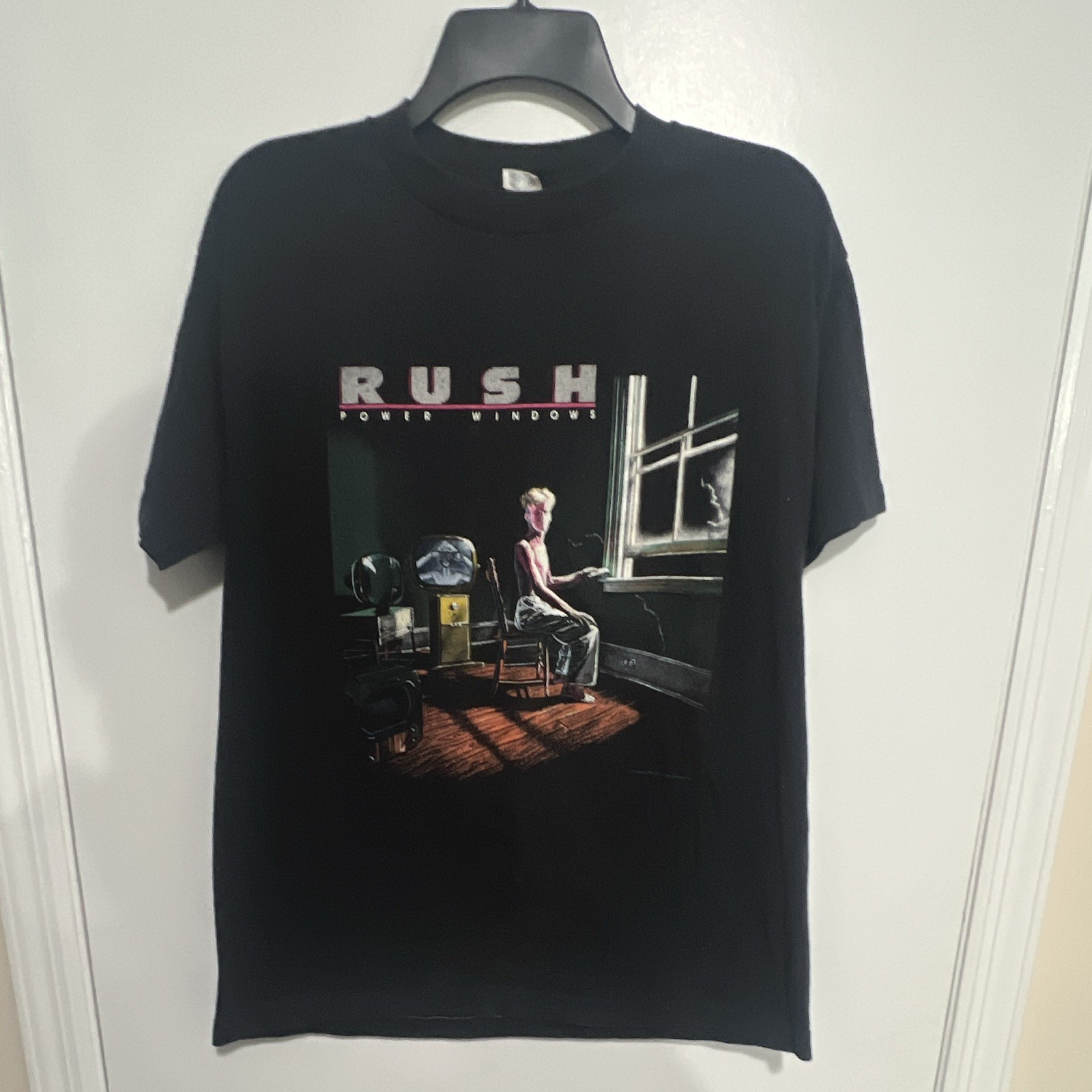
The 1970s are the golden era for the shirt itself. Bands like Led Zeppelin, Pink Floyd, and the Who printed on soft, thin cotton that has aged into the grail fabric collectors chase now. The 1978 Rolling Stones tour shirt, the 1979 Pink Floyd "The Wall" shirt, the 1977 Sex Pistols shirt with the ransom-note lettering: these are the pieces that set the template.
The 1980s changed the fit. Heavier cotton, brighter inks, bigger graphics. Run-DMC's 1986 "King of Rock" shirt and the Beastie Boys' 1987 "Licensed to Ill" shirts brought hip-hop into the same visual language. The 1990s added the thrift-store patina. Kurt Cobain wore a 1970s Neil Young shirt on the cover of Rolling Stone in 1994, and suddenly the faded, oversized band tee was the uniform of a generation. That is the shirt you are looking for now.
The One Thing to Check Before You Pay
Turn the shirt inside out. Look at the inside of the print. A real vintage print will show the ink pushed through the fabric, often with a slightly rough, uneven texture. A modern reprint will look smooth and even on both sides. That single test will save you more money than any tag check.

Foto: Atlantic Ambience · Pexels
Then put it on. Raise your arms. Sit down. If the shirt pulls or gaps at the shoulder, it is not your shirt, no matter how good the graphic is. A band tee is a piece of clothing first. It has to fit your life, not a display case.
The best band tee in your closet will be the one you reach for on a Tuesday, not the one you save for a special occasion. Wear it until the print fades further. That is the point.
City
Milan
Category
vintage band tee
Published
24 October 2026
The names
Meet the designers
The minds behind this story — each with a piece currently on the market.
Levi's
USA · 1850s
The 501 & Americana denim
The 501 & Americana denim
Børge Mogensen
Denmark · 1940s
The Spanish chair — honest, functional furniture for everyday life.
The Spanish chair — honest, functional furniture for everyday life.
Dior
France · 1940s
The New Look & the Lady Dior
The New Look & the Lady Dior
Top piece
View →
Gucci
Italy · 1920s
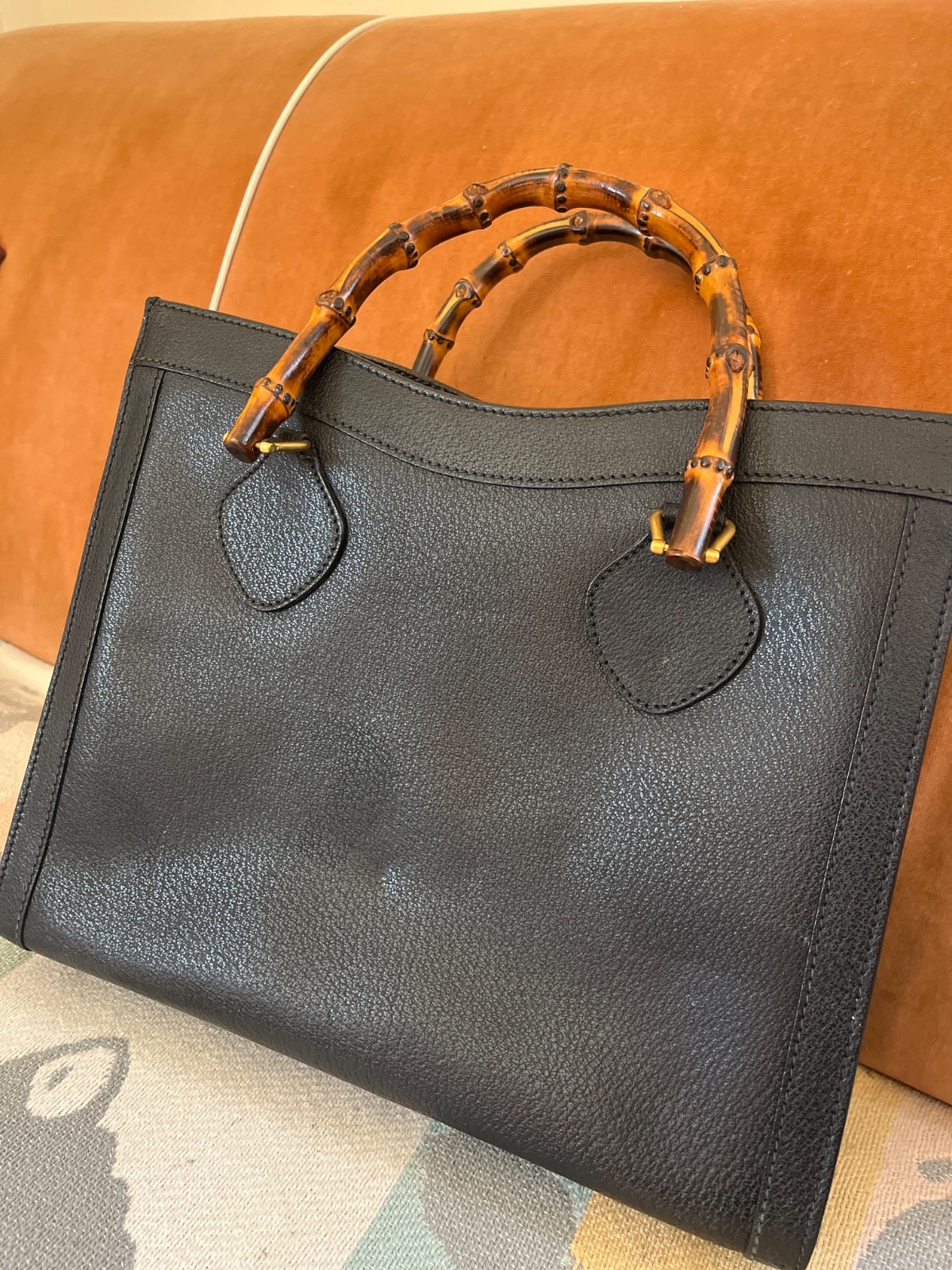
The bamboo handle & the double-G
The bamboo handle & the double-G
Top piece
View →
Continue the edit
Further stories from the same world
Three more walks through the same vintage universe.
The Band Tee, Worn Well: A Field Guide to the Real Thing
A guide to wearing vintage band t-shirts with intent: how to style a 1978 tour shirt without looking like a costume, the era tells and print details worth checking, and the stories behind the shirts that outlived the tours.
Read the story →The Band Tee, Worn Well: A Field Guide
A 1979 Pink Floyd shirt with cracked lettering is not a collectible to be sealed in plastic. It is a piece of cotton with a history, and it belongs on your back. Here is how to wear it without looking like you are in costume, and what to check before you buy.
Read the story →The Vintage Band Tee: A License to Wear Your Taste Loud
A vintage band T-shirt is the rare piece that lets you wear your musical education on your chest. Here is how to find one that is actually old, style it without looking like you are in costume, and know the stories behind the shirts that mattered.
Read the story →