
 Sign in
◫ Home & Objects · Milan
The Case for Living With Art Deco Furniture
A collector's guide to placing, spotting and keeping Art Deco furniture: the joinery, the lacquer, the proportions, and the rooms it still transforms.
 By Louis Trash·

The Room It Wants
A low walnut sideboard with a stepped top and a pair of doors that close with a soft click will do more for a hallway than any console you could buy new this year. That is the first thing to understand about Art Deco furniture. It was made to sit against a wall, hold its line, and let the room breathe around it. The scale tends toward the horizontal. Pieces are wide and shallow. They were designed for apartments and dining rooms where floor space mattered, and they still behave that way.
Placement is straightforward once you accept the geometry. A tall bookcase or a mirrored armoire wants a wall it can command, ideally with nothing above it. A low cabinet wants air over it. Put a lamp on one end, not both. Let the asymmetry do the work. Against a plain plaster wall, the wood grain and the lacquer read as decoration enough. Against a busy wallpaper, a Deco piece disappears. This furniture rewards restraint.
It works with warm neutrals, deep greens, oxblood, and the sort of chalky off-white you see in 1930s interiors. It does not want to be surrounded by mid-century teak, which fights it for attention. A single Deco chair beside a modern sofa can look like an accident. Two of them, flanking a fireplace, look deliberate. Proportions matter more than provenance here.
What the Good Pieces Are Made Of
Look at the joinery first. French Deco cabinets from the late 1920s and 1930s often use dovetails that are cut by hand and left visible on the drawer sides. Machine-cut dovetails appear more regularly after 1935, which is not a fault, just a date. Run your finger along the inside of a drawer. If it is smooth and unfinished, that is honest. If it is stained to hide cheap poplar, ask why.
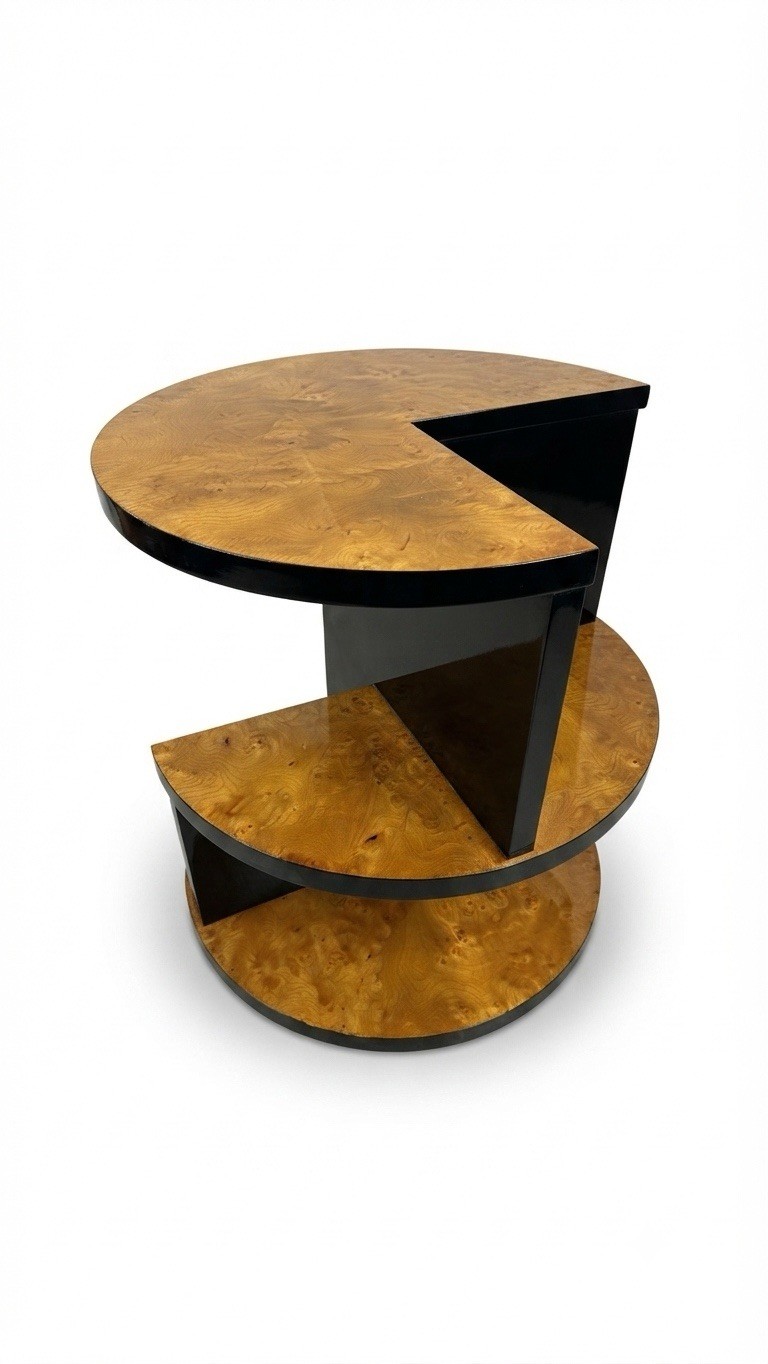
The finishes tell you more than the labels. True Art Deco lacquer is built up in many thin coats, rubbed back between each one, and it has a depth that modern spray lacquer cannot fake. Hold a torch at an angle to the surface. Original lacquer shows a soft, slightly uneven sheen. A refinished piece looks glassy and flat. Both can be beautiful. Only one is original.
Woods to know: macassar ebony, palisander, amboyna burr, and mahogany. Metals: chrome, nickel, brass, and the occasional pewter. Upholstery: horsehair, mohair, and leather, often piped rather than buttoned. If a chair has been reupholstered in a modern linen, that is fine, but check the frame underneath. The frame is the piece.
The Era, Told Through Its Makers
Art Deco took its name from the 1925 Exposition Internationale des Arts Décoratifs et Industriels Modernes in Paris, though the style was already forming before the fair opened. Émile-Jacques Ruhlmann was the great perfectionist of the period. He used macassar ebony, ivory, and silvered bronze, and he signed almost nothing, which makes attribution a matter of documentation rather than signature. His cabinets from 1920 to 1925 are the benchmark for French Deco.

In the same years, Jules Leleu was making quieter, more liveable furniture for clients who wanted elegance without theatre. Leleu's work is often more affordable today and just as well made. Paul Follot and André Groult belong in the same conversation. Groult's 1925 chair with a curved sycamore frame and a shagreen seat is one of the defining objects of the style, and it still looks radical in a plain room.
The style crossed the Atlantic and changed character. In America, Donald Deskey designed the interiors of Radio City Music Hall in 1932, and his furniture for the project used aluminium, bakelite, and zebrawood. The result was lighter, more industrial, and more democratic than the French work. In Britain, Betty Joel and the Bath Cabinet Makers produced pieces in walnut and sycamore that sit comfortably in ordinary houses. Each country made the style its own.
The Second World War ended the market for this kind of furniture. Materials went to the war effort, and after 1945 the taste moved toward the lighter, more casual lines of mid-century design. Deco became old-fashioned within a decade. That is precisely why so much of it survived in good condition. People stored it rather than used it.
What to Check Before You Buy
Open every door and drawer. Listen for a dry hinge. Look for splits in the veneer, especially along the edges of a top or the corners of a cabinet. Lifting veneer can be repaired, but it is slow and expensive. Water rings on a lacquered top are usually permanent. A small chip on a leg is less serious than a crack in a carcass.
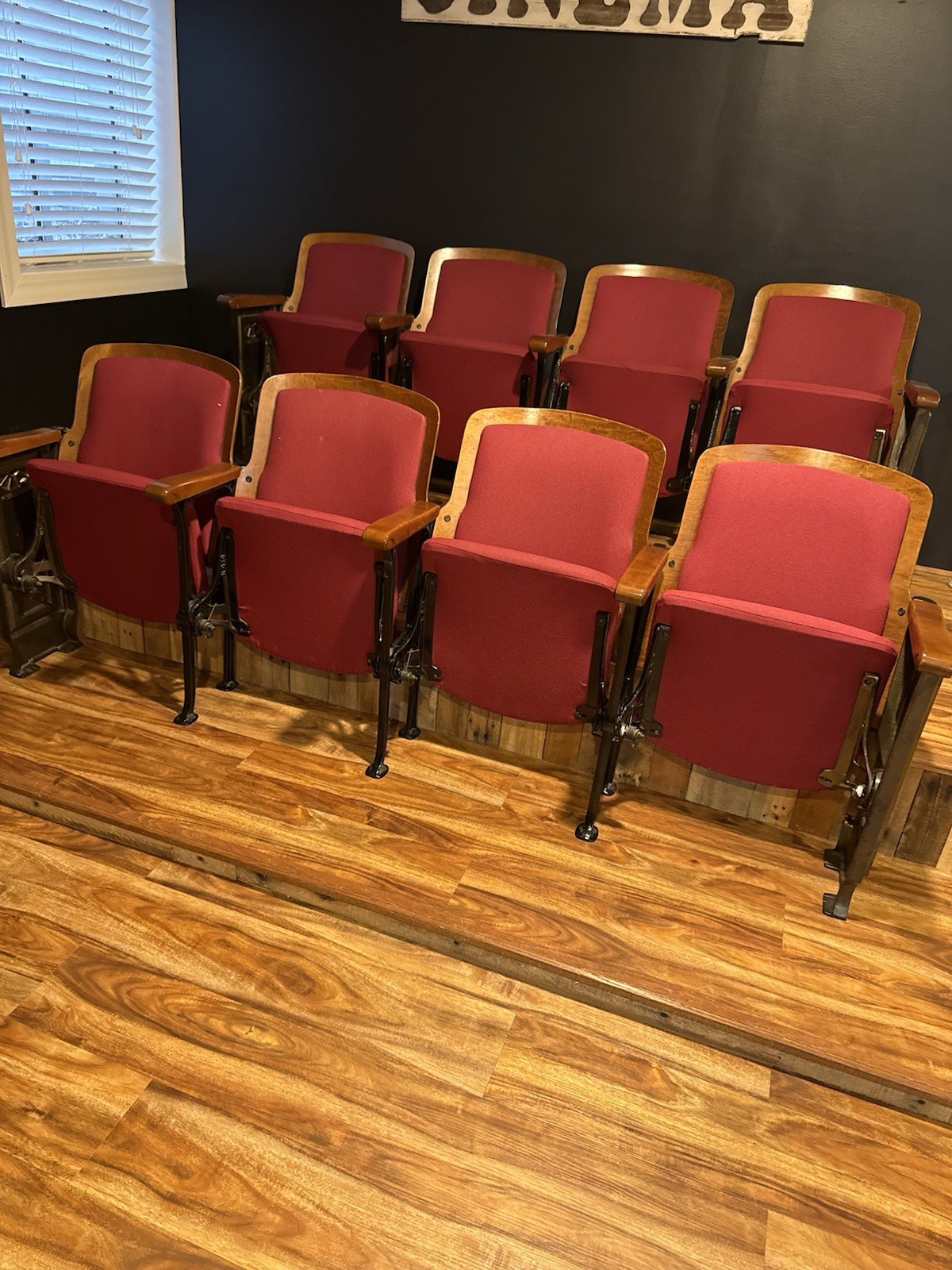
Check the feet. Deco furniture often has tapered or stepped feet, and these are the first things to break. A replaced foot is acceptable if the profile matches. A missing foot is a negotiation point, not a dealbreaker.
Ask about the mirror. Original mirrors are often foxed, which means the silvering has begun to spot. Some people love the look. Others replace the glass, which is a shame. If the mirror is original and clear, that is a genuine plus.
Expect to pay somewhere around the low four hundreds for a good sideboard or a pair of chairs in mixed-label condition. That figure buys you solid wood, original hardware, and a finish that has aged honestly. It does not buy you a signed Ruhlmann. It buys you the pleasure of living with a well-made object that will outlast most of what is sold today.
Living With It, Not Around It
Use the furniture. Put books on the shelves. Set a drink on the sideboard. A lacquered top will mark, and that is part of owning it. The pieces were made for daily life in rooms that were used. Treating them as museum objects is the fastest way to make them look dead.
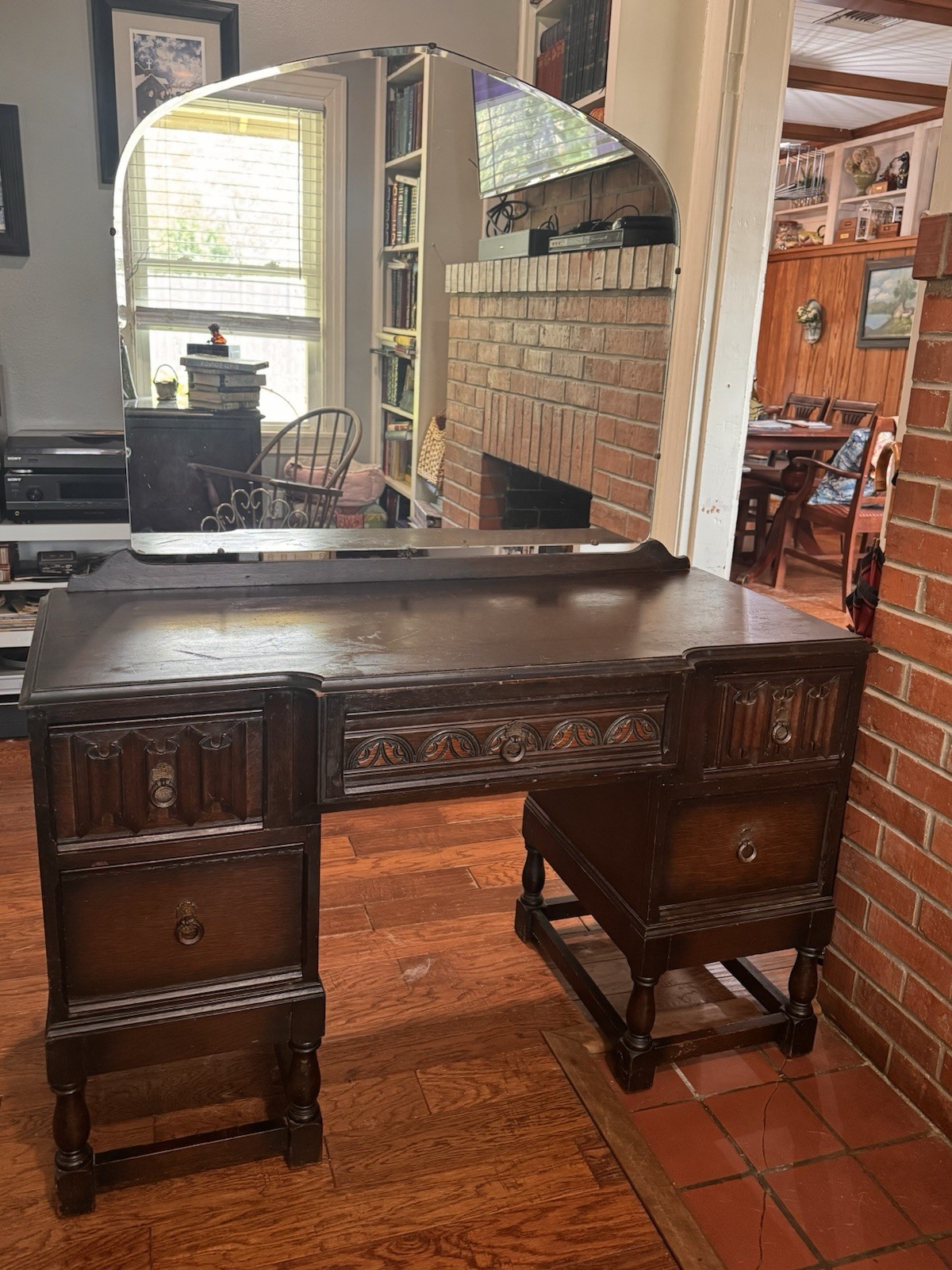
Keep the light moderate. Strong sunlight will fade veneers and dry out hide upholstery. A room with a north-facing window suits this furniture particularly well. Dust with a soft cloth and avoid silicone polishes, which build up and dull the finish over time. A little beeswax on bare wood once a year is enough.
If a chair needs new upholstery, choose a fabric with some weight and a matte surface. Velvet, wool, and heavy cotton all work. Avoid anything shiny or printed. The frame is doing the talking. The fabric should listen.
A Closing Thought on Proportion
Art Deco furniture is the rare style that looks better in a small room than a large one. Its lines were drawn for apartments, for modest dining rooms, for hallways that needed a focal point without bulk. A wide, low cabinet in a narrow space creates a sense of generosity that a taller piece would destroy. That is the lesson of the style, and it has nothing to do with fashion. Buy the piece that fits the wall you actually have. Then leave it alone.
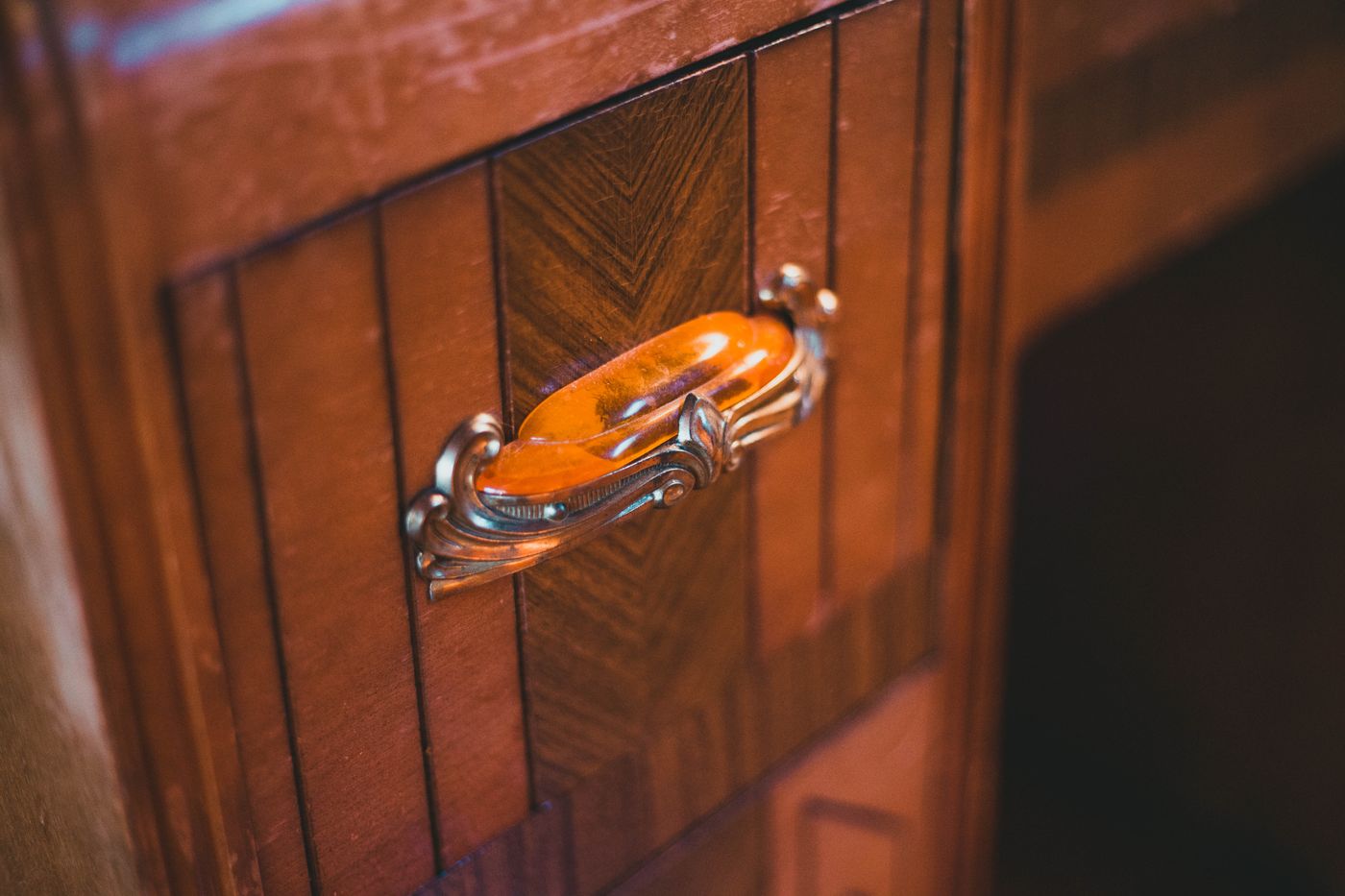
Foto: Erik Mclean · Pexels
 ◫ The Edit
One to watch
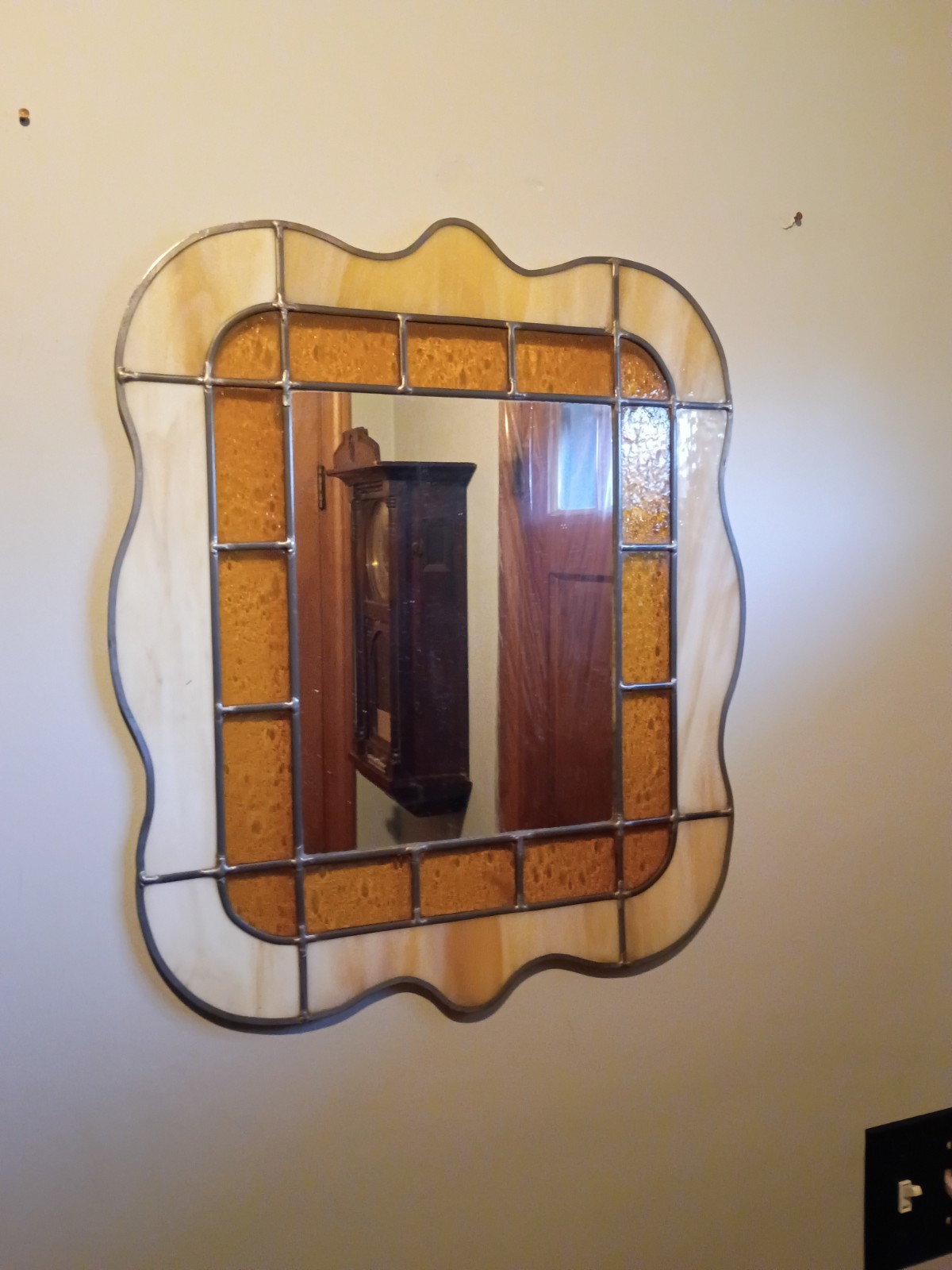
Vintage Retro Art Deco Stained Glass Framed Wall Mirror. Beautiful
A find like this is the fastest way to add a little history to anything you own. This honestly worn find from the Art Deco years is the kind of piece that tells a story before you have said a word. Buy the story, and the object comes along with it.
On the market now
The names
Meet the designers
The minds behind this story — each with a piece currently on the market.
Børge Mogensen
Denmark · 1940s
The Spanish chair — honest, functional furniture for everyday life.
The Spanish chair — honest, functional furniture for everyday life.
Top piece
View →
Hans J. Wegner
Denmark · 1940s
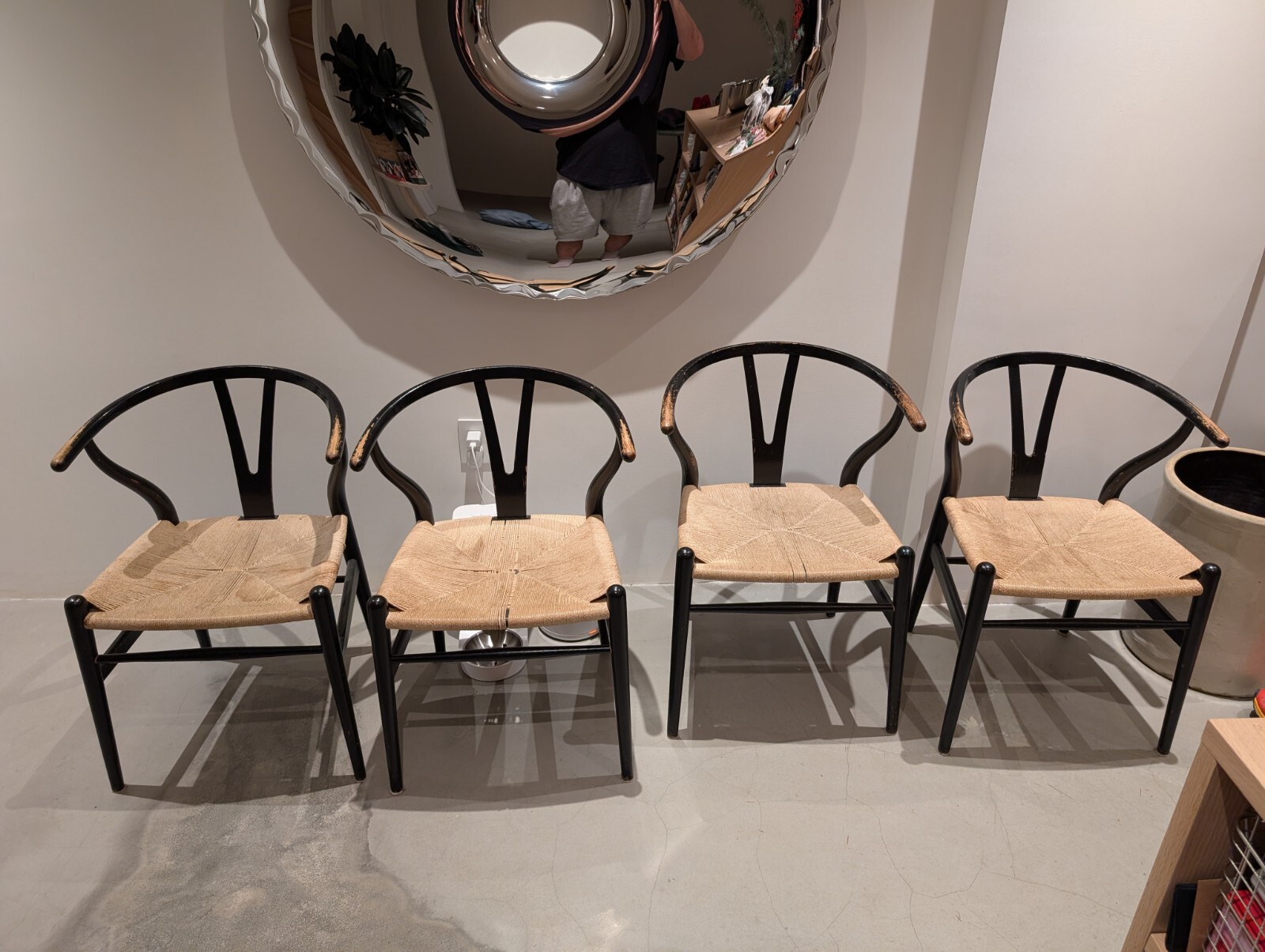
The Wishbone & 500 chairs — joinery so pure it needs no ornament.
The Wishbone & 500 chairs — joinery so pure it needs no ornament.
Top piece
View →
Arne Jacobsen
Denmark · 1950s
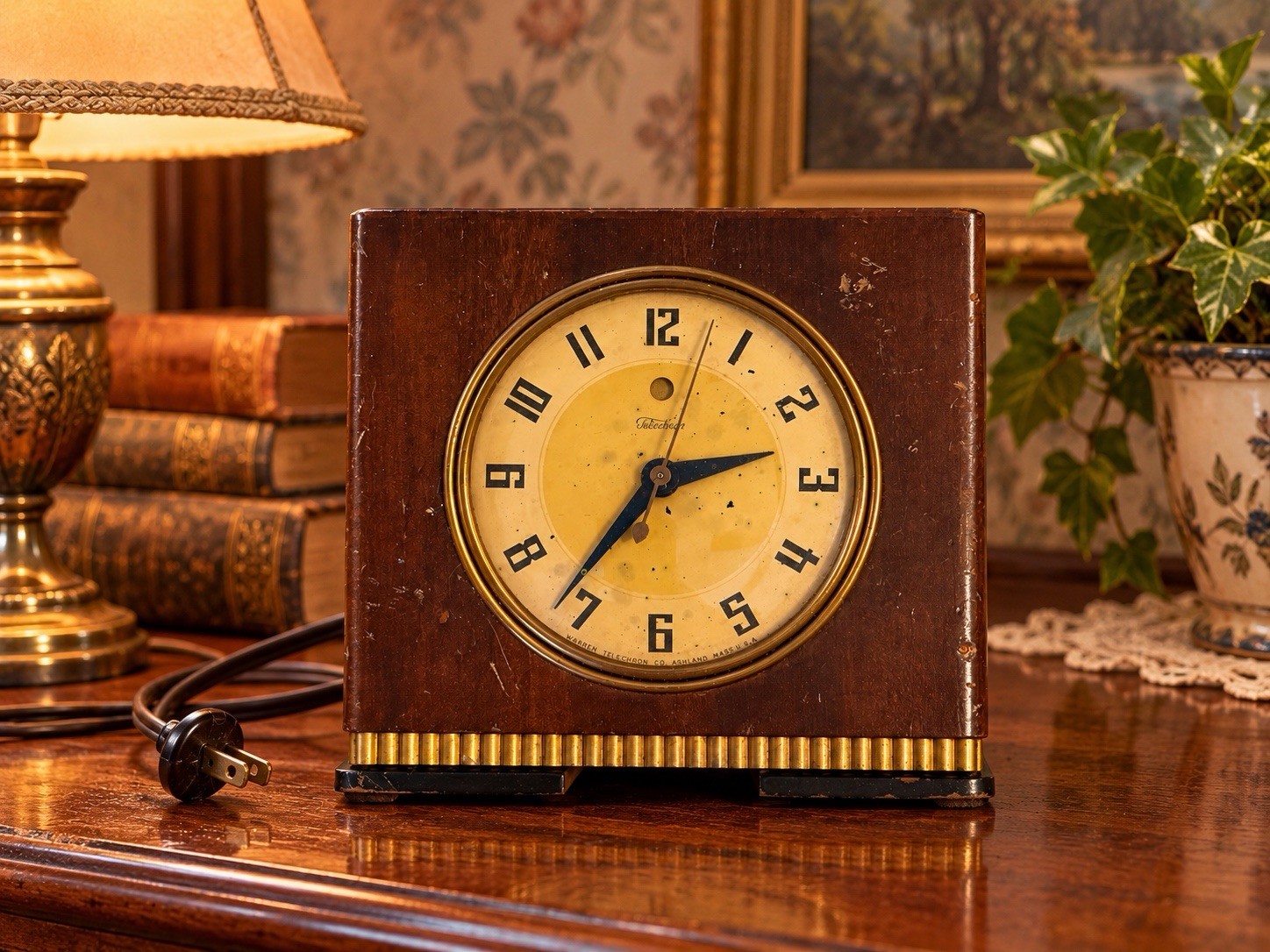
The Egg & the Series 7 — chairs turned into quiet sculpture.
The Egg & the Series 7 — chairs turned into quiet sculpture.
Top piece
View →
Charles & Ray Eames
USA · 1940s
Moulded plywood & the Lounge Chair — the couple who made modern furniture feel human.
Moulded plywood & the Lounge Chair — the couple who made modern furniture feel human.
Top piece

View →
Continue the edit
Further stories from the same world
Three more walks through the same vintage universe.
The Quiet Command of Art Deco Furniture
Art Deco furniture doesn't shout. It stands with a cool, geometric confidence, asking only for space and a little respect. Here's how to bring it home.
Read the story →The Quiet Drama of Art Deco Furniture
A collector's guide to living with Art Deco furniture: how to place it, what to look for, and why its geometry still shapes a room.
Read the story →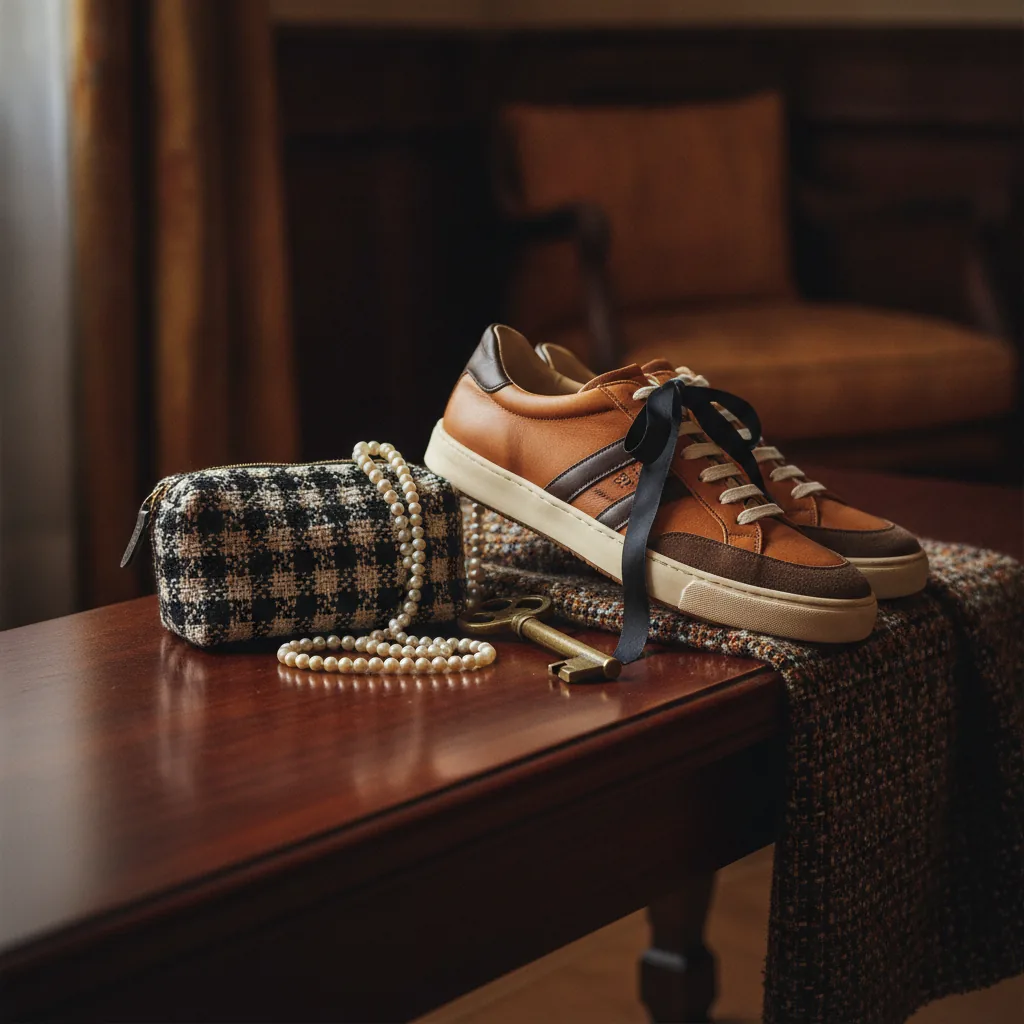
The Sneaker You Actually Wear: A Field Guide to Vintage Nike and Adidas
A practical, opinionated guide to buying and wearing old Nikes and Adidas: which eras to hunt, how to spot a pair worth keeping, and how to make a 1982 runner look like it belongs in a 2025 wardrobe.
Read the story →