
 Sign in
✦ Culture · New York
Styling a Long Coat in New York
You see it in the way women in SoHo walk past a rack of faux fur without slowing down, the way men in Brooklyn flip through a bin of Levi's like they are panning for gold…
 By Louis Trash·
Why Coats Matter Now
In New York a coat isn't a garment, it's armour for the walk between subway and office. Vintage ones were made for that walk: denser wool, heavier trench cotton, linings meant to be replaced. In 1968, a woman walked into Bergdorf Goodman and bought a camel hair coat that she wore for thirty years. She replaced the lining twice, the buttons once, and the elbow patches every decade. That coat is now in a museum, but the lesson is not. A coat from the 1950s or 1970s was made to be repaired, not recycled. The wool came from sheep that grazed in fields that no longer exist, and it was woven on looms that have since been scrapped. You cannot buy that density new. You can only inherit it.
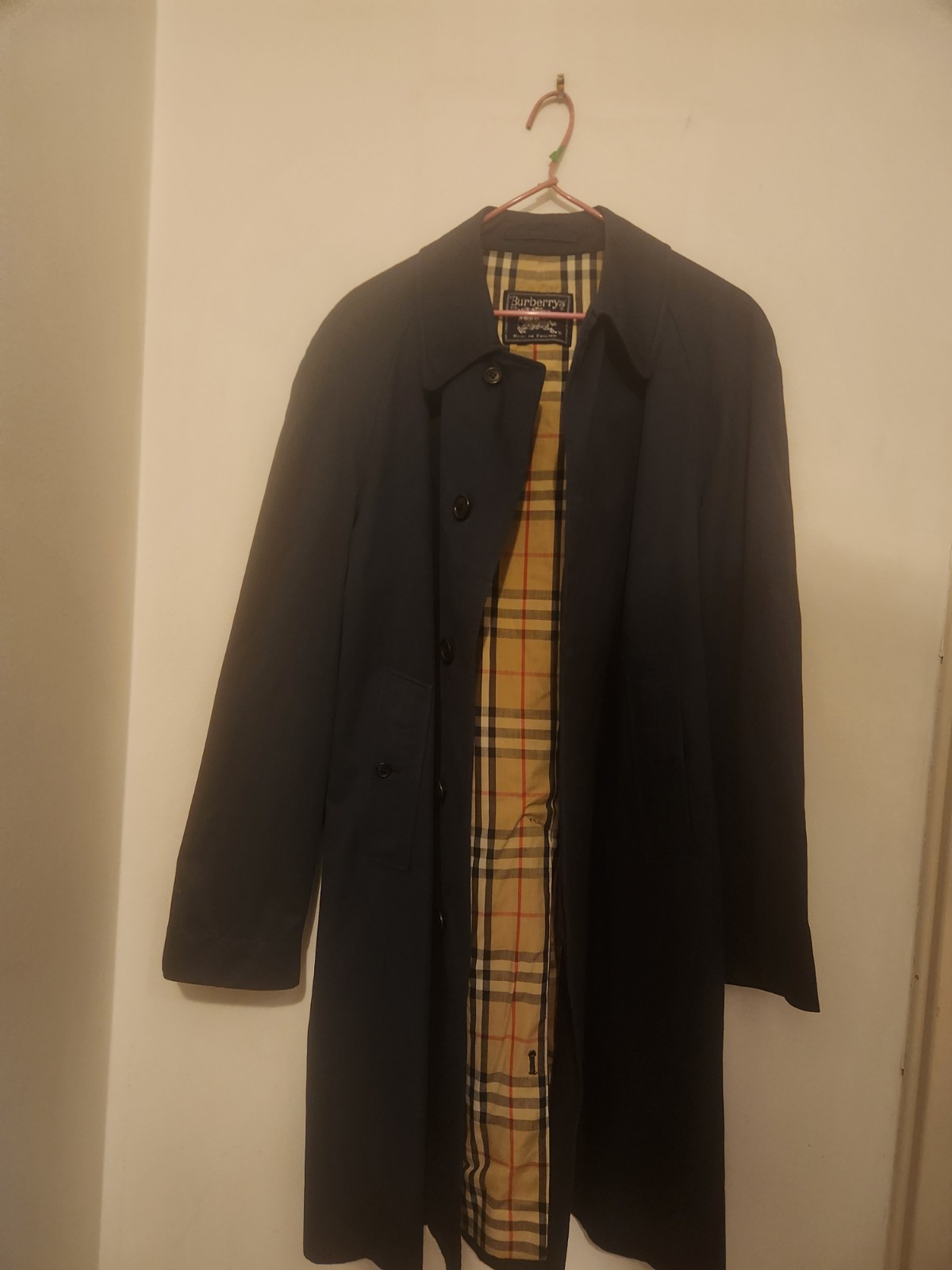
You see it in the way women in SoHo walk past a rack of faux fur without slowing down, the way men in Brooklyn flip through a bin of Levi's like they are panning for gold. The city has no patience for a coat that will not keep you warm or a price that does not justify the hunt. But the hunt is part of the pleasure. The city is full of coats that have stories sewn into their seams. You just have to know where to look and what to ask.
How to Wear It
Buy one size up and wear it open over knitwear. Coats should skim, not squeeze. A long coat that fits like a straitjacket is a waste of money. You want to be able to layer a thick sweater underneath, and you want to be able to move your arms without hearing the sound of fabric straining. The shoulder seam should sit at your natural shoulder, not an inch past it. The sleeve should cover your wrist when your arms are down, and when you raise your arms, the cuff should not ride up past your forearm. If it does, the coat is too small. If you are between sizes, take the larger one. A tailor can take in the sides, but they cannot let out a coat that was cut too narrow.
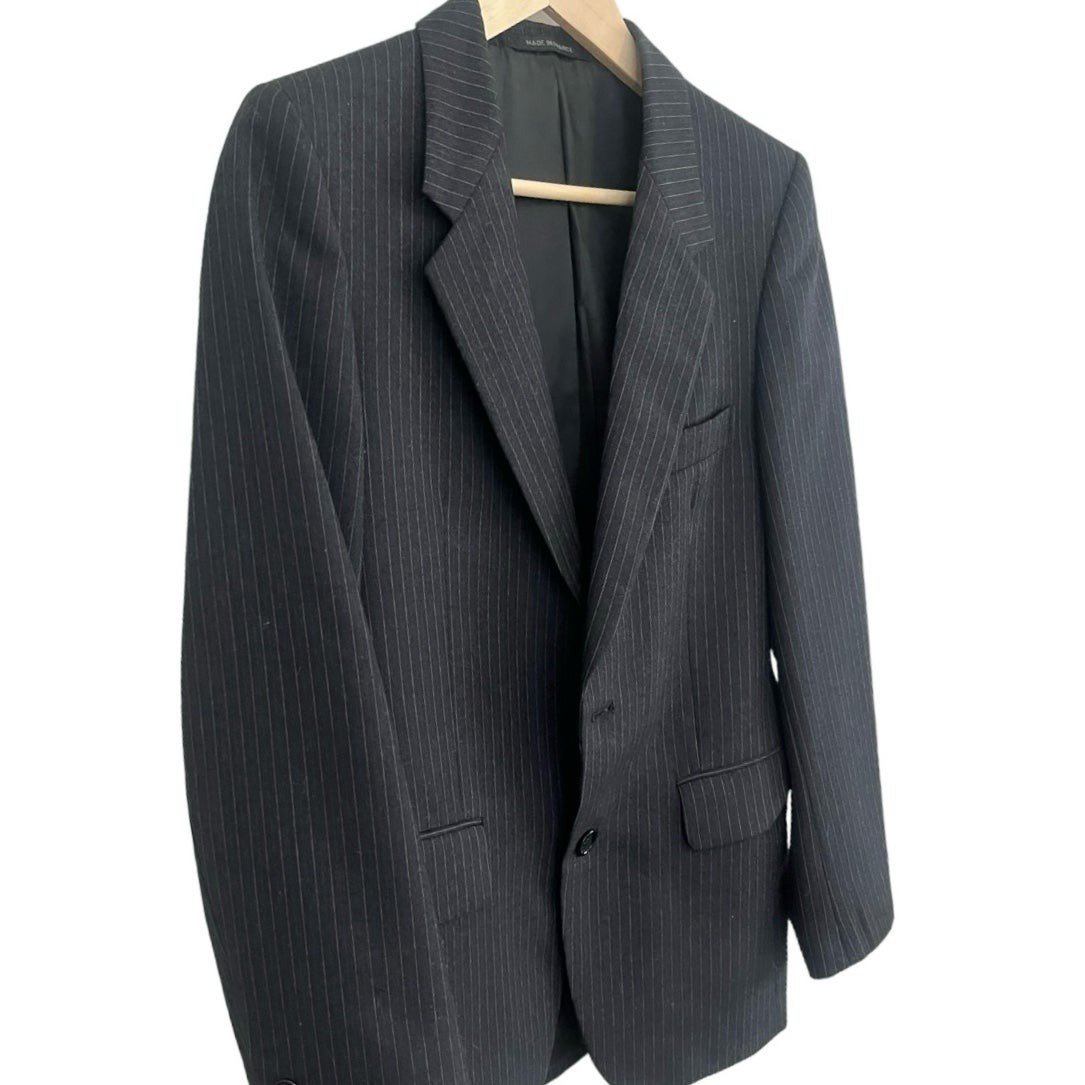
A long trench over jeans and boots is still unbeatable. It is the uniform of the city, from the Upper West Side to Williamsburg. Wear it over a turtleneck, straight-leg jeans, and a pair of Chelsea boots. The trench adds structure to a casual outfit, and the length keeps you warm without making you look like you are wearing a bathrobe. Choose a trench with a removable lining if you can. That way you can wear it from September to November, and then again in March when the weather turns. The original trench coats from the 1940s were made of gabardine, a tightly woven cotton that repelled water. They were designed for soldiers in the trenches, hence the name. The belts, the epaulets, and the storm flaps were all functional. Today they are decorative, but they still look right.
Belt it at the back rather than the front for a cleaner line. This is a trick that vintage stylists have used for decades. Instead of tying the belt in front, which can create bulk and break the silhouette, wrap it around your waist and tie it behind you. The coat falls in a straight column from your shoulders, and the belt emphasizes your waist without interrupting the flow of the fabric. It also keeps the front of the coat flat, which is especially useful if you are wearing a chunky sweater or a scarf. Try it in front of a mirror. You will notice the difference immediately.
Where to Find Yours in New York
- L Train Vintage (204 Bedford Avenue, Brooklyn) — volume shopping, low prices, be thorough, from around 20 euros. This is the place to go if you have patience and a strong back. The racks are packed so tightly that you have to pull each hanger out to see what is behind it. But the prices are the lowest in the city, and the turnover is constant. I once found a 1970s cashmere polo coat there for $35. It had a small moth hole near the hem, but I stitched it up in ten minutes. You will not find designer labels here, but you will find solid, heavy wool coats that will last you a decade.
- What Goes Around Comes Around (351 West Broadway) — the grail room, priced accordingly, from around 45 euros. This is where the vintage goes to be displayed, not just sold. The store is a maze of glass cases and velvet ropes, and the coats are hung on brass rails like they are in a fashion show. You will find a 1960s Yves Saint Laurent cape for $2,000 and a 1970s Burberry trench for $800. The staff know their stuff, and they are happy to tell you the history of a piece. But be prepared to pay for the curation. This is not a thrift store. This is a museum with a price tag.
- Beacon's Closet (74 Guernsey Street, Brooklyn) — resale done properly, good turnover, from around 60 euros. This is the middle ground. The clothes are sorted by category and color, and the quality is higher than your average Goodwill. The coat rack is usually stocked with a mix of modern and vintage, so you have to check the labels. Look for the union tags that indicate a coat was made before 1980. Those are the ones worth buying. The prices are reasonable, and the store is spacious enough that you can actually try things on without feeling rushed.
- Chelsea Flea Market (West 25th Street) — weekends, bring cash and haggle politely, from around 90 euros. This is a weekend ritual for vintage hunters. The market is held in a parking lot, and the vendors set up tables and racks of clothes. You will find a lot of junk, but you will also find a gem if you look hard enough. I once bought a 1950s mohair coat for $100 from a vendor who was packing up for the day. He wanted $150, but I offered $100 and he took it. The coat had a broken zipper, but I replaced it for $20. The key is to go early in the morning, when the vendors are still setting up and are more willing to negotiate. Bring cash, because most vendors do not accept credit cards.
The best time is a quiet weekday, when you can actually talk to the person who priced the rack. On a Tuesday at 10 a.m., you will have the store to yourself. You can take your time, try on a dozen coats, and not worry about someone hovering behind you. The staff will be happy to chat, and they might even pull something from the back that they have not put out yet. That is how I found my favorite vintage coat, a 1960s Chesterfield with a velvet collar. It was still in a box, and the saleswoman remembered it because she had thought about buying it herself. She sold it to me for $150, and I have worn it every winter since.
What to Look For
Feel the weight — real wool coats are heavy and stay warm when damp. Pick up a coat and hold it in your hands. If it feels like a blanket, that is a good sign. If it feels like a paper towel, put it back. Wool is a natural fiber that insulates even when it is wet, which is why a vintage coat is better than a modern synthetic one in a snowstorm. Check the shoulders for sun-fading, the lining for splits, and the cuffs for shine, which is the first place wear shows. Sun-fading happens when a coat has been hung near a window for years. The color fades on one side, and there is nothing you can do to restore it. Lining splits are easier to fix, but they are a sign that the coat was worn hard. A lining that is frayed or torn can be replaced for $100, but if the coat itself is in good shape, it might be worth it. Cuff shine is the result of friction from your hands rubbing against the fabric. It is most common on coats with a smooth finish, like gabardine or worsted wool. It is difficult to remove, so it is better to avoid a coat with shiny cuffs.
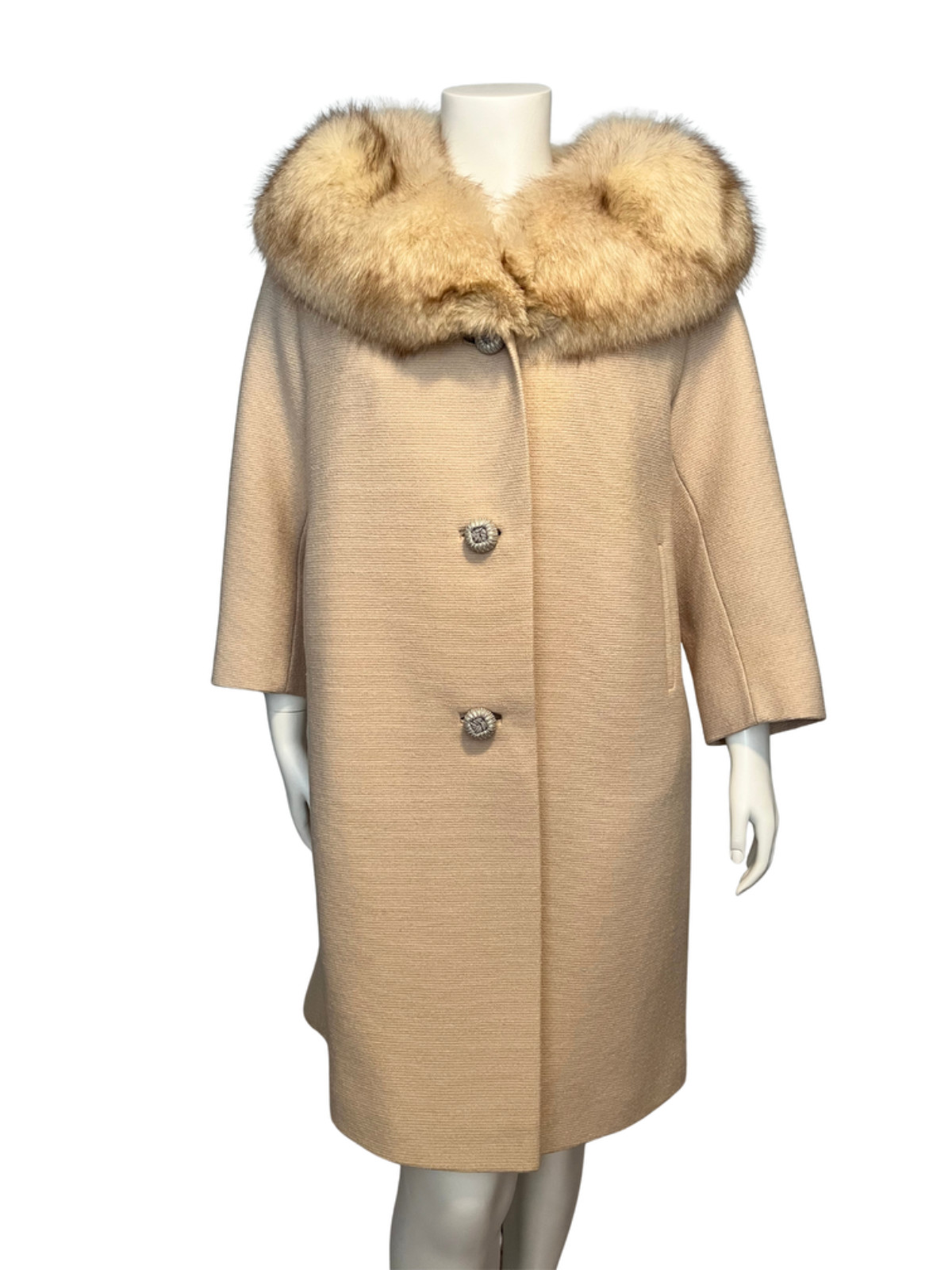
Replacing buttons is easy and transforms a coat; replacing a lining costs more than most vintage coats are worth. Buttons are the first thing to go, and they are the easiest to fix. You can find vintage buttons at flea markets for a few dollars, and a tailor can sew them on in minutes. A new set of buttons can make a tired coat look fresh. But a lining is a different story. A full lining replacement requires taking the coat apart and sewing it back together, which can cost $200 or more. That is more than most vintage coats are worth, unless the coat is exceptional. So when you are inspecting a coat, check the lining first. If it is torn or stained, walk away. You will find another one.
Try it on and don't rush. If it still fits after you've sat down in it, it fits. A vintage coat that only works standing still is not going to survive your actual life. When you try on a coat, do not just look in the mirror. Walk around the store. Raise your arms. Sit down in a chair. Bend over to pick up something. If the coat binds or pulls, it is not the right fit. Remember, you are going to wear this coat on the subway, in the rain, and at a holiday party. It needs to move with you, not just hang on you. And when you find the one, you will know. It will feel like it was made for you, because in a way, it was. It was made for someone like you, decades ago, and it has been waiting for you to find it.
Get the look
Get the look
The pieces that make this story wearable, live from the market.
blazers
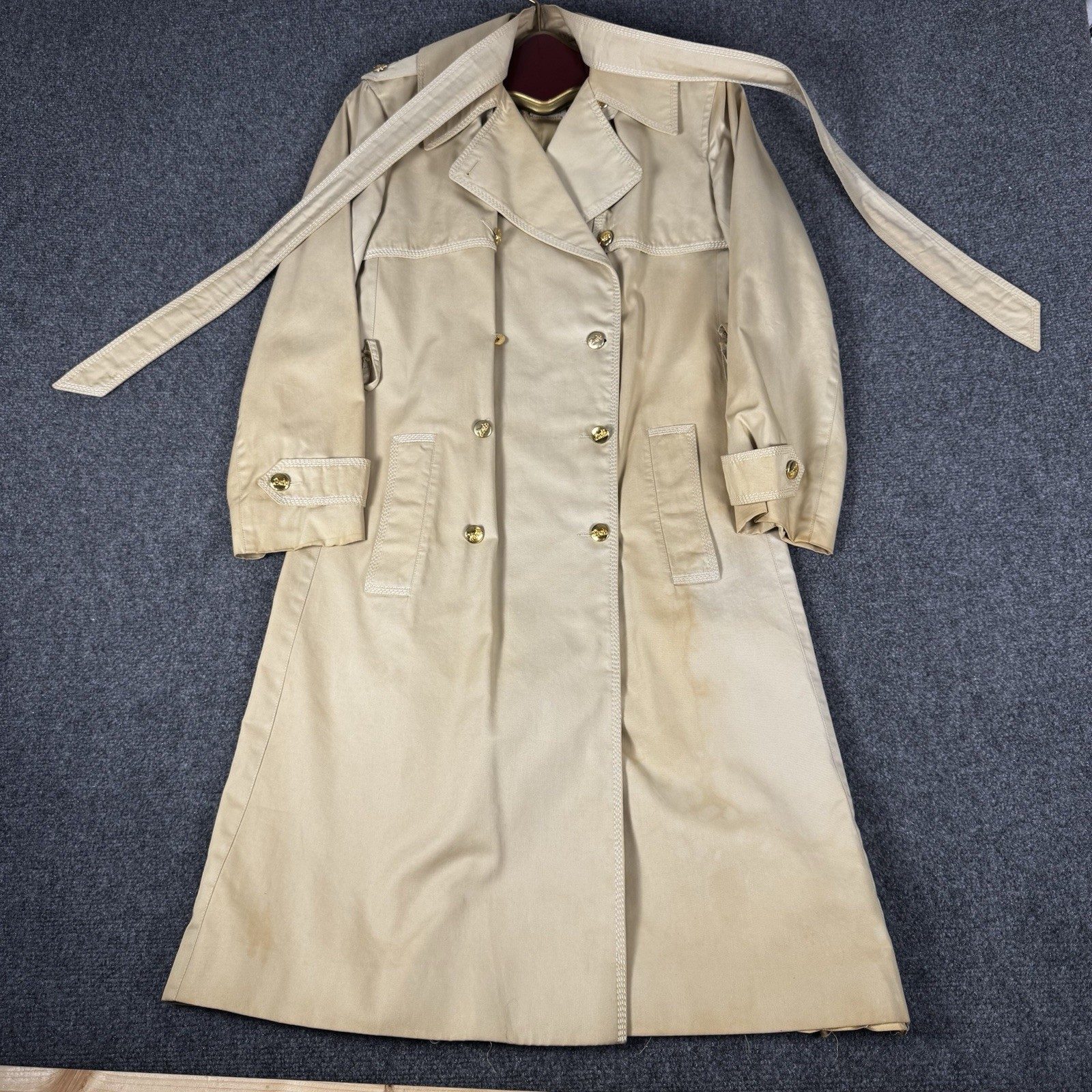
Vintage CELINE Paris Trench Coat Made in France Carriage Logo Gold Buttons
designer-bags
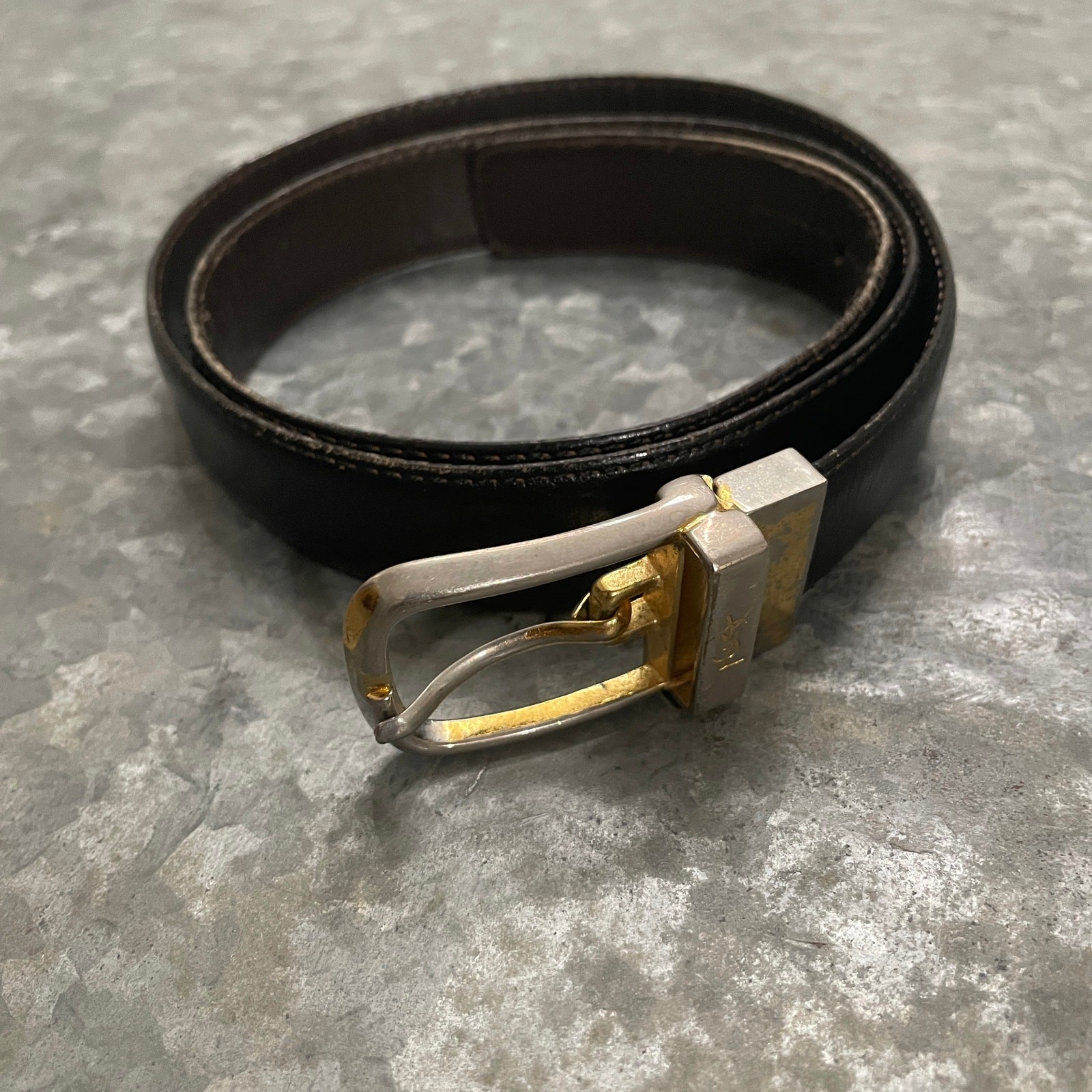
Vintage YSL Yves Saint Laurent Solid Brass Black Leather Belt Sz 32 Silver Gold
blazers
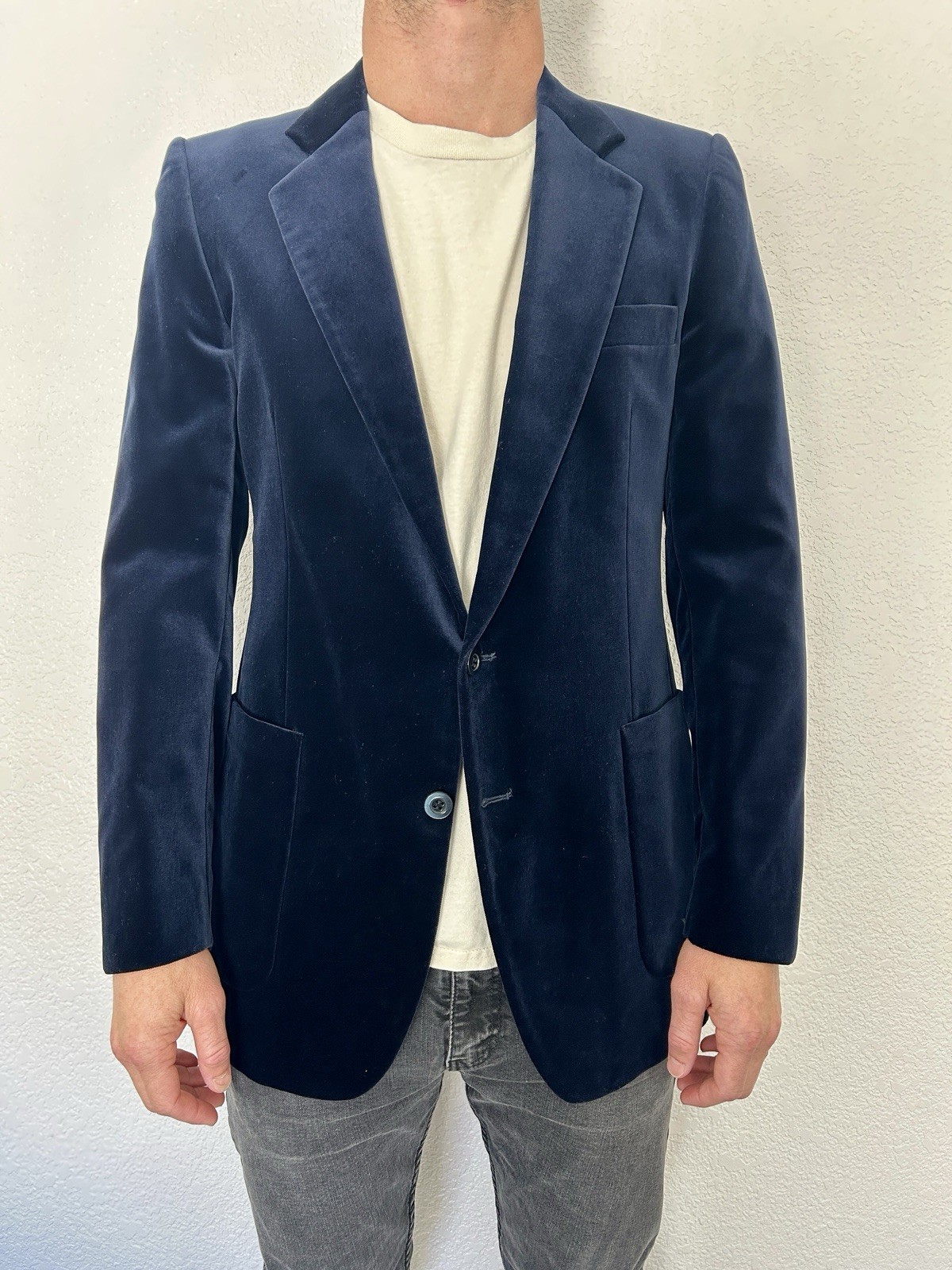
Vintage YSL - Yves Saint Laurent Blue Velvet Smoking Jacket Mens -Made In France
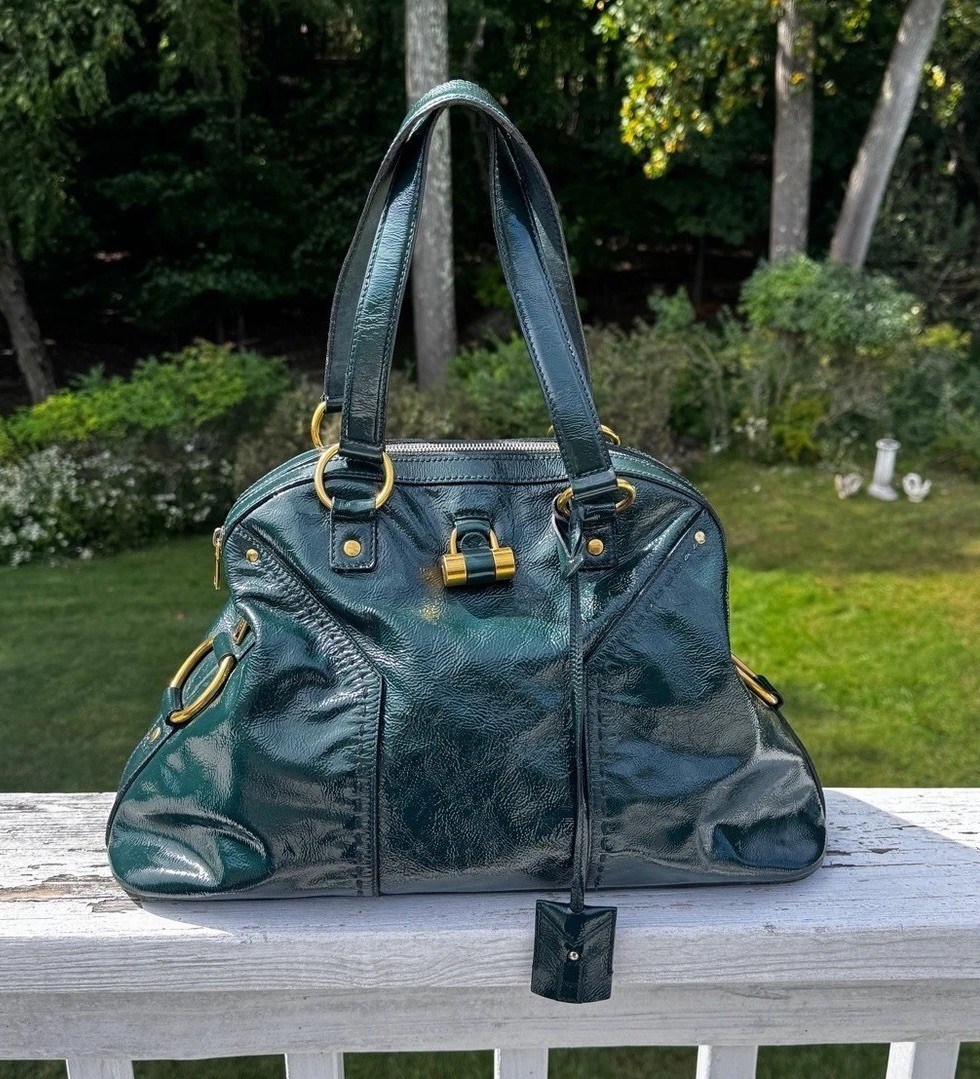
designer-bags
Vintage Yves Saint Laurent Muse glossy dark green patent leather Bag
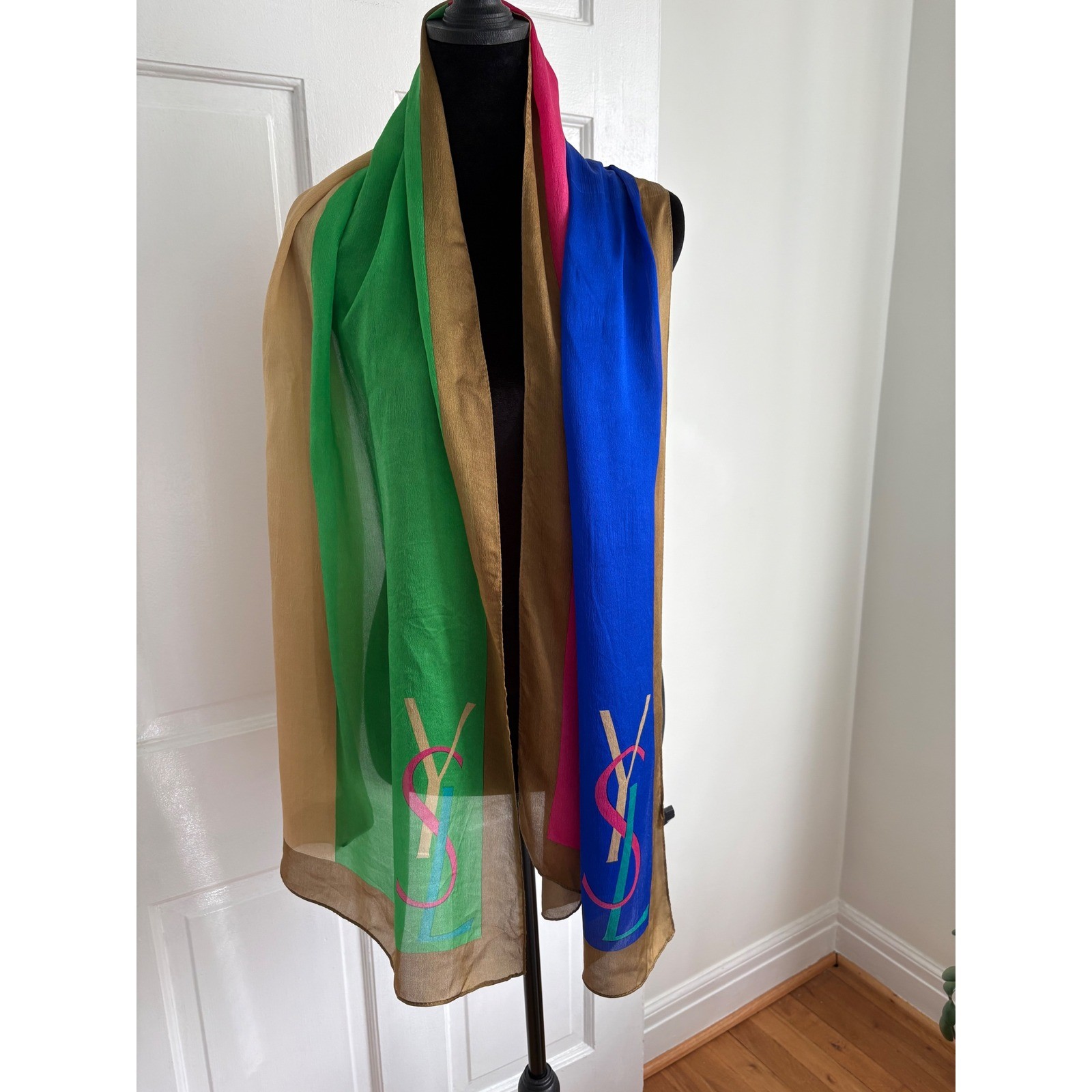
zijde-sjaals
Vintage Yves Saint Laurent Rive Gauche Silk Scarf Colorblock Logo Green Blue
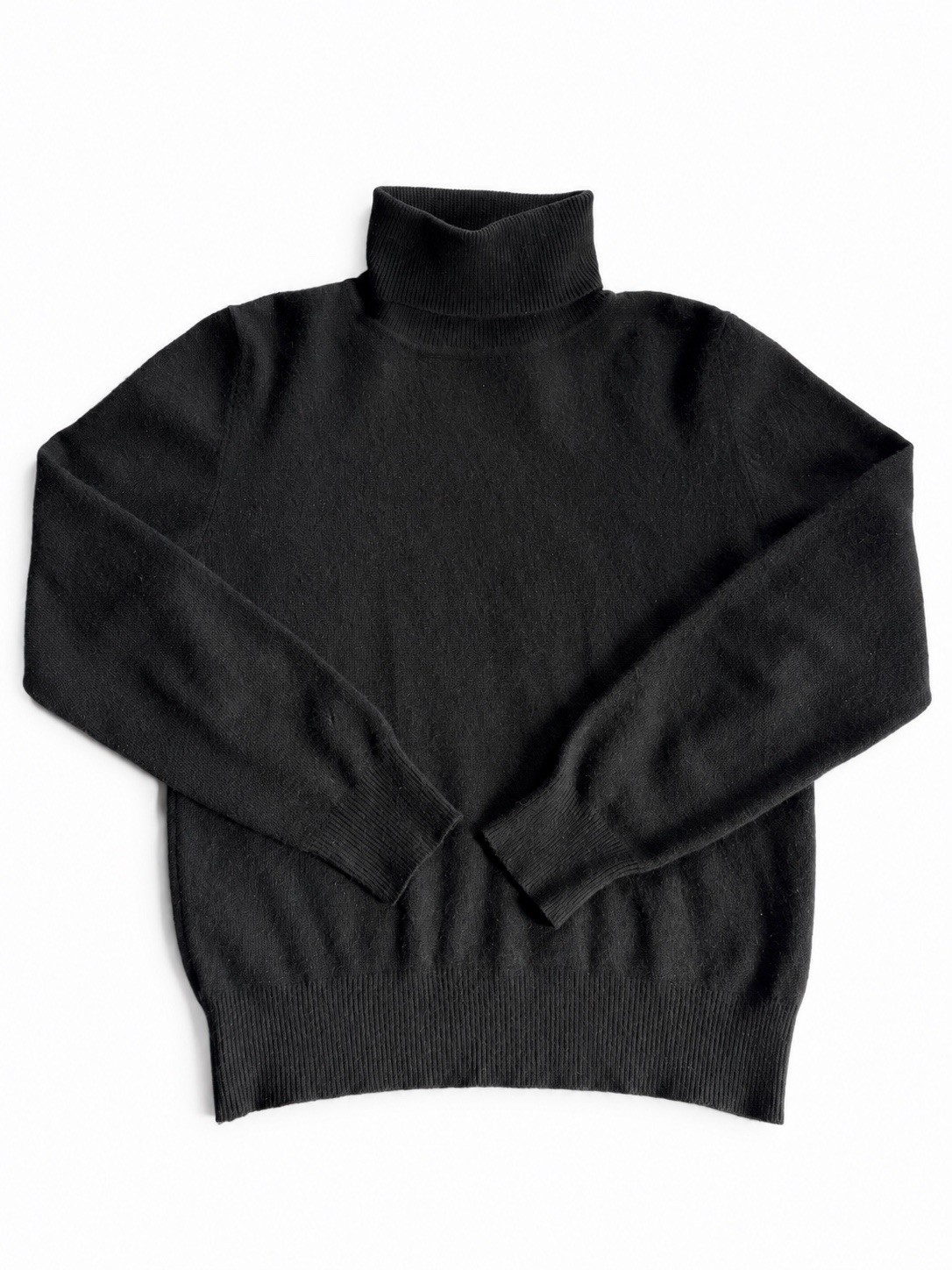
curiosa
Vintage Black 100% Pure Cashmere Turtleneck Sweater Womens Large Long Sleeve
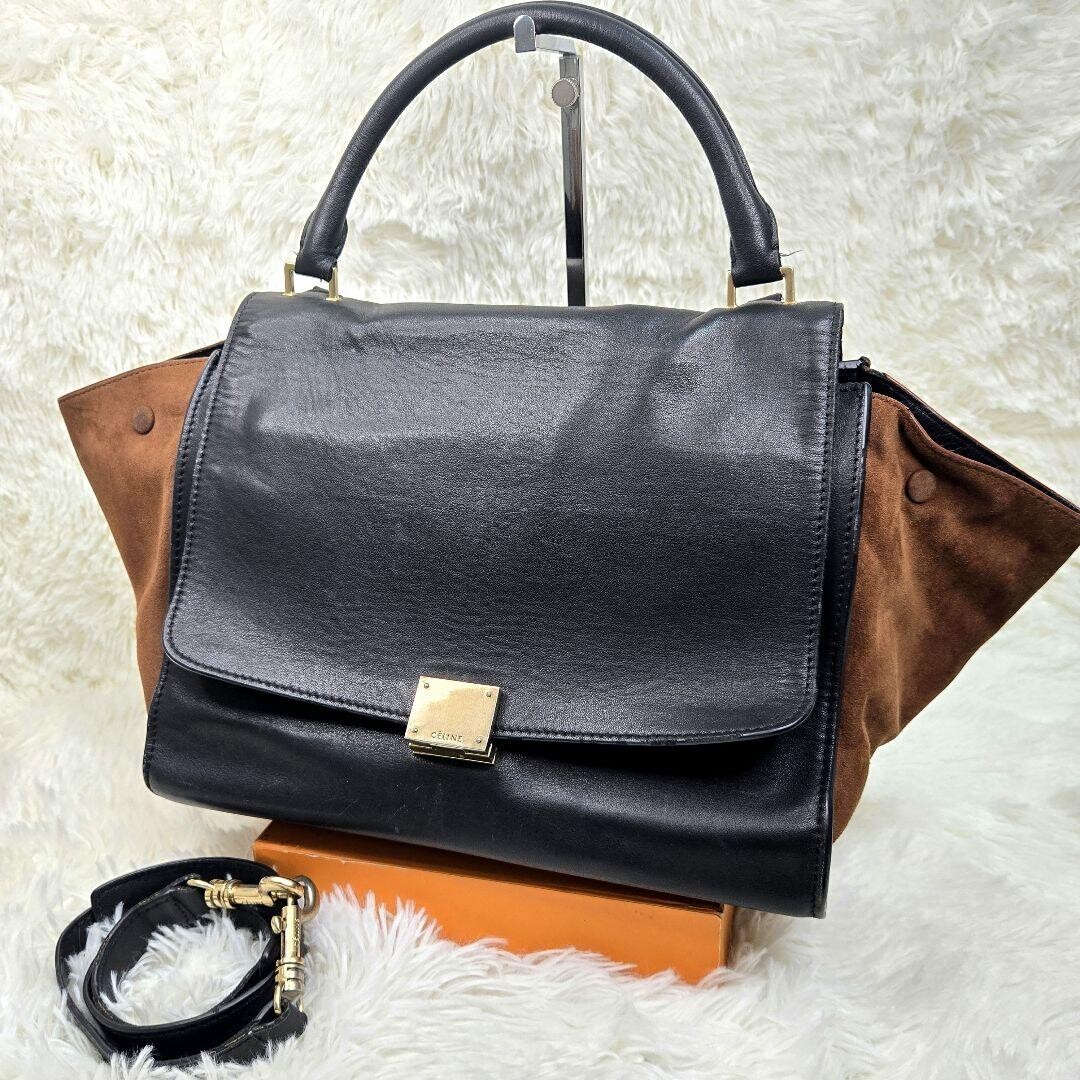
designer-bags
CELINE Trapeze 2way Shoulder bag Leather Black Vintage Authentic From Japan
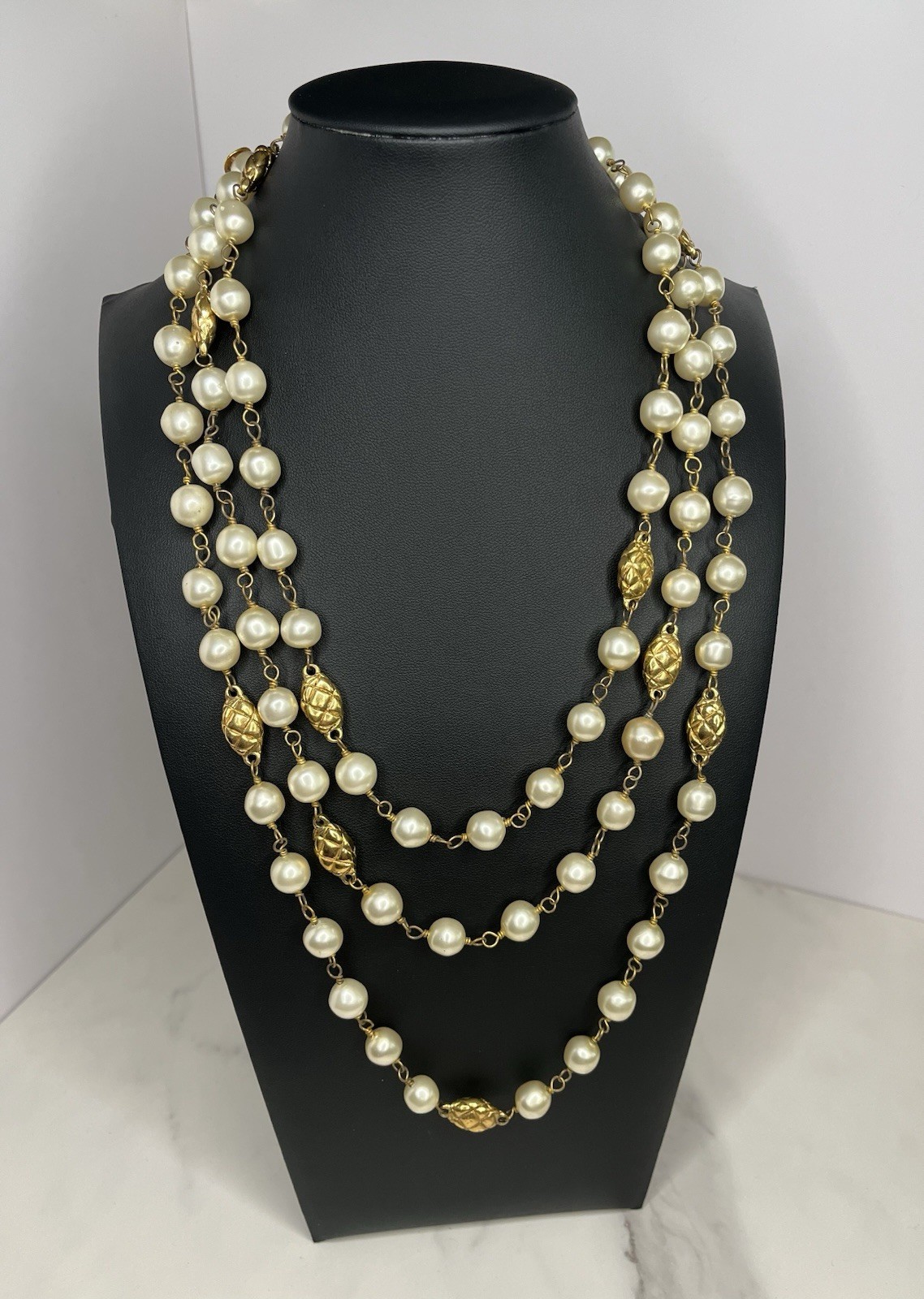
sieraden
Vintage 72in LONG Signed Chanel Faux Pearl Gold Toned Necklace
The names
The designers behind the look
The minds behind this story — each with a piece currently on the market.
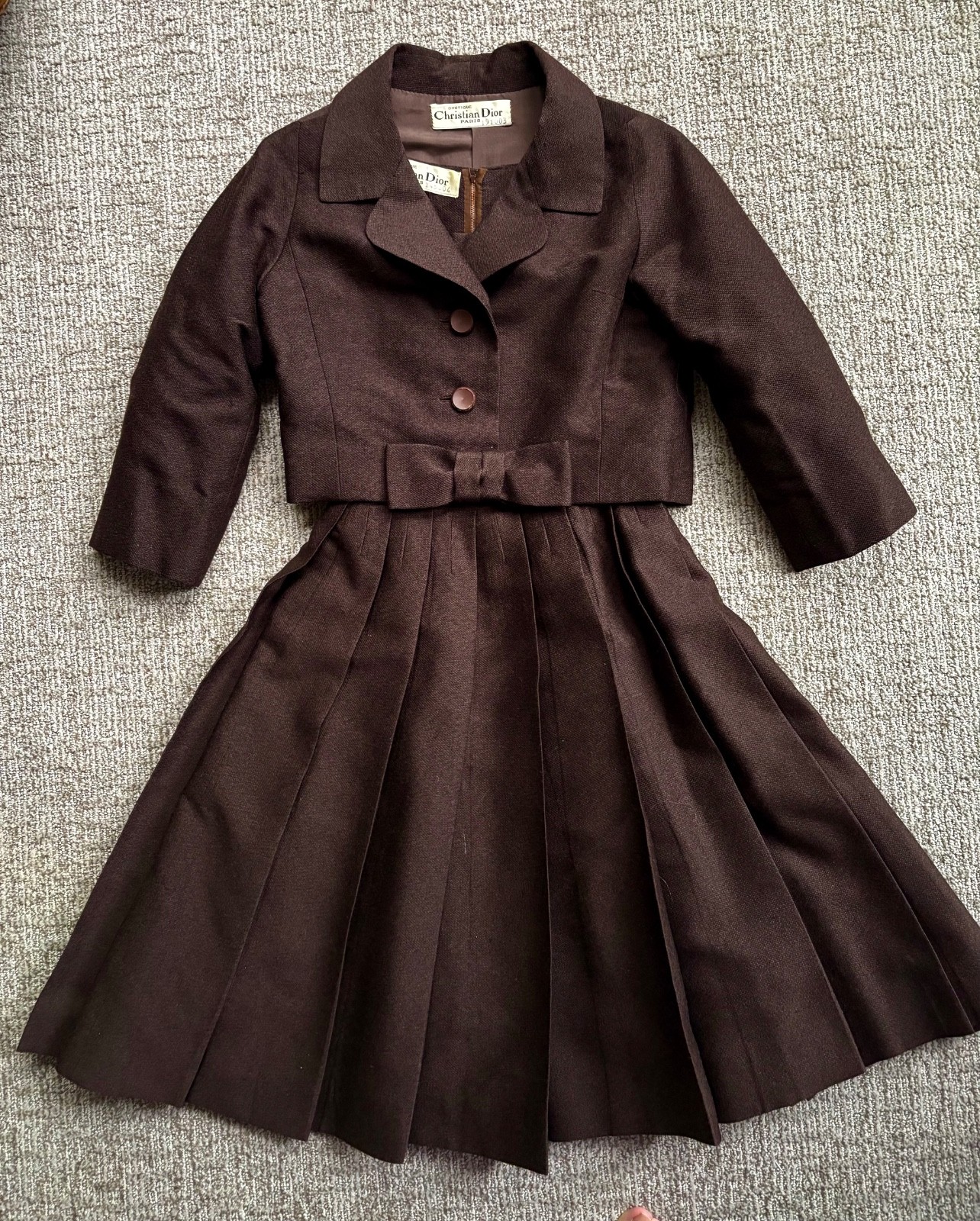
Dior
France · 1940s
The New Look & the Lady Dior
The New Look & the Lady Dior
Top piece
View →
Levi's
USA · 1850s
The 501 & Americana denim
The 501 & Americana denim
Top piece
View →
Arne Jacobsen
Denmark · 1950s
The Egg & the Series 7 — chairs turned into quiet sculpture.
The Egg & the Series 7 — chairs turned into quiet sculpture.
Top piece
View →
Børge Mogensen
Denmark · 1940s
The Spanish chair — honest, functional furniture for everyday life.
The Spanish chair — honest, functional furniture for everyday life.
Top piece
View →
Continue the edit
Further stories from the same world
Three more walks through the same vintage universe.
Berlin's Coat Culture: Wearing History on Your Sleeve
A woman in a 1960s tweed coat, shoulders squared against the wind, strides past the brutalist concrete of the Neue Nationalgalerie. She's not just dressed for the weather.
Read the story →Trench Coat Hunting in Milan
- Cavalli e Nastri (Via Brera 2) — the archive shop — Prada, Ferragamo, Versace, from around 20 euros. This is a treasure cave.
Read the story →The Vintage Coat Guide for Amsterdam
You're not walking from a chauffeur-driven car to a revolving door. You're cycling against a headwind, then locking your bike to a bridge and walking into a cafe.
Read the story →