
 Sign in
◫ Home & Objects · Amsterdam
Mid-Century Furniture Hunting in Amsterdam
That's why a well-chosen piece of vintage furniture fits right in. It's not about showing off; it's about living well.
 By Louis Trash·
Why Furniture Matters Now
Mid-century furniture survives because it was made from solid wood by people who expected it to be repaired. A teak sideboard from 1962 will outlive anything flat-packed, and it already has the patina.
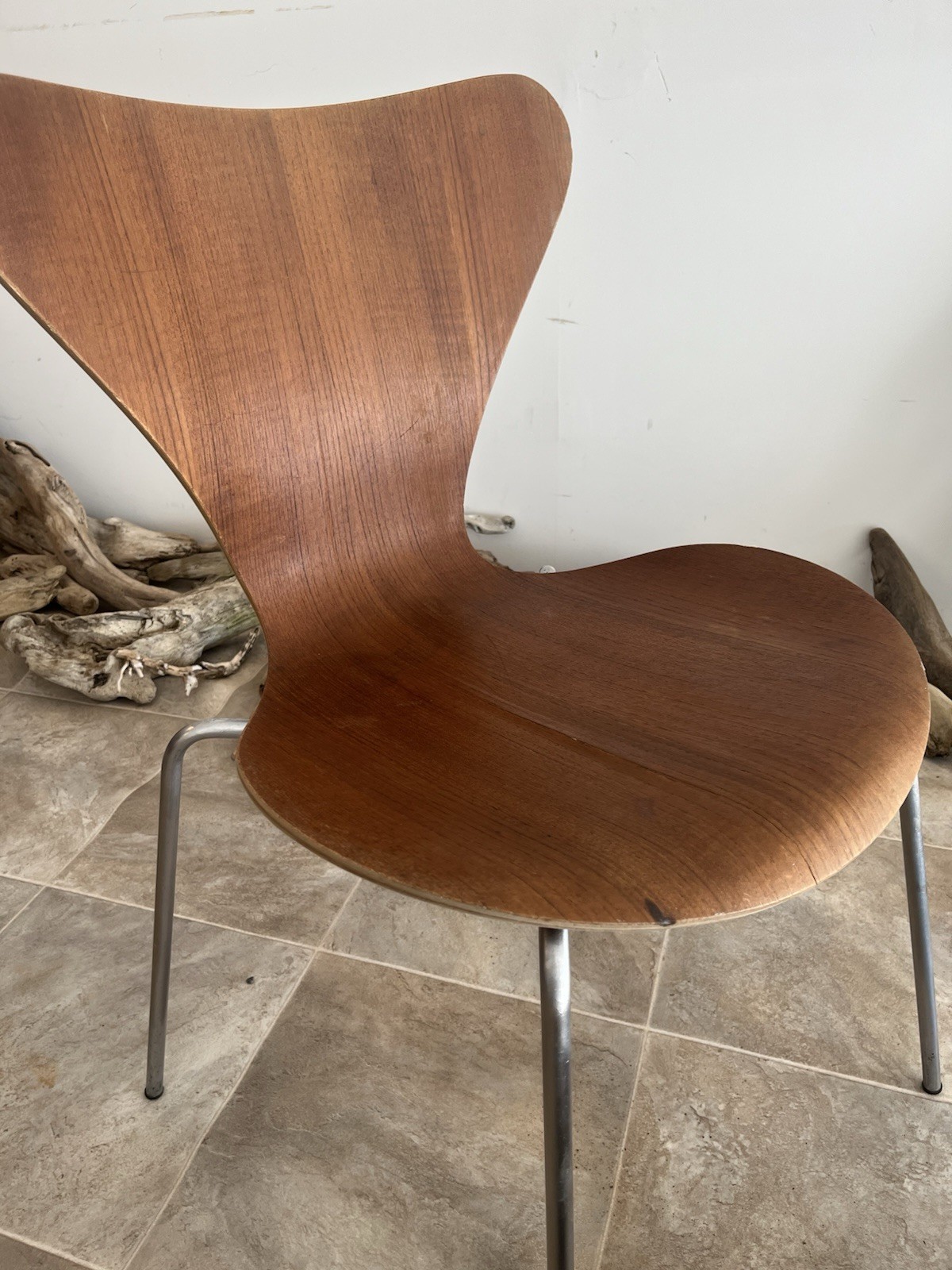
That's why a well-chosen piece of vintage furniture fits right in. It's not about showing off; it's about living well. A Danish credenza with brass details can anchor a room the way a good wool coat anchors an outfit. It has weight, history, and a quiet confidence that flat-pack simply can't fake.
How to Wear It
One strong vintage piece in a plain room does more than a whole matching set. Think of it as the statement necklace of your living space. A sculptural teak chair against a white wall, or a rosewood sideboard in a room with light floors. That's the look.
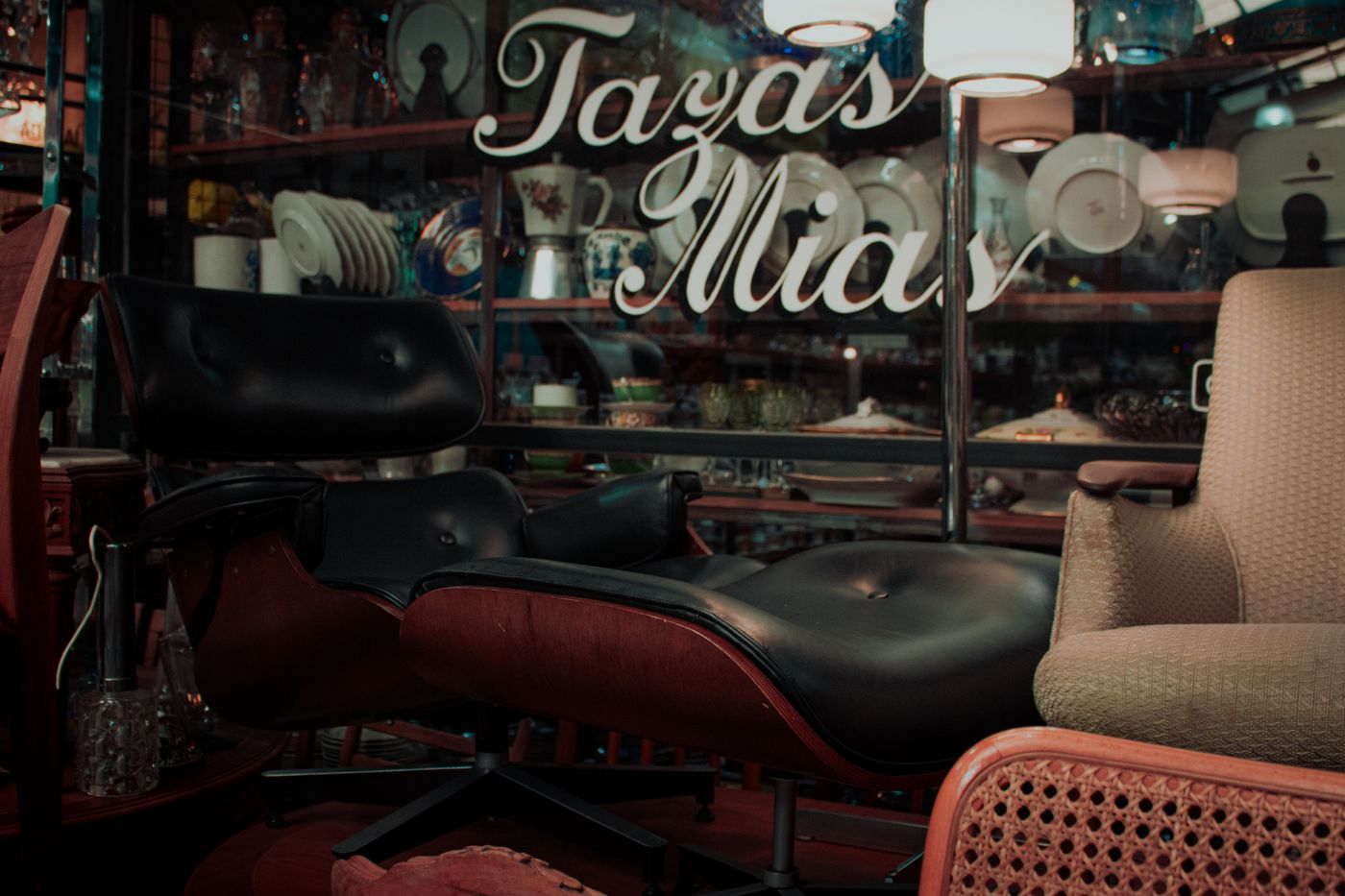
Foto: Mariano Di Luch · Pexels
Mix eras deliberately. A 1950s Danish armchair next to a simple modern table works because the lines complement each other. Don't try to recreate a full period room; that's a museum, not a home. The goal is to have furniture that looks like it has lived, not like it's been staged.
Do not over-restore. A soft oil finish beats a fresh coat of lacquer every time. You want the wear marks, the tiny scratches, the faded spots. They tell the story of a piece that has been used and loved. Sanding it down and re-polishing it might make it look new, but it also strips away its soul. Just feed the wood with a good oil, tighten loose screws, and let it be.
Where to Find Yours in Amsterdam
Amsterdam is a treasure hunt if you know where to look. Start at Episode De Pijp (Gerard Doustraat 63). It's big, busy, and honest. The racks are restocked most mornings, and prices start around 20 euros for smaller items. You'll find a mix of Dutch and Scandinavian pieces, some needing a little love, some ready to go. I once found a 1960s teak magazine rack there for 15 euros. It now holds my vinyl collection.
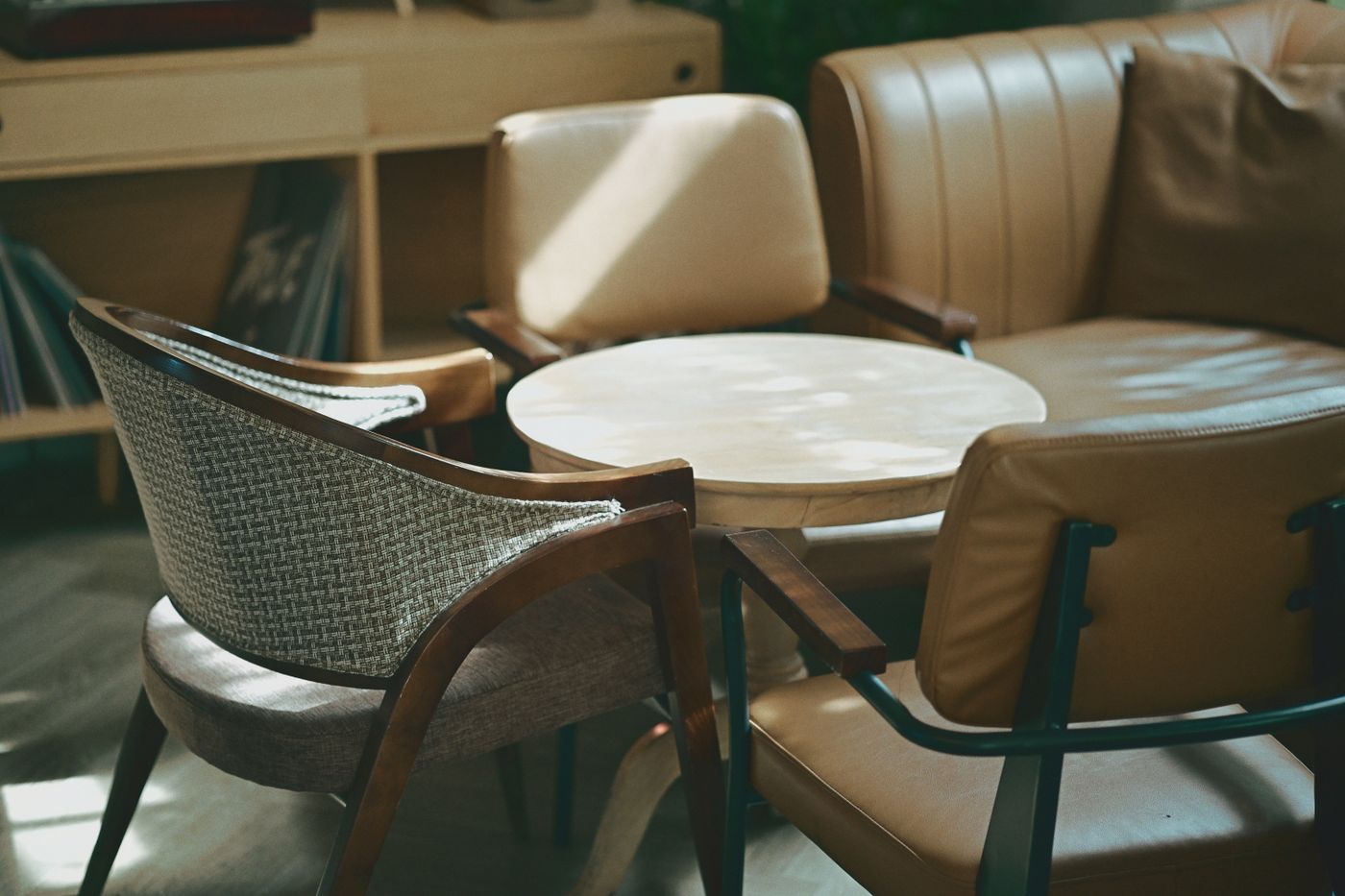
Foto: Việt Anh Nguyễn · Pexels
Head to Concrete Matter (Huidenstraat 13) for menswear with real provenance. The furniture is tucked at the back, and it's the good stuff. Expect to pay from 45 euros upwards, but the pieces are well-chosen and often have interesting histories. The owner knows his stuff and will happily tell you where a chair came from and who made it.
For curated designer pieces, visit Bij Ons Vintage (Nieuwezijds Voorburgwal 150). It's a small shop with a sharp eye. The prices start around 60 euros, but you're paying for quality and curation. Ask about the pieces behind the counter. That's where the real gems are. I once saw a set of six original Arne Jacobsen chairs there, still in their original upholstery. They were not cheap, but they were worth every cent.
If you want to dig and don't mind a crowd, hit Waterlooplein Market (Waterlooplein 2). It's unsorted, chaotic, and cheap. Go early, bring cash, and prepare to rummage. Prices start around 90 euros for furniture, but you can negotiate. I found a 1950s Dutch coffee table there for 80 euros. It needed a new leg, but the wood was solid teak. A little work, and it's a centrepiece.
The best time is a quiet weekday, when you can actually talk to the person who priced the rack. On Saturdays, it's a scrum. Tuesday mornings are my secret weapon.
What to Look For
Before you hand over cash, do a quick inspection. Pull out a drawer and look at the joints. Dovetails mean solid construction. Staples mean skip it. Dovetails interlock the wood. That's craftsmanship. Staples are a sign of mass production and cheap materials. Check underneath for a maker's stamp or a Danish Control mark. That little stamp tells you it's genuine Danish design, not a knock-off.
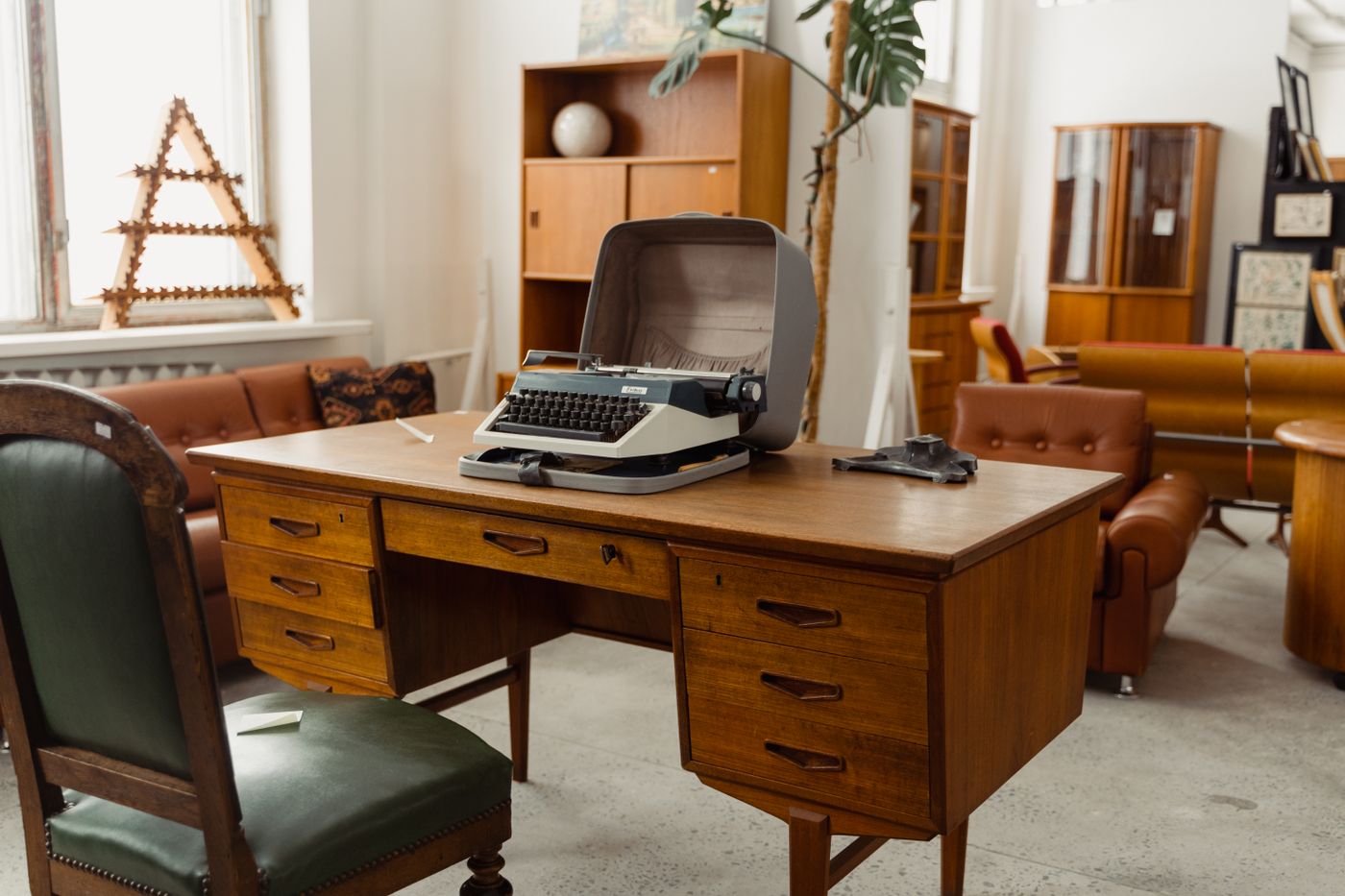
Foto: Tima Miroshnichenko · Pexels
Veneer lifting at the edges is a cheap repair. A warped or split top is not. Run your hand over the surface. If you feel bubbles under the veneer, walk away. If the top is warped, it's a nightmare to fix. You'd need to strip and re-glue the whole thing. Not worth it unless it's a rare piece.
Always sit in a chair before you commit. Old joints announce themselves quickly. Wobble, creak, shift. You'll feel it. If it's solid, it will feel solid. If it's not, you'll know in the first five seconds. And check the legs. They should be firmly attached, not wobbly.
Try it on and don't rush. If it still fits after you've sat down in it, it fits. A piece of vintage furniture that only works standing still is not going to survive your actual life. You need to live with it, not just look at it. So sit in that chair, open that drawer, run your hand over that table. Make sure it feels right. Because in Amsterdam, where the wind blows and the bikes lean, your furniture needs to be as sturdy as your style.
 ◫ The Edit
One to watch
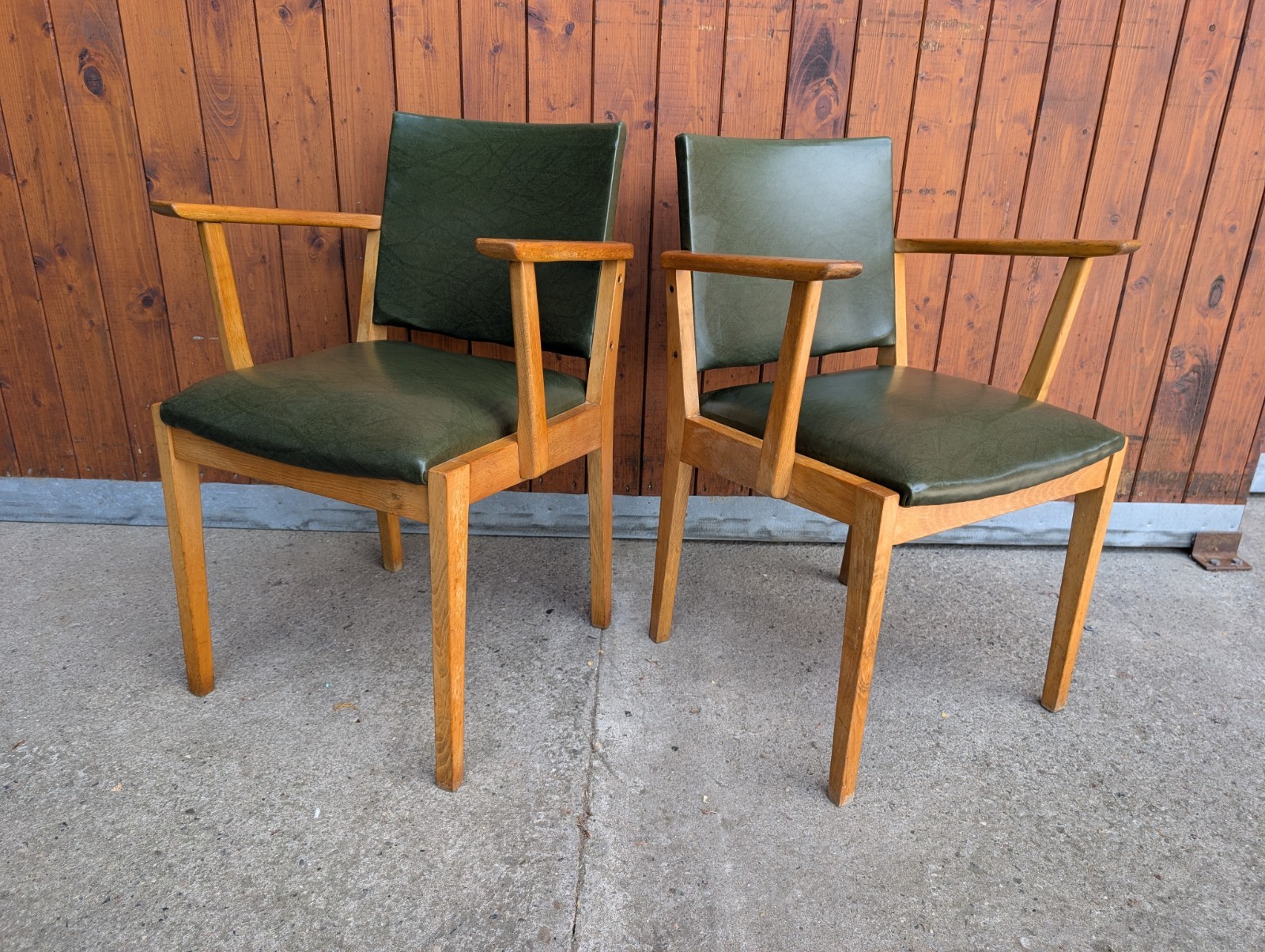
60s Vintage Lounge Chair Danish Armchair Mid Century Modern Original Wood, Green
Old furniture was built before flat-pack, with joinery and solid wood you can still smell. This honestly worn chair in green from the 1960s is the kind of piece that tells a story before you have said a word. It is the sort of thing you will still be glad you kept in twenty years.
On the market now
The names
Meet the designers
The minds behind this story — each with a piece currently on the market.
Arne Jacobsen
Denmark · 1950s
The Egg & the Series 7 — chairs turned into quiet sculpture.
The Egg & the Series 7 — chairs turned into quiet sculpture.
Top piece
View →
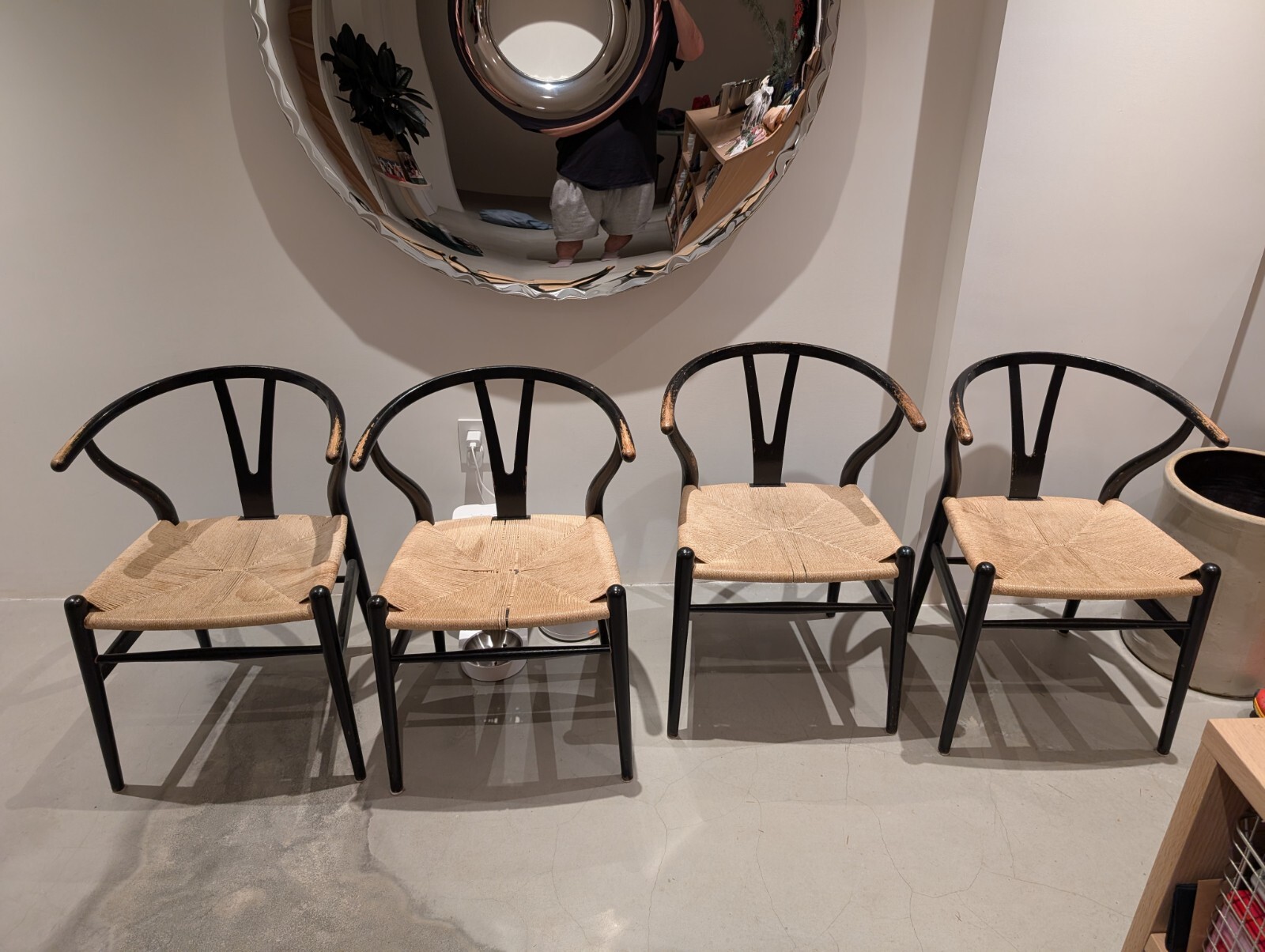
Hans J. Wegner
Denmark · 1940s
The Wishbone & 500 chairs — joinery so pure it needs no ornament.
The Wishbone & 500 chairs — joinery so pure it needs no ornament.
Top piece
View →
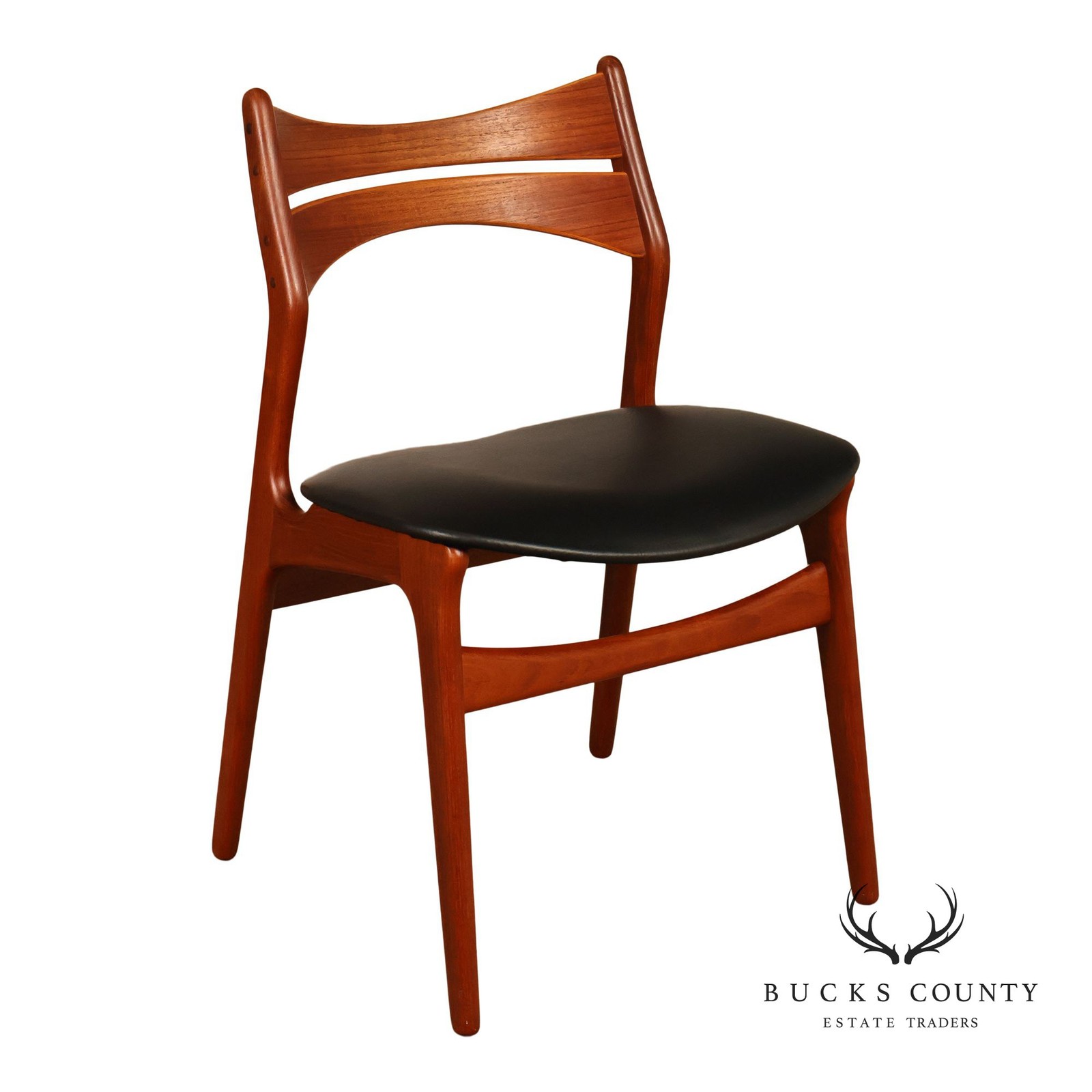
Børge Mogensen
Denmark · 1940s
The Spanish chair — honest, functional furniture for everyday life.
The Spanish chair — honest, functional furniture for everyday life.
Top piece
View →
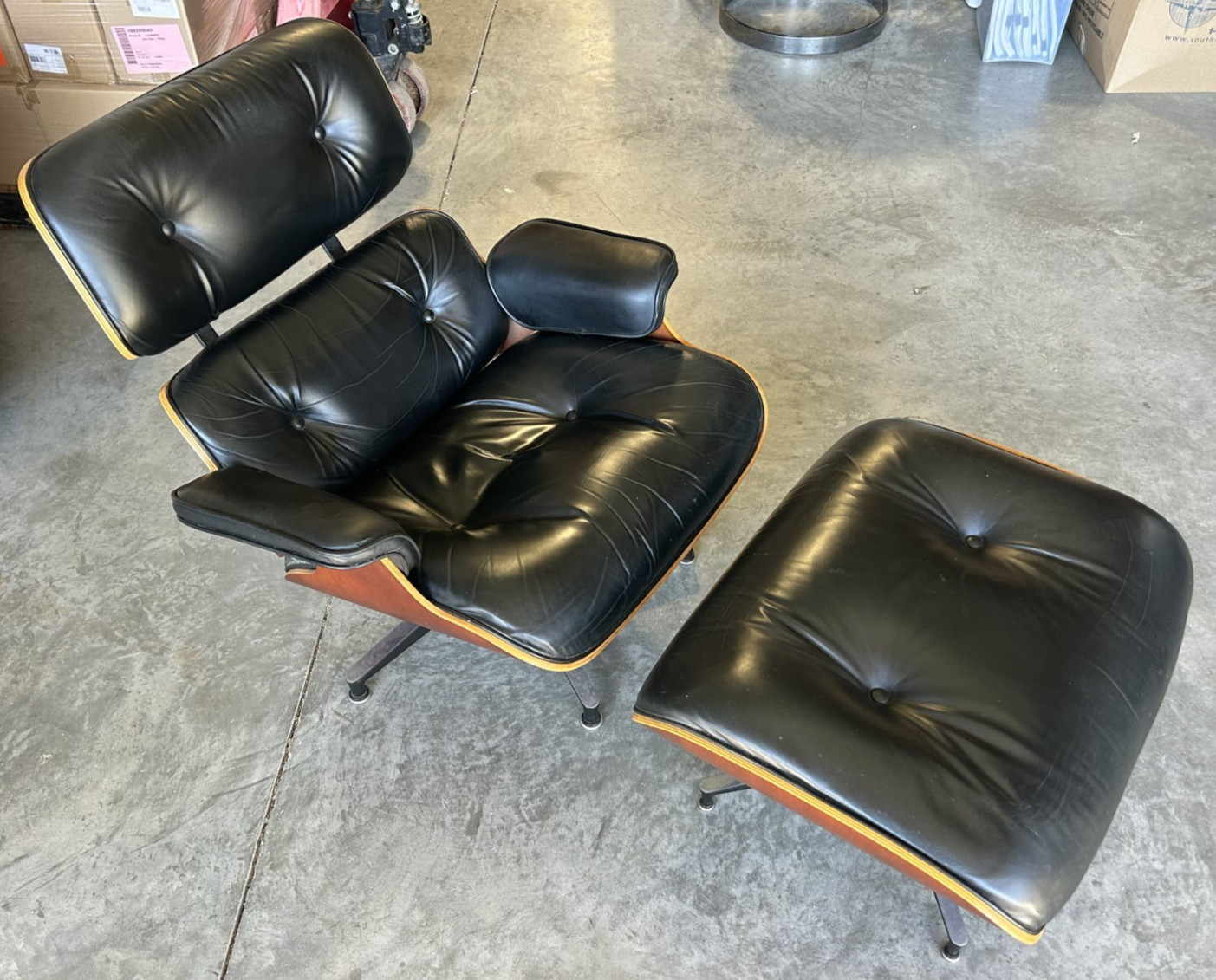
Charles & Ray Eames
USA · 1940s
Moulded plywood & the Lounge Chair — the couple who made modern furniture feel human.
Moulded plywood & the Lounge Chair — the couple who made modern furniture feel human.
Top piece
View →
Continue the edit
Further stories from the same world
Three more walks through the same vintage universe.
Berlin's Vintage Furniture: A Guide to Living With the Past
In Berlin, vintage furniture is more than a trend. It's a way to live with history. The city's past is layered, and its flea markets and second-hand shops are time machines.
Read the story →Styling One Old Piece in New York
I have watched a woman in SoHo negotiate the price of a 1950s Danish armchair while her driver double-parked outside.
Read the story →Where to Find Real Wood in Barcelona
One strong vintage piece in a plain room does more than a whole matching set. A single rosewood desk against a white wall changes the entire temperature of the room.
Read the story →