
 Sign in
◫ Home & Objects · Milan
The Vintage Furniture Guide for Milan
Milan's relationship with furniture is not about trends. It is about the fact that a Gio Ponti chair from 1957 was built by a craftsman who expected his grandson to repai…
 By Louis Trash·
Why Furniture Matters Now
Mid-century furniture survives because it was made from solid wood by people who expected it to be repaired. A teak sideboard from 1962 will outlive anything flat-packed, and it already has the patina. My own dining table is a 1960s Italian rosewood piece, bought in a Milan flea market for €220. It has a scar from a hot pan, a white ring from a wet glass, and a drawer that sticks in August. I would not trade it for a brand-new designer table. The scar is a story, the ring a reminder, the stick a quirk. That is what Milan understands better than any other city: a slightly worn Italian label still outranks anything new.
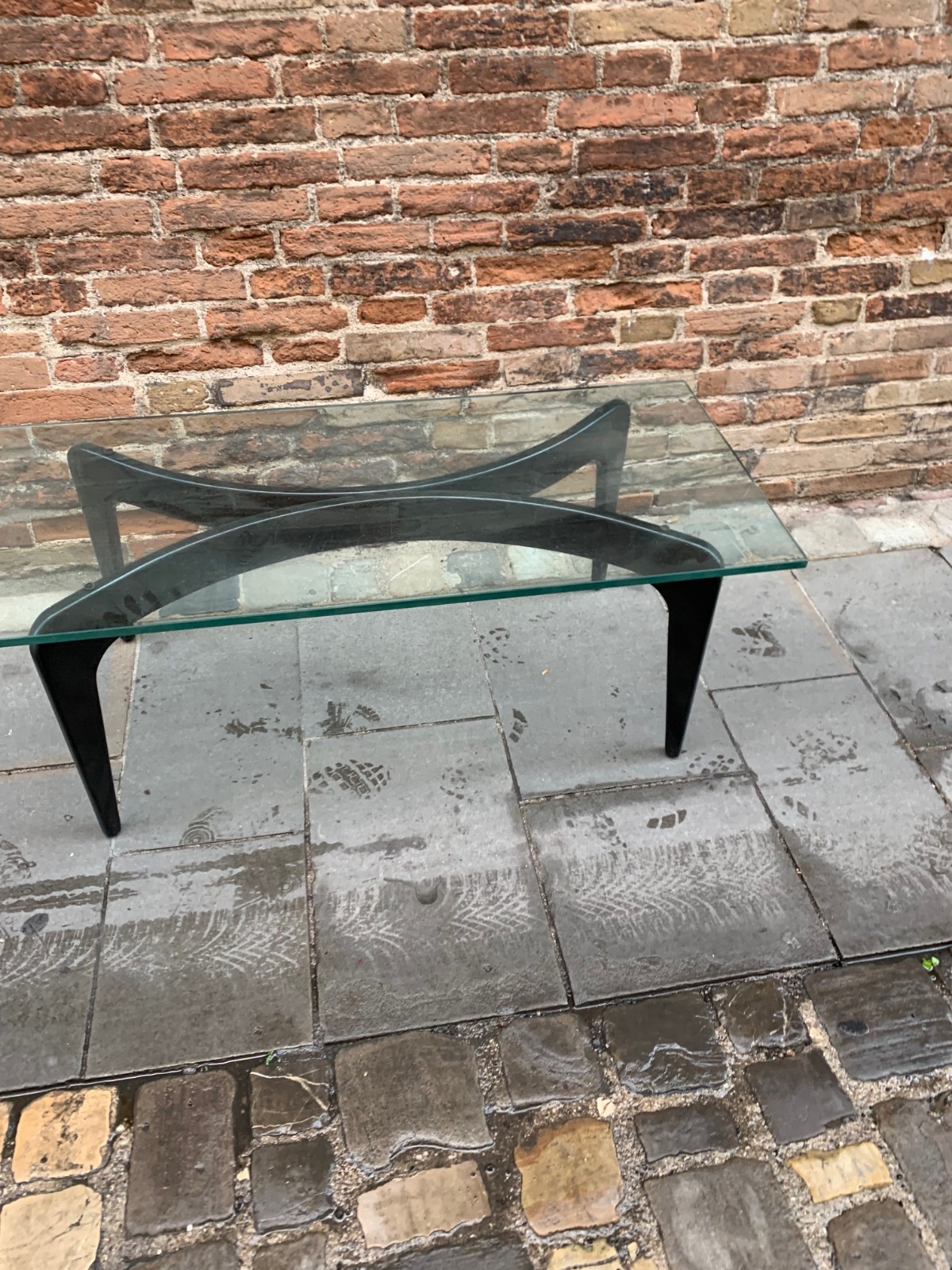
Milan's relationship with furniture is not about trends. It is about the fact that a Gio Ponti chair from 1957 was built by a craftsman who expected his grandson to repair it. The wood was seasoned for years, the joints cut by hand, the finish applied in thin layers. When you buy a piece like that, you are not buying furniture. You are buying time, and time is the most luxurious material of all.
How to Wear It
One strong vintage piece in a plain room does more than a whole matching set. A single sculptural chair, a sideboard with a story, a lamp that throws shadows like a Giacometti drawing. That is the Milanese way. The city's best interiors are not museums. They are lived-in rooms where a 1960s Cassina armchair sits opposite a flat-pack bookshelf, and the contrast makes both better.
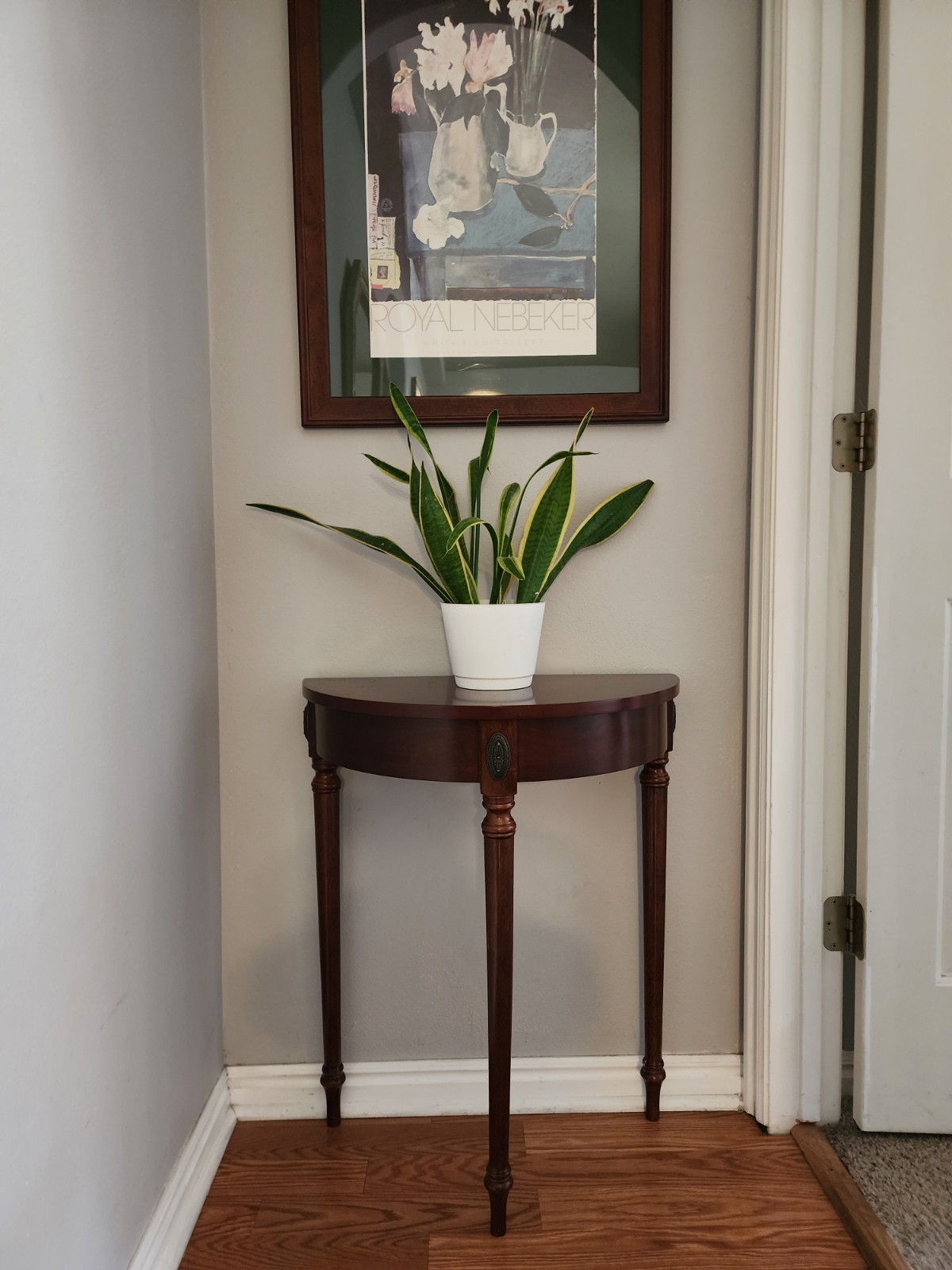
Mix eras deliberately. Put a brutalist concrete side table next to a soft velvet sofa. Hang a 1950s brass chandelier over a stark oak table. The trick is to keep the proportion right: one vintage statement per sightline, and let the rest be quiet. A room full of vintage is a costume party. A room with one vintage piece is a conversation.
Do not over-restore. A soft oil finish beats a fresh coat of lacquer every time. The patina is the proof of life. Sanding it away is like erasing the lines on a face. I once saw a dealer strip a 1960s teak cabinet down to bare wood and then spray it with polyurethane. It looked like a coffin. The next week, I found the same model, untouched, and paid half the price. The scratches were still there. So was the soul.
Where to Find Yours in Milan
Milan's vintage furniture scene is not hidden. It is scattered across the city, waiting for someone who knows what to look for. Start at Cavalli e Nastri (Via Brera 2), the archive shop. It is known for fashion, but the furniture corner is a goldmine. Prada, Ferragamo, Versace are the labels, and the prices start around €20. I once found a 1970s smoked-glass coffee table there for €35. It now holds my coffee cups and a stack of old Vogues.
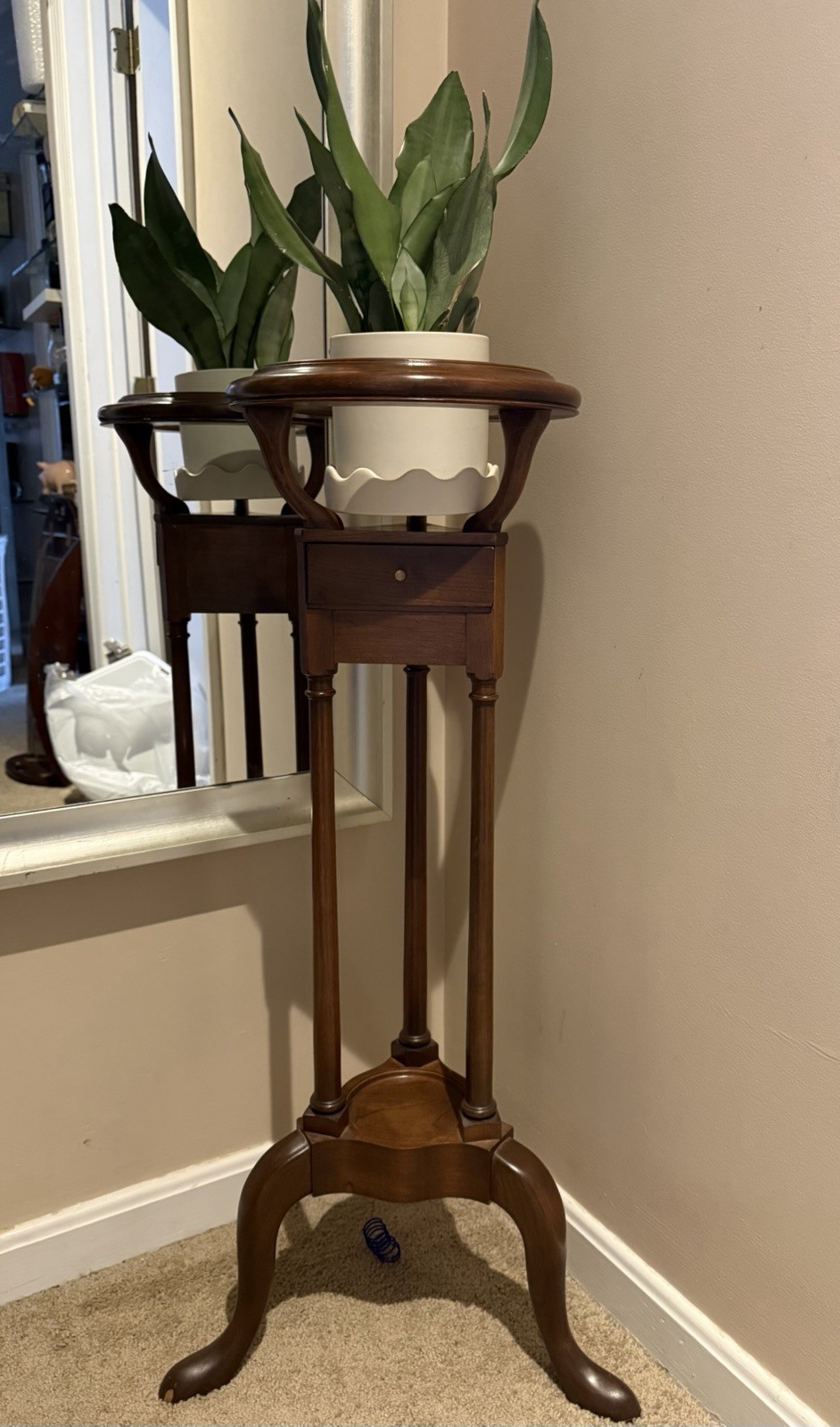
Humana Vintage (Via Cappellari 3) is the bargain rail. Everything is under €45, and the stock changes daily. It is a mess, but a beautiful mess. Go twice. The first pass is for the obvious pieces. The second is for the ones hiding behind the obvious. I once found a 1960s Italian walnut sideboard there for €40. It needed a new hinge, but the wood was solid, and the dovetails were perfect. A €5 hinge later, it was a €400 piece.
Bivio Milano (Via Colonnetta 5) is the curated middle ground. Refreshed weekly, it is where the city's stylists shop. Prices start around €60, and the selection is tight. You will not find a bargain, but you will find a piece that is ready to live in your home. The owner, a former set designer, knows every piece's history. Ask her about the 1960s Italian lamps. She will tell you the year, the designer, and the original showroom.
Madame Pauline Vintage (Foro Buonaparte 74) is the high-end. Appointment-friendly, it is where the serious collectors go. Prices start around €90 and climb into the thousands. It is not for the faint of heart, but it is for the serious eye. I once saw a 1950s Franco Albini bookshelf there. It was priced at €2,200. I did not buy it, but I touched it, and I still remember the feel of the wood. That is what this place does. It makes you remember.
The best time is a quiet weekday, when you can actually talk to the person who priced the rack. Saturday is for tourists. Tuesday is for the people who know.
What to Look For
Pull out a drawer and look at the joints. Dovetails mean solid construction. Staples mean skip it. The dovetail is a signal from the past: the maker expected this piece to last. The staple is a confession that it was never meant to survive.
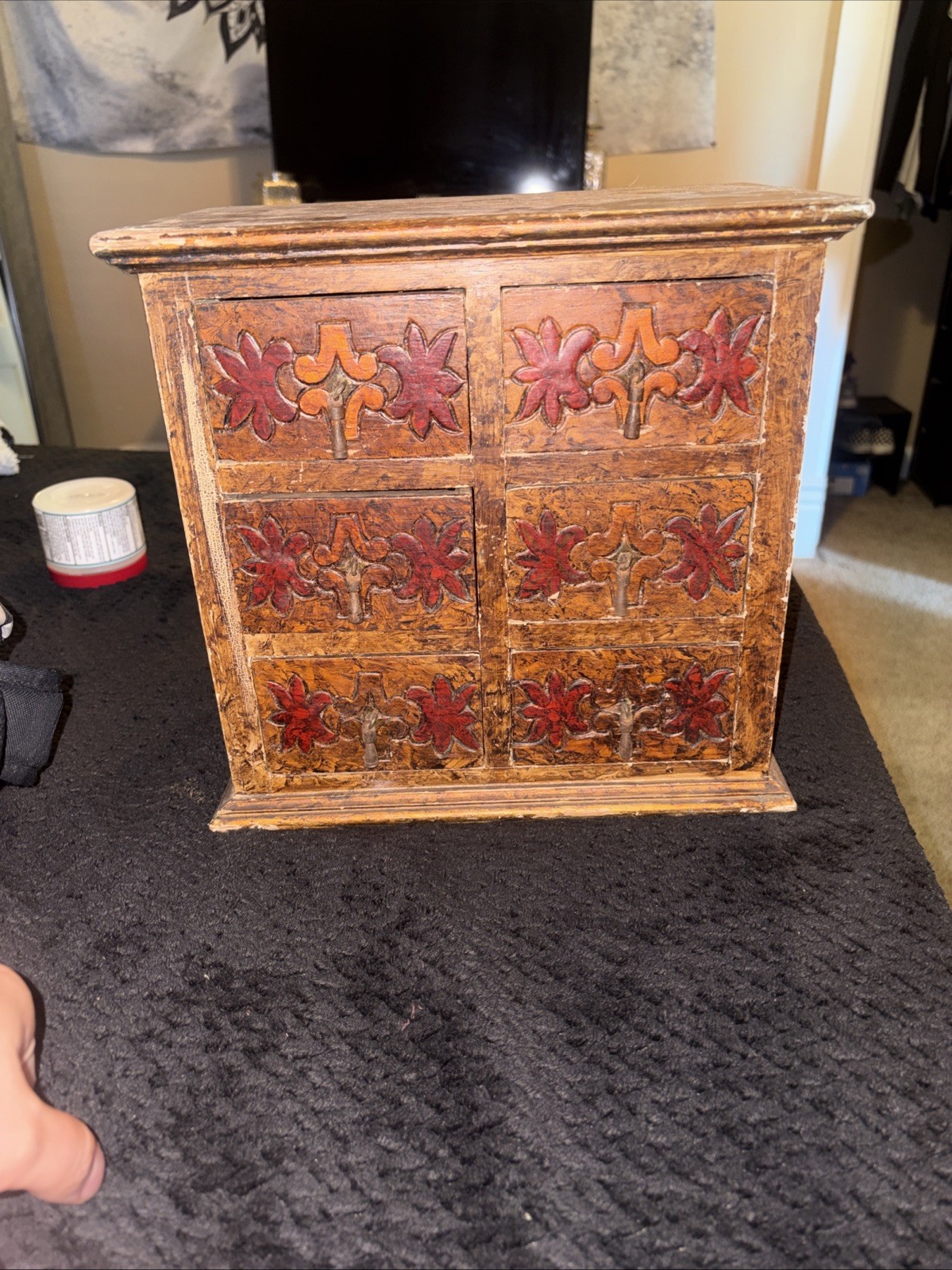
Check underneath for a maker's stamp or a Danish Control mark. The stamp is not just a name. It is a promise. A Danish Control mark means the wood was inspected, the joints were tested, and the piece was certified for export. It is the closest thing furniture has to a birth certificate.
Veneer lifting at the edges is a cheap repair. A warped or split top is not. Run your hand along the surface. If it feels like a wave, walk away. If it feels like a lake, stay.
Always sit in a chair before you commit. Old joints announce themselves quickly. You will feel a wobble, a creak, a shift. That is the chair telling you its truth. Listen to it. A chair that wobbles now will not stop wobbling later.
Try it on and don't rush. If it still fits after you've sat down in it, it fits. Walk around in it, sit down, open the drawers, close them, open them again. A piece of vintage furniture that only works standing still is not going to survive your actual life. Your life involves coffee spills, dropped keys, and the occasional nap on the sofa. The furniture has to be ready for that. The right piece will be. The wrong piece will not. Trust your hands. They know more than your eyes.
 ◫ The Edit
One to watch
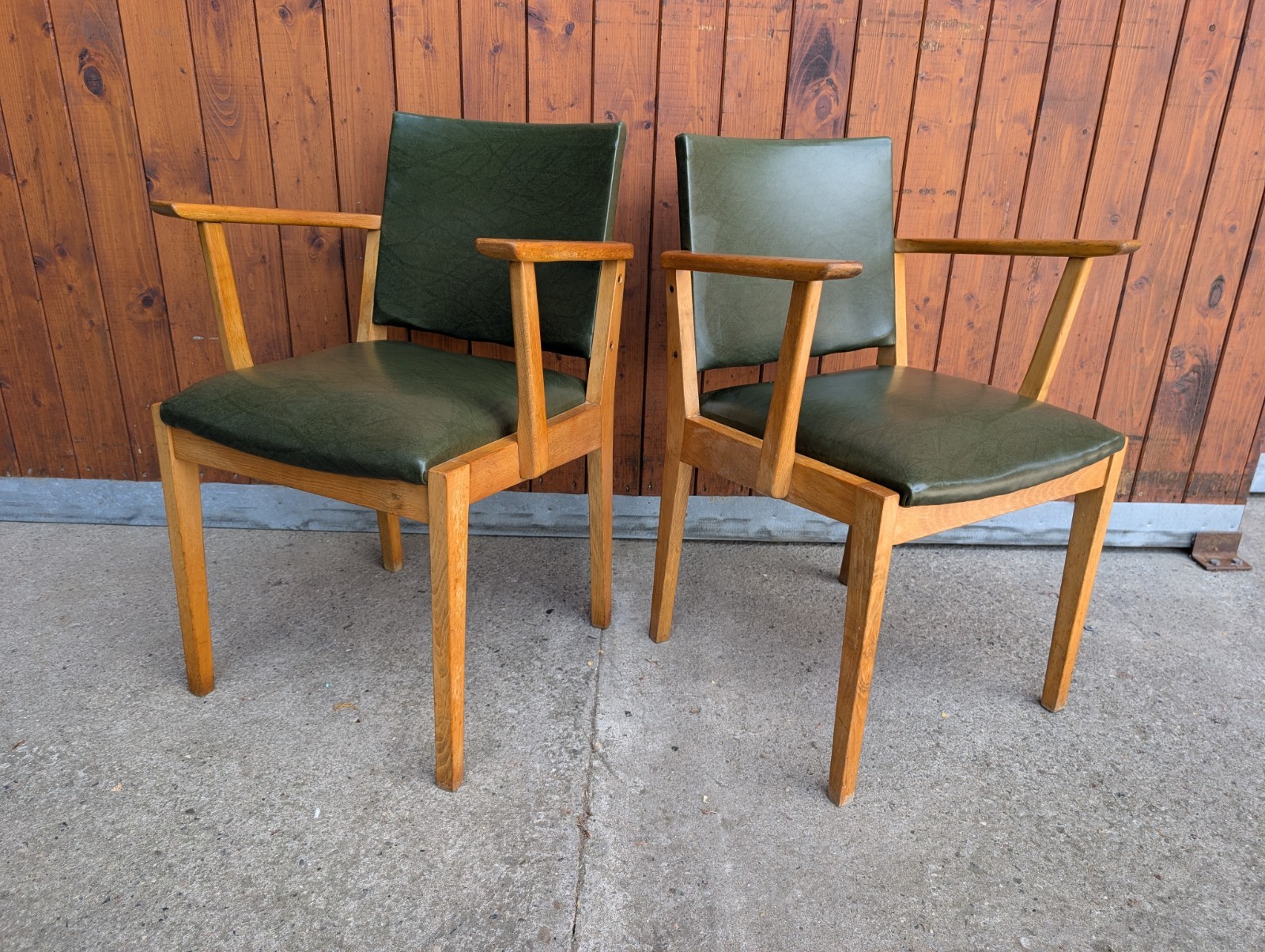
60s Vintage Lounge Chair Danish Armchair Mid Century Modern Original Wood, Green
Old furniture was built before flat-pack, with joinery and solid wood you can still smell. This honestly worn chair in green from the 1960s is the kind of piece that tells a story before you have said a word. It is the sort of thing you will still be glad you kept in twenty years.
On the market now
The names
Meet the designers
The minds behind this story — each with a piece currently on the market.
Børge Mogensen
Denmark · 1940s
The Spanish chair — honest, functional furniture for everyday life.
The Spanish chair — honest, functional furniture for everyday life.
Top piece
View →
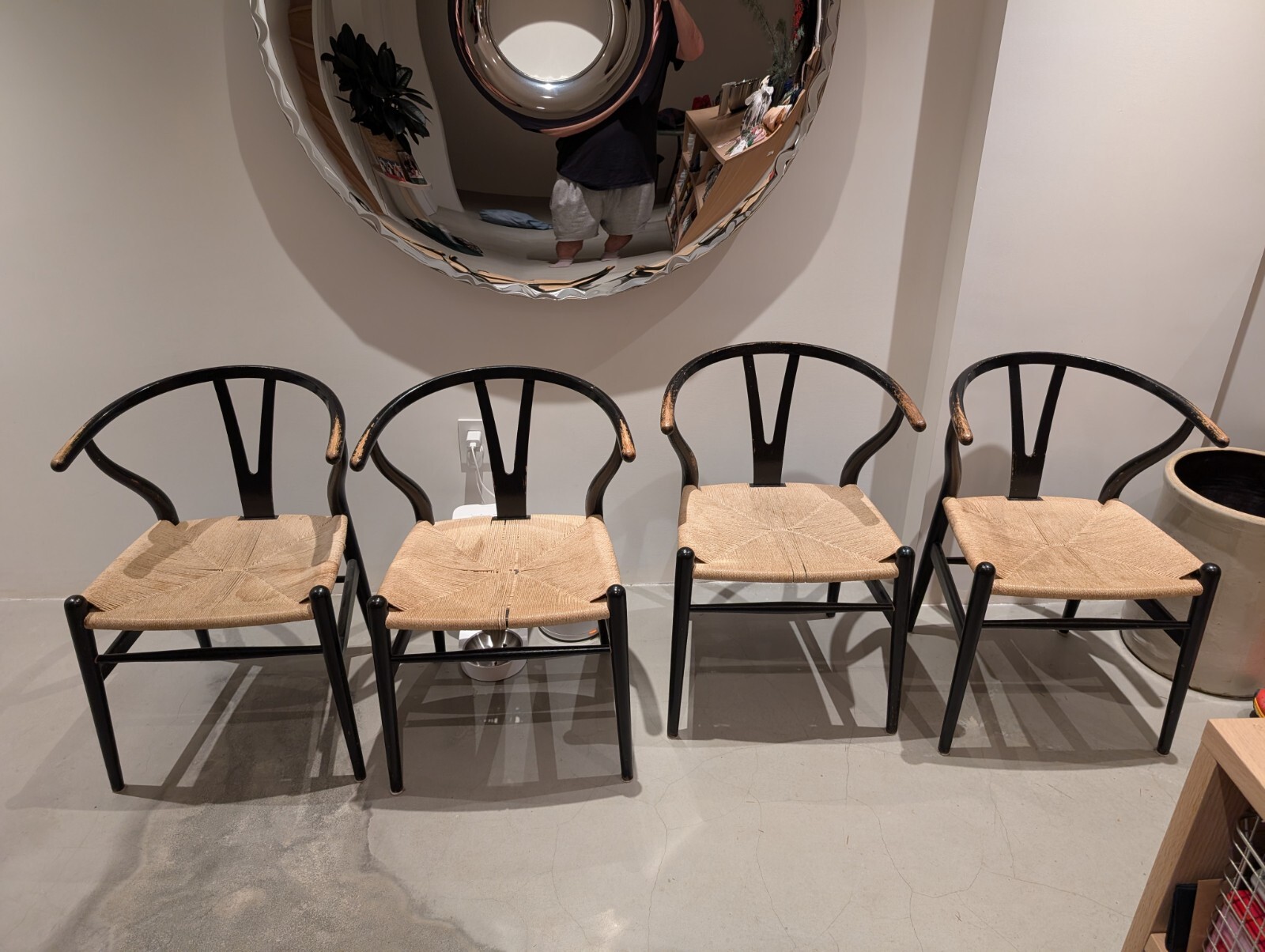
Hans J. Wegner
Denmark · 1940s
The Wishbone & 500 chairs — joinery so pure it needs no ornament.
The Wishbone & 500 chairs — joinery so pure it needs no ornament.
Top piece
View →
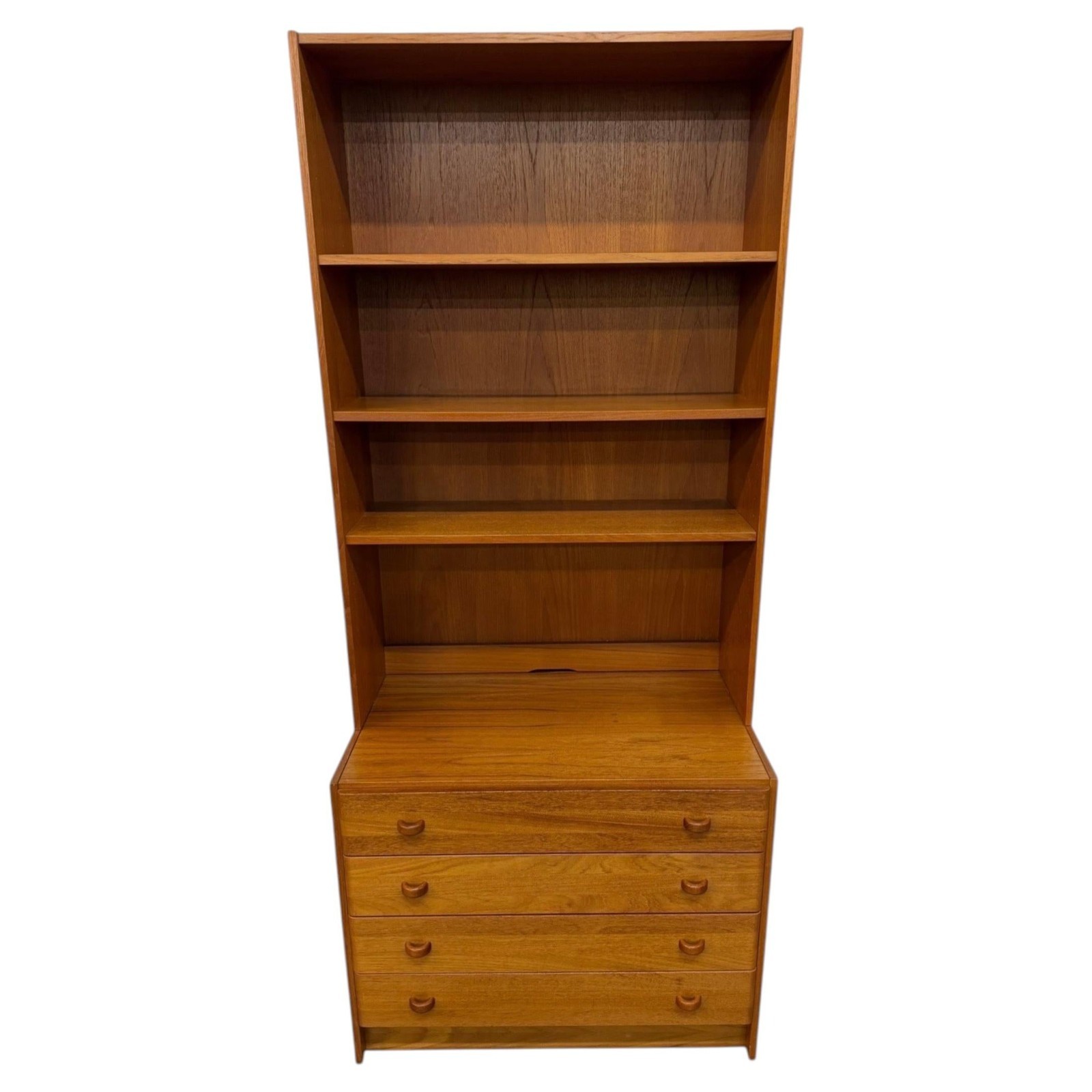
Arne Jacobsen
Denmark · 1950s
The Egg & the Series 7 — chairs turned into quiet sculpture.
The Egg & the Series 7 — chairs turned into quiet sculpture.
Top piece
View →
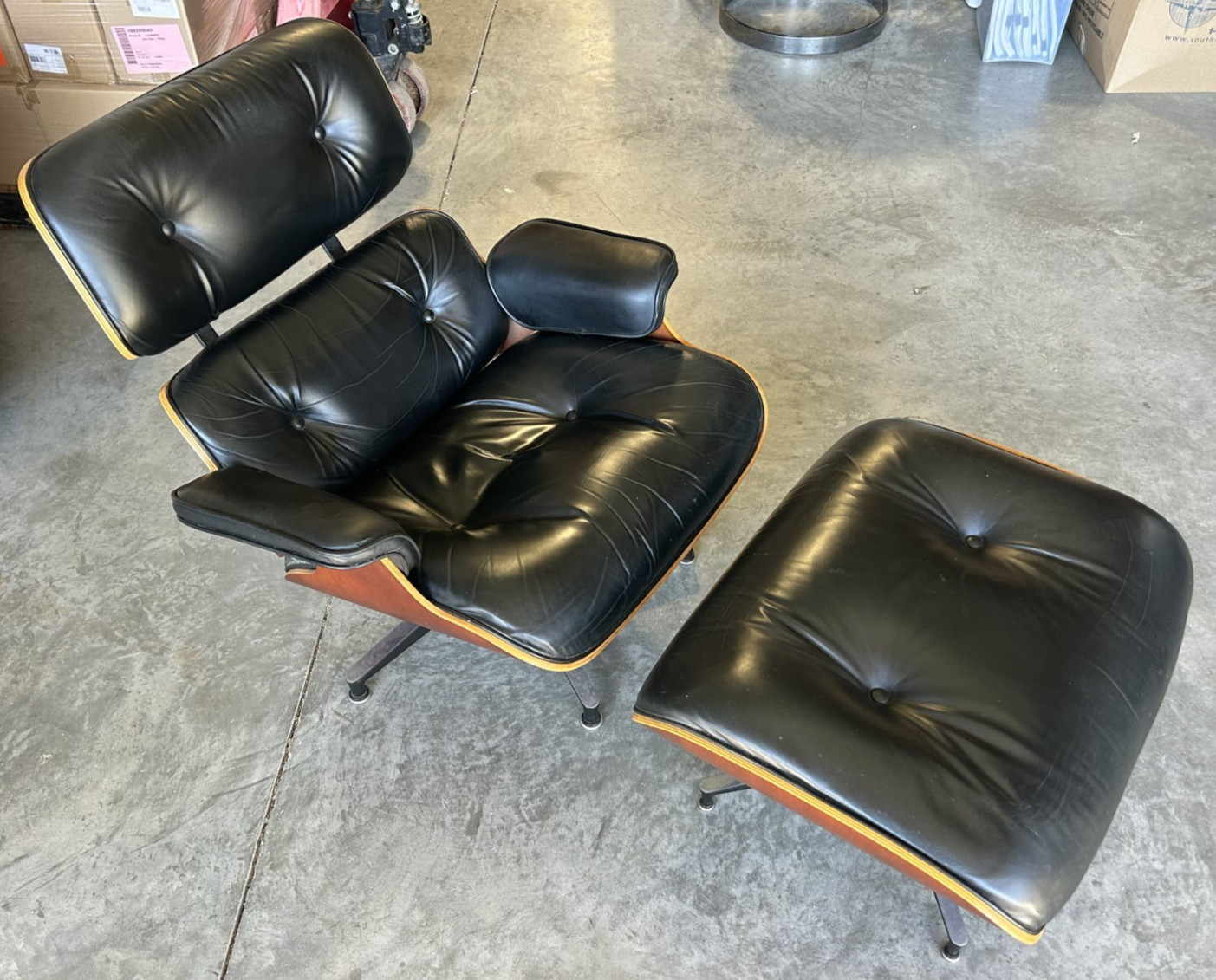
Charles & Ray Eames
USA · 1940s
Moulded plywood & the Lounge Chair — the couple who made modern furniture feel human.
Moulded plywood & the Lounge Chair — the couple who made modern furniture feel human.
Top piece
View →
Continue the edit
Further stories from the same world
Three more walks through the same vintage universe.
Berlin's Vintage Furniture: A Guide to Living With the Past
In Berlin, vintage furniture is more than a trend. It's a way to live with history. The city's past is layered, and its flea markets and second-hand shops are time machines.
Read the story →Where to Find Real Wood in Barcelona
One strong vintage piece in a plain room does more than a whole matching set. A single rosewood desk against a white wall changes the entire temperature of the room.
Read the story →Mid-Century Furniture Hunting in Amsterdam
That's why a well-chosen piece of vintage furniture fits right in. It's not about showing off; it's about living well.
Read the story →