
 Sign in
● The City Edition
Paris
Vintage Wedding Guest Outfits in Paris: A Buyer's Guide
Where to find vintage formal wear in Paris, with practical advice on checking fabric condition, navigating French sizing, and budgeting for alterations.
 By Louis Trash·

Photo by Sirisvisual on Unsplash
Finding a vintage wedding guest outfit in Paris requires bypassing the streetwear-heavy thrift bins and heading straight for boutiques that specialise in evening wear, tailoring, and pristine designer pieces. The city offers an excellent supply of 1970s silk dresses, sharp 1980s suits, and mid-century formal wear, provided you know which arrondissements to target and how to evaluate a delicate garment before committing to a purchase.
Where to buy formal vintage wear
Thanx God I'm a V.I.P. (10th Arrondissement)
Located on Rue de Lancry, this massive boutique is the most efficient stop for formal wear. The stock is meticulously colour-coded, which saves hours of searching if you are working to a specific wedding colour palette. They carry both womenswear and menswear, focusing heavily on the 1970s through to the early 2000s. You will find Yves Saint Laurent silk blouses, structured Thierry Mugler jackets, and fluid crepe dresses. Everything is dry-cleaned before hitting the shop floor, meaning you can often wear pieces straight away. Expect to pay between €150 and €400 for a dress or a blazer.
Rose Market Vintage (9th Arrondissement)
If you are looking for a classic, elevated guest outfit—such as a 1980s Celine silk midi dress or a 1970s printed Givenchy number—head to Rue Pierre Fontaine. Rose Market curates high-quality, ready-to-wear designer vintage. The owner is highly selective, so you will not have to dig through damaged stock. The selection leans heavily towards feminine, tailored silhouettes suitable for formal events. Prices generally sit between €200 and €600, depending on the designer and the era.
Chez Sarah at Marché aux Puces de Saint-Ouen
If you have a full day and want something older, take the Metro to Porte de Clignancourt and navigate to Marché Jules Vallès. Chez Sarah is an institution for antique and mid-century clothing. This is the place to find 1930s bias-cut gowns, 1950s structured taffeta dresses, and pristine lace pieces. Because the stock spans over a century, the fabrics require careful handling. Prices vary wildly depending on the provenance, but budget €150 to €500 for a mid-century formal dress.
Didier Ludot (1st Arrondissement)
For a black-tie wedding, Didier Ludot in the Palais Royal arcades is the absolute top tier. This is haute couture and high-end ready-to-wear. You will find flawless Chanel suits, Dior evening gowns, and Balenciaga coats. The pieces are museum-quality, and the prices reflect this, usually starting around €800 and climbing well into the thousands. It is strictly an investment-piece destination, but the garments are in immaculate condition.
Evaluating the fit and French sizing
Vintage sizing is entirely different from modern sizing, and vintage French sizing is notoriously small. A dress labelled as a vintage FR 40 will often fit like a modern UK 8 or 10. Do not rely on the tags. Bring a soft measuring tape and know your exact measurements for your bust, waist, and hips.
When trying on a formal dress or suit, sit down in it. Vintage fabrics, especially silk and taffeta, do not have elastane. If a garment is tight across the hips or ribs when standing, the seams will be under severe stress when you sit during a wedding breakfast. Parisian boutique owners can be strict about trying on delicate items; always ask before taking a silk dress into the fitting room, and remove any makeup or heavy jewellery first to avoid snagging the fabric.
Checking the condition of formal fabrics
Wedding guest outfits are usually made from delicate materials like silk, chiffon, crepe, and velvet. These require a thorough inspection before you buy.
Check the underarms first. Silk is highly susceptible to sweat damage, which weakens the fibres and causes them to shatter. Hold the underarm area up to the light to check for thinning, discolouration, or ring marks. If the fabric feels brittle or makes a crisp rustling sound when it shouldn't, leave it on the rack.
Examine the stress points: the base of the zip, the armholes, and the waist seam. Look for tiny holes or pulled threads where the fabric has been stretched. On heavily beaded or sequinned 1980s dresses, check the hem and the cuffs to see if the thread holding the embellishments is unravelling. A few missing beads are normal, but a loose thread can cause an entire panel to shed. Finally, test the zip. Old metal zips can stick, but if teeth are missing, the zip will need entirely replacing.
Factoring in dry cleaning and alterations
Always assume a vintage formal piece will need professional cleaning and minor tailoring to look perfect for a wedding.
If you buy a piece that has not been recently cleaned, you will need to take it to a specialist dry cleaner. In Paris, a standard dry cleaner (a pressing) will charge around €15 to €30 to clean a silk dress. If the dress has complex pleating or heavy stains, this cost will rise. Be aware that some old stains, particularly yellowed sweat marks or oxidised perfume on silk, are permanent. If a shop owner tells you a dark yellow stain will wash out, assume it will not.
Tailoring is the secret to making a vintage outfit look intentional rather than poorly fitted. Taking up a hem on a chiffon or silk dress is a delicate job, usually costing between €30 and €50 at a local tailor. Taking in a lined bodice or adjusting the shoulders on a vintage blazer is more complex and will cost upwards of €50 to €80. Note that altering a 1930s bias-cut dress is incredibly difficult and often ruins the drape; only buy bias-cut pieces if they already fit perfectly. For standard dresses, check the seam allowance before buying; if a dress is slightly too small, look inside the seams to see if there is enough extra fabric to let it out.
Find more focused shopping routes and practical advice on our Paris city page.
Sourced from the region
Found in Paris
Pieces on the market from sellers in and around Paris.
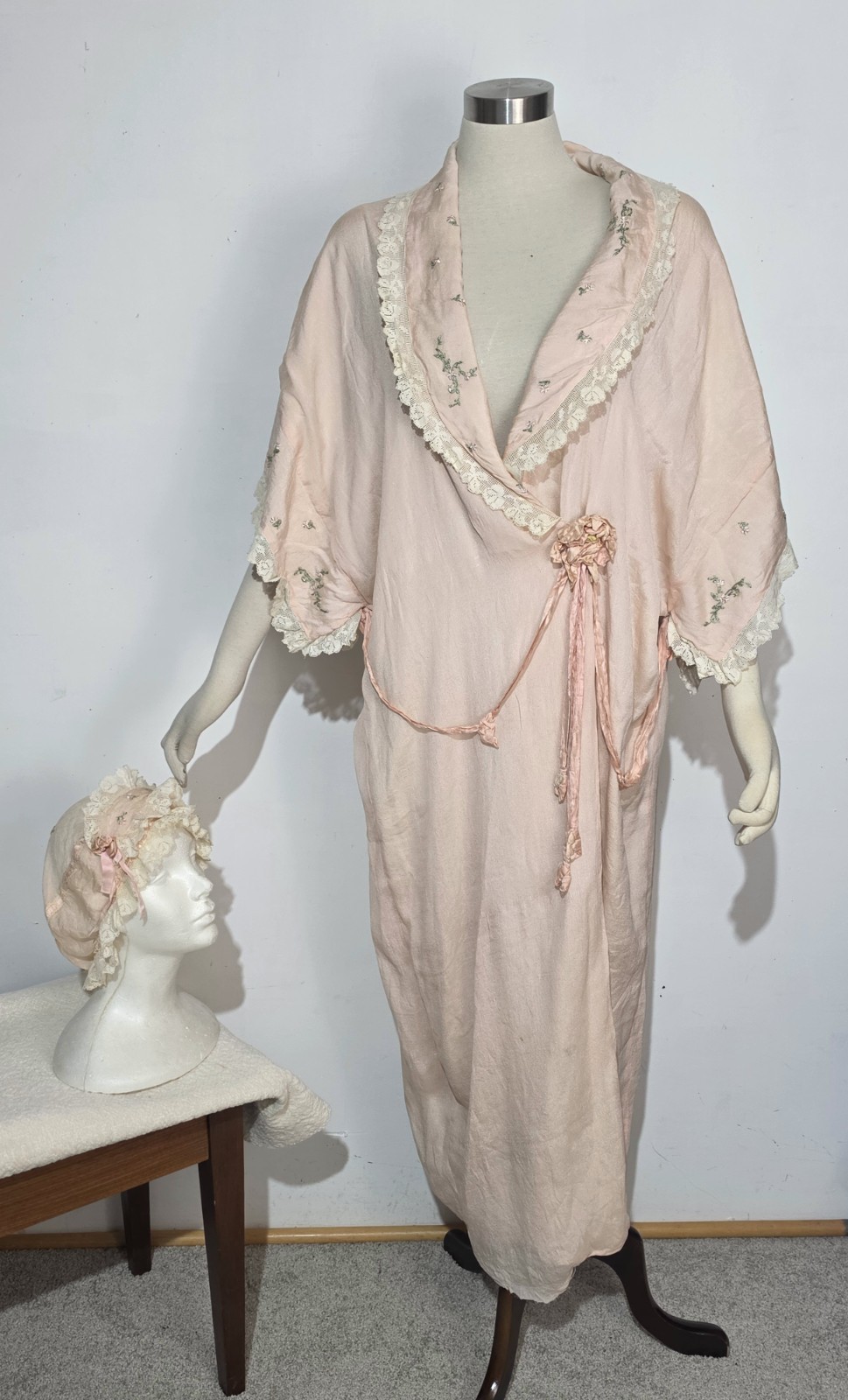
dresses
Antique 1920s Silk Dressing Gown Peignoir Robe + Boudoir Bed Cap Lace Embroidery
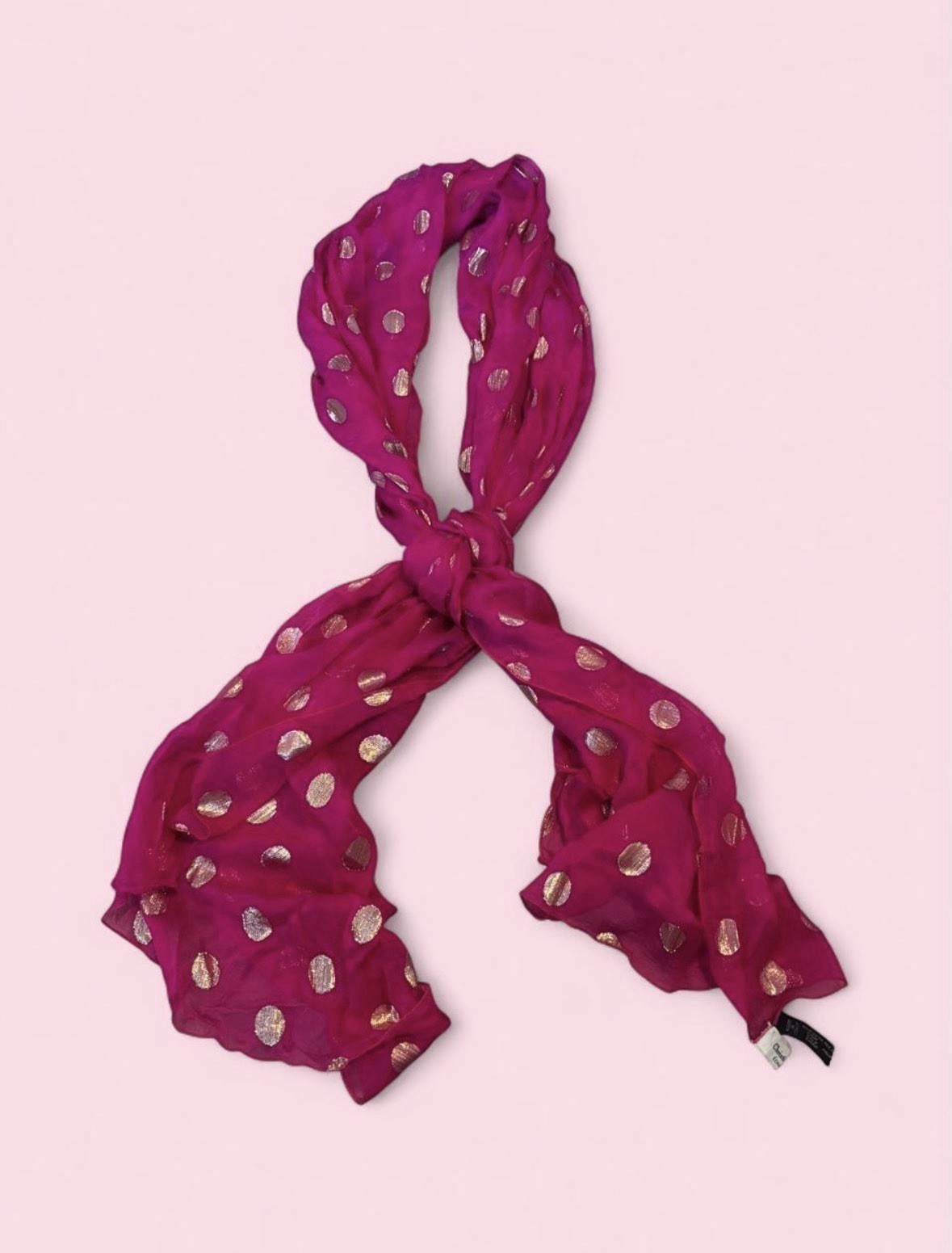
zijde-sjaals
Christian Dior Écharpes Pink & Gold Metallic Polka Dot Silk Vintage Scarf
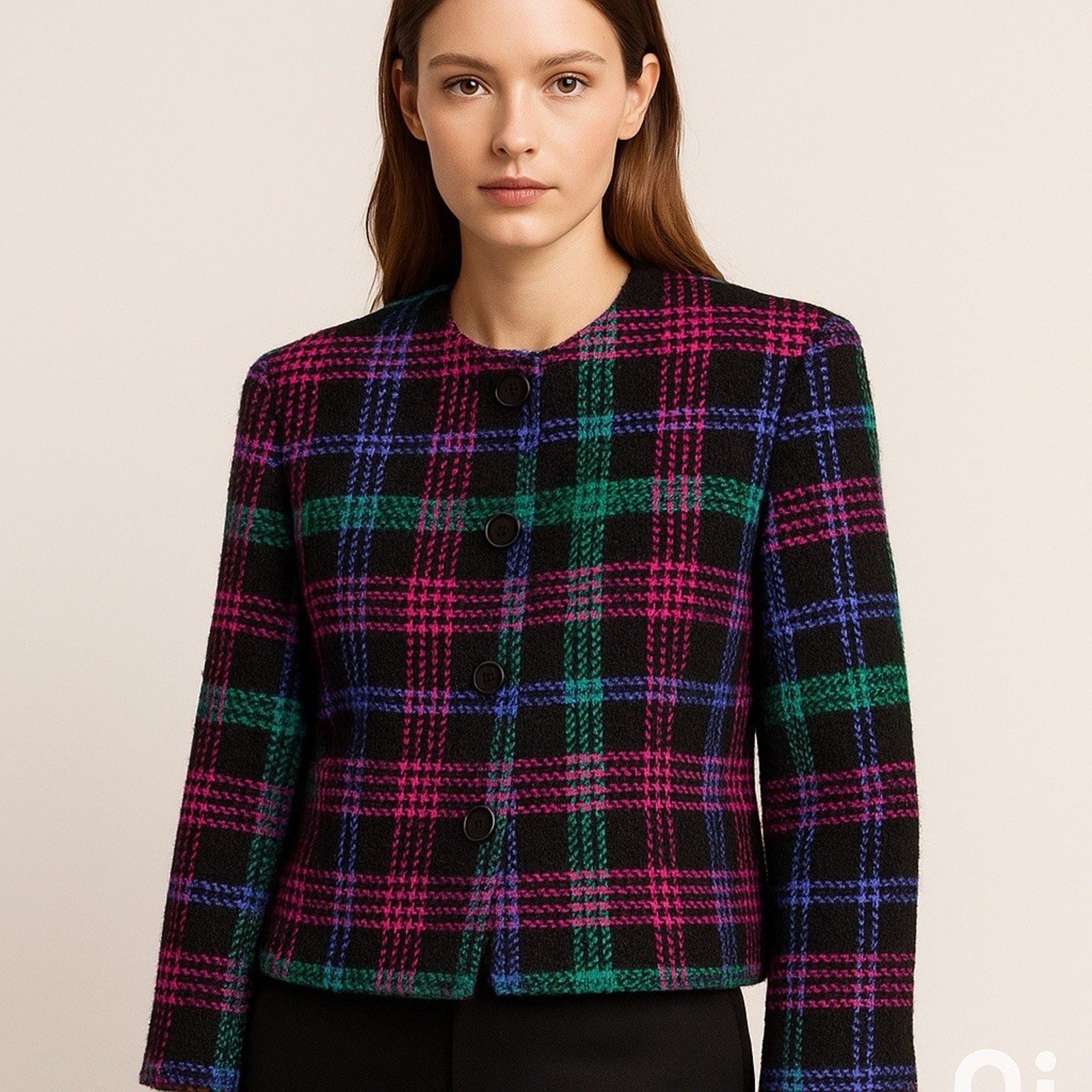
blazers
CELINE Paris Vintage Plaid Wool Coat made in France Rarw 80's 90's Runway Era
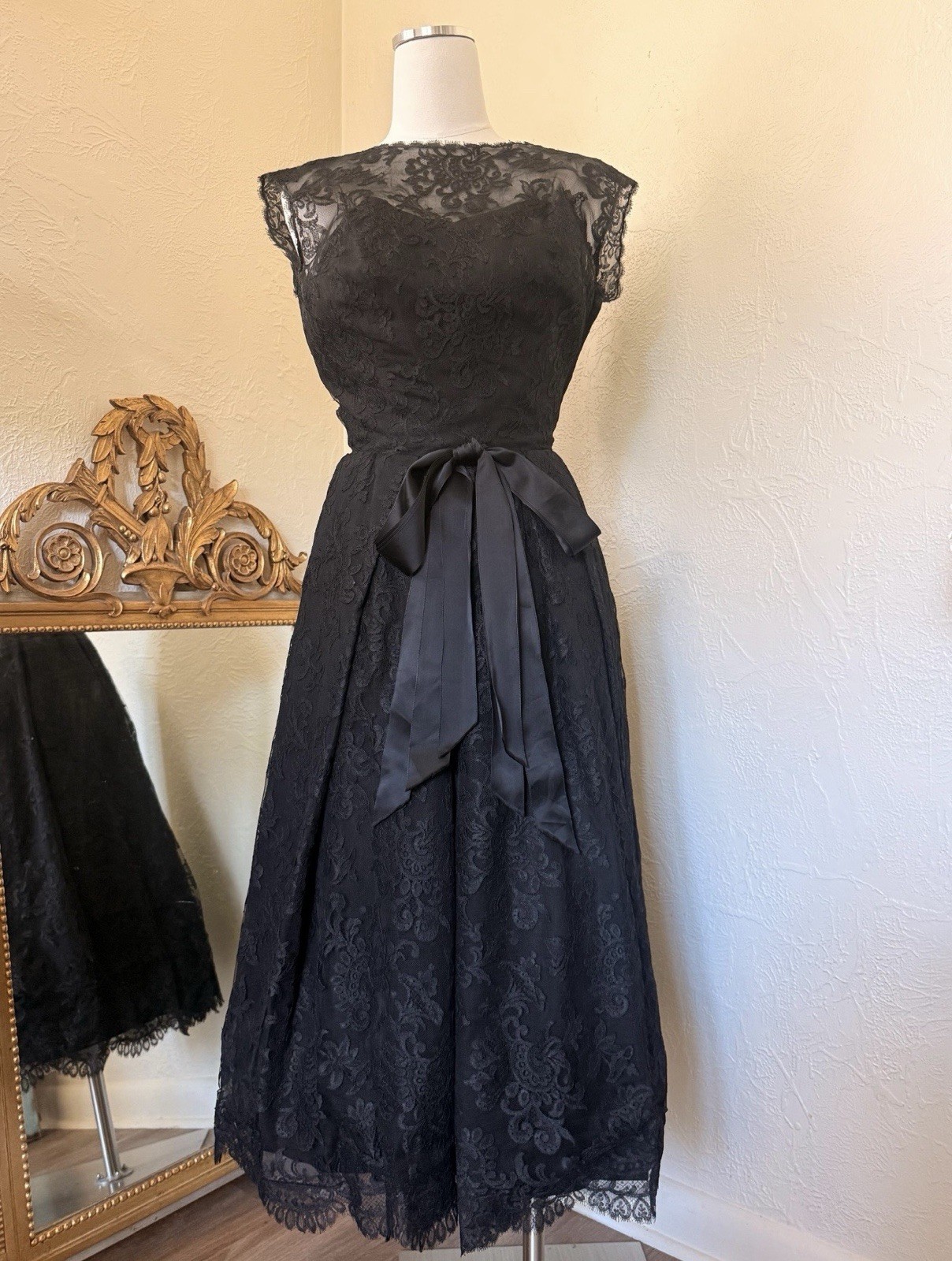
dresses
Vintage 50s Givenchy Universite Black Chantilly Lace Cocktail Dress - Rare
zijde-sjaals
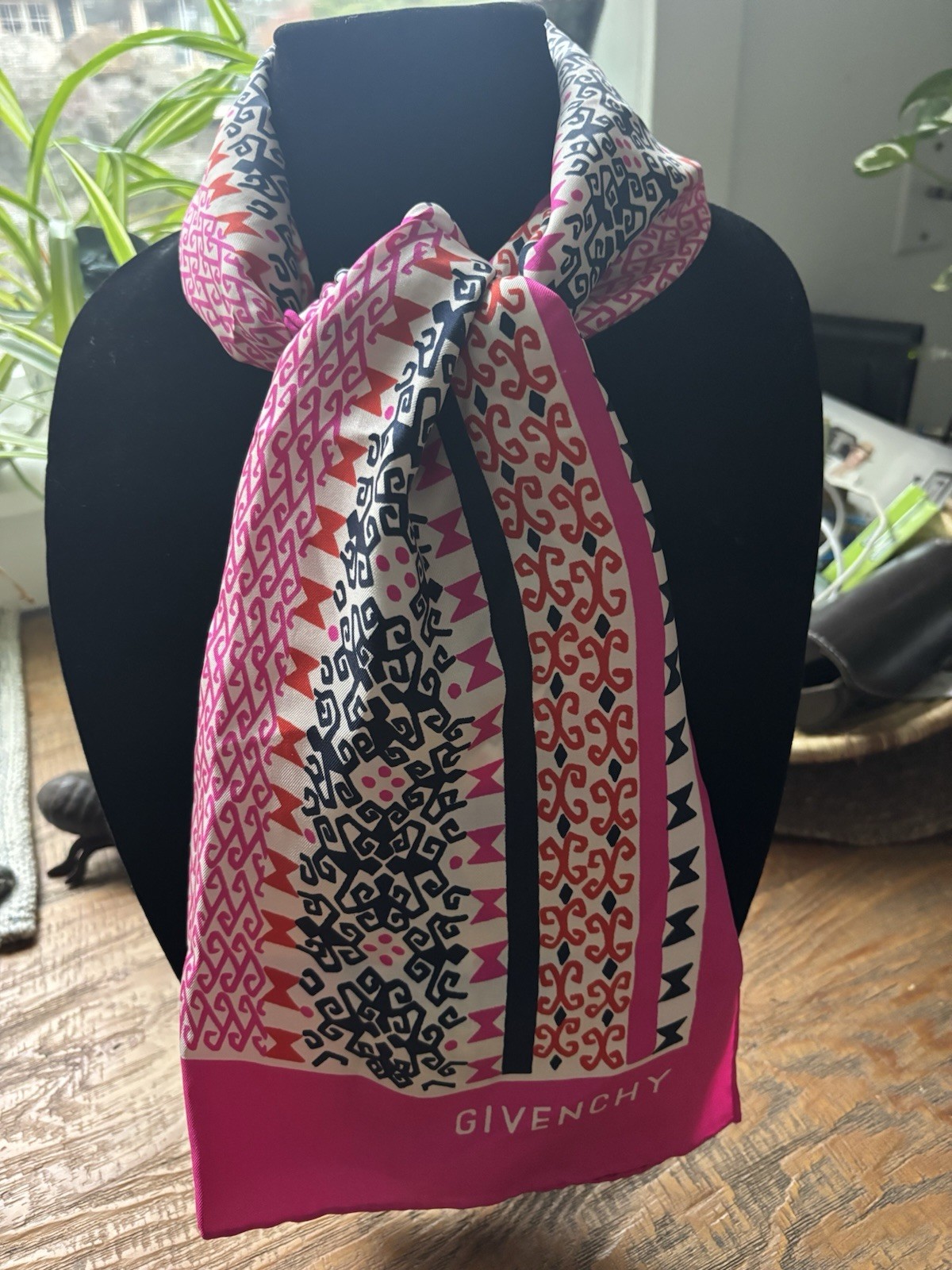
Vintage Givenchy Paris 100% Silk Red pink White Geometric Unisex Scarf
designer-bags
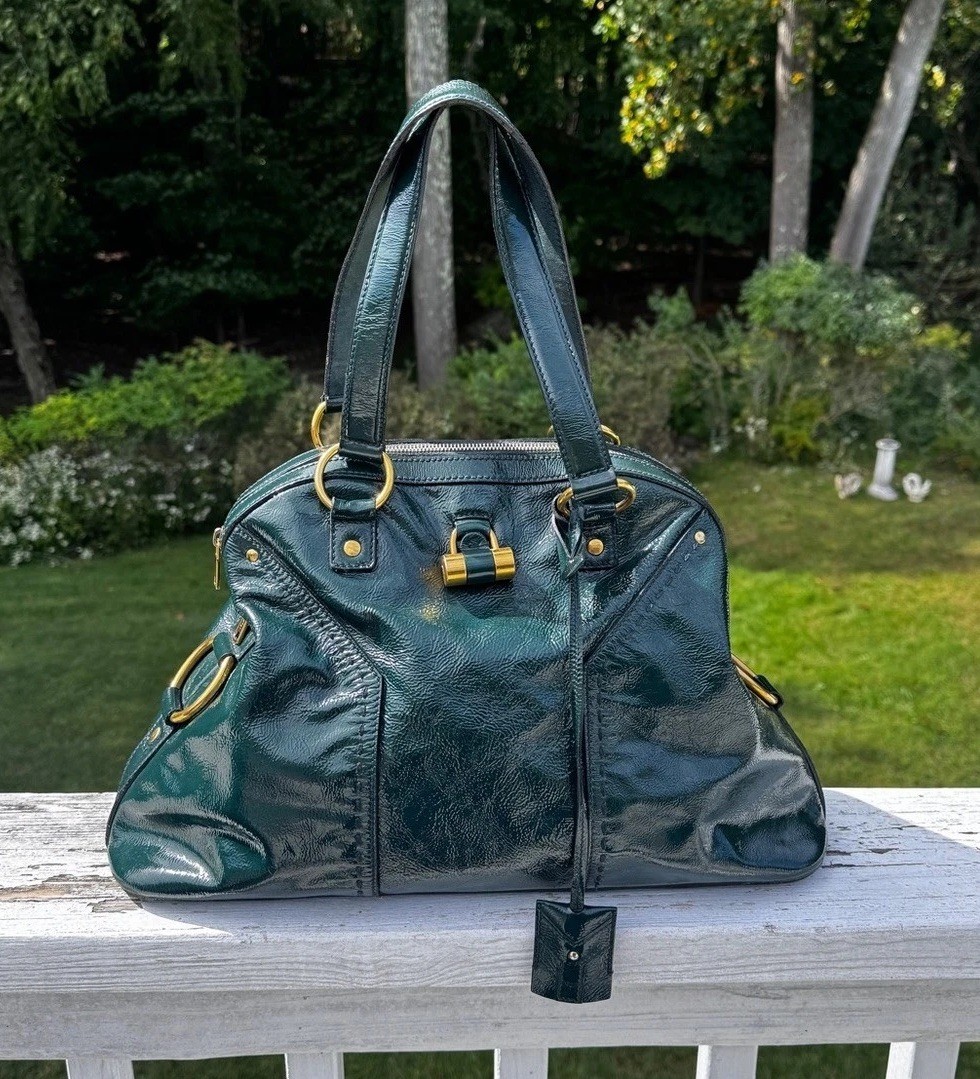
Vintage Yves Saint Laurent Muse glossy dark green patent leather Bag
designer-bags
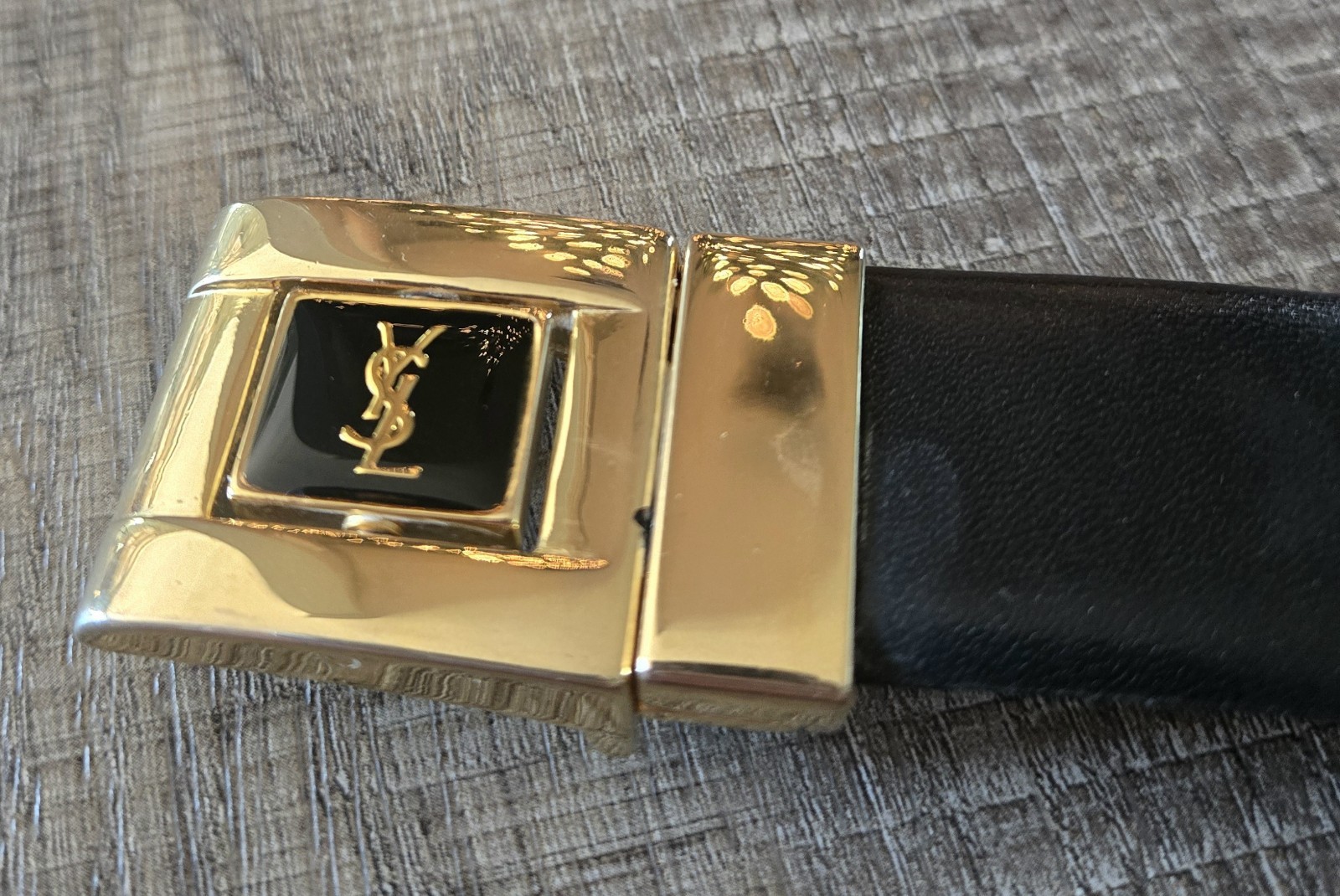
Yves Saint Laurent Vintage Reversible Leather Belt Black Gold Buckle
dresses
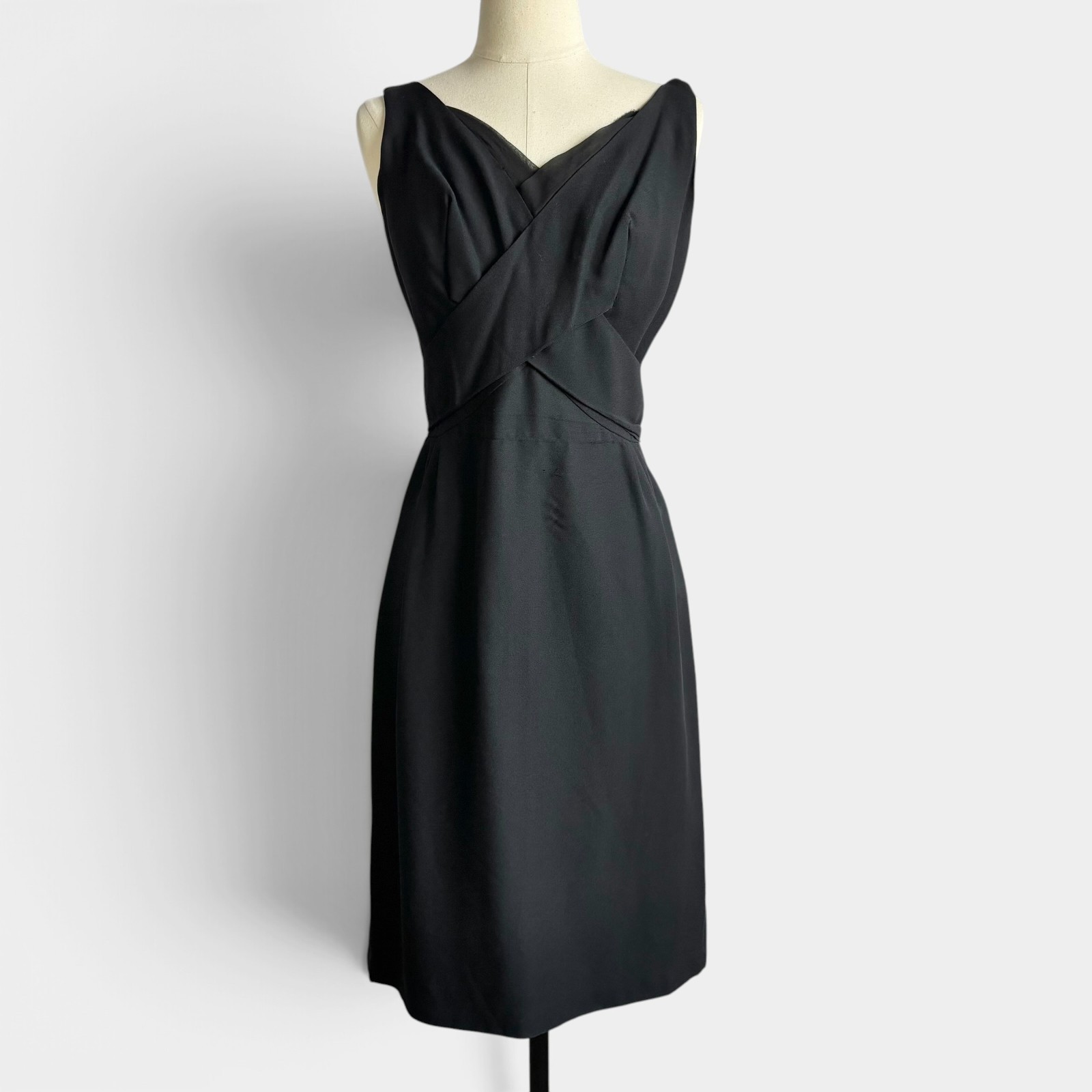
Vintage 1960s Sleeveless Little Black Dress LBD Curvy Sheath
The names
Meet the designers
The minds behind this story — each with a piece currently on the market.
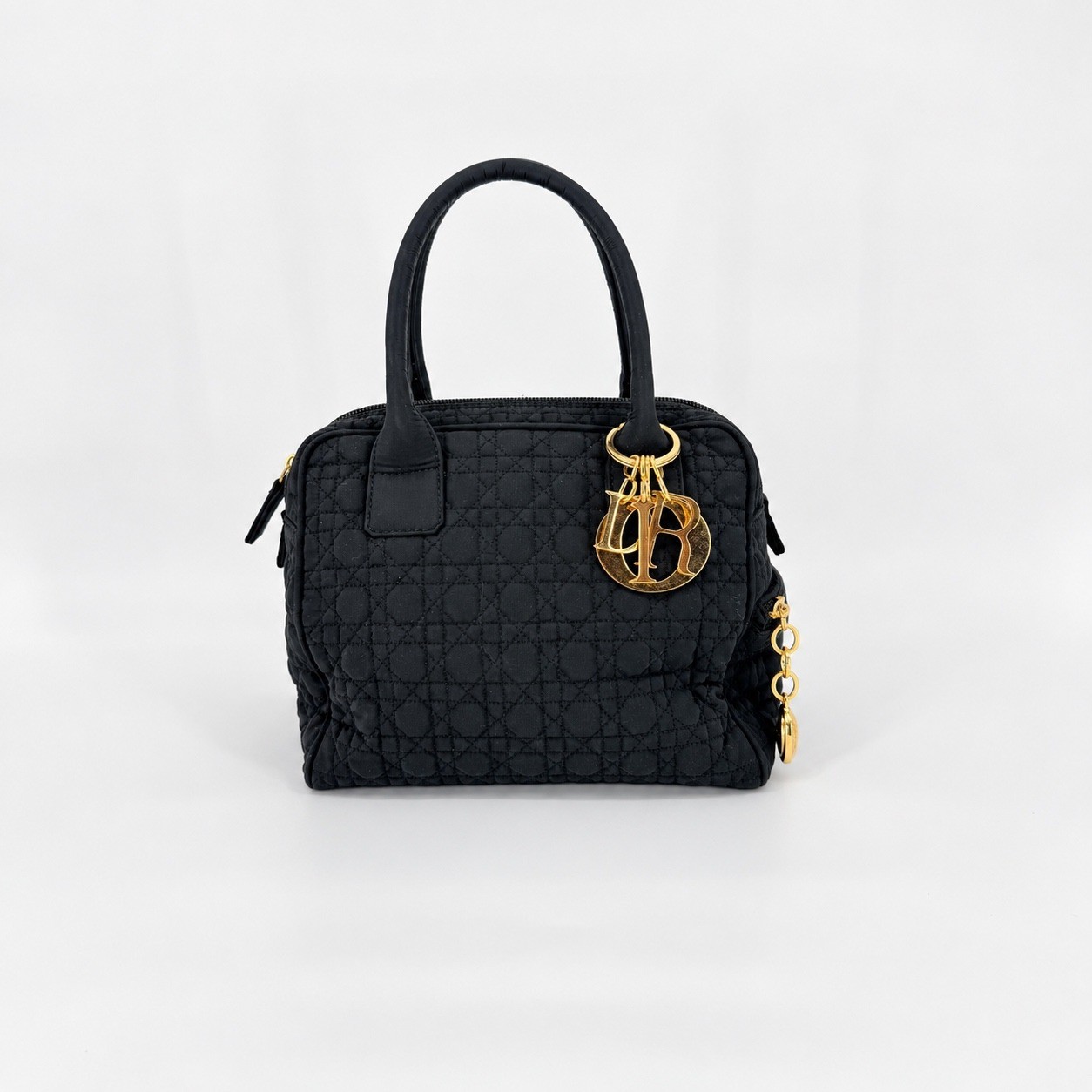
Dior
France · 1940s
The New Look & the Lady Dior
The New Look & the Lady Dior
Top piece
View →
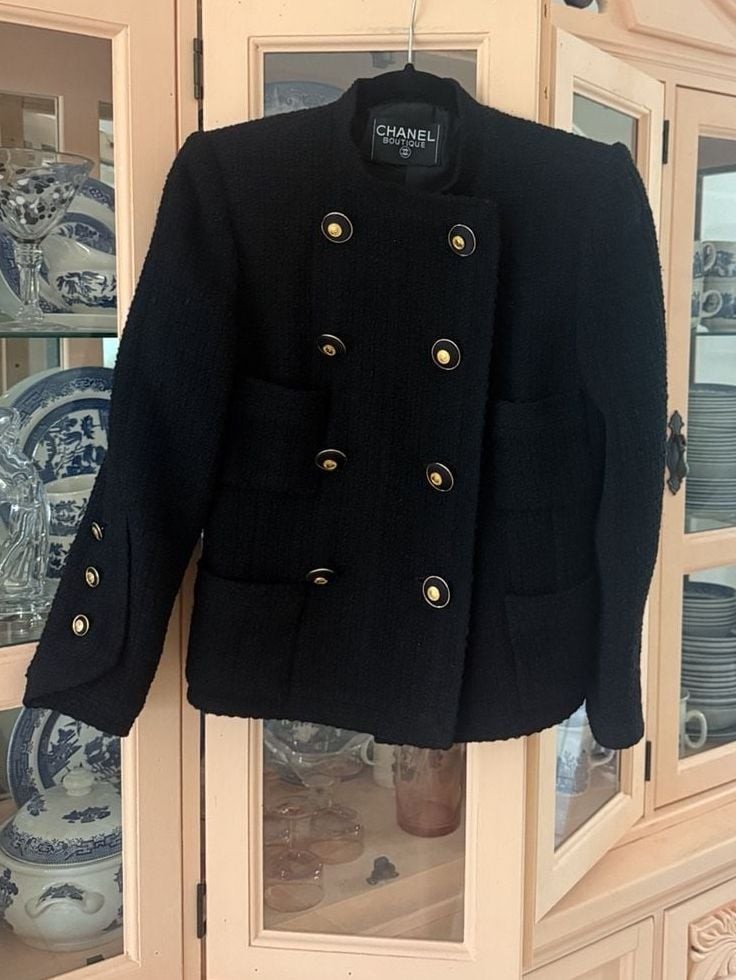
Chanel
France · 1910s
The little black dress & the 2.55
The little black dress & the 2.55
Top piece
View →
Jean Prouvé
France · 1930s
Structural steel & the Standard chair — an engineer of furniture.
Structural steel & the Standard chair — an engineer of furniture.
Top piece
View →
Armani
Italy · 1970s
The power suit & soft tailoring
The power suit & soft tailoring
Top piece
View →
Continue the edit
Further stories from the same world
Three more walks through the same vintage universe.
The Case for a Watch That Shows Its Age
A worn Rolex or a logo-drenched Gucci tells a story no new piece can. How to wear vintage watches with a modern wardrobe, what to check on the case and dial, and the films and designers who made them worth keeping.
Read the story →
The Vintage Band Tee: A License to Wear Your Taste Loud
A vintage band T-shirt is the rare piece that lets you wear your musical education on your chest. Here is how to find one that is actually old, style it without looking like you are in costume, and know the stories behind the shirts that mattered.
Read the story →The Band Tee Is Not a Costume: How to Wear a 1979 Tour Shirt in 2024
A 1979 tour shirt is not a souvenir. It is a piece of clothing with a paper-thin collar and a story, and it deserves to be worn with the same care you would give a good blazer.
Read the story →