
 Sign in
✦ Culture · London
London's Best Shoe Shelves
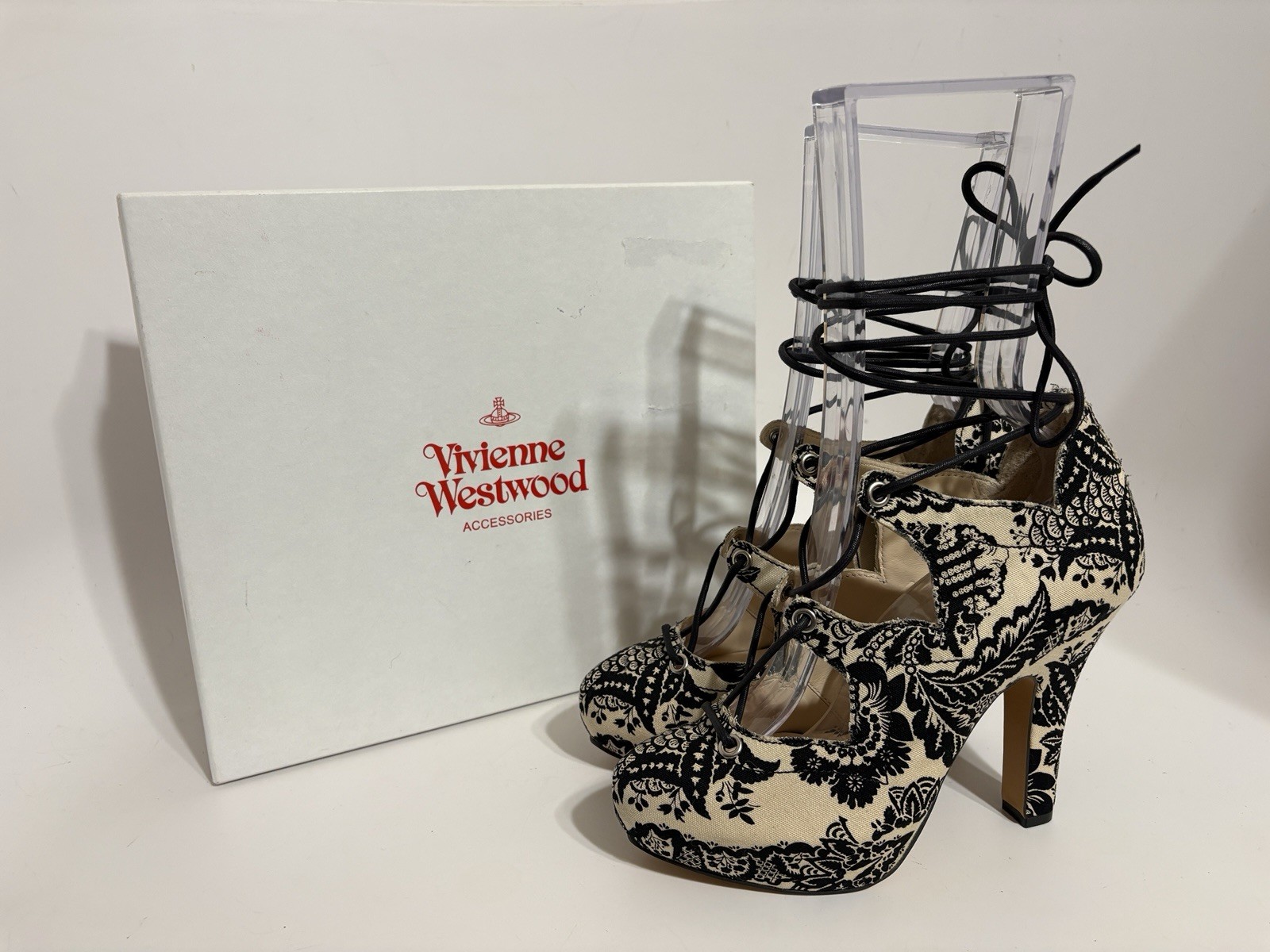
Take the block heel. In the 1990s, British designers like John Rocha and Vivienne Westwood made them chunky and practical, a rebellion against the stiletto's tyranny.
 By Louis Trash·
Why Heels Matter Now
Vintage heels were built by people who expected them to be resoled. The lasts are narrower, the leather is thicker, and a nineties block heel is far more walkable than anything designed for a photograph. That's why a pair of 1970s slingbacks with a slight scuff feels more right here than a pristine pair of new designer heels. You want shoes that look like they've already lived a little, because London's pavements are unforgiving and its style is about character, not perfection.
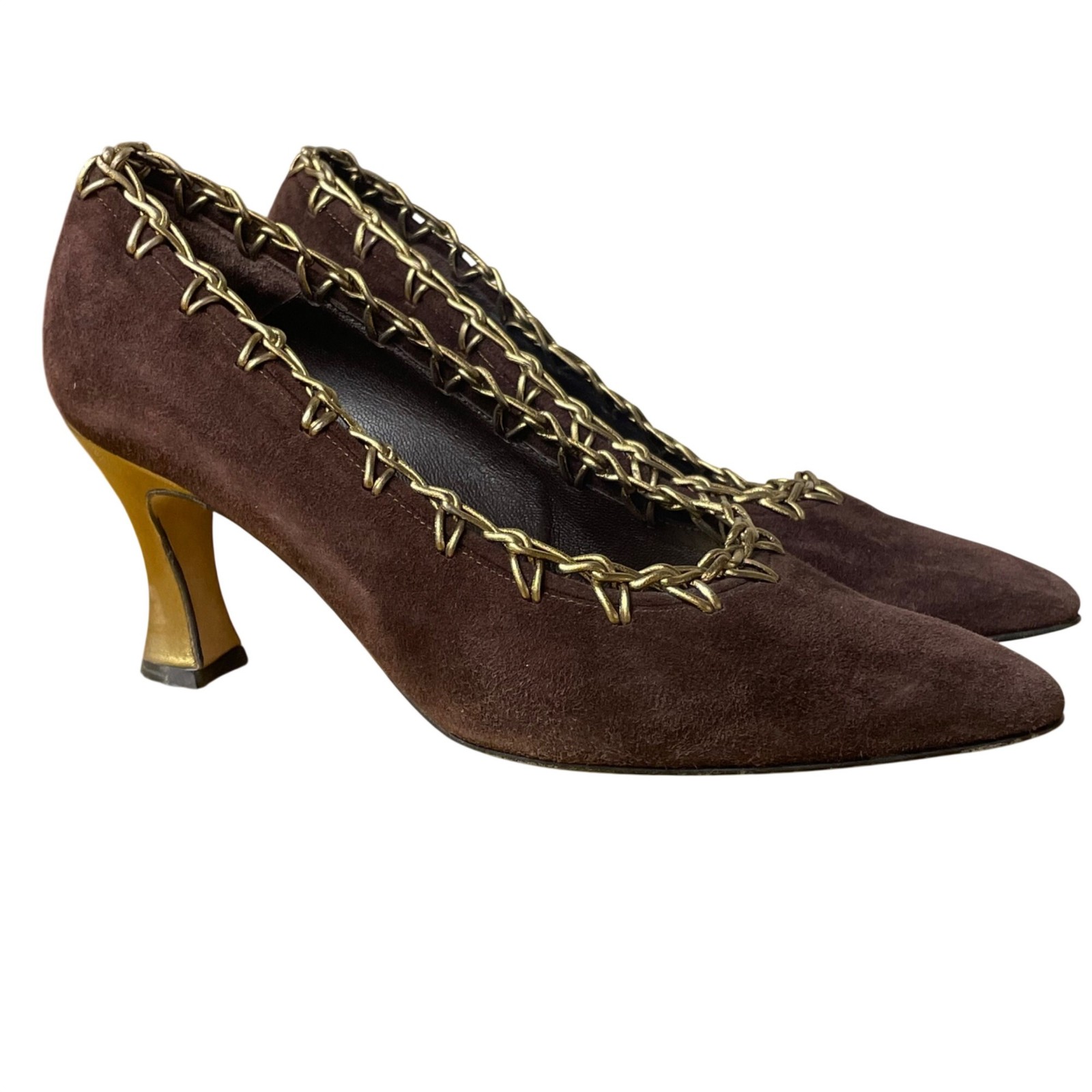
Take the block heel. In the 1990s, British designers like John Rocha and Vivienne Westwood made them chunky and practical, a rebellion against the stiletto's tyranny. They were made for walking, not just standing. A 1995 Rocha heel with its stacked wood and leather is a marvel of engineering. It distributes weight evenly, so you can stride from Shoreditch to Soho without a wince. Similarly, a 1940s platform has a hidden wedge that gives height without the wobble. These shoes were built to be repaired, not discarded. The soles are often leather, stitched to the welt, and the heel tips are replaceable. That's a philosophy you don't see much anymore, but it's exactly why they're worth hunting for.
How to Wear It
Skip the formal styling. A slingback with raw-hem denim is the modern way. Take a pair of 1950s black leather slingbacks, maybe with a small bow, and pair them with a pair of Levi's 501s cut off at the ankle. The contrast is what works: the shoe's polish against the denim's roughness. It's a trick that fashion editors have used for decades, but it still feels fresh because it's effortless. Don't overthink it. Let the shoes be the focal point, and keep everything else simple.
Pair a sculptural heel with a plain slip dress and let the shoe carry it. A 1980s sculpted heel, maybe an architectural shape from the likes of Pierre Cardin or a lesser-known Italian maker, looks incredible with a black slip dress in silk or viscose. The dress is a blank canvas; the shoe is the art. You don't need accessories or a bold lip. The heel does the talking.
A Mary Jane with a white sock is still one of the best cheap tricks in fashion. It's a look that's been around since the 1920s, when schoolgirls wore them, and it's been reinvented countless times. For a modern twist, try a 1960s Mary Jane with a low heel and a white crew sock. It's playful, a little nerdy, and utterly London. Wear it with a midi skirt or cropped trousers. It works.
Where to Find Yours in London
London's vintage shoe scene is spread out, but a few spots are worth your time. Start at Rokit Brick Lane (101 Brick Lane). It's dependable and huge, with a strong selection of denim and outerwear, but the shoe section is surprisingly good. You'll find everything from 1960s kitten heels to 1990s chunky platforms, and prices start around £20. The turnover is fast, so go often. On a quiet Tuesday morning, you can dig through a rail of shoes that came in over the weekend, and the staff are happy to let you take your time.
Blitz London (55-59 Hanbury Street) is a department-store scale operation. It's a multi-floor emporium with everything properly sorted by era and style. The shoe section is well curated, and you'll pay a bit more, from around £45, but you're paying for the editing. You won't find rubbish here. They've already done the vetting, so you can focus on trying things on.
If you want the thrill of the hunt, head to Portobello Road Market in Notting Hill. Friday and Saturday are the days for serious dealers, and the prices reflect that, from around £60. But you'll find rare pieces: a pair of 1930s suede oxfords with original box, or a 1950s alligator pump that's been lovingly restored. The key is to arrive early, around 9am, before the crowds. Dealers are more willing to negotiate when they've just set up and aren't overwhelmed.
For a totally different vibe, go to Retromania (6 Upper Tachbrook Street) near Victoria. It's a tiny shop with charity-shop prices, and the gems are real. I once found a pair of 1980s Charles Jourdan heels there for £90, barely worn. The stock changes constantly, and the owner is a font of knowledge about shoe history. It's a place where you can find a bargain if you're willing to dig.
The best time is a quiet weekday, when you can actually talk to the person who priced the rack. On a Saturday, it's chaos, and you'll miss the good stuff.
What to Look For
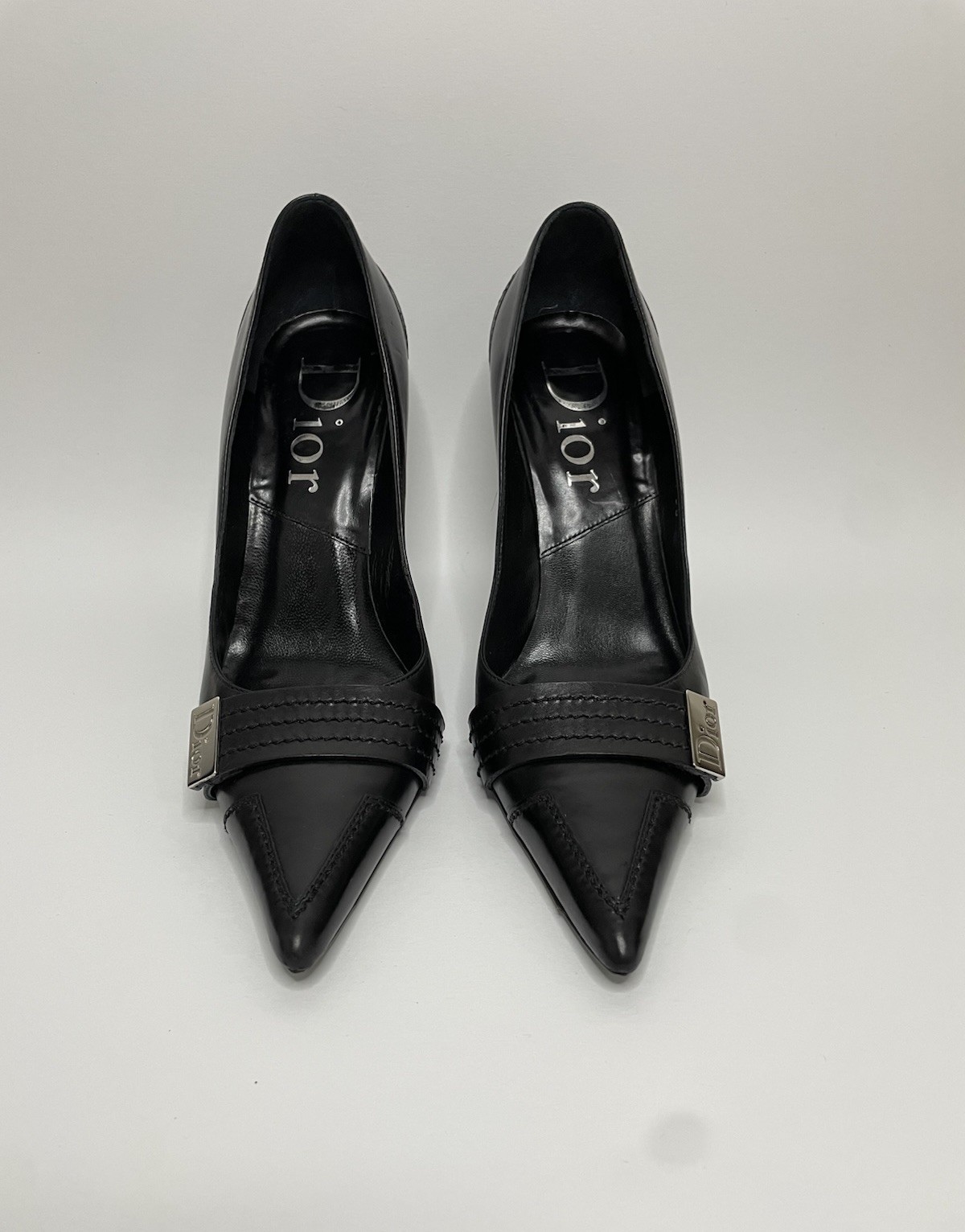
Turn them over: a replaceable heel tip and a stitched, not glued, sole mean a shoe worth keeping. Check the insole for a maker's stamp and the heel for wobble. A maker's stamp is a good sign; it means the shoe was made by a proper factory or designer, not a mass-market brand. Look for names like Bally, Church's, or even old British makers like Rayne, which made shoes for the Queen. A stamp is a clue to quality, but don't rely on it alone. Check the heel: give it a gentle twist. If it moves, the shank inside is broken, and that's a repair that's not worth the cost.
Scuffed leather polishes out beautifully; cracked leather across the toe box does not, no matter what anyone tells you. A scuff is surface damage. A crack is structural. Run your finger along the toe box. If you feel a crease that's cracked through, walk away. The same goes for peeling patent leather. It's irreversible.
Try it on and don't rush. If it still fits after you've sat down in it, it fits. A pair of vintage heels that only works standing still is not going to survive your actual life. Wear them for at least ten minutes. Walk on different surfaces, if the shop allows. Sit in a chair, bend your knees. If they pinch or slip at the heel, they'll only get worse. Vintage shoes don't stretch much, so don't buy the 'they'll break in' myth. They should feel comfortable from the first wear.
The History on Your Feet
Every pair of vintage heels has a story, and London is steeped in them. Consider the 1940s, when rationing meant leather was scarce and shoes were made to last. The utility shoe, introduced in 1943, had a simple design but was built with a stitched sole and a solid heel. These were the shoes women wore to work in factories, and they were designed to be re-soled multiple times. A pair of these in good condition is a piece of history you can wear.
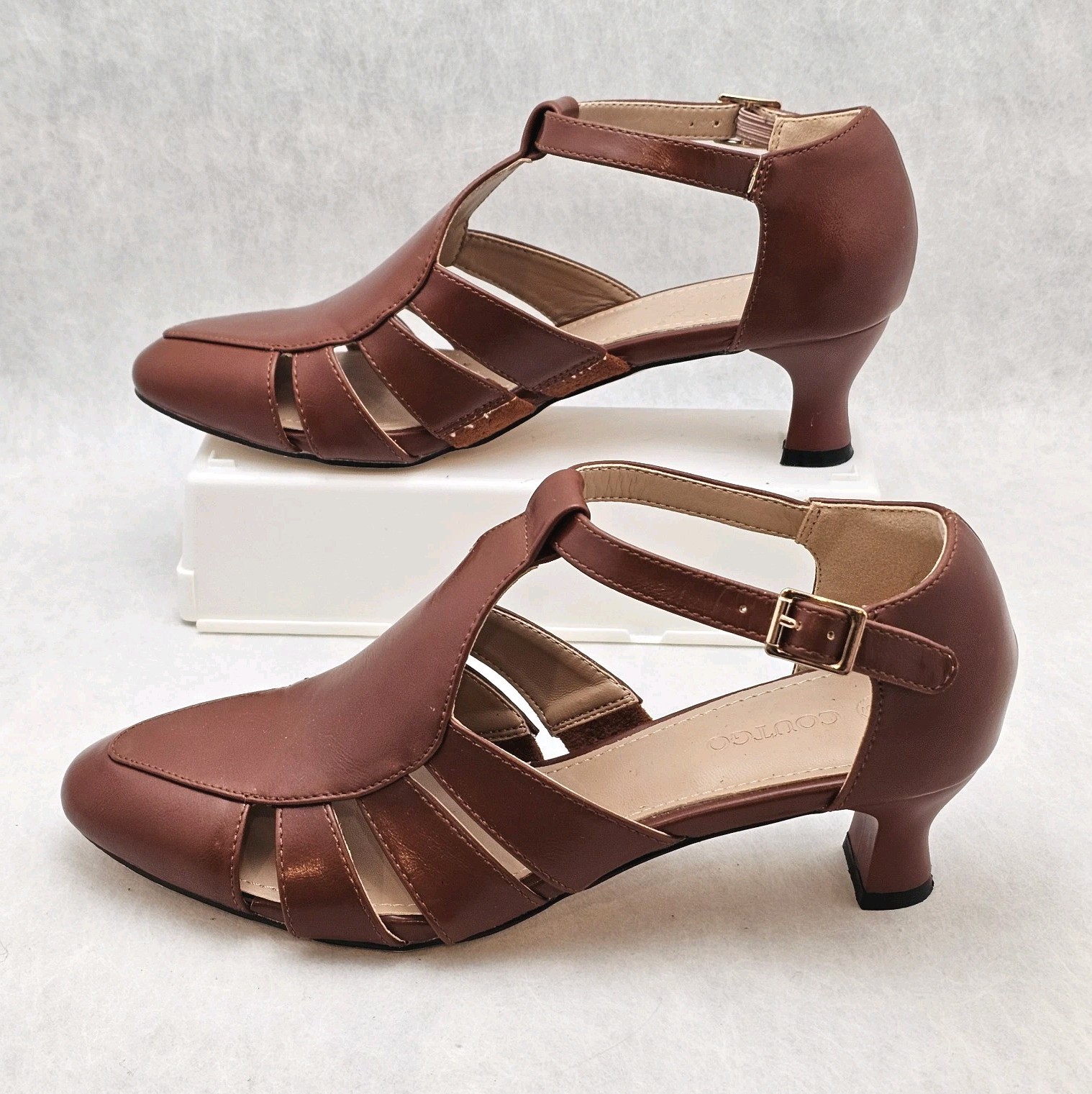
The 1960s brought the kitten heel, a low heel that was a response to the stiletto's impracticality. Designers like Roger Vivier made them famous, but British high-street brands like Dolcis and Saxone made them accessible. A pair of 1960s kitten heels with a pointed toe is the perfect afternoon shoe. Elegant, comfortable, and distinctly London.
By the 1980s, power dressing meant shoes that made a statement. Designers like Charles Jourdan and Maud Frizon created sculptural heels with bold colors and geometric shapes. These are the shoes you see in vintage stores that look like they belong in a gallery. They're not for everyone, but if you have the confidence, they're unforgettable.
The Final Step
Vintage heels are an investment in style, not just a purchase. They're built to last, and they carry a history that no new shoe can replicate. When you find the right pair, you'll know. They'll feel like they were made for you, even if they were made forty years ago. And in London, where the streets are old and the style is timeless, that's exactly the point.
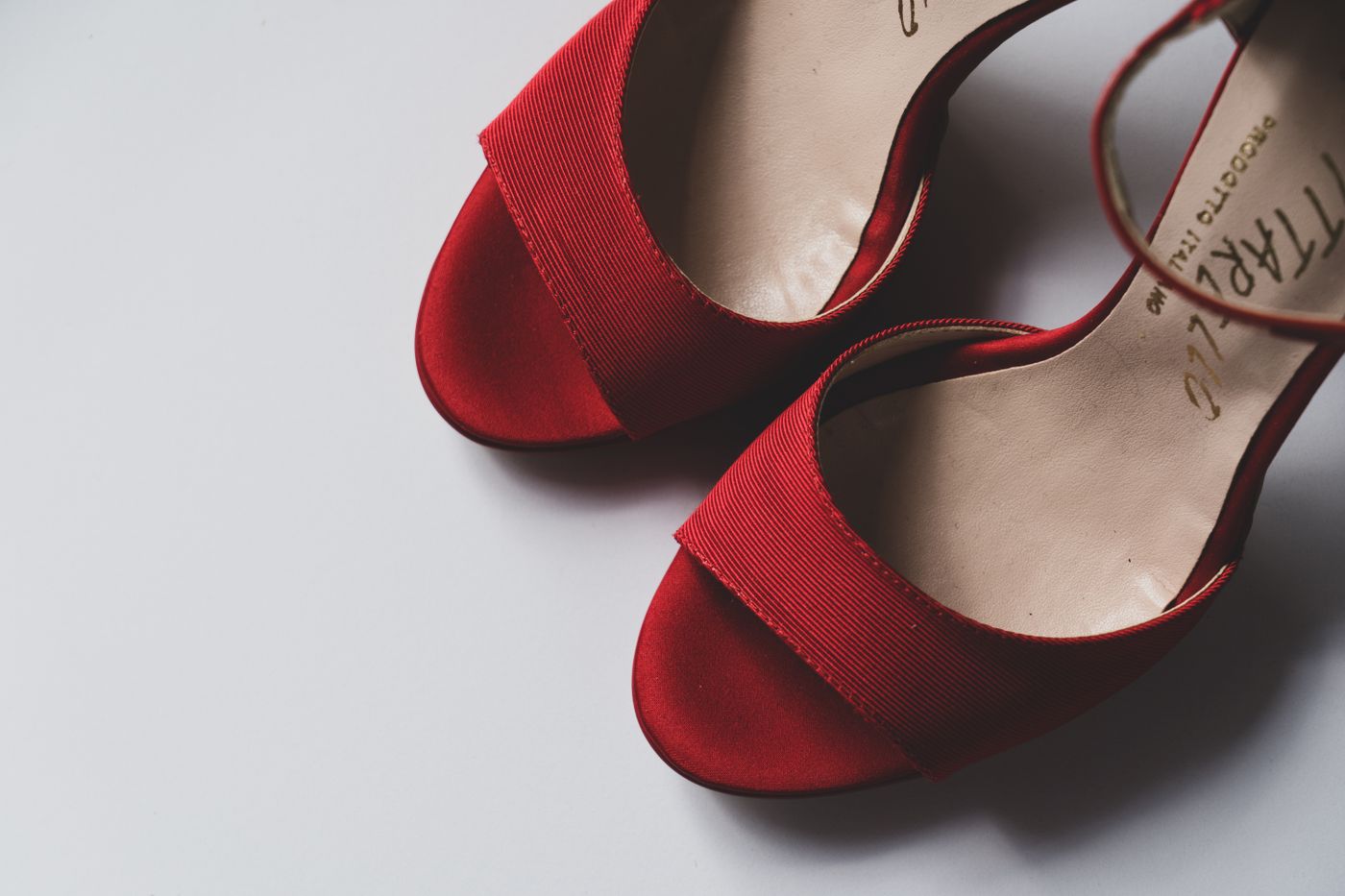
Foto: Castorly Stock · Pexels
Get the look
Get the look
The pieces that make this story wearable, live from the market.
designer-bags
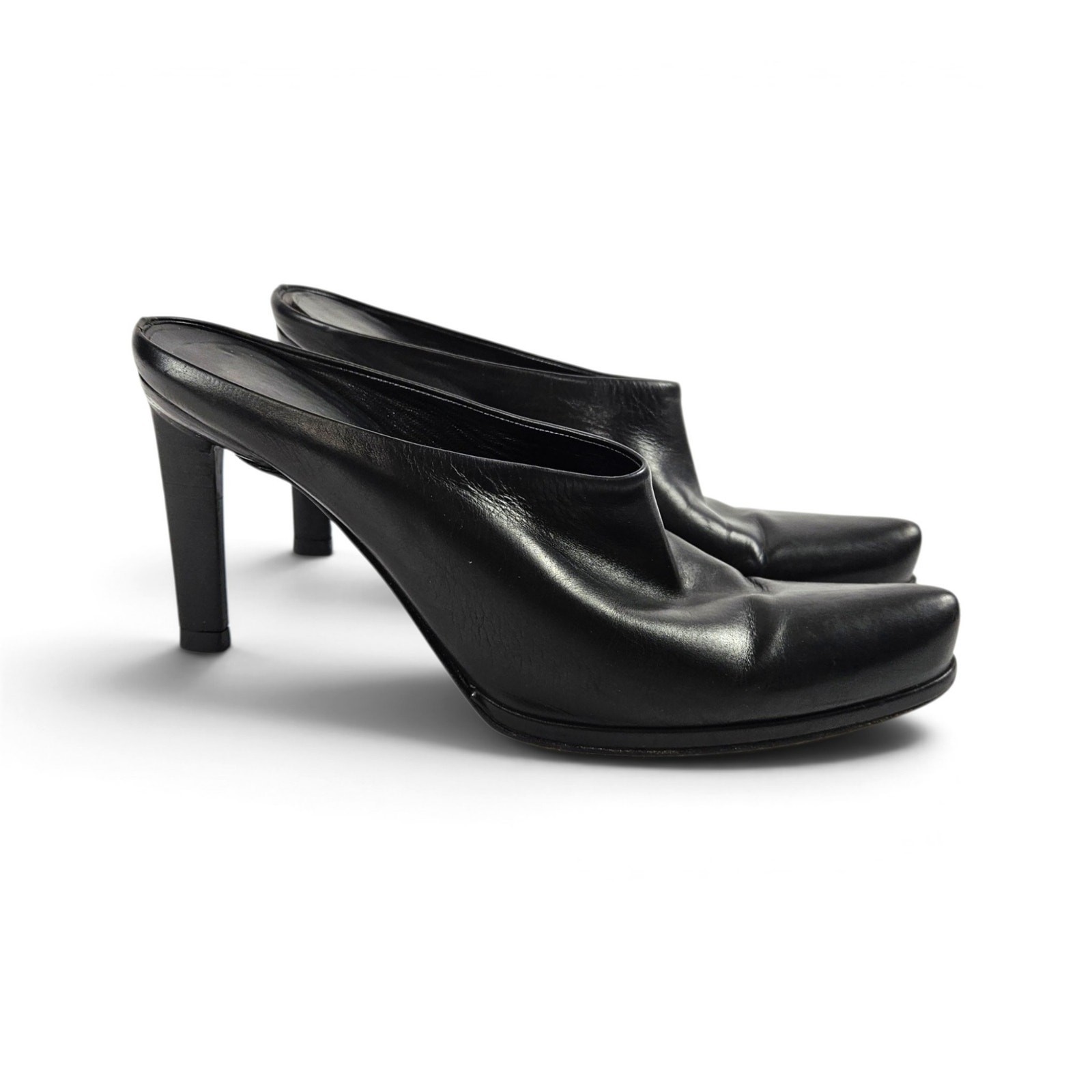
Prada Vintage Heels Black Leather Mules - 37 EU (US 7)
curiosa
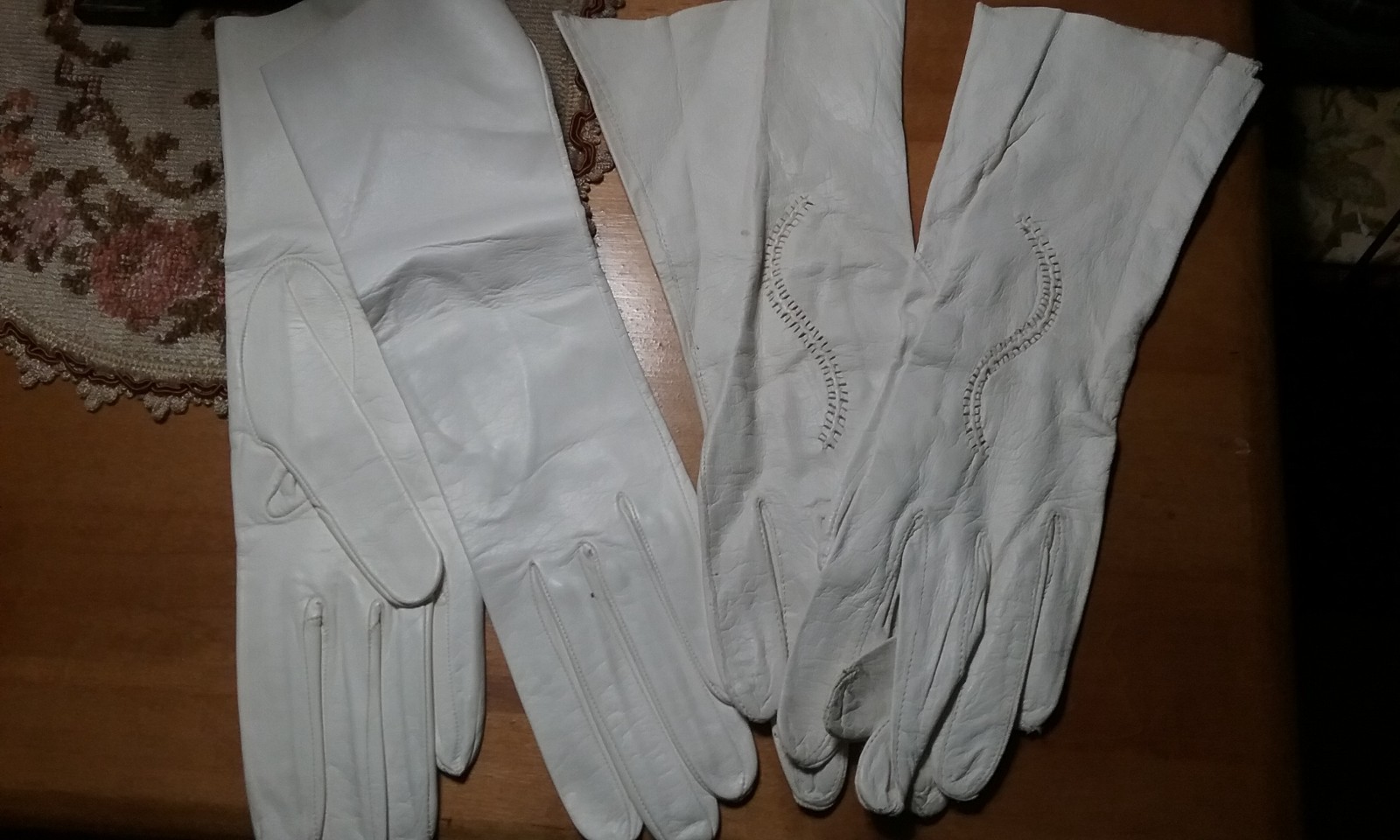
Vintage White Real Kid Leather Gloves 2 pairs Size 7 Washable Estate Sale
zijde-sjaals
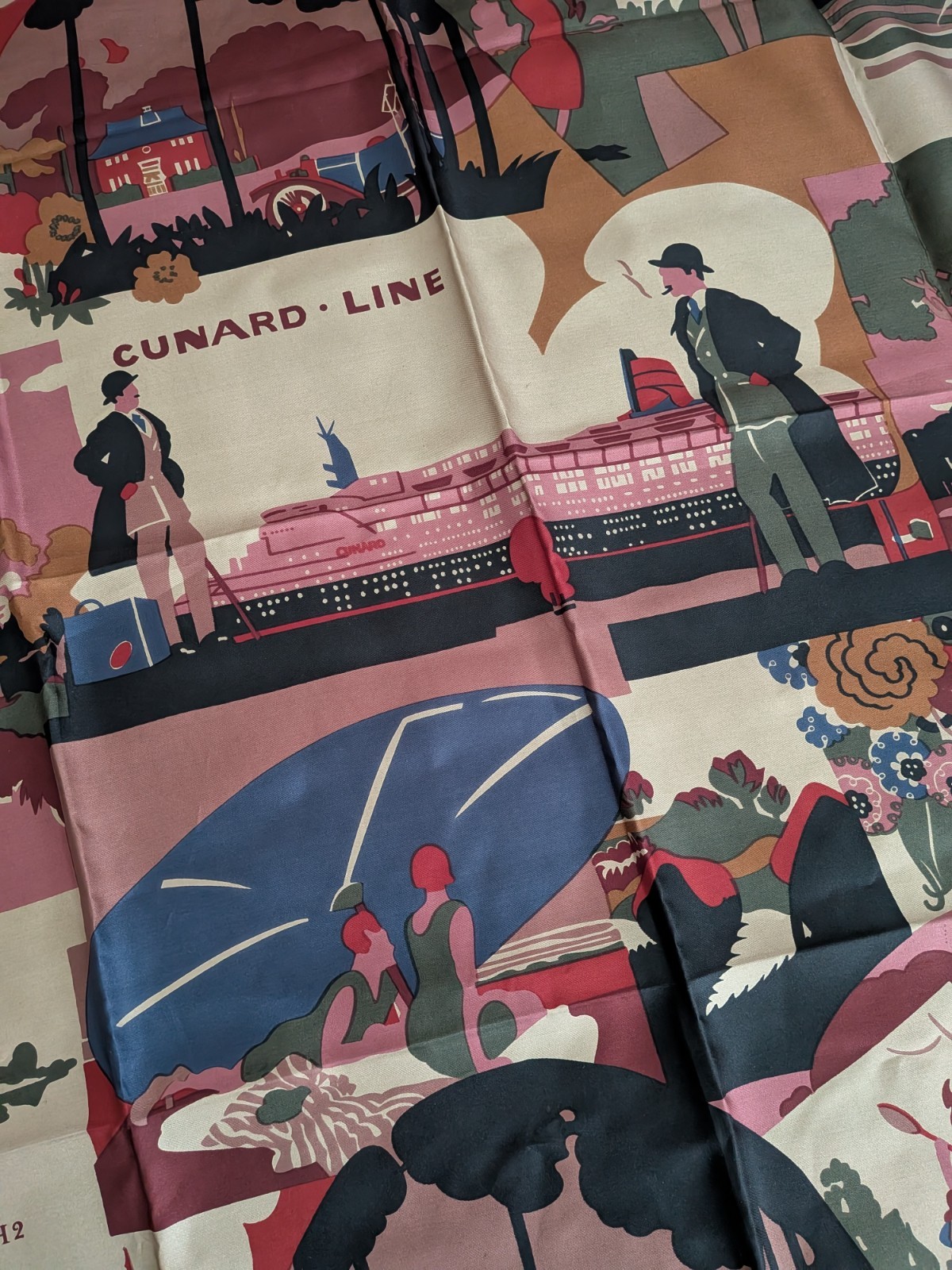
Vintage Liberty London Silk Scarf-Art Deco Travel Themed-Cunard-34in Square
designer-bags
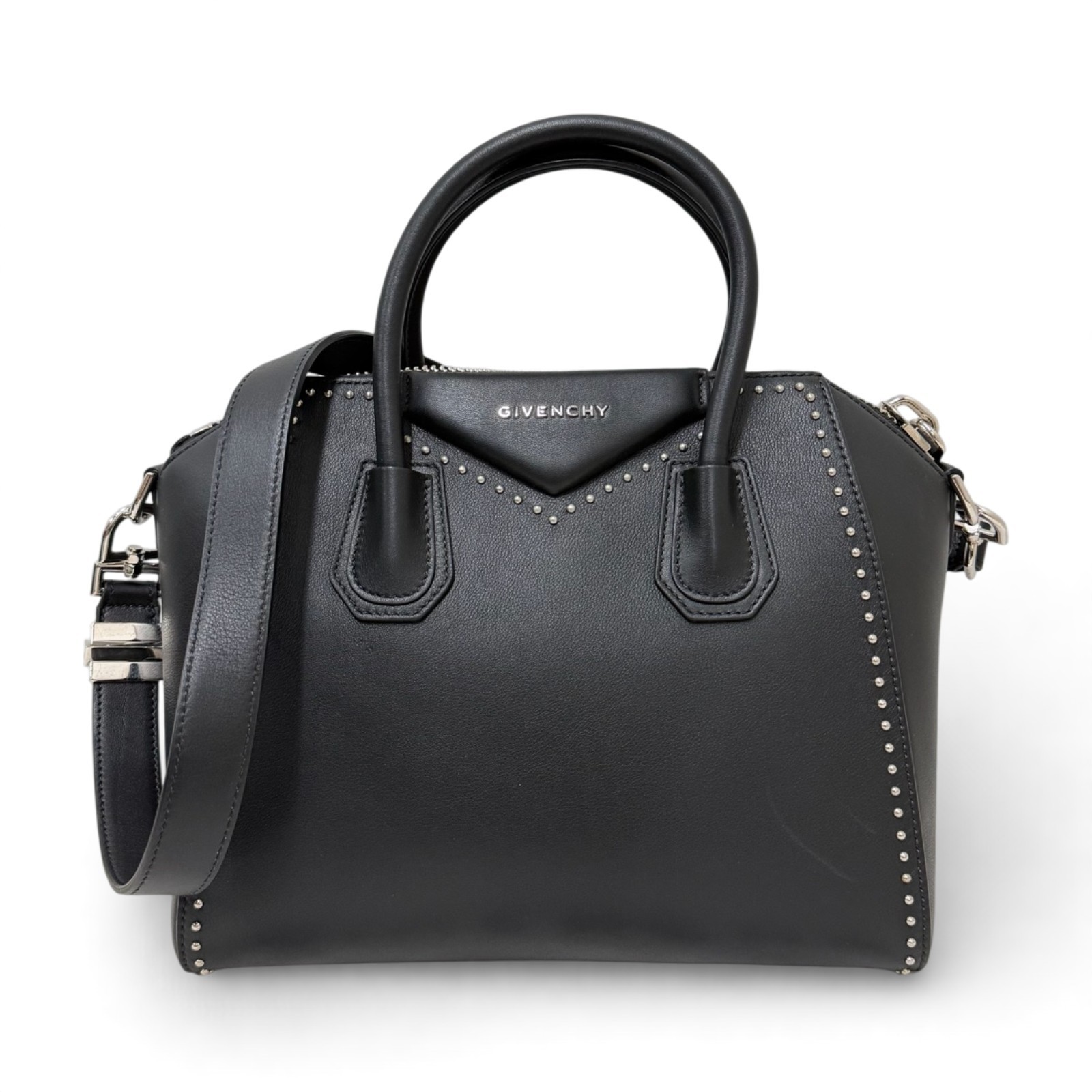
Pre-Owned Givenchy Antigona Small Studded Black Leather Handbag
designer-bags
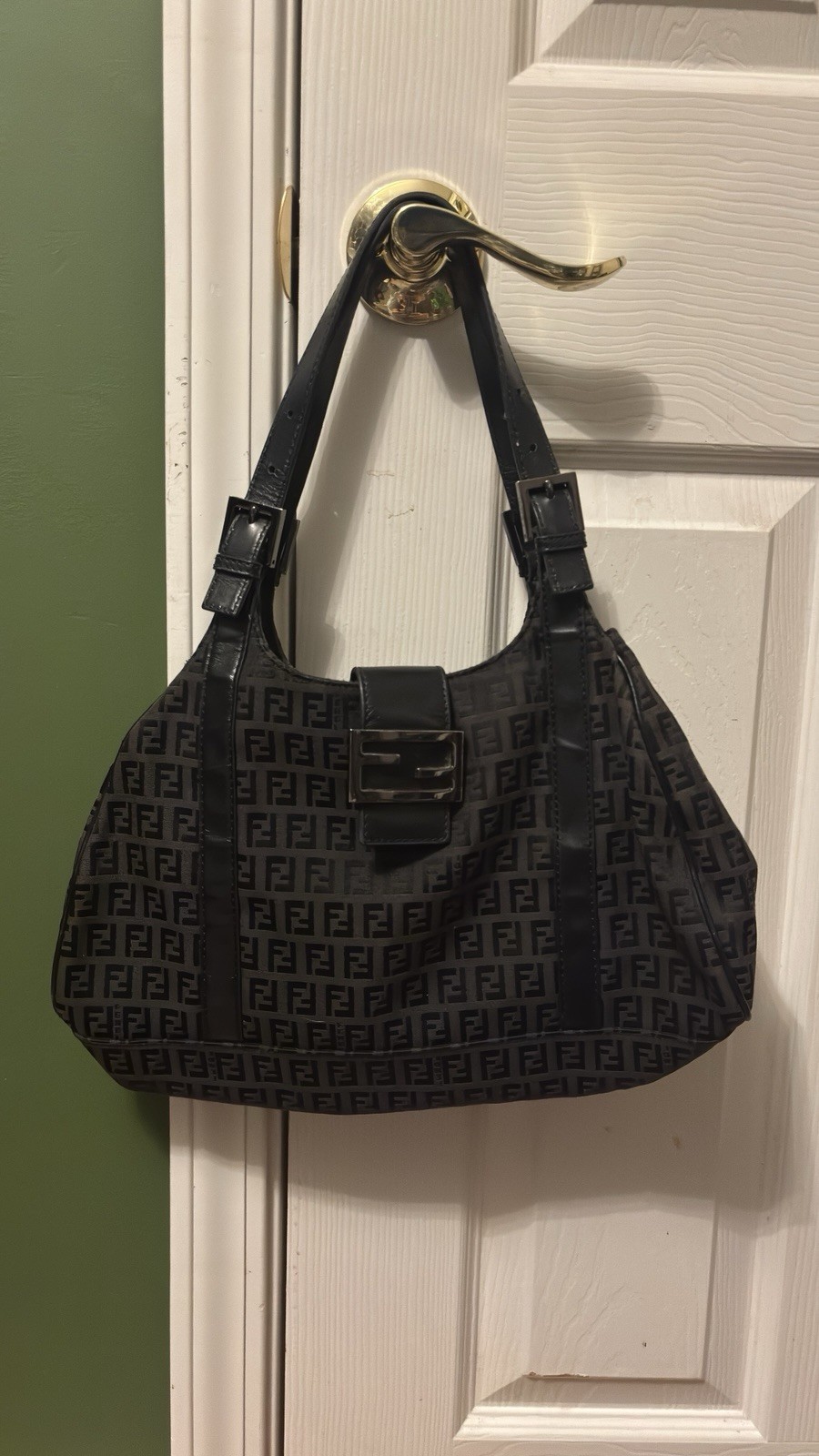
Vintage Fendi Zucca Monogram Black Canvas Leather Shoulder Bag FF Logo
designer-bags
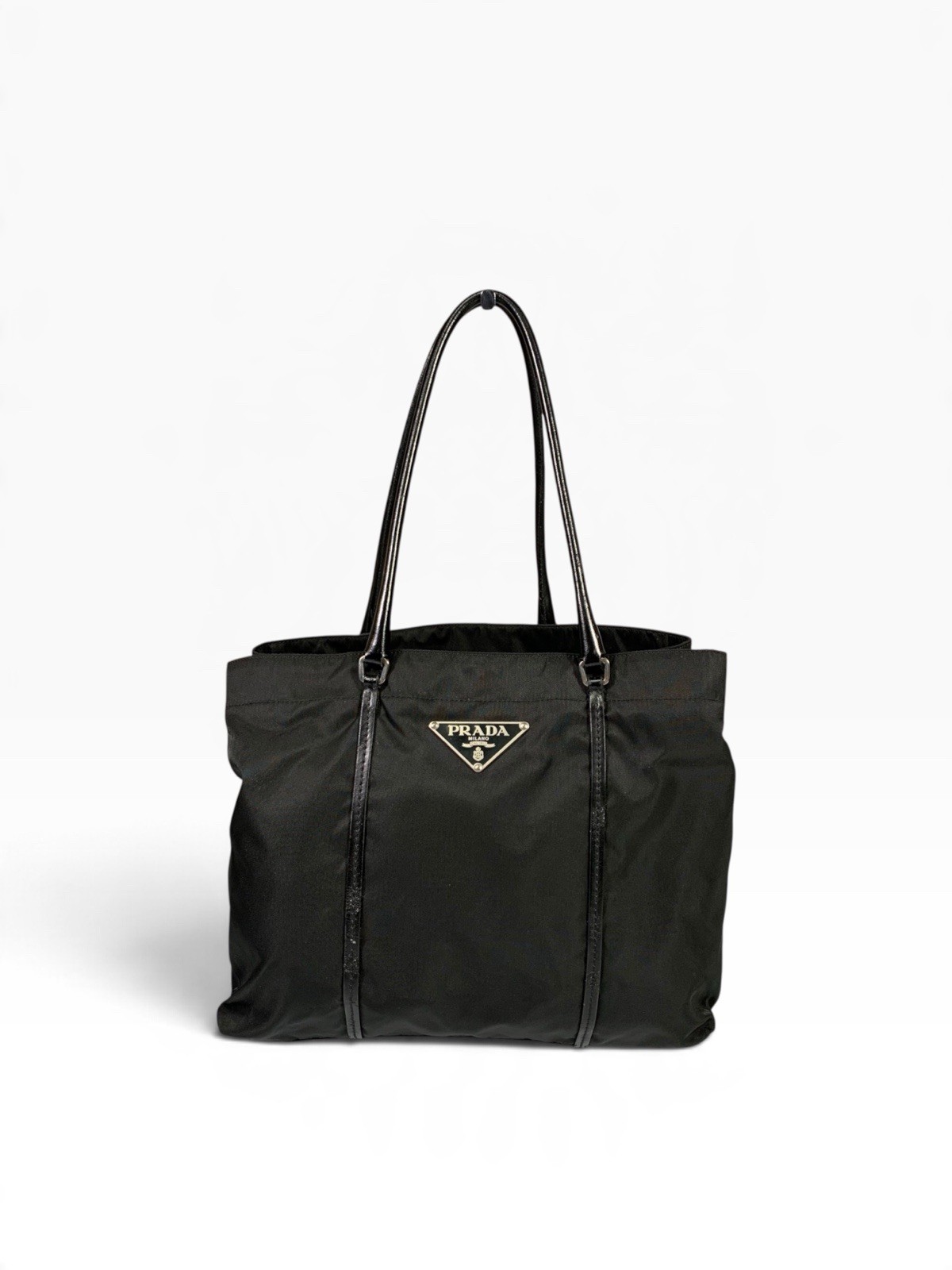
PRADA Nylon Leather Tote Bag Black Triangle Logo Shoulder Bag Vintage Japan
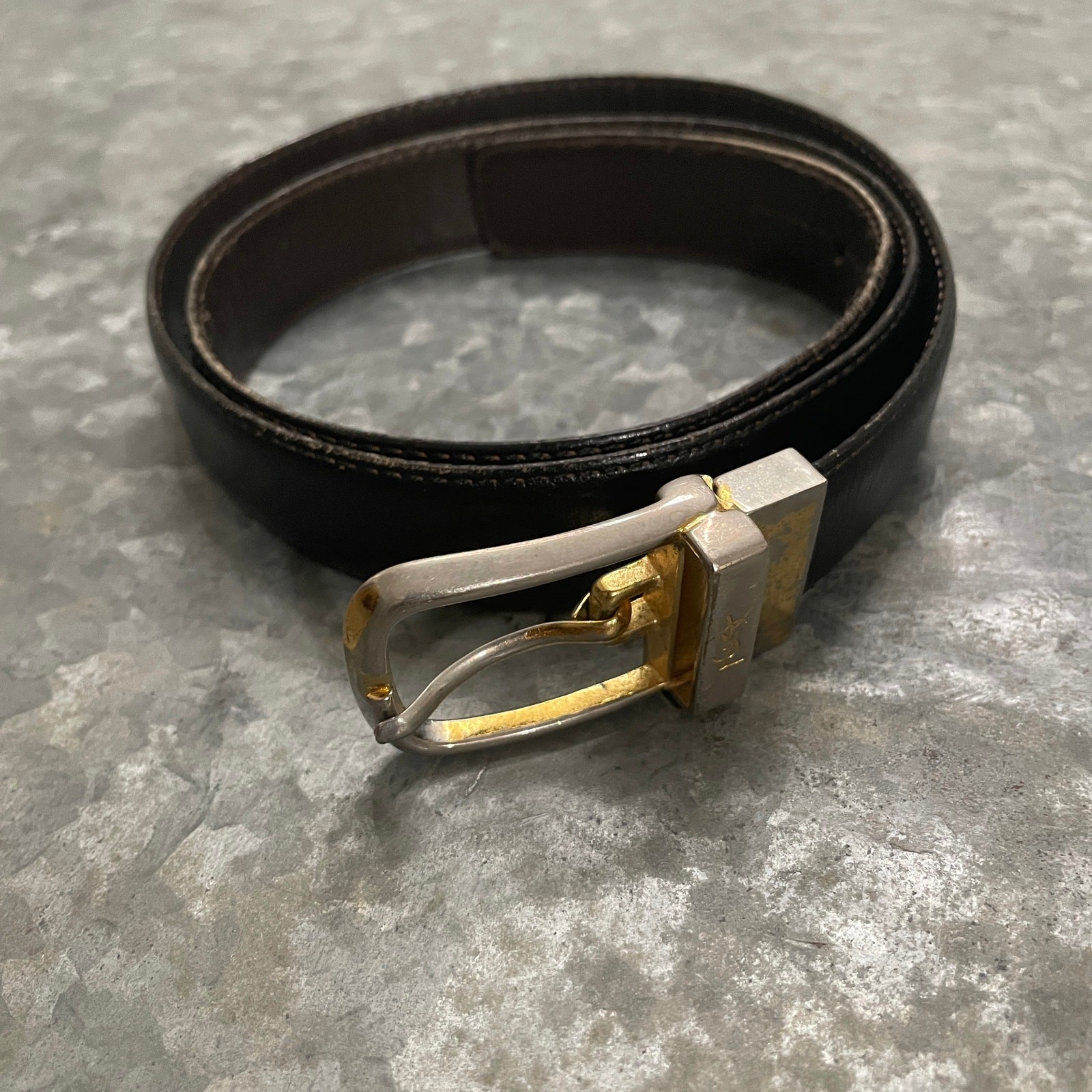
designer-bags
Vintage YSL Yves Saint Laurent Solid Brass Black Leather Belt Sz 32 Silver Gold
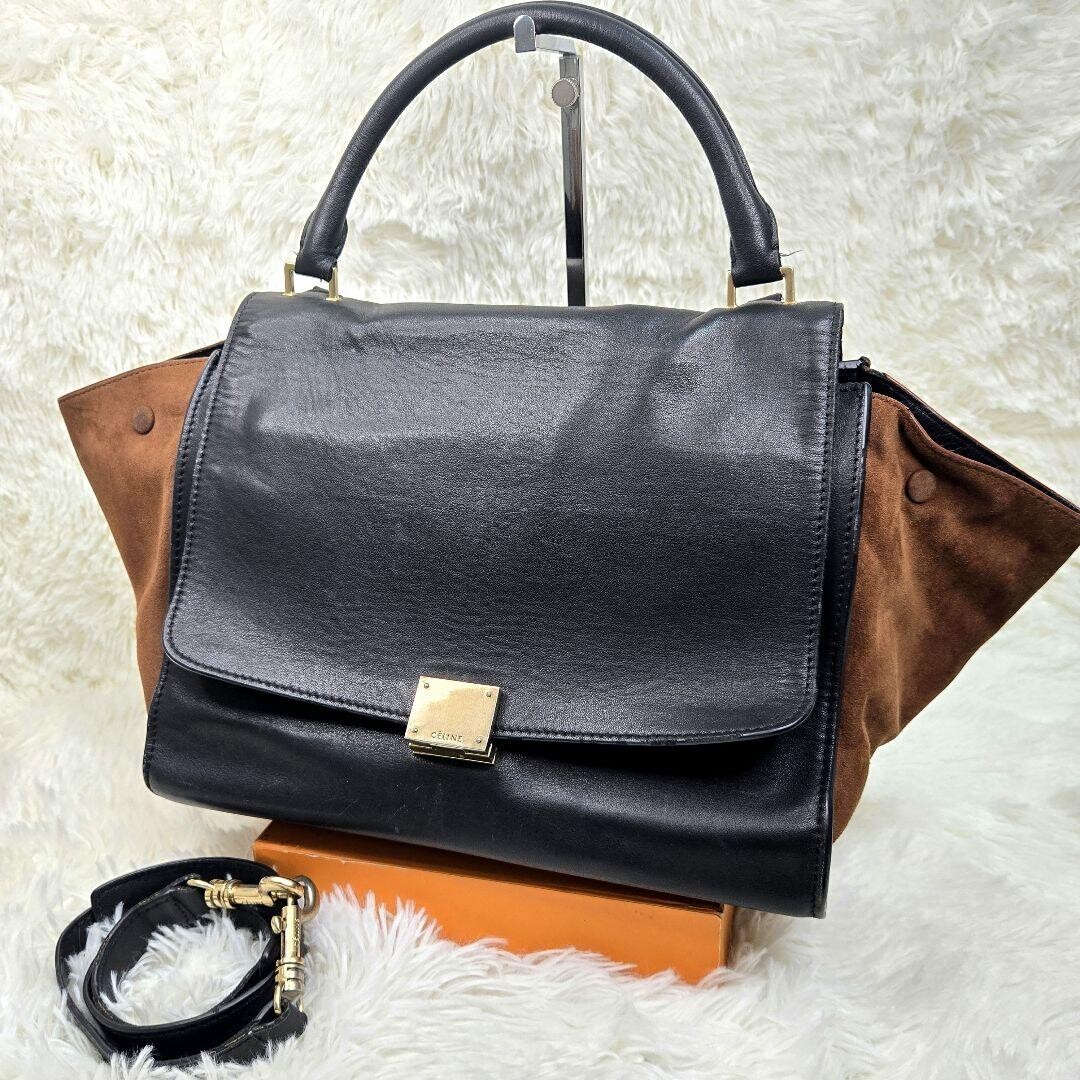
designer-bags
CELINE Trapeze 2way Shoulder bag Leather Black Vintage Authentic From Japan
The names
The designers behind the look
The minds behind this story — each with a piece currently on the market.
Chanel
France · 1910s
The little black dress & the 2.55
The little black dress & the 2.55
Top piece
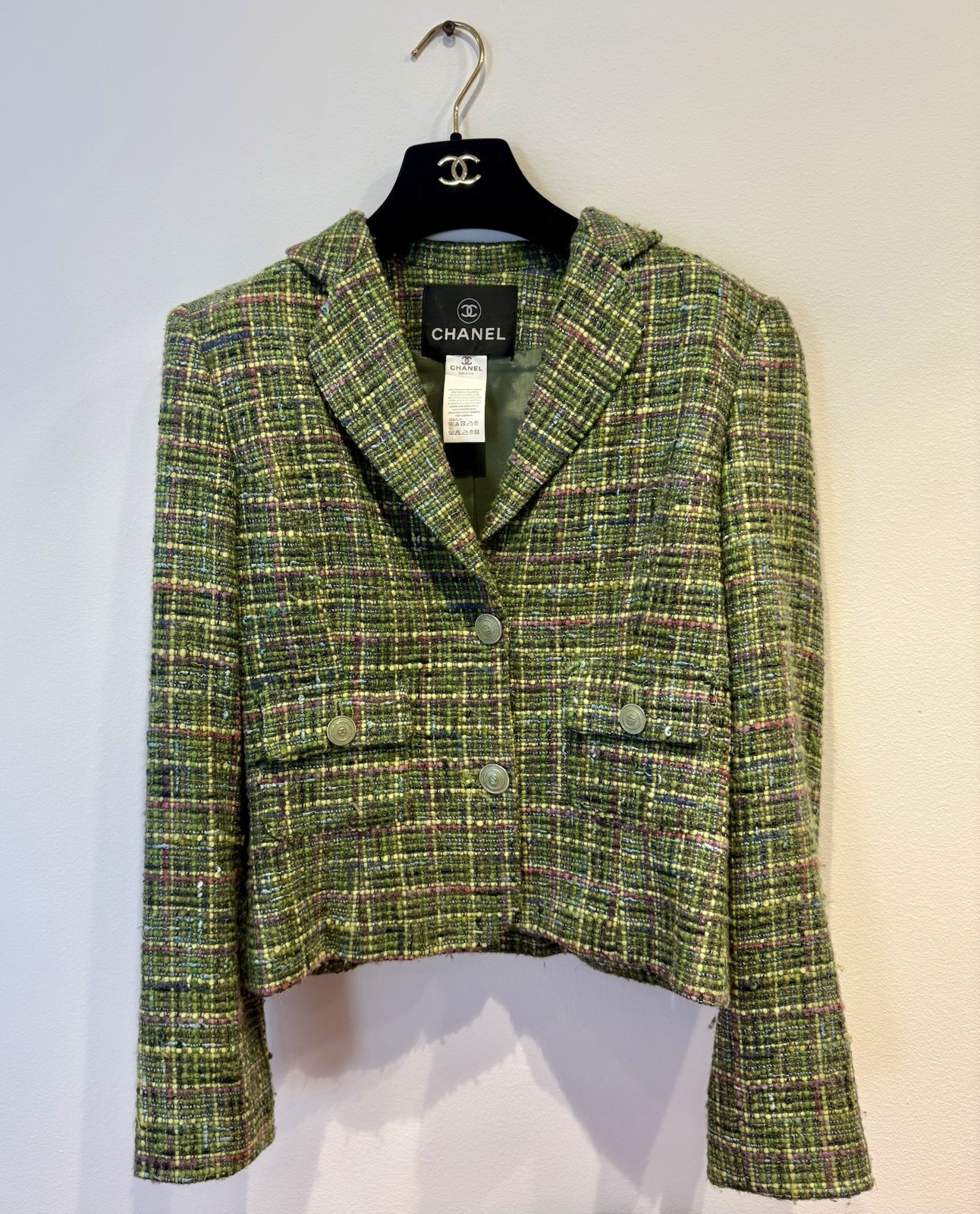
View →
Levi's
USA · 1850s
The 501 & Americana denim
The 501 & Americana denim
Top piece
View →
Vivienne Westwood
UK · 1970s
Punk, tartan & the corset
Punk, tartan & the corset
Top piece
View →
Armani
Italy · 1970s
The power suit & soft tailoring
The power suit & soft tailoring
Top piece
View →
Continue the edit
Further stories from the same world
Three more walks through the same vintage universe.
Berlin's Vintage Heels: A Step Back in Time
On a Saturday morning in Prenzlauer Berg, I watched a woman in her sixties try on a pair of 1950s pumps. She wore jeans and a leather jacket, and as she stood, she wobbled, laughed, then walked a straight line to the mirror.
Read the story →Styling a Nineties Slingback in New York
You do not have time to ruminate. You see the shoe, you check the sole, you pay, you walk out. But you also need to know what you are looking at.
Read the story →Why Old Heels Walk Better in Tokyo
A 1997 Prada slingback with a 6cm block heel weighs less than a current-season sandal from the same house. The leather is vegetable-tanned, the last is cut for a foot that walks, not poses.
Read the story →