
 Sign in
✦ Culture · London
London's Best Outerwear Rails
Buy one size up and wear it open over knitwear. Coats should skim, not squeeze.
 By Louis Trash·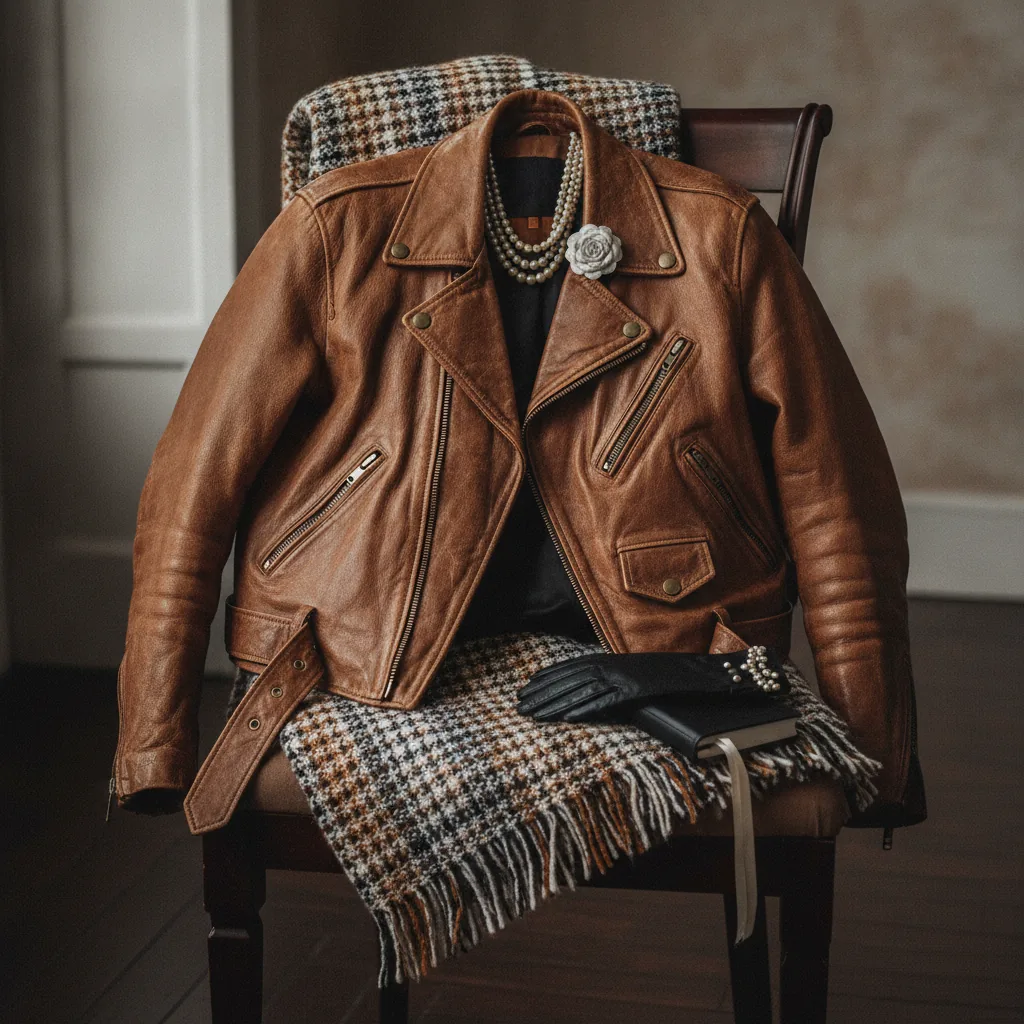
Why Coats Matter Now
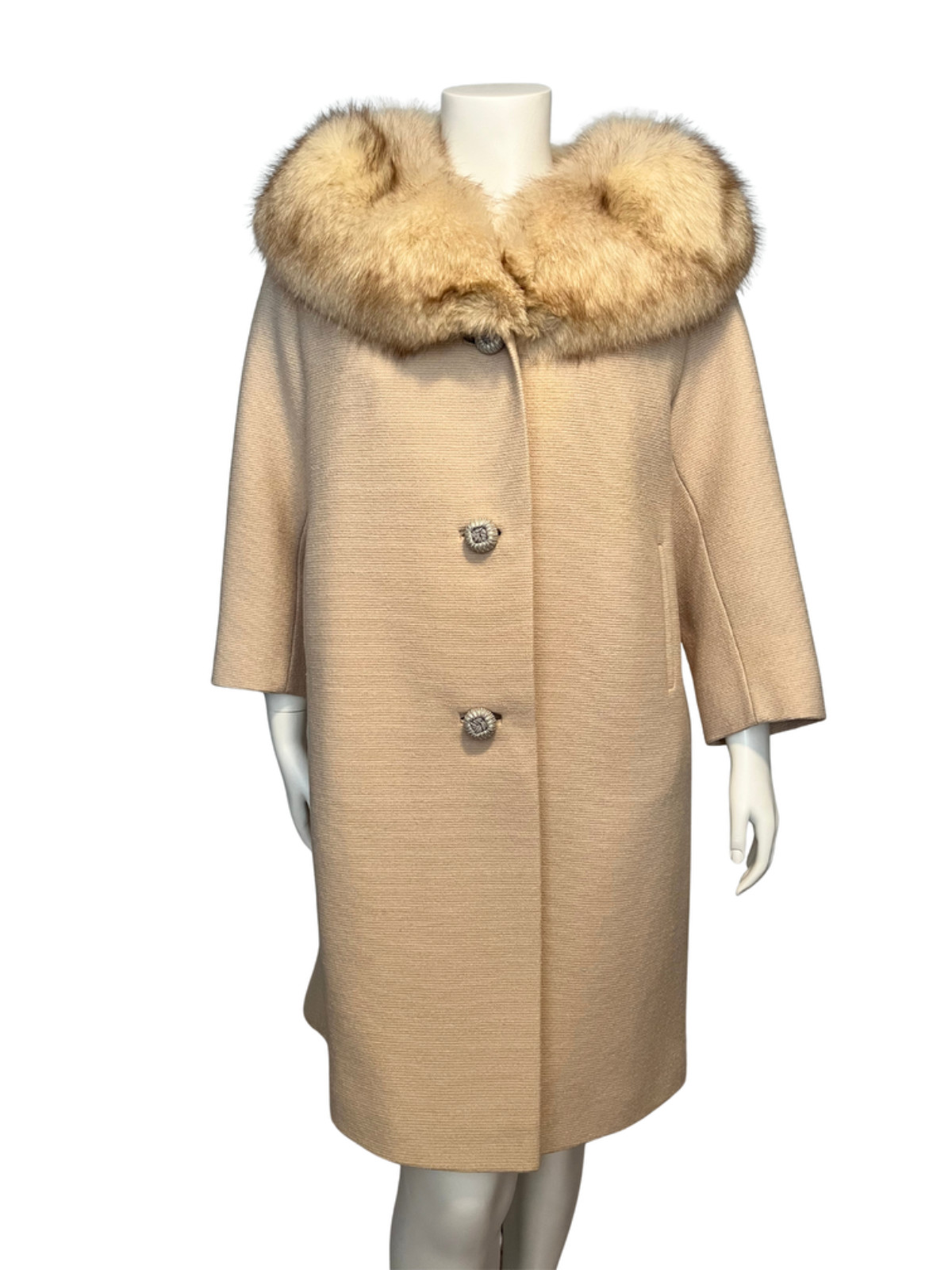
A London coat has to survive the rain, the Tube and a pub lunch in the same afternoon. Vintage wool is denser, trench cotton heavier, and the lining is built to be re-lined rather than binned. In London, that matters. The city gives you four seasons in a single afternoon, and a coat that can’t take a sudden downpour or a bitter wind off the Thames is just a fashion statement. A vintage coat from the 1960s or ’70s was made to be worn daily for a decade or more. The shoulders are cut to move, the sleeves are set to allow reach, and the fabric has a memory that moulds to your body over time. Modern coats, by contrast, are often fused with cheap interfacing that breaks down after a few washes, and the wool is thinner because it’s blended with polyester to cut costs. When you hold a vintage coat, you feel the difference immediately. It’s heavier, denser, and the weave is tight enough to block the wind. A worn elbow or a patched pocket is a badge of honour, not a flaw. The city’s style is about layering and practicality, and a vintage coat fits right in.
How to Wear It
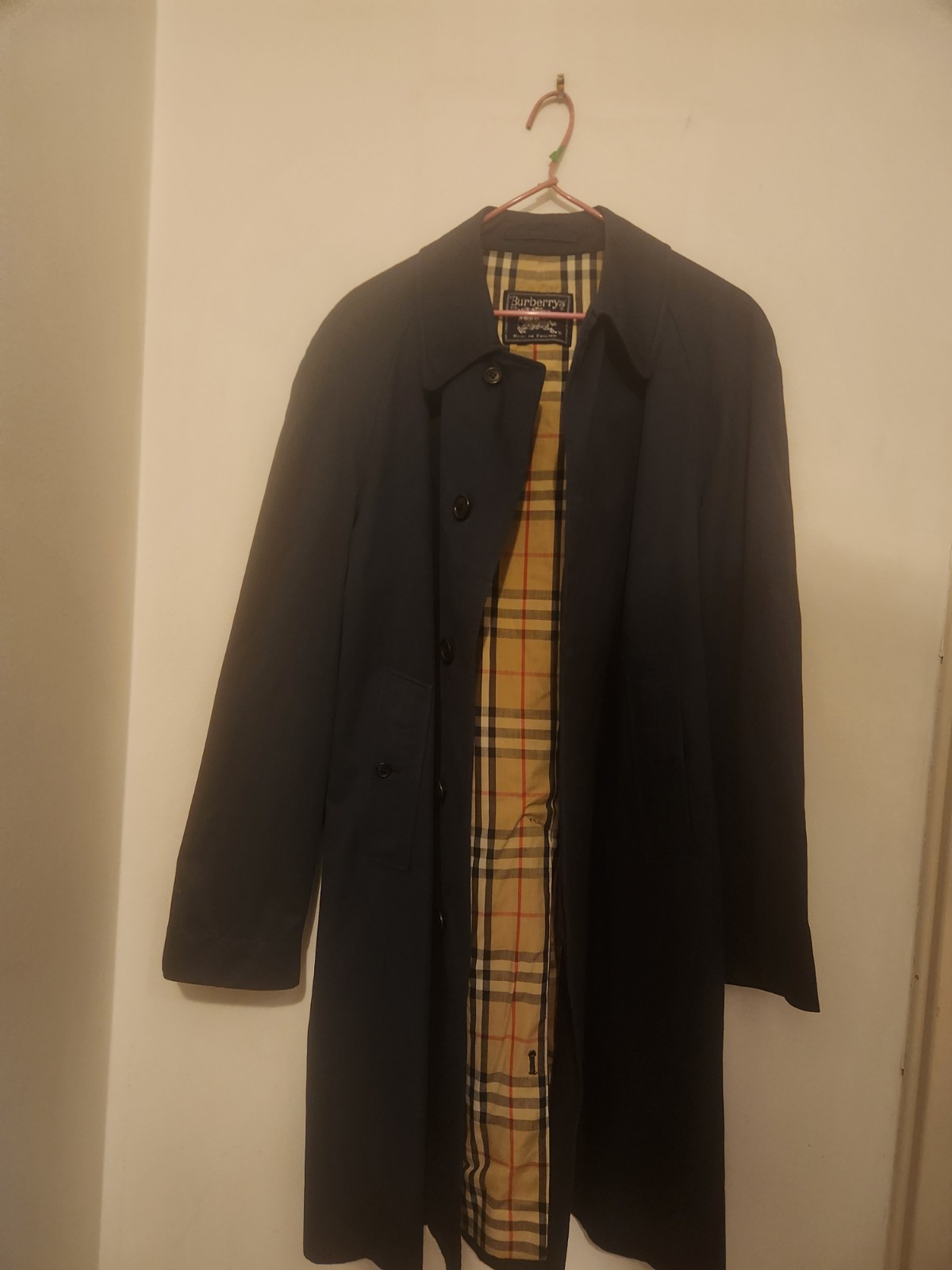
Buy one size up and wear it open over knitwear. Coats should skim, not squeeze. A tight coat pulls across the back when you reach for an Oyster card, and it bunches under your arms when you carry a shopping bag. London is a walking city, so you need room to move. A 1960s A-line coat in a size 10 might fit like a modern 8, so always check the measurements. If the shoulders are too narrow, no tailor can fix it. But if the body is a bit roomy, that’s fine, it allows for a chunky jumper underneath. A long trench over jeans and boots is still unbeatable. The classic Burberry trench from the 1970s has a storm flap, a gun flap, and a belt that cinches at the waist. Wear it open with the belt tied at the back, not the front. That’s the trick for a cleaner line. Belt it at the back rather than the front for a cleaner line. It also keeps the front flat and lets the coat fall naturally. For a shorter coat, try a 1950s swing coat in camel or mustard. It’s playful but not childish, and it works over a dress or trousers. The key is to keep the bottom half simple, slim jeans, straight trousers, or a pencil skirt. Let the coat do the talking.
Where to Find Yours in London
- Rokit Brick Lane (101 Brick Lane) — dependable, huge, strong on denim and outerwear, from around 20 euros. This is a first stop for anyone new to vintage. The rails are packed, and you have to dig, but the turnover is fast, and you can often find a 1970s wool overcoat for under £30. Go early in the week, when the rails are full and the staff still have time to talk.
- Blitz London (55-59 Hanbury Street) — department-store scale, everything properly sorted, from around 45 euros. Blitz is a two-floor Aladdin’s cave, and the outerwear section is a proper department. They clean and press everything, so what you see is what you get. Prices are higher than Rokit, but the quality control is worth it. Look for the 1960s British-made coats in the back section; they’re often missed because they’re hanging among the leather jackets.
- Portobello Road Market (Portobello Road, Notting Hill) — Friday and Saturday for the serious dealers, from around 60 euros. The market is touristy, but the vintage dealers on the upper stretch are the real deal. Many have been trading for decades and know their stock inside out. Ask for a 1950s balmacaan or a 1940s utility coat, they’ll pull out something you didn’t know you wanted. Bring cash; some dealers don’t take cards.
- Retromania (6 Upper Tachbrook Street) — charity-shop prices, genuinely good finds, from around 90 euros. This tiny shop near Victoria is a hidden gem. It’s run by a couple who source from house clearances, so the stock is eclectic and often high-end. I once found a 1980s Aquascutum trench for £90 in perfect condition. The shop is small, so go with time to spare. The owners are happy to chat and will tell you the history of a coat if they know it.
Go early in the week, when the rails are full and the staff still have time to talk. Saturday at Portobello is a scrum, but Tuesday at Rokit is a pleasure.
What to Look For
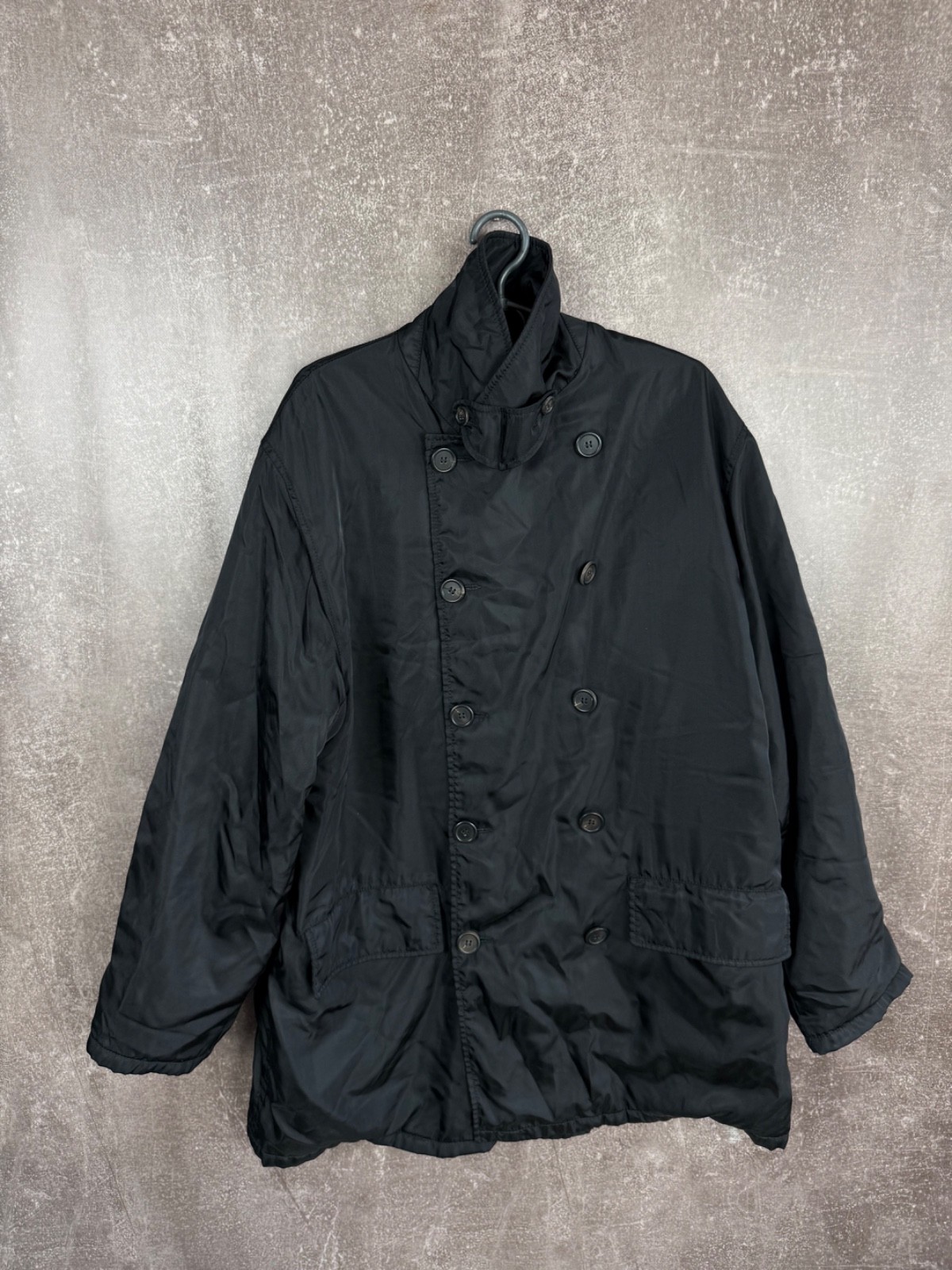
Feel the weight, real wool coats are heavy and stay warm when damp. Check the shoulders for sun-fading, the lining for splits, and the cuffs for shine, which is the first place wear shows. Replacing buttons is easy and transforms a coat; replacing a lining costs more than most vintage coats are worth. But don’t dismiss a coat with a torn lining if the price is right. A good tailor can reline a coat for £50-100, and if the wool is exceptional, it’s worth it. Also check the seams. Pull gently at the armhole and side seams. If you see gaps or loose threads, the coat may need more than a simple repair. Look at the buttonholes, hand-stitched buttonholes are a sign of quality. Machine-made buttonholes are fine, but they wear out faster. And check the pockets. In many vintage coats, the pockets are real, not decorative. Run your hand inside to feel for holes or wear. Finally, try it on properly, walk around in it, and sit down. A vintage coat that only works standing still is not going to survive your actual life. Raise your arms, bend over, and pretend to grab a bag from the floor. If it restricts you, move on.
The History Lesson
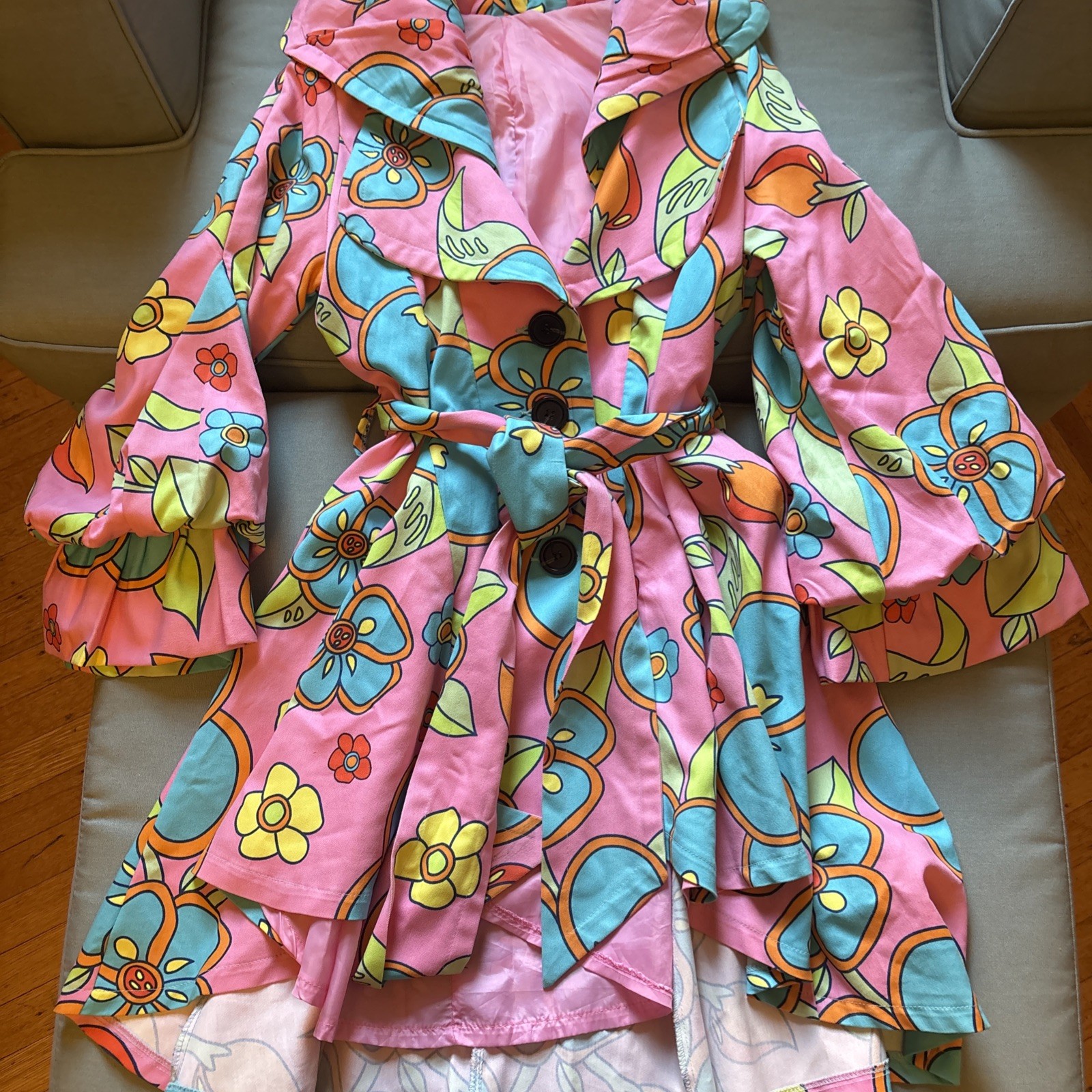
London’s coat-making heritage is deep. In the 1950s, Savile Row tailors were still cutting coats by hand, and the British government’s utility scheme from 1941-1952 set strict standards for fabric quality and construction. A utility coat had a label with the CC41 mark, and those coats are now prized for their durability. The 1960s brought the mod look, and coats became shorter and sharper. The 1970s saw the rise of the Maxi coat, which swept the ground and was often made of heavy wool herringbone. The 1980s were all about power shoulders, but the best of that era’s coats have a strong silhouette that still looks modern today. When you buy vintage, you’re not just buying a coat, you’re buying a piece of that history. A 1950s balmacaan in camel hair is a classic that never dates. A 1970s shearling coat is a statement piece that will last decades. And a 1990s Prada coat, if you can find one, is a collector’s item that you can actually wear. The key is to know what you’re looking for. If you see a label you don’t recognise, look it up on your phone. Many British labels from the 1960s and ’70s are no longer in business, but they made excellent coats. Aquascutum, Burberry, Jaeger, and Barbour are names to trust. But don’t overlook smaller labels like Gloverall, which made the classic British duffle coat, or Crombie, which is still making coats today but the vintage ones are better value.
The Final Word
A vintage coat is an investment in warmth and style. It’s not about nostalgia, it’s about wearing something that works. London’s streets are full of people in brand-new coats that look great in the shop window but fall apart after one season. A vintage coat, if you choose well, will outlast them all. And when someone asks where you got it, you can say, “A little shop near Victoria,” and smile. That’s the best part.

Foto: Mâide Arslan · Pexels
 ✦ The Edit
One to watch
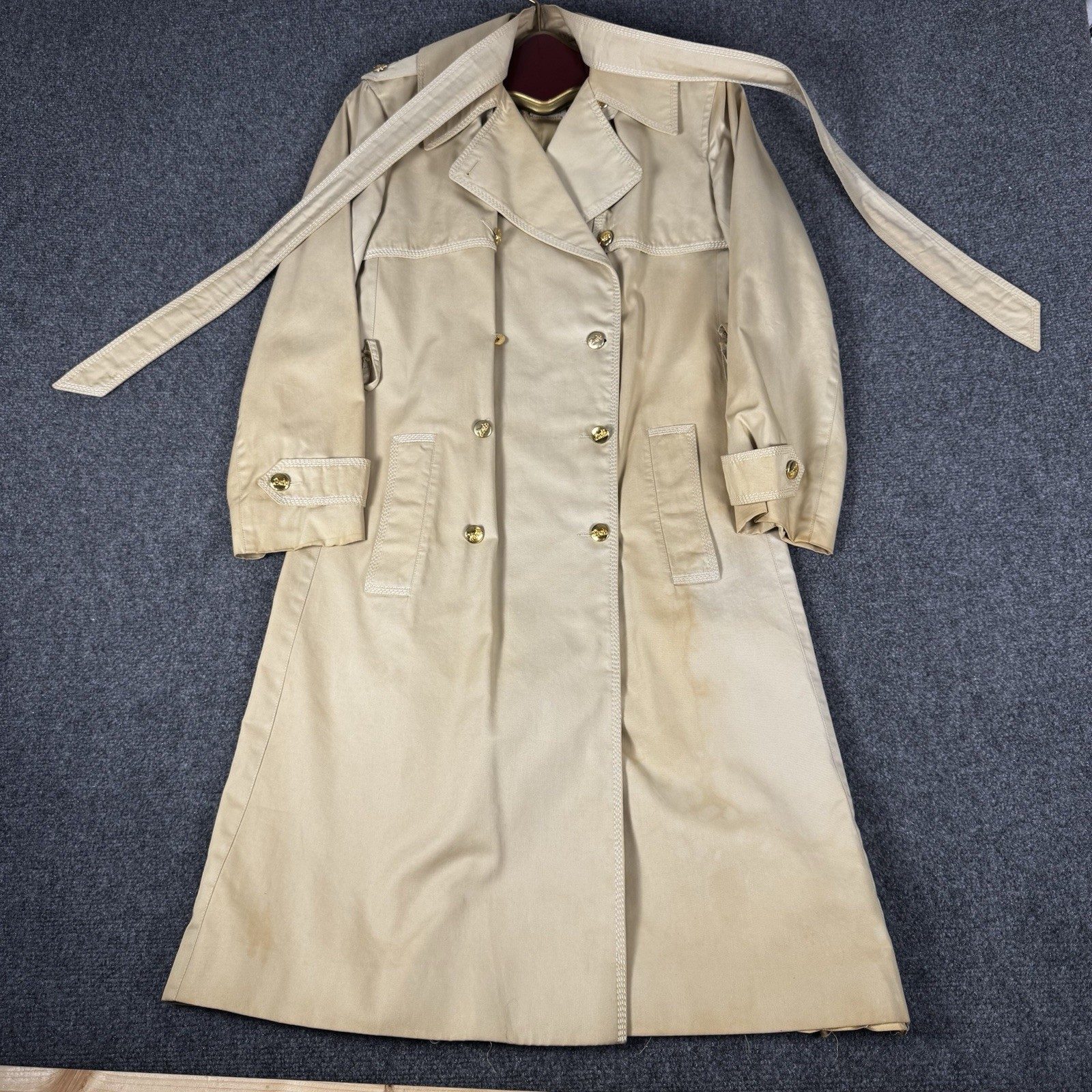
Vintage CELINE Paris Trench Coat Made in France Carriage Logo Gold Buttons
A blazer like this is the fastest way to add a little history to anything you own. This honestly worn blazer in gold is the kind of piece that tells a story before you have said a word. This is the kind of thing that only improves the longer you live with it.
On the market now
The names
Meet the designers
The minds behind this story — each with a piece currently on the market.
Calvin Klein
USA · 1960s
Minimalism & the 90s slip
Minimalism & the 90s slip
Top piece
View →
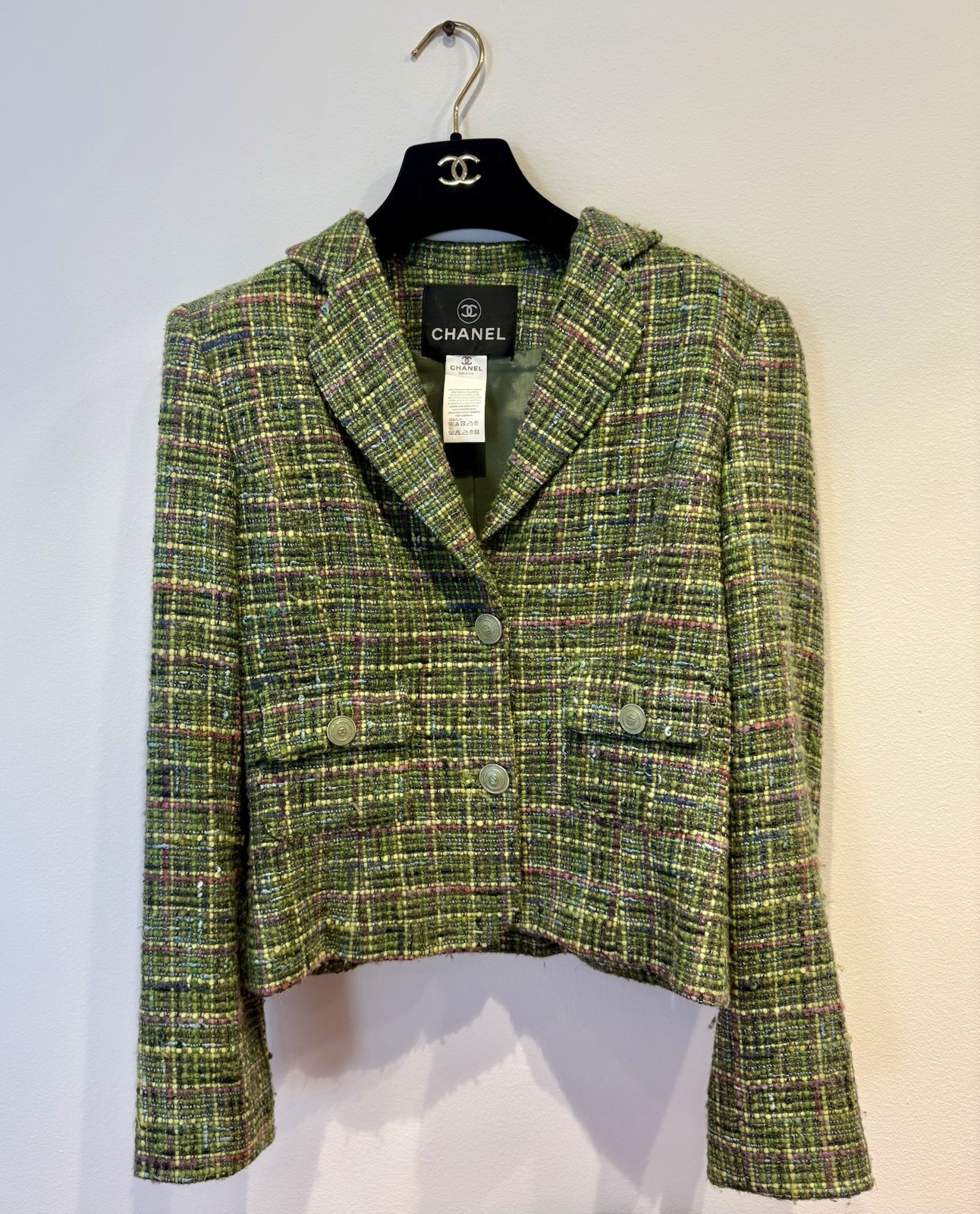
Chanel
France · 1910s
The little black dress & the 2.55
The little black dress & the 2.55
Top piece
View →
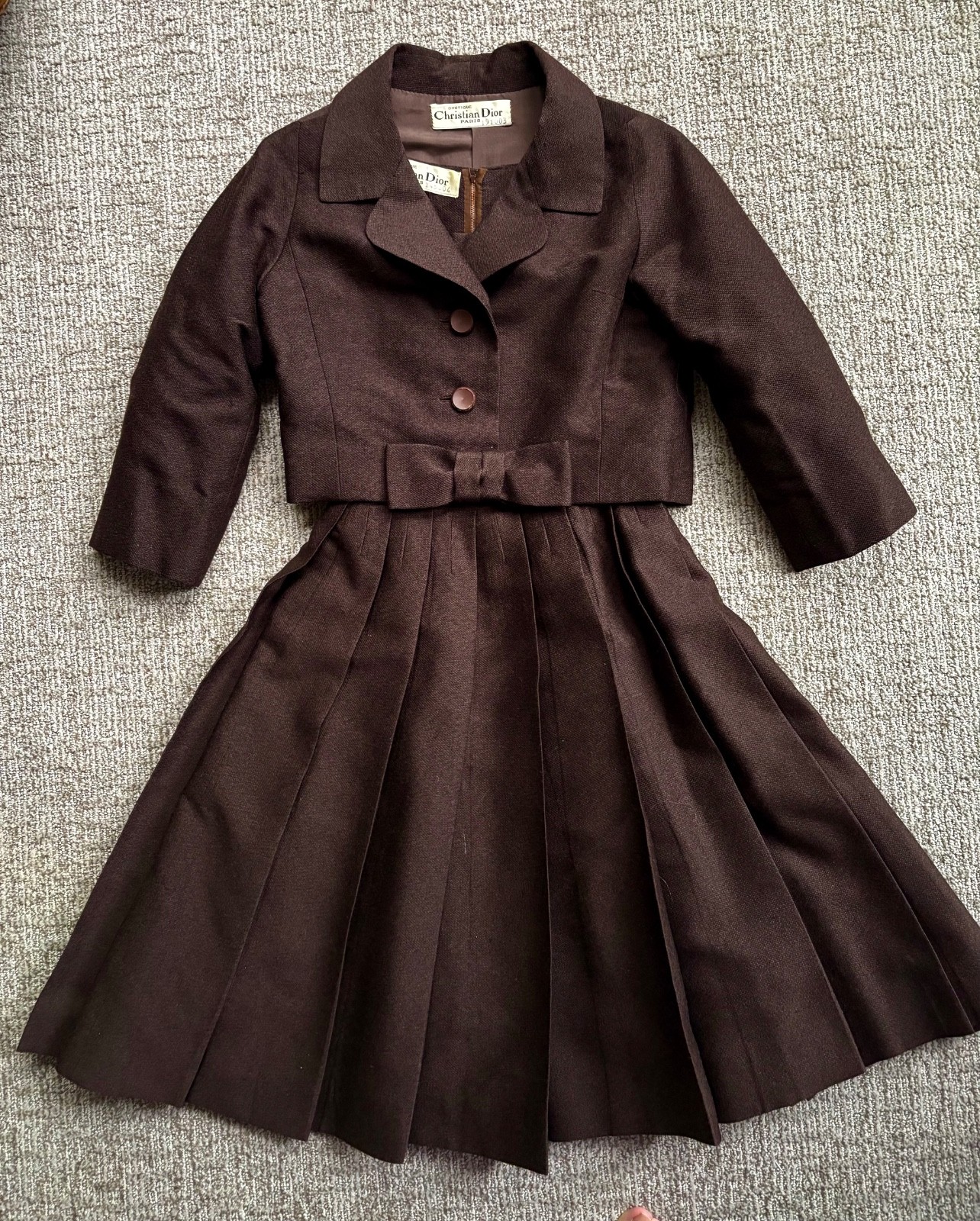
Dior
France · 1940s
The New Look & the Lady Dior
The New Look & the Lady Dior
Top piece
View →
Levi's
USA · 1850s
The 501 & Americana denim
The 501 & Americana denim
Top piece
View →
Continue the edit
Further stories from the same world
Three more walks through the same vintage universe.
Berlin's Coat Culture: Wearing History on Your Sleeve
A woman in a 1960s tweed coat, shoulders squared against the wind, strides past the brutalist concrete of the Neue Nationalgalerie. She's not just dressed for the weather.
Read the story →Trench Coat Hunting in Milan
- Cavalli e Nastri (Via Brera 2) — the archive shop — Prada, Ferragamo, Versace, from around 20 euros. This is a treasure cave.
Read the story →The Vintage Coat Guide for Amsterdam
You're not walking from a chauffeur-driven car to a revolving door. You're cycling against a headwind, then locking your bike to a bridge and walking into a cafe.
Read the story →