
 Sign in
✦ Culture · Tokyo
Why Teak Still Wins in Tokyo
Mid-century furniture survives because it was made from solid wood by people who expected it to be repaired. A teak sideboard from 1962 will outlive anything flat-packed, and it already has the patina.
 By Louis Trash·
Why Furniture Matter Now
Mid-century furniture survives because it was made from solid wood by people who expected it to be repaired. A teak sideboard from 1962 will outlive anything flat-packed, and it already has the patina. Danish designers like Hans Wegner and Finn Juhl didn't design for a throwaway culture. They built with teak, rosewood, and oak, expecting each piece to be passed down. In Tokyo, that expectation is alive and well. The city treats secondhand as a craft. Pieces are graded, described, and looked after better than most new stock. You'll find a 1960s Danish desk with a handwritten note about its provenance, a tiny scratch on the top, and a price that reflects its condition honestly. That's rare anywhere else.
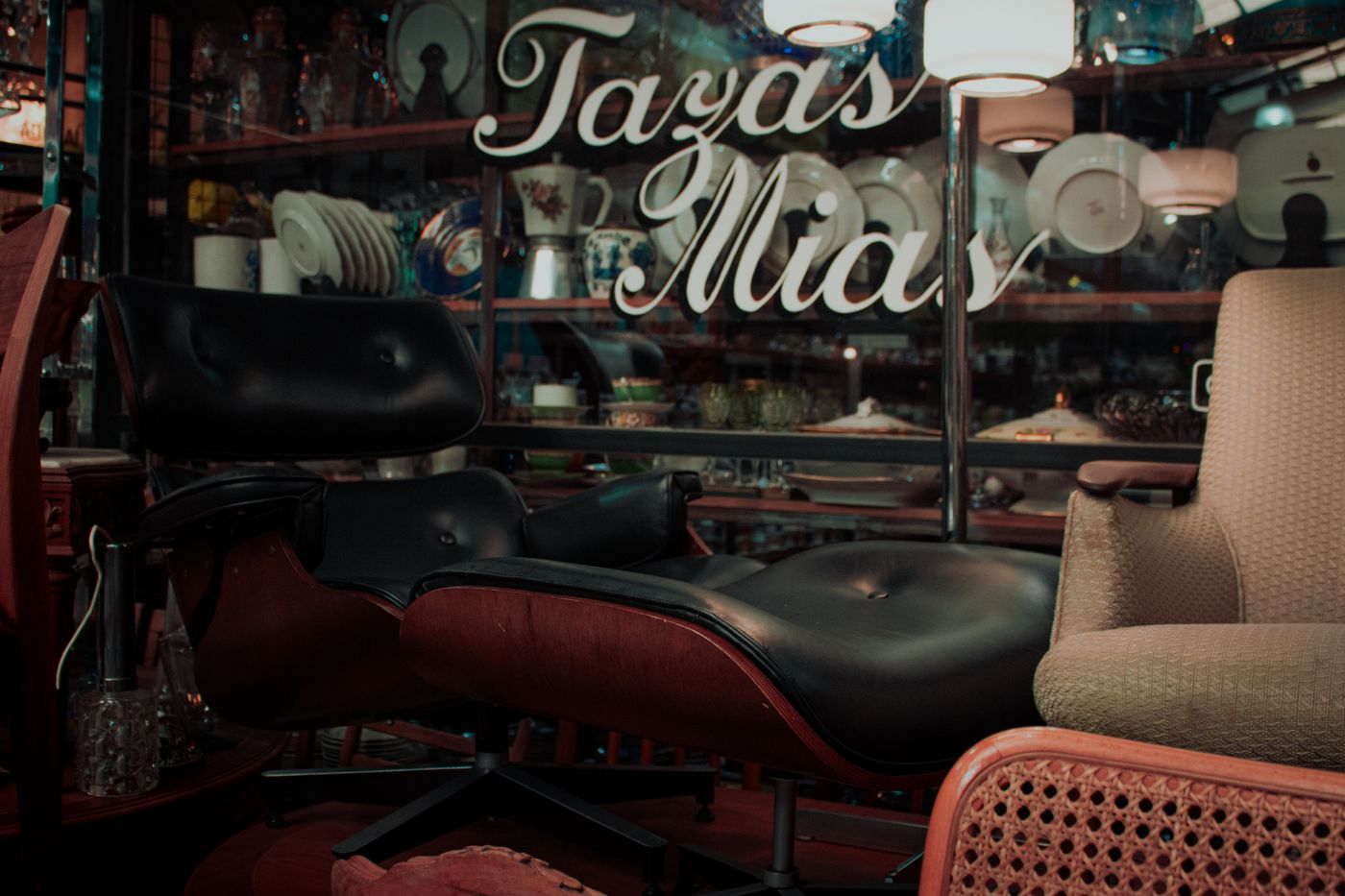
Foto: Mariano Di Luch · Pexels
How to Wear It
One strong vintage piece in a plain room does more than a whole matching set. A sculptural teak armchair against a white wall and a concrete floor becomes the focal point. It doesn't need to match your sofa or your table. In fact, it shouldn't. Mix eras deliberately. A 1950s Italian chair next to a minimalist Scandinavian table creates tension that feels curated, not accidental. Don't over-restore. A soft oil finish beats a fresh coat of lacquer every time. The scratches and water rings tell the story of a life lived. You can gently clean with a damp cloth and re-oil with Danish oil, but avoid sanding down the patina. That's what gives a piece character.
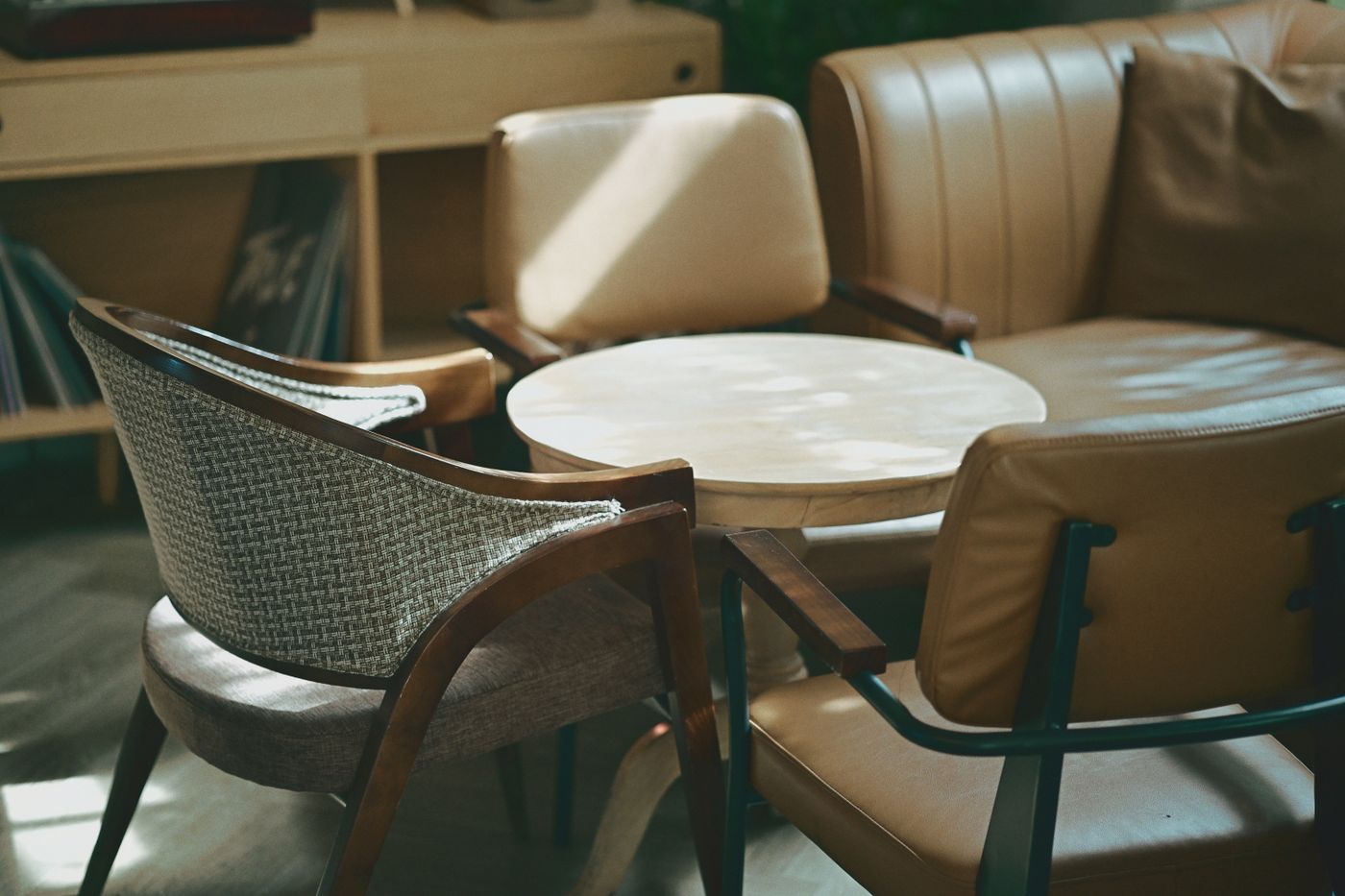
Foto: Việt Anh Nguyễn · Pexels
Where to Find Yours in Tokyo
Tokyo's vintage furniture scene is spread across the city, but the best hunting grounds are in Shibuya and Omotesando. Here are four places worth your time.
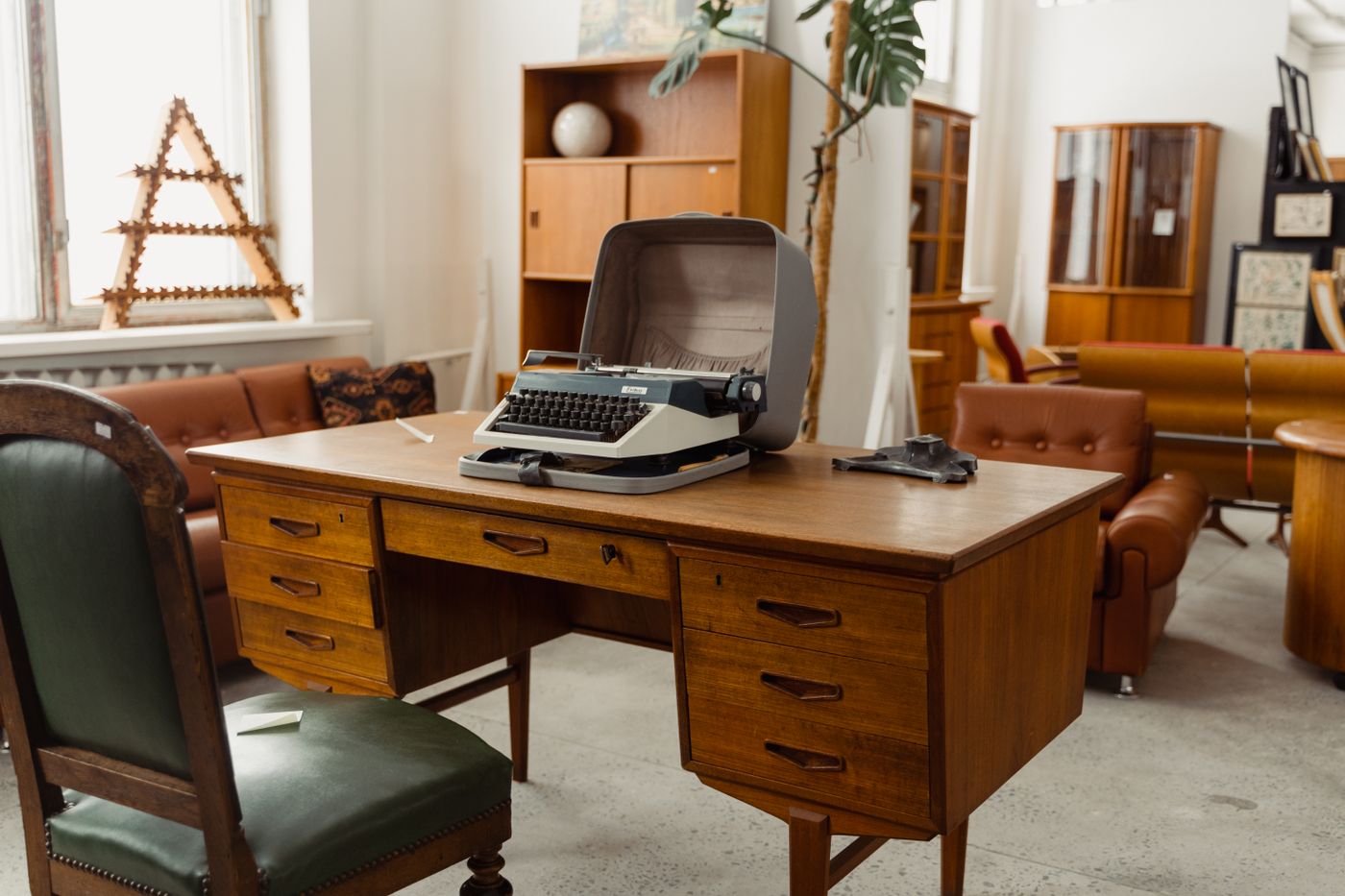
Foto: Tima Miroshnichenko · Pexels
- RAGTAG Harajuku (6-14-2 Jingumae, Shibuya) — This is a multi-floor resale store that carries authenticated designer pieces. The furniture section is small but well-curated, with a focus on mid-century Japanese and Scandinavian items. You'll find a range from about 20 euros for smaller accessories up to several hundred for a statement chair. The staff are knowledgeable and can tell you the history of each piece.
- Kindal Harajuku (4-26-27 Jingumae, Shibuya) — A few minutes' walk from RAGTAG, Kindal has a more fashion-oriented focus, but the furniture section is a hidden gem. Stock turns weekly, so come back often. A teak sideboard might show up one week and be gone the next. Prices start around 45 euros for smaller items.
- Chicago Jingumae (6-31-21 Jingumae, Shibuya) — This is a sprawling store with multiple floors, and the basement is where it gets interesting. You'll find a mix of Japanese and Western vintage, from dining tables to bookshelves. The basement feels like a treasure hunt, with pieces stacked and leaning. Prices start around 60 euros. Don't be afraid to haggle a little; the staff are used to it.
- Pass The Baton Omotesando (5-13-13 Jingumae, Shibuya) — This is a consignment store with a difference: each item comes with the previous owner's story attached. You might find a 1950s rocking chair that belonged to a professor who used it for reading. The stories add a layer of meaning. Prices are higher, starting around 90 euros, but you're paying for the history.
Go on a weekday morning if you can. The rails are fullest before the weekend crowd arrives, and staff have time to show you what came in overnight. Weekends are chaos, and you'll miss the best pieces.
What to Look For
Before you hand over cash, do a quick inspection. Pull out a drawer and look at the joints: dovetails mean solid construction, staples mean skip it. Dovetails are a sign of craftsmanship, a technique used by cabinetmakers for centuries. Staples are a red flag. They indicate mass production and cheap materials. Check underneath for a maker's stamp or a Danish Control mark. A stamp like "Made in Denmark" or a control mark from the Danish Furnituremakers' Control ensures the piece was made to a high standard. Veneer lifting at the edges is a cheap repair; a warped or split top is not. Veneer can be re-glued easily, but a warped top means the wood has been damaged by moisture or heat, and that's hard to fix. Always sit in a chair before you commit. Old joints announce themselves quickly. A wiggle or a creak means the chair needs work, and unless you're prepared to do it, walk away.

One last thing: try it on properly, walk around in it, and sit down. A piece of vintage furniture that only works standing still is not going to survive your actual life. It needs to be comfortable and functional. A beautiful desk that's too low for your chair will end up as a plant stand. A chair that looks stunning but is painfully uncomfortable will be ignored. So take your time. Sit, lean, open drawers, imagine it in your space. If it feels right, it's yours.
Tokyo's vintage furniture scene rewards patience and knowledge. With a little effort, you'll find a piece that's not just furniture, but a piece of history with a future.
City
Tokyo
Category
vintage furniture
Published
8 August 2026
Where to find it
Shop the signals
What the market is offering right now on this exact subject.
stoelen
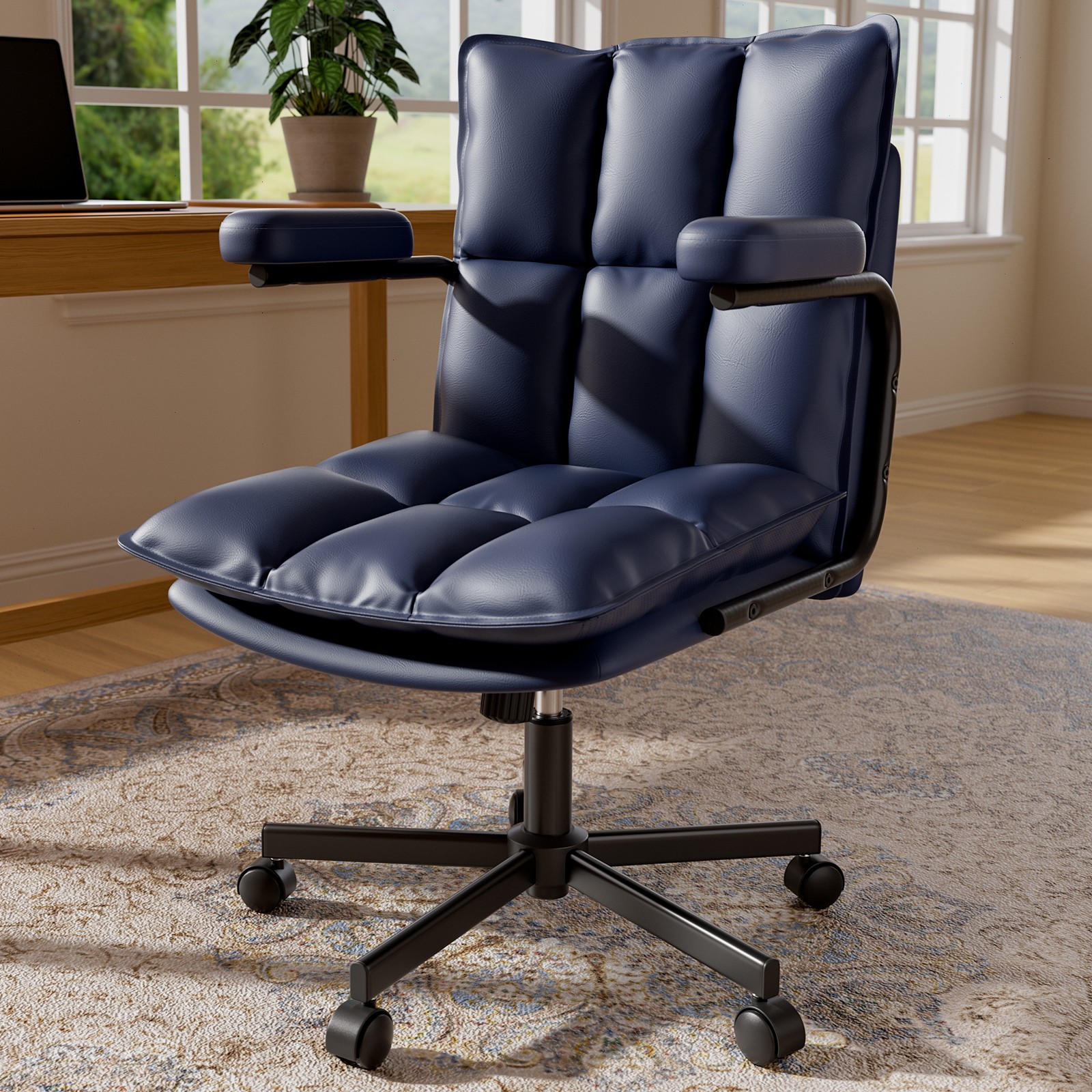
Small Office Chair Mid Century Modern Desk Chair Vintage Leather Computer Chair
meubels
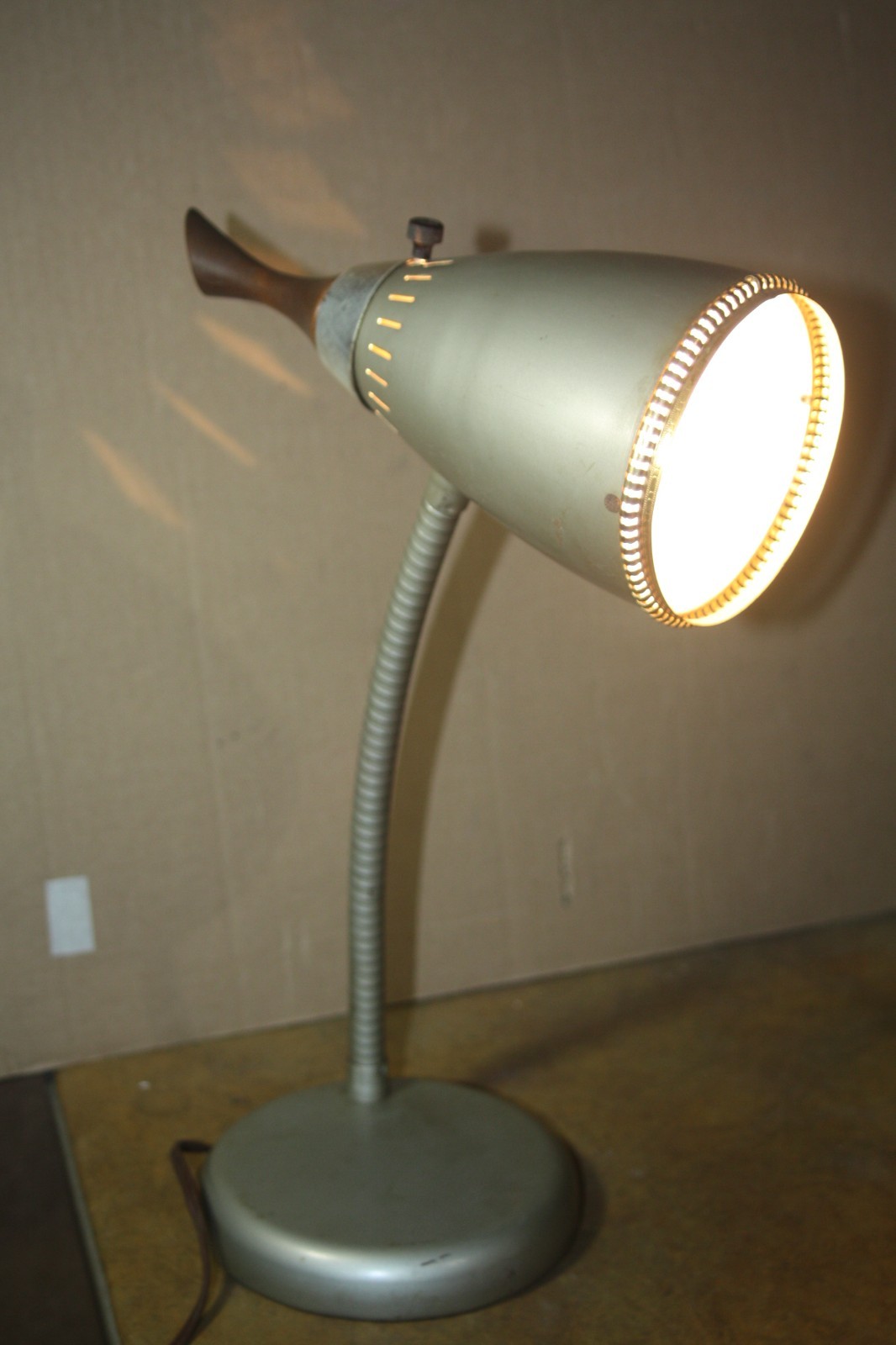
Vintage Mid Century Metal Gooseneck Desk Lamp w/ Brass & Wood Accents - Works
stoelen
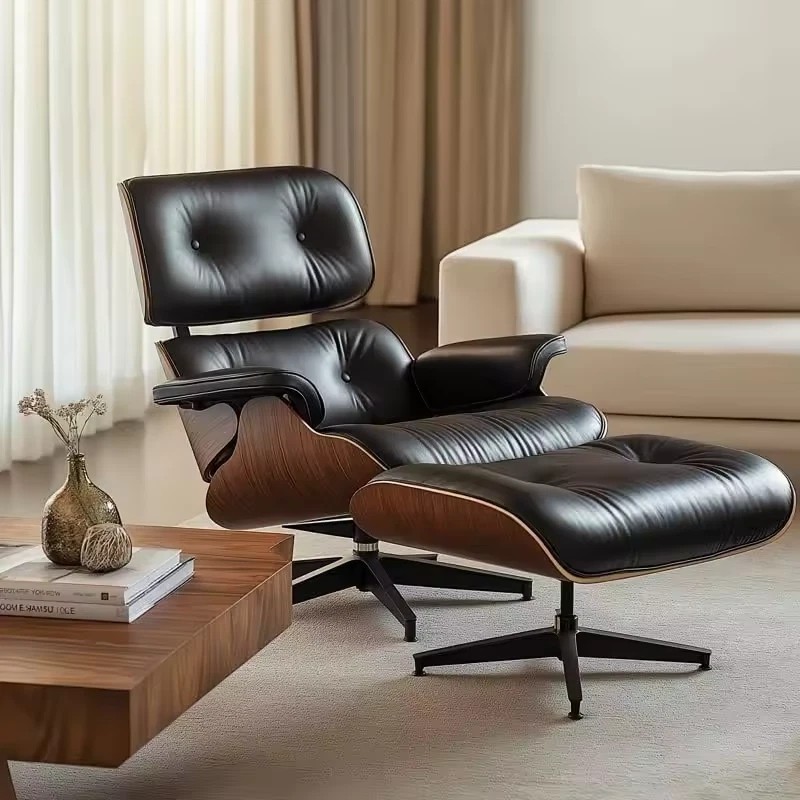
Vintage Pro Tall Eames Lounge Chair With Ottoman Cowhide Leather Armchair Swivel
meubels
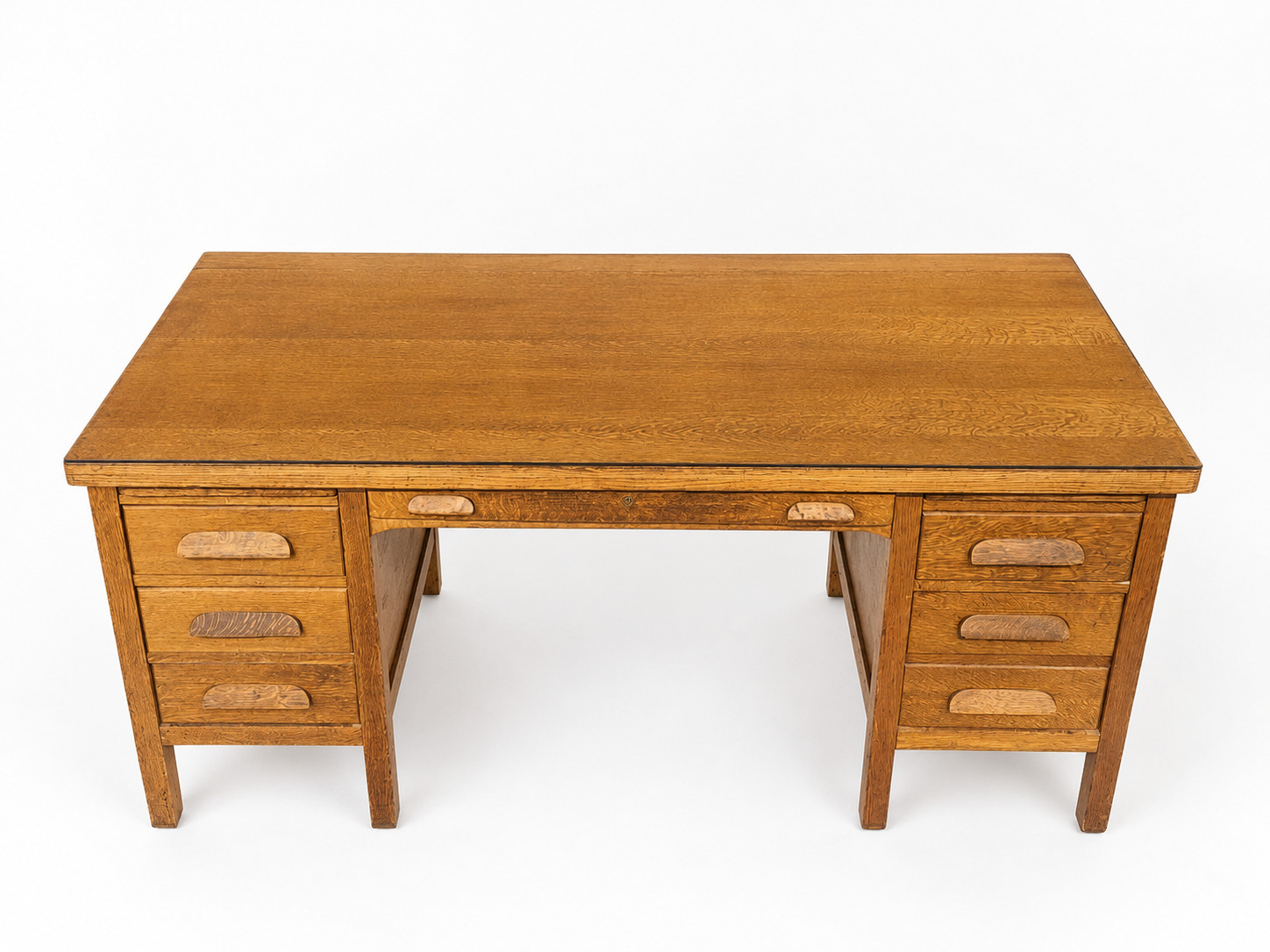
Antique Oak Executive Desk Tiger Oak Wood Pedestal Writing Desk Vintage Office
stoelen
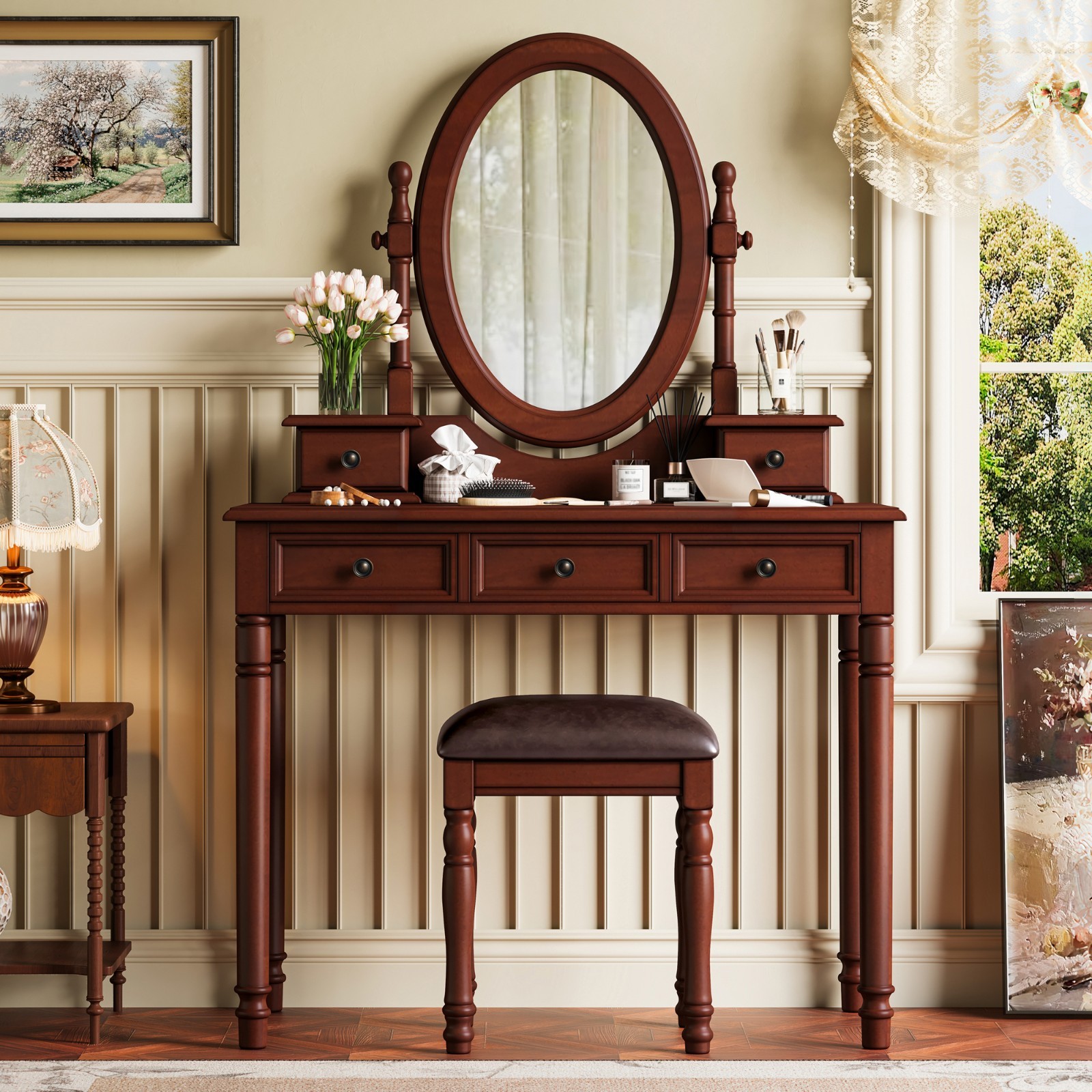
Vanity Desk w/Adjustable Angle Mirror,Vintage Vanity Makeup Table w/Stool Walnut
meubels
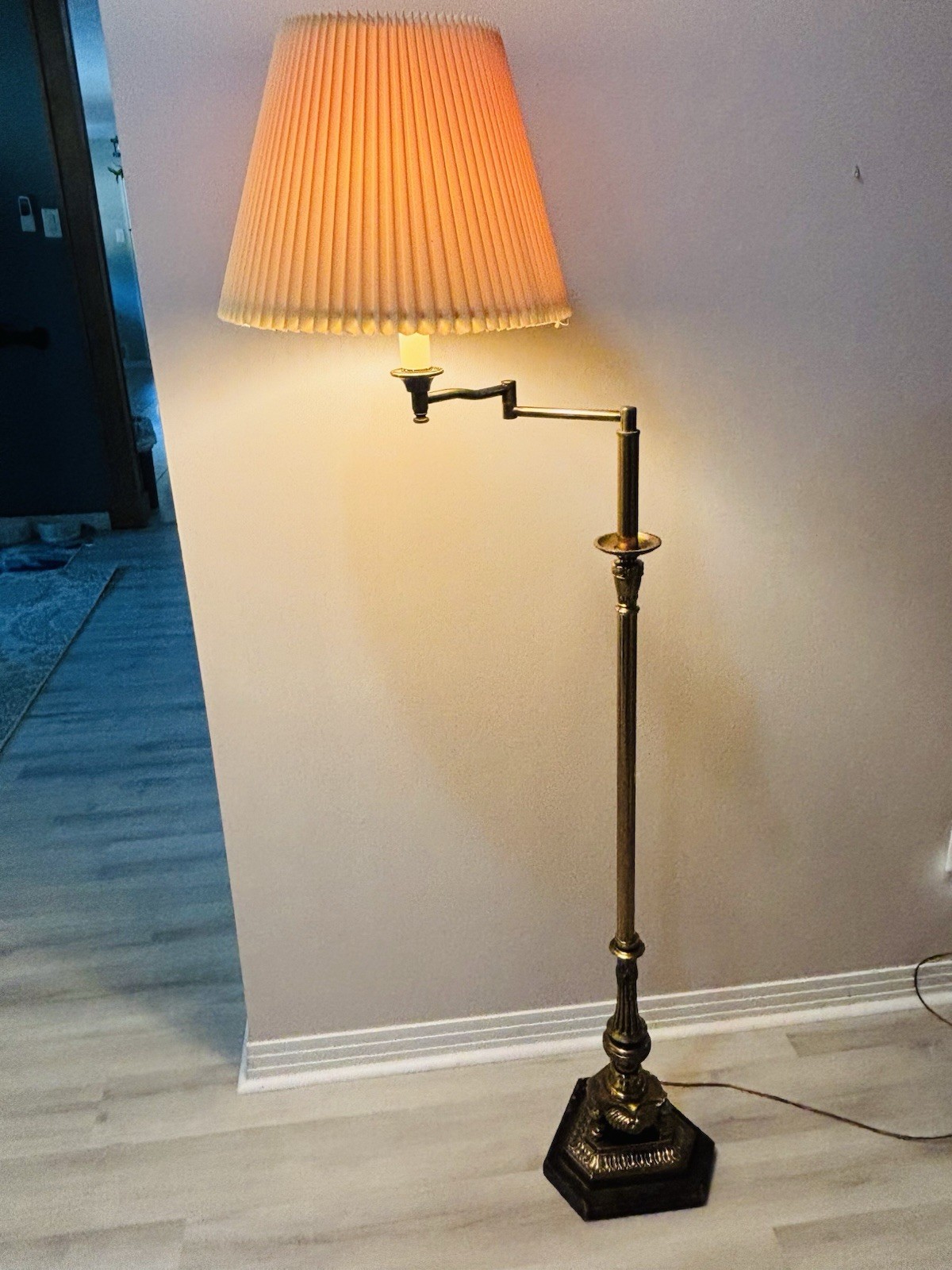
Vintage Brass Floor Lamp Swing Arm Ornate 61” Tall Tested Works

meubels
Lot of 5 GREEN / Shades of Green Old Vintage Antique Rare Hardcover Random Books
meubels
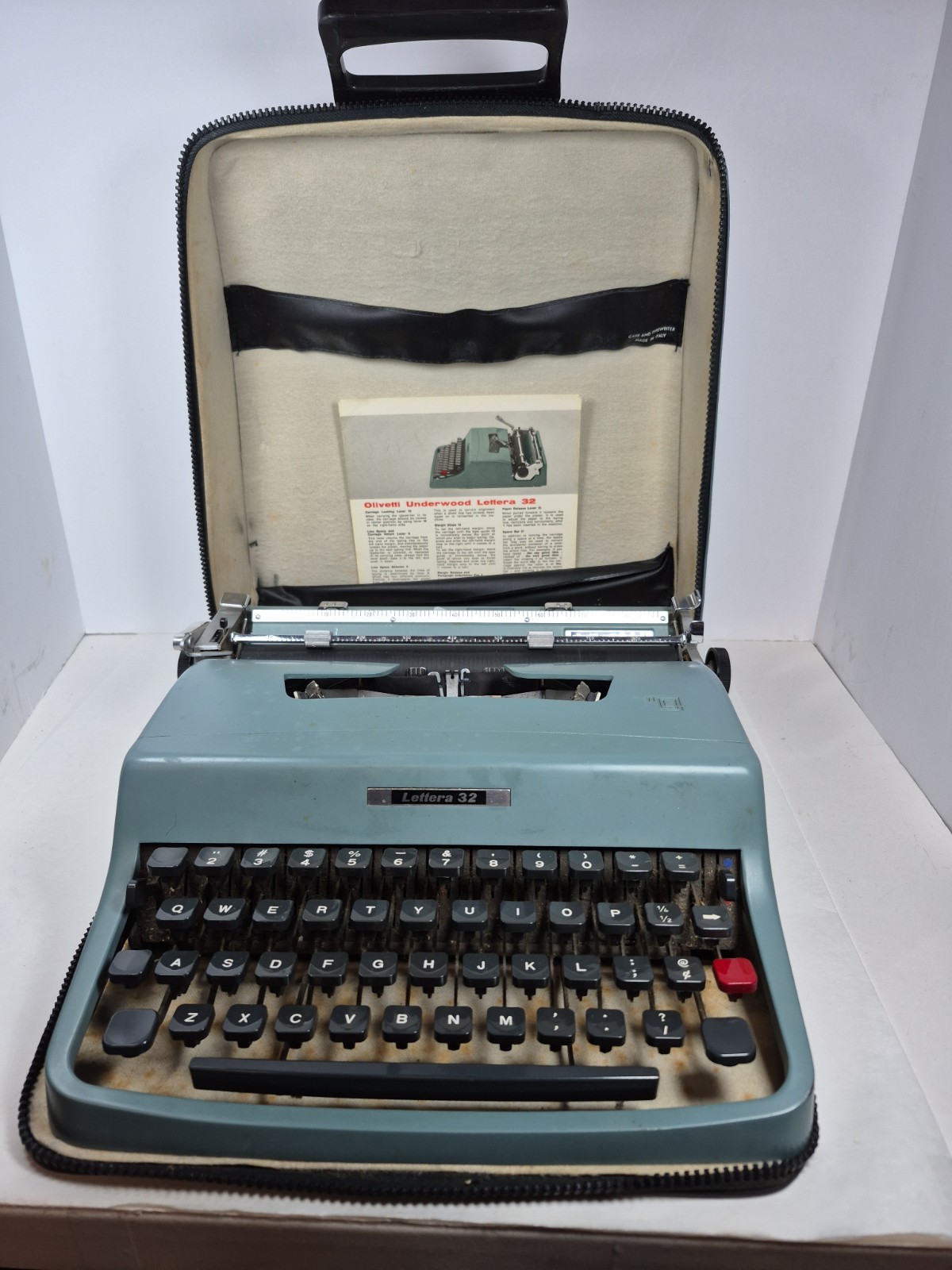
Vintage Olivetti Underwood Lettera 32 Typewriter UNTESTED With Zippered Case
The names
Meet the designers
The minds behind this story — each with a piece currently on the market.
Hans J. Wegner
Denmark · 1940s
The Wishbone & 500 chairs — joinery so pure it needs no ornament.
The Wishbone & 500 chairs — joinery so pure it needs no ornament.
Top piece
View →
Børge Mogensen
Denmark · 1940s
The Spanish chair — honest, functional furniture for everyday life.
The Spanish chair — honest, functional furniture for everyday life.
Top piece
View →
Arne Jacobsen
Denmark · 1950s
The Egg & the Series 7 — chairs turned into quiet sculpture.
The Egg & the Series 7 — chairs turned into quiet sculpture.
Top piece
View →
Jean Prouvé
France · 1930s
Structural steel & the Standard chair — an engineer of furniture.
Structural steel & the Standard chair — an engineer of furniture.
Top piece
View →
Continue the edit
Further stories from the same world
Three more walks through the same vintage universe.

How to Wear a Faded Tour Tee in Tokyo
A band tee is a souvenir somebody else brought home. The faded print, the softened cotton, the fact that it survived thirty years of washing.
Read the story →
Why Old Jeans Beat New Ones in Tokyo
In Tokyo, vintage denim is not a trend. It is a category of craftsmanship. The jeans that survive from the 1970s and 1980s were cut on machines that no longer exist, with cotton that was woven slowly and dyed with indigo that fades in layers, not all at once.
Read →
The Small Bag Guide for Tokyo
It is 2025, and the small shoulder bag is everywhere. But the ones in the windows of Ginza department stores are not the ones I want.
Read →